
Becoming a Master of Medication Management – Tips for Caregivers

By Roz Jones

Navigating the intricacies of medication management can often resemble a daunting juggling act. I understand the overwhelming nature of this responsibility all too well. However, fret not! I come bearing a wealth of tips and tricks aimed at easing this journey. So, without further ado, let’s discuss effective medication management.

  • Create a Medication Masterplan:

Create a schedule outlining when and how each medication should be taken. It could be on a calendar, in a medication journal, or even on an app. Don’t forget the essentials: the name of the medication, the dosage, and how often it’s needed.

  • Pill Organizers:

Like having a personal assistant for your aging loved ones’ medication. These little wonders, found at most pharmacies, organize pills by day and time. It’s a visual aid that turns medication time into a breeze.

  • Team Up with Healthcare Providers:

Keep your loved one’s healthcare provider in the loop about any changes. They’re there to guide you and answer any questions you might have.

  • Set Reminders:

Set reminders on your phone, computer, or even a smartwatch. Let these digital nudges keep you on track and ensure no medication is missed.

  • Understand the Medication Story:

Be the detective, understand potential side effects, and keep an eye out for them. If anything seems off, reach out to your loved oneโ€™s healthcare provider.

  • Keep a Medication Manifest:

Keep a list of all medications โ€“ name, dosage, and frequency. This list is not just for emergencies; it’s to share with healthcare providers.

  • Hit the Road Prepared:

If you’re hitting the road with your loved one, pack those meds like a pro. Ensure you have enough for the journey and carry all necessary documentation. It’s your travel checklist for a seamless adventure.

By following these tips and tricks, managing medications can be a superhero-level task for caregivers. Stay in communication, embrace reminders, and keep everything organized. With preparation, you’re ensuring your loved one gets the superhero treatment they deserve for a successful health journey. Keep up the fantastic work, caregivers!

Shop The Caregiver Cafe E-Commerce Store!

We founded The Caregiver Cafe Shopify Store with one simple goal: to help you experiment with your passion while at the same time providing amazing prices. We were tired of cookie-cutter stores with lackluster selections, and boring gifts. Instead of offering a huge unoriginal collection, we carefully curate just a few unique pieces perfectly suited for people the taste buds like you.

We focus on items that get you excited about shopping again, as we believe buying online should always be fun!


Subscribe to The Caregiver Cafe Weekly Newsletter!

Caregiving can be a roller coaster of ups and downs. The information that you will receive from The Caregiver Cafe Weekly Specials Newsletter will support you as a caregiver. Remember…

1. YOU ARE NOT ALONE: The problems you face as a caregiver are experienced by other caregivers. Knowing that you’re not alone can be comforting. 

2. Tools and Resources:  Find caregiver stress management tools and gain perspective from other caregivers’ experiences.

3. LEARN TO: Ask for help, accept help when it is offered, and acknowledge yourself on this caregiving journey. Hear from experts on how to balance caregiving responsibilities by taking care of your needs and involving others to help manage the natural stress and isolation of being a caregiver. 
Effortless Strategies for Caregivers Coordinating Follow-Up Appointments

By Roz Jones

Coordinating these appointments might feel like a puzzle, but with these straightforward tips, you can piece it together smoothly.

1. Leverage Digital Tools

Tech is your ally. Explore healthcare management apps that simplify appointment coordination. They often come with handy reminders, making your caregiving journey a tad less complicated.

2. Maintain Open Communication

Stay connected with healthcare providers. Regular updates ensure everyone is on the same page, providing optimal care for your loved one. Communication is the linchpin of successful caregiving.

3. Rely on Your Support Network

You’re not alone in this. Whether it’s the healthcare provider, a home care agency, or fellow caregivers, your support system is there to share the load. Collaborate and make caregiving a collective effort.

4. Prioritize Self-Care

Remember, your well-being matters too. Take breaks, rejuvenate, and recharge. A well-cared-for caregiver can provide even better care to their loved one.

5. Embrace Flexibility

Be adaptable. Schedules might shift, and that’s perfectly fine. Flexibility ensures you can adjust to the evolving needs of your loved one.

If you missed our previous article covering coordinating follow-up appointments, catch up here. It lays the foundation for the streamlined approach we’re building upon. By incorporating these straightforward tips, you’re not just managing appointments; you’re actively contributing to your loved one’s overall well-being. Keep up the fantastic work, caregivers! Your dedication is truly commendable.

The Power of Preventive Services in Medicare

By Roz Jones

As a caregiver for an aging loved one, you understand that proactive healthcare is essential to their well-being. While Medicare is often associated with covering medical treatments, did you know that it also offers a treasure trove of preventive services? In this first blog of our series, we invite you to explore the remarkable world of preventive care within Medicare. Discover how these services can help you proactively address your loved one’s health needs, ultimately saving both time and money. After all, when it comes to healthcare, prevention is truly the best medicine.

A Wealth of Preventive Services

Medicare offers a range of preventive services designed to detect and prevent health issues before they become serious. These services cover various aspects of health and well-being and are designed to help seniors maintain their vitality and independence. Some key preventive services include:

1. Welcome to Medicare Visit: This introductory visit is typically covered within the first 12 months after your loved one enrolls in Medicare Part B. It includes a comprehensive review of their medical history, measurements of vital signs, and education about preventive services.

2. Annual Wellness Visit: After the initial Welcome to Medicare Visit, your loved one is entitled to annual wellness visits, which provide an opportunity to discuss their health, create a personalized prevention plan, and assess their risk factors.

3. Vaccinations: Medicare covers essential vaccines, including the flu vaccine, pneumococcal vaccines, and hepatitis B vaccines. Keeping up with vaccinations can prevent potentially serious illnesses.

4. Cancer Screenings: Medicare offers various cancer screenings, such as mammograms for breast cancer, Pap smears and pelvic exams for cervical and vaginal cancers, and colonoscopies for colorectal cancer.

5. Cardiovascular Screenings: Services like blood pressure monitoring, cholesterol checks, and cardiovascular disease screenings help assess and manage heart health.

6. Bone Density Tests: Prevent osteoporosis-related fractures with bone density tests (DEXA scans).

7. Diabetes Screenings: Early detection of diabetes is crucial. Medicare covers screenings for those at risk.

8. Smoking Cessation Programs: If your loved one smokes, Medicare covers counseling and medications to help them quit.

9. Nutrition Services: Access to medical nutrition therapy for those with diabetes or kidney disease can promote healthier eating habits.

10. Depression Screening: Regular screenings help identify and address signs of depression, which is crucial for mental health.

The Benefits of Preventive Care

Proactive preventive care offers numerous benefits:

  • Early Detection: Detecting health issues in their early stages often results in more effective treatments and better outcomes.
  • Cost Savings: Preventive services are often covered at no cost to your loved one, eliminating financial barriers to better health.
  • Quality of Life: Preventing health problems and maintaining overall health can lead to a higher quality of life for your loved one.
  • Peace of Mind: Regular check-ups and screenings provide peace of mind for both you and your loved one.

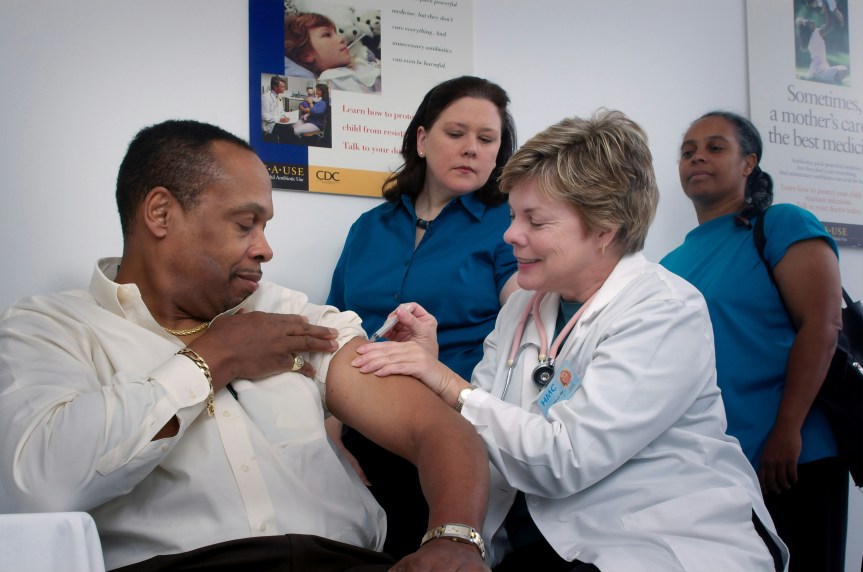
As a caregiver, you play a crucial role in advocating for and coordinating your loved one’s healthcare. Take the initiative to schedule preventive services, remind your loved one about appointments, and keep a record of their screenings and vaccinations. Preventive care is a powerful tool in maintaining your aging loved one’s health and independence. Together, we’ll help your loved one lead a healthier, happier life.

Stay Ahead of the Storm: Download Your Free Expert Storm Guide Now!

Photo by ALTEREDSNAPS on Pexels.com

As we know, June โ€“ November is Hurricane Season. As a family caregiver, there are many ways to prepare your loved ones for it. Early preparation helps reduce opportunities for stress and anxiety as storms approach.

One of the best ways to prepare is allowing your loved on to assist in packing their travel bag, checking their contact list and ensuring there are adequate emergency supplies.

Participationโ€ฆ not isolationโ€ฆ go a long way when preparing for major storms. This Seniors Storm Guide gives essential information to refer to again and again!