
By Roz Jones
Self-care remains important at every stage of life, but the way it is practiced often changes with age. For aging loved ones, wellness may no longer be centered around long days filled with activities, extensive exercise routines, or elaborate plans. Instead, self-care may involve protecting energy, maintaining meaningful connections, supporting physical abilities, getting adequate rest, and continuing to participate in the parts of life that provide comfort and purpose.
Relaxation can certainly include peaceful activities, but supporting well-being also requires attention to sleep, movement, social connection, independence, and the changing needs that often accompany aging.
Healthy aging is not about maintaining the exact routines or abilities a person had years ago. It is about creating opportunities for older adults to continue supporting their physical, mental, and social well-being in ways that reflect their health and abilities today. The Centers for Disease Control and Prevention continues to define healthy aging as maintaining physical, mental, and social health and well-being as people grow older.
Making Rest Part of Healthy Aging
Rest is sometimes treated as something that must be earned after everything else has been completed. For aging adults, however, adequate rest should be considered part of maintaining health rather than an interruption to productivity.
Changes in sleep patterns are common with age, but poor sleep should not automatically be dismissed as a normal part of getting older. Sleep supports physical recovery, cognitive functioning, mood, and overall health. Current CDC guidance recommends that adults age 65 and older generally receive seven to eight hours of sleep each day.
New CDC data released in April 2026 also showed that sleep challenges remain common among American adults. About three in ten adults reported sleeping fewer than seven hours, while approximately one in six reported difficulty falling asleep and one in five reported difficulty staying asleep.
For aging loved ones, persistent changes in sleep may deserve attention, particularly when they are accompanied by daytime fatigue, changes in mood, confusion, pain, frequent nighttime waking, or changes in medication. Caregivers can help by noticing patterns and sharing concerns with the appropriate healthcare professional rather than assuming sleep difficulties must simply be accepted.
A calm evening routine, comfortable sleeping environment, consistent schedule, and opportunities to wind down can become simple but meaningful parts of an older adult’s self-care routine.
Supporting Movement Without Creating Pressure
Physical activity continues to play an important role in healthy aging. It can support strength, balance, mobility, independence, sleep, and overall well-being. The National Institute on Aging notes that older adults can benefit from aerobic activity, muscle-strengthening exercises, and activities that improve balance.
Self-care through movement, however, should reflect the aging loved one’s abilities.
A person who once enjoyed long walks may now benefit from shorter walks throughout the day. Someone who cannot comfortably walk long distances may be able to participate in chair exercises, stretching, or another form of movement recommended by their healthcare team. Gardening, dancing, household activities, and other everyday movement may also contribute to an active lifestyle.
The emphasis should remain on maintaining function and enjoyment rather than meeting an unrealistic expectation.
Caregivers should also remain attentive to changes that affect safe movement. Arthritis, balance concerns, shortness of breath, dizziness, pain, medication changes, or recovery from illness may all influence what an aging loved one can safely do. Movement can remain part of self-care without becoming another area where an older adult feels pressured to perform.
Protecting Social and Emotional Well-Being
Self-care is not limited to what someone does alone.
Relationships, companionship, community involvement, and a sense of belonging remain important parts of well-being throughout aging. Yet older adults can become increasingly vulnerable to social isolation because of retirement, loss of a spouse or friends, health concerns, transportation limitations, hearing loss, decreased mobility, or living far from family.
The National Institute on Aging continues to warn that loneliness and social isolation can affect the physical, mental, cognitive, and emotional health of older adults. In June 2026, the agency released an updated outreach toolkit specifically designed to help older adults, caregivers, and healthcare professionals address these concerns.
Research supported by the National Institute on Aging has also strengthened concerns about the relationship between loneliness and cognitive health. A large analysis reported in 2025 found that feeling lonely was associated with a 31 percent increased risk of developing dementia.
Supporting social well-being does not require filling every day with activities. Regular conversations with family, visits with friends, participation in faith communities, senior programs, hobbies, volunteer opportunities, or simply spending time with familiar people can help an aging loved one remain connected.
The quality of the connection matters more than creating a busy social calendar.
Preserving Independence as Part of Self-Care
As caregiving responsibilities increase, families may begin doing more for an aging loved one. Some assistance becomes necessary for safety, health, or daily functioning, but providing care should not automatically mean removing every opportunity for independence.
Being able to make choices can remain an important part of an older adult’s dignity and emotional well-being.
Self-care may include choosing what to wear, deciding what meal sounds appealing, selecting an activity, helping prepare part of a meal, participating in household routines, or deciding how to spend an afternoon.
The level of participation will naturally vary depending on physical and cognitive abilities. What matters is continuing to include the aging loved one in decisions whenever possible.
Caregiving should provide assistance where it is needed without unnecessarily taking over the areas where the person can still participate.
Self-Care Should Reflect the Individual
There is no universal self-care routine for aging adults.
Some people enjoy quiet mornings.
Others feel most energized when surrounded by family.
Some enjoy music, gardening, prayer, reading, exercise, or creative activities. Others may simply appreciate sitting outdoors or enjoying a familiar television program.
Health conditions also influence what relaxation and self-care look like. Someone living with dementia may respond well to familiar music and routines. A person with limited mobility may need activities that can be enjoyed while seated. Someone managing chronic pain may need more rest between activities. An aging loved one recovering from hospitalization may have entirely different needs than they had several months earlier.
Self-care is most effective when it is responsive rather than prescribed.
Families can pay attention to what leaves their loved one feeling comfortable, connected, interested, or refreshed and build from there.
Supporting Wellness Without Taking Over
Caregivers can play an important role in encouraging healthy habits, but aging loved ones should remain active participants in their own well-being whenever possible.
Instead of creating an entire self-care schedule for someone, families can provide choices and remove barriers that make participation difficult. Transportation may make it possible to attend a favorite activity. An accessible chair may make sitting outdoors more comfortable. A phone or tablet may make it easier to communicate with distant relatives. Assistance preparing a meal may allow an aging loved one to continue participating in a familiar family tradition.
These adjustments allow support to complement independence rather than replace it.
They also recognize that well-being is not simply something caregivers provide to an aging loved one. It is something families can help make possible.
Allowing Self-Care to Evolve With Age
In Nurturing Self-Care Elegance for Our Aging Loved Ones on National Relaxation Day, we explored activities such as enjoying peaceful mornings, spending time in nature, journaling, listening to music, and incorporating gentle movement into the day.
Those activities can continue to provide meaningful opportunities for relaxation.
What becomes increasingly important as loved ones age is allowing those practices to evolve.
The morning walk may become time sitting outdoors. Journaling may become recording memories or telling stories to a family member. Exercise may become a gentle movement based on current abilities. A favorite social activity may require transportation or additional assistance.
The form may change while the purpose remains the same.
Self-care for aging loved ones is ultimately about supporting quality of life. Rest, movement, social connection, independence, emotional well-being, and meaningful activities all contribute to a broader understanding of wellness.
As care needs evolve, families can continue creating opportunities for their aging loved ones to rest, participate, connect, and experience the parts of life that continue to bring comfort and meaning.
Prepare for Your Next Trip

Planning to travel with an aging loved one? Download the free Vacationing with an Aging Loved One Checklist to help you prepare for medications, mobility needs, comfort, safety, and unexpected changes.
Tune in to The Caregiver Café Podcast
Coping Tips For the Overwhelmed Caregiver

In this episode of The Caregiver Café with Roz Jones, Roz is talking about something many caregivers know all too well: feeling overwhelmed while caring for an aging loved one.
Caregiving can be an all-consuming and demanding role. Between doctor’s appointments, medications, meals, daily routines, work responsibilities, and trying to care for yourself, it can start to feel like too much. But Roz reminds caregivers that overwhelm does not always mean you are failing. Sometimes it means you need a better system, more support, and a little more preparation.
Roz breaks down practical coping tips caregivers can use to reduce stress and create more breathing room in their day. She talks about the power of routines, using a calendar or planner, writing down appointments, preparing in advance, and building in extra time so caregivers are not always rushing from one thing to the next.
Give Yourself a Moment of Grace

Caregiving includes demanding days, unexpected changes, and moments of connection that may be easy to overlook. Moments of Grace offers encouragement to caregivers who need a reminder to pause and recognize the meaningful moments along the journey.
Preparing for hurricane season?
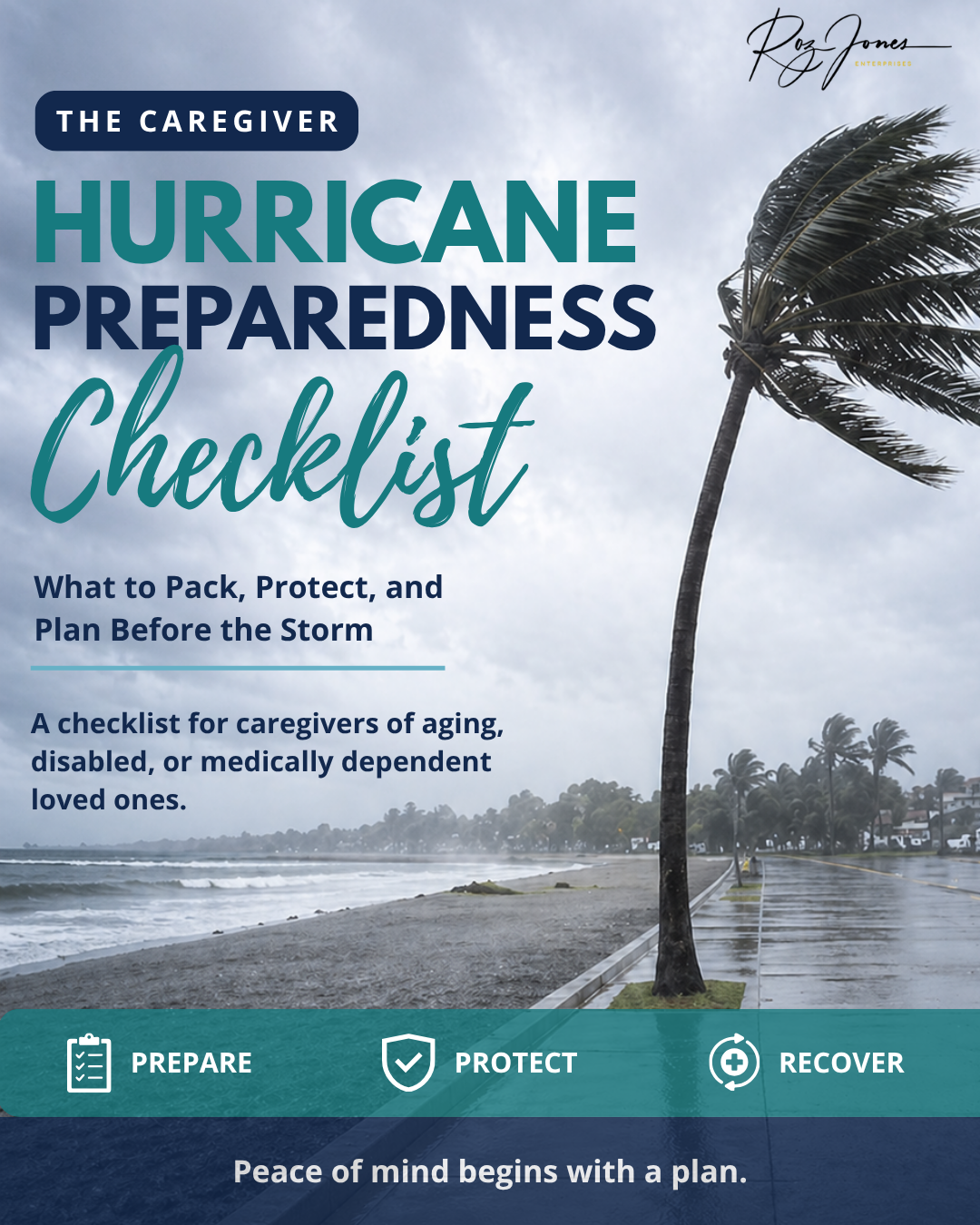
Are you preparing for hurricane season? Purchase the Caregiver Hurricane Preparedness Checklist to organize the information and supplies your family may need before severe weather arrives.
Subscribe to The Caregiver Cafe Weekly Newsletter!

1. YOU ARE NOT ALONE: The problems you face as a caregiver are experienced by other caregivers. Knowing that you’re not alone can be comforting.
2. Tools and Resources: Find caregiver stress management tools and gain perspective from other caregiver’s experiences.
3. LEARN TO: Ask for help, accept help when it is offered, and acknowledge yourself on this caregiving journey. Hear from experts on how to balance caregiving responsibilities by taking care of your needs and involving others to help manage the natural stress and isolation of being a caregiver.
 The Caregiver Cafe