Disaster Preparedness and Planning: What You Need to Know

By Roz Jones

Disasters can strike at any time, often without warning, and can have devastating consequences. From natural disasters like hurricanes, earthquakes, and wildfires to human-made emergencies like power outages and terrorist attacks, being prepared for the worst-case scenario can make all the difference in ensuring your safety and that of your loved ones.

Disaster preparedness and planning involve taking steps to protect yourself, your family, and your property before, during, and after an emergency. This includes creating a disaster plan and preparing a disaster kit that contains essential items and supplies.

A disaster plan outlines the actions you will take in an emergency, including evacuation routes, emergency contacts, and how to access important documents like insurance policies and medical records. It should be tailored to your specific needs and include a plan for any special circumstances, such as caring for an aging loved one or a family member with a disability.

A disaster kit, also known as a go-bag or emergency supply kit, contains the items you will need to survive for at least 72 hours after a disaster. It should include enough food, water, and medication to sustain you and your family, as well as first aid supplies, warm clothing, and personal hygiene items.

In addition to creating a disaster plan and kit, it’s essential to stay informed about potential disasters and emergency situations. This means keeping up-to-date with weather forecasts, news reports, and emergency alerts.

There are also several resources available to help you prepare for disasters, including websites like Ready.gov, FEMA, and the American Red Cross. These sites offer information on disaster planning and preparedness, as well as tips and resources on specific types of emergencies.

Disaster preparedness and planning are crucial to ensuring your safety and that of your loved ones in the event of an emergency. Especially your aging loved ones. By creating a disaster plan and kit, staying informed, and utilizing available resources, you can take steps to prepare for the worst-case scenario and protect your family and property.


Seniors Storm Guide: Essential Tips for Caregivers to Prepare Loved Ones for the Hurrican Season

Photo by ALTEREDSNAPS on Pexels.com

As a caregiver, your loved one’s safety is a top priority, especially during hurricane season. The key to reducing stress and anxiety is early preparation. Our Seniors Storm Guide is a free resource that offers essential information to help you prepare your loved one for potential storms. From packing a travel bag to checking their contact list and ensuring there are adequate emergency supplies, this guide provides tips that your loved one can actively participate in. Participation, not isolation, is key when preparing for major storms. Our Seniors Storm Guide will serve as a valuable resource that you can refer to again and again. Download it today and be prepared for anything that comes your way this hurricane season.


Stay Connected!

Getting Started with Decluttering: Tips for Caregivers

By Roz Jones

As a caregiver, decluttering may seem like an overwhelming task. However, the benefits of a decluttered space can greatly improve your mental health and overall well-being. Here are some tips to help you get started:

  1. Start small: Begin by decluttering one small area at a time. This can be a drawer, a closet, or a shelf. This will help you feel less overwhelmed and will give you a sense of accomplishment as you complete each area.
  1. Create a plan: Make a plan of action for what you want to accomplish and how you will tackle each area. Write down your plan and set achievable goals for each day.
  1. Sort items: Sort items into piles of what you want to keep, donate, sell, or throw away. Be honest with yourself about what you truly need and what you can let go of.
  1. Use the โ€œOne In, One Outโ€ rule: For every new item that enters your home, try to get rid of one item. This will help you maintain a clutter-free space and prevent future accumulation of items.
  1. Get help: Enlist the help of family members, friends, or a professional organizer to help you with the decluttering process. Having someone to hold you accountable and provide support can make the process much easier.

Remember, decluttering is not just about creating a clean space. It can greatly improve your mental health and overall well-being as a caregiver. So, take some time to declutter and enjoy the benefits of a clutter-free home!


“Transform Your Home Into a Sanctuary of Calm: Download Mental Health America’s ‘Healthy Home Environments’ Document Today!”

Are you looking for ways to improve your mental health and well-being? If so, we have just the thing for you! Mental Health Americaโ€™s new document โ€˜Healthy Home Environments,โ€ provides valuable insights into how you can optimize your living space to promote better mental health.

Whether you are living with a mental health condition or just looking for ways to enhance your overall well-being, this document offers practical tips and strategies that anyone can benefit from. From decluttering your space to incorporating natural elements, this document is packed with actionable steps you can take to transform your home into a sanctuary of calm and tranquility. Donโ€™t miss out on this opportunity to improve your mental health and download โ€œHealthy Home Environmentsโ€ today!


Shop The Caregiver Cafe E-Commerce Store!

We founded The Caregiver Cafe Shopify Store with one simple goal: to help you experiment with your passion while at the same time providing amazing prices. We were tired of cookie-cutter stores with lackluster selections, and boring gifts. Instead of offering a huge unoriginal collection, we carefully curate just a few unique pieces perfectly suited for people the taste buds like you.

We focus on items that get you excited about shopping again, as we believe buying online should always be fun!


Subscribe to The Caregiver Cafe Weekly Newsletter!

Caregiving can be a roller coaster of ups and downs. The information that you will receive from The Caregiver Cafe Weekly Specials Newsletter will support you as a caregiver. Remember…

1. YOU ARE NOT ALONE: The problems you face as a caregiver are experienced by other caregivers. Knowing that you’re not alone can be comforting. 

2. Tools and Resources:  Find caregiver stress management tools and gain perspective from other caregivers’ experiences.

3. LEARN TO: Ask for help, accept help when it is offered, and acknowledge yourself on this caregiving journey. Hear from experts on how to balance caregiving responsibilities by taking care of your needs and involving others to help manage the natural stress and isolation of being a caregiver. 

The Emotional Challenges of Caregiving for a Former Spouse or Baby Daddy

By Roz Jones

When a former spouse or baby daddy becomes ill or disabled, it can be a difficult and emotional time. Suddenly, you may find yourself in the role of caregiver for someone who was once your partner. This can bring up a variety of unique emotional challenges that can be difficult to navigate. In this blog, we will discuss the emotional challenges of caregiving for a former spouse and provide tips for managing emotions and maintaining boundaries.

Introduction to the Emotional Challenges of Caregiving for a Former Spouse

One of the main emotional challenges of caregiving for a former spouse is the history and baggage that may come with the relationship. Past hurts, resentments and unresolved issues can all resurface during this time. It’s important to acknowledge and process these emotions in order to move forward and provide effective care.

Another emotional challenge is the shift in roles and dynamics. The caregiving relationship can blur the lines between caregiver and partner, leading to confusion and discomfort. Additionally, there may be feelings of guilt or obligation to provide care, even if the relationship ended poorly.

Tips for Managing Emotions and Maintaining Boundaries

To manage these emotions, it’s important to prioritize self-care. This can include seeking support from friends and family, joining a support group, or seeking professional counseling. It’s also important to forgive yourself if you wronged them as you also forgive them if they wronged you. You must also set boundaries. You also want to communicate clearly with your former spouse about what you are and are not able to provide in terms of care.

Caregiving for a former spouse can bring up a variety of emotional challenges. By prioritizing self-care and setting clear boundaries, it is possible to provide effective care while maintaining your own emotional well-being. Remember, it’s okay to seek support and resources to help navigate this difficult time.


Transform Your Home Into a Sanctuary of Calm: Download Mental Health America’s Healthy Home Environments Document Today!

Are you looking for ways to improve your mental health and well-being? If so, we have just the thing for you! Mental Health Americaโ€™s new document โ€˜Healthy Home Environments,โ€ provides valuable insights into how you can optimize your living space to promote better mental health.

Whether you are living with a mental health condition or just looking for ways to enhance your overall well-being, this document offers practical tips and strategies that anyone can benefit from. From decluttering your space to incorporating natural elements, this document is packed with actionable steps you can take to transform your home into a sanctuary of calm and tranquility. Donโ€™t miss out on this opportunity to improve your mental health and download โ€œHealthy Home Environmentsโ€ today!


Stay Connected!

Secure Digital Communication Tools for Caregivers

By Roz Jones

As a caregiver for an aging loved one, it’s important to protect their financial information and personal data from cyber threats. With advancements in technology, there are many digital communication tools available to caregivers that offer enhanced security features. Here are five secure digital communication tools that caregivers can use to protect their loved ones’ information:

  • Encrypted messaging apps: Encrypted messaging apps like WhatsApp and Signal use end-to-end encryption to protect messages from being intercepted or accessed by third parties. Caregivers can use these apps to communicate with their loved ones about sensitive information like financial accounts, medical records, and passwords.
  • Virtual private networks (VPNs): VPNs create a secure, encrypted connection between a caregiver’s device and the internet. This can help protect sensitive information like online banking and shopping activity from being intercepted by hackers or cybercriminals. Caregivers can use VPNs on their phones, tablets, and computers to add an extra layer of security to their online activity.
  • Video conferencing platforms with end-to-end encryption: Video conferencing platforms like Zoom and Google Meet offer end-to-end encryption for video calls, which can protect conversations from being intercepted by third parties. Caregivers can use these platforms to communicate with healthcare providers, financial advisors, and other professionals who may need access to their loved ones’ information.
  • Secure email services: Secure email services like ProtonMail and Tutanota offer end-to-end encryption for emails, which can help protect sensitive information from being accessed by unauthorized parties. Caregivers can use these services to communicate with their loved ones’ healthcare providers and financial advisors.
  • Two-factor authentication for online accounts: Two-factor authentication adds an extra layer of security to online accounts by requiring a second form of authentication in addition to a password. Caregivers can enable two-factor authentication on their loved ones’ online accounts, such as email, banking, and social media accounts, to help prevent unauthorized access.

Caregivers can take advantage of a variety of secure digital communication tools to protect their aging loved ones’ information from cyber threats. Encrypted messaging apps, VPNs, video conferencing platforms with end-to-end encryption, secure email services, and two-factor authentication are just a few of the tools available to caregivers. By using these tools, caregivers can help ensure that their loved ones’ sensitive information remains safe and secure. These strategies can also be used to protect you financially. To go a step further incorporate data backup methods and services to store sensitive and valuable information.


Transform Your Home Into a Sanctuary of Calm: Download Mental Health America’s Healthy Home Environment Document

Are you looking for ways to improve your mental health and well-being? If so, we have just the thing for you! Mental Health America’s new document ‘Healthy Home Environments,” provides valuable insights into how you can optimize your living space to promote better mental health.

Whether you are living with a mental health condition or just looking for ways to enhance your overall well-being, this document offers practical tips and strategies that anyone can benefit from. From decluttering your space to incorporating natural elements, this document is packed with actionable steps you can take to transform your home into a sanctuary of calm and tranquility. Don’t miss out on this opportunity improve your mental health and download “Healthy Home Environments” today!


Shop The Caregiver Cafe E-Commerce Store!

We founded The Caregiver Cafe Shopify Store with one simple goal: to help you experiment with your passion while at the same time providing amazing prices. We were tired of cookie-cutter stores with lackluster selections, and boring gifts. Instead of offering a huge unoriginal collection, we carefully curate just a few unique pieces perfectly suited for people the taste buds like you.

We focus on items that get you excited about shopping again, as we believe buying online should always be fun!


Are you or someone you know currently caring for an ex-partner? Check out my latest podcast episode where we dive into the complex emotions and relationship dynamics that can arise when providing care for an ex-spouse or partner. Listen as I share insight on how to navigate these challenges, including addressing past issues, maintaining open communication, and building a support system. Tune in now to gain a new perspective on this unique caregiving role!

Caregiving for an ex-partner can be a complex and challenging situation, as it may involve navigating complex emotions and past relationship dynamics. However, it is not an uncommon scenario, especially if the ex-partner is in need of significant care due to illness or disability.

In this eye-opening episode, we tackle the challenges of caregiving for an ex-partner by addressing past issues, maintaining open communication, and having a support system in place.

Whether you’re stepping into the unusual shoes of caring for an ex-spouse or want to help a friend facing this situation, our valuable insights will help make this experience less complicated and frustrating.

Don’t miss out on this enlightening discussion โ€“ tune in now!

Subscribe to The Caregiver Cafe Weekly Newsletter!

Caregiving can be a roller coaster of ups and downs. The information that you will receive from The Caregiver Cafe Weekly Specials Newsletter will support you as a caregiver. Remember…

1. YOU ARE NOT ALONE: The problems you face as a caregiver are experienced by other caregivers. Knowing that you’re not alone can be comforting. 

2. Tools and Resources:  Find caregiver stress management tools and gain perspective from other caregiver’s experiences.

3. LEARN TO: Ask for help, accept help when it is offered, and acknowledge yourself on this caregiving journey. Hear from experts on how to balance caregiving responsibilities by taking care of your needs and involving others to help manage the natural stress and isolation of being a caregiver. 

Coping with Caregiver Guilt When Choosing Adult Daycare for Your Aging Loved One

By Roz Jones

As a caregiver for an aging loved one, it’s natural to feel a sense of responsibility for their well-being. You want to make sure they receive the best possible care and support. However, when the time comes to consider adult daycare as an option, many caregivers can experience feelings of guilt and uncertainty. You may feel like you’re abandoning your loved one or failing as a caregiver.

It’s important to remember that choosing adult daycare is a positive and necessary decision for both you and your loved one. Adult daycare provides a safe and stimulating environment for your loved one, where they can socialize with others, engage in activities, and receive professional care and support.

To cope with caregiver guilt, it’s important to seek support. Talk to other caregivers, friends, or family members who can offer empathy and understanding. Joining a support group can also be helpful in connecting with others who are going through similar experiences.

Practicing self-care is another important coping strategy. Caregiving can be stressful, and it’s easy to neglect your own needs. Make sure to take breaks and prioritize activities that bring you joy and relaxation.

Staying involved in your loved one’s care can also help alleviate feelings of guilt. Attend their adult daycare program with them, participate in their activities, and stay informed about their care plan. This will help you feel connected and reassured that your loved one is receiving the best possible care.

It’s important to remember that choosing adult daycare is a positive and necessary decision for both you and your loved one. Adult daycare provides a safe and supportive environment for your loved one, and it allows you to maintain your own well-being as a caregiver. Explaining the benefits and factors that led to your choice of an adult care home will provide the logical basis for your decision. This goes a long way to helping you overcome undue guilt. Coping with caregiver guilt takes time and effort, but with the right support and self-care strategies, you can overcome these feelings and focus on providing the best possible care for your loved one.


May is Mental Health Month: Take Control of Your Mental Health with 31 Daily Tips

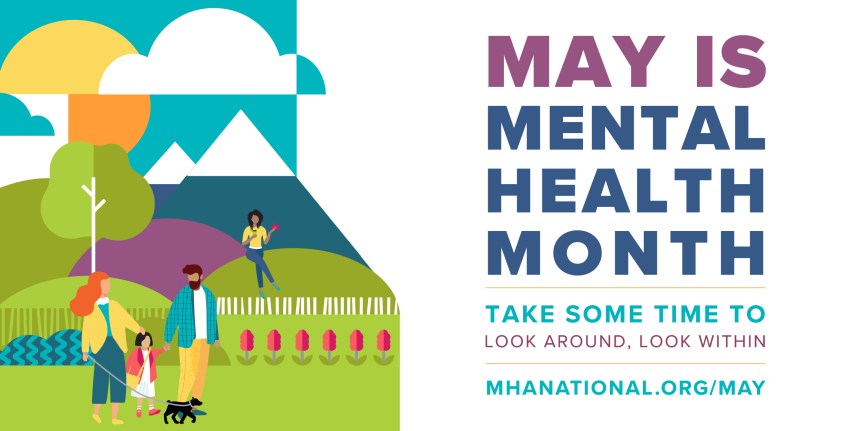
Mental Health America is proud to announce May as Mental Health Month, a time to prioritize and take control of your well-being. This year’s theme is Take Some Time To Look Around, Look Within emphasizing the importance of creating a supportive and uplifting environment for yourself and those around you. To help you achieve this goal, MHA has created a daily calendar with 31 tips for improving your mental health for the month.

Whether you’re struggling with anxiety, depression, stress, or simply looking for ways to maintain a healthy mindset the Mental Health Calendar has something for everyone with each day featuring a different tip or activity to promote self-care, resilience, and positive thinking.

Download the Mental Health Calendar now to learn how to cultivate a more supportive and nurturing environment for yourself and your aging loved one, while also building stronger relationships with those around you!


Stay Connected!