
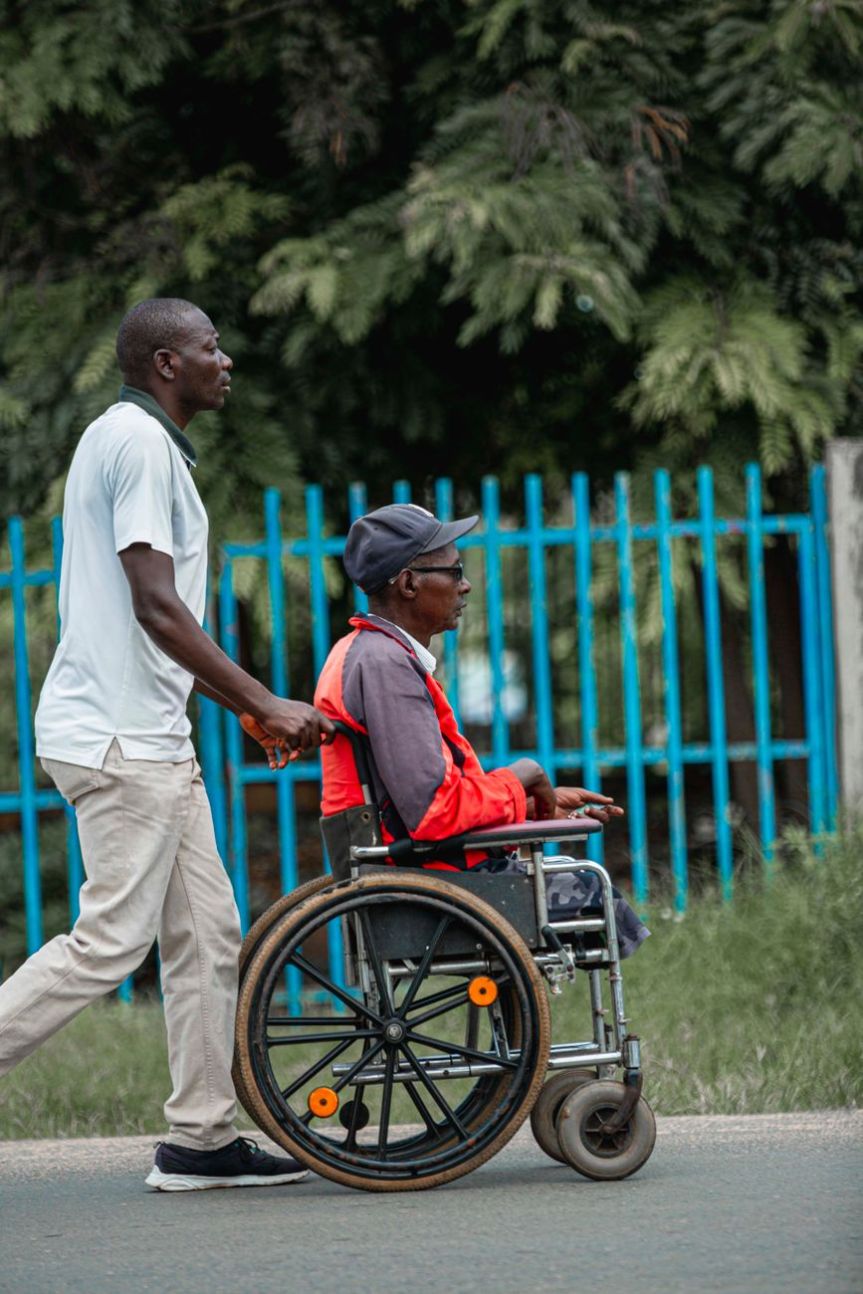
By Roz Jones
Planning an accessible trip requires more than choosing a hotel with an accessible room or requesting wheelchair assistance at the airport.
Caregivers may research transportation, call ahead, confirm accommodations, and make careful plans before leaving home. Even then, they may arrive and discover that a doorway is too narrow, an elevator is out of service, a bathroom does not meet their loved one’s needs, or the distance between locations is much farther than expected.
Accessibility can look different from one place to another. A property may describe itself as accessible while still presenting challenges for someone who uses a wheelchair, walker, cane, or other mobility aid.
When the plans do not work as expected, caregivers need practical ways to make adjustments without placing their loved one at unnecessary risk.
Inspect the Space Before Settling In
When arriving at a hotel, rental property, or family member’s home, take time to inspect the space before unpacking.
Walk through the areas your loved one will use most often. Check the entrance, hallways, bedroom, bathroom, kitchen, and common areas.
Look for steps, loose rugs, poor lighting, narrow pathways, uneven flooring, and furniture that may block movement.
Test the bathroom setup. Make sure grab bars are secure, the shower or tub is manageable, and there is enough room for your loved one and the caregiver assisting them.
A room may technically be accessible but still require changes.
Furniture may need to be moved. A loose rug may need to be removed. An extra chair may need to be placed near the bed so your loved one can sit while dressing.
Making these adjustments early can prevent problems later.
Do Not Rely Only on the Word “Accessible”
The word “accessible” does not always explain what a traveler will actually encounter.
One property may consider a room accessible because it is located on the first floor. Another may have grab bars but no roll-in shower. A restaurant may have a ramp at the entrance but tables that are difficult to reach with a wheelchair.
Before the trip, ask detailed questions.
How wide are the doorways?
Are there steps between the parking area and entrance?
Is there an elevator?
Does the shower have a bench?
Is the bed low enough for a safe transfer?
Is accessible parking located near the entrance?
Are wheelchairs allowed on the shuttle or tour vehicle?
Whenever possible, request photographs or written confirmation of the features your loved one needs.
Specific information is more helpful than a general promise that a location is accessible.
Create a Backup Plan for Every Major Activity
A backup plan can prevent one unexpected barrier from disrupting the entire day.
Before visiting an attraction, identify another nearby activity that requires less walking or provides better accessibility. Know where your loved one can rest if they become tired. Find out whether wheelchairs, scooters, or other mobility equipment can be rented on-site.
If the original restaurant has steps or limited space, keep the name of another accessible option nearby.
When using public transportation, know whether a taxi, rideshare service, or accessible transportation company can be used if an elevator or lift is unavailable.
The backup plan does not need to be complicated.
It simply gives the caregiver another option when the first one is no longer safe or comfortable.
Protect Mobility Equipment During Travel
Wheelchairs, walkers, scooters, and other mobility devices are essential pieces of equipment. They should be treated with the same care as medications and medical supplies.
Before leaving home, inspect the equipment for loose parts, worn tires, weak brakes, or other problems.
Label each item with your loved one’s name and contact information. Take photographs of the equipment before handing it over to an airline, bus company, or transportation provider.
Remove loose or detachable parts when possible and keep them with you. Carry chargers, batteries, repair tools, and instructions for operating the equipment.
If the equipment is damaged or lost, report it immediately and document the problem with photographs and written information.
Caregivers should also know where replacement equipment can be rented or repaired at the destination. Having this information available can reduce delays if a problem occurs.
Allow More Time for Transfers and Transportation
Traveling with mobility challenges often takes longer than expected.
Getting in and out of a vehicle, moving through security, boarding transportation, using the restroom, or entering an attraction may require extra time and assistance.
Build that time into the schedule.
Arrive early for flights, trains, reservations, and scheduled tours. Avoid placing important activities too close together.
Rushing can increase the risk of falls, unsafe transfers, missed medications, and caregiver frustration.
A slower pace may mean completing fewer activities, but it can also make the trip safer and more enjoyable.
The goal is not to move through the vacation as quickly as possible. The goal is to allow your loved one to participate without feeling hurried or left behind.
Use Safe Transfer Techniques
Transfers can be one of the most physically demanding parts of traveling with a loved one who has limited mobility.
Moving from a wheelchair to a bed, toilet, shower chair, car seat, or airplane seat may be more difficult in an unfamiliar environment.
Do not attempt a transfer that feels unsafe.
Make sure the wheelchair or walker is stable and the brakes are locked. Clear the area of bags, furniture, and other obstacles. Encourage your loved one to participate as much as they safely can.
Use transfer belts, slide boards, or other equipment when they are part of the regular care routine.
Caregivers should not lift more weight than they can safely manage. An unsafe transfer can injure both the caregiver and the loved one.
Ask hotel staff, transportation employees, family members, or trained professionals for assistance when needed.
Protecting your own back, shoulders, and balance is part of providing safe care.
Pay Attention to Skin, Swelling, and Circulation
Long periods of sitting can increase discomfort, swelling, stiffness, and pressure on the skin.
Encourage position changes when possible. Schedule breaks during long drives and allow time for stretching or movement based on your loved one’s abilities.
Check the skin for redness, irritation, or pressure areas, especially when your loved one spends extended periods in a wheelchair or bed.
Make sure clothing, shoes, and mobility equipment are not creating friction or pressure.
Keep your loved one hydrated and follow any medical guidance related to swelling, compression garments, circulation, or movement.
Changes in the legs, feet, skin, or level of pain should not be ignored. Contact a healthcare professional when something appears unusual or concerning.
Consider the Caregiver’s Physical Limits
Caregivers often focus so closely on their loved one’s safety that they overlook their own physical strain.
Pushing a wheelchair uphill, lifting equipment, managing luggage, assisting with transfers, and walking long distances can quickly become exhausting.
Ask for help before reaching the point of injury or burnout.
Use airport assistance, bell services, accessible transportation, luggage carts, and equipment rentals when available.
Traveling with another family member or professional caregiver can also make a significant difference.
The caregiver should not be expected to carry luggage, manage equipment, assist with every transfer, and supervise the loved one without support.
A trip becomes safer when responsibilities are shared.
Speak Up When Accommodations Are Not Provided
If an airline, hotel, attraction, or transportation provider fails to provide an accommodation that was requested and confirmed, speak with a supervisor or manager.
Explain the specific barrier and what your loved one needs.
Keep written records of reservations, requests, confirmation numbers, and the names of employees you spoke with.
Remain clear and direct.
A caregiver may say, “We confirmed a roll-in shower because my loved one cannot step into a bathtub. What accessible option can you provide?”
The purpose is not to create conflict. It is to make sure the loved one can use the service safely.
When the issue cannot be resolved, ask about alternate rooms, transportation, refunds, or other available options.
Advocacy is often part of accessible travel.
Know When an Activity Is No Longer Safe
Some activities may look manageable when they are planned but become more difficult after arrival.
The walkway may be steeper than expected. The weather may be too hot. The seating may be too low. The distance may be too far. The available transportation may not safely hold the mobility device.
Caregivers should be willing to change the plan when necessary.
Purchasing a ticket or making a reservation does not mean the activity must be completed.
If the environment places your loved one at risk of falling, injury, pain, or exhaustion, choose another option.
A quiet meal, scenic drive, accessible park, or afternoon at the hotel may be more enjoyable than pushing through an activity that is not working.
Focus on Participation, Not Perfection
Mobility challenges may change how a loved one participates in a vacation, but they do not have to remove them from the experience.
They may need to enter through a different doorway, arrive earlier, use a wheelchair for longer distances, or rest while others continue an activity.
The family may need to divide into smaller groups or choose fewer destinations.
What matters is that the loved one remains included in a way that protects their comfort, safety, and dignity.
Accessible travel is not always seamless. It often requires additional phone calls, adjustments, patience, and advocacy.
There may be moments when the plan works perfectly and others when the caregiver must quickly find another solution.
Preparation creates a strong starting point, but flexibility is what helps families continue when an unexpected barrier appears.
A meaningful trip is not measured by whether every detail went according to plan.
It is measured by whether the family created space for the loved one to participate, connect, and enjoy the journey in a way that honored their needs.
Continue Reading
This article is a continuation of Traveling with a Loved One with Mobility Challenges: Essential Tips and Resources.
Prepare for Your Next Trip

Traveling with an aging loved one requires careful preparation. Download the free Vacationing With an Aging Loved One Checklist for reminders related to medications, health needs, accommodations, transportation, safety, and emergency planning.
Tune in to The Caregiver Café Podcast
Patient Advocacy: The Caregivers Role

In this episode of The Caregiver Café with Roz Jones, Roz is talking about an important role many caregivers step into without always realizing it: becoming an advocate for their loved one at the doctor’s office.
Doctor visits can feel overwhelming for both the caregiver and the aging loved one. There may be anxiety, confusion, medication changes, new symptoms, treatment options, and instructions that are hard to remember once the appointment is over. That is why caregivers need to walk in prepared, ask the right questions, and make sure they leave with clear answers.
Roz breaks down practical ways caregivers can advocate before, during, and after medical appointments. She talks about preparing ahead of time, writing down questions and concerns, tracking new symptoms or changes, taking notes during the visit, sharing updates with the care team, and making sure everyone involved in the loved one’s care is on the same page.
She also reminds caregivers not to be afraid to ask the doctor to explain things in plain language. If something is unclear, uncomfortable, or confusing, caregivers have the right and responsibility to ask questions. Roz also encourages families to understand treatment options, possible side effects, medication changes, and how each decision may affect their loved one’s independence and daily routine.
This episode is a practical reminder that advocacy is part of caregiving. It is not enough to just show up at the appointment. Caregivers need to listen, take notes, ask questions, review medications, and help coordinate between doctors, specialists, and the full care team.
Give Yourself a Moment of Grace

Caregiving includes demanding days, unexpected changes, and moments of connection that may be easy to overlook. Moments of Grace offers encouragement to caregivers who need a reminder to pause and recognize the meaningful moments along the journey.
Don’t Wait Until the Storm is Coming
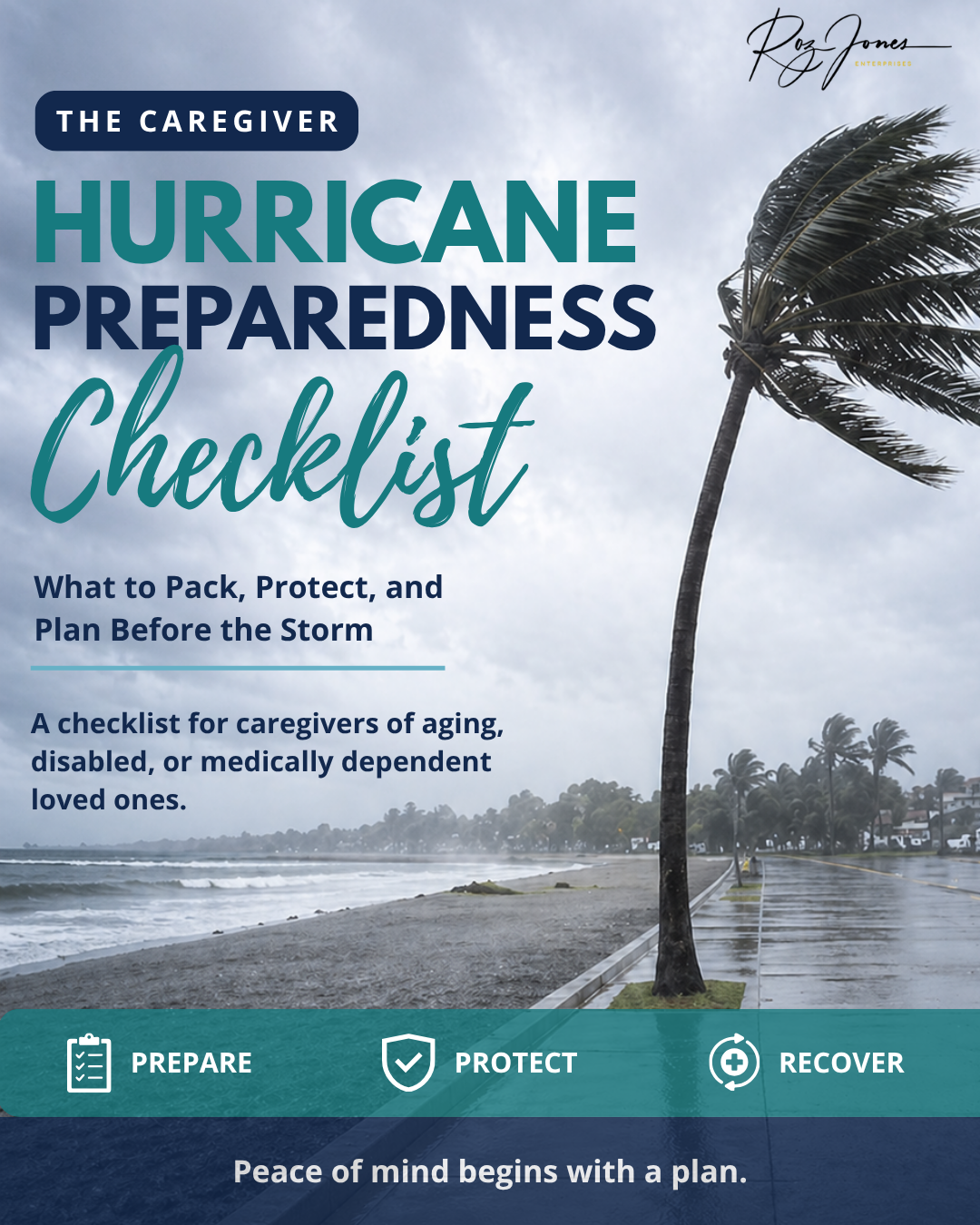
Caregivers should also be prepared for emergencies that may affect the home and the loved one’s care routine. The Caregiver Hurricane Preparedness Checklist helps families organize medications, medical equipment, emergency contacts, important documents, and evacuation plans before a storm arrives.
Need Help Sorting Through the Care Plan?

If your family needs help thinking through care decisions, caregiving responsibilities, or next steps, book a session with Roz Jones. You do not have to navigate this season alone.
Together, we can talk through what is working, what is becoming too heavy, and what boundaries need to be strengthened so you can continue to care without losing yourself in the process.
Subscribe to The Caregiver Cafe Weekly Newsletter!

1. YOU ARE NOT ALONE: The problems you face as a caregiver are experienced by other caregivers. Knowing that you’re not alone can be comforting.
2. Tools and Resources: Find caregiver stress management tools and gain perspective from other caregiver’s experiences.
3. LEARN TO: Ask for help, accept help when it is offered, and acknowledge yourself on this caregiving journey. Hear from experts on how to balance caregiving responsibilities by taking care of your needs and involving others to help manage the natural stress and isolation of being a caregiver.

