
By Roz Jones
Finding a caregiver is an important step, but hiring someone does not automatically create a care plan. When an aging loved one does not have children nearby, does not have children at all, or simply does not have family members who can provide consistent support, the next challenge is making sure the care surrounding them is reliable, organized, and able to change when their needs change. A caregiver may become an important part of that support system, but one person should not be expected to carry every responsibility alone.
In the previous blog, we discussed what to consider when looking for a caregiver, including their experience, availability, qualifications, and cost. Once you have found someone who appears to be the right fit, the focus shifts from hiring to building a relationship and a care structure that protects the aging loved one while also making expectations clear for everyone involved.
Start With What Help Is Actually Needed
Care needs can look very different from one person to another. One aging loved one may only need help with meals, errands, transportation, and light household responsibilities, while another may need assistance with mobility, medication routines, personal care, or more complex health needs. Before deciding what the caregiver should handle, take time to look closely at what is becoming difficult and what your loved one can still comfortably manage on their own.
The goal should not be to take over everything simply because a caregiver is now available. Independence still matters. If your loved one can prepare certain meals, manage their own finances, choose their clothing, communicate with their healthcare providers, or handle other parts of their routine safely, make room for them to continue doing those things. Good caregiving should provide support where it is needed without unnecessarily removing control from the person receiving the care.
Make Expectations Clear From the Beginning
A caregiving arrangement works better when everyone understands what is expected. The caregiver should know which responsibilities belong to them, what schedule they are expected to follow, what should be communicated when something changes, and what situations require immediate attention. Your loved one should also understand the caregiver’s role so that responsibilities do not slowly expand beyond what was originally discussed.
Clear expectations can prevent confusion later. If transportation is part of the agreement, discuss which appointments or errands are included. If meal preparation is expected, talk about dietary needs and preferences. If the caregiver is helping with medication reminders, make sure everyone understands what that responsibility includes and where the boundaries are. Caregiving arrangements are easier to manage when expectations are discussed before a problem forces the conversation.
Create a Backup Before You Need One
Even the most dependable caregiver will eventually need time away. They may become sick, take a vacation, experience a family emergency, or simply need days off. If your aging loved one depends heavily on one person, the absence of that caregiver can quickly turn into a crisis when there is no backup plan.
Start thinking about alternative support while things are going well. That may include another professional caregiver, a trusted friend, a neighbor, extended family, a local agency, transportation services, meal delivery, or another community resource. The backup plan does not have to look exactly like the regular care arrangement, but there should be a clear answer to the question of what happens when the primary caregiver is unavailable.
Planning ahead is especially important when an aging loved one does not have children or nearby family members who can step in without notice. Waiting until the caregiver calls out sick to figure out who will bring meals, provide transportation, or check on your loved one creates stress that could have been reduced with a little preparation.
Keep Important Information Organized
A dependable caregiver still needs access to the right information. Important phone numbers, medication lists, healthcare providers, allergies, emergency contacts, insurance information, preferred hospitals, daily routines, and other essential details should be organized somewhere that can be easily located when needed. This information may become especially important if your loved one becomes ill, has an emergency, or cannot communicate their needs clearly.
It is also important to review that information regularly. Medications change, providers change, emergency contacts move, and care needs evolve. A folder that was accurate six months ago may not be accurate today. Keeping those details updated can help the caregiver respond appropriately and prevent unnecessary confusion during stressful situations.
Pay Attention to How the Relationship Is Working
Hiring a caregiver should not mean that you stop paying attention to the care being provided. Check in with your loved one about how they feel, whether they are comfortable, and whether the caregiver respects their routines, privacy, preferences, and independence. At the same time, check in with the caregiver about what they are noticing. Someone who spends consistent time with your loved one may begin noticing changes in mobility, eating habits, memory, mood, sleep, or daily functioning before anyone else does.
Those conversations can help you identify when the care plan needs to change. The arrangement that works today may not work six months from now. Your loved one may eventually need additional hours, a different type of support, or a caregiver with another level of training. The goal is not to create one plan and leave it untouched. The goal is to build a plan that can grow with the person receiving care.
Build a Circle of Support, Not Just One Caregiver
When someone is aging without children or without nearby family support, it can be tempting to look for one person who can handle everything. That may feel easier, but it can also leave the aging loved one vulnerable if that person becomes unavailable. A stronger approach is to build a circle of support that includes professional caregivers, healthcare providers, trusted friends, neighbors, community organizations, and other resources that can play different roles.
Not everyone in that circle has to provide hands-on care. One person may check in by phone. Someone else may help with transportation. A healthcare provider may help monitor changes in health. A professional caregiver may manage daily support in the home. What matters is that your loved one is not depending on one person for every need and that everyone understands how they fit into the larger care plan.
Continue Planning Before the Need Becomes Urgent
One of the biggest mistakes families make is waiting for a crisis before having conversations about care. If your loved one is living independently today, that does not mean they will always need the same level of support. Mobility can change, health conditions can progress, medications can become more complicated, and tasks that once felt simple can become harder over time.
Continue having conversations about what your loved one wants their care to look like if those changes happen. Discuss who should be contacted, what type of help they would be comfortable receiving, whether they want to remain at home, and what resources may be needed to make that possible. These conversations can be uncomfortable, but making decisions before a crisis gives your loved one more opportunity to participate in shaping their own care.
Caregiving Support Can Be Created
Not having children nearby does not mean an aging loved one has to navigate the future alone. Family can be an important part of caregiving, but family is not the only source of support. Professional caregivers, trusted friends, healthcare professionals, community programs, neighbors, and other resources can all become part of a dependable care network.
The important thing is to build that support intentionally. Know what help is needed, communicate expectations, create backup plans, keep important information organized, and continue adjusting the care plan as needs change. The goal is not simply to find someone who can complete a list of tasks. The goal is to create a safe and reliable support system that allows your loved one to continue living with as much independence, dignity, and choice as possible.
If you have not read the first blog in this series, go back and read Navigating Life Alone: Seeking a Caregiver for important questions to consider when searching for and hiring the right caregiver.
Tune in to The Caregiver Café Podcast
Getting More Done

Caregiving already comes with more than enough responsibilities, which makes it important to have tools that help you manage what needs to be done without feeling like everything has to live in your head. Tune in to The Caregiver Cafe Podcast: Getting More Done for encouragement and practical guidance around staying productive while managing the responsibilities that come with caregiving.
Give Yourself a Moment of Grace

For more encouragement through the emotional parts of the caregiving journey, Moments of Grace offers reflections for caregivers navigating responsibility, change, difficult days, and the moments of grace that can still be found along the way.
Preparing for hurricane season?
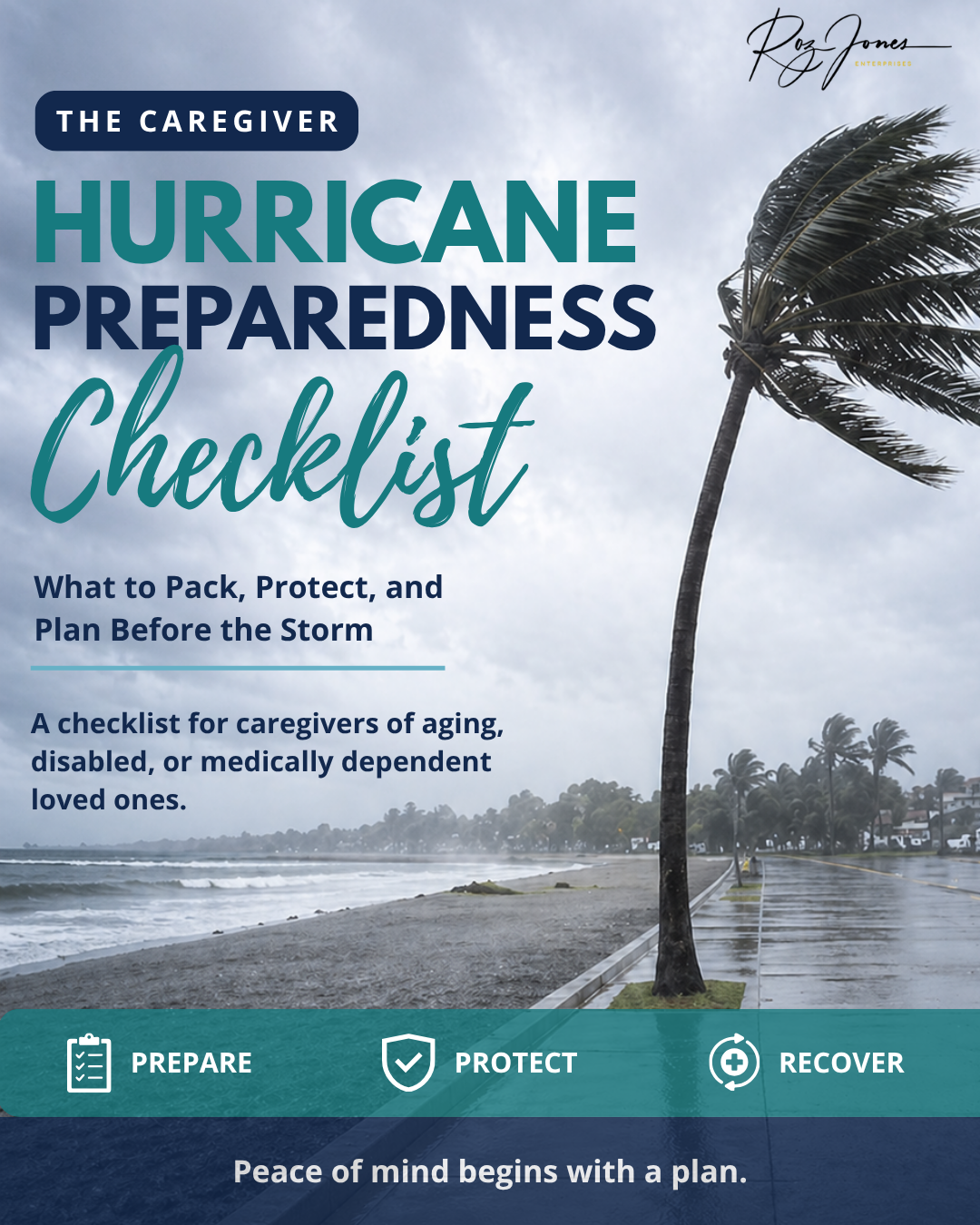
Preventive healthcare is only one part of being prepared as a caregiver. Emergencies can interrupt medications, appointments, transportation, medical equipment, and the routines your aging loved one depends on. The Caregiver Hurricane Preparedness Checklist can help you organize important information, supplies, medications, and caregiving details before severe weather creates another layer of stress.
Subscribe to The Caregiver Cafe Weekly Newsletter!

1. YOU ARE NOT ALONE: The problems you face as a caregiver are experienced by other caregivers. Knowing that you’re not alone can be comforting.
2. Tools and Resources: Find caregiver stress management tools and gain perspective from other caregiver’s experiences.
3. LEARN TO: Ask for help, accept help when it is offered, and acknowledge yourself on this caregiving journey. Hear from experts on how to balance caregiving responsibilities by taking care of your needs and involving others to help manage the natural stress and isolation of being a caregiver.