
How Caregivers Can Adjust to Accessibility Plans Falling Short While Traveling

By Roz Jones

Planning an accessible trip requires more than choosing a hotel with an accessible room or requesting wheelchair assistance at the airport.

Caregivers may research transportation, call ahead, confirm accommodations, and make careful plans before leaving home. Even then, they may arrive and discover that a doorway is too narrow, an elevator is out of service, a bathroom does not meet their loved one’s needs, or the distance between locations is much farther than expected.

Accessibility can look different from one place to another. A property may describe itself as accessible while still presenting challenges for someone who uses a wheelchair, walker, cane, or other mobility aid.

When the plans do not work as expected, caregivers need practical ways to make adjustments without placing their loved one at unnecessary risk.

Inspect the Space Before Settling In

When arriving at a hotel, rental property, or family member’s home, take time to inspect the space before unpacking.

Walk through the areas your loved one will use most often. Check the entrance, hallways, bedroom, bathroom, kitchen, and common areas.

Look for steps, loose rugs, poor lighting, narrow pathways, uneven flooring, and furniture that may block movement.

Test the bathroom setup. Make sure grab bars are secure, the shower or tub is manageable, and there is enough room for your loved one and the caregiver assisting them.

A room may technically be accessible but still require changes.

Furniture may need to be moved. A loose rug may need to be removed. An extra chair may need to be placed near the bed so your loved one can sit while dressing.

Making these adjustments early can prevent problems later.

Do Not Rely Only on the Word “Accessible”

The word “accessible” does not always explain what a traveler will actually encounter.

One property may consider a room accessible because it is located on the first floor. Another may have grab bars but no roll-in shower. A restaurant may have a ramp at the entrance but tables that are difficult to reach with a wheelchair.

Before the trip, ask detailed questions.

How wide are the doorways?

Are there steps between the parking area and entrance?

Is there an elevator?

Does the shower have a bench?

Is the bed low enough for a safe transfer?

Is accessible parking located near the entrance?

Are wheelchairs allowed on the shuttle or tour vehicle?

Whenever possible, request photographs or written confirmation of the features your loved one needs.

Specific information is more helpful than a general promise that a location is accessible.

Create a Backup Plan for Every Major Activity

A backup plan can prevent one unexpected barrier from disrupting the entire day.

Before visiting an attraction, identify another nearby activity that requires less walking or provides better accessibility. Know where your loved one can rest if they become tired. Find out whether wheelchairs, scooters, or other mobility equipment can be rented on-site.

If the original restaurant has steps or limited space, keep the name of another accessible option nearby.

When using public transportation, know whether a taxi, rideshare service, or accessible transportation company can be used if an elevator or lift is unavailable.

The backup plan does not need to be complicated.

It simply gives the caregiver another option when the first one is no longer safe or comfortable.

Protect Mobility Equipment During Travel

Wheelchairs, walkers, scooters, and other mobility devices are essential pieces of equipment. They should be treated with the same care as medications and medical supplies.

Before leaving home, inspect the equipment for loose parts, worn tires, weak brakes, or other problems.

Label each item with your loved one’s name and contact information. Take photographs of the equipment before handing it over to an airline, bus company, or transportation provider.

Remove loose or detachable parts when possible and keep them with you. Carry chargers, batteries, repair tools, and instructions for operating the equipment.

If the equipment is damaged or lost, report it immediately and document the problem with photographs and written information.

Caregivers should also know where replacement equipment can be rented or repaired at the destination. Having this information available can reduce delays if a problem occurs.

Allow More Time for Transfers and Transportation

Traveling with mobility challenges often takes longer than expected.

Getting in and out of a vehicle, moving through security, boarding transportation, using the restroom, or entering an attraction may require extra time and assistance.

Build that time into the schedule.

Arrive early for flights, trains, reservations, and scheduled tours. Avoid placing important activities too close together.

Rushing can increase the risk of falls, unsafe transfers, missed medications, and caregiver frustration.

A slower pace may mean completing fewer activities, but it can also make the trip safer and more enjoyable.

The goal is not to move through the vacation as quickly as possible. The goal is to allow your loved one to participate without feeling hurried or left behind.

Use Safe Transfer Techniques

Transfers can be one of the most physically demanding parts of traveling with a loved one who has limited mobility.

Moving from a wheelchair to a bed, toilet, shower chair, car seat, or airplane seat may be more difficult in an unfamiliar environment.

Do not attempt a transfer that feels unsafe.

Make sure the wheelchair or walker is stable and the brakes are locked. Clear the area of bags, furniture, and other obstacles. Encourage your loved one to participate as much as they safely can.

Use transfer belts, slide boards, or other equipment when they are part of the regular care routine.

Caregivers should not lift more weight than they can safely manage. An unsafe transfer can injure both the caregiver and the loved one.

Ask hotel staff, transportation employees, family members, or trained professionals for assistance when needed.

Protecting your own back, shoulders, and balance is part of providing safe care.

Pay Attention to Skin, Swelling, and Circulation

Long periods of sitting can increase discomfort, swelling, stiffness, and pressure on the skin.

Encourage position changes when possible. Schedule breaks during long drives and allow time for stretching or movement based on your loved one’s abilities.

Check the skin for redness, irritation, or pressure areas, especially when your loved one spends extended periods in a wheelchair or bed.

Make sure clothing, shoes, and mobility equipment are not creating friction or pressure.

Keep your loved one hydrated and follow any medical guidance related to swelling, compression garments, circulation, or movement.

Changes in the legs, feet, skin, or level of pain should not be ignored. Contact a healthcare professional when something appears unusual or concerning.

Consider the Caregiver’s Physical Limits

Caregivers often focus so closely on their loved one’s safety that they overlook their own physical strain.

Pushing a wheelchair uphill, lifting equipment, managing luggage, assisting with transfers, and walking long distances can quickly become exhausting.

Ask for help before reaching the point of injury or burnout.

Use airport assistance, bell services, accessible transportation, luggage carts, and equipment rentals when available.

Traveling with another family member or professional caregiver can also make a significant difference.

The caregiver should not be expected to carry luggage, manage equipment, assist with every transfer, and supervise the loved one without support.

A trip becomes safer when responsibilities are shared.

Speak Up When Accommodations Are Not Provided

If an airline, hotel, attraction, or transportation provider fails to provide an accommodation that was requested and confirmed, speak with a supervisor or manager.

Explain the specific barrier and what your loved one needs.

Keep written records of reservations, requests, confirmation numbers, and the names of employees you spoke with.

Remain clear and direct.

A caregiver may say, “We confirmed a roll-in shower because my loved one cannot step into a bathtub. What accessible option can you provide?”

The purpose is not to create conflict. It is to make sure the loved one can use the service safely.

When the issue cannot be resolved, ask about alternate rooms, transportation, refunds, or other available options.

Advocacy is often part of accessible travel.

Know When an Activity Is No Longer Safe

Some activities may look manageable when they are planned but become more difficult after arrival.

The walkway may be steeper than expected. The weather may be too hot. The seating may be too low. The distance may be too far. The available transportation may not safely hold the mobility device.

Caregivers should be willing to change the plan when necessary.

Purchasing a ticket or making a reservation does not mean the activity must be completed.

If the environment places your loved one at risk of falling, injury, pain, or exhaustion, choose another option.

A quiet meal, scenic drive, accessible park, or afternoon at the hotel may be more enjoyable than pushing through an activity that is not working.

Focus on Participation, Not Perfection

Mobility challenges may change how a loved one participates in a vacation, but they do not have to remove them from the experience.

They may need to enter through a different doorway, arrive earlier, use a wheelchair for longer distances, or rest while others continue an activity.

The family may need to divide into smaller groups or choose fewer destinations.

What matters is that the loved one remains included in a way that protects their comfort, safety, and dignity.

Accessible travel is not always seamless. It often requires additional phone calls, adjustments, patience, and advocacy.

There may be moments when the plan works perfectly and others when the caregiver must quickly find another solution.

Preparation creates a strong starting point, but flexibility is what helps families continue when an unexpected barrier appears.

A meaningful trip is not measured by whether every detail went according to plan.

It is measured by whether the family created space for the loved one to participate, connect, and enjoy the journey in a way that honored their needs.

Continue Reading

This article is a continuation of Traveling with a Loved One with Mobility Challenges: Essential Tips and Resources.

Prepare for Your Next Trip

Traveling with an aging loved one requires careful preparation. Download the free Vacationing With an Aging Loved One Checklist for reminders related to medications, health needs, accommodations, transportation, safety, and emergency planning.

Tune in to The Caregiver Café Podcast

Patient Advocacy: The Caregivers Role

In this episode of The Caregiver Café with Roz Jones, Roz is talking about an important role many caregivers step into without always realizing it: becoming an advocate for their loved one at the doctor’s office.

Doctor visits can feel overwhelming for both the caregiver and the aging loved one. There may be anxiety, confusion, medication changes, new symptoms, treatment options, and instructions that are hard to remember once the appointment is over. That is why caregivers need to walk in prepared, ask the right questions, and make sure they leave with clear answers.

Roz breaks down practical ways caregivers can advocate before, during, and after medical appointments. She talks about preparing ahead of time, writing down questions and concerns, tracking new symptoms or changes, taking notes during the visit, sharing updates with the care team, and making sure everyone involved in the loved one’s care is on the same page.

She also reminds caregivers not to be afraid to ask the doctor to explain things in plain language. If something is unclear, uncomfortable, or confusing, caregivers have the right and responsibility to ask questions. Roz also encourages families to understand treatment options, possible side effects, medication changes, and how each decision may affect their loved one’s independence and daily routine.

This episode is a practical reminder that advocacy is part of caregiving. It is not enough to just show up at the appointment. Caregivers need to listen, take notes, ask questions, review medications, and help coordinate between doctors, specialists, and the full care team.

Give Yourself a Moment of Grace

Caregiving includes demanding days, unexpected changes, and moments of connection that may be easy to overlook. Moments of Grace offers encouragement to caregivers who need a reminder to pause and recognize the meaningful moments along the journey.

Don’t Wait Until the Storm is Coming
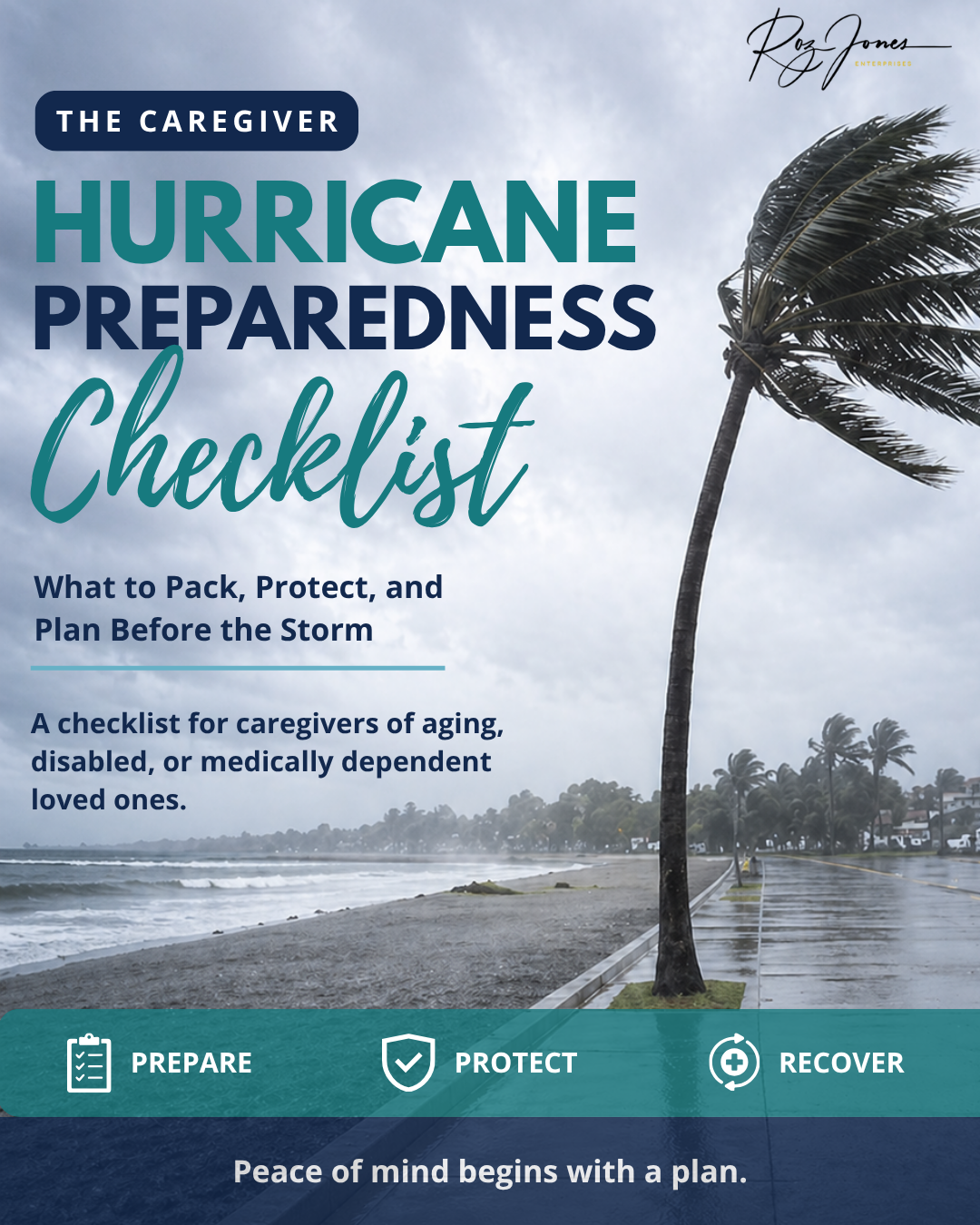
The Caregiver Hurricane Preparedness Checklist.

Caregivers should also be prepared for emergencies that may affect the home and the loved one’s care routine. The Caregiver Hurricane Preparedness Checklist helps families organize medications, medical equipment, emergency contacts, important documents, and evacuation plans before a storm arrives.

Need Help Sorting Through the Care Plan?

Roz Jones is a dedicated caretaker turned CEO with over a decade of experience in helping families care for and make decisions for loved ones and their legacies.Roz is a compassionate, innovative healthcare industry leader.

If your family needs help thinking through care decisions, caregiving responsibilities, or next steps, book a session with Roz Jones. You do not have to navigate this season alone.

Together, we can talk through what is working, what is becoming too heavy, and what boundaries need to be strengthened so you can continue to care without losing yourself in the process.

Subscribe to The Caregiver Cafe Weekly Newsletter!

Caregiving can be a roller coaster of ups and downs. The information that you will receive from The Caregiver Cafe Weekly Specials Newsletter will support you as a caregiver. Remember…

1. YOU ARE NOT ALONE: The problems you face as a caregiver are experienced by other caregivers. Knowing that you’re not alone can be comforting. 

2. Tools and Resources:  Find caregiver stress management tools and gain perspective from other caregiver’s experiences.

3. LEARN TO: Ask for help, accept help when it is offered, and acknowledge yourself on this caregiving journey. Hear from experts on how to balance caregiving responsibilities by taking care of your needs and involving others to help manage the natural stress and isolation of being a caregiver. 

Dementia Symptoms During Travel: How Caregivers Can Respond

By Roz Jones

A caregiver can choose a familiar destination, create a simple itinerary, pack comfort items, and prepare for the trip carefully. Still, traveling with a loved one living with dementia may bring changes that are difficult to predict.

A new environment may feel unfamiliar even when the destination has been visited before. A different bed, a crowded airport, unfamiliar sounds, or a change in routine may lead to confusion, restlessness, fear, or agitation.

These changes do not necessarily mean the trip must end. They do mean the caregiver may need to slow down, adjust the plan, and focus more closely on what the loved one is communicating through their words and behavior.

The goal of the trip should not be to follow every part of the itinerary. The goal should be to help the loved one feel safe, supported, and included throughout the experience.

Recognize What May Be Causing the Change

When a person living with dementia becomes upset or confused, the behavior may be a response to something they cannot clearly explain.

They may be tired, hungry, thirsty, uncomfortable, overstimulated, or in pain. They may need to use the restroom. They may not recognize the hotel room or understand why they are away from home.

Before trying to correct the behavior, take a moment to consider what may be causing it.

Look at the environment. Is the room too noisy? Has the day been too long? Has a meal or medication been delayed? Is there too much activity happening at once?

A change in behavior is often a form of communication. Caregivers may need to look beyond the behavior and identify the need underneath it.

Reduce Noise and Stimulation

Vacation destinations can be busy.

Airports, restaurants, attractions, hotel lobbies, and family gatherings may include bright lights, unfamiliar voices, loud music, and constant movement. This can become overwhelming for someone living with dementia.

When possible, choose quieter spaces and less crowded times of day. Request a table away from the entrance of a restaurant. Visit attractions earlier in the morning. Avoid scheduling several activities back-to-back.

If your loved one begins to appear restless, anxious, withdrawn, or irritated, move to a calmer setting.

A quiet room, a familiar song, a short walk, or a few minutes sitting together may help them feel more settled.

Reducing stimulation is not about limiting the entire experience. It is about creating an environment where your loved one can participate without becoming overwhelmed.

Use Reassurance Instead of Correction

A person living with dementia may forget where they are or why they are traveling.

They may ask to go home even when they are already at the hotel. They may believe they need to go to work, care for children, or complete a responsibility from many years ago.

Trying to correct every detail may increase frustration.

Instead of arguing, respond to the emotion behind the statement.

If your loved one says they need to go home, they may be expressing that they do not feel safe or familiar with the environment. A caregiver may respond by reassuring them that they are safe, staying close, and offering something familiar.

Simple phrases may be more helpful than long explanations.

“You are safe.”

“I am right here with you.”

“We are going to rest for a little while.”

“Let us sit together.”

The goal is not always to convince them of the facts. Sometimes the goal is simply to reduce fear.

Keep Explanations Simple

Travel often requires quick decisions, but too much information may create additional confusion for a person living with dementia.

Instead of explaining the entire day at once, focus on what is happening next.

“We are going downstairs for breakfast.”

“We are getting into the car now.”

“We are going back to the room to rest.”

Give one direction at a time and allow extra time for your loved one to respond.

Avoid rushing when possible. A person living with dementia may need more time to process instructions, move through unfamiliar spaces, or make a choice.

Patience can help prevent a small moment of uncertainty from becoming a larger source of distress.

Carry Familiar Items Throughout the Day

Familiar items can provide comfort in unfamiliar surroundings.

A favorite sweater, family photograph, blanket, small keepsake, familiar music playlist, or preferred snack may help your loved one feel more connected to home.

Do not pack every familiar item in the suitcase where it cannot be reached during the day. Keep one or two comfort items in a bag that remains with you.

These items may be especially helpful during long waits, transportation delays, unfamiliar meals, or moments when your loved one becomes anxious.

Familiarity does not remove dementia, but it may provide reassurance when the environment feels uncertain.

Watch for Signs of Physical Discomfort

Sudden confusion or changes in behavior should not automatically be blamed on dementia.

A person may be experiencing pain, dehydration, constipation, an infection, medication side effects, low blood sugar, or another medical concern.

Pay attention to changes that seem sudden or more severe than usual.

Has your loved one stopped eating?

Are they drinking enough water?

Are they using the restroom normally?

Do they appear to be in pain?

Are they unusually sleepy, weak, or difficult to wake?

Have they recently started a new medication?

When something feels medically concerning, contact a healthcare provider or seek local medical care. Caregivers know their loved one’s usual behavior. A noticeable change deserves attention.

Prepare for Wandering and Separation

Unfamiliar places may increase the risk of wandering or becoming separated.

Make sure your loved one carries identification with their name and an emergency contact number. Consider an identification bracelet, card, or tracking device if appropriate.

Keep a recent photograph on your phone and write down what your loved one is wearing each day. This information may be useful if you become separated.

When staying in a hotel or vacation rental, check doors, elevators, stairways, balconies, and exits. Ask for a room away from busy exits when possible.

Caregivers should also tell trusted travel companions and appropriate staff members that their loved one is living with dementia and may need assistance if found alone.

This information does not need to be shared with everyone, but it should be available to the people who can help protect your loved one’s safety.

Make Rest Part of the Itinerary

A person living with dementia may become tired more quickly when traveling.

Even enjoyable activities can require more mental and physical energy in an unfamiliar environment. A full day may lead to increased confusion, irritability, or difficulty sleeping later.

Plan rest before it becomes necessary.

Return to the hotel or rental property between activities. Allow time for a nap, quiet music, television, or simply sitting together.

Some families may feel they are wasting the vacation by spending time in the room. However, rest may be what allows the loved one to enjoy the next activity.

A slower trip can still be a meaningful trip.

Be Willing to Cancel an Activity

Caregivers often feel pressure to continue with a plan because tickets were purchased, reservations were made, or other family members are looking forward to the activity.

That pressure should not outweigh the loved one’s needs.

If your loved one is exhausted, frightened, confused, or uncomfortable, canceling an activity may be the best decision.

The family can divide responsibilities if others still want to attend. One person may stay behind with the loved one while another accompanies the rest of the group.

Changing the plan is not a failure. It is part of responding to dementia with care and flexibility.

The most important experience may not be the attraction the family planned to visit. It may be the quiet afternoon spent together after deciding not to go.

Protect the Caregiver’s Well-Being

Traveling with a person living with dementia requires constant awareness.

The caregiver may be monitoring medications, watching exits, managing meals, answering repeated questions, adjusting activities, and trying to keep everyone calm.

This can become exhausting.

Whenever possible, travel with someone who can share caregiving responsibilities. Decide before the trip who will help with meals, transportation, supervision, and rest periods.

The primary caregiver should not be expected to provide care every hour of the day while everyone else enjoys the vacation.

Take breaks when support is available. Eat regularly, stay hydrated, and get as much rest as possible.

A tired caregiver may have less patience and may find it harder to make decisions. Caring for yourself supports your ability to care for your loved one.

Know When the Trip Is No Longer Working

There may come a time when the unfamiliar environment is causing more distress than enjoyment.

Your loved one may remain highly anxious, refuse food or medication, stop sleeping, repeatedly try to leave, or experience a health change that requires continued care.

The caregiver may also reach a point where the situation no longer feels manageable or safe.

Returning home early may be the most compassionate choice.

The family may feel disappointed, especially after spending time and money preparing for the vacation. However, staying simply because the trip was planned does not always serve the loved one.

A shorter trip does not erase the meaningful moments that already happened.

Sometimes success means recognizing when your loved one has had enough.

Focus on Connection Rather Than Perfection

Traveling with dementia may not look like previous family vacations.

The loved one may not remember the destination later.

They may not participate in every activity.

They may need more reassurance, repetition, and rest.

That does not mean the experience has no value.

A person may not remember every detail and still feel comfort in the moment.

They may enjoy the warmth of the sun, the sound of familiar music, a favorite meal, a slow walk, or the presence of someone they trust.

Those moments matter.

A positive vacation experience is not created by a perfect itinerary. It is created by paying attention to the loved one’s needs, making thoughtful adjustments, and protecting their sense of safety and dignity.

Caregivers cannot control every change that dementia may bring during travel. They can remain observant, flexible, and prepared to respond with patience.

That is often what makes the journey meaningful.

Continue Reading

This article is a continuation of Traveling with Dementia: Strategies for a Positive Vacation Experience.

Prepare for Your Next Trip

Traveling with an aging loved one requires careful preparation. Download the free Vacationing With an Aging Loved One Checklist for reminders related to medications, health needs, accommodations, transportation, safety, and emergency planning.

Tune in to The Caregiver Café Podcast

Patient Advocacy: The Caregivers Role

In this episode of The Caregiver Café with Roz Jones, Roz is talking about an important role many caregivers step into without always realizing it: becoming an advocate for their loved one at the doctor’s office.

Doctor visits can feel overwhelming for both the caregiver and the aging loved one. There may be anxiety, confusion, medication changes, new symptoms, treatment options, and instructions that are hard to remember once the appointment is over. That is why caregivers need to walk in prepared, ask the right questions, and make sure they leave with clear answers.

Roz breaks down practical ways caregivers can advocate before, during, and after medical appointments. She talks about preparing ahead of time, writing down questions and concerns, tracking new symptoms or changes, taking notes during the visit, sharing updates with the care team, and making sure everyone involved in the loved one’s care is on the same page.

She also reminds caregivers not to be afraid to ask the doctor to explain things in plain language. If something is unclear, uncomfortable, or confusing, caregivers have the right and responsibility to ask questions. Roz also encourages families to understand treatment options, possible side effects, medication changes, and how each decision may affect their loved one’s independence and daily routine.

This episode is a practical reminder that advocacy is part of caregiving. It is not enough to just show up at the appointment. Caregivers need to listen, take notes, ask questions, review medications, and help coordinate between doctors, specialists, and the full care team.

Give Yourself a Moment of Grace

Caregiving includes demanding days, unexpected changes, and moments of connection that may be easy to overlook. Moments of Grace offers encouragement to caregivers who need a reminder to pause and recognize the meaningful moments along the journey.

Don’t Wait Until the Storm is Coming

The Caregiver Hurricane Preparedness Checklist.

Caregivers should also be prepared for emergencies that may affect the home and the loved one’s care routine. The Caregiver Hurricane Preparedness Checklist helps families organize medications, medical equipment, emergency contacts, important documents, and evacuation plans before a storm arrives.

Need Help Sorting Through the Care Plan?

Roz Jones is a dedicated caretaker turned CEO with over a decade of experience in helping families care for and make decisions for loved ones and their legacies.Roz is a compassionate, innovative healthcare industry leader.

If your family needs help thinking through care decisions, caregiving responsibilities, or next steps, book a session with Roz Jones. You do not have to navigate this season alone.

Together, we can talk through what is working, what is becoming too heavy, and what boundaries need to be strengthened so you can continue to care without losing yourself in the process.

Subscribe to The Caregiver Cafe Weekly Newsletter!

Caregiving can be a roller coaster of ups and downs. The information that you will receive from The Caregiver Cafe Weekly Specials Newsletter will support you as a caregiver. Remember…

1. YOU ARE NOT ALONE: The problems you face as a caregiver are experienced by other caregivers. Knowing that you’re not alone can be comforting. 

2. Tools and Resources:  Find caregiver stress management tools and gain perspective from other caregiver’s experiences.

3. LEARN TO: Ask for help, accept help when it is offered, and acknowledge yourself on this caregiving journey. Hear from experts on how to balance caregiving responsibilities by taking care of your needs and involving others to help manage the natural stress and isolation of being a caregiver. 

When Health Needs Change During the Trip: Responding While Away

By Roz Jones

Planning ahead is one of the most important things a caregiver can do before traveling with an aging loved one. Medications should be organized, medical information should be easy to access, and the family should know where to seek care if a health concern arises.

However, even the most detailed plan cannot account for every possibility.

An aging loved one may become more tired than expected, experience confusion in an unfamiliar environment, miss a medication, lose their appetite, or develop symptoms that require medical attention. When this happens, caregivers need to know how to respond without allowing panic or the pressure to continue the vacation to interfere with good judgment.

Travel plans may need to change, but your loved one’s health and safety must remain the priority.

Watch for Changes in Your Loved One’s Normal Behavior

Travel often changes a person’s usual routine. Meals may happen later, sleep may be interrupted, and the day may include more walking, noise, activity, and social interaction than your loved one is accustomed to.

These changes can affect an aging adult’s physical and emotional well-being.

Pay attention to anything that seems different from your loved one’s normal behavior. They may appear more tired, confused, irritable, withdrawn, weak, or unsteady. They may complain about pain, become short of breath, eat less than usual, or have difficulty sleeping.

A small change does not always indicate an emergency, but it should not be ignored. Caregivers often recognize early signs that something is wrong because they understand their loved one’s normal habits, mood, and level of functioning.

When something feels different, slow down and take a closer look.

Know When Medical Attention Is Needed

Before traveling, speak with your loved one’s healthcare provider about symptoms that would require immediate attention. The guidance may vary depending on your loved one’s health conditions, medications, and medical history.

Chest pain, difficulty breathing, sudden weakness, signs of a stroke, severe confusion, loss of consciousness, uncontrolled bleeding, a serious allergic reaction, or a fall involving the head may require emergency care.

Caregivers should also know how to respond to changes involving blood pressure, blood sugar, oxygen levels, or other health measurements that are regularly monitored at home.

Keep the address and phone number of the nearest emergency room, urgent care center, and pharmacy with your travel information. If the situation appears life-threatening, call 911.

Do not delay care because you are worried about disrupting the trip. Vacation plans can be adjusted. A medical emergency cannot be placed on hold.

Respond Carefully to Missed Medications

Medication schedules can become harder to manage while traveling. Delayed flights, time-zone changes, skipped meals, late mornings, and busy itineraries can all lead to missed or delayed doses.

If your loved one misses a medication, do not automatically give an extra dose unless the prescribing provider or pharmacist has instructed you to do so.

Review the medication instructions and contact a healthcare professional when you are unsure what to do. Be prepared to provide the name of the medication, the prescribed dosage, the time it should have been taken, and the time you realized it was missed.

It is also important to write down what happened and the instructions you received. This helps prevent confusion when more than one person is assisting with care.

Everyone involved should understand whether the missed dose should be taken, skipped, or adjusted.

Prepare for Time-Zone Changes

Crossing time zones can create additional challenges for medication management.

Some medications must be taken at consistent intervals, while others may allow more flexibility. Caregivers should discuss this with a healthcare provider or pharmacist before leaving home rather than trying to create a new schedule after arriving.

Write out the medication schedule for both the home time zone and the destination. Set alarms on your phone and share the schedule with anyone who will be helping during the trip.

After arriving, continue watching for changes in sleep, appetite, mood, alertness, and energy. Time-zone changes can be difficult for anyone, but they may be especially challenging for an aging loved one living with dementia, diabetes, heart disease, or another chronic condition.

Adjust the Itinerary to Match Their Energy

A full vacation schedule may look exciting on paper, but it may be too demanding for an aging loved one.

They may need more time in the morning, longer breaks between activities, or an afternoon to rest. They may enjoy one outing and decide they do not have the energy for the next one.

Caregivers should build flexibility into the itinerary before fatigue becomes a problem.

Choose the activities that matter most and leave room for rest. Try to keep meals, medication times, and sleep routines as consistent as possible. Avoid scheduling every hour of the day.

A successful vacation is not measured by how many attractions the family visits. It is measured by whether your loved one feels safe, comfortable, included, and able to enjoy the experience.

Keep Family Members and Travel Companions Informed

When several people are traveling together, everyone should understand your loved one’s care needs.

Family members should know when medications are due, what symptoms to watch for, and when your loved one needs quiet time or rest. They should also understand that changes to the schedule may be necessary.

Caregiving responsibilities should not automatically remain with one person throughout the entire trip.

One family member may be able to pick up a prescription. Another may stay with your loved one while the primary caregiver rests. Someone else may adjust reservations, order a meal, or handle transportation.

Clear communication can prevent misunderstandings and reduce the pressure placed on the caregiver.

Keep Important Medical Information Accessible

If your loved one needs medical care while away, an unfamiliar healthcare provider will need accurate information.

Keep a written folder or secure digital file containing your loved one’s current medication list, medical conditions, allergies, insurance information, emergency contacts, and healthcare provider information.

Include copies of advance directives, healthcare power of attorney documents, or other legal paperwork when appropriate.

When speaking with a new healthcare provider, explain what is normal for your loved one and what has changed. Your observations can help the provider understand whether a symptom or behavior is unusual.

Caregivers often hold information that cannot be found in a medical record. Do not hesitate to share it.

Recognize When It May Be Time to Return Home

Ending a trip early can be disappointing, especially when the family has invested time, money, and hope into the experience.

Still, there may come a point when returning home is the safest decision.

Your loved one may need ongoing evaluation from their regular healthcare provider. Their health needs may become difficult to manage at the destination. The pace of travel may be causing increased confusion, exhaustion, pain, or anxiety.

The caregiver’s well-being must also be considered. If you are too exhausted, overwhelmed, or frightened to safely continue providing care, the plan needs to be reconsidered.

Going home early does not mean the trip was a failure.

It means the caregiver recognized that the situation had changed and responded accordingly.

Make Room for a Different Kind of Memory

Caregivers may feel pressure to make every moment of the vacation special. They want their loved one to enjoy the trip, participate in the activities, and create memories with the family.

Sometimes the most meaningful moments are not the ones listed on the itinerary.

They may happen during a quiet breakfast, a slow drive through a familiar neighborhood, an afternoon spent listening to music, or a conversation in the hotel room.

When health needs change, the trip may not look the way the family originally imagined. That does not mean it has lost its value.

Traveling with an aging loved one requires preparation, patience, flexibility, and honest communication. Caregivers need to know when to continue with the plan, when to slow down, and when to make a different decision.

The goal is not to complete every activity.

The goal is to protect your loved one’s health while creating an experience that allows them to feel cared for, respected, and included.

Continue Reading

This article is a continuation of Essential Tips for Caregivers Traveling with Aging Loved Ones: Managing Medications and Health Needs While on Vacation.

Prepare for Your Next Trip

Preparing for travel can help caregivers feel more organized and confident before leaving home. Download the free Vacationing With an Aging Loved One Checklist for practical reminders related to medications, safety, transportation, accommodations, and health needs.

Tune in to The Caregiver Café Podcast

Patient Advocacy: The Caregivers Role

In this episode of The Caregiver Café with Roz Jones, Roz is talking about an important role many caregivers step into without always realizing it: becoming an advocate for their loved one at the doctor’s office.

Doctor visits can feel overwhelming for both the caregiver and the aging loved one. There may be anxiety, confusion, medication changes, new symptoms, treatment options, and instructions that are hard to remember once the appointment is over. That is why caregivers need to walk in prepared, ask the right questions, and make sure they leave with clear answers.

Roz breaks down practical ways caregivers can advocate before, during, and after medical appointments. She talks about preparing ahead of time, writing down questions and concerns, tracking new symptoms or changes, taking notes during the visit, sharing updates with the care team, and making sure everyone involved in the loved one’s care is on the same page.

She also reminds caregivers not to be afraid to ask the doctor to explain things in plain language. If something is unclear, uncomfortable, or confusing, caregivers have the right and responsibility to ask questions. Roz also encourages families to understand treatment options, possible side effects, medication changes, and how each decision may affect their loved one’s independence and daily routine.

This episode is a practical reminder that advocacy is part of caregiving. It is not enough to just show up at the appointment. Caregivers need to listen, take notes, ask questions, review medications, and help coordinate between doctors, specialists, and the full care team.

Give Yourself a Moment of Grace

If you need encouragement for the emotional side of caregiving, purchase Roz Jones’ book, Moments of Grace. This book offers support, reflection, and reminders of grace for the caregiver who is carrying a lot.

This journal was created to help caregivers pause, breathe, reflect, and find strength in the middle of the caregiving journey.

Purchase Moments of Grace today and give yourself permission to breathe in the middle of the caregiving journey.

Don’t Wait Until the Storm is Coming

The Caregiver Hurricane Preparedness Checklist.

Hurricane season can create additional challenges for families caring for aging loved ones. The Caregiver Hurricane Preparedness Checklist helps caregivers prepare medications, medical equipment, emergency contacts, important documents, and evacuation plans before a storm arrives.

Need Help Sorting Through the Care Plan?

Roz Jones is a dedicated caretaker turned CEO with over a decade of experience in helping families care for and make decisions for loved ones and their legacies.Roz is a compassionate, innovative healthcare industry leader.

If your family needs help thinking through care decisions, caregiving responsibilities, or next steps, book a session with Roz Jones. You do not have to navigate this season alone.

Together, we can talk through what is working, what is becoming too heavy, and what boundaries need to be strengthened so you can continue to care without losing yourself in the process.

Subscribe to The Caregiver Cafe Weekly Newsletter!

Caregiving can be a roller coaster of ups and downs. The information that you will receive from The Caregiver Cafe Weekly Specials Newsletter will support you as a caregiver. Remember…

1. YOU ARE NOT ALONE: The problems you face as a caregiver are experienced by other caregivers. Knowing that you’re not alone can be comforting. 

2. Tools and Resources:  Find caregiver stress management tools and gain perspective from other caregiver’s experiences.

3. LEARN TO: Ask for help, accept help when it is offered, and acknowledge yourself on this caregiving journey. Hear from experts on how to balance caregiving responsibilities by taking care of your needs and involving others to help manage the natural stress and isolation of being a caregiver. 

When Vacation Plans Change: How Caregivers Can Stay Ready Without Fear

By Roz Jones

Caregiving teaches you that plans are important.

But caregiving also teaches you that plans can change.

You can book the trip, pack the bags, confirm the hotel, arrange transportation, and still have something unexpected happen before you even make it out the door. That is just real life. And when you are caring for an aging loved one, real life often requires a little more preparation.

That does not mean caregivers should never travel. It does not mean you should feel guilty for wanting a break, attending a family event, taking a vacation, or spending time away from the daily routine. It simply means that when you are responsible for someone else’s care, you need to think through a few things before you go.

When the Unexpected Is Not an Emergency

What happens when the issue is not a full emergency, but it is still enough to disrupt the care routine?

Maybe your loved one becomes anxious because someone new is helping them. Maybe they refuse to eat the meal that was prepared. Maybe the person checking in does not know where the medication is kept. Maybe the weather changes. Maybe the power goes out. Maybe your flight is delayed and you cannot get back when you expected.

These are the moments that can create stress if there is no plan in place.

A good caregiver vacation plan is not only about what to do if something goes terribly wrong. It is also about helping the people around your loved one know what to do when something small starts to feel big.

The Details You Carry Matter

As caregivers, we often carry information in our heads that nobody else knows.

We know which cup our loved one prefers. We know how they like their coffee. We know which chair helps them sit more comfortably. We know when they are just tired and when something seems off. We know which tone of voice helps calm them down. We know which foods they will eat without a fuss and which ones will sit untouched on the plate.

Those details may not seem important until somebody else has to step in.

Before you leave, take time to write down the things that help your loved one’s day go smoothly. Not just the medical information, but the personal information too.

What brings them comfort? What makes them anxious? What time do they usually wake up? Do they need reminders to drink water? Do they need help getting to the bathroom at night? Do they become more confused in the evening? Do they need encouragement to use their walker?

This is the kind of information that helps care feel familiar, even when you are not the one providing it.

Prepare Your Loved One Emotionally

Caregivers also need to prepare their loved one emotionally, when possible.

If your aging loved one is able to understand that you will be away, talk with them ahead of time. Keep it simple. Let them know who will be helping, when you will check in, and when you plan to return.

You do not have to explain every detail. Sometimes too much information creates more worry. What your loved one may need most is reassurance.

They need to know they will not be forgotten.

They need to know someone will be there.

They need to know there is a plan.

For loved ones living with memory changes, this conversation may need to happen more than once. A note on the refrigerator, a simple calendar, or a written schedule can help remind them what is happening and who is coming by.

Make the Family Plan Clear

Now, let’s talk about family.

Before a caregiver leaves for vacation, the family needs to understand the plan too. This is where many caregivers get frustrated because people may say, “Just call me if you need anything,” but they do not always understand what “anything” includes.

That is why the conversation has to be clear.

Who is the first person to call if there is a concern? Who can make a decision if something urgent happens? Who has a key to the house? Who knows where the medications are? Who can take your loved one to an appointment if needed? Who can stay longer if the original helper has to leave?

These are not dramatic questions. These are responsible questions.

And they matter because when something happens, confusion can waste time.

It is also important to talk through what should happen if you are delayed. Travel does not always go as planned. Flights get canceled. Cars break down. Weather changes. Family emergencies happen. If you are expected back on a certain day and cannot return, someone needs to know what the next step is.

Caregivers should not have to solve everything from an airport, a hotel room, or the side of the road.

There should already be a plan in place.

Do Not Forget Weather Readiness

If your loved one lives in an area where storms or hurricanes are a concern, this planning becomes even more important.

A vacation backup plan should include weather readiness. Make sure someone knows where the flashlights are. Make sure there is water in the home. Make sure medications, important documents, and emergency contacts are easy to find.

If your loved one uses medical equipment that requires electricity, the family needs to know what to do if the power goes out.

Caregiving during hurricane season requires preparation before the storm is ever on the way.

The goal is not to wait until everyone is nervous and rushing. The goal is to have the basics in place so the person stepping in knows what to do, where to look, and who to call.

When Your Loved One Is Traveling With You

The same is true when you are vacationing with your aging loved one instead of leaving them at home.

That kind of trip requires its own kind of preparation.

You may need to plan for more rest breaks. You may need to bring extra medication. You may need to call ahead about accessibility. You may need to think about how much walking is involved, whether the bathroom is close by, and whether your loved one will have quiet time to recharge.

Sometimes caregivers plan a vacation based on how the family used to travel. But aging changes things.

That does not mean the trip cannot still be meaningful. It just means the plan may need to be adjusted.

Maybe you do fewer activities. Maybe you build in more downtime. Maybe you choose comfort over convenience. Maybe you stop trying to make the trip perfect and focus instead on making it peaceful.

That is still a beautiful vacation.

That is still connection.

That is still care.

Give Yourself Permission to Rest

Caregivers, I want you to hear this.

You are allowed to rest.

You are allowed to step away.

You are allowed to enjoy yourself.

You are allowed to take a vacation without feeling like you have failed your loved one.

Guilt has a way of showing up when caregivers try to do something for themselves. But rest is not selfish. Preparation is not selfish. Asking for help is not selfish.

It is part of keeping the care going.

If you are doing everything alone, never resting, never leaving, and never allowing anyone else to help, that is not sustainable. Love can be strong and still need support. Commitment can be real and still need rest.

Caregiving is a journey, and every season brings something different. Some seasons are about daily routines. Some are about hard decisions. Some are about planning for emergencies. Some are about learning how to rest without guilt.

Vacation planning sits right in the middle of all of that.

Because it asks caregivers to do something many are not used to doing.

It asks you to trust the plan.

It asks you to let others help.

It asks you to prepare, release, and breathe.

Keep Building Your Backup Plan

If you missed the first blog, you can read Preparing for the Unexpected: Importance of Having a Vacation Backup Plan here. It is a helpful starting point for building your vacation backup plan.

This blog builds on that reminder with one more truth:

The goal is not to control everything.

The goal is to prepare well enough that you and your loved one are supported if things change.

Because they might.

And if they do, you do not have to panic.

You can respond.

You can adjust.

You can lean on the plan you created.

Caregiver, peace of mind does not happen by accident. Sometimes it comes from taking the time to prepare before you need to.

So before you take that trip, attend that event, or step away for a few days, give yourself and your loved one the gift of a clear plan.

Not because you expect the worst.

But because care is easier when support is already in place.

Download the Vacationing With Aging Loved Ones Checklist for FREE!

Before your next trip, download the free Vacationing with an Aging Loved One Checklist. This resource can help you think through what needs to be packed, planned discussed, and prepared before travel begins!

Tune in to The Caregiver Café Podcast

In this episode of The Caregiver Café with Roz Jones, Roz is talking about something that many families face but do not always know how to handle: caregiving as a family affair.

When an aging parent, loved one, or family member needs care, one person often becomes the main caregiver while everyone else steps back, scatters, or assumes that person has it all under control. But caregiving should not fall on one person without a plan, support, or honest family conversations.

Roz breaks down how families can reduce the chaos in caregiving by understanding where tension comes from, setting realistic expectations, creating a care plan, assigning roles, and being honest about what each person can and cannot do. She also reminds listeners that every family member may not be able or willing to provide hands-on care, and that is why outside resources, respite care, and hired support may need to become part of the plan.

This episode is a practical reminder that caregiving requires communication, boundaries, preparation, and teamwork. Whether you live close by or long distance, there is usually some way to support the person providing daily care.

Caregiving may be a family affair, but it works best when the family has a plan.

Give Yourself a Moment of Grace

If you need encouragement for the emotional side of caregiving, purchase Roz Jones’ book, Moments of Grace. This book offers support, reflection, and reminders of grace for the caregiver who is carrying a lot.

This journal was created to help caregivers pause, breathe, reflect, and find strength in the middle of the caregiving journey.

Purchase Moments of Grace today and give yourself permission to breathe in the middle of the caregiving journey.

Prepare Before the Emergency Comes

The Caregiver Hurricane Preparedness Checklist.

If you are caring for a loved one during storm season, purchase the Caregiver Hurricane Preparedness Checklist. It can help you prepare important documents, emergency contacts, supplies, medication needs, and safety steps before severe weather becomes a crisis.

For only $1.99, this checklist gives you a simple starting point so you are not trying to gather everything during a storm, power outage, hospitalization, or sudden change in your loved one’s care.

Purchase the Caregiver Hurricane Preparedness Checklist for $1.99 today and take one more step toward peace of mind.

Need Help Sorting Through the Care Plan?

Roz Jones is a dedicated caretaker turned CEO with over a decade of experience in helping families care for and make decisions for loved ones and their legacies.Roz is a compassionate, innovative healthcare industry leader.

If your family needs help thinking through care decisions, caregiving responsibilities, or next steps, book a session with Roz Jones. You do not have to navigate this season alone.

Together, we can talk through what is working, what is becoming too heavy, and what boundaries need to be strengthened so you can continue to care without losing yourself in the process.

Subscribe to The Caregiver Cafe Weekly Newsletter!

Caregiving can be a roller coaster of ups and downs. The information that you will receive from The Caregiver Cafe Weekly Specials Newsletter will support you as a caregiver. Remember…

1. YOU ARE NOT ALONE: The problems you face as a caregiver are experienced by other caregivers. Knowing that you’re not alone can be comforting. 

2. Tools and Resources:  Find caregiver stress management tools and gain perspective from other caregiver’s experiences.

3. LEARN TO: Ask for help, accept help when it is offered, and acknowledge yourself on this caregiving journey. Hear from experts on how to balance caregiving responsibilities by taking care of your needs and involving others to help manage the natural stress and isolation of being a caregiver.