
Reducing the Mental Load During the School Year

By Roz Jones

A busy caregiving day doesn’t only require your time. It requires you to make decisions from the moment you wake up.

What is everyone eating for breakfast? Did the school form get signed? Does Mom have enough medication for the week? Who is handling pickup? Should that doctor’s appointment be rescheduled? What needs to come out of the freezer for dinner? Did someone call the insurance company back? Who can stay with your loved one during the parent-teacher conference?

One decision may not feel like much. Fifty of them before dinner is something different.

For caregivers balancing an aging loved one’s needs with children, work, household responsibilities, and the school-year schedule, protecting your well-being may require more than finding time to relax. Sometimes you need to reduce how much your brain is being asked to manage in the first place.

Create Defaults for the Decisions You Make Repeatedly

Not every decision deserves fresh energy every day.

If you’re standing in the kitchen every evening trying to figure out dinner while helping with homework and checking on an aging loved one, create a few meals that become your defaults on busy nights.

The same approach can work throughout the week.

Maybe medications are refilled on the same day each month.

Maybe groceries are ordered every Thursday.

Maybe school paperwork is reviewed on Sunday evening.

Maybe your loved one’s transportation is arranged at the beginning of the week instead of one appointment at a time.

Defaults don’t mean your household has to become rigid. They simply remove some of the repeated decisions that keep taking up mental space.

The less energy you spend deciding the same things over and over again, the more you have available for the situations that actually require your attention.

Stop Being the Family’s Only Reminder System

Caregivers often become the person who remembers everything.

You remind the children about assignments.

You remind your loved one about appointments.

You remind family members when they’re supposed to help.

You remind yourself about medications, bills, transportation, paperwork, groceries, school events, and everything else that needs to happen.

That is a lot of information for one person to carry.

Use a shared calendar when it makes sense. Set recurring reminders for tasks that happen regularly. Put important school dates, medical appointments, prescription refills, and family responsibilities somewhere other people can see them.

If another adult has agreed to handle something, let that responsibility belong to them.

You should not have to remember their responsibility so you can remind them to complete it.

Decide What Someone Else Can Decide

Delegating a task can still leave the caregiver carrying the mental work behind it.

Someone may agree to buy groceries, but you’re still making the list, checking the refrigerator, choosing the brands, answering questions from the store, and telling them where everything goes when they return.

Technically, you received help.

Mentally, you were still managing the task.

When possible, delegate the decision along with the responsibility.

Instead of saying, “Can you pick up something for dinner?” try giving someone responsibility for dinner that night.

Instead of asking a family member to call the pharmacy after you’ve already figured out what needs to be refilled, let them take responsibility for monitoring and picking up one recurring prescription if that’s appropriate for your care situation.

Support becomes more meaningful when it actually removes something from your mind.

Put Limits on How Available You Are

Phones have made it possible for caregivers to be reachable almost every minute of the day.

The school sends an email.

The patient portal sends a notification.

A family member texts.

The pharmacy calls.

Another relative wants an update.

A teacher posts something.

The calendar sends another reminder.

Being informed is important. Being interrupted every few minutes is exhausting.

Not every notification needs your immediate response.

Unless you’re waiting for something urgent, consider checking non-emergency email, school messages, or family updates at specific times instead of responding every time your phone makes a sound.

If family members routinely call you for information they could find elsewhere, create another way for those updates to be shared.

The goal isn’t to become unavailable.

It’s to stop treating every incoming message like an emergency.

Make the Next Day Easier Before It Begins

A small amount of preparation can remove several decisions from the next morning.

Look at tomorrow’s schedule before the evening gets away from you.

Does your loved one have an appointment?

Do the children need anything different for school?

Does someone need transportation?

Are medications or supplies running low?

Is there a conflict you can solve tonight instead of discovering it at 7:15 tomorrow morning?

This doesn’t require spending an hour organizing the entire household every night.

Five or ten minutes may be enough to identify the one thing that could make tomorrow unnecessarily difficult.

You’re not trying to control everything that might happen.

You’re simply reducing the number of surprises you can reasonably prevent.

Pay Attention When Simple Decisions Start Feeling Hard

One sign that your mental load is becoming too heavy can be difficulty making even small decisions.

You stare into the refrigerator and cannot decide what to eat.

Someone asks what time works for you, and the question feels irritating.

You reread an email three times without absorbing it.

You walk into a room and forget why you went there.

You become frustrated because someone asks you one more question.

Those moments don’t automatically mean something is seriously wrong. But they can be a signal that your brain has been carrying too much for too long.

Caregiving can involve significant emotional, physical, financial, and logistical demands, especially when one person becomes responsible for coordinating multiple parts of a loved one’s care. Roz’s current Caregiver Café content increasingly reflects that reality: caregiving today often includes care coordination, family communication, medical advocacy, financial management, and daily decision-making alongside the visible hands-on work.

Pay attention before overwhelm becomes your normal.

Protect Your Mental Energy, Not Just Your Time

Here’s the shift I want to encourage: when you’re looking at your schedule, don’t only ask, Do I have enough time to do this?

Ask, Do I have the mental capacity for this too?

You can technically have thirty open minutes and still be exhausted.

You can finish everything on the list and still have nothing left for yourself.

You can manage the school schedule, caregiving responsibilities, meals, appointments, work, transportation, and household needs and still recognize that the way you’re managing them is taking too much out of you.

Self-care during a busy school year is not always about adding another activity to the calendar.

Sometimes it’s deciding fewer things.

Remembering fewer things.

Managing fewer things that someone else could manage.

Creating routines that reduce unnecessary mental work.

And recognizing that your mind needs breathing room just as much as your body needs rest.

Keeping your rhythm as a caregiver doesn’t mean moving at the same pace all day, every day. It means creating a rhythm you can actually sustain.

For the beginning of this conversation, read The ABCs of Caregiving: Keeping Your Rhythm, and explore the earlier blog, Self-Care Ideas for Caregivers During the School Year..

Prepare for Your Next Trip

Planning to travel with an aging loved one? Download the free Vacationing with an Aging Loved One Checklist to help you prepare for medications, mobility needs, comfort, safety, and unexpected changes.

Tune in to The Caregiver Café Podcast

Dad’s Dementia: Grieving the Living with Phil Hill

In this episode of The Caregiver Café with Roz Jones, Roz is joined by security expert and former family caregiver Phil Hill for an honest conversation about caring for a parent through cognitive decline, dementia, and the final years of life.

Phil shares how he first began noticing changes in his father, including confusion, difficulty navigating familiar places, changes in his appearance, and trouble managing responsibilities that had once been routine. Those early signs led to doctor visits, cognitive testing, difficult decisions about driving, and eventually moving his father into his home.

As the primary caregiver, Phil had to learn how to coordinate support among family members while also caring for his wife, his children, his business, and himself. He explains how even small contributions from relatives, such as taking his father to the barber shop, spending an afternoon with him, or providing companionship, gave him valuable moments of rest.

Roz and Phil also discuss the emotional side of caregiving. Watching a parent decline can bring grief long before the person passes away. Caregivers may lose sleep, experience exhaustion, make difficult safety decisions, and manage behaviors their loved one may not fully understand or remember.

Give Yourself a Moment of Grace

Caregiving includes demanding days, unexpected changes, and moments of connection that may be easy to overlook. Moments of Grace offers encouragement to caregivers who need a reminder to pause and recognize the meaningful moments along the journey.

Preparing for hurricane season?
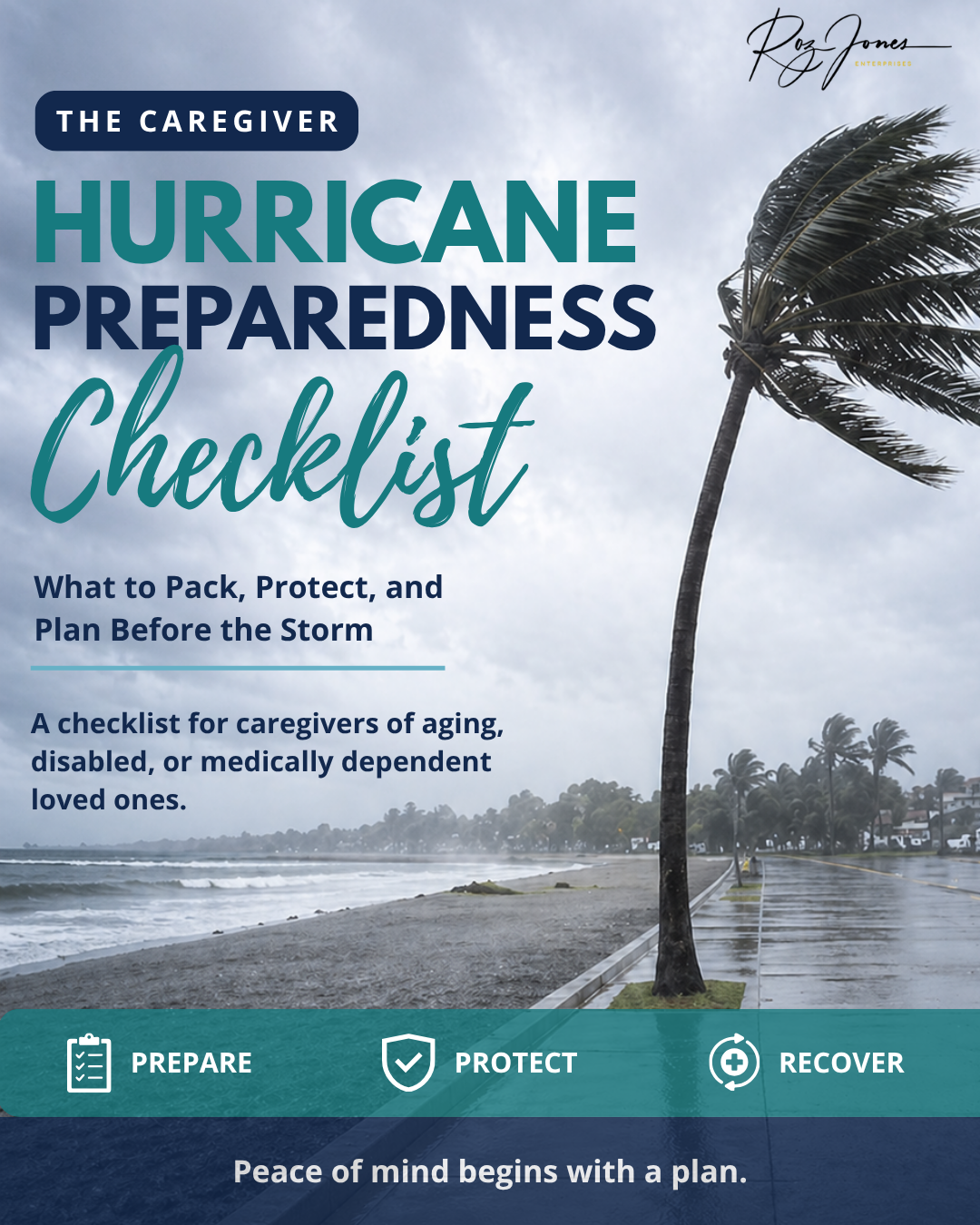
The Caregiver Hurricane Preparedness Checklist.

Are you preparing for hurricane season? Purchase the Caregiver Hurricane Preparedness Checklist to organize the information and supplies your family may need before severe weather arrives.

Subscribe to The Caregiver Cafe Weekly Newsletter!

Caregiving can be a roller coaster of ups and downs. The information that you will receive from The Caregiver Cafe Weekly Specials Newsletter will support you as a caregiver. Remember…

1. YOU ARE NOT ALONE: The problems you face as a caregiver are experienced by other caregivers. Knowing that you’re not alone can be comforting. 

2. Tools and Resources:  Find caregiver stress management tools and gain perspective from other caregiver’s experiences.

3. LEARN TO: Ask for help, accept help when it is offered, and acknowledge yourself on this caregiving journey. Hear from experts on how to balance caregiving responsibilities by taking care of your needs and involving others to help manage the natural stress and isolation of being a caregiver. 

Covering the Cost of Respite Care as a Family Caregiver

By Roz Jones

We’ve talked about what respite care looks like and why guilt shouldn’t be the thing standing between you and a break. But there’s another obstacle that stops caregivers before they even get that far, and it’s rarely talked about: how am I going to pay for this?

Respite care can cost real money. If you’re not a veteran with access to VA benefits, and you’re not sure where else to look, it’s easy to assume respite simply isn’t in the budget. Before you write it off, let’s walk through where families actually find help paying for it.

Start With Your Area Agency on Aging

If you take away only one thing from this post, let it be this: call your local Area Agency on Aging before you assume respite is out of reach.

The National Family Caregiver Support Program, funded through the Older Americans Act, flows through Area Agencies on Aging in every state. It’s designed specifically to support family caregivers with in-home and out-of-home respite, caregiver training, counseling, and supplemental services. Many families are surprised to learn that respite through this program generally doesn’t come with an income requirement — it’s based on your loved one’s level of need, not your bank account.

Availability and how much support you can access will vary depending on where you live and local funding, so this isn’t a guarantee of free care everywhere. But it’s often the first place caregivers should ask, not the last.

Look Into Medicaid Home and Community-Based Services

If your loved one is enrolled in Medicaid or may qualify, ask specifically about Home and Community-Based Services (HCBS) waivers. These state-run programs are built to help people stay in their own homes instead of a nursing facility, and respite care is commonly one of the covered services alongside personal care and adult day programs.

Eligibility depends on both income and a functional assessment showing your loved one needs a nursing-facility level of care, and requirements shift from state to state. Because these waivers serve a capped number of people, waitlists are common in many states, so it’s worth applying and asking questions even if a wait is involved. Your state Medicaid office or Area Agency on Aging can walk you through what’s available where you live.

Ask About Disease-Specific Grants

If your loved one is living with Alzheimer’s or another form of dementia, dedicated respite grant programs may be available through national and local organizations, including the Alzheimer’s Association and its affiliates. These grants are typically awarded as hours of respite care rather than cash, and eligibility, award amounts, and application windows vary by program and state. A quick call to your local Alzheimer’s Association chapter or a search for dementia-specific caregiver grants in your state can point you toward options you didn’t know existed.

Check Long-Term Care Insurance and Employer Benefits

If your loved one has a long-term care insurance policy, read it or ask their agent directly whether respite or informal in-home care is a covered benefit. Some policies include it; others don’t, and the difference is easy to miss in the fine print.

On your side of things, it’s worth asking your own employer about caregiver-related benefits, too. Some companies offer paid caregiver leave, backup care benefits, or an Employee Assistance Program that includes counseling or referrals to local respite resources. The Family and Medical Leave Act may also allow job-protected time off to arrange or manage care, even though it’s unpaid. None of these replace respite care itself, but they can create the breathing room to arrange it.

When You’re Paying Out of Pocket

Sometimes, after checking every program, private pay is still the most realistic option, at least for now. If that’s where you land, a few questions can help you get more for your money:

  • Ask about sliding-scale fees. Some agencies and nonprofits adjust cost based on income, even if they don’t advertise it upfront.
  • Compare hourly rates against package or block rates. Some providers offer a lower rate for a set weekly or monthly commitment than for occasional hours.
  • Ask what’s included. A lower hourly rate isn’t a deal if it doesn’t cover the specific tasks your loved one needs help with.
  • Get the cost in writing before care begins, including any minimum hours, cancellation policies, or holiday rates.

Build the Cost Into the Plan Now, Not Later

Here’s the shift I want to encourage: don’t wait until you’re desperate for a break to figure out how you’ll pay for one. Research funding sources, make the calls, and get on any waitlists now, while you still have the bandwidth to compare options and ask good questions. That way, when you truly need relief, the paperwork isn’t the thing standing in your way.

Paying for respite care is one more piece of a sustainable care plan, right alongside deciding who provides it and how your loved one will be prepared for the transition. It isn’t a luxury line item. It’s part of what keeps you able to keep showing up.

For an introduction to respite care and the different forms it can take, read the previous blog, Caring for the Caregiver: The Vital Role of Respite Care in Supporting Aging Loved Ones..

Prepare for Your Next Trip

Planning to travel with an aging loved one? Download the free Vacationing with an Aging Loved One Checklist to help you prepare for medications, mobility needs, comfort, safety, and unexpected changes.

Tune in to The Caregiver Café Podcast

Dad’s Dementia: Grieving the Living with Phil Hill

In this episode of The Caregiver Café with Roz Jones, Roz is joined by security expert and former family caregiver Phil Hill for an honest conversation about caring for a parent through cognitive decline, dementia, and the final years of life.

Phil shares how he first began noticing changes in his father, including confusion, difficulty navigating familiar places, changes in his appearance, and trouble managing responsibilities that had once been routine. Those early signs led to doctor visits, cognitive testing, difficult decisions about driving, and eventually moving his father into his home.

As the primary caregiver, Phil had to learn how to coordinate support among family members while also caring for his wife, his children, his business, and himself. He explains how even small contributions from relatives, such as taking his father to the barber shop, spending an afternoon with him, or providing companionship, gave him valuable moments of rest.

Roz and Phil also discuss the emotional side of caregiving. Watching a parent decline can bring grief long before the person passes away. Caregivers may lose sleep, experience exhaustion, make difficult safety decisions, and manage behaviors their loved one may not fully understand or remember.

Give Yourself a Moment of Grace

Caregiving includes demanding days, unexpected changes, and moments of connection that may be easy to overlook. Moments of Grace offers encouragement to caregivers who need a reminder to pause and recognize the meaningful moments along the journey.

Preparing for hurricane season?

The Caregiver Hurricane Preparedness Checklist.

Are you preparing for hurricane season? Purchase the Caregiver Hurricane Preparedness Checklist to organize the information and supplies your family may need before severe weather arrives.

Subscribe to The Caregiver Cafe Weekly Newsletter!

Caregiving can be a roller coaster of ups and downs. The information that you will receive from The Caregiver Cafe Weekly Specials Newsletter will support you as a caregiver. Remember…

1. YOU ARE NOT ALONE: The problems you face as a caregiver are experienced by other caregivers. Knowing that you’re not alone can be comforting. 

2. Tools and Resources:  Find caregiver stress management tools and gain perspective from other caregiver’s experiences.

3. LEARN TO: Ask for help, accept help when it is offered, and acknowledge yourself on this caregiving journey. Hear from experts on how to balance caregiving responsibilities by taking care of your needs and involving others to help manage the natural stress and isolation of being a caregiver. 
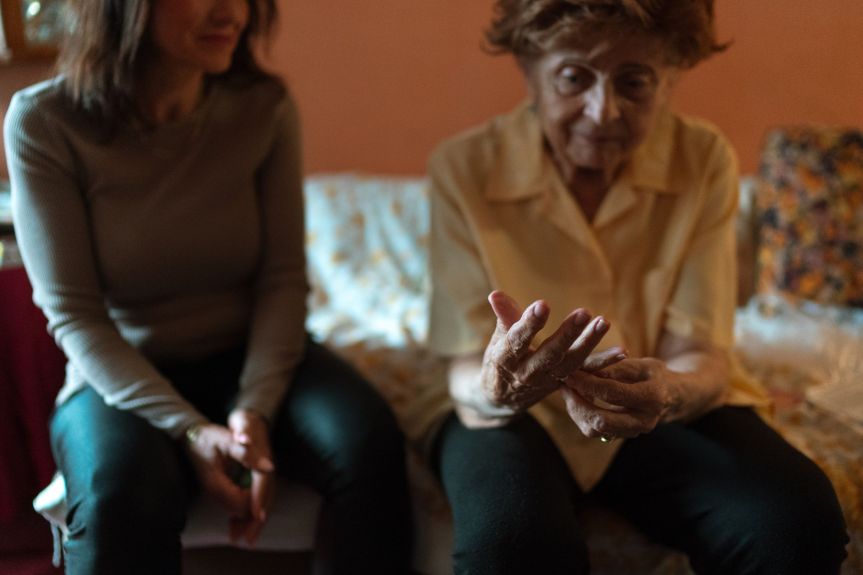
Dementia Symptoms During Travel: How Caregivers Can Respond

By Roz Jones

A caregiver can choose a familiar destination, create a simple itinerary, pack comfort items, and prepare for the trip carefully. Still, traveling with a loved one living with dementia may bring changes that are difficult to predict.

A new environment may feel unfamiliar even when the destination has been visited before. A different bed, a crowded airport, unfamiliar sounds, or a change in routine may lead to confusion, restlessness, fear, or agitation.

These changes do not necessarily mean the trip must end. They do mean the caregiver may need to slow down, adjust the plan, and focus more closely on what the loved one is communicating through their words and behavior.

The goal of the trip should not be to follow every part of the itinerary. The goal should be to help the loved one feel safe, supported, and included throughout the experience.

Recognize What May Be Causing the Change

When a person living with dementia becomes upset or confused, the behavior may be a response to something they cannot clearly explain.

They may be tired, hungry, thirsty, uncomfortable, overstimulated, or in pain. They may need to use the restroom. They may not recognize the hotel room or understand why they are away from home.

Before trying to correct the behavior, take a moment to consider what may be causing it.

Look at the environment. Is the room too noisy? Has the day been too long? Has a meal or medication been delayed? Is there too much activity happening at once?

A change in behavior is often a form of communication. Caregivers may need to look beyond the behavior and identify the need underneath it.

Reduce Noise and Stimulation

Vacation destinations can be busy.

Airports, restaurants, attractions, hotel lobbies, and family gatherings may include bright lights, unfamiliar voices, loud music, and constant movement. This can become overwhelming for someone living with dementia.

When possible, choose quieter spaces and less crowded times of day. Request a table away from the entrance of a restaurant. Visit attractions earlier in the morning. Avoid scheduling several activities back-to-back.

If your loved one begins to appear restless, anxious, withdrawn, or irritated, move to a calmer setting.

A quiet room, a familiar song, a short walk, or a few minutes sitting together may help them feel more settled.

Reducing stimulation is not about limiting the entire experience. It is about creating an environment where your loved one can participate without becoming overwhelmed.

Use Reassurance Instead of Correction

A person living with dementia may forget where they are or why they are traveling.

They may ask to go home even when they are already at the hotel. They may believe they need to go to work, care for children, or complete a responsibility from many years ago.

Trying to correct every detail may increase frustration.

Instead of arguing, respond to the emotion behind the statement.

If your loved one says they need to go home, they may be expressing that they do not feel safe or familiar with the environment. A caregiver may respond by reassuring them that they are safe, staying close, and offering something familiar.

Simple phrases may be more helpful than long explanations.

“You are safe.”

“I am right here with you.”

“We are going to rest for a little while.”

“Let us sit together.”

The goal is not always to convince them of the facts. Sometimes the goal is simply to reduce fear.

Keep Explanations Simple

Travel often requires quick decisions, but too much information may create additional confusion for a person living with dementia.

Instead of explaining the entire day at once, focus on what is happening next.

“We are going downstairs for breakfast.”

“We are getting into the car now.”

“We are going back to the room to rest.”

Give one direction at a time and allow extra time for your loved one to respond.

Avoid rushing when possible. A person living with dementia may need more time to process instructions, move through unfamiliar spaces, or make a choice.

Patience can help prevent a small moment of uncertainty from becoming a larger source of distress.

Carry Familiar Items Throughout the Day

Familiar items can provide comfort in unfamiliar surroundings.

A favorite sweater, family photograph, blanket, small keepsake, familiar music playlist, or preferred snack may help your loved one feel more connected to home.

Do not pack every familiar item in the suitcase where it cannot be reached during the day. Keep one or two comfort items in a bag that remains with you.

These items may be especially helpful during long waits, transportation delays, unfamiliar meals, or moments when your loved one becomes anxious.

Familiarity does not remove dementia, but it may provide reassurance when the environment feels uncertain.

Watch for Signs of Physical Discomfort

Sudden confusion or changes in behavior should not automatically be blamed on dementia.

A person may be experiencing pain, dehydration, constipation, an infection, medication side effects, low blood sugar, or another medical concern.

Pay attention to changes that seem sudden or more severe than usual.

Has your loved one stopped eating?

Are they drinking enough water?

Are they using the restroom normally?

Do they appear to be in pain?

Are they unusually sleepy, weak, or difficult to wake?

Have they recently started a new medication?

When something feels medically concerning, contact a healthcare provider or seek local medical care. Caregivers know their loved one’s usual behavior. A noticeable change deserves attention.

Prepare for Wandering and Separation

Unfamiliar places may increase the risk of wandering or becoming separated.

Make sure your loved one carries identification with their name and an emergency contact number. Consider an identification bracelet, card, or tracking device if appropriate.

Keep a recent photograph on your phone and write down what your loved one is wearing each day. This information may be useful if you become separated.

When staying in a hotel or vacation rental, check doors, elevators, stairways, balconies, and exits. Ask for a room away from busy exits when possible.

Caregivers should also tell trusted travel companions and appropriate staff members that their loved one is living with dementia and may need assistance if found alone.

This information does not need to be shared with everyone, but it should be available to the people who can help protect your loved one’s safety.

Make Rest Part of the Itinerary

A person living with dementia may become tired more quickly when traveling.

Even enjoyable activities can require more mental and physical energy in an unfamiliar environment. A full day may lead to increased confusion, irritability, or difficulty sleeping later.

Plan rest before it becomes necessary.

Return to the hotel or rental property between activities. Allow time for a nap, quiet music, television, or simply sitting together.

Some families may feel they are wasting the vacation by spending time in the room. However, rest may be what allows the loved one to enjoy the next activity.

A slower trip can still be a meaningful trip.

Be Willing to Cancel an Activity

Caregivers often feel pressure to continue with a plan because tickets were purchased, reservations were made, or other family members are looking forward to the activity.

That pressure should not outweigh the loved one’s needs.

If your loved one is exhausted, frightened, confused, or uncomfortable, canceling an activity may be the best decision.

The family can divide responsibilities if others still want to attend. One person may stay behind with the loved one while another accompanies the rest of the group.

Changing the plan is not a failure. It is part of responding to dementia with care and flexibility.

The most important experience may not be the attraction the family planned to visit. It may be the quiet afternoon spent together after deciding not to go.

Protect the Caregiver’s Well-Being

Traveling with a person living with dementia requires constant awareness.

The caregiver may be monitoring medications, watching exits, managing meals, answering repeated questions, adjusting activities, and trying to keep everyone calm.

This can become exhausting.

Whenever possible, travel with someone who can share caregiving responsibilities. Decide before the trip who will help with meals, transportation, supervision, and rest periods.

The primary caregiver should not be expected to provide care every hour of the day while everyone else enjoys the vacation.

Take breaks when support is available. Eat regularly, stay hydrated, and get as much rest as possible.

A tired caregiver may have less patience and may find it harder to make decisions. Caring for yourself supports your ability to care for your loved one.

Know When the Trip Is No Longer Working

There may come a time when the unfamiliar environment is causing more distress than enjoyment.

Your loved one may remain highly anxious, refuse food or medication, stop sleeping, repeatedly try to leave, or experience a health change that requires continued care.

The caregiver may also reach a point where the situation no longer feels manageable or safe.

Returning home early may be the most compassionate choice.

The family may feel disappointed, especially after spending time and money preparing for the vacation. However, staying simply because the trip was planned does not always serve the loved one.

A shorter trip does not erase the meaningful moments that already happened.

Sometimes success means recognizing when your loved one has had enough.

Focus on Connection Rather Than Perfection

Traveling with dementia may not look like previous family vacations.

The loved one may not remember the destination later.

They may not participate in every activity.

They may need more reassurance, repetition, and rest.

That does not mean the experience has no value.

A person may not remember every detail and still feel comfort in the moment.

They may enjoy the warmth of the sun, the sound of familiar music, a favorite meal, a slow walk, or the presence of someone they trust.

Those moments matter.

A positive vacation experience is not created by a perfect itinerary. It is created by paying attention to the loved one’s needs, making thoughtful adjustments, and protecting their sense of safety and dignity.

Caregivers cannot control every change that dementia may bring during travel. They can remain observant, flexible, and prepared to respond with patience.

That is often what makes the journey meaningful.

Continue Reading

This article is a continuation of Traveling with Dementia: Strategies for a Positive Vacation Experience.

Prepare for Your Next Trip

Traveling with an aging loved one requires careful preparation. Download the free Vacationing With an Aging Loved One Checklist for reminders related to medications, health needs, accommodations, transportation, safety, and emergency planning.

Tune in to The Caregiver Café Podcast

Patient Advocacy: The Caregivers Role

In this episode of The Caregiver Café with Roz Jones, Roz is talking about an important role many caregivers step into without always realizing it: becoming an advocate for their loved one at the doctor’s office.

Doctor visits can feel overwhelming for both the caregiver and the aging loved one. There may be anxiety, confusion, medication changes, new symptoms, treatment options, and instructions that are hard to remember once the appointment is over. That is why caregivers need to walk in prepared, ask the right questions, and make sure they leave with clear answers.

Roz breaks down practical ways caregivers can advocate before, during, and after medical appointments. She talks about preparing ahead of time, writing down questions and concerns, tracking new symptoms or changes, taking notes during the visit, sharing updates with the care team, and making sure everyone involved in the loved one’s care is on the same page.

She also reminds caregivers not to be afraid to ask the doctor to explain things in plain language. If something is unclear, uncomfortable, or confusing, caregivers have the right and responsibility to ask questions. Roz also encourages families to understand treatment options, possible side effects, medication changes, and how each decision may affect their loved one’s independence and daily routine.

This episode is a practical reminder that advocacy is part of caregiving. It is not enough to just show up at the appointment. Caregivers need to listen, take notes, ask questions, review medications, and help coordinate between doctors, specialists, and the full care team.

Give Yourself a Moment of Grace

Caregiving includes demanding days, unexpected changes, and moments of connection that may be easy to overlook. Moments of Grace offers encouragement to caregivers who need a reminder to pause and recognize the meaningful moments along the journey.

Don’t Wait Until the Storm is Coming

The Caregiver Hurricane Preparedness Checklist.

Caregivers should also be prepared for emergencies that may affect the home and the loved one’s care routine. The Caregiver Hurricane Preparedness Checklist helps families organize medications, medical equipment, emergency contacts, important documents, and evacuation plans before a storm arrives.

Need Help Sorting Through the Care Plan?

Roz Jones is a dedicated caretaker turned CEO with over a decade of experience in helping families care for and make decisions for loved ones and their legacies.Roz is a compassionate, innovative healthcare industry leader.

If your family needs help thinking through care decisions, caregiving responsibilities, or next steps, book a session with Roz Jones. You do not have to navigate this season alone.

Together, we can talk through what is working, what is becoming too heavy, and what boundaries need to be strengthened so you can continue to care without losing yourself in the process.

Subscribe to The Caregiver Cafe Weekly Newsletter!

Caregiving can be a roller coaster of ups and downs. The information that you will receive from The Caregiver Cafe Weekly Specials Newsletter will support you as a caregiver. Remember…

1. YOU ARE NOT ALONE: The problems you face as a caregiver are experienced by other caregivers. Knowing that you’re not alone can be comforting. 

2. Tools and Resources:  Find caregiver stress management tools and gain perspective from other caregiver’s experiences.

3. LEARN TO: Ask for help, accept help when it is offered, and acknowledge yourself on this caregiving journey. Hear from experts on how to balance caregiving responsibilities by taking care of your needs and involving others to help manage the natural stress and isolation of being a caregiver. 

When Health Needs Change During the Trip: Responding While Away

By Roz Jones

Planning ahead is one of the most important things a caregiver can do before traveling with an aging loved one. Medications should be organized, medical information should be easy to access, and the family should know where to seek care if a health concern arises.

However, even the most detailed plan cannot account for every possibility.

An aging loved one may become more tired than expected, experience confusion in an unfamiliar environment, miss a medication, lose their appetite, or develop symptoms that require medical attention. When this happens, caregivers need to know how to respond without allowing panic or the pressure to continue the vacation to interfere with good judgment.

Travel plans may need to change, but your loved one’s health and safety must remain the priority.

Watch for Changes in Your Loved One’s Normal Behavior

Travel often changes a person’s usual routine. Meals may happen later, sleep may be interrupted, and the day may include more walking, noise, activity, and social interaction than your loved one is accustomed to.

These changes can affect an aging adult’s physical and emotional well-being.

Pay attention to anything that seems different from your loved one’s normal behavior. They may appear more tired, confused, irritable, withdrawn, weak, or unsteady. They may complain about pain, become short of breath, eat less than usual, or have difficulty sleeping.

A small change does not always indicate an emergency, but it should not be ignored. Caregivers often recognize early signs that something is wrong because they understand their loved one’s normal habits, mood, and level of functioning.

When something feels different, slow down and take a closer look.

Know When Medical Attention Is Needed

Before traveling, speak with your loved one’s healthcare provider about symptoms that would require immediate attention. The guidance may vary depending on your loved one’s health conditions, medications, and medical history.

Chest pain, difficulty breathing, sudden weakness, signs of a stroke, severe confusion, loss of consciousness, uncontrolled bleeding, a serious allergic reaction, or a fall involving the head may require emergency care.

Caregivers should also know how to respond to changes involving blood pressure, blood sugar, oxygen levels, or other health measurements that are regularly monitored at home.

Keep the address and phone number of the nearest emergency room, urgent care center, and pharmacy with your travel information. If the situation appears life-threatening, call 911.

Do not delay care because you are worried about disrupting the trip. Vacation plans can be adjusted. A medical emergency cannot be placed on hold.

Respond Carefully to Missed Medications

Medication schedules can become harder to manage while traveling. Delayed flights, time-zone changes, skipped meals, late mornings, and busy itineraries can all lead to missed or delayed doses.

If your loved one misses a medication, do not automatically give an extra dose unless the prescribing provider or pharmacist has instructed you to do so.

Review the medication instructions and contact a healthcare professional when you are unsure what to do. Be prepared to provide the name of the medication, the prescribed dosage, the time it should have been taken, and the time you realized it was missed.

It is also important to write down what happened and the instructions you received. This helps prevent confusion when more than one person is assisting with care.

Everyone involved should understand whether the missed dose should be taken, skipped, or adjusted.

Prepare for Time-Zone Changes

Crossing time zones can create additional challenges for medication management.

Some medications must be taken at consistent intervals, while others may allow more flexibility. Caregivers should discuss this with a healthcare provider or pharmacist before leaving home rather than trying to create a new schedule after arriving.

Write out the medication schedule for both the home time zone and the destination. Set alarms on your phone and share the schedule with anyone who will be helping during the trip.

After arriving, continue watching for changes in sleep, appetite, mood, alertness, and energy. Time-zone changes can be difficult for anyone, but they may be especially challenging for an aging loved one living with dementia, diabetes, heart disease, or another chronic condition.

Adjust the Itinerary to Match Their Energy

A full vacation schedule may look exciting on paper, but it may be too demanding for an aging loved one.

They may need more time in the morning, longer breaks between activities, or an afternoon to rest. They may enjoy one outing and decide they do not have the energy for the next one.

Caregivers should build flexibility into the itinerary before fatigue becomes a problem.

Choose the activities that matter most and leave room for rest. Try to keep meals, medication times, and sleep routines as consistent as possible. Avoid scheduling every hour of the day.

A successful vacation is not measured by how many attractions the family visits. It is measured by whether your loved one feels safe, comfortable, included, and able to enjoy the experience.

Keep Family Members and Travel Companions Informed

When several people are traveling together, everyone should understand your loved one’s care needs.

Family members should know when medications are due, what symptoms to watch for, and when your loved one needs quiet time or rest. They should also understand that changes to the schedule may be necessary.

Caregiving responsibilities should not automatically remain with one person throughout the entire trip.

One family member may be able to pick up a prescription. Another may stay with your loved one while the primary caregiver rests. Someone else may adjust reservations, order a meal, or handle transportation.

Clear communication can prevent misunderstandings and reduce the pressure placed on the caregiver.

Keep Important Medical Information Accessible

If your loved one needs medical care while away, an unfamiliar healthcare provider will need accurate information.

Keep a written folder or secure digital file containing your loved one’s current medication list, medical conditions, allergies, insurance information, emergency contacts, and healthcare provider information.

Include copies of advance directives, healthcare power of attorney documents, or other legal paperwork when appropriate.

When speaking with a new healthcare provider, explain what is normal for your loved one and what has changed. Your observations can help the provider understand whether a symptom or behavior is unusual.

Caregivers often hold information that cannot be found in a medical record. Do not hesitate to share it.

Recognize When It May Be Time to Return Home

Ending a trip early can be disappointing, especially when the family has invested time, money, and hope into the experience.

Still, there may come a point when returning home is the safest decision.

Your loved one may need ongoing evaluation from their regular healthcare provider. Their health needs may become difficult to manage at the destination. The pace of travel may be causing increased confusion, exhaustion, pain, or anxiety.

The caregiver’s well-being must also be considered. If you are too exhausted, overwhelmed, or frightened to safely continue providing care, the plan needs to be reconsidered.

Going home early does not mean the trip was a failure.

It means the caregiver recognized that the situation had changed and responded accordingly.

Make Room for a Different Kind of Memory

Caregivers may feel pressure to make every moment of the vacation special. They want their loved one to enjoy the trip, participate in the activities, and create memories with the family.

Sometimes the most meaningful moments are not the ones listed on the itinerary.

They may happen during a quiet breakfast, a slow drive through a familiar neighborhood, an afternoon spent listening to music, or a conversation in the hotel room.

When health needs change, the trip may not look the way the family originally imagined. That does not mean it has lost its value.

Traveling with an aging loved one requires preparation, patience, flexibility, and honest communication. Caregivers need to know when to continue with the plan, when to slow down, and when to make a different decision.

The goal is not to complete every activity.

The goal is to protect your loved one’s health while creating an experience that allows them to feel cared for, respected, and included.

Continue Reading

This article is a continuation of Essential Tips for Caregivers Traveling with Aging Loved Ones: Managing Medications and Health Needs While on Vacation.

Prepare for Your Next Trip

Preparing for travel can help caregivers feel more organized and confident before leaving home. Download the free Vacationing With an Aging Loved One Checklist for practical reminders related to medications, safety, transportation, accommodations, and health needs.

Tune in to The Caregiver Café Podcast

Patient Advocacy: The Caregivers Role

In this episode of The Caregiver Café with Roz Jones, Roz is talking about an important role many caregivers step into without always realizing it: becoming an advocate for their loved one at the doctor’s office.

Doctor visits can feel overwhelming for both the caregiver and the aging loved one. There may be anxiety, confusion, medication changes, new symptoms, treatment options, and instructions that are hard to remember once the appointment is over. That is why caregivers need to walk in prepared, ask the right questions, and make sure they leave with clear answers.

Roz breaks down practical ways caregivers can advocate before, during, and after medical appointments. She talks about preparing ahead of time, writing down questions and concerns, tracking new symptoms or changes, taking notes during the visit, sharing updates with the care team, and making sure everyone involved in the loved one’s care is on the same page.

She also reminds caregivers not to be afraid to ask the doctor to explain things in plain language. If something is unclear, uncomfortable, or confusing, caregivers have the right and responsibility to ask questions. Roz also encourages families to understand treatment options, possible side effects, medication changes, and how each decision may affect their loved one’s independence and daily routine.

This episode is a practical reminder that advocacy is part of caregiving. It is not enough to just show up at the appointment. Caregivers need to listen, take notes, ask questions, review medications, and help coordinate between doctors, specialists, and the full care team.

Give Yourself a Moment of Grace

If you need encouragement for the emotional side of caregiving, purchase Roz Jones’ book, Moments of Grace. This book offers support, reflection, and reminders of grace for the caregiver who is carrying a lot.

This journal was created to help caregivers pause, breathe, reflect, and find strength in the middle of the caregiving journey.

Purchase Moments of Grace today and give yourself permission to breathe in the middle of the caregiving journey.

Don’t Wait Until the Storm is Coming

The Caregiver Hurricane Preparedness Checklist.

Hurricane season can create additional challenges for families caring for aging loved ones. The Caregiver Hurricane Preparedness Checklist helps caregivers prepare medications, medical equipment, emergency contacts, important documents, and evacuation plans before a storm arrives.

Need Help Sorting Through the Care Plan?

Roz Jones is a dedicated caretaker turned CEO with over a decade of experience in helping families care for and make decisions for loved ones and their legacies.Roz is a compassionate, innovative healthcare industry leader.

If your family needs help thinking through care decisions, caregiving responsibilities, or next steps, book a session with Roz Jones. You do not have to navigate this season alone.

Together, we can talk through what is working, what is becoming too heavy, and what boundaries need to be strengthened so you can continue to care without losing yourself in the process.

Subscribe to The Caregiver Cafe Weekly Newsletter!

Caregiving can be a roller coaster of ups and downs. The information that you will receive from The Caregiver Cafe Weekly Specials Newsletter will support you as a caregiver. Remember…

1. YOU ARE NOT ALONE: The problems you face as a caregiver are experienced by other caregivers. Knowing that you’re not alone can be comforting. 

2. Tools and Resources:  Find caregiver stress management tools and gain perspective from other caregiver’s experiences.

3. LEARN TO: Ask for help, accept help when it is offered, and acknowledge yourself on this caregiving journey. Hear from experts on how to balance caregiving responsibilities by taking care of your needs and involving others to help manage the natural stress and isolation of being a caregiver. 

Using Technology to Support an Aging Loved One While You Are Away

By Roz Jones

Technology has become an important part of modern caregiving. For family caregivers who are preparing to travel, the right tools can provide additional support, improve communication, and help families respond more quickly when something changes.

Video calls, medical alert systems, medication reminders, smart home devices, and virtual healthcare services can all strengthen a care plan. However, technology should be used as a supplement to dependable in-person support rather than a replacement for it.

A successful remote caregiving plan begins with choosing tools that match the aging loved one’s needs, introducing those tools before the caregiver leaves, and making sure trusted individuals know how to respond when assistance is required.

Selecting Technology Based on Care Needs

The most effective technology is the technology that addresses a specific caregiving concern.

An aging adult who remains mostly independent may benefit from scheduled video calls, medication reminders, and a medical alert device. Someone with mobility limitations may need fall detection or emergency response services. A loved one living with dementia may benefit from door sensors, location tracking, or motion alerts that help family members recognize unusual activity.

Health-monitoring devices may also be useful for individuals managing chronic conditions. Depending on the healthcare provider’s recommendations, these tools may record blood pressure, blood sugar, oxygen levels, weight, or other important health information.

Before purchasing or installing a device, caregivers should consider whether it will be easy for the aging loved one to use, whether it protects privacy, and whether someone will be available to respond when an alert occurs.

Technology should simplify the care plan. It should not create additional confusion for the loved one or the people providing support.

Introducing New Devices Before the Vacation

New technology should be introduced well before the caregiver’s departure.

The aging loved one needs time to become familiar with the device, and the support team needs time to learn how it operates. Installing new equipment at the last minute may increase anxiety and leave little time to correct problems.

Testing the technology during the regular care routine allows families to determine whether it is reliable and appropriate.

An aging loved one may have difficulty answering a video call, remembering to wear a medical alert button, or understanding a medication reminder. Someone living with memory loss may unplug a device or remove a sensor because they do not recognize its purpose.

These concerns are easier to address while the primary caregiver is still at home.

The testing period should also include checking batteries, charging cords, internet connections, passwords, notification settings, and emergency contact information.

Maintaining Connection Through Video Calls

Video calls can help caregivers remain connected while they are away. They provide an opportunity to see the aging loved one, observe facial expressions, and notice changes that may not be obvious during a telephone conversation.

Scheduled calls can also provide reassurance and help maintain an important emotional connection.

The timing and frequency of video calls should be based on the loved one’s needs.

Some aging adults may enjoy a daily call and look forward to sharing updates. Others may become anxious or confused, especially if they do not understand why the caregiver is visible on a screen but cannot return home immediately.

A loved one living with dementia may repeatedly ask when the caregiver is coming back or become distressed after the call ends.

The person providing in-person care should observe how the loved one responds and adjust the call schedule when necessary.

The purpose of video communication is to provide comfort and connection without disrupting the care routine.

Adding Medical Alert Systems to the Care Plan

Medical alert systems can provide an additional layer of protection for aging adults who are at risk of falling or experiencing a medical emergency.

These systems may include wearable buttons, two-way communication, automatic fall detection, location tracking, and access to an emergency response center.

Before relying on a medical alert system, caregivers should confirm that the device works throughout the home and in any outdoor areas the loved one regularly uses.

The loved one should understand how to activate the device and should be comfortable wearing it consistently.

Emergency contact information should be reviewed before the vacation. Outdated names and telephone numbers should be removed, and the support team should understand what happens when an alert is triggered.

A medical alert device can only provide assistance when it is charged, accessible, and connected to a reliable response plan.

Using Smart Home Devices for Safety

Smart home technology can help families monitor activity within the home.

Motion sensors, door sensors, smart locks, and security systems may provide useful information about whether an aging loved one is moving through the home, opening an exterior door, or following familiar routines.

These devices may be especially useful for individuals who live alone or have memory loss.

However, smart home alerts require follow-up.

A lack of movement may mean the loved one is resting, but it may also indicate a fall or sudden illness. A door alert may show that the loved one stepped outside, or it may indicate that they left the home unexpectedly.

The device cannot determine the reason for the activity.

The care plan should identify who will respond to alerts and how quickly that response should occur. The designated person should have access to the home and know when emergency services should be contacted.

Without a clear response procedure, technology may provide information without improving safety.

Protecting Privacy When Using Cameras

Security cameras may help families monitor entrances, common areas, or other parts of the home. They may also help confirm that a professional caregiver arrived or provide information after an emergency alert.

Before installing cameras, caregivers should consider the aging loved one’s privacy and dignity.

The loved one should know where cameras are located and why they are being used. Access to live video and recordings should be limited to trusted individuals directly involved in the care plan.

Cameras should not be placed in bathrooms, bedrooms, or other private spaces without careful consideration, appropriate consent, and a clear medical need.

Passwords should be secure, and recordings should never be shared casually with relatives or posted online.

Safety should not come at the cost of the loved one’s dignity or right to privacy.

Supporting Medication Management

Medication technology can help caregivers reduce the risk of missed or duplicated doses.

Available tools may include reminder applications, automated dispensers, alarms, and systems that notify a designated caregiver when medication has not been taken.

The appropriate option depends on the aging loved one’s ability to understand and manage the medication routine.

A simple reminder may be enough for someone who remains independent. A person living with memory loss may require an automated dispenser or direct supervision from an in-person caregiver.

Families should not assume that an alert confirms the medication was taken correctly. The loved one may open the container and forget to take the dose, remove several doses at once, or become confused by the alarm.

Medication tools should be tested before the vacation, and the support team should understand how to confirm that the correct dose was taken at the correct time.

Preparing for Virtual Healthcare

Virtual healthcare services may provide access to medical guidance while the primary caregiver is away.

Telehealth appointments can be useful for discussing new symptoms, reviewing medications, asking questions, or determining whether an in-person appointment is necessary.

Before traveling, caregivers should confirm which healthcare providers offer virtual appointments and save the correct contact and portal information.

The person attending the appointment with the aging loved one should have access to current medications, insurance information, recent symptoms, and any health readings requested by the provider.

These readings may include blood pressure, temperature, oxygen levels, blood sugar, or weight.

Virtual healthcare is not appropriate for every situation. Chest pain, difficulty breathing, signs of stroke, loss of consciousness, serious falls, or other medical emergencies require immediate emergency care.

The support team should understand when telehealth may be useful and when emergency services should be contacted.

Organizing Digital Care Information

Digital care records can help several caregivers share important information without relying on memory or separate conversations.

A secure record may include medication completion, meals, fluid intake, appointments, blood pressure readings, changes in mobility, pain, sleep, mood, and other observations.

This information can improve continuity when care responsibilities change throughout the day.

The person providing evening care can review what occurred earlier and recognize whether a new concern is developing.

Digital records should be stored securely, and access should be limited to individuals who need the information.

Private medical details should not be placed in unsecured group messages or shared accounts that include people outside the care team.

Technology should improve coordination while continuing to protect confidentiality.

Preparing for Power and Internet Outages

Many caregiving devices depend on electricity, Wi-Fi, cellular service, or batteries.

A power outage may affect cameras, medication dispensers, alert systems, smart locks, internet-based phones, and medical equipment.

Before leaving, caregivers should determine which devices will continue working during an outage and how long backup batteries will last.

Phones, portable power banks, and medical devices should be fully charged. Charging cords and replacement batteries should be labeled and stored where the support team can easily find them.

Written care information and important telephone numbers should remain available on paper.

If an aging loved one relies on oxygen, an adjustable bed, a lift, or other equipment that requires electricity, the equipment provider should be contacted for backup instructions.

Technology can fail. The care plan must remain functional when it does.

Managing Passwords and Account Access

The support team may need access to certain devices, applications, or online portals while the caregiver is away.

This access should be prepared carefully.

Passwords should not be left in an unsecured location or shared with individuals who do not need them.

A secure password manager, sealed emergency document, or another protected method may be used to provide access to necessary information.

The support team may need access to a medication application, medical alert dashboard, telehealth portal, or smart home system. They should not automatically receive access to personal email, financial accounts, or unrelated private information.

Access should be reviewed and updated after the vacation if it is no longer required.

Creating a Response Plan for Alerts

Every device included in the care plan should be connected to a specific response procedure.

The support team should understand what the alert means, who receives it, who will check on the loved one, and when emergency services should be contacted.

A fall-detection alert should identify who will enter the home if the loved one does not respond.

A missed medication alert should identify who will confirm whether the dose was taken.

A door alert should identify who will respond if the loved one leaves unexpectedly.

Technology identifies a possible concern. The support team provides the care and judgment needed to address it.

Both parts are necessary for the system to work.

Keeping Human Support at the Center of Care

Technology can strengthen a caregiving plan, but it cannot replace human care.

An aging loved one may still need help preparing meals, bathing, dressing, moving safely, attending appointments, and responding to changes in health.

They may also need companionship, reassurance, and the presence of someone who can recognize when something does not seem right.

Cameras, sensors, and applications should not be used to reduce in-person care when the loved one’s condition requires direct support.

The amount of human assistance should continue to be based on the loved one’s needs.

Technology should support the care team, not become the care team.

Reviewing the Technology After the Vacation

After returning home, caregivers should review how well the technology supported the care plan.

This review should include whether alerts were accurate, video calls were helpful, medication reminders worked, and the support team understood how to use each device.

Caregivers should also review connection problems, missed notifications, false alarms, battery issues, and privacy concerns.

The aging loved one’s experience should be included whenever possible.

A device may function correctly and still be inappropriate if it causes confusion, anxiety, or discomfort.

The review can help families decide which tools should remain part of the regular care plan and which should be changed or removed.

Using Technology With Preparation and Purpose

Technology can help caregivers stay connected, organize care information, monitor safety, and respond more quickly when concerns arise.

Its value depends on how it is selected and used.

The most effective remote caregiving plan includes appropriate technology, dependable in-person support, clear emergency procedures, privacy protections, and backup options when devices fail.

Technology provides additional information and support.

It does not replace the people responsible for providing care.

When technology is introduced carefully and connected to a complete caregiving plan, families can remain informed while aging loved ones continue receiving safe, respectful, and consistent support.

Read the previous blog to learn how to establish a communication schedule, document changes, identify urgent concerns, protect medical privacy and maintain continuity of care while the primary caregiver is away.

Prepare for Your Next Trip

Before traveling with an aging loved one, download the free Vacationing with an Aging Loved One Checklist.

This checklist will help you organize important information, supplies, medications, documents, accommodations, and care needs before leaving home.

Tune in to The Caregiver Café Podcast

Assisted Living: What Caregivers Need to Know

In this episode of The Caregiver Café with Roz Jones, Roz is talking about what caregivers need to know when it may be time to look for an assisted living facility.

There may come a point in the caregiving journey when your loved one’s care needs become more than one person can safely manage at home. Maybe their condition has changed. Maybe they need help standing, bathing, eating, taking medication, or getting to the bathroom. Maybe it now takes two people to safely transfer them from the bed or chair. When that happens, it may be time to start asking questions and exploring the next level of care.

Roz walks listeners through some of the important questions to ask when touring an assisted living facility, including staff ratios, staff turnover, training, medical support, room options, emergency response systems, accessibility, activities, meals, shared spaces, and whether residents can bring personal furniture or pets.

This episode is a practical reminder that choosing a facility is not only about the building. It is about safety, staffing, comfort, dignity, and making sure your loved one receives the care they need.

Before you take a tour, pour yourself something warm, get your questions ready, and let Roz help you know what to look for, what to ask, and what to pay attention to.

Give Yourself a Moment of Grace

If you need encouragement for the emotional side of caregiving, purchase Roz Jones’ book, Moments of Grace. This book offers support, reflection, and reminders of grace for the caregiver who is carrying a lot.

This journal was created to help caregivers pause, breathe, reflect, and find strength in the middle of the caregiving journey.

Purchase Moments of Grace today and give yourself permission to breathe in the middle of the caregiving journey.

Don’t Wait Until the Storm is Coming

The Caregiver Hurricane Preparedness Checklist.

Severe weather can create additional risks for aging loved ones and family caregivers.

The Caregiver Hurricane Preparedness Checklist will help you organize emergency contacts, medications, medical information, evacuation needs, important documents and essential supplies before a storm arrives.

Need Help Sorting Through the Care Plan?

Roz Jones is a dedicated caretaker turned CEO with over a decade of experience in helping families care for and make decisions for loved ones and their legacies.Roz is a compassionate, innovative healthcare industry leader.

If your family needs help thinking through care decisions, caregiving responsibilities, or next steps, book a session with Roz Jones. You do not have to navigate this season alone.

Together, we can talk through what is working, what is becoming too heavy, and what boundaries need to be strengthened so you can continue to care without losing yourself in the process.

Subscribe to The Caregiver Cafe Weekly Newsletter!

Caregiving can be a roller coaster of ups and downs. The information that you will receive from The Caregiver Cafe Weekly Specials Newsletter will support you as a caregiver. Remember…

1. YOU ARE NOT ALONE: The problems you face as a caregiver are experienced by other caregivers. Knowing that you’re not alone can be comforting. 

2. Tools and Resources:  Find caregiver stress management tools and gain perspective from other caregiver’s experiences.

3. LEARN TO: Ask for help, accept help when it is offered, and acknowledge yourself on this caregiving journey. Hear from experts on how to balance caregiving responsibilities by taking care of your needs and involving others to help manage the natural stress and isolation of being a caregiver.