5 Ways Caregivers Can Use Technology to Protect Finances

By Roz Jones

If you’re a Caregiver, it’s important to stay aware of any actions that occur on your financial accounts. Technology can be a useful part of your plan to keep your money safe!

Use these strategies to take advantage of technology to protect your accounts:  

  1. Change your personal account passwords. If someone knows your passwords, it’s essential that you change them immediately.  
  1. Monitor accounts with online tools. Does your bank or other financial service offer apps and online tools to help you monitor accounts? These tools can send you automatic alerts about deposits, withdrawals, and other actions.
  • If someone makes a transaction that goes against your contract/client agreement, these tools will give you a record and help you keep track of it. You can use this information to inform your employer, lawyer, and judge.
  • These tools can also help you manage your own personal finances as well. Use them to keep a close watch on direct deposits, automatic withdrawals, and your balance.
  1. Monitor social media activity. In most cases, lawyers and judges are now using social media activity to make decisions about financial matters.  
  • Be careful about what you post on social media, particularly posts that have anything to do with money, your job, your clients, or any other personal information. Once you post something, it can always be copied and saved, so deleting it may not be enough to protect you. 
  1. Figure out how to handle joint accounts. Joint accounts are sometimes necessary for regular caregiving expenses including housekeeping and home care. It’s important for you and your client/Loved One to agree on how you’ll handle the joint account,  and how to use it during the duration of the contract/client agreement. For example, if your client needs immediate payment for medical care, you can use the joint account so you have immediate access to funds. 
  • For this joint account, you both may need online access to them.
  • Use the technology that your bank offers to monitor these joint accounts closely.
  1. Be aware of tracking software and tools available. For caregivers who are using joint accounts, it may be necessary to resort to using tracking software and tools. These tools can enable you and/or your client/Loved One to see and monitor financial activities. This includes financial activities that occur online or on your phone.
  • These technology tools can show up on your devices.
  • If you’re considering this option for your client or Loved One, it’s smart to consult your employer, or lawyer and check the local laws first. 
  • Be sure to keep track of all the software and programs you find on your devices. 

Being a Caregiver or being cared for can be a difficult time for both parties. It’s important to be proactive about protecting finances as you continue to provide care to your client or Loved One. Follow these tips and you’ll feel more secure about your finances!


3 Ways To Look After Your Mental Health While Working In The Home As A Caregiver

By Roz Jones

As we spring into May, Mental Health Awareness Month, we’re covering ways you can declutter and better your mental health as a Caregiver. We’re also providing you with methods on how to use your circle of technology to your Client or Loved One’s advantage.

If you’re feeling isolated working as a Caregiver, feeling mental fatigue, lack of support, or are overwhelmed from day to day, you may find yourself struggling with your mental health. 

This is understandable, as just seeing others can brighten your day. Very few want to be stuck in the home all day, let alone have to work in the home every day. Of course, there are exceptions to this rule.

Consider these ways to look after your mental health while working in the home as a caregiver.

1. Try to Get into a Routine

Yes, it can be a challenge and isolating working as a Caregiver in the home. Often, you may find your attention wandering, or you may find yourself missing Loved One’s and/or work colleagues.

A routine can help you focus on your tasks.

Use these strategies:

  • Have a space for work that is free of any distractions.
  • Set a routine to get up and get started, take regular breaks including lunch, and finish work at a reasonable time.
  • Avoid working in your pajamas.
  • Set clear tasks for the day and prioritize them. Do the most important tasks first.
  • When you finish working, clean up as you would in an office.
  • If you’re homeschooling your children, it may be a good idea to let your employer know. You’ll want to set up a routine of when you can work and when you can give your children the attention they need too.

2. Keeping In Touch With Loved Ones and/or Colleagues

To avoid feeling isolated while working as a Caregiver, keep in touch with your Loved Ones and/or colleagues, both in a formal fashion and a more social one.

Try these techniques:

  • Discuss with your Loved Ones and/or colleagues when it is best to contact you and try to remain available during these times.
  • Use video calling software for formal discussions.
  • Follow up any video calls with a quick note to ensure that everyone is on the same page regarding actions that need to be taken moving forward if needed.
  • You can also use video calling for more informal chats or use other messenger services if it is more appropriate.
  • Check-in with your work colleagues at the end of the workday to receive updates. These updates might be work-related, or you might use this time for personal updates.

Try to keep your work and social life separate. When working from home, it is easy for your work and social life to merge.

Not all of your colleagues will appreciate you sharing everything with them, so respect their boundaries, just as you expect them to respect yours.

3. Use Any Support Available

Working as a Caregiver in the home can be challenging, so if there is support available, make the most of it:

  • Many employers will have support available for their employees, with dedicated apps and websites offering support.
  • If you are currently struggling with a physical or mental health condition, your employer may be able to make reasonable adjustments to your work schedule, offer additional support from managers or other colleagues, and provide equipment if needed.
  • Look at the self-care techniques you’ve used in the past that have worked for you. You will have to be flexible sometimes, especially if you are stuck in the home. For example, if you usually walk around to meditate, to relieve your stress, you could try finding a quiet space and begin deep breathing to clear your mind. 
  • Work with Roz Jones, an experienced Caregiver, who can provide fellow caregivers with support and further assist with planning.

Working as a Caregiver is not for everyone. Some people will thrive in this environment while others will struggle. Keep these tips in mind, especially if you’re struggling. They can help you remain a productive caregiver.

Don’t Underestimate the Power of a Smile

By Roz Jones

This month, we’re discussing how you can have better conversations by utilizing different social skills, or “tools”. As a caregiver, your chance for having deep conversations can be more limited than the average person – and I want to help you make the most of the opportunities you have for connection and deeper conversations, whether that’s with your loved ones, or with a stranger in a doctor’s office. 

Let’s talk about one simple gesture that is important in every conversation and encounter you have: Smiling. 

Don’t underestimate the power of smiling. A warm smile is your best friend when it comes to starting a conversation. It’s the most important non-verbal cue you can give someone.

Marianne LaFrance, a Yale University psychology professor writes in her book Lip Service that a smile creates a subconscious emotional current in people who see it.

Smiles can be interpreted in a variety of ways such as friendly, mischievous, or as flirtatious. But the most preferred smile is the classic “Duchenne” smile. Named after the researcher who described it, the Duchenne smile involves moving the major muscle that pulls the corners of the mouth up in combination with the muscles that circle the eyes. 

This more genuine-feeling smile stimulates the reward centers in the brains of people who see it. When you smile this way, people see you as friendly, intelligent, kind, sincere, attractive, and likable – which is a great way to start off in a conversation. 


I’ve just launched Shop With Roz, my online store filled with supplies and gifts for every caregiver. You can find a wide variety of products in the store to help yourself and your loved one. Check it out here!

After you have a look through the store, see any products you use and love as a caregiver, and think we should share them with everyone? Let me know!

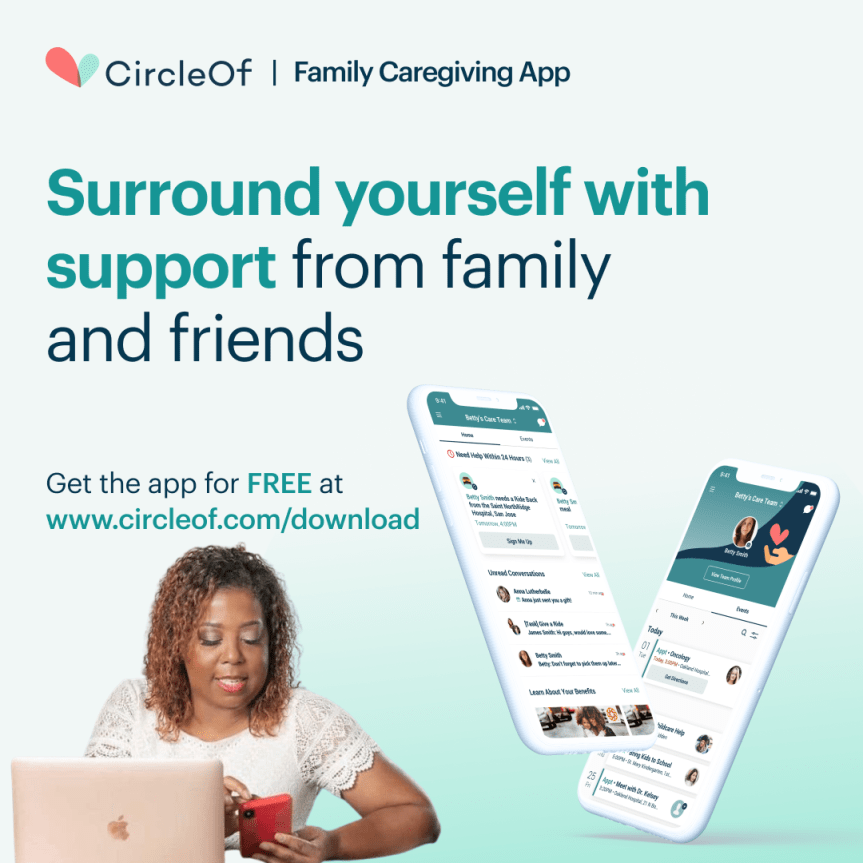
It’s here, I am so excited to share a new caregiver app called CircleOf….This app will allow you to surround yourself with resources and experts from your community including ME!!!! As you are looking through the app, you will see my familiar face. I’m excited about this partnership and new ways to support you as you support your loved one. Here’s the link so you can explore the app. I would love your feedback and spread the word by sharing the link to family and friends.

Visit http://www.rozjonesent.com for more information on addressing mental health as a caregiver and check out my upcoming book!