Memories and Milestones of President Jimmy Carter: A Gentle Goodbye — Lessons from Hospice Care

By Roz Jones

As we conclude our series on the extraordinary life of President Jimmy Carter, I want to reflect on his final chapter—a journey through hospice care that was marked by grace, dignity, and love.

When President Carter entered hospice in February 2023, it was a decision that spoke volumes about his character. True to form, he approached end-of-life care as he did everything else: with thoughtfulness and humility. For nearly a year, he remained in the care of his loved ones, supported by a compassionate hospice team that honored his wishes to remain at home.

Hospice care is often misunderstood, but President Carter’s experience highlighted its profound value. It’s not about giving up; it’s about creating a space where life’s final moments can be meaningful and peaceful. With hospice, President Carter was able to spend time with Rosalynn, his family, and close friends—sharing stories, reminiscing, and simply being present.

As caregivers, many of us have walked this road ourselves. It’s never easy, but it’s also a time of connection and reflection that can leave lasting memories. President Carter’s hospice journey reminds us to approach these moments with an open heart, focusing on the quality of life rather than the length of time left.

The Carter family’s decision to be transparent about his care also opened the door for important conversations about end-of-life planning. It’s a reminder for all of us to have those discussions early, ensuring that our loved ones’ wishes are honored.

President Jimmy Carter’s legacy isn’t just in the policies he created or the homes he built—it’s also in the example he set for living and dying with purpose. His life was a testament to the power of love, service, and faith.

As we say goodbye, let’s carry his lessons with us: to serve others, to love deeply, and to approach caregiving with the same compassion he showed in every aspect of his life. Thank you for joining me for this series. I’m here to support you in your caregiving journey, just as President Jimmy Carter inspired us to support one another. Book a consultation with me at the link.

Subscribe to The Caregiver Cafe Weekly Newsletter!

Caregiving can be a roller coaster of ups and downs. The information that you will receive from The Caregiver Cafe Weekly Specials Newsletter will support you as a caregiver. Remember…

1. YOU ARE NOT ALONE: The problems you face as a caregiver are experienced by other caregivers. Knowing that you’re not alone can be comforting. 

2. Tools and Resources:  Find caregiver stress management tools and gain perspective from other caregiver’s experiences.

3. LEARN TO: Ask for help, accept help when it is offered, and acknowledge yourself on this caregiving journey. Hear from experts on how to balance caregiving responsibilities by taking care of your needs and involving others to help manage the natural stress and isolation of being a caregiver. 

Memories and Milestones of President Jimmy Carter: A Life Well Lived “His Way”

By Roz Jones

The world has lost a great president, a man of faith, a father, a husband, a humanitarian, and so much more. President Jimmy Carter, the 39th President of the United States, passed away peacefully after a long and courageous journey in hospice care.

As we reflect on his remarkable life, I can’t help but think of Frank Sinatra’s famous song, “I Did It My Way.” President Jimmy Carter truly did it his way—with humility, integrity, and a steadfast commitment to serving others.

President Carter’s decision to enter hospice care in February 2023 demonstrated the grace and acceptance that defined his life. For over a year, he remained surrounded by love and care, showing us the power of hospice to create meaningful moments even in life’s final chapter.

As caregivers, we know the immense challenges and rewards of supporting loved ones during this time. President Carter’s journey reminds us that with the right care and compassion, these moments can become beautiful memories.

This is the first in a series of reflections on President Jimmy Carter’s incredible legacy. Over the next two weeks, we’ll explore the milestones and memories that defined his life—from his presidency to his humanitarian work, and his unwavering partnership with his wife Rosalynn Carter.

Let’s honor his legacy by drawing lessons from his remarkable journey—both as a leader and as a man who faced aging and end-of-life with dignity. Join me for the next blog of the Memories and Milestones of President Jimmy Carter series, where I’ll explore President Jimmy Carter’s impactful presidency and the initiatives he championed for a brighter future.

Subscribe to The Caregiver Cafe Weekly Newsletter!

Caregiving can be a roller coaster of ups and downs. The information that you will receive from The Caregiver Cafe Weekly Specials Newsletter will support you as a caregiver. Remember…

1. YOU ARE NOT ALONE: The problems you face as a caregiver are experienced by other caregivers. Knowing that you’re not alone can be comforting. 

2. Tools and Resources:  Find caregiver stress management tools and gain perspective from other caregiver’s experiences.

3. LEARN TO: Ask for help, accept help when it is offered, and acknowledge yourself on this caregiving journey. Hear from experts on how to balance caregiving responsibilities by taking care of your needs and involving others to help manage the natural stress and isolation of being a caregiver. 

Jimmy Carter’s Long Goodbye – A Lesson on Life

By Roz Jones

Today, I want to talk about an inspiring story that challenges the common perception of hospice care. We’re going to discuss none other than our former President Jimmy Carter and his remarkable journey in hospice. 

When the news broke that the 98-year-old Carter had entered hospice care, many assumed it was a sign of his imminent passing. However, as time has progressed, Carter has defied expectations and celebrated his first anniversary in hospice care just last month. This remarkable feat serves as a powerful reminder that hospice is not necessarily a one-way ticket to the great beyond. 

In the past, hospice was often seen as a place where people went to die. But times have changed, and hospice care has evolved to become a compassionate approach that prioritizes quality of life for those facing terminal illnesses. The goal is to provide comfort, support, and dignity during this challenging time, whether the patient has weeks, months, or even years left. 

And that’s precisely what Jimmy Carter’s experience has demonstrated. Despite his advanced age and health challenges, he has continued to thrive in hospice care, surrounded by his loved ones and receiving the support he needs to make the most of his remaining time. 

Now, I know what you might be thinking: “But Roz, how is that possible? Isn’t hospice care only for people who are actively dying?” Well, let me break it down for you. 

Hospice care is designed to provide holistic support for individuals facing life-limiting illnesses, but it doesn’t necessarily mean that death is imminent. It’s about managing symptoms, alleviating pain, and ensuring that the patient’s physical, emotional, and spiritual needs are met. 

In Carter’s case, his decision to enter hospice care was based on his desire to receive high-quality care while spending quality time with his family. And boy, has he made the most of it! Despite his advanced age and health challenges, he has continued to be active and engaged and even welcomed his first great-grandchild into the world during his time in hospice. 


So, for all you caregivers out there who might be hesitant about hospice care for your aging loved ones, let Jimmy Carter’s story be an inspiration. Hospice care is not a death sentence; it’s a compassionate approach that can enhance the quality of life and provide support during challenging times. 

Remember, every situation is unique, and it’s essential to have open and honest conversations with your loved ones and their healthcare providers to determine the best course of action. But don’t let preconceived notions about hospice care hold you back from exploring this valuable resource. 

Embrace the possibilities, my friends, and know that with the right support, your aging loved ones can continue to live their lives to the fullest, even in the face of terminal illnesses. Jimmy Carter is living proof of that!

Shop The Caregiver Cafe E-Commerce Store!

We founded The Caregiver Cafe Shopify Store with one simple goal: to help you experiment with your passion while at the same time providing amazing prices. We were tired of cookie-cutter stores with lackluster selections, and boring gifts. Instead of offering a huge unoriginal collection, we carefully curate just a few unique pieces perfectly suited for people the taste buds like you.

We focus on items that get you excited about shopping again, as we believe buying online should always be fun!


How to Avoid Hospital Re-admission for Your Loved Ones

As a caregiver, you don’t want your loved one to be re-admitted to the hospital. Re-admission can take a toll on you both.
So how do you avoid a trip to the hospital?
In this episode, we address the necessary tips you need to go through so your loved one can stay out of the hospital and obtain the homecare they need.

Subscribe to The Caregiver Cafe Weekly Newsletter!

Caregiving can be a roller coaster of ups and downs. The information that you will receive from The Caregiver Cafe Weekly Specials Newsletter will support you as a caregiver. Remember…

1. YOU ARE NOT ALONE: The problems you face as a caregiver are experienced by other caregivers. Knowing that you’re not alone can be comforting. 

2. Tools and Resources:  Find caregiver stress management tools and gain perspective from other caregiver’s experiences.

3. LEARN TO: Ask for help, accept help when it is offered, and acknowledge yourself on this caregiving journey. Hear from experts on how to balance caregiving responsibilities by taking care of your needs and involving others to help manage the natural stress and isolation of being a caregiver. 

How to Talk to Your Loved Ones About Advance Directives

By Roz Jones

Advance directives are an essential tool for ensuring that an individual’s healthcare preferences are respected in the event they are unable to communicate. There are different types of advance directives that may best fit your situation. However, it can be challenging to talk to loved ones about end-of-life care and medical decision-making. In this blog, we will explore the importance of discussing advance directives with family members and loved ones, as well as tips for starting the conversation.

The Importance of Discussing Advance Directives with Family Members & Loved Ones

One of the most important reasons to talk to loved ones about advance directives is to ensure that everyone is on the same page when it comes to medical decision-making. This can prevent confusion and conflict in difficult situations and can provide peace of mind for both the individual and their loved ones. The main benefit of advance directives is that they can eliminate confusion during times that require critical decision-making.

To start the conversation about advance directives, it’s important to choose a time and place where everyone feels comfortable and there are no distractions. It may be helpful to begin the conversation by discussing a news article or a personal experience that highlights the importance of advance directives. It’s also important to approach the conversation with empathy and understanding and to acknowledge that it can be a difficult topic to discuss. Ensure you understand the legal and ethical issues involved with advance directives before talking with your loved one because questions will arise. An inability to answer will spell doom or fear in their minds which you don’t want.

Tips for Starting the Conversation About Advance Directives

Some tips for facilitating the conversation include asking open-ended questions, actively listening to each other’s concerns and preferences, and providing resources and information to help everyone make informed decisions. It may also be helpful to involve a healthcare provider or a legal professional to provide guidance and answer any questions.

Discussion of the Emotional Benefits of Having the Conversation

Discussing advance directives can have emotional benefits as well. It can provide a sense of control and empowerment for individuals and can bring families closer together by fostering open and honest communication.

It’s important to talk to loved ones about advance directives to ensure that everyone is on the same page when it comes to medical decision-making. By approaching the conversation with empathy and understanding, and providing resources and information, families can make informed decisions and find peace of mind.


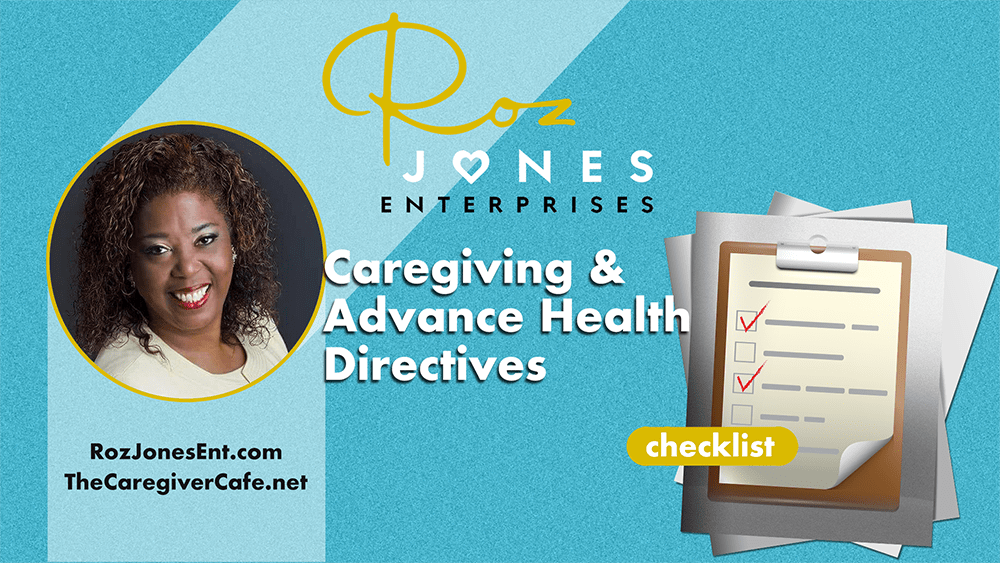
Secure Your Loved One’s Future & Protect Their Health by Purchasing the Caregiving & Advance Health Directives Checklist!

When creating an Advance Directive, it’s important for you to identify the treatments you want and don’t want when it comes to hospice or end-of-life care . In order to begin this process, you will need to complete state-specific forms. This worksheet can prepare you for those decisions you’re going to make on those forms, and for conversations you need to have with family and doctors.


Stay Connected!

Legal and Ethical Considerations for Advance Directives

By Roz Jones

Advance directives are legal documents that provide guidance to healthcare providers and loved ones on an individual’s healthcare preferences in the event they are unable to communicate.

The benefits of advance directives, especially as it relates to hospice care contribute to its importance.

In this blog, we will explore the legal and ethical considerations surrounding advance directives, as well as the role of healthcare providers in honoring them.

Legal and Ethical Considerations Surrounding Advance Directives

One important legal consideration is that advance directives are legally binding documents. This means that healthcare providers must follow the instructions outlined in the document, as long as they are in compliance with state laws and medical ethics. Failure to follow an advance directive can result in legal consequences.

The Role of Healthcare Providers in Honoring Advance Directives

Another legal consideration is the issue of informed consent. Healthcare providers must ensure that individuals understand the implications of their advance directive and have made an informed decision. This includes ensuring that individuals are not being coerced or influenced by others to make certain decisions.

In addition to legal considerations, there are ethical considerations when it comes to advance directives. Healthcare providers must balance the principle of patient autonomy with their obligation to provide the best possible care. This can be a difficult balance, particularly in situations where an individual’s healthcare preferences conflict with medical best practices.

Another ethical consideration is the issue of cultural and religious beliefs. Advance directives must take into account an individual’s cultural and religious background, as these can impact their healthcare preferences. Healthcare providers must be respectful of these beliefs and work with individuals and their families to ensure that their healthcare wishes are respected.

Advance directives have important legal and ethical considerations that must be taken into account by healthcare providers and loved ones. By following state laws and medical ethics, healthcare providers can ensure that they are honoring the preferences of their patients and providing the best possible care. Speak to healthcare providers to be able to choose the best option for them. Educate your loved one on advance directives for the best outcome.


Secure Your Loved One’s Future & Protect Their Health by Purchasing the Caregiving & Advance Health Directives Checklist!

When creating an Advance Directive, it’s important for you to identify the treatments you want and don’t want at the end of life. In order to begin this process, you will need to complete state-specific forms. This worksheet can prepare you for those decisions you’re going to make on those forms, and for conversations you need to have with family and doctors.


Stay Connected!