

By Roz Jones
Aging men are often praised for their strength, endurance, and ability to keep going no matter what life brings. Many have spent years providing for their families, solving problems, showing up for work, caring for others, and pushing through discomfort without complaint. While that kind of strength may be admirable, it can also become dangerous when it leads to ignoring heart health.
Cardiovascular health is one of the most important health concerns for men, especially as they age. High blood pressure, high cholesterol, diabetes, smoking, obesity, physical inactivity, poor sleep, stress, and family history can all increase the risk of heart disease. Some of these risk factors can be managed. Others cannot be changed, but they can still be monitored.
For caregivers supporting aging fathers, husbands, brothers, uncles, grandfathers, partners, or male loved ones, heart health must become part of the larger care plan. Waiting until there is a crisis is not enough. Prevention, routine checkups, and daily support matter.
Strength Does Not Replace Prevention
Many men do not seek medical care until symptoms become difficult to ignore. Some avoid appointments because they do not want bad news. Some minimize what they are feeling. Others believe they are still healthy because they can continue with their normal routine.
However, heart disease does not always announce itself clearly in the beginning. High blood pressure may not cause noticeable symptoms. High cholesterol can build over time. Blood sugar changes may slowly affect the blood vessels. Stress and poor sleep can take a toll on the body long before a major event occurs.
This is why regular medical care matters. A man does not have to feel seriously ill to benefit from a checkup. Routine appointments give healthcare providers an opportunity to review blood pressure, cholesterol, blood sugar, medications, weight, lifestyle habits, and family history.
For caregivers, encouraging these checkups is not about nagging. It is about helping the men they love stay present, supported, and informed.
Know the Numbers That Tell the Story
Heart health should not be based on guesswork. Important numbers can help families and healthcare providers understand what needs attention.
Blood pressure is one of the most important numbers to monitor. Cholesterol levels, blood sugar or A1C, weight changes, smoking status, physical activity, and sleep patterns are also important pieces of the heart health picture.
Caregivers can help by keeping track of appointment dates, encouraging follow-up labs, bringing an updated medication list to medical visits, and writing down questions before appointments. If a loved one is already being treated for high blood pressure, diabetes, heart disease, or high cholesterol, the caregiver can also help watch for missed medications, side effects, or changes in daily habits.
These numbers are not meant to shame anyone. They are tools. They help guide decisions and make the care plan clearer.
Blood Pressure Needs Consistent Attention
High blood pressure is common, but that does not make it harmless. Over time, uncontrolled blood pressure can increase the risk of heart attack, stroke, kidney disease, and other serious health problems.
For aging loved ones, blood pressure management may include medication, diet changes, regular movement, reduced sodium intake, stress management, and home monitoring if recommended by a healthcare provider.
Caregivers can support this process by helping create a routine. That may include keeping the blood pressure cuff in an easy-to-find place, writing down readings, reminding a loved one to take medication as prescribed, and making sure follow-up appointments are not missed.
Consistency matters. A heart health plan only works when it becomes part of daily life.
Movement Supports the Heart
Physical activity is one of the most effective ways to support cardiovascular health, but it must be realistic for the person’s age, ability, and medical condition.
Not every aging loved one can go to the gym or follow a structured exercise program. Some may have arthritis, balance concerns, shortness of breath, fatigue, or limited mobility. That does not mean movement should be ignored.
Movement can look like a short walk, light stretching, chair exercises, water aerobics, physical therapy exercises, gardening, or gentle strength training. For some families, the goal may be to increase activity gradually and safely under the guidance of a healthcare provider.
Caregivers can help by making movement part of the routine instead of turning it into a lecture. A walk after breakfast, stretching before bedtime, or light movement during the day can support circulation, strength, mood, and independence.
Small steps done consistently can make a meaningful difference.
Food Choices Can Help or Hurt the Heart
Heart health is also shaped by what happens in the kitchen.
A heart-supportive diet often includes more vegetables, fruits, whole grains, beans, lean proteins, fish, nuts, seeds, and healthier fats. It also includes paying attention to sodium, added sugars, processed foods, and saturated fats.
For caregivers, food changes can be challenging. Many aging loved ones have strong food preferences, cultural traditions, comfort meals, and long-standing habits. A sudden shift in diet may feel like punishment.
A better approach is to make gradual changes. Add more vegetables to familiar meals. Season foods with herbs, garlic, onions, peppers, vinegar, lemon, and spices instead of relying only on salt. Offer baked, grilled, or stewed options more often. Keep water available throughout the day. Make the healthier choice easier to reach.
Caregiving is not about policing every plate. It is about creating a home environment that supports better choices.
Tobacco Use Must Be Addressed With Care
Smoking and tobacco use are major risk factors for heart disease. For many men, tobacco use may be tied to stress, routine, grief, work history, or long-standing habits. Quitting can be difficult, especially if the person has smoked for many years.
Caregivers should approach this conversation with honesty and compassion. Shame rarely helps someone change. Support, resources, and medical guidance are more effective.
A healthcare provider can discuss smoking cessation options, nicotine replacement therapy, medications, counseling, quitlines, and community programs. The caregiver can encourage the conversation, help remove barriers, and celebrate progress.
Quitting tobacco is not easy, but it is one of the most important steps a person can take to protect the heart.
Sleep and Stress Are Part of Heart Health
Heart health is not only about blood pressure, food, and exercise. Sleep and stress matter too.
Many men carry stress quietly. They may not talk about financial worries, grief, family concerns, pain, or fear. Over time, that stress can affect sleep, mood, eating habits, blood pressure, and overall health.
Poor sleep can also place strain on the body. Snoring, waking frequently, daytime fatigue, and morning headaches may be signs that sleep quality needs attention. If a loved one has symptoms of sleep apnea or ongoing sleep problems, it is worth discussing with a healthcare provider.
Caregivers can support healthier routines by encouraging rest, helping reduce unnecessary stress where possible, and noticing changes in mood, energy, appetite, or sleep patterns.
A tired body and a stressed heart need attention.
The Caregiver’s Role Is Support, Not Control
Supporting a man’s heart health requires balance. Caregivers may see patterns their loved one does not want to admit. They may notice skipped medications, poor food choices, missed appointments, shortness of breath, fatigue, or changes in mood. It can be frustrating when a loved one resists help.
Still, the caregiver’s role is not to control. The role is to support, encourage, organize, and communicate.
That support may include scheduling appointments, preparing questions for the doctor, helping track blood pressure readings, organizing medications, preparing heart-supportive meals, encouraging movement, and helping the family understand the care plan.
A caregiver does not need to become a heart specialist. The goal is to help the plan stay clear and consistent.
Heart Health Should Be a Family Conversation
When an aging loved one has high blood pressure, heart disease, diabetes, high cholesterol, or a history of stroke or heart attack, the family should understand how to provide appropriate support.
This does not mean every family member needs access to private medical details. It does mean the right people should know what support is needed, who attends appointments, who helps with medication routines, who handles transportation, and who steps in when the primary caregiver is unavailable.
Heart health conversations are easier before a crisis. Families should talk about prevention, lifestyle changes, medical follow-up, emergency contacts, and care responsibilities while things are calm.
A prepared family can respond with more clarity. A silent family often waits until stress is already high.
A Strong Heart Needs Daily Care
Cardiovascular health is not built through one appointment or one good decision. It is built through repeated choices, consistent medical care, honest conversations, and family support.
Men deserve to know that caring for their heart is not weakness. It is wisdom. It is responsibility. It is a way of remaining present for the people who love them.
An aging loved one may still be independent, proud, capable, and strong. But strength does not remove the need for checkups, screenings, medication management, movement, rest, and healthier routines.
In the first blog, we talked about cardiovascular risks, prevention strategies, lifestyle changes, and the importance of seeking professional guidance. This follow-up is a reminder that mastering heart health is not about perfection. It is about staying aware, staying consistent, and allowing the care plan to support the man behind the strength.
If you missed the first blog, you can read it here: Unleash Your Heart’s Potential: Mastering Cardiovascular Health for Men.
Strong hearts need care too. Caregivers can help by encouraging checkups, knowing the important numbers, supporting healthier habits, asking the right questions, and keeping the care plan moving.
Give Yourself a Moment of Grace

If your spirit needs encouragement along the way, purchase Moments of Grace: A 40-Day Caregiver Prayer Journal on Amazon.
This journal was created to help caregivers pause, breathe, reflect, and find strength in the middle of the caregiving journey.
Purchase Moments of Grace today and give yourself permission to breathe in the middle of the caregiving journey.
Prepare Before the Emergency Comes
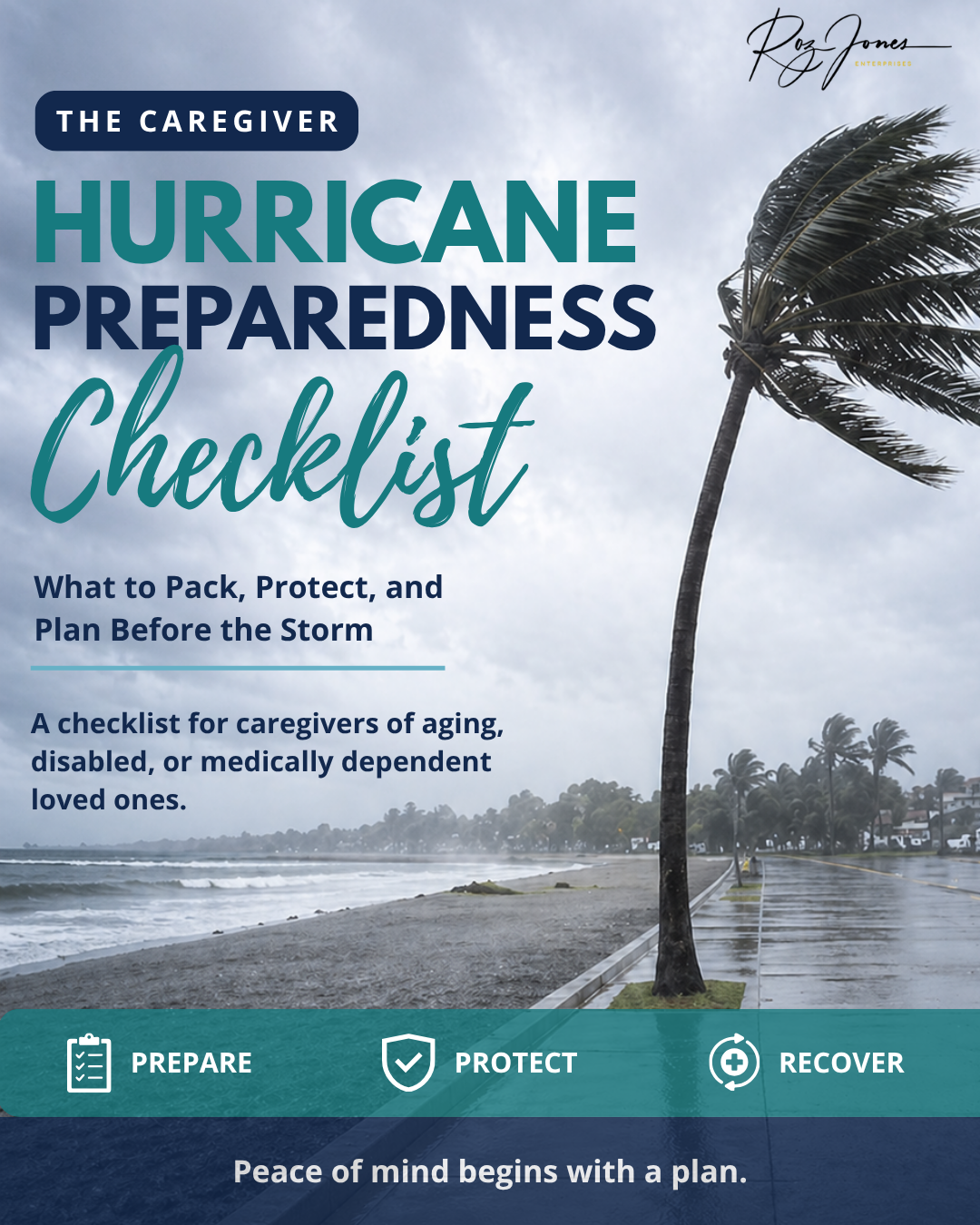
The Caregiver Hurricane Preparedness Checklist helps caregivers organize important documents, medications, emergency contacts, evacuation needs, medical equipment details, and care instructions before an emergency happens.
For only $1.99, this checklist gives you a simple starting point so you are not trying to gather everything during a storm, power outage, hospitalization, or sudden change in your loved one’s care.
Purchase the Caregiver Hurricane Preparedness Checklist for $1.99 today and take one more step toward peace of mind.
Need Help Sorting Through the Care Plan?

Book a Family Care Planning Session with Roz Jones and get support creating a caregiving plan that is clear, compassionate, and realistic.
Together, we can talk through what is working, what is becoming too heavy, and what boundaries need to be strengthened so you can continue to care without losing yourself in the process.
Subscribe to The Caregiver Cafe Weekly Newsletter!

1. YOU ARE NOT ALONE: The problems you face as a caregiver are experienced by other caregivers. Knowing that you’re not alone can be comforting.
2. Tools and Resources: Find caregiver stress management tools and gain perspective from other caregiver’s experiences.
3. LEARN TO: Ask for help, accept help when it is offered, and acknowledge yourself on this caregiving journey. Hear from experts on how to balance caregiving responsibilities by taking care of your needs and involving others to help manage the natural stress and isolation of being a caregiver.

