

By Roz Jones
Hospice is one of the hardest conversations a family may have during a caregiving journey. The word itself can feel heavy, final, and frightening. For many caregivers, hospice can sound like the end of hope or a sign that the family has stopped trying.
But hospice is not about giving up.
Hospice is a shift in the focus of care. When a chronic illness, terminal diagnosis, or end-stage condition reaches a point where curative treatment is no longer helping in the same way, hospice offers support that centers comfort, dignity, peace, and quality of life.
It is not the absence of care. It is a different kind of care.
Hospice care recognizes that even when a disease can no longer be cured, the person still deserves attention, relief, compassion, and respect. Pain still matters. Breathing still matters. Emotional support still matters. Family guidance still matters. Dignity still matters.
In the previous blog, we explored what hospice care is and how it differs from other types of medical care. That foundation is important because many families do not fully understand hospice until they are already in a crisis. This continuation looks at what caregivers need to understand once hospice becomes part of the care plan.
Hospice Is Still Active Care
A common misconception is that hospice means treatment stops completely. In reality, hospice provides active support focused on comfort and symptom management.
Rather than pursuing aggressive treatments that may no longer improve the illness, hospice care focuses on helping the person remain as comfortable as possible. This may include managing pain, easing shortness of breath, addressing nausea, supporting emotional distress, offering spiritual care, and helping the family understand what changes to expect.
The care does not stop. The goal changes.
For caregivers, this shift can be emotional. Many families are used to fighting for the next appointment, the next treatment, the next medication, or the next specialist. Hospice asks the family to consider a different question: What does comfort look like now?
Comfort is not a lesser goal. Comfort can mean fewer unnecessary hospital trips. It can mean relief from pain. It can mean familiar surroundings. It can mean peace in the home. It can mean honoring the wishes of the person receiving care.
When the focus moves from cure to comfort, love is still present. Care is still present. Support is still present.
The Caregiver’s Role Changes
When hospice begins, the caregiver’s role often shifts from managing treatment to supporting comfort, communication, advocacy, and presence.
The caregiver may become the person who notices changes in pain, appetite, breathing, sleep, alertness, or mood. They may be the one communicating with the hospice nurse, updating family members, organizing medications, protecting the environment from unnecessary stress, and making sure the loved one’s wishes remain at the center of the care plan.
This role is important.
Caregiving during hospice may involve physical tasks, but it also involves emotional strength and decision-making. It may include adjusting pillows, offering small sips of water, playing familiar music, reading scripture, managing visitors, or simply sitting quietly beside a loved one.
These moments matter.
The work may look different than it did earlier in the caregiving journey, but it is no less meaningful. Supporting someone’s comfort and dignity is sacred work.
Hospice Can Bring Clarity During a Difficult Time
Families often delay hospice conversations because they are afraid of what hospice represents. However, waiting too long can leave caregivers overwhelmed, unsupported, and unsure of what to do when symptoms change.
Hospice can help reduce fear by giving families guidance.
A hospice team can explain which symptoms are expected, which changes should be reported, what medications are being used, and who to call when concerns arise. This kind of support is especially important when changes happen at night, over the weekend, or during a stressful family moment.
Without guidance, caregivers may wonder whether to call 911, whether their loved one is suffering, whether a symptom is normal, or whether they are making the right decision. Hospice helps create a plan so that caregivers are not left guessing their way through every change.
Preparation does not remove grief, but it can reduce confusion.
Important Questions for the Hospice Team
Caregivers should feel empowered to ask questions when hospice care begins. Asking questions does not mean the caregiver is being difficult. It means they are trying to provide responsible care.
Some important questions include:
Who should be called when something changes?
Caregivers should know the main hospice number, the after-hours number, and what types of symptoms require immediate attention.
What symptoms may happen as the illness progresses?
Understanding possible changes in appetite, breathing, sleep, alertness, communication, and energy can help families feel less frightened when decline occurs.
What medications are being used and why?
Caregivers should understand what each medication is for, when it should be given, and what signs of discomfort to watch for.
What support is available for the caregiver?
Hospice may include respite care, social work support, spiritual care, grief counseling, volunteer support, and bereavement services. These resources are not extras. They are part of supporting the whole family.
What decisions need to be made now?
Families may need to discuss advance directives, funeral preferences, emergency plans, medical equipment, household needs, and communication among relatives.
These conversations can be tender, but they help prevent confusion during crisis moments.
Family Communication Matters
Hospice can bring old family patterns and unresolved emotions to the surface. Some relatives may agree with the decision, while others may struggle to accept it. Some family members may show up with strong opinions but little understanding of the daily caregiving responsibilities. Others may question the caregiver who has been carrying the work all along.
This is why communication is so important.
The focus should remain on the comfort, dignity, and wishes of the person receiving care. When possible, the hospice team can help explain the care plan so that family members hear the same information from a professional source.
Caregivers may need to set boundaries around criticism, confusion, or unnecessary conflict. The loudest voice in the family should not automatically guide the care plan. Decisions should be based on the patient’s wishes, medical guidance, and what supports comfort and dignity.
Hospice is not a time for family members to compete over who cares the most. It is a time to work together in service of the person who needs care.
Comfort Is Not a Small Thing
Many families struggle with the idea of comfort-focused care because they have been taught to associate care with fighting, fixing, and doing more. But there are times when doing more medically does not mean the person is receiving better care.
Comfort is not passive.
Comfort can involve thoughtful symptom management, skilled nursing support, emotional reassurance, spiritual care, and a peaceful environment. It can mean reducing pain, calming distress, and helping the person remain surrounded by familiar voices and familiar surroundings.
There comes a point in some caregiving journeys when the question is no longer, “How do we fight harder?” The question becomes, “How do we love well right here?”
That is not weakness. That is wisdom.
Caregivers Need Support Too
Hospice care can be sacred, but it can also be emotionally exhausting. Many caregivers are grieving while still providing care. They may be managing family communication, watching physical decline, making difficult decisions, and trying to remain strong while their own heart is breaking.
Caregivers should not ignore their own needs during this season.
Rest matters. Food matters. Hydration matters. Emotional support matters. Counseling, respite care, spiritual support, and bereavement resources can help caregivers process what they are carrying.
Being the caregiver does not mean disappearing. It does not mean pretending to be fine. It does not mean carrying every responsibility alone.
A caregiver can love deeply and still need help.
Preparation Is an Act of Love
Hospice also reminds families of the importance of preparation. Caregivers should have access to important documents, medication lists, emergency contacts, hospice phone numbers, insurance information, advance directives, and family communication plans.
Preparation becomes even more important when a loved one depends on oxygen, medical equipment, refrigerated medications, electricity, mobility support, or in-home assistance. Severe weather, hurricanes, power outages, and other emergencies can create serious risks for medically fragile loved ones.
Having a plan is not fear-based. It is care-based.
Preparation allows families to respond with greater clarity when unexpected situations arise. It also gives caregivers a sense of direction in moments that can otherwise feel overwhelming.
Hospice Is a Different Expression of Love
Hospice is not about giving up. It is about recognizing when care needs to change.
Sometimes love fights for healing. Sometimes love fights for more time. Sometimes love fights for comfort, peace, and dignity.
All of it is love.
For caregivers, hospice can be one of the most emotional parts of the journey. It may bring grief, relief, fear, tenderness, confusion, and gratitude all at once. That is why families need information, support, and honest conversations before they are standing in the middle of crisis.
When hospice becomes part of the care plan, the caregiver does not have to know everything. They do not have to carry every emotion alone. They do not have to prove their love through exhaustion.
They simply need support, guidance, and permission to care in a new way.
To read the previous blog on hospice care and how it differs from other types of medical care, visit the link: https://thecaregivercafe.net/2023/06/15/what-is-hospice-care-and-how-does-it-differ-from-other-types-of-medical-care/
Give Yourself a Moment of Grace

If you need encouragement for the emotional side of caregiving, purchase Roz Jones’ book, Moments of Grace. This book offers support, reflection, and reminders of grace for the caregiver who is carrying a lot.
This journal was created to help caregivers pause, breathe, reflect, and find strength in the middle of the caregiving journey.
Purchase Moments of Grace today and give yourself permission to breathe in the middle of the caregiving journey.
Prepare Before the Emergency Comes
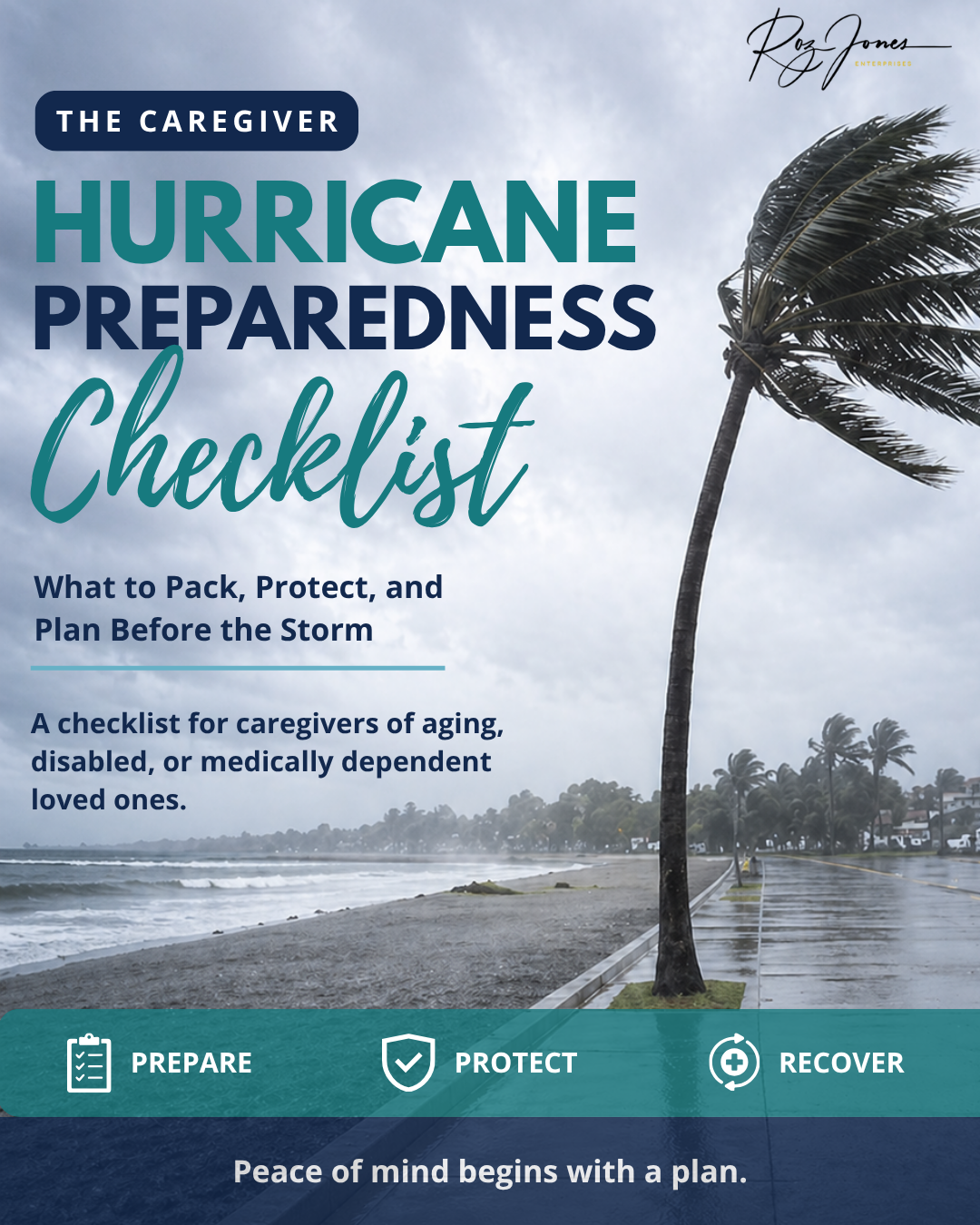
If you are caring for a loved one and want to be better prepared for storms, power outages, and unexpected caregiving emergencies, purchase the Caregiver Hurricane Preparedness Checklist. This resource can help you think through important details before a crisis is already at the door.
For only $1.99, this checklist gives you a simple starting point so you are not trying to gather everything during a storm, power outage, hospitalization, or sudden change in your loved one’s care.
Purchase the Caregiver Hurricane Preparedness Checklist for $1.99 today and take one more step toward peace of mind.
Need Help Sorting Through the Care Plan?

If your family needs help thinking through care decisions, caregiving responsibilities, or next steps, book a session with Roz Jones. You do not have to navigate this season alone.
Together, we can talk through what is working, what is becoming too heavy, and what boundaries need to be strengthened so you can continue to care without losing yourself in the process.
Subscribe to The Caregiver Cafe Weekly Newsletter!

1. YOU ARE NOT ALONE: The problems you face as a caregiver are experienced by other caregivers. Knowing that you’re not alone can be comforting.
2. Tools and Resources: Find caregiver stress management tools and gain perspective from other caregiver’s experiences.
3. LEARN TO: Ask for help, accept help when it is offered, and acknowledge yourself on this caregiving journey. Hear from experts on how to balance caregiving responsibilities by taking care of your needs and involving others to help manage the natural stress and isolation of being a caregiver.

