

By Roz Jones
Wellness is often discussed as if it begins with a new routine.
Families may think about healthier meals, more movement, better sleep, or finding activities that keep an aging loved one engaged. These things can support well-being, but wellness is not only about adding more to someone’s day.
Sometimes it begins with paying closer attention to what has been lost.
An aging loved one may no longer move through the world the way they once did. Their health may have changed. Their social circle may have become smaller. They may no longer drive, work, travel, attend church regularly, or participate in the activities that once gave structure to their life.
Over time, these changes can affect more than the body. They can affect confidence, identity, independence, and the way a person sees their place within the family.
Helping an aging loved one rediscover wellness means looking beyond what others believe they should be doing and paying attention to what still helps them feel like themselves.
Wellness Should Reflect the Person They Are
A wellness routine should not be built around what is popular or what works for someone else.
Some aging loved ones may enjoy taking a morning walk, while others may prefer sitting outside with a cup of coffee. One person may feel energized by a group activity, while another may feel more comfortable spending time with one trusted friend. Someone who has always loved music may gain more from listening to familiar songs than from participating in an activity they have never enjoyed.
Caregivers can begin by thinking about the person their loved one has always been. Consider what they enjoyed before their health changed, what made them feel useful, and which parts of their routine brought comfort or gave them something to look forward to.
Those answers can help families create opportunities that feel familiar instead of forced.
Wellness becomes more meaningful when it is connected to the loved one’s personality, history, preferences, and current abilities. The goal is not to turn them into a different version of themselves. It is to help them remain connected to who they are.
Begin With What Is Still Possible
Families may focus so much on what an aging loved one can no longer do that they overlook what is still available to them.
A person who can no longer prepare a full meal may still enjoy choosing a recipe, washing vegetables, or offering advice from the kitchen table. Someone who no longer maintains a large garden may still enjoy caring for a few plants. A loved one who cannot attend every family gathering may still participate through a shorter visit, a video call, or a quiet meal with a few relatives.
These adjustments allow the loved one to remain involved without asking them to ignore their limitations.
Caregivers do not have to recreate an activity exactly as it happened in the past. They can preserve the part that made it meaningful.
Gardening may have been about working with their hands. Cooking may have been about caring for the family. Attending church may have provided faith, routine, and community. Taking long walks may have been a way to enjoy the outdoors and clear the mind.
Once the family understands what the activity represented, they may be able to find another way to meet that need.
Give Them a Voice in Their Own Wellness
Caregivers often make decisions with the best intentions. They want their loved one to stay active, eat well, attend appointments, and remain connected.
However, wellness can begin to feel like another obligation when the aging loved one has little say in what happens.
Whenever possible, include them in the decision-making process. Ask what they would enjoy instead of assuming. Offer choices that match their current abilities, and pay attention when they say they are tired, uncomfortable, or simply not interested.
An aging loved one may not want to participate in every activity the family suggests. That does not mean they have given up on their well-being. They may simply have different priorities.
Some days, wellness may involve movement, conversation, and time outside the home. On other days, it may mean rest, privacy, or the comfort of a familiar routine.
Respecting those choices protects dignity and reminds the loved one that their life still belongs to them.
Notice What Brings Energy and What Takes It Away
Not every activity that appears beneficial will feel beneficial to the person experiencing it.
A crowded senior program may leave one loved one feeling connected and another feeling overwhelmed. A long family outing may seem enjoyable at first but lead to exhaustion the following day. An exercise class may support mobility, but the pace or time of day may not be right for the person.
Caregivers can learn a great deal by observing how their loved one responds before, during, and after an activity.
Do they seem calmer afterward? Are they more alert or talkative? Do they mention wanting to do it again, or do they appear tired and withdrawn?
These responses can help the caregiver understand what supports well-being and what may need to be changed.
The goal is not to fill the calendar. It is to create experiences that leave the loved one feeling supported rather than depleted.
Remember That Emotional Wellness Matters Too
Physical health often receives the most attention in caregiving, but emotional well-being is just as important.
An aging loved one may be grieving changes in their health, independence, relationships, or daily routine. They may feel lonely, frustrated, afraid, or uncertain about the future. Those emotions may not always be expressed directly.
A person may become quieter. They may lose interest in activities they once enjoyed. They may seem more irritable or begin saying they do not want to be a burden.
Caregivers do not have to solve every feeling. Sometimes the most helpful response is to listen without rushing to correct, reassure, or change the subject.
Making space for honest conversation allows the loved one to feel heard. It also gives the caregiver a better understanding of what may be affecting their overall well-being.
When changes in mood, sleep, appetite, or behavior continue, families should consider speaking with a healthcare professional. Emotional health deserves the same attention as physical health.
Create Opportunities for Purpose
Wellness is also connected to purpose.
Many aging adults have spent years working, raising families, caring for others, serving their communities, or managing their households. When those roles change, they may begin to feel as though they are no longer needed.
Families can help by finding genuine ways for them to contribute.
An aging loved one may enjoy helping a grandchild with reading, sharing family recipes, folding towels, choosing music for a gathering, organizing photographs, or offering advice about a family decision.
The activity does not have to be large. What matters is that the person feels included and valued.
Purpose should not be treated as a task created only to keep someone busy. It should be connected to something the loved one cares about and can participate in with dignity.
Let Connection Be Part of the Care Plan
Aging can bring isolation, even when the loved one lives with family.
Caregivers may be present throughout the day but focused on medications, meals, appointments, and household responsibilities. The loved one may receive excellent care and still feel lonely.
Connection requires more than being in the same room.
It may come through a familiar conversation, a shared meal, a phone call with an old friend, or time spent looking through photographs together. It may involve returning to a place that holds meaning or inviting someone the loved one trusts to visit.
These moments do not need to be complicated. They simply need to make room for the person beyond the care they require.
Wellness grows when aging loved ones continue to feel connected to family, friendship, faith, culture, and the parts of life that remind them they belong.
Allow Wellness to Change Over Time
What supports an aging loved one today may not work six months from now.
Their strength, memory, mood, interests, or care needs may change. A routine that once brought comfort may become too demanding. An activity they initially resisted may later become something they enjoy.
Caregivers should be willing to adjust without viewing the change as a setback.
Wellness is not a fixed plan. It is an ongoing process of noticing what the loved one needs and finding realistic ways to support it.
There may be seasons when wellness looks active and social. There may also be seasons when it looks quieter and more focused on comfort.
Both can be meaningful.
Redefine What Progress Looks Like
Caregivers may sometimes expect wellness efforts to produce visible improvement.
They may hope a loved one will become stronger, more independent, more social, or more interested in daily activities.
Those changes may happen, but progress can also be smaller.
It may be a loved one smiling during a familiar song. It may be a peaceful afternoon after several difficult days. It may be the willingness to eat a favorite meal, sit outside for a few minutes, or share a memory with the family.
These moments may not look significant to someone outside the caregiving experience, but they matter.
Wellness does not always mean returning to the way life was before. Sometimes it means helping an aging loved one experience as much comfort, dignity, connection, and meaning as possible in the life they are living now.
Reviving radiance is not about ignoring the realities of aging. It is about continuing to see the whole person within those changes.
When caregivers pay attention to what brings comfort, purpose, energy, and joy, they can help their loved ones discover a version of wellness that feels personal and attainable.
That is where radiance often returns.
Not through a perfect routine, but through the steady reminder that the aging loved one is still valued, still capable of making choices, and still deserving of a life that feels meaningful. Read more on this subject in the previous blog.
Prepare for Your Next Trip

Traveling with an aging loved one requires careful preparation. Download the free Vacationing With an Aging Loved One Checklist for reminders related to medications, health needs, accommodations, transportation, safety, and emergency planning.
Tune in to The Caregiver Café Podcast
Patient Advocacy: The Caregivers Role

In this episode of The Caregiver Café with Roz Jones, Roz is talking about an important role many caregivers step into without always realizing it: becoming an advocate for their loved one at the doctor’s office.
Doctor visits can feel overwhelming for both the caregiver and the aging loved one. There may be anxiety, confusion, medication changes, new symptoms, treatment options, and instructions that are hard to remember once the appointment is over. That is why caregivers need to walk in prepared, ask the right questions, and make sure they leave with clear answers.
Roz breaks down practical ways caregivers can advocate before, during, and after medical appointments. She talks about preparing ahead of time, writing down questions and concerns, tracking new symptoms or changes, taking notes during the visit, sharing updates with the care team, and making sure everyone involved in the loved one’s care is on the same page.
She also reminds caregivers not to be afraid to ask the doctor to explain things in plain language. If something is unclear, uncomfortable, or confusing, caregivers have the right and responsibility to ask questions. Roz also encourages families to understand treatment options, possible side effects, medication changes, and how each decision may affect their loved one’s independence and daily routine.
This episode is a practical reminder that advocacy is part of caregiving. It is not enough to just show up at the appointment. Caregivers need to listen, take notes, ask questions, review medications, and help coordinate between doctors, specialists, and the full care team.
Give Yourself a Moment of Grace

Caregiving includes demanding days, unexpected changes, and moments of connection that may be easy to overlook. Moments of Grace offers encouragement to caregivers who need a reminder to pause and recognize the meaningful moments along the journey.
Don’t Wait Until the Storm is Coming
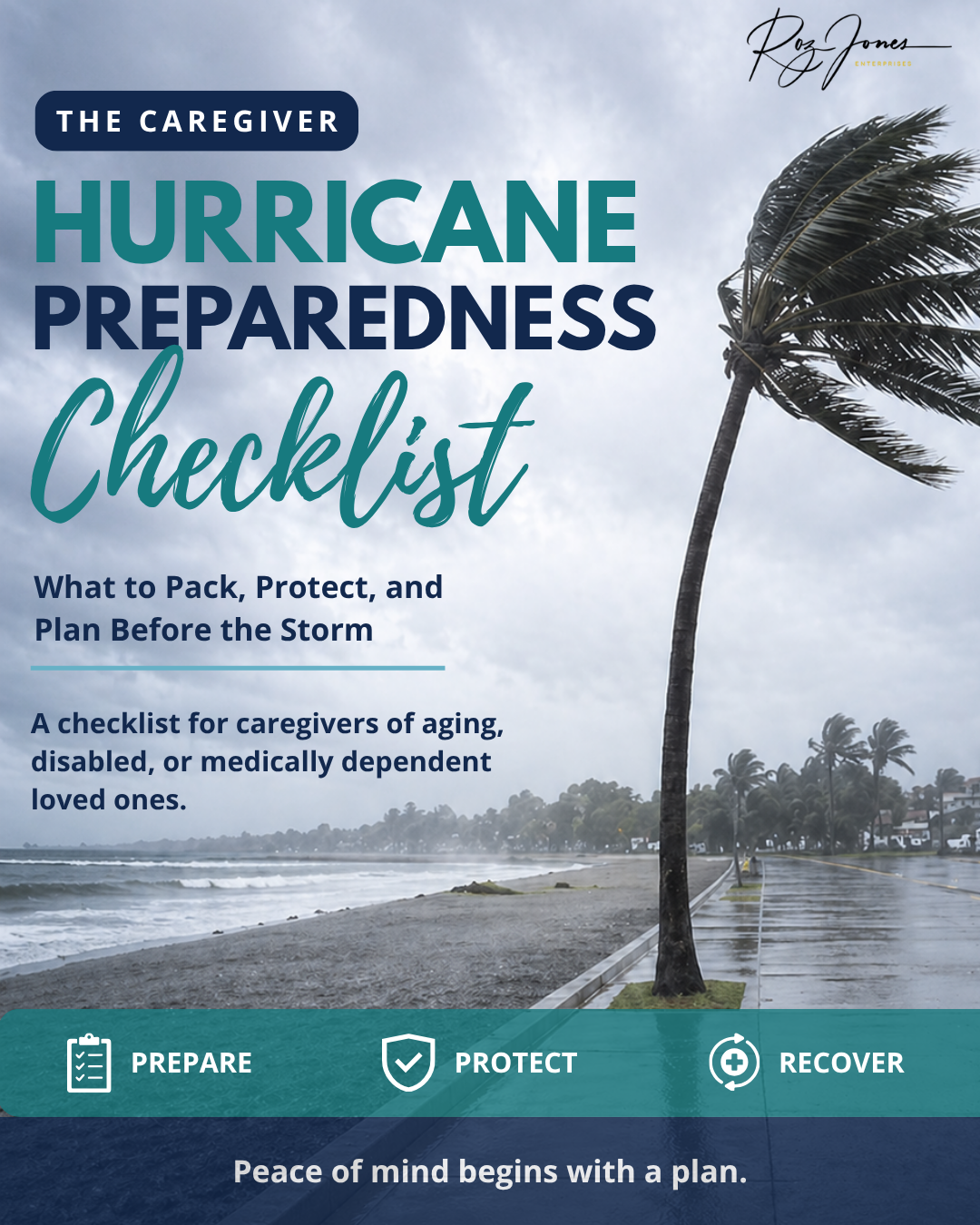
Caregivers should also be prepared for emergencies that may affect the home and the loved one’s care routine. The Caregiver Hurricane Preparedness Checklist helps families organize medications, medical equipment, emergency contacts, important documents, and evacuation plans before a storm arrives.
Need Help Sorting Through the Care Plan?

If your family needs help thinking through care decisions, caregiving responsibilities, or next steps, book a session with Roz Jones. You do not have to navigate this season alone.
Together, we can talk through what is working, what is becoming too heavy, and what boundaries need to be strengthened so you can continue to care without losing yourself in the process.
Subscribe to The Caregiver Cafe Weekly Newsletter!

1. YOU ARE NOT ALONE: The problems you face as a caregiver are experienced by other caregivers. Knowing that you’re not alone can be comforting.
2. Tools and Resources: Find caregiver stress management tools and gain perspective from other caregiver’s experiences.
3. LEARN TO: Ask for help, accept help when it is offered, and acknowledge yourself on this caregiving journey. Hear from experts on how to balance caregiving responsibilities by taking care of your needs and involving others to help manage the natural stress and isolation of being a caregiver.

