

By Roz Jones
Movement can become more important as we age, but the way we approach fitness may need to change. Understanding how to build a routine that can continue as the body, health, and caregiving situation change is really important.
Healthy aging is not about trying to move like someone twenty years younger. It is about maintaining the strength, flexibility, balance, and confidence needed to continue participating in daily life. For some aging adults, that may mean attending a weekly exercise class. For others, it may mean walking to the mailbox, tending to a garden, preparing a meal, or getting out of a chair without assistance.
Every form of meaningful movement deserves to be recognized.
Let Daily Life Guide the Fitness Goals
Fitness goals for aging adults should reflect what they want and need to continue doing.
A traditional exercise goal may focus on walking a certain distance, completing a specific number of repetitions, or exercising for a set number of minutes. Those goals can be useful, but they do not always show how movement is improving an aging loved one’s quality of life.
A more meaningful goal may be having enough stamina to attend a grandchild’s school program. It may be maintaining the strength needed to get in and out of the car. It may be improving balance so an aging loved one feels safer moving through the home.
Connecting exercise to daily activities can make movement feel more purposeful. Instead of presenting fitness as another responsibility, caregivers can help aging loved ones understand how staying active may support the independence and experiences that matter to them.
Ask your loved one what they would like to continue doing.
Ask what has become more difficult.
Ask what activity they miss.
The answers can help guide a fitness routine that feels personal rather than imposed.
Build a Routine That Leaves Room for Change
Consistency supports progress, but rigid expectations can make exercise difficult to maintain.
An aging loved one may feel energetic one morning and tired the next. Arthritis, chronic pain, medication changes, medical appointments, poor sleep, and emotional stress can all affect their ability to participate.
A flexible routine gives them several ways to remain active without ignoring what their body is communicating.
On a higher-energy day, they may take a longer walk, attend a class, swim, or complete a light strength-training routine. On a day when energy is limited, seated exercises, gentle stretches, or a short walk through the home may be more appropriate.
Rest is also part of a healthy routine.
A missed workout does not mean the plan has failed. It may simply mean the body needed something different that day. The goal is to create a routine that can be adjusted without being abandoned.
Protect Strength for Everyday Independence
Strength training is not reserved for athletes or younger adults. It can help aging loved ones preserve the ability to complete ordinary activities safely and with less assistance.
Muscle strength supports standing, climbing steps, carrying groceries, using the bathroom, getting dressed, and recovering balance after a stumble. As muscle mass naturally decreases with age, light resistance exercises may help slow that decline.
Strength training does not always require a gym membership or heavy equipment. Depending on an individual’s health and abilities, exercises may include light hand weights, resistance bands, wall push-ups, seated leg lifts, or carefully practiced chair stands.
The focus should remain on safe, controlled movement rather than lifting heavier weights or completing more repetitions.
Caregivers should also avoid assuming that an exercise is safe simply because it appears easy. A healthcare provider, physical therapist, or qualified senior fitness professional can help determine which activities are appropriate, particularly when an aging loved one has mobility limitations, heart concerns, osteoporosis, balance problems, or other medical conditions.
Make Balance Part of the Plan
Balance can influence whether an aging loved one feels confident moving through the world.
A fall, or even the fear of falling, can change a person’s behavior. An aging loved one may begin avoiding stairs, outdoor walks, social activities, or certain areas of the home. Over time, moving less may contribute to additional weakness and make them feel even less steady.
Balance activities can help strengthen the muscles and coordination needed for safer movement. Depending on the person’s abilities, this may include practicing heel raises while holding a sturdy chair, shifting weight from one foot to the other, walking heel to toe with support nearby, or participating in tai chi.
The home should support these efforts.
Loose rugs, cluttered walkways, poor lighting, slippery surfaces, and unstable furniture can increase fall risks. Supportive shoes, clear pathways, secure handrails, and frequently used items placed within easy reach can make movement safer.
Fitness and home safety should work together. Building strength is important, but aging loved ones also need an environment that allows them to use that strength confidently.
Make Movement Enjoyable Enough to Continue
The best exercise routine is not necessarily the most advanced one. It is the one an aging loved one feels comfortable returning to.
Some people enjoy structured classes. Others prefer gardening, dancing, walking through a shopping center, stretching while watching television, or moving to music from another season of their life.
There is no need to force an activity that creates frustration or embarrassment when another option may offer the same benefit.
Caregivers can also make movement more enjoyable by participating. A short walk can become an opportunity to talk. Gardening can become shared time outdoors. Dancing to a favorite song can bring back memories and laughter.
When movement is connected to enjoyment, companionship, and personal interests, it is less likely to feel like another medical instruction.
Know When to Pause
Exercise should challenge the body appropriately, but it should not be used to push an aging loved one beyond what is safe.
Caregivers should pay attention to symptoms such as chest pain, severe shortness of breath, dizziness, sudden weakness, confusion, or sharp and persistent pain. These symptoms should not be dismissed as a normal part of getting older.
Changes in behavior may also provide important information. An aging loved one who suddenly avoids walking, favors one side of the body, appears unusually tired, or struggles with an activity they previously completed may need further evaluation.
When something does not look or feel right, stop the activity and contact an appropriate healthcare professional.
Supporting movement also means respecting the body’s warning signs.
Keep Movement Possible During Travel and Emergencies
Vacations, family visits, severe weather, and emergencies can interrupt familiar routines.
During travel, aging loved ones may spend long periods sitting in a vehicle or airplane. They may be staying in an unfamiliar environment with different stairs, flooring, furniture, and bathroom arrangements. Mobility equipment may also be harder to access or transport.
Caregivers can prepare by planning regular movement breaks, packing supportive shoes and mobility aids, choosing accessible accommodations, and allowing more time between activities.
Emergency preparation is equally important. During hurricanes or other severe weather events, families may need to relocate, remain indoors, or manage extended disruptions. Having medications, medical information, mobility equipment, emergency contacts, and essential supplies organized in advance can help caregivers focus on their loved one’s immediate safety.
Movement may look different during these situations, but gentle stretching, seated exercises, and short periods of walking may help reduce stiffness when they can be completed safely.
Celebrate Progress Without Comparison
Aging loved ones should not feel as though their worth is tied to how quickly they improve or how closely they resemble the person they were years ago.
Progress may be gradual.
There may be setbacks.
A health condition may change what is possible.
Some weeks may involve more rest than movement.
Encouragement should recognize effort without creating pressure. Celebrate the walk to the end of the driveway. Celebrate the willingness to try a new class. Celebrate improved balance, greater confidence, or the decision to begin again after an illness.
Do not compare your loved one to another person their age.
Do not compare today’s body to a younger version of the same person.
Honor what the body can do now and continue looking for safe ways to support it.
Living Well Is the Real Goal
Age-defying fitness is not about denying that aging brings change. It is about refusing to believe that change eliminates the possibility of strength, joy, connection, or personal growth.
Movement can help aging loved ones remain involved in their care and connected to the activities they value. It can support physical health while also strengthening confidence and emotional well-being.
The goal is not to chase youth.
The goal is to continue living well.
That may mean moving more slowly, choosing different activities, accepting support, or adjusting expectations. None of those changes make the effort less meaningful.
Every walk, stretch, dance, and carefully completed movement can become an investment in dignity, independence, and quality of life.
For more ways to help an aging loved one remain active, read the previous blog, Age-Defying Fitness: Exercising for Joyful Aging.
Prepare for Your Next Trip

Planning to travel with an aging loved one? Download the free Vacationing with an Aging Loved One Checklist to help you prepare for medications, mobility needs, comfort, safety, and unexpected changes.
Tune in to The Caregiver Café Podcast
What to Know About the Cost of Prescriptions

In this episode of The Caregiver Café with Roz Jones, Roz is talking about something many seniors and caregivers are feeling at the pharmacy counter: the rising cost of prescription medications.
As aging loved ones begin taking more medications, those costs can add up quickly. One prescription may not seem like much, but when there are several medications involved, the monthly total can become overwhelming for seniors, families, and caregivers trying to manage care on a fixed income.
Roz breaks down practical ways caregivers can help reduce the cost of prescriptions. She talks about asking doctors about generic medications, looking for less expensive brand-name options, using mail-order pharmacy services, reviewing Medicare drug plans during annual enrollment, and checking for state or manufacturer assistance programs.
Give Yourself a Moment of Grace

Caregiving includes demanding days, unexpected changes, and moments of connection that may be easy to overlook. Moments of Grace offers encouragement to caregivers who need a reminder to pause and recognize the meaningful moments along the journey.
Preparing for hurricane season?
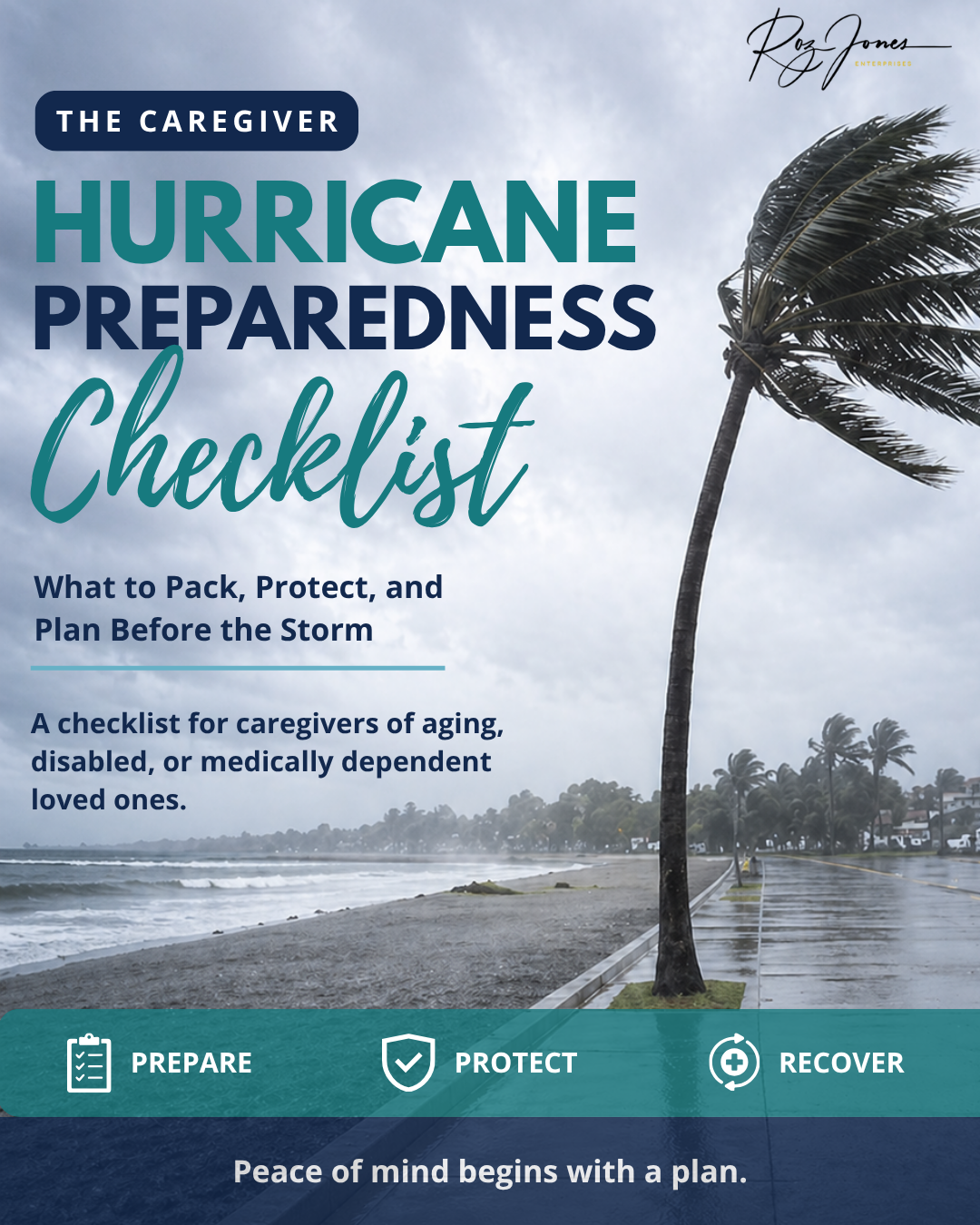
Are you preparing for hurricane season? Purchase the Caregiver Hurricane Preparedness Checklist to organize the information and supplies your family may need before severe weather arrives.
Subscribe to The Caregiver Cafe Weekly Newsletter!

1. YOU ARE NOT ALONE: The problems you face as a caregiver are experienced by other caregivers. Knowing that you’re not alone can be comforting.
2. Tools and Resources: Find caregiver stress management tools and gain perspective from other caregiver’s experiences.
3. LEARN TO: Ask for help, accept help when it is offered, and acknowledge yourself on this caregiving journey. Hear from experts on how to balance caregiving responsibilities by taking care of your needs and involving others to help manage the natural stress and isolation of being a caregiver.

