By Roz Jones
Finding a job and finding the right job are not always the same thing. When your aging loved one with a disability has spent time applying, interviewing, and waiting for an opportunity, receiving a job offer can feel like the finish line. After putting so much energy into the search, it can be tempting to say yes simply because someone finally said yes first.
But a job can look good on paper and still be difficult to sustain once the work begins. The responsibilities may fit their skills, but the commute may be exhausting. The schedule may conflict with medical appointments or other responsibilities. The work environment may create more physical or mental strain than expected. A position may provide immediate income without offering the stability or growth your loved one actually wants.
Career building should involve more than getting through the hiring process. It should also include looking carefully at whether an opportunity fits the person who will be doing the work.
Look Beyond the Job Title
A job title only tells part of the story. Two positions with the same title may have very different daily expectations depending on the employer. One may require long periods of standing, frequent travel, constant customer interaction, or a fast-paced environment, while another may involve more independent work, a predictable routine, or responsibilities that are easier to manage throughout the day.
Your loved one should understand what the job actually requires before deciding whether it is a good fit. That means paying attention to the essential responsibilities described in the job posting and asking questions during the hiring process when something is unclear. Details such as how much time is spent sitting, standing, driving, lifting, communicating with customers, or working independently can make a significant difference in whether the position is sustainable.
Successful employment is not only about whether someone is capable of doing the work. It is also about whether the structure of the job works with the way they live and function from day to day.
Consider the Full Workday
A workday begins before an employee clocks in. Transportation, preparation, meals, medication schedules, medical appointments, and the amount of energy required to get through the day all become part of the larger picture.
A job that requires a long commute may be manageable for one person and exhausting for another. An early morning schedule may interfere with a routine that helps your loved one manage their health, while another person may function better with a predictable daytime schedule. Remote or hybrid work may reduce transportation demands, but those arrangements also require a suitable workspace, reliable internet, appropriate equipment, and enough structure to work effectively from home.
Caregivers can help by looking at the entire day instead of only the hours listed on the job posting. The question is not simply whether your loved one can work from 9:00 to 5:00. The question is what it takes for them to get there, complete the work, return home, and still have enough capacity to manage the rest of their life.
Pay Attention to Energy, Not Just Ability
Someone can be capable of completing a task and still find that doing it repeatedly requires more energy than they can realistically sustain. That distinction matters when considering employment.
A job may involve responsibilities your loved one can perform, but doing them for several hours at a time, five days a week, may affect them differently than completing the same task occasionally. Physical demands, concentration, sensory stimulation, communication requirements, and the pace of the workplace can all affect how sustainable a position feels over time.
This does not mean assuming your loved one cannot handle challenging work. It means being realistic about what allows them to perform consistently without every workday requiring a recovery period that leaves little room for anything else.
A fulfilling career should make room for ambition while still respecting the person’s actual capacity.
Think About Transportation Before Accepting the Job
Transportation can determine whether a good opportunity remains realistic. A position may offer the right responsibilities, salary, and environment but still become difficult to maintain if getting to work depends on unreliable transportation or an exhausting commute.
Before accepting a position, look at how your loved one will realistically get there on a regular basis. Public transportation schedules, paratransit availability, driving distance, transportation costs, weather, and the amount of walking required between stops can all affect the daily routine.
Transportation should not be treated as something to figure out after the first day. It is part of determining whether the job is sustainable.
Compare the Entire Offer
Salary matters, but it is only one part of a job offer. Your loved one should understand what comes with the position and what does not. Work hours, paid time off, health insurance, retirement benefits, leave policies, scheduling expectations, remote-work options, and opportunities for advancement can all affect the overall value of an offer.
A higher hourly wage may not necessarily be the better choice if the schedule is unpredictable or the transportation costs are significantly higher. Another position may offer slightly less pay but provide more stability, better benefits, or a work environment that better supports long-term employment.
The goal is not to create one formula that determines whether a job is worth accepting. Different things will matter to different people. The important part is making sure the decision is based on the entire opportunity rather than one number.
Think Beyond the First Year
Job seekers are often encouraged to focus on getting hired, but career building requires looking beyond the first paycheck. Consider whether the position gives your loved one opportunities to develop skills they can use later, whether the responsibilities connect with the type of work they ultimately want to do, and whether the organization has clear paths for employees who want to grow.
Not every job has to become a lifelong career. Some positions provide experience, income, connections, or skills that help someone move toward another goal. What matters is understanding what role the job is supposed to play.
If your loved one wants stability, they may prioritize an organization where they can remain long term. If they are rebuilding their work history or entering a new field, the position may be more valuable as a place to gain experience. If they already have significant experience, they may be looking for work that allows them to use those skills at a higher level.
Career decisions become easier when the goal is clear.
Look at the Workplace Before Saying Yes
An interview is not only an opportunity for the employer to evaluate the applicant. It is also an opportunity for the applicant to learn about the employer.
Pay attention to how the organization communicates during the hiring process. Clear instructions, respectful scheduling, consistent information, and thoughtful answers to reasonable questions can provide insight into how the workplace operates.
Your loved one may also want to learn how new employees are trained, how performance is evaluated, and how responsibilities are communicated. A clear onboarding process can make the transition into a new role easier, especially when someone is entering a new industry or returning to the workforce after time away.
No hiring process can reveal everything about an organization, but it can offer useful clues about whether the workplace appears organized, respectful, and prepared to support employees in doing their jobs.
Let the Career Stay Personal
Caregivers may notice risks or concerns that their loved one has not considered, and sharing those concerns can be helpful. There is still an important difference between offering perspective and making the decision for them.
Employment can represent income, independence, purpose, identity, professional growth, and connection with other people. Those things belong to the person pursuing the career.
Caregivers can help by making sure the full picture is considered, including the schedule, transportation, responsibilities, long-term goals, and anything that may become difficult once the job begins. The final decision should still reflect the priorities of the person who will be doing the work.
Build a Career Around the Person
Successful career building is not about forcing someone into the first available job. It is about finding work that makes sense for their abilities, goals, interests, responsibilities, and daily life.
That may require saying no to an opportunity that looks good from the outside. It may mean accepting a position that does not look impressive to everyone else but provides exactly the stability or experience your loved one needs. It may also mean changing direction after learning that a certain type of work is not the right fit.
The goal is not simply employment. The goal is work that can be sustained, work that supports independence, and work that gives your loved one room to keep building toward what comes next.
Continue Reading About Career Building
This blog continues the conversation from Strategies for Success with Job Seeking and Career Building. If you have not read the original blog, start there for more information about resume building, interview preparation, vocational resources, and other strategies that can help your loved one prepare for the job search.
Tune in to The Caregiver Café Podcast
5 Ways to Boost Your Mental Health as a Caregiver
Supporting your loved one through testing, follow-up appointments, and health concerns can also take an emotional toll. If your own well-being has been pushed aside while you manage everyone else’s needs, listen to 5 Ways to Boost Your Mental Health as a Caregiver on The Caregiver Cafe podcast. Caregiver mental health belongs in the care plan too.
Give Yourself a Moment of Grace

For more encouragement through the emotional parts of the caregiving journey, Moments of Grace offers reflections for caregivers navigating responsibility, change, difficult days, and the moments of grace that can still be found along the way.
Preparing for hurricane season?
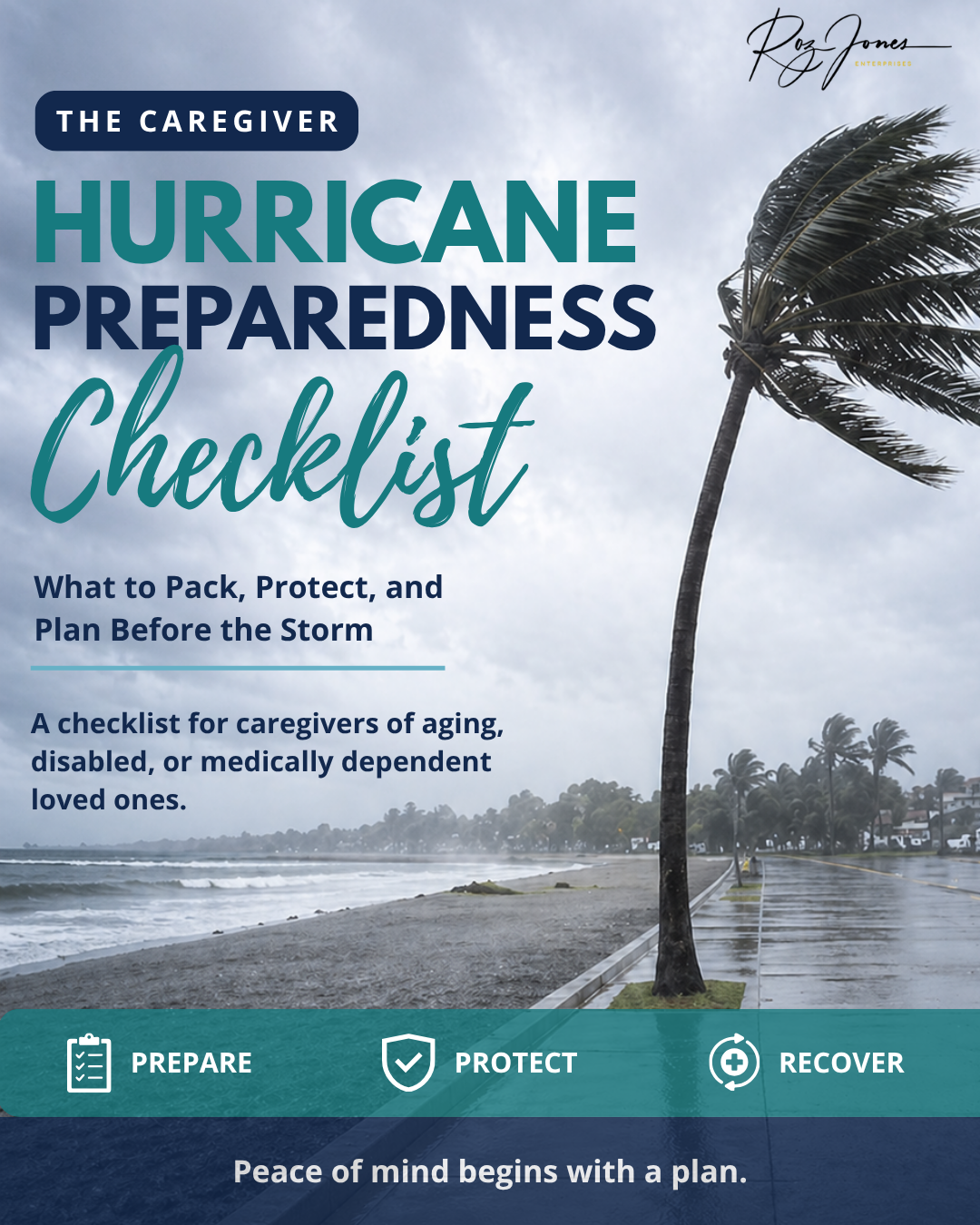
Preventive healthcare is only one part of being prepared as a caregiver. Emergencies can interrupt medications, appointments, transportation, medical equipment, and the routines your aging loved one depends on. The Caregiver Hurricane Preparedness Checklist can help you organize important information, supplies, medications, and caregiving details before severe weather creates another layer of stress.
Subscribe to The Caregiver Cafe Weekly Newsletter!

1. YOU ARE NOT ALONE: The problems you face as a caregiver are experienced by other caregivers. Knowing that you’re not alone can be comforting.
2. Tools and Resources: Find caregiver stress management tools and gain perspective from other caregiver’s experiences.
3. LEARN TO: Ask for help, accept help when it is offered, and acknowledge yourself on this caregiving journey. Hear from experts on how to balance caregiving responsibilities by taking care of your needs and involving others to help manage the natural stress and isolation of being a caregiver.