
When Work Inclusion Becomes Everyday Support

By Roz Jones

Workplace inclusion means more than hiring someone with a disability or approving a single accommodation. For aging loved ones who want to remain employed, real inclusion often depends on what happens after the initial conversation. The workplace has to continue responding to changing needs without treating disability as a reason to lower expectations, isolate the employee, or remove opportunities for growth.

That balance matters because disability does not erase professional experience, skills, or the desire to contribute. An aging loved one may need support in one area while remaining fully capable in many others. A truly inclusive workplace recognizes those differences without defining the employee only by the accommodation they receive.

Inclusion Should Support the Job, Not Replace It

Reasonable accommodations are designed to help qualified employees perform essential job functions and access the same employment opportunities as other workers. Under the Americans with Disabilities Act, covered employers may need to consider changes such as modified schedules, accessible equipment, job restructuring, telework, or reassignment when appropriate. The accommodation must be effective, but it does not remove the employee’s responsibility to perform the essential functions of the position.

That distinction is important for caregivers because support should not be confused with lowering expectations. An aging loved one may need more flexibility around treatment or a change in how a task is completed without needing someone else to take over the job itself.

Workplace inclusion works best when the focus remains on what allows the employee to do the work successfully. The question should not be whether disability makes the person less capable. The better question is whether a reasonable change can remove a barrier that is making the work unnecessarily difficult.

The Employee Should Remain at the Center

Caregivers may want to speak directly with an employer when they see a loved one struggling, but workplace accommodations are generally handled between the employee and employer. The employee typically needs to communicate that a change is needed because of a medical condition, although special legal language is not required to begin the process.

That means the caregiver’s role may be most helpful behind the scenes. A caregiver can help the loved one identify what has changed, organize documentation, think through possible solutions, or prepare for a meeting with human resources or a supervisor.

The goal is to strengthen the loved one’s ability to advocate for themselves rather than replacing their voice. Preserving that independence can be especially important for someone who is already adjusting to changes in health, mobility, or stamina.

Accommodations May Need to Change Over Time

An accommodation that worked six months ago may not continue working forever. A disability can change, treatment can change, and the requirements of a job can change. That is why workplace inclusion should be treated as an ongoing process rather than a one-time decision.

The Equal Employment Opportunity Commission encourages employers and employees to discuss possible accommodations when the appropriate solution is not immediately clear. The Job Accommodation Network also emphasizes that accommodations should be individualized because the same diagnosis can affect two employees very differently.

Caregivers can help loved ones notice when an arrangement is no longer working as well as it once did. Increased exhaustion, repeated difficulty completing a particular task, or a change in treatment may signal that another conversation with the employer is needed.

That does not mean the original accommodation failed. It may simply mean the support needs to evolve with the employee.

Inclusion Also Means Access to Opportunity

Supporting a disabled employee should not stop with making the workplace physically accessible or adjusting a schedule. Employees with disabilities should still have access to training, assignments, promotions, benefits, and other employment opportunities. The ADA applies to a broad range of employment practices, including hiring, training, job assignments, promotion, pay, and benefits.

This matters for aging loved ones who may still have professional goals. A disability should not automatically move someone to the sidelines of the workplace or cause others to assume they are no longer interested in advancing.

Caregivers can encourage loved ones to continue thinking about the parts of work that matter to them. Remaining employed may involve keeping a familiar routine, but it may also involve learning something new, taking on a different responsibility, or continuing to build a career.

Support should make those possibilities more accessible rather than quietly narrowing them.

Flexibility Can Help Preserve Experience

Workplace flexibility can benefit employees who are managing disability-related limitations without removing them from the workforce. Depending on the position and the individual situation, flexibility may include changes to work hours, how the workspace is arranged, or where some work is performed.

The Department of Labor’s Job Accommodation Network provides employers and employees with hundreds of examples of workplace accommodations. Federal guidance also makes clear that accommodations should be evaluated individually because what works in one workplace may not work in another.

For aging employees, that flexibility can help preserve years of knowledge and experience. The goal is not to keep someone working at any cost. It is to avoid losing a valuable employee simply because an unnecessary workplace barrier was never addressed.

Caregiving Support Needs Boundaries Too

Supporting an aging loved one’s employment can create additional responsibilities outside the workplace. A caregiver may help coordinate transportation, appointments, medications, or recovery after treatment while the loved one continues working.

Those responsibilities can gradually increase without anyone stopping to consider what they are asking of the caregiver.

A sustainable plan has to consider both sides. Preserving the loved one’s employment should not depend on the caregiver becoming permanently responsible for every task that makes the workday possible.

As needs change, families may need to reconsider transportation, scheduling, outside support, or how responsibilities are shared. Supporting independence works best when the care plan does not create exhaustion somewhere else in the family.

Inclusion Should Protect Dignity and Independence

The strongest workplaces do not treat accommodation as a favor. They treat it as one part of creating equal access to employment.

For aging loved ones with disabilities, that approach can protect more than a paycheck. It can help preserve independence, routine, professional identity, and connection to a community outside the home.

Caregivers can support that process by helping loved ones understand their options, prepare for workplace conversations, and recognize when an existing arrangement needs to change. The goal is not to control the employment relationship. It is to make sure a loved one has the support needed to remain involved in decisions about their own future.

If you have not read the first blog in this series, start with The Power of Inclusion: Supporting Disabled Employees. It explores why inclusive workplaces matter and how caregivers can begin supporting an aging loved one’s professional independence.

Tune in to The Caregiver Cafรฉ Podcast

9 Things to Consider After Hospital Discharge

Listen to The Caregiver Cafe Podcast: 9 Things to Consider After Hospital Discharge for guidance on preparing for the transition home and the responsibilities that may follow a hospital stay.

Give Yourself a Moment of Grace

Caregiving includes demanding days, unexpected changes, and moments of connection that may be easy to overlook. Moments of Grace offers encouragement to caregivers who need a reminder to pause and recognize the meaningful moments along the journey.

Preparing for hurricane season?
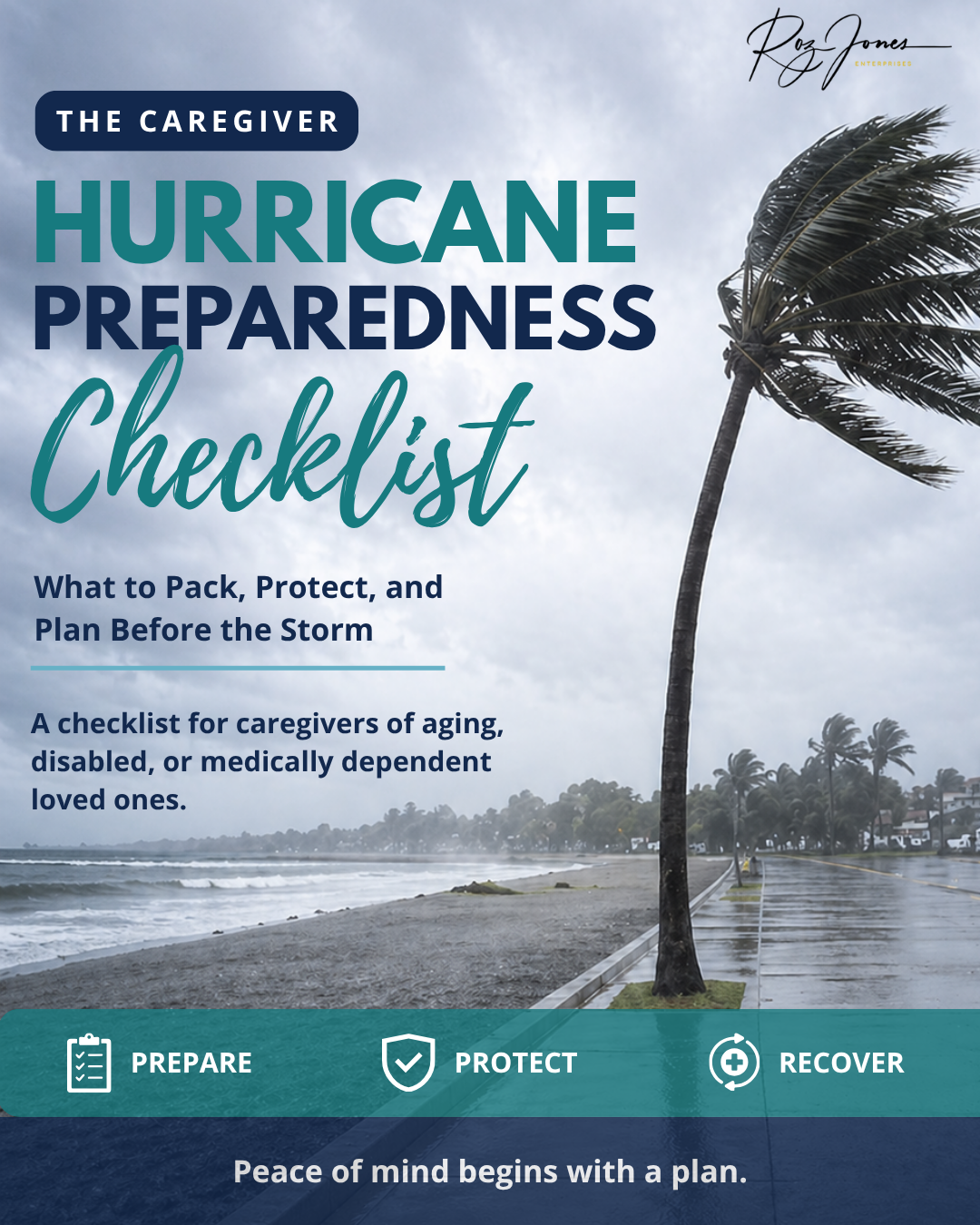
The Caregiver Hurricane Preparedness Checklist.

Are you preparing for hurricane season? Purchase the Caregiver Hurricane Preparedness Checklist to organize the information and supplies your family may need before severe weather arrives.

Subscribe to The Caregiver Cafe Weekly Newsletter!

Caregiving can be a roller coaster of ups and downs. The information that you will receive from The Caregiver Cafe Weekly Specials Newsletter will support you as a caregiver. Remember…

1. YOU ARE NOT ALONE: The problems you face as a caregiver are experienced by other caregivers. Knowing that you’re not alone can be comforting. 

2. Tools and Resources:  Find caregiver stress management tools and gain perspective from other caregiver’s experiences.

3. LEARN TO: Ask for help, accept help when it is offered, and acknowledge yourself on this caregiving journey. Hear from experts on how to balance caregiving responsibilities by taking care of your needs and involving others to help manage the natural stress and isolation of being a caregiver. 
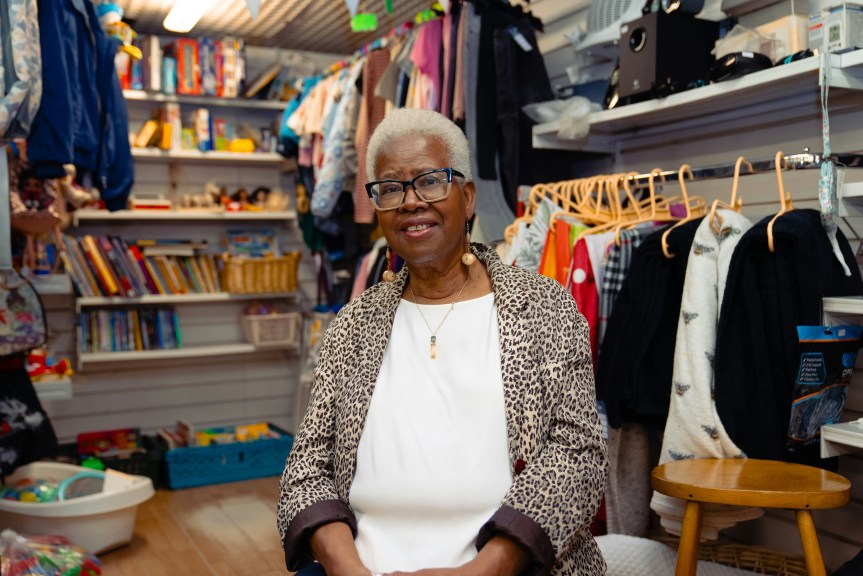
Helping Your Loved One Stay Employed With Confidence

By Roz Jones

Understanding disability employment is an important first step, but knowing the law is only part of the picture. For an aging loved one who is living with a disability and continuing to work, the larger concern may be whether their current job can continue to meet their changing needs. Employment can provide income, structure, independence, connection, and a sense of purpose, which is why changes in health do not automatically have to mean leaving the workforce.

The more useful place to begin is by looking closely at what has changed. A loved one may still be able to complete the essential responsibilities of their job while finding certain parts of the workday more difficult. Energy levels may shift. Transportation may become more challenging. Medical appointments may interfere with a normal schedule. A task that once felt manageable may now require more time or support. Those changes may point to a need for workplace adjustments rather than an immediate need to stop working.

Workplace Accommodations Can Support Continued Employment

Federal disability protections continue to require covered employers to consider reasonable accommodations for qualified employees with disabilities. Depending on the job and the employeeโ€™s needs, an accommodation may involve a modified work schedule, changes to equipment, adjustments to the work environment, telework, or time away from work for treatment.

The purpose of an accommodation is not to remove the essential responsibilities of the job. It is to remove barriers that may prevent an employee from performing those responsibilities. For an aging loved one whose health needs are changing, the right accommodation may allow them to continue working safely and effectively without feeling forced into an all-or-nothing decision about employment.

Caregivers can support this process by helping a loved one identify where the difficulty is occurring and what type of change may help. That support can include organizing medical information, reviewing workplace policies, or preparing questions before a conversation with an employer. The goal is to make the process easier without taking over decisions that belong to the person who is working.

Protecting Independence Still Matters

Caregivers are often used to stepping in when something needs to be handled. That may work well when managing appointments, medications, or transportation, but workplace advocacy requires a different balance. Employment is closely tied to independence, privacy, and identity, and the loved one should remain at the center of decisions whenever possible.

A caregiver can offer support without becoming the spokesperson for every workplace concern. The employee should have room to decide what they want to disclose, what kind of assistance they want to request, and how involved they want family members to be. Supporting self-advocacy can help preserve confidence while also making sure important needs are not ignored.

Requesting an accommodation does not mean an employee must share every detail of their medical history. When a disability or need for accommodation is not obvious, an employer may request appropriate medical documentation, but medical information obtained through that process is generally required to remain confidential under the Americans with Disabilities Act.

That distinction can be important for aging adults who want support but are uncomfortable sharing more information than necessary. Understanding what an employer may reasonably request can make the accommodation process feel more manageable and less intrusive.

Employment Decisions Can Affect Benefits

For some aging adults with disabilities, employment decisions are connected to Social Security disability benefits. Returning to work, increasing hours, or earning more income may affect benefits, but the impact is not always immediate or straightforward.

Social Security continues to offer work incentives for eligible people receiving disability benefits, and the Ticket to Work program remains available to qualifying beneficiaries between the ages of 18 and 64. These programs are designed to help people explore employment while understanding how work may affect their benefits.

Caregivers should avoid making assumptions about what will happen to a loved oneโ€™s benefits if they begin working more. Benefits counseling can help families understand how earnings may affect SSDI, SSI, or related supports before major employment decisions are made. Accurate information can prevent a loved one from leaving the workforce unnecessarily or accepting additional work without understanding the financial impact.

The Care Plan May Need to Change Too

Employment changes do not affect only the employee. They may also create new responsibilities for the family caregiver. Transportation may require more planning. Medical appointments may need to be scheduled around work hours. More support may be needed before the workday begins or after it ends.

Those changes should be considered as part of the overall care plan. Supporting a loved oneโ€™s employment should not mean one caregiver quietly taking on every additional responsibility. If the work arrangement changes, the caregiving arrangement may need to change with it.

Families may need to look at where additional support is needed and whether responsibilities can be shared. A strong care plan should support the loved oneโ€™s independence without placing the entire burden of making employment possible on one person.

Employment Does Not Have to Be All or Nothing

Aging with a disability may change what work looks like, but it does not automatically eliminate the ability to remain employed. A different schedule may help. A workplace accommodation may remove a barrier. A different position may better match current abilities.

The goal is not to push an aging loved one to continue working when their health no longer allows it. The goal is to make sure the decision is based on their actual needs, abilities, and options instead of assumptions about disability or aging.

Caregivers can play an important role by helping a loved one understand their rights, explore available resources, and consider how employment fits into the larger care plan. When the right support is in place, continued employment may still be realistic, meaningful, and beneficial.

If you have not read the first blog in this series, read Understanding Disability Employment: A Caregiverโ€™s Guide for an introduction to workplace rights, disability employment, and the caregiverโ€™s role in supporting an aging loved one in the workforce.

Tune in to The Caregiver Cafรฉ Podcast

9 Things to Consider After Hospital Discharge

Listen to The Caregiver Cafe Podcast: 9 Things to Consider After Hospital Discharge for guidance on preparing for the transition home and the responsibilities that may follow a hospital stay.

Give Yourself a Moment of Grace

Caregiving includes demanding days, unexpected changes, and moments of connection that may be easy to overlook. Moments of Grace offers encouragement to caregivers who need a reminder to pause and recognize the meaningful moments along the journey.

Preparing for hurricane season?

The Caregiver Hurricane Preparedness Checklist.

Are you preparing for hurricane season? Purchase the Caregiver Hurricane Preparedness Checklist to organize the information and supplies your family may need before severe weather arrives.

Subscribe to The Caregiver Cafe Weekly Newsletter!

Caregiving can be a roller coaster of ups and downs. The information that you will receive from The Caregiver Cafe Weekly Specials Newsletter will support you as a caregiver. Remember…

1. YOU ARE NOT ALONE: The problems you face as a caregiver are experienced by other caregivers. Knowing that you’re not alone can be comforting. 

2. Tools and Resources:  Find caregiver stress management tools and gain perspective from other caregiver’s experiences.

3. LEARN TO: Ask for help, accept help when it is offered, and acknowledge yourself on this caregiving journey. Hear from experts on how to balance caregiving responsibilities by taking care of your needs and involving others to help manage the natural stress and isolation of being a caregiver. 

Strategies for Success with Job Seeking and Career Building

By Roz Jones

In this blog, we will explore strategies for job seeking and career advancement tailored to your aging loved one with disabilities. I understand that pursuing a fulfilling career can come with unique challenges, but with the right approach, your loved one can achieve their professional goals. I’ll provide practical tips on resume building, interview preparation, and accessing vocational resources that can help them thrive in their chosen career path.

1. Resume Building for Success

A well-crafted resume is the first step toward securing a job interview. Here are some tips to help your loved one create a compelling resume:

  • Highlight Relevant Skills: Emphasize skills and qualifications that are directly related to the job they’re applying for. This can include both hard skills (e.g., technical abilities) and soft skills (e.g., communication or problem-solving skills).
  • Address Employment Gaps: If there are gaps in their employment history due to disability-related reasons, address them honestly but positively. Focus on what they learned or accomplished during those periods, such as volunteering or acquiring new skills.
  • Use Action Words: Use strong action verbs to describe their accomplishments and responsibilities in previous roles. This adds energy and impact to their resume.
  • Customize for Each Application: Tailor the resume for each job application by highlighting the most relevant qualifications and experiences.
  • Include Disability-Related Achievements: If applicable, include any disability-related achievements or contributions to showcase resilience and adaptability.

2. Interview Preparation

Preparing for job interviews is crucial. Here are some strategies to help your loved one succeed:

  • Research the Company: Encourage them to learn about the company, its culture, and its values. This knowledge will help them tailor their answers during the interview and demonstrate genuine interest.
  • Practice Common Interview Questions: Conduct mock interviews to practice responses to common interview questions. This can boost their confidence and help them articulate their qualifications effectively.
  • Discuss Accommodations: If specific accommodations are needed for the interview, it’s essential to discuss them with the prospective employer in advance.
  • Highlight Strengths: Encourage your loved one to focus on their strengths and what they can bring to the role. Confidence in their abilities will shine through during the interview.
  • Prepare Questions: Encourage them to prepare thoughtful questions to ask the interviewer. This demonstrates engagement and interest in the position.

3. Accessing Vocational Resources

There are numerous vocational resources and support services available to individuals with disabilities:

  • Vocational Rehabilitation Services: Many countries offer vocational rehabilitation services that provide training, counseling, and job placement assistance to individuals with disabilities.
  • Disability Employment Services: Explore government-funded programs and organizations that specialize in helping people with disabilities find employment.
  • Job Training Programs: Investigate local job training programs and workshops that can enhance skills and increase job readiness.
  • Networking: Encourage your loved one to network with professionals in their chosen field, attend industry-specific events, and join disability-focused professional organizations.
  • Online Job Boards: Utilize online job boards and career websites that offer resources for job seekers with disabilities.

Job seeking and career advancement are achievable goals for individuals with disabilities with the right strategies and support. By focusing on resume building, interview preparation, and accessing vocational resources, your loved one can increase their chances of finding a fulfilling career path that aligns with their skills and aspirations. Remember that persistence and determination are key, and there is a supportive community and valuable resources available to help them succeed in their professional journey.

Stay Ahead of the Storm: Download Your Free Expert Storm Guide Now!

Photo by ALTEREDSNAPS on Pexels.com

As we know, June โ€“ November is Hurricane Season. As a family caregiver, there are many ways to prepare your loved ones for it. Early preparation helps reduce opportunities for stress and anxiety as storms approach.

One of the best ways to prepare is allowing your loved on to assist in packing their travel bag, checking their contact list and ensuring there are adequate emergency supplies.

Participationโ€ฆ not isolationโ€ฆ go a long way when preparing for major storms. This Seniors Storm Guide gives essential information to refer to again and again!


The Power of Inclusion: Supporting Disabled Employees

By Roz Jones

Caregivers of aging loved ones often find themselves navigating a multitude of challenges as they seek to provide the best care and support. One such challenge is ensuring that their loved ones continue to lead fulfilling lives, even in their professional endeavors. In this blog, we’ll explore the transformative impact of inclusive workplaces on individuals with disabilities, and we’ll discuss how caregivers can collaborate with employers to create a supportive environment that fosters their loved one’s professional growth and independence.

The Value of Inclusive Workplaces

Inclusive workplaces are those that embrace diversity and create an environment where everyone feels valued and respected, regardless of their abilities or disabilities. Here’s why such workplaces are essential for individuals with disabilities:

  • Equal Opportunities: Inclusive workplaces ensure that individuals with disabilities have equal opportunities to contribute and excel in their chosen careers. This is particularly vital for aging individuals who may have acquired disabilities over time.
  • Promotes Independence: For aging loved ones, maintaining a sense of independence is crucial. Inclusive workplaces allow them to continue working and pursuing their professional goals, enhancing their overall quality of life.
  • Boosts Self-esteem: When individuals with disabilities are part of an inclusive workforce, it can significantly boost their self-esteem and self-worth, contributing to a positive outlook on life.

Collaborating with Employers for Support

As a caregiver, you can play an essential role in nurturing a supportive work environment for your loved one with a disability. Here are some steps to consider:

  • Open Dialogue: Initiate an open and honest dialogue with your loved one’s employer. Share information about their specific needs, abilities, and any accommodations required to ensure they can perform their job effectively.
  • Educate and Advocate: Educate the employer and colleagues about your loved one’s disability and how it may affect their work. Advocate for necessary accommodations and support, such as modified workspaces or flexible schedules.
  • Encourage Networking: Encourage your loved one to build a support network within the workplace. Colleagues who understand and appreciate their challenges can be valuable allies.
  • Stay Informed: Keep abreast of laws and regulations that protect the rights of individuals with disabilities in the workplace. Your knowledge can be a powerful tool in advocating for your loved one’s needs.

Creating a supportive work environment for your aging loved one with a disability is not just about ensuring their professional success; it’s also about nurturing their sense of independence and self-worth. Inclusive workplaces have the power to transform lives, and as a caregiver, you can be a driving force behind this transformation. By collaborating with employers, advocating for necessary accommodations, and fostering a network of support, you can help your loved one thrive in their professional life while navigating the challenges that come with aging and disability. Remember that your role as a caregiver extends beyond providing physical care; it also involves empowering your loved one to live a fulfilling and independent life, even in their professional endeavors. Inclusion in the workplace is a significant step toward achieving that goal.

Stay Ahead of the Storm: Download Your Free Expert Storm Guide Now!

Photo by ALTEREDSNAPS on Pexels.com

As we know, June โ€“ November is Hurricane Season. As a family caregiver, there are many ways to prepare your loved ones for it. Early preparation helps reduce opportunities for stress and anxiety as storms approach.

One of the best ways to prepare is allowing your loved on to assist in packing their travel bag, checking their contact list and ensuring there are adequate emergency supplies.

Participationโ€ฆ not isolationโ€ฆ go a long way when preparing for major storms. This Seniors Storm Guide gives essential information to refer to again and again!


Shop The Caregiver Cafe E-Commerce Store!

We founded The Caregiver Cafe Shopify Store with one simple goal: to help you experiment with your passion while at the same time providing amazing prices. We were tired of cookie-cutter stores with lackluster selections, and boring gifts. Instead of offering a huge unoriginal collection, we carefully curate just a few unique pieces perfectly suited for people the taste buds like you.

We focus on items that get you excited about shopping again, as we believe buying online should always be fun!


Subscribe to The Caregiver Cafe Weekly Newsletter!

Caregiving can be a roller coaster of ups and downs. The information that you will receive from The Caregiver Cafe Weekly Specials Newsletter will support you as a caregiver. Remember…

1. YOU ARE NOT ALONE: The problems you face as a caregiver are experienced by other caregivers. Knowing that you’re not alone can be comforting. 

2. Tools and Resources:  Find caregiver stress management tools and gain perspective from other caregivers’ experiences.

3. LEARN TO: Ask for help, accept help when it is offered, and acknowledge yourself on this caregiving journey. Hear from experts on how to balance caregiving responsibilities by taking care of your needs and involving others to help manage the natural stress and isolation of being a caregiver. 

Understanding Disability Employment: A Caregiver’s Guide

By Roz Jones

Being a caregiver for an aging loved one is a multifaceted role, and if your loved one is still in the workforce and has a disability, it adds another layer of complexity to your caregiving journey. In this first blog of our series, we’ll take a deep dive into the world of disability employment. By gaining a comprehensive understanding of the challenges and opportunities faced by individuals with disabilities in the job market, you’ll be better equipped to advocate effectively for your loved one.

The Landscape of Disability Employment

Before delving into specifics, let’s grasp the broader picture. Disability employment covers a wide spectrum of conditions and abilities, each with its unique challenges and strengths. Some individuals with disabilities may require workplace accommodations, while others may not. Understanding this diversity is the first step in providing effective support.

Challenges Faced by Individuals with Disabilities

It’s important to acknowledge the hurdles individuals with disabilities often encounter in the job market:

  • Stigma and Bias: Despite legal protections, stereotypes and biases about disabilities persist, making it harder for individuals to secure and retain employment.
  • Accessibility Issues: Physical barriers, digital accessibility, and transportation challenges can limit job opportunities.
  • Lack of Opportunities: Limited access to education, training, and career development resources can hinder career advancement.
  • Healthcare and Accommodations: Access to healthcare and necessary workplace accommodations may pose logistical and financial challenges.

Legal Protections and Rights

Understanding the legal framework that protects the rights of individuals with disabilities in the workplace is crucial. The Americans with Disabilities Act (ADA) prohibits discrimination against qualified individuals with disabilities in employment. It also requires employers to provide reasonable accommodations to enable employees to perform their job duties effectively.

Advocating for Your Loved One

As a caregiver, you play a vital role in advocating for your loved one’s rights and needs in the workplace:

  • Open Communication: Maintain open and honest communication with your loved one about their goals, challenges, and preferences regarding employment.
  • Research Accommodations: Be proactive in researching potential workplace accommodations that can make your loved one’s job more accessible.
  • Know Their Rights: Familiarize yourself with the ADA and other relevant employment laws to ensure your loved one’s rights are protected.
  • Support Self-Advocacy: Encourage your loved one to self-advocate and communicate their needs and rights to their employer.
  • Explore Vocational Resources: Investigate vocational rehabilitation services and other resources that can assist individuals with disabilities in finding and maintaining employment.

Understanding disability employment is the first step in becoming an effective advocate for your aging loved one. Stay tuned for the next blogs in our series, where we’ll explore strategies for creating a supportive work environment, finding suitable job opportunities, and empowering your loved one in their career journey. Together, we can help them achieve their professional goals and thrive in the workforce.

Stay Ahead of the Storm: Download Your Free Expert Storm Guide Now!

Photo by ALTEREDSNAPS on Pexels.com

As we know, June โ€“ November is Hurricane Season. As a family caregiver, there are many ways to prepare your loved ones for it. Early preparation helps reduce opportunities for stress and anxiety as storms approach.

One of the best ways to prepare is allowing your loved on to assist in packing their travel bag, checking their contact list and ensuring there are adequate emergency supplies.

Participationโ€ฆ not isolationโ€ฆ go a long way when preparing for major storms. This Seniors Storm Guide gives essential information to refer to again and again!


Shop The Caregiver Cafe E-Commerce Store!

We founded The Caregiver Cafe Shopify Store with one simple goal: to help you experiment with your passion while at the same time providing amazing prices. We were tired of cookie-cutter stores with lackluster selections, and boring gifts. Instead of offering a huge unoriginal collection, we carefully curate just a few unique pieces perfectly suited for people the taste buds like you.

We focus on items that get you excited about shopping again, as we believe buying online should always be fun!


Subscribe to The Caregiver Cafe Weekly Newsletter!

Caregiving can be a roller coaster of ups and downs. The information that you will receive from The Caregiver Cafe Weekly Specials Newsletter will support you as a caregiver. Remember…

1. YOU ARE NOT ALONE: The problems you face as a caregiver are experienced by other caregivers. Knowing that you’re not alone can be comforting. 

2. Tools and Resources:  Find caregiver stress management tools and gain perspective from other caregivers’ experiences.

3. LEARN TO: Ask for help, accept help when it is offered, and acknowledge yourself on this caregiving journey. Hear from experts on how to balance caregiving responsibilities by taking care of your needs and involving others to help manage the natural stress and isolation of being a caregiver.