
By Roz Jones
Alzheimer’s is not just about forgetting names, misplacing keys, or repeating a question.
Alzheimer’s changes routines.
It changes conversations.
It changes family roles.
It changes safety needs.
It changes the way people connect, respond, and move through the day.
And for the people providing daily support, it can feel like you are constantly learning a new version of someone you love.
Today, I want to talk about what Alzheimer’s can look like beyond the diagnosis — and how families can prepare with more patience, planning, and compassion.
Alzheimer’s Affects the Whole Family
When one person is diagnosed with Alzheimer’s, the whole family feels the shift.
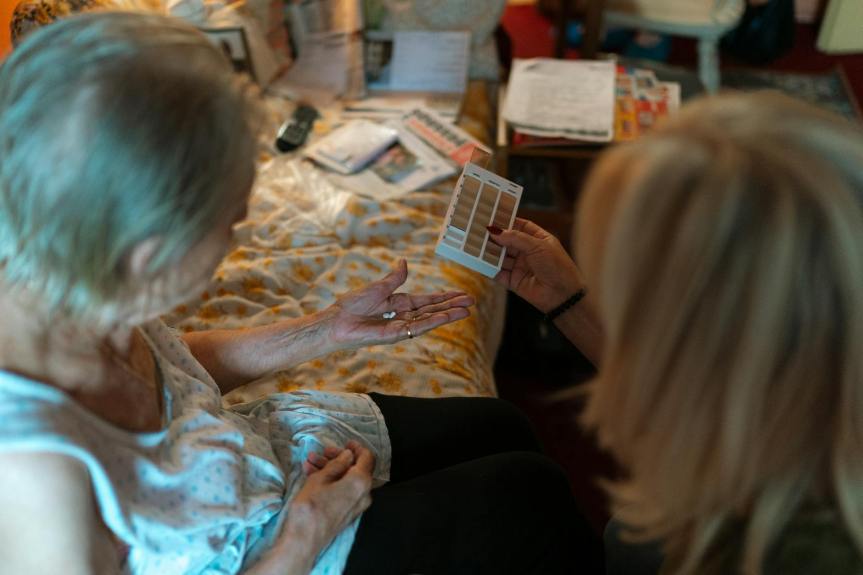
Someone may need to start managing medications.
Someone may need to attend doctor appointments.
Someone may need to help with meals, bathing, transportation, or bills.
Someone may need to make the hard decisions about driving, living arrangements, safety, and long-term care.
And many times, these responsibilities do not arrive all at once.
They build slowly.
At first, it may be small reminders. Then it becomes missed appointments, unpaid bills, confusion with directions, changes in mood, or difficulty completing familiar tasks.
That is why families need to pay attention early.
Not from a place of fear.
From a place of preparation.
The Changes May Not Always Look Like Memory Loss
One of the reasons Alzheimer’s can be so difficult to understand is because the changes do not always show up the way people expect.
Yes, memory loss is common.
But you may also notice:
Changes in judgment.
Confusion with time or place.
Mood swings.
Suspicion or fear.
Difficulty finding words.
Trouble following a recipe or routine.
Withdrawal from family or hobbies.
Poor sleep.
Agitation later in the day.
Resistance to help.
These changes can be painful to witness, especially when the person you love begins acting in ways that feel unfamiliar.
But this is where families have to pause and remember:
This is not simply stubbornness.
This is not always intentional.
This is not just “old age.”
This may be the disease affecting how the brain processes information, emotions, and surroundings.
That does not make the hard moments easy.
But understanding what may be happening can help you respond with more patience and less frustration.
You Need a Plan Before the Crisis
Too many families wait until there is an emergency before they start making decisions.
A fall happens.
A stove is left on.
A loved one gets lost while driving.
Medication is taken twice.
A bill goes unpaid.
Someone ends up in the hospital.
And suddenly, everyone is trying to make decisions under pressure.
Planning ahead is not being negative.
Planning ahead is love in action.
Start having conversations about:
Who will attend medical appointments.
Who will manage medications.
Who will help with finances and paperwork.
Who has access to emergency contacts.
Who can step in when the main support person needs a break.
What legal documents need to be in place.
What safety changes need to happen in the home.
What signs will tell the family that more help is needed.
These conversations may feel uncomfortable, but they are much harder when everyone is tired, scared, and reacting to a crisis.
Do Not Try to Carry This Alone
Alzheimer’s care can become emotionally heavy.
You may feel grief while your loved one is still physically present.
You may feel guilt for getting frustrated.
You may feel exhausted from repeating the same answers.
You may feel lonely because others do not fully see what you are managing.
You may feel overwhelmed by decisions that seem to keep coming.
You are not weak for needing help.
You are human.
Families need support systems. That support may include doctors, social workers, home care, adult day programs, respite care, trusted relatives, support groups, faith communities, neighbors, or professional planning sessions.
Do not wait until you are completely drained before asking for help.
The person living with Alzheimer’s needs care.
But so do you.
Honor the Person, Not Just the Diagnosis
Alzheimer’s may change how someone communicates, remembers, or moves through the world, but it does not erase who they are.
They are still someone with a story.
Someone with memories, even if they cannot always access them.
Someone with preferences, dignity, emotions, and a need to feel safe.
Someone who still deserves to be spoken to with respect.
Try to keep pieces of who they are present in the day.
Play music they love.
Look through photos together.
Keep familiar routines when possible.
Offer simple choices.
Speak calmly.
Use their name.
Give them time to respond.
Celebrate small moments of connection.
Sometimes the goal is not to correct every detail.
Sometimes the goal is to preserve peace.
Sometimes the goal is to meet them where they are instead of forcing them back to where they used to be.
Remembering Rosalynn Carter’s Legacy
In conversations about Alzheimer’s, I often think about former First Lady Rosalynn Carter and her work around Alzheimer’s awareness and family support.
Rosalynn Carter passed away on November 19, 2023, after her family shared earlier that year that she was living with dementia. But her legacy continues through her decades of advocacy for mental health, family care, and the belief that those providing support deserve to be seen, heard, and equipped.
Her work reminds us that Alzheimer’s is not only a medical issue.
It is a family issue.
A community issue.
A planning issue.
A dignity issue.
A support issue.
And no family should have to navigate it without guidance, compassion, and resources.
Give Yourself Permission to Learn as You Go
Nobody handles Alzheimer’s perfectly.
You may lose patience.
You may say the wrong thing.
You may feel unsure.
You may grieve changes you were not ready for.
You may need to adjust the plan more than once.
That does not mean you are failing.
It means you are walking through something difficult.
Give yourself permission to learn.
Give yourself permission to ask questions.
Give yourself permission to rest.
Give yourself permission to get support before you reach your breaking point.
Alzheimer’s changes many things, but it does not remove the need for love, patience, planning, and community.
The more families understand, the better prepared they can be.
And preparation can make the journey feel less lonely.Want to revisit the first part of this conversation? Read my previous blog: Unraveling Alzheimer’s: A Guide to Understanding the Disease and Its Impact on the Brain, where we discussed what Alzheimer’s disease is, how it affects the brain, and why awareness matters for families and loved ones.
Give Yourself a Moment of Grace

If this season of caregiving has been heavy, emotional, or filled with grief you have not had time to name, Moments of Grace: A Caregiver’s Guided Journal for Reflection, Prayer, and Peace was created with you in mind.
This journal gives caregivers a quiet place to pause, reflect, pray, release, and reconnect with themselves while caring for someone they love.
Purchase Moments of Grace today and give yourself permission to breathe in the middle of the caregiving journey.
Prepare Before the Emergency Comes
Grief can make it hard to think clearly in a crisis. That is why preparation matters.
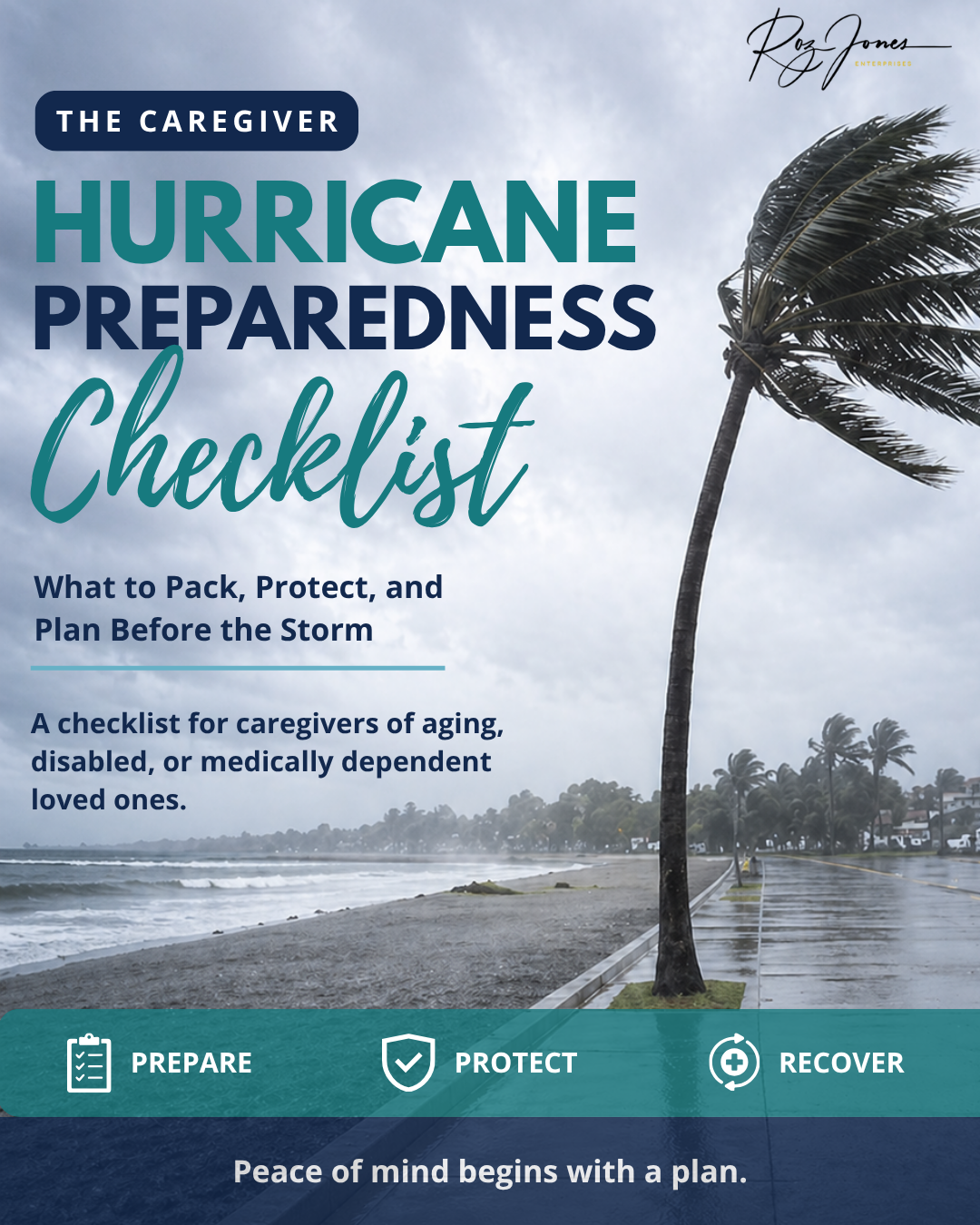
The Caregiver Hurricane Preparedness Checklist helps caregivers organize important documents, medications, emergency contacts, evacuation needs, medical equipment details, and care instructions before an emergency happens.
For only $1.99, this checklist gives you a simple starting point so you are not trying to gather everything during a storm, power outage, hospitalization, or sudden change in your loved one’s care.
Purchase the Caregiver Hurricane Preparedness Checklist for $1.99 today and take one more step toward peace of mind.
Need Help Sorting Through the Care Plan?

If you are caring for a former spouse, aging loved one, or family member and the boundaries are starting to feel complicated, you do not have to figure it out alone.
Book a Family Care Planning Session with Roz Jones and get support creating a caregiving plan that is clear, compassionate, and realistic.
Together, we can talk through what is working, what is becoming too heavy, and what boundaries need to be strengthened so you can continue to care without losing yourself in the process.
Subscribe to The Caregiver Cafe Weekly Newsletter!

1. YOU ARE NOT ALONE: The problems you face as a caregiver are experienced by other caregivers. Knowing that you’re not alone can be comforting.
2. Tools and Resources: Find caregiver stress management tools and gain perspective from other caregiver’s experiences.
3. LEARN TO: Ask for help, accept help when it is offered, and acknowledge yourself on this caregiving journey. Hear from experts on how to balance caregiving responsibilities by taking care of your needs and involving others to help manage the natural stress and isolation of being a caregiver.

