
Financial Wellness for Solo Agers: Planning Ahead with Confidence

By Roz Jones

As caregivers, one of our biggest responsibilities—and privileges—is helping our aging loved ones feel secure in their independence. Financial stability is at the heart of this security. I know from personal experience how overwhelming it can feel to tackle finances, but I also know that planning ahead makes all the difference.

This week, I want to share some practical steps we can take to guide our aging loved ones toward financial wellness. Together, we can help them live with confidence, knowing their resources will support them throughout their journey of solo aging.

Why Financial Wellness Matters for Solo Agers

For our aging loved ones, financial wellness provides a foundation for independence and peace of mind. Without a spouse or immediate family nearby, solo agers often need to rely on their financial plans to ensure they can handle unexpected situations, medical needs, or long-term care. By planning ahead, we can help them reduce stress and focus on living their best lives.

Key Strategies for Financial Wellness

  1. Budgeting for Everyday Expenses:
    We can sit down with our loved ones to create a simple budget that covers their essentials—housing, utilities, groceries, and health needs—while leaving room for emergencies. A clear picture of their finances can help them feel in control.
  2. Managing Medical Costs:
    I’ve seen how medical expenses can sneak up on families. Let’s explore their health insurance options together, including Medicare or Medicaid, and look into programs that can reduce the cost of prescriptions or medical services.
  3. Long-Term Care Planning:
    Talking about long-term care can feel daunting, but it’s one of the most important conversations we can have. Whether it’s planning for in-home care, assisted living, or nursing facilities, it’s important to know their preferences and explore insurance options that can ease the burden of future costs.
  4. Updating Estate Documents:
    This is something I’ve encouraged every family I work with to prioritize. Wills, powers of attorney, and beneficiary designations should reflect their current wishes. This ensures their plans are carried out exactly as they want.
  5. Accessing Financial Resources:
    There are so many programs out there to support aging loved ones, but finding them can be a challenge. Together, we can research property tax reductions, food assistance, and other resources in their community.

Empowering Aging Loved Ones Through Financial Planning

I’ve learned that financial planning isn’t just about managing money—it’s about empowering our loved ones to live independently and confidently. By working together on these steps, we can give them the tools they need to thrive as they age solo. Have you read my previous blog Digital Tools to Enhance Solo Living? Check it out now for tips on digital tools your aging loved one can use to enhance their time living alone!

Subscribe to The Caregiver Cafe Weekly Newsletter!

Caregiving can be a roller coaster of ups and downs. The information that you will receive from The Caregiver Cafe Weekly Specials Newsletter will support you as a caregiver. Remember…

1. YOU ARE NOT ALONE: The problems you face as a caregiver are experienced by other caregivers. Knowing that you’re not alone can be comforting. 

2. Tools and Resources:  Find caregiver stress management tools and gain perspective from other caregiver’s experiences.

3. LEARN TO: Ask for help, accept help when it is offered, and acknowledge yourself on this caregiving journey. Hear from experts on how to balance caregiving responsibilities by taking care of your needs and involving others to help manage the natural stress and isolation of being a caregiver. 

Digital Tools to Enhance Solo Living

By Roz Jones

As caregivers, one of the greatest gifts we can offer our aging loved ones is the ability to maintain their independence while ensuring they remain safe, connected, and supported. In today’s digital world, technology is a powerful ally in making this possible. From health monitoring devices to virtual companionship tools, the right tech solutions can significantly enhance the lives of solo agers.

However, many older adults may feel hesitant about adopting new technology. The good news is that with patience, encouragement, and the right tools, caregivers can help their loved ones embrace tech-savvy aging with confidence.

Why Technology Matters for Solo Agers

For those navigating solo aging, technology serves as both a safety net and a connection lifeline. It allows individuals to stay in touch with loved ones, access essential services, and manage health needs more effectively. By incorporating digital tools into their lives, solo agers can maintain autonomy while reducing the risks associated with aging alone.

Key Tools for Tech-Savvy Aging

  1. Video Calling Apps
    Platforms like Zoom, FaceTime, and WhatsApp make it easy for solo agers to connect with family and friends. Video calls provide more meaningful interactions than phone calls, helping combat feelings of isolation.
  2. Telemedicine Services
    With telemedicine, solo agers can consult doctors and specialists without leaving their homes. Platforms like Teladoc and MyChart make managing health care appointments and follow-ups more convenient than ever.
  3. Wearable Health Devices
    Smartwatches and fitness trackers, such as Fitbit or Apple Watch, can monitor vital signs like heart rate and physical activity. Some devices even alert caregivers or emergency contacts if unusual health patterns are detected.
  4. Home Safety Technology
    Devices like smart doorbells, motion-sensor lighting, and medical alert systems provide security and peace of mind. For example, products like Life Alert can summon help with the push of a button during emergencies.
  5. Meal Delivery and Grocery Apps
    Apps like Instacart or services like Meals on Wheels ensure solo agers have access to nutritious meals and groceries, even if mobility or transportation is a challenge.

Overcoming Tech Hesitancy

Introducing technology to aging loved ones requires a thoughtful approach. Here are a few tips to ease the transition:

  • Start Small: Begin with simple tools like video calling or digital photo frames that bring immediate joy.
  • Provide Hands-On Support: Set aside time to walk them through using devices or apps. Repetition and patience are key!
  • Highlight the Benefits: Focus on how technology can make their lives easier, safer, and more connected.
  • Choose User-Friendly Options: Opt for devices designed with seniors in mind, like large buttons and intuitive interfaces.

A Caregiver’s Role in Tech-Savvy Aging

As a caregiver, you play a crucial role in helping your loved ones embrace technology. From researching suitable tools to providing ongoing support, your efforts can help them lead more independent and fulfilling lives. Have you read my previous blog Building a Network of Support for Solo Aging? If not, check it out for more tips and information to help your aging loved one.

Subscribe to The Caregiver Cafe Weekly Newsletter!

Caregiving can be a roller coaster of ups and downs. The information that you will receive from The Caregiver Cafe Weekly Specials Newsletter will support you as a caregiver. Remember…

1. YOU ARE NOT ALONE: The problems you face as a caregiver are experienced by other caregivers. Knowing that you’re not alone can be comforting. 

2. Tools and Resources:  Find caregiver stress management tools and gain perspective from other caregiver’s experiences.

3. LEARN TO: Ask for help, accept help when it is offered, and acknowledge yourself on this caregiving journey. Hear from experts on how to balance caregiving responsibilities by taking care of your needs and involving others to help manage the natural stress and isolation of being a caregiver. 

Building a Network of Support while Solo Aging

By Roz Jones

As the new year begins, it’s the perfect time to focus on the health and happiness of our aging loved ones. For those navigating solo aging, a strong support network is the cornerstone of independence, resilience, and joy. Building this network takes intention, but with a few key strategies, caregivers can help their loved ones thrive.

Why a Support Network Matters for Solo Agers

Solo aging offers unique opportunities for independence, but it can also lead to feelings of isolation. Without a reliable support system, tasks like managing health appointments, running errands, or simply finding companionship can become overwhelming. Building a network ensures your loved one has the resources and relationships they need to maintain their quality of life.

How Caregivers Can Help Build a Network of Support

  1. Encourage Participation in Local Senior Programs
    Local senior centers often host events, classes, and support groups designed to foster social interaction. Encourage your loved one to explore options like book clubs, fitness classes, or craft workshops. Many communities also have volunteer opportunities that can help seniors stay engaged while giving back.
  2. Facilitate Connection with Neighbors
    Sometimes, the best support comes from just next door. Help your loved one introduce themselves to neighbors or attend neighborhood gatherings. Knowing the people nearby can provide a sense of safety and belonging.
  3. Use Technology to Stay Connected
    From video calls to online forums, technology bridges the gap for seniors who may have mobility or transportation limitations. Introduce your loved one to user-friendly platforms like Zoom or FaceTime and explore community-oriented apps where they can engage with others.
  4. Leverage Community Resources
    Research organizations like Meals on Wheels, local churches, or community nonprofits that offer resources for seniors. These services can provide meals, transportation, or companionship programs that make life easier for solo agers.
  5. Create a Social Calendar
    Encourage your loved one to maintain an active social life by planning weekly or monthly activities. Whether it’s a lunch date with a friend, a trip to the museum, or a yoga class, consistent interaction helps combat loneliness and keeps them engaged.

Tools to Combat Loneliness and Maintain Social Health

  • Pet Therapy: Consider adopting a pet or arranging pet therapy visits to bring companionship and joy.
  • Virtual Classes: Many organizations offer virtual yoga, art, or language classes tailored to seniors.
  • Regular Check-ins: Schedule calls or visits with family and friends to keep the lines of communication open.

By helping your loved one establish a strong support network, you’re empowering them to enjoy the freedom of solo aging while minimizing its challenges. Check out my previous blog Thriving Alone While Aging with Grace and Independence for more tips on Solo Aging.

Subscribe to The Caregiver Cafe Weekly Newsletter!

Caregiving can be a roller coaster of ups and downs. The information that you will receive from The Caregiver Cafe Weekly Specials Newsletter will support you as a caregiver. Remember…

1. YOU ARE NOT ALONE: The problems you face as a caregiver are experienced by other caregivers. Knowing that you’re not alone can be comforting. 

2. Tools and Resources:  Find caregiver stress management tools and gain perspective from other caregiver’s experiences.

3. LEARN TO: Ask for help, accept help when it is offered, and acknowledge yourself on this caregiving journey. Hear from experts on how to balance caregiving responsibilities by taking care of your needs and involving others to help manage the natural stress and isolation of being a caregiver. 

Navigating the Conversation When It’s Time for a New Chapter in Care

By Roz Jones

Caring for aging loved ones is a profound and often challenging journey. It’s a path filled with moments of joy, memories cherished, and the satisfaction of providing support to those who once cared for us. However, it also presents us with complex and sensitive challenges, one of the most delicate being when it’s time to have the conversation about your elderly loved one no longer living alone. In this three-part blog series, we’ll guide you through this emotional journey, offering insights and strategies to approach the conversation with empathy and clarity.

Recognizing the Signs: The First Step

As caregivers, we become intimately familiar with our loved ones’ needs and routines. This deep connection places us in a unique position to notice subtle changes that may signify a need for a change in their living situation. Here are some key signs to watch for:

  1. Safety Concerns: Frequent falls, difficulty managing daily tasks, or unattended hazards at home. Safety is paramount, and these issues can pose a significant risk to their well-being.
  2. Memory Issues: Forgetfulness, missed medications, or confusion about time and place. Cognitive decline can affect their ability to live independently safely.
  3. Decline in Hygiene and Nutrition: Poor personal care, weight loss, or a noticeable change in eating habits. These changes may indicate their inability to care for themselves adequately.
  4. Social Isolation: Withdrawal from social activities, hobbies, and interactions with friends. Loneliness can lead to depression and negatively impact their overall health.
  5. Neglected Finances: Unpaid bills, confusion about financial matters, or unusual spending patterns. Financial mismanagement can have serious consequences for their future security.
  6. Unkempt Home: A significant change in housekeeping standards might indicate difficulties in maintaining the home. This can lead to an unsafe living environment.

The first step in this journey is acknowledging the changes you’ve noticed. Approach the conversation with empathy, love, and respect. Remember, your goal is to ensure their safety and wellbeing. Stay tuned for the second part of our series, where we’ll explore strategies for initiating this essential conversation.

Stay Ahead of the Storm: Download Your Free Expert Storm Guide Now!

Photo by ALTEREDSNAPS on Pexels.com

As we know, June – November is Hurricane Season. As a family caregiver, there are many ways to prepare your loved ones for it. Early preparation helps reduce opportunities for stress and anxiety as storms approach.

One of the best ways to prepare is allowing your loved on to assist in packing their travel bag, checking their contact list and ensuring there are adequate emergency supplies.

Participation… not isolation… go a long way when preparing for major storms. This Seniors Storm Guide gives essential information to refer to again and again!


Shop The Caregiver Cafe E-Commerce Store!

We founded The Caregiver Cafe Shopify Store with one simple goal: to help you experiment with your passion while at the same time providing amazing prices. We were tired of cookie-cutter stores with lackluster selections, and boring gifts. Instead of offering a huge unoriginal collection, we carefully curate just a few unique pieces perfectly suited for people the taste buds like you.

We focus on items that get you excited about shopping again, as we believe buying online should always be fun!


Subscribe to The Caregiver Cafe Weekly Newsletter!

Caregiving can be a roller coaster of ups and downs. The information that you will receive from The Caregiver Cafe Weekly Specials Newsletter will support you as a caregiver. Remember…

1. YOU ARE NOT ALONE: The problems you face as a caregiver are experienced by other caregivers. Knowing that you’re not alone can be comforting. 

2. Tools and Resources:  Find caregiver stress management tools and gain perspective from other caregivers’ experiences.

3. LEARN TO: Ask for help, accept help when it is offered, and acknowledge yourself on this caregiving journey. Hear from experts on how to balance caregiving responsibilities by taking care of your needs and involving others to help manage the natural stress and isolation of being a caregiver. 
Overcoming Anxiety of Aging Solo

By Roz Jones

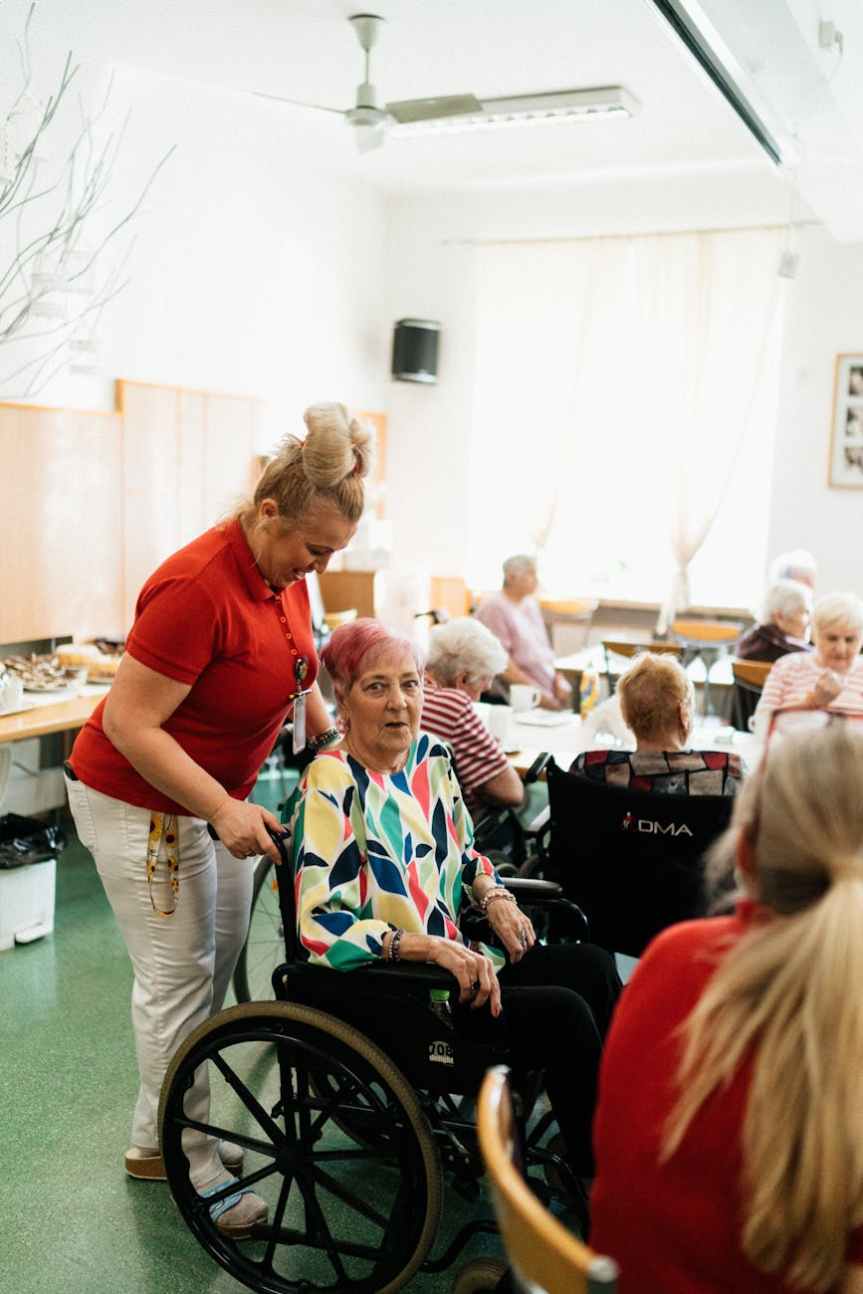
When you’re aging solo, it can be a daunting experience. Whether you’re an adult child who is caring for elderly parents or an older adult who is living by themselves, there can be many fears associated with this process. From worrying about medical issues to concerns about financial security, the thought of aging alone can be overwhelming. Fortunately, there are many resources available that can help ease these worries and make the experience smoother and more rewarding. Let’s explore some of the common fears associated with solo aging and how to handle them. 

Fear of Medical Issues 

Aging solo often comes with anxiety over medical problems. From scheduling doctor appointments to finding reliable caretakers, it can be difficult to manage these issues on your own. One way to ease this fear is to create a network of support for yourself or your loved one—including doctors, nurses, friends and family members—who will be available in case of emergencies. It also helps to have a plan in place so that if something does happen, you know exactly what steps need to be taken. 

Fear of Financial Security 

For those aging solo, financial security is another major concern. The thought of outliving their income or being unable to pay for medical expenses can cause serious stress and anxiety. To ease this fear, it’s important to understand your finances and create a budget for the future. Researching long-term care options such as assisted living facilities and home health care services can also help provide peace of mind when it comes to finances. 

Fear of Loneliness 

One of the biggest fears associated with aging solo is loneliness. Without family nearby or close friends around during daily activities, it can feel isolating at times. But there are ways to combat this feeling through activities like joining senior centers or volunteering programs that offer companionship and engagement opportunities for seniors living alone. These activities can provide mental stimulation while also giving seniors a sense of belonging in their community during their golden years.  

For those who are either facing solo aging themselves or caring for someone who is navigating this process alone, there will inevitably be fear and anxiety along the way. But remember that you don’t have to face these challenges on your own! Taking advantage of resources like online support groups or local senior centers helps take away some of the stressors associated with solo aging so that you or your loved one can enjoy life without worry or fear during this time in life!

Do you need caregiving assistance and services in your state? Check out AARP’s Family Caregiver Resource Guides created to help family caregivers access key programs, services, and agencies within their loved one’s community. Click or tap on a state to find tools and support for everything from health, legal and financial assistance to respite care!


Shop The Caregiver Cafe E-Commerce Store!

We founded The Caregiver Cafe Shopify Store with one simple goal: to help you experiment with your passion while at the same time providing amazing prices. We were tired of cookie-cutter stores with lackluster selections, and boring gifts. Instead of offering a huge unoriginal collection, we carefully curate just a few unique pieces perfectly suited for people the taste buds like you.

We focus on items that get you excited about shopping again,
as we believe buying online should always be fun!


Do you have your days where you don’t feel like being a Caregiver? Check out my latest podcast episode to listen in on the conversation I had with my colleagues about their experiences on these days when their caregiver battery was low!

 Being a caregiver can be a stressful, all-consuming job that will wear on anyone over time. The responsibility, ups and downs, and stress can pile up over time and lead to burnout.

If you find yourself thinking, “I am so tired of being a caregiver,” it is important to know you cannot take care of others unless you are taking care of yourself, so it is important to take the time to check in and seek help if needed.

Join me in this episode to listen in to a conversation I had with my colleagues about their experiences on the days when their caregiver battery was low.

ATTENTION: INSTAGRAM UPDATE!!!

Thank you for your patience with me as I attempted to gain access to my Instagram account @rozjonesenterprises! Unfortunately, I have been prompted to create a NEW Instagram account.

Be sure to follow my new Instagram page @rozcaregiverconsulting and check out my top business mistakes as a Business Owner!

(Click the link above to access my new Instagram page with ease!)


Subscribe to The Caregiver Cafe Weekly Newsletter!

Caregiving can be a roller coaster of ups and downs. The information that you will receive from The Caregiver Cafe Weekly Specials Newsletter will support you as a caregiver. Remember…

1. YOU ARE NOT ALONE: The problems you face as a caregiver are experienced by other caregivers. Knowing that you’re not alone can be comforting. 

2. Tools and Resources:  Find caregiver stress management tools and gain perspective from other caregiver’s experiences.

3. LEARN TO: Ask for help, accept help when it is offered, and acknowledge yourself on this caregiving journey. Hear from experts on how to balance caregiving responsibilities by taking care of your needs and involving others to help manage the natural stress and isolation of being a caregiver.