The Impact of Caregiving on Mental Health and Personal Well-Being

By Roz Jones

Caregiving is a challenging and demanding role that can take a toll on a caregiver’s mental health and personal well-being. As a caregiver, it’s important to be aware of the potential impact on your mental health and take steps to maintain your personal well-being. In this blog, we will explore the impact of caregiving on mental health and personal well-being and provide tips for coping with the challenges.

The Emotional Toll of Caregiving

Caregiving can be emotionally taxing and bring up a range of emotions, including stress, anxiety, and depression. The demands of caregiving can lead to burnout and exhaustion, which can negatively impact a caregiver’s mental health. Additionally, caregivers may experience feelings of guilt or frustration, which can also impact their well-being.

The Physical Impact of Caregiving

Caregiving can also have a physical impact on a caregiver’s health. The stress and demands of caregiving can lead to physical symptoms, such as headaches, back pain, and exhaustion. Additionally, caregivers may neglect their own physical health due to the demands of caregiving, which can lead to further health problems.

Tips for Maintaining Personal Well-Being

To maintain personal well-being while caregiving, it’s important to prioritize self-care. This can include taking breaks and engaging in activities that bring joy, seeking support from family and friends, and seeking professional counseling or therapy. It’s also important to set boundaries and communicate clearly with the person being cared for about what you are and are not able to provide in terms of care.

Another tip is to seek out resources and support for caregivers. This can include caregiver support groups, respite care services, and home health aides. It’s important to remember that you don’t have to do everything alone, and that it’s okay to ask for help.

The Importance of Self-Care

Self-care is essential for maintaining personal well-being while caregiving. This can include taking time for yourself, engaging in activities you enjoy, and getting enough rest and exercise. Self-care can help you feel more resilient and better able to handle the challenges of caregiving.

Caregiving can have a significant impact on a caregiver’s mental health and personal well-being. By prioritizing self-care, seeking out resources and support, and communicating clearly with the person being cared for, caregivers can maintain their own well-being while providing effective care. Remember, it’s important to take care of yourself in order to be the best caregiver you can be.


Unlock the Power of Nature: Elevate Your Mental Health with Mental Health America’s Exclusive Worksheet
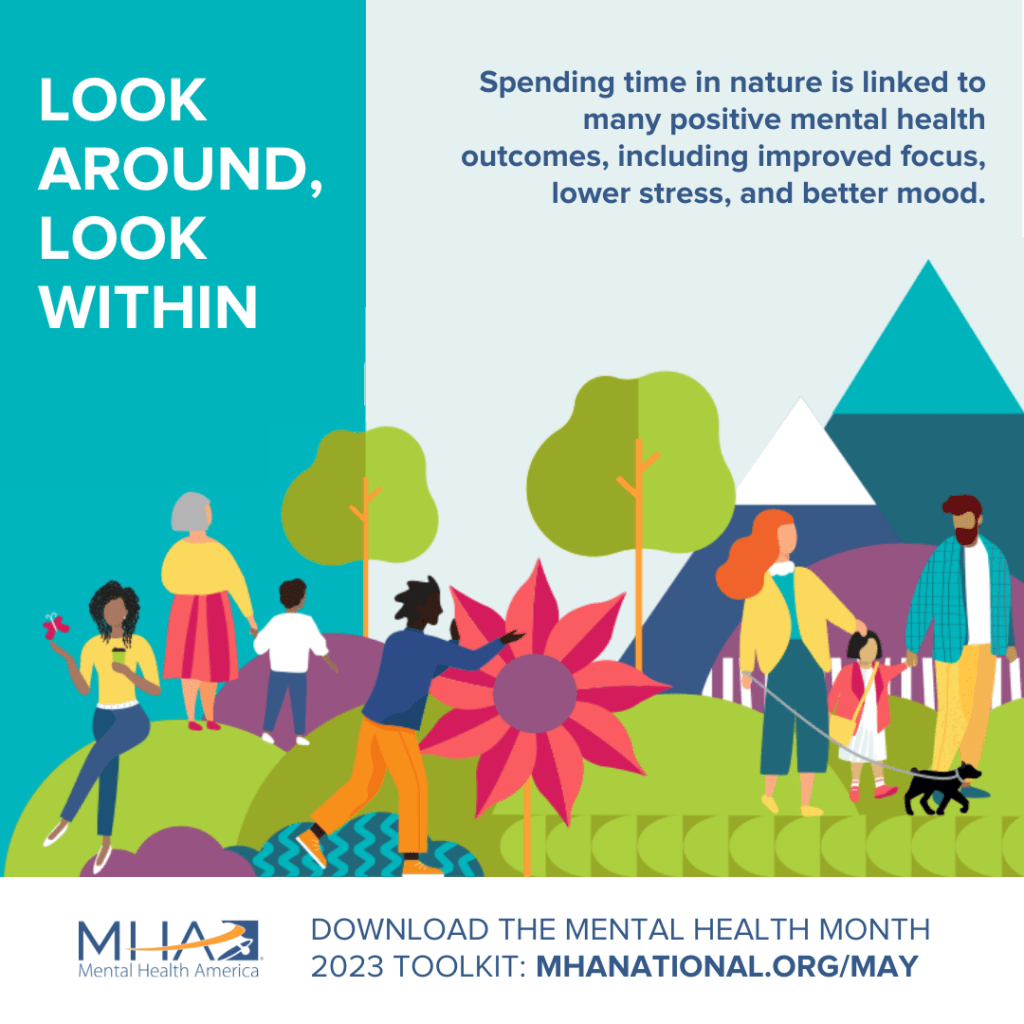
Discover the transformative benefits of embracing the great outdoors and prioritize your mental health this Mental Health Awareness Month. Mental Health America’s exclusive worksheet, “Opening Your Mind to the Outdoors,” will guide you through powerful techniques to overcome motivational barriers and connect your goals to positive emotions.

Unleash the motivation within and unlock a path toward well-being. Download this worksheet now and embark on a journey of self-discovery and mental rejuvenation. Don’t miss out on this incredible opportunity to enhance your mental health and thrive in harmony with nature.


Stay Connected!

Decluttering and Organizing Medication: A Guide for Caregivers

By Roz Jones

As a caregiver, it can be overwhelming to keep track of medications for your loved ones. Decluttering and organizing medication can help alleviate some of the stress and create a more efficient system for managing medications. Here are some tips to help you get started:

  1. Check expiration dates: Go through all the medication and check for expiration dates. Properly dispose of any medications that have expired or are no longer needed.
  1. Sort by category: Group medications together by category such as pain relief, vitamins, and prescription medications. This makes it easier to find specific medications when needed.
  1. Label and organize: Use clear labels to identify the name of the medication, dosage, and frequency. Use a container or bin to keep all medications together in one place.
  1. Use a medication tracker: Consider using a medication tracker app or device to keep track of when medications are taken and when refills are needed. This can also help you keep track of any potential side effects or interactions between medications.
  1. Keep medications out of reach: Store medication in a safe and secure location out of reach from children or pets.
  1. Dispose of medications properly: Properly dispose of any medication that is no longer needed or has expired. Check with your local pharmacy or healthcare provider for safe disposal options.

Decluttering and organizing medication can help create a more efficient system for managing medications and alleviate stress for caregivers. By following these tips, you can create a safer and more organized space for medication.


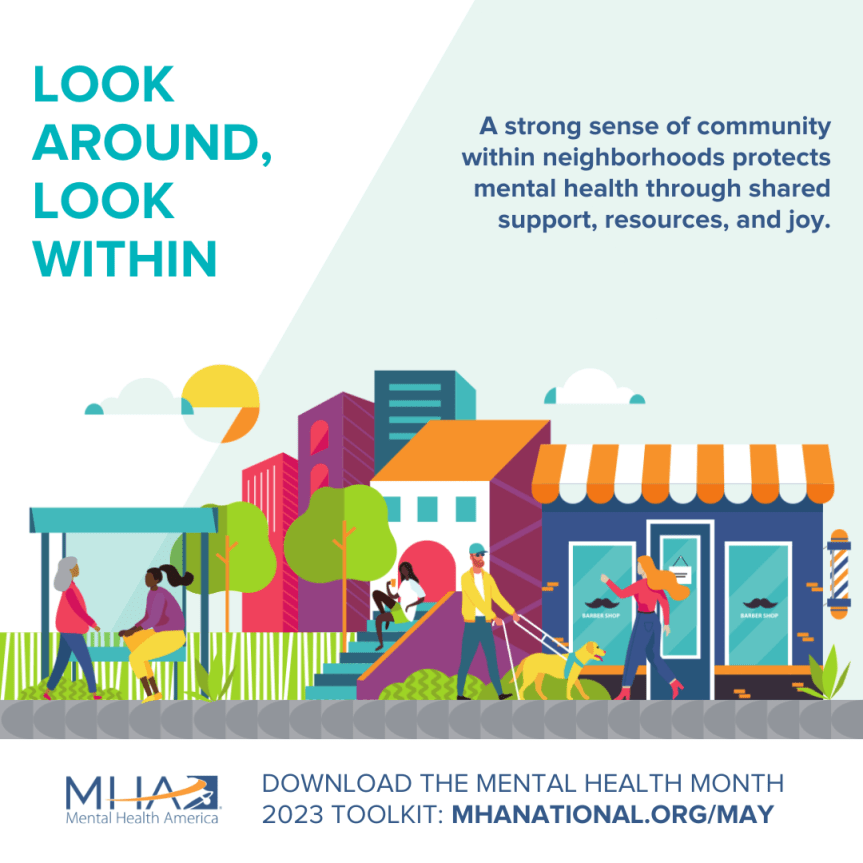
Unlock Your Community’s Mental Health: Download Mental Health America’s ‘Healthy Neighborhoods & Communities Document Today!

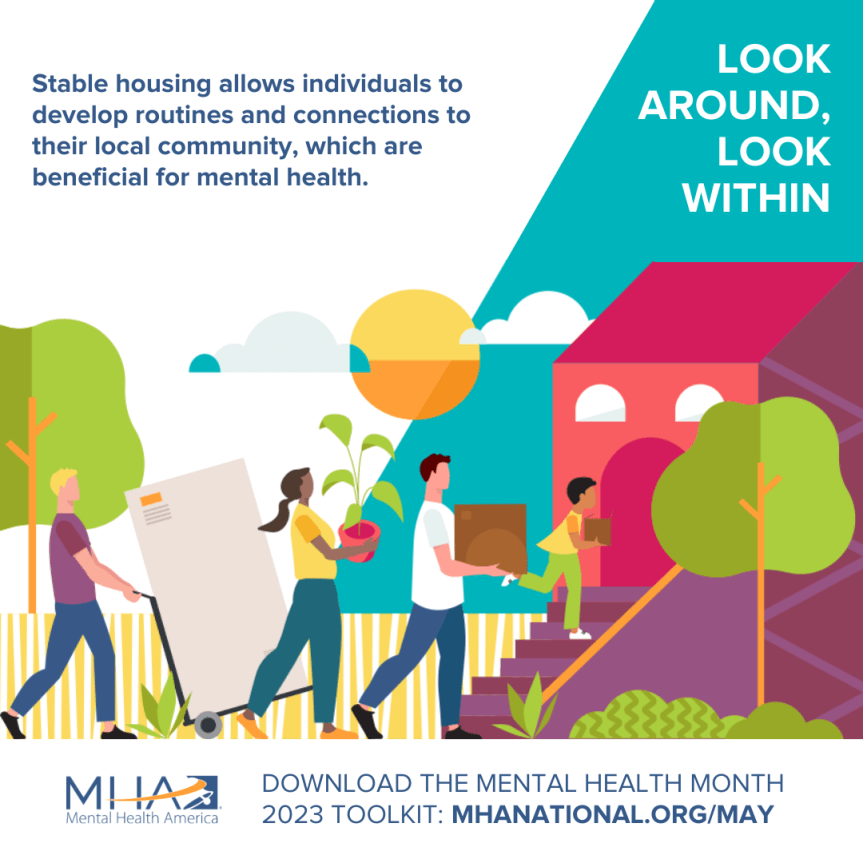
Are you aware that where you live can impact your mental health? In fact, up to 60% of your overall health is determined by your ZIP code. If youโ€™re looking for ways to support your mental health and well-being, then the Mental Health of America Toolkit is the perfect resource for you.

This toolkit provides valuable information and resources to help you access the services and support you need in your neighborhood and town. With the Mental Health of America Toolkit, you can take control of your mental health and prioritize your well-being. Donโ€™t wait any longer โ€“ download the Mental Health of America Toolkit today!


Shop The Caregiver Cafe E-Commerce Store!

We founded The Caregiver Cafe Shopify Store with one simple goal: to help you experiment with your passion while at the same time providing amazing prices. We were tired of cookie-cutter stores with lackluster selections, and boring gifts. Instead of offering a huge unoriginal collection, we carefully curate just a few unique pieces perfectly suited for people the taste buds like you.

We focus on items that get you excited about shopping again, as we believe buying online should always be fun!


Subscribe to The Caregiver Cafe Weekly Newsletter!

Caregiving can be a roller coaster of ups and downs. The information that you will receive from The Caregiver Cafe Weekly Specials Newsletter will support you as a caregiver. Remember…

1. YOU ARE NOT ALONE: The problems you face as a caregiver are experienced by other caregivers. Knowing that you’re not alone can be comforting. 

2. Tools and Resources:  Find caregiver stress management tools and gain perspective from other caregivers’ experiences.

3. LEARN TO: Ask for help, accept help when it is offered, and acknowledge yourself on this caregiving journey. Hear from experts on how to balance caregiving responsibilities by taking care of your needs and involving others to help manage the natural stress and isolation of being a caregiver. 

Getting Started with Decluttering: Tips for Caregivers

By Roz Jones

As a caregiver, decluttering may seem like an overwhelming task. However, the benefits of a decluttered space can greatly improve your mental health and overall well-being. Here are some tips to help you get started:

  1. Start small: Begin by decluttering one small area at a time. This can be a drawer, a closet, or a shelf. This will help you feel less overwhelmed and will give you a sense of accomplishment as you complete each area.
  1. Create a plan: Make a plan of action for what you want to accomplish and how you will tackle each area. Write down your plan and set achievable goals for each day.
  1. Sort items: Sort items into piles of what you want to keep, donate, sell, or throw away. Be honest with yourself about what you truly need and what you can let go of.
  1. Use the โ€œOne In, One Outโ€ rule: For every new item that enters your home, try to get rid of one item. This will help you maintain a clutter-free space and prevent future accumulation of items.
  1. Get help: Enlist the help of family members, friends, or a professional organizer to help you with the decluttering process. Having someone to hold you accountable and provide support can make the process much easier.

Remember, decluttering is not just about creating a clean space. It can greatly improve your mental health and overall well-being as a caregiver. So, take some time to declutter and enjoy the benefits of a clutter-free home!


“Transform Your Home Into a Sanctuary of Calm: Download Mental Health America’s ‘Healthy Home Environments’ Document Today!”

Are you looking for ways to improve your mental health and well-being? If so, we have just the thing for you! Mental Health Americaโ€™s new document โ€˜Healthy Home Environments,โ€ provides valuable insights into how you can optimize your living space to promote better mental health.

Whether you are living with a mental health condition or just looking for ways to enhance your overall well-being, this document offers practical tips and strategies that anyone can benefit from. From decluttering your space to incorporating natural elements, this document is packed with actionable steps you can take to transform your home into a sanctuary of calm and tranquility. Donโ€™t miss out on this opportunity to improve your mental health and download โ€œHealthy Home Environmentsโ€ today!


Shop The Caregiver Cafe E-Commerce Store!

We founded The Caregiver Cafe Shopify Store with one simple goal: to help you experiment with your passion while at the same time providing amazing prices. We were tired of cookie-cutter stores with lackluster selections, and boring gifts. Instead of offering a huge unoriginal collection, we carefully curate just a few unique pieces perfectly suited for people the taste buds like you.

We focus on items that get you excited about shopping again, as we believe buying online should always be fun!


Subscribe to The Caregiver Cafe Weekly Newsletter!

Caregiving can be a roller coaster of ups and downs. The information that you will receive from The Caregiver Cafe Weekly Specials Newsletter will support you as a caregiver. Remember…

1. YOU ARE NOT ALONE: The problems you face as a caregiver are experienced by other caregivers. Knowing that you’re not alone can be comforting. 

2. Tools and Resources:  Find caregiver stress management tools and gain perspective from other caregivers’ experiences.

3. LEARN TO: Ask for help, accept help when it is offered, and acknowledge yourself on this caregiving journey. Hear from experts on how to balance caregiving responsibilities by taking care of your needs and involving others to help manage the natural stress and isolation of being a caregiver. 

The Benefits of Decluttering for Caregivers’ Mental Health

By Roz Jones

As a caregiver, your day-to-day life can be filled with numerous responsibilities, from taking care of your loved one to managing their finances and medication. With so much on your plate, it’s easy for clutter to accumulate, both physically and mentally. However, decluttering your space and your mind can have a significant impact on your overall mental health and well-being.

Here are some benefits of decluttering for caregivers:

  1. Reduces stress and anxiety: Clutter in your environment can make you feel overwhelmed and anxious. Removing unnecessary items from your surroundings can create a sense of calm and peace, allowing you to focus on your caregiving responsibilities with a clear mind.
  1. Increases productivity: A clutter-free environment can improve your focus and boost productivity. You’ll be able to find things easily, and won’t waste time searching for misplaced items.
  1. Improves physical health: A clutter-free space can also improve your physical health by reducing allergens and dust. It can also make it easier to maintain a clean and healthy living environment for your loved one.
  1. Creates a sense of accomplishment: Decluttering can be a challenging task, but completing it can provide a sense of accomplishment and boost your self-esteem. It can also give you a sense of control in a situation where you may feel overwhelmed.
  1. Improves mood and overall well-being: A clean and organized environment can have a positive impact on your mood and overall well-being. It can also improve your loved one’s mood, making it a win-win situation.

Decluttering is an essential aspect of self-care for caregivers. By taking the time to declutter your space and your mind, you can improve your mental health, increase productivity, and create a sense of calm in your caregiving journey.


May is Mental Health Month: Take Control of Your Mental Health with 31 Daily Tips

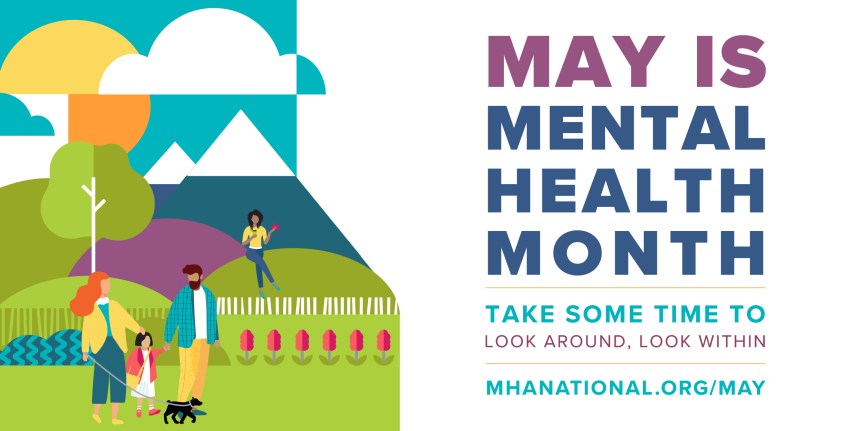
Mental Health America is proud to announce May as Mental Health Month, a time to prioritize and take control of your well-being. This year’s theme is Take Some Time To Look Around, Look Within emphasizing the importance of creating a supportive and uplifting environment for yourself and those around you. To help you achieve this goal, MHA has created a daily calendar with 31 tips for improving your mental health for the month.

Whether you’re struggling with anxiety, depression, stress, or simply looking for ways to maintain a healthy mindset the Mental Health Calendar has something for everyone with each day featuring a different tip or activity to promote self-care, resilience, and positive thinking.

Download the Mental Health Calendar now to learn how to cultivate a more supportive and nurturing environment for yourself and your aging loved one, while also building stronger relationships with those around you!


Shop The Caregiver Cafe E-Commerce Store!

We founded The Caregiver Cafe Shopify Store with one simple goal: to help you experiment with your passion while at the same time providing amazing prices. We were tired of cookie-cutter stores with lackluster selections, and boring gifts. Instead of offering a huge unoriginal collection, we carefully curate just a few unique pieces perfectly suited for people the taste buds like you.

We focus on items that get you excited about shopping again, as we believe buying online should always be fun!


Subscribe to The Caregiver Cafe Weekly Newsletter!

Caregiving can be a roller coaster of ups and downs. The information that you will receive from The Caregiver Cafe Weekly Specials Newsletter will support you as a caregiver. Remember…

1. YOU ARE NOT ALONE: The problems you face as a caregiver are experienced by other caregivers. Knowing that you’re not alone can be comforting. 

2. Tools and Resources:  Find caregiver stress management tools and gain perspective from other caregivers’ experiences.

3. LEARN TO: Ask for help, accept help when it is offered, and acknowledge yourself on this caregiving journey. Hear from experts on how to balance caregiving responsibilities by taking care of your needs and involving others to help manage the natural stress and isolation of being a caregiver. 

5 Technology Strategies for Caregivers to Protect Their Finances

By Roz Jones

As a caregiver, it is crucial to be vigilant about any activity that occurs on your financial accounts. The use of technology can be a helpful component of your plan to keep your money safe. Here are some strategies you can employ to leverage technology to safeguard your accounts:

  1. Change your personal account passwords: If someone knows your passwords, itโ€™s vital that you change them right away.
  1. Monitor accounts with online tools: Many banks and financial services offer apps and online tools that can help you keep an eye on your accounts. These tools can send you automatic alerts about deposits, withdrawals, and other actions. They can also provide a record of any transactions that go against your contract or client agreement, which can be useful if you need to inform your employer, lawyer, or judge. Moreover, these tools can help you manage your own personal finances by monitoring direct deposits, automatic withdrawals, and your balance.
  1. Monitor social media activity: Lawyers and judges often use social media activity to make decisions about financial matters. Therefore, be cautious about what you post on social media, especially posts related to money, your job, your clients, or any other personal information. Remember that once you post something, it can always be copied and saved, so deleting it may not be enough to protect you.
  1. Figure out how to handle joint accounts: Joint accounts are sometimes necessary for regular caregiving expenses, such as housekeeping and home care. Make sure to agree with your client/Loved One on how to handle the joint account and how to use it during the duration of the contract/client agreement. For instance, if your client needs immediate payment for medical care, you can use the joint account to have immediate access to funds. Both of you may need online access to the account, so make use of the technology that your bank offers to monitor it closely.
  1. Be aware of tracking software and tools available: In some cases, it may be necessary to use tracking software and tools if you are using joint accounts. These tools can enable you and/or your client/Loved One to see and monitor financial activities, including those that occur online or on your phone. However, before you opt for this option, consult your employer, or lawyer, or check the local laws first. Also, make sure to keep track of all the software and programs you find on your devices.

Caring for someone or being cared for can be a challenging time for both parties. It’s essential to be proactive about protecting finances while providing care. By following these tips and leveraging technology, you can feel more secure about your finances. Find out how to have secure communication and store data to better protect your finances.


May is Mental Health Month: Take Control of Your Mental Health with 31 Daily Tips

Mental Health America is proud to announce May as Mental Health Month, a time to prioritize and take control of your well-being. This year’s theme is Take Some Time To Look Around, Look Within emphasizing the importance of creating a supportive and uplifting environment for yourself and those around you. To help you achieve this goal, MHA has created a daily calendar with 31 tips for improving your mental health for the month.

Whether you’re struggling with anxiety, depression, stress, or simply looking for ways to maintain a healthy mindset the Mental Health Calendar has something for everyone with each day featuring a different tip or activity to promote self-care, resilience, and positive thinking.

Download the Mental Health Calendar now to learn how to cultivate a more supportive and nurturing environment for yourself and your aging loved one, while also building stronger relationships with those around you!


Shop The Caregiver Cafe E-Commerce Store!

We founded The Caregiver Cafe Shopify Store with one simple goal: to help you experiment with your passion while at the same time providing amazing prices. We were tired of cookie-cutter stores with lackluster selections, and boring gifts. Instead of offering a huge unoriginal collection, we carefully curate just a few unique pieces perfectly suited for people the taste buds like you.

We focus on items that get you excited about shopping again, as we believe buying online should always be fun!


In the latest episode of The Caregiver Cafe Podcast, the focus is on helping Caregivers support their aging loved one through life’s transitions. Tune in to gain valuable insight with Dr. Jacob Kendall about how patterns can affect our lifespan. By recognizing and understanding our patterns, we can increase our life expectancy and make positive changes in our lives. Don’t miss out on this informative and inspiring episode!

Patterns have a great influence on the life you live and if you are keen to recognize your patterns you can increase your life expectancy and change your life.

In this episode, I talk to Dr. Jacob and patterns and their influence on how long and short we live.

Subscribe to The Caregiver Cafe Weekly Newsletter!

Caregiving can be a roller coaster of ups and downs. The information that you will receive from The Caregiver Cafe Weekly Specials Newsletter will support you as a caregiver. Remember…

1. YOU ARE NOT ALONE: The problems you face as a caregiver are experienced by other caregivers. Knowing that you’re not alone can be comforting. 

2. Tools and Resources:  Find caregiver stress management tools and gain perspective from other caregiver’s experiences.

3. LEARN TO: Ask for help, accept help when it is offered, and acknowledge yourself on this caregiving journey. Hear from experts on how to balance caregiving responsibilities by taking care of your needs and involving others to help manage the natural stress and isolation of being a caregiver.