

By Roz Jones
Sometimes grandparents expect to be the steady presence in a child’s life.
And sometimes, without much warning, they become the primary caregivers.
That shift can happen because of a family crisis, illness, financial instability, mental health concerns, substance use, incarceration, military deployment, death, or simply because the children need a safer and more stable place to land. However it happens, when grandparents step in to raise grandchildren, they are often carrying far more than people can see. National kinship care resources note that grandparents and other relatives frequently become the first safe option for children when parents cannot care for them, often with little time to prepare.
And when that happens, the conversation cannot stop at “they stepped up.”
We also need to ask:
Who is supporting them now?
Grandparents Raising Grandchildren Need More Than Praise
A lot of grandparents raising grandchildren get called strong, selfless, and loving.
And yes, many of them are all of those things.
But praise is not the same as support.
Many grandfamilies are navigating school enrollment, legal paperwork, health appointments, financial strain, transportation needs, behavior changes, grief, and the physical demands of parenting at a later stage in life. Federal and national kinship-care resources continue to emphasize that kinship caregivers often need help with both child-related and adult-related supports, including access to benefits, legal guidance, and service coordination.
So if you are someone caring for an aging loved one who is now raising grandchildren, or if you are a caregiver trying to support a grandparent in this role, this is important to understand: love may be what brought them into the role, but love alone is not enough to sustain it.
The Hidden Weight of Kinship Care
Grandparents who step into parenting again are often managing two caregiving realities at once.
They may be caring for grandchildren while also dealing with their own aging, chronic health conditions, fatigue, or financial concerns. And caregivers supporting them may find themselves trying to meet the needs of both generations at the same time.
That kind of layered care can wear people down.
The CDC reported in 2024 that caregivers, compared with noncaregivers, experienced worse outcomes on many health indicators, including mental health measures and several chronic physical conditions.
That does not mean grandparents raising grandchildren are not capable. It means they should not be expected to do this without real support.
Practical Support Still Matters
When a grandparent is raising grandchildren, practical help can make a bigger difference than people realize.
That may look like helping with grocery runs, rides to school, after-school pickup, household tasks, meal support, or help organizing medical and school paperwork. Sometimes what keeps a household stable is not one big intervention. It is consistent, everyday support that lowers the pressure just enough for a grandparent to breathe.
For caregivers supporting grandfamilies, this is one of the most useful questions to ask:
What would make this week easier?
Not next year.
Not in theory.
This week.
Because when families are overwhelmed, practical support is often what keeps things from slipping further.
Emotional Support Cannot Be an Afterthought
Grandparents raising grandchildren may feel joy, purpose, and deep love.
They may also feel grief, anger, sadness, resentment, guilt, fear, or exhaustion.
All of that can be true at the same time.
Some are grieving what their grandchildren have already been through. Some are grieving the reality that this is not the season of life they expected. Some feel isolated because their peers are traveling, retiring, or slowing down, while they are packing lunches, dealing with schools, and starting over.
Caregivers supporting them need to make room for the full emotional picture, not just the inspiring parts.
Listening without judgment matters. So does noticing when a grandparent looks burned out, shut down, depressed, or overwhelmed. Caregiving research continues to show that caregivers often experience elevated emotional strain, and grandparents raising grandchildren can face parenting stress on top of their own health and life transitions.
Support Has to Include Resources
One of the biggest mistakes families make is assuming grandparents will “figure it out.”
Some do, but often at great cost.
Grandparents raising grandchildren may need help understanding legal custody, school enrollment, insurance coverage, financial assistance, counseling options, food access, or respite support. National grandfamily resources point to kinship navigator programs as an important tool because they connect relative caregivers to benefits, services, referrals, and follow-up support for both the children and the adults caring for them.
Financial help matters too. Grandfamilies.org notes that child-only TANF grants remain a key source of support for many kinship families, but the program is still underused relative to the number of families who may qualify.
In other words, support should not stop at encouragement.
It should include helping grandparents get connected to what may already exist.
The Relationship Between Grandparent and Grandchild Still Needs Care
When grandparents become full-time caregivers, the relationship can shift fast.
Love is still there, but the role changes. A grandparent may suddenly be the rule-maker, homework checker, appointment scheduler, disciplinarian, and emotional safe place all at once. That can be hard on both sides.
Children may be carrying trauma, confusion, anger, loyalty conflicts, or grief. Grandparents may be trying to provide stability while also adjusting to the emotional weight of what brought the children into their care in the first place.
That is why support has to include the relationship itself.
Encouraging moments of connection, not just management, matters. Quality time matters. Predictability matters. Patience matters. So does helping grandparents understand that behavior is often carrying a story beneath it.
Self-Care Has to Be Reframed
Telling grandparents to “practice self-care” is not enough if no one is helping make that possible.
Rest does not happen because someone deserves it.
It happens because support is in place.
If a grandparent cannot get a break, cannot leave the house easily, is worried about money, and is carrying the emotional load of the entire household, generic self-care advice can feel disconnected from reality.
For caregivers supporting them, self-care may need to look more concrete:
Can you give them two hours to themselves?
Can you cover one evening a week?
Can you help them get connected to respite, counseling, or community support?
Can you reduce one pressure point they keep carrying alone?
That is often what real support looks like.
This Is a Family System Issue
When grandparents are raising grandchildren, the impact usually stretches across the whole family system.
There may be tension with the children’s parents. There may be legal uncertainty. There may be sibling disagreements, financial stress, or questions about who is responsible for what. And when those things go unnamed, the grandparent often ends up absorbing the strain.
That is why families need honest conversations about roles, responsibilities, expectations, and support. Not everything should fall on the grandparent just because they were willing to step in first.
Stepping in should not mean being left alone.If this topic is close to home, I encourage you to also read my previous blog, Grandparents Raising Grandchildren: How the Caregiver Can Support
Schedule a Family Care Planning Session

If your family needs support talking through next steps, book a Family Care Planning Session with Roz Jones to walk through your concerns, questions, and planning needs with more clarity and care.
Purchase the Caregiving & Advance Health Directives Checklist!
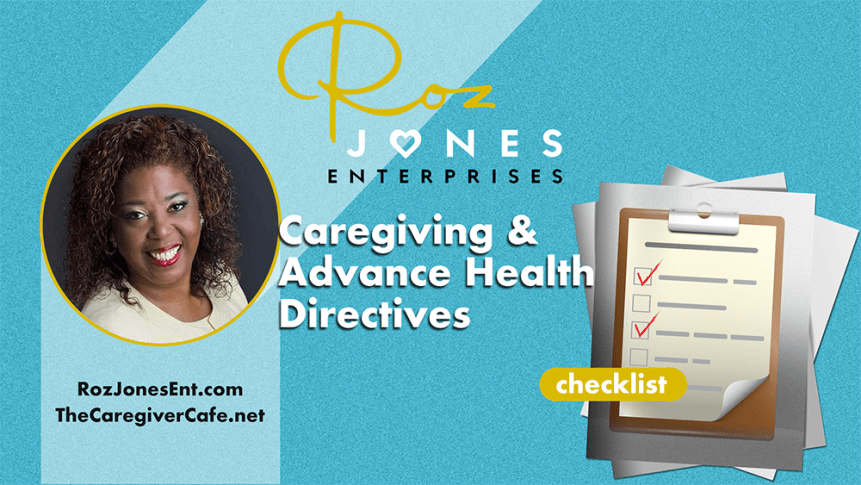
If you want a practical tool to help guide the conversation and make these decisions feel less overwhelming, purchase the Caregiving & Advance Health Directives Checklist at the link below.
Subscribe to The Caregiver Cafe Weekly Newsletter!

1. YOU ARE NOT ALONE: The problems you face as a caregiver are experienced by other caregivers. Knowing that you’re not alone can be comforting.
2. Tools and Resources: Find caregiver stress management tools and gain perspective from other caregiver’s experiences.
3. LEARN TO: Ask for help, accept help when it is offered, and acknowledge yourself on this caregiving journey. Hear from experts on how to balance caregiving responsibilities by taking care of your needs and involving others to help manage the natural stress and isolation of being a caregiver.

