
By Roz Jones
Another part of caregiving that deserves attention is connection.
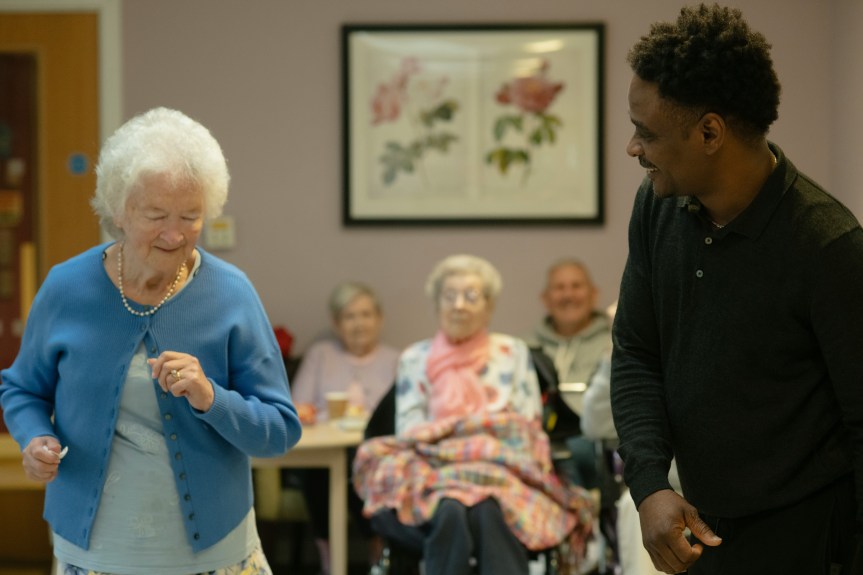
Aging loved ones still need moments that bring joy. They still need opportunities to use their mind, move their body, feel included, and experience life beyond the care routine. Whether a loved one is living at home, recovering from an illness, managing memory changes, or adjusting to a slower pace, meaningful activities can help bring comfort, stimulation, and dignity into the day.
The goal is not to keep them busy just for the sake of being busy.
The goal is to create moments that remind them they are still seen, valued, and part of the family.
In caregiving, even simple activities can become meaningful when they are done with intention.
Start with What Your Loved One Can Enjoy Now
One of the most helpful things a caregiver can do is pay attention to what their loved one can enjoy in this current season.
Activities may need to change over time. A loved one who once enjoyed long walks may now prefer sitting outside on the porch. A parent who used to play competitive card games may now do better with matching games, puzzles, or simple conversation cards. A spouse who once loved cooking may now enjoy helping wash vegetables, folding napkins, or choosing the music during mealtime.
The activity does not have to look exactly like it used to in order to still have value.
Caregivers can begin by asking a few simple questions.
What brings comfort?
What feels familiar?
What causes frustration?
What helps them feel calm?
What activities can be adjusted instead of removed completely?
When caregivers focus on ability instead of limitation, they can create moments that feel respectful and encouraging.
Bring Movement into the Day Gently
Movement is important for aging loved ones, but it does not always have to mean a structured workout or a long outdoor walk.
Some loved ones may enjoy a short walk around the block. Others may only be able to walk to the mailbox, move from room to room, or complete gentle seated movements. What matters most is safety, consistency, and comfort.
Movement can look like stretching while seated, standing at the counter with support, walking through the garden, dancing slowly to a favorite song, or taking a few steps outside for fresh air.
For many aging loved ones, movement also supports mood. A change of scenery can bring relief. Fresh air can lift the spirit. Natural light can help with routine. A few minutes outside can turn an ordinary day into a better one.
Caregivers should always consider mobility, balance, weather, hydration, footwear, and fatigue before encouraging movement. The goal is not to push too hard. The goal is to support the body in a way that feels safe and manageable.
Use Familiar Activities to Spark Memory and Conversation
Familiar activities can be powerful.
A favorite song, an old recipe, a family photo album, a familiar board game, or a childhood story can open the door to connection. Even when memory changes are present, familiar sounds, smells, and routines may still bring comfort.
Caregivers can use simple activities to encourage conversation without putting pressure on the loved one to remember everything correctly.
Looking through photo albums can lead to stories.
Listening to old music can bring smiles.
Sorting recipe cards can bring up family traditions.
Watching a favorite movie can create calm.
Playing a simple game can offer laughter and connection.
The purpose is not to test memory.
The purpose is to create space for the loved one to participate in a way that feels good to them.
Aging loved ones do not always need complicated activities. Sometimes they need familiar moments that remind them of who they are and what they have loved.
Make Games Easier, Not Childish
Board games, card games, word games, and puzzles can be wonderful for older adults, but caregivers may need to adjust the experience.
Some games may take too long. Some instructions may be too complicated. Some pieces may be too small. Some boards may be difficult to see. Some loved ones may feel embarrassed if they cannot play the way they used to.
Caregivers can make games more enjoyable by choosing larger print cards, fewer rules, shorter rounds, or team-style play. The game can be adapted so the loved one feels included instead of corrected.
This matters.
There is a difference between simplifying an activity and making a loved one feel like a child.
Dignity should remain at the center.
Choose games that match their interest and ability. Allow room for laughter. Let the rules bend when needed. Celebrate participation more than winning. The value is in the connection, not the score.
Create Activities Around Daily Life
Caregivers do not always have to create a separate activity schedule.
Sometimes meaningful engagement can be built into the daily routine.
An aging loved one may enjoy helping fold towels, watering plants, matching socks, stirring ingredients, setting the table, choosing a meal, feeding a pet, or organizing greeting cards. These small tasks can support independence and give the loved one a sense of purpose.
Purpose matters at every age.
Many aging loved ones spent years taking care of homes, families, jobs, communities, and responsibilities. When everything is suddenly done for them, it can feel like part of their identity has been taken away.
Including them in small, safe tasks can help preserve dignity.
The task may take longer. It may not be done perfectly. It may require patience. But the emotional benefit can be worth it.
Caregiving is not always about doing everything for someone. Sometimes it is about finding safe ways to let them still be part of the doing.
Think About Activities When Traveling
Activities do not only matter at home. They matter when families travel too.
If a caregiver is vacationing with an aging loved one, planning meaningful activities ahead of time can make the trip feel calmer and more enjoyable. A loved one may not be able to participate in every outing, but they can still enjoy parts of the experience.
A beach trip may include sitting in the shade and listening to the waves.
A family reunion may include a quiet space to rest between visits.
A road trip may include favorite music and familiar snacks.
A hotel stay may include a simple card game in the room.
A visit with grandchildren may include storytelling, coloring, or looking through family photos.
When caregivers plan activities around the loved one’s energy and comfort, travel can feel less overwhelming.
The trip does not have to be packed with events to be meaningful. A slower pace can create more room for connection.
Families preparing to travel with an aging loved one should also think through mobility needs, medication schedules, rest breaks, weather, emergency plans, and familiar comfort items before leaving home.
Watch for Signs of Overstimulation
Even enjoyable activities can become too much.
Caregivers should watch for signs that a loved one is tired, frustrated, confused, overwhelmed, or uncomfortable. This may show up as irritability, silence, restlessness, repeated questions, withdrawal, agitation, or physical complaints.
When this happens, it may be time to pause.
A quiet room, a snack, water, a bathroom break, a nap, or a familiar object may help the loved one reset. Caregivers should not take it personally if an activity does not go as planned.
Some days will be better than others.
The same activity that worked yesterday may not work today. That is part of caregiving.
Flexibility is important. Grace is important. Paying attention is important.
Let Joy Be Simple
Caregivers can sometimes feel pressure to make every moment meaningful.
But joy does not have to be complicated.
Joy may be a warm cup of tea.
A slow walk outside.
A familiar hymn.
A favorite dessert.
A puzzle on the table.
A phone call with family.
A porch chair in the sunshine.
A board game with adjusted rules.
A quiet moment where no one is rushing.
These simple moments matter.
They remind aging loved ones that life is still happening with them, not just around them.
They also remind caregivers that connection can still be found inside the routine.
Meaningful activities can support the emotional, physical, and mental well-being of aging loved ones. They can bring movement, comfort, memory, purpose, and connection into the caregiving journey.
The best activities are not always the most elaborate ones. They are the ones that meet the loved one where they are, honor their dignity, and create space for shared moments.
Caregivers do not have to fill every hour.
They only need to look for small opportunities to bring joy, comfort, and connection into the day.
For more on this topic, read the previous blog, “Promoting Well-being Through Outdoor Walks and Board Games: A Guide for Caregivers,” where I share additional ways outdoor walks and board games can support the well-being of aging loved ones.
Tune in to The Caregiver Café Podcast

In this episode of The Caregiver Café with Roz Jones, Roz sits down with her dear friend Susan Palmer for a heartfelt Caregiver Chronicles conversation about caring for her mother at home.
Susan shares how caregiving became part of her life, first through planning and preparing a space for her mom, and then through unexpected changes after the pandemic, a fall, hospital stays, and increased care needs. Together, Roz and Susan talk honestly about what it means when caregiving happens because you are the closest, the one available, or the one everyone assumes will step in.
This conversation walks through the real-life details many families face: creating a safe home environment, preventing falls, using tools like walkers, risers, belts, shower chairs, and hospital-style beds, managing medications and hydration, and learning how to support a loved one with dignity during private care moments.
Roz also reminds listeners that caregiving is not meant to be carried alone. Support matters. Respite matters. Family conversations matter. And taking care of yourself is part of taking care of the person you love.
Susan’s story is filled with honesty, humor, tenderness, and practical wisdom for anyone caring for an aging loved one at home.
So pour yourself something warm and join Roz and Susan at The Caregiver Café as they talk about what’s roasting, what’s in the cup, and what it really means to care with kindness, preparation, and grace.
Give Yourself a Moment of Grace

If you need encouragement for the emotional side of caregiving, purchase Roz Jones’ book, Moments of Grace. This book offers support, reflection, and reminders of grace for the caregiver who is carrying a lot.
This journal was created to help caregivers pause, breathe, reflect, and find strength in the middle of the caregiving journey.
Purchase Moments of Grace today and give yourself permission to breathe in the middle of the caregiving journey.
Prepare Before the Emergency Comes
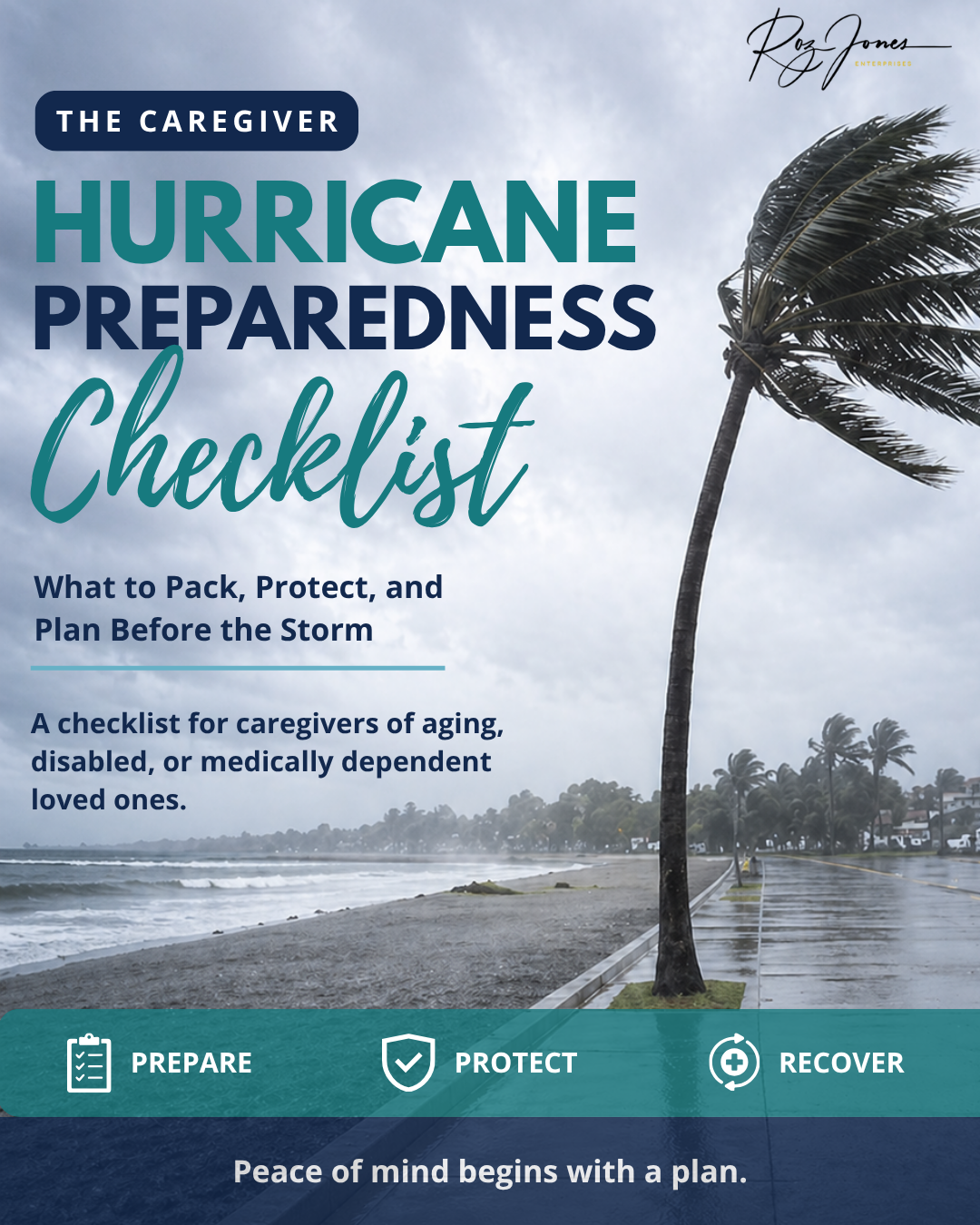
If you are caring for a loved one and want to be better prepared for storms, power outages, and unexpected caregiving emergencies, purchase the Caregiver Hurricane Preparedness Checklist. This resource can help you think through important details before a crisis is already at the door.
For only $1.99, this checklist gives you a simple starting point so you are not trying to gather everything during a storm, power outage, hospitalization, or sudden change in your loved one’s care.
Purchase the Caregiver Hurricane Preparedness Checklist for $1.99 today and take one more step toward peace of mind.
Need Help Sorting Through the Care Plan?

If your family needs help thinking through care decisions, caregiving responsibilities, or next steps, book a session with Roz Jones. You do not have to navigate this season alone.
Together, we can talk through what is working, what is becoming too heavy, and what boundaries need to be strengthened so you can continue to care without losing yourself in the process.
Subscribe to The Caregiver Cafe Weekly Newsletter!

1. YOU ARE NOT ALONE: The problems you face as a caregiver are experienced by other caregivers. Knowing that you’re not alone can be comforting.
2. Tools and Resources: Find caregiver stress management tools and gain perspective from other caregiver’s experiences.
3. LEARN TO: Ask for help, accept help when it is offered, and acknowledge yourself on this caregiving journey. Hear from experts on how to balance caregiving responsibilities by taking care of your needs and involving others to help manage the natural stress and isolation of being a caregiver.
 The Caregiver Cafe