

By Roz Jones
Speaking with an aging loved one about their health isn’t always easy.
As a family caregiver, you may already be involved in many of their healthcare decisions. You may go with them to appointments, help them remember questions, or support them when something new is recommended. Even with that involvement, there can still be certain conversations that feel more sensitive than others.
Vaccines can be one of them.
Your loved one may be hesitant because of something they’ve heard, something they experienced in the past, or simply because they don’t understand why another vaccine is being recommended now.
That’s where the conversation matters.
Your job isn’t to pressure them into agreeing with you. It’s to help create enough trust and understanding for them to ask questions, express concerns, and make an informed decision about their health.
Start by Asking What They Think
Before you explain why you believe a vaccine is important, find out what your loved one is actually thinking.
A simple question like, “How do you feel about what the doctor recommended?” can tell you much more than jumping straight into an explanation.
You may learn that they’re afraid of needles, worried about side effects, confused about why the recommendation has changed, or frustrated because they feel like everyone is making decisions for them.
Sometimes what sounds like refusal is really uncertainty.
If you know what the concern is, you can have a much better conversation about it.
Listen Before You Try to Correct Them
Caregivers often want to fix the problem immediately.
If your loved one says something you know isn’t accurate, your first instinct may be to correct it right away. But if they already feel defensive, that can make them shut down even more.
Let them finish what they’re saying.
Ask where the concern came from and what specifically is bothering them. Once they feel heard, they may be more open to hearing something different.
You don’t have to agree with misinformation, but you also don’t have to turn the conversation into an argument.
Sometimes the best response is simply, “I hear what you’re saying. Let’s make sure we get a clear answer about that.”
Pay Attention to What’s Underneath the Resistance
Sometimes the vaccine isn’t the real issue.
Your loved one may be tired of medical appointments. They may feel like aging has taken away too much control already. They may be frustrated that other people are constantly telling them what they need to do.
They may also be afraid of becoming sick, even if they don’t know how to say that directly.
That’s why it’s important to listen for what’s underneath the words.
If the real issue is fear, more facts alone may not help.
If the real issue is control, pushing harder may make things worse.
If the real issue is confusion, they may simply need someone to explain the recommendation in a way that makes sense to them.
Understanding the real concern can help you respond to your loved one instead of only responding to the word “no.”
Make Sure They Feel Included
Aging doesn’t mean a person should stop having a voice in their own care.
When possible, include your loved one in the conversation from the beginning. Ask what questions they want answered and what would help them feel more comfortable.
If they’re able to make their own healthcare decisions, give them room to do that.
Family caregivers often step in because support is needed, but support and control aren’t the same thing.
Your loved one may be much more willing to participate in a health conversation when they feel like they’re part of the decision instead of the subject of it.
Know When to Bring in Someone They Trust
You don’t have to be the only person having this conversation.
Sometimes your loved one may be more comfortable hearing information from their doctor, nurse, pharmacist, or another healthcare professional they already trust.
That can take some pressure off the family relationship too.
Instead of going back and forth at home, you can say, “Let’s ask your doctor about that so we know exactly what applies to you.”
That approach keeps the conversation open without making you responsible for proving every point yourself.
It also gives your loved one the chance to ask questions directly and hear answers that are based on their own health history.
Don’t Turn Hesitation Into a Fight
If your loved one isn’t ready to make a decision, pushing harder may not help.
They may need some time to think about what they’ve heard or decide what other questions they want answered. Giving them space doesn’t mean you’re giving up on the conversation.
It means you’re respecting the fact that health decisions can feel personal.
You can revisit the subject later without making every interaction about whether they’ve changed their mind.
Sometimes keeping the door open is more productive than trying to settle everything in one conversation.
Be Careful With Fear-Based Conversations
It can be tempting to focus on everything that could go wrong if your loved one doesn’t follow a recommendation.
That may get their attention, but fear isn’t always the best way to build trust.
Try to keep the conversation centered on helping them understand their options and what their healthcare provider believes is appropriate for them.
The goal isn’t to scare your loved one into saying yes.
The goal is to make sure they have enough reliable information to make a decision they understand.
That difference matters.
Keep Respect at the Center of the Conversation
Family caregivers often carry a deep sense of responsibility for the people they love.
That responsibility can make it hard when your loved one makes a decision you wouldn’t make for them.
You may feel frustrated. You may feel worried. You may even feel like you’re failing if you can’t convince them to see things the way you do.
But caregiving isn’t about winning every disagreement.
Sometimes caregiving means making sure your loved one has good information, knows what questions to ask, and feels supported enough to participate in their own care.
A few years ago, I first talked about this in Get the Stick So You Don’t Get Sick: Having Conversations about Immunizations with Your Aging Loved One. The conversation is still just as important today because family caregivers are often the people helping aging loved ones sort through questions, concerns, and changing health recommendations.
Prepare for Your Next Trip

Planning to travel with an aging loved one? Download the free Vacationing with an Aging Loved One Checklist to help you prepare for medications, mobility needs, comfort, safety, and unexpected changes.
Tune in to The Caregiver Café Podcast
S.O.S: When to ask for help with Phil Hill
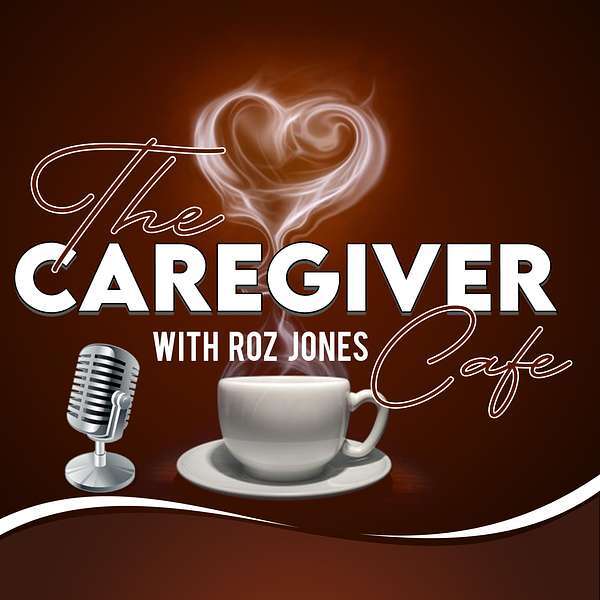
In this episode of The Caregiver Café with Roz Jones, Roz continues her conversation with security expert and former family caregiver Phil Hill about the emotional weight of caregiving, knowing when to ask for help, and what happens when caregivers try to carry too much for too long.
Phil reflects on the years he spent caring for his father while he and his wife were also helping care for her parents. He shares how managing several caregiving situations at once affected his family, his business, his relationships, and his emotional well-being.
Although Phil had access to a long-term care insurance policy and other resources, he waited to use them because he believed he might need them later. Roz reminds caregivers that the time to ask for help is often much earlier than they realize. When a loved one moves into the home, the family should begin identifying gaps in care, exploring available benefits, and creating a support plan before exhaustion and crisis take over.
Give Yourself a Moment of Grace
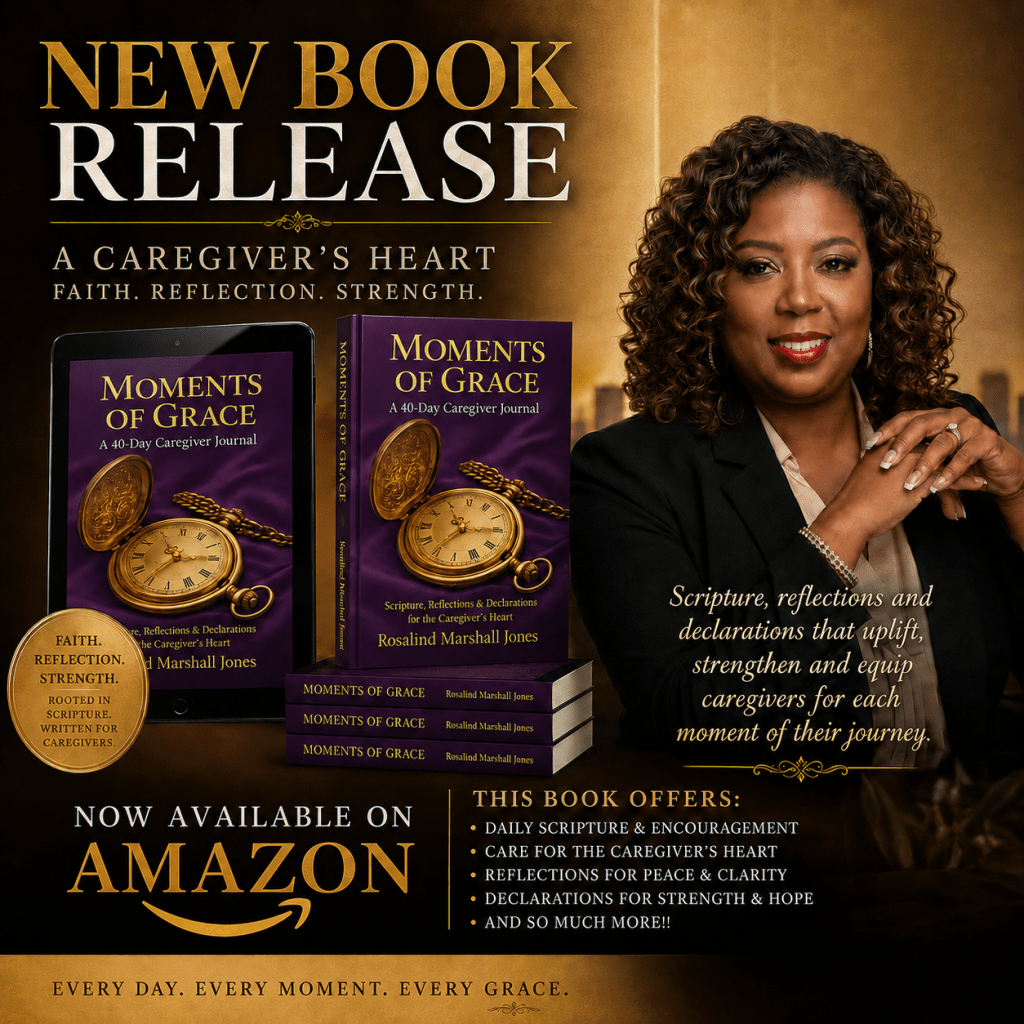
Caregiving includes demanding days, unexpected changes, and moments of connection that may be easy to overlook. Moments of Grace offers encouragement to caregivers who need a reminder to pause and recognize the meaningful moments along the journey.
Preparing for hurricane season?
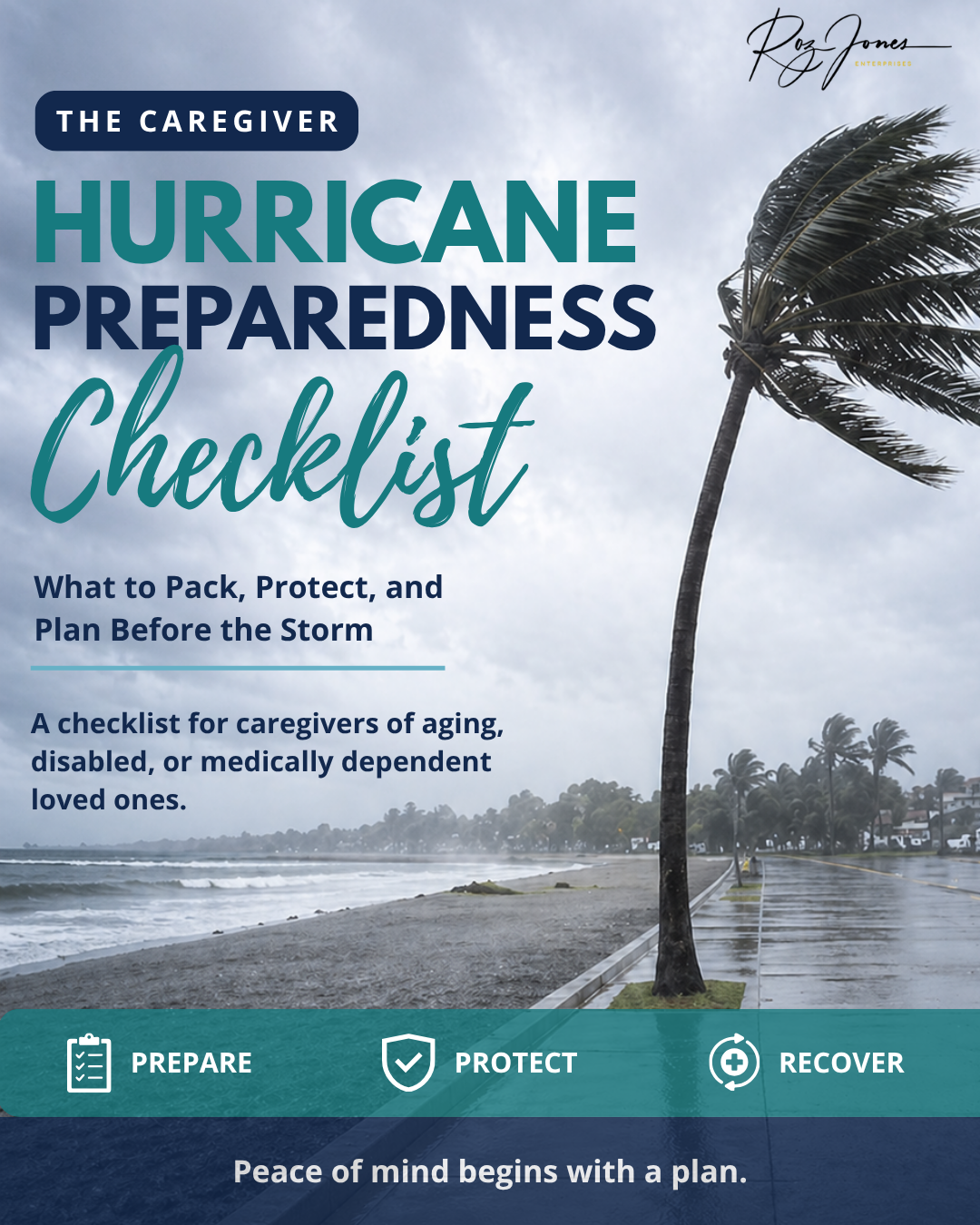
Are you preparing for hurricane season? Purchase the Caregiver Hurricane Preparedness Checklist to organize the information and supplies your family may need before severe weather arrives.
Subscribe to The Caregiver Cafe Weekly Newsletter!

1. YOU ARE NOT ALONE: The problems you face as a caregiver are experienced by other caregivers. Knowing that you’re not alone can be comforting.
2. Tools and Resources: Find caregiver stress management tools and gain perspective from other caregiver’s experiences.
3. LEARN TO: Ask for help, accept help when it is offered, and acknowledge yourself on this caregiving journey. Hear from experts on how to balance caregiving responsibilities by taking care of your needs and involving others to help manage the natural stress and isolation of being a caregiver.

