By Roz Jones
When someone you love receives a breast cancer diagnosis, it is natural to want to say something that makes the situation feel less frightening. You may want to reassure them, encourage them, remind them to stay positive, or immediately start talking about what comes next. Those responses often come from love, but support after a diagnosis is not always about finding the right words. Sometimes it is about recognizing which words your loved one does not need to hear.
In the previous blog, we talked about empathy and communication during the early days following a breast cancer diagnosis. As the conversations continue, caregivers also need to understand that good communication is not about keeping every interaction positive or having an answer for every concern. It is about making enough room for your loved one to tell the truth about what they are feeling without having to protect everyone else from it.
Do Not Rush Them Toward Positivity
Encouragement can be comforting, but there is a difference between encouraging someone and asking them to hide difficult emotions. Your loved one may be frightened, angry, disappointed, overwhelmed, or unsure about what comes next. Telling them to stay positive before they have had room to process those feelings can make them feel as though there is a right and wrong way to respond to their own diagnosis.
You do not have to turn every difficult moment into an inspirational one. Sometimes the most supportive response is acknowledging that what your loved one is facing is hard and allowing them to talk about that reality without immediately trying to change how they feel. Hope and fear can exist at the same time, and your loved one should not have to choose one just to make everyone around them more comfortable.
Listen Without Preparing Your Response
There is a difference between hearing someone and listening to them. When caregivers are frightened, it can be easy to listen while already thinking about the next question, the next solution, or the next reassuring statement. Your loved one may be trying to tell you what they need while you are preparing to tell them what you think they should do.
Give conversations enough room to develop. Let your loved one finish what they are saying before responding, and pay attention to what they are actually asking from you. They may want advice, but they may also simply want someone to listen while they sort through thoughts they have not been able to say out loud. You do not have to solve every concern for the conversation to be valuable.
Ask Before Sharing Their Diagnosis
A cancer diagnosis can quickly become family news, but your loved one should still have a say in who knows and how much information is shared. Caregivers may need support too, and there may be practical reasons certain people need information, but that does not mean every relative, friend, coworker, church member, or social media connection automatically needs access to the details.
Talk with your loved one about what they are comfortable sharing and with whom. Find out whether they want to give updates themselves, want you to communicate on their behalf, or prefer to keep certain information private. Respecting those boundaries is part of protecting their dignity and reminding them that a diagnosis does not remove their right to decide who has access to personal information about their health.
Be Careful With Other People’s Cancer Stories
People often respond to a cancer diagnosis by sharing the story of someone else who had cancer. The intention may be to offer hope, show understanding, or create connection, but those stories are not always helpful. Hearing about someone who had a difficult experience may increase fear, while hearing about someone who recovered easily may leave your loved one wondering why their own experience feels different.
Your loved one does not need their diagnosis compared with someone else’s. Every person brings a different medical history, emotional response, support system, and life experience into the situation. If you want to share someone else’s story, consider whether it is actually helping the person in front of you or simply filling an uncomfortable silence.
Let Your Loved One Decide When to Talk
There may be days when your loved one wants to talk about breast cancer and days when they do not. Respect both. A caregiver can become so focused on making sure everything is okay emotionally that every interaction starts with questions about how the person is feeling, whether they are scared, or what they are thinking about the diagnosis.
Checking in matters, but your loved one may also need conversations that have absolutely nothing to do with cancer. They are still interested in family, work, television, food, music, friendships, hobbies, and everything else that was part of their life before the diagnosis. Giving them space to talk about ordinary things can be just as meaningful as creating space for the difficult conversations.
Do Not Speak for Them When They Can Speak for Themselves
Caregivers naturally become protective, especially when someone they love is dealing with something serious. That protective instinct can sometimes turn into answering questions for your loved one, explaining how they feel before they have a chance to respond, or making decisions because you believe you already know what they want.
Support should not erase your loved one’s voice. Ask whether they want your help before stepping into a conversation on their behalf. Give them room to ask their own questions, express their concerns, and make choices about what they are comfortable discussing. There may be times when they specifically ask you to speak up for them, but advocacy should strengthen their voice rather than replace it.
Understand That Silence Can Be Supportive
Caregivers sometimes feel pressure to keep conversations going because silence feels uncomfortable. You may believe you should always know what to say, especially when your loved one is frightened or emotional. The truth is that some moments do not require a speech.
Sitting beside someone, holding their hand, watching television together, or simply being present can communicate support without requiring either of you to find the perfect words. Silence does not always mean something is wrong. Sometimes it means your loved one knows they do not have to perform, explain, reassure, or make conversation in order for you to remain beside them.
Make Room for Their Version of Strength
Strength does not look the same for everyone. Your loved one may cry often, ask the same questions repeatedly, need time alone, become frustrated, or admit that they are scared. None of those responses mean they are failing to handle the diagnosis well.
Caregivers can unintentionally create pressure when they constantly describe someone as strong, especially if that person begins to believe they are not allowed to have moments when they do not feel strong. Remind your loved one that they do not have to prove anything to you. Strength can include asking for help, expressing fear, setting boundaries, changing their mind, or simply getting through a difficult day.
Communication Should Leave Room for the Person
Breast cancer may become part of your loved one’s life, but it should not become their entire identity. The conversations surrounding the diagnosis should still leave room for who they are, what they value, what they want, and how they choose to move through this experience.
Your job as a caregiver is not to find the perfect response to every emotion or make every difficult conversation easier. Your job is to listen, respect boundaries, protect their voice, and remain present without requiring them to experience breast cancer in a way that makes everyone else more comfortable. Sometimes the most meaningful thing you can say is very simple: I am here, I am listening, and you do not have to pretend with me.
If you have not read the first blog in this series, go back and read Empathy and Communication: Supporting Your Loved One Through Diagnosis for more about listening, validating emotions, and creating a supportive environment after a breast cancer diagnosis.
Tune in to The Caregiver Café Podcast
Getting More Done

Caregiving already comes with more than enough responsibilities, which makes it important to have tools that help you manage what needs to be done without feeling like everything has to live in your head. Tune in to The Caregiver Cafe Podcast: Getting More Done for encouragement and practical guidance around staying productive while managing the responsibilities that come with caregiving.
Give Yourself a Moment of Grace

For more encouragement through the emotional parts of the caregiving journey, Moments of Grace offers reflections for caregivers navigating responsibility, change, difficult days, and the moments of grace that can still be found along the way.
Preparing for hurricane season?
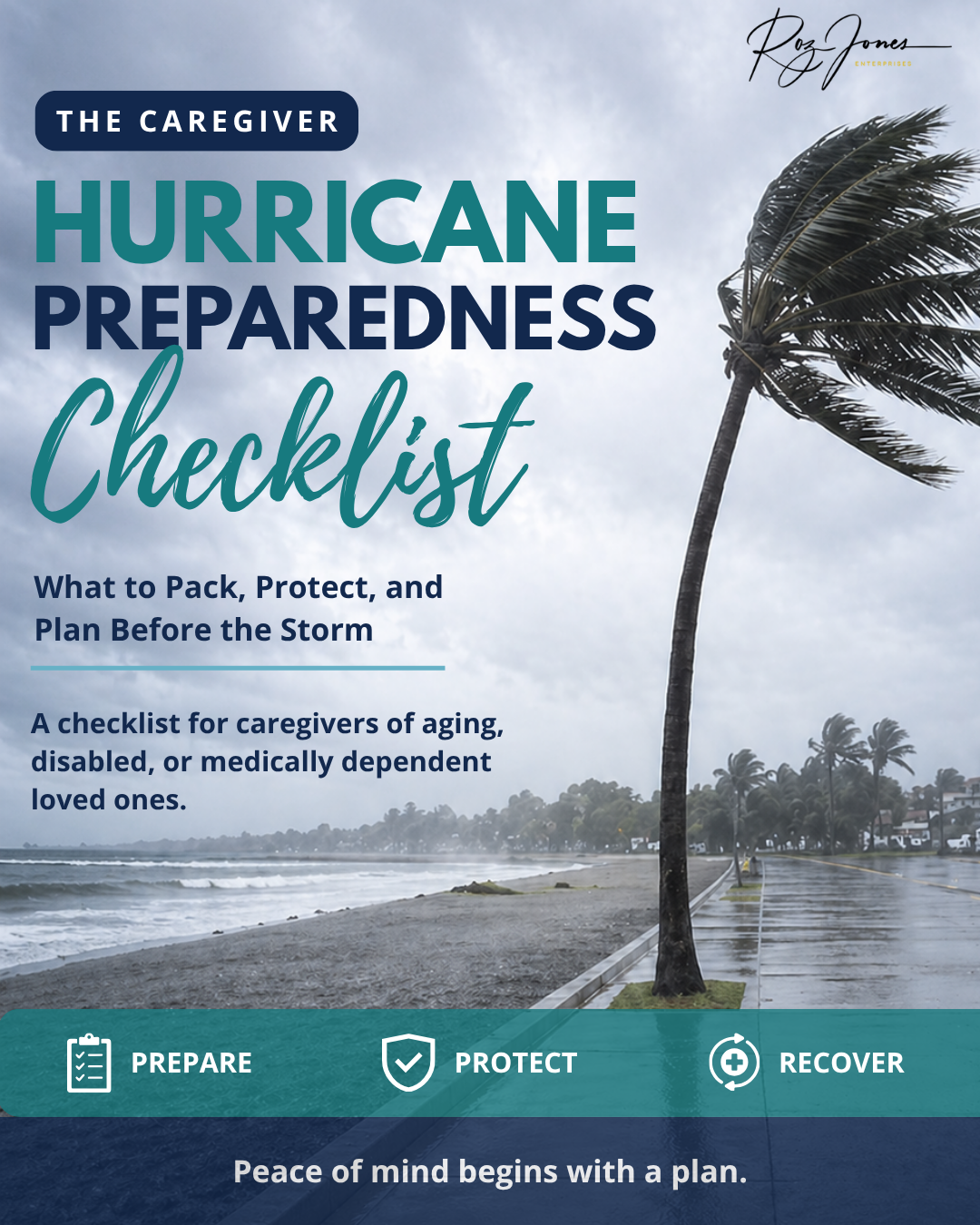
Preventive healthcare is only one part of being prepared as a caregiver. Emergencies can interrupt medications, appointments, transportation, medical equipment, and the routines your aging loved one depends on. The Caregiver Hurricane Preparedness Checklist can help you organize important information, supplies, medications, and caregiving details before severe weather creates another layer of stress.
Subscribe to The Caregiver Cafe Weekly Newsletter!

1. YOU ARE NOT ALONE: The problems you face as a caregiver are experienced by other caregivers. Knowing that you’re not alone can be comforting.
2. Tools and Resources: Find caregiver stress management tools and gain perspective from other caregiver’s experiences.
3. LEARN TO: Ask for help, accept help when it is offered, and acknowledge yourself on this caregiving journey. Hear from experts on how to balance caregiving responsibilities by taking care of your needs and involving others to help manage the natural stress and isolation of being a caregiver.