

By Roz Jones
If you have already read my earlier blog, How to Know When It’s Time to Move Your Parents or Aging Loved Ones, this conversation builds on that one.
In that blog, we talked about some of the signs families often notice when an aging loved one may need more support. But this part of the caregiving journey deserves a deeper conversation, especially now, when more families are trying to balance safety, dignity, finances, independence, and emotional well-being all at once.
Because the truth is, deciding whether an aging loved one should stay at home, move in with family, or transition into a more supportive living environment is rarely a simple choice.
It is not just about whether they can stay where they are.
It is about whether their current environment is still helping them live well.
The Question Is Bigger Than a Move
When families ask, “Is it time?” what they are often really asking is:
- Is home still safe?
- Is my loved one still managing well day to day?
- Are their needs growing beyond what we can reasonably support?
- Are we waiting for a crisis to make a decision we already know is coming?
Those questions matter.
In today’s caregiving landscape, many families are trying to honor an aging loved one’s desire for independence while also recognizing when more help is needed. That tension is real. Most people want to hold on to what feels familiar for as long as possible. Home carries memory, comfort, routine, and identity. So when that setting starts to become harder to manage, the decision is not only practical. It is deeply emotional too.
That is why this conversation cannot only be about moving. It has to be about support.
Notice What Has Changed
One of the clearest ways to tell whether a living situation still fits is to look closely at what has changed over time.
Maybe your aging loved one used to manage meals, medications, bills, and appointments with little difficulty, but now things are slipping. Maybe the refrigerator is empty more often. Maybe the laundry is piling up. Maybe they are forgetting medications, missing doctor visits, or struggling to keep up with personal care. Maybe the house itself feels less safe than it once did.
These are not small details. They are often the everyday signs that someone needs more help than they used to.
And sometimes the change is not dramatic. Sometimes it happens slowly enough that family members adjust to each new concern until one day they realize the situation is no longer sustainable.
Safety Matters, But So Does Quality of Life
Families often focus first on the obvious safety concerns: falls, wandering, forgetting the stove, difficulty getting in and out of the shower, trouble with stairs, or confusion around medications.
Those concerns matter. A lot.
But safety is only part of the picture.
Quality of life matters too.
If your aging loved one is spending most of their time alone, losing connection to the things they enjoy, withdrawing from others, or showing signs of loneliness, depression, or emotional distress, that matters just as much. A person can be technically “at home” and still not be truly supported there.
Sometimes the issue is not that they need a facility right away. Sometimes the issue is that they need more structure, more companionship, more oversight, or more daily assistance than they currently have.
That is why families should not only ask, “Are they okay enough to stay?”
They should also ask, “Are they truly being supported in a way that helps them live with dignity?”
Health Needs Can Shift the Whole Picture
As health needs become more complex, home can start to require more than occasional help.
Chronic illness, memory changes, repeat hospital visits, recovery after injury, mobility issues, or increasing difficulty with personal care can all shift what is realistic. What worked six months ago may not work now. What felt manageable last year may no longer be enough.
And this is often where families start to feel stretched thin.
You may be helping with transportation, handling appointments, checking medications, stepping in during emergencies, managing paperwork, and trying to keep your own life together too. At some point, love alone is not enough to carry the weight of increasing care needs without more support in place.
That does not mean anyone has failed. It means the situation has changed.
Caregiver Burnout Is a Sign Too
If you are constantly worried, losing sleep, overwhelmed, resentful, emotionally drained, or struggling to keep up with the demands of caregiving, that is not something to brush aside. Caregiver burnout is not a minor issue. It affects your health, your decision-making, your relationships, and your ability to keep showing up well.
Sometimes families wait until the aging loved one is clearly in crisis before they consider a change. But sometimes the warning sign is that the caregiver is already at a breaking point.
That matters too.
Needing more support does not mean you are abandoning your loved one. It may mean you are finally being honest about what this level of care requires.
A Move Is Not the Only Option
More support does not always mean an immediate move into a care facility.
Sometimes the next right step is bringing in home care. Sometimes it is making safety modifications in the home. Sometimes it is increasing family support, arranging adult day programs, hiring help with meals or housekeeping, or having more structured oversight around medications and appointments.
And sometimes, yes, it does mean that home is no longer the best setting.
The goal is not to rush past options. The goal is to be honest about what is and is not working.
A move should not be treated as the first solution to every challenge, but it also should not be avoided simply because it is painful to talk about. When families avoid the conversation completely, they often end up making major decisions in the middle of fear, guilt, or emergency. That is much harder on everyone.
Include Your Aging Loved One
If your loved one is able to participate in the conversation, include them.
Ask what feels hard. Ask what they are worried about. Ask what matters most to them. Ask what kind of support they would be open to receiving. Listen to what they value, even if the family ultimately has to make difficult adjustments.
Too often, conversations about care become conversations around the aging loved one instead of with them.
Dignity matters here.
Support should not feel like punishment.
Change should not erase someone’s voice.
And even when the answers are hard, respect should remain at the center.
Do Not Wait for the Worst-Case Scenario
If you are already noticing repeated safety issues, growing confusion, deeper isolation, physical decline, or unsustainable caregiving demands, take that seriously.
Do not wait for the fall.
Do not wait for the hospitalization.
Do not wait for total exhaustion.
Do not wait until everyone is operating from panic.
The earlier you begin the conversation, the more options you usually have.
Sometimes the best next step is not making a move immediately. Sometimes it is having the conversation now so the decision, if it comes, is made with clarity instead of crisis.
The goal is not simply to decide whether your aging loved one should move.
The real goal is to make sure they are living in an environment that supports their health, safety, emotional well-being, and dignity, while also being honest about what the family can realistically sustain.
That is a much fuller question. And it is often the right one. If this is a conversation your family is beginning to face, I also encourage you to go back and read my earlier blog, How to Know When It’s Time to Move Your Parents or Aging Loved Ones, where I first shared some of the signs that may point to the need for change. This blog is meant to build on that foundation and help you think more deeply about what support truly looks like in this season.
Schedule a Family Care Planning Session

And if you are feeling overwhelmed trying to figure out next steps, you do not have to sort through it alone. When you can’t do it all, give Roz a call. Book a Family Care Planning Session with Roz Jones to talk through your loved one’s needs, your family’s concerns, and the support options that make the most sense for your situation.
Purchase the Caregiving & Advance Health Directives Checklist!
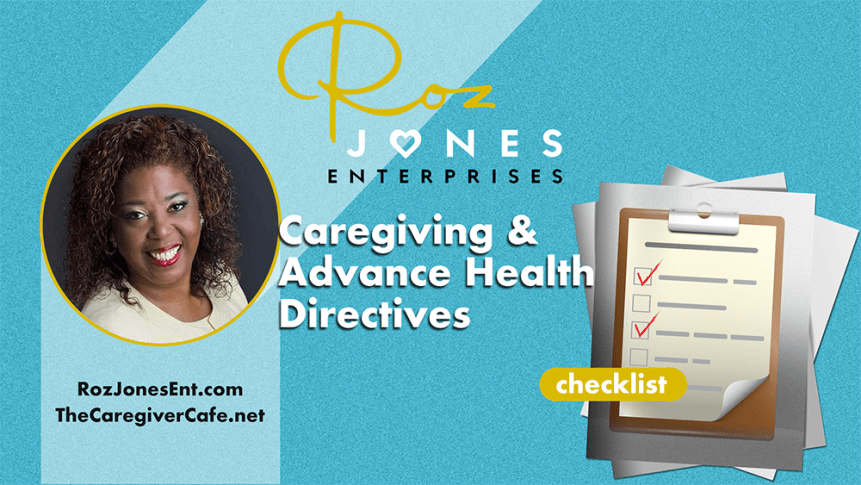
Help your aging loved one prepare important conversations and decisions before a crisis forces them. Sometimes having the right tools in front of you can make these conversations feel a little more manageable.
Subscribe to The Caregiver Cafe Weekly Newsletter!

1. YOU ARE NOT ALONE: The problems you face as a caregiver are experienced by other caregivers. Knowing that you’re not alone can be comforting.
2. Tools and Resources: Find caregiver stress management tools and gain perspective from other caregiver’s experiences.
3. LEARN TO: Ask for help, accept help when it is offered, and acknowledge yourself on this caregiving journey. Hear from experts on how to balance caregiving responsibilities by taking care of your needs and involving others to help manage the natural stress and isolation of being a caregiver.
 The Caregiver Cafe