
By Roz Jones
Once a support network has been established, the next step is making sure the home is ready.
The people providing care need a safe, organized environment where they can support an aging loved one without searching for supplies, correcting preventable hazards, or trying to understand how the household normally operates.
For an aging adult, the home is more than a place to live. It is where familiar routines, personal belongings, favorite foods, medications, medical equipment, and sources of comfort are located.
When the primary caregiver leaves for vacation, maintaining that familiar environment can help reduce stress and confusion. Preparing the home in advance also makes it easier for family members, friends, or professional caregivers to provide consistent care.
Complete a Home Safety Check
Begin by walking through the home and looking for anything that may create a safety concern.
Pay close attention to the areas your loved one uses most often, including the bedroom, bathroom, kitchen, living room, hallways, and entrances.
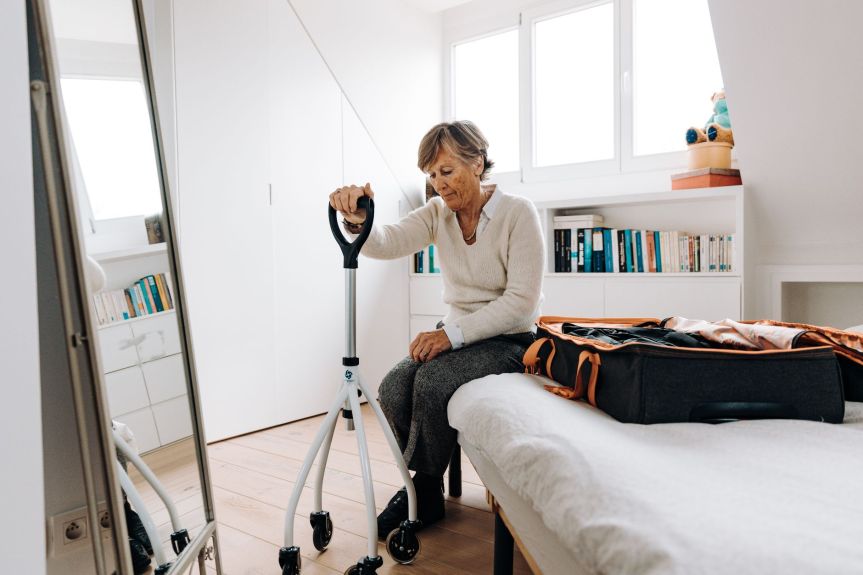
Remove clutter from floors and walkways. Secure loose rugs, move electrical cords out of walking paths, and make sure furniture does not block access for walkers, canes, or wheelchairs.
Check that handrails are secure and that frequently used chairs are stable. Avoid chairs that are too low or difficult to stand up from.
Look at the home from your loved one’s point of view. Items that seem harmless to others may become serious obstacles for someone with limited mobility, poor balance, low vision, or memory loss.
A safer home reduces the risk of falls and gives everyone involved in the care plan greater peace of mind.
Improve Lighting Throughout the Home
Poor lighting can increase the risk of falls, especially during the evening and overnight hours.
Replace burned-out bulbs and make sure hallways, stairways, bedrooms, bathrooms, and entrances are well lit.
Add night-lights in areas your loved one may use after dark. The path from the bedroom to the bathroom should be clear and easy to see.
Place lamps where they can be reached without walking across a dark room.
If your loved one has low vision, avoid creating sudden changes between very bright and very dark areas. Consistent lighting can make it easier to recognize steps, furniture, and changes in the flooring.
Outdoor lighting should also be checked, particularly near porches, steps, ramps, sidewalks, and driveways.
Prepare the Bathroom for Safe Use
The bathroom is one of the most important areas to review before leaving for vacation.
Wet surfaces, limited space, and the need to sit, stand, or transfer can increase the risk of injury.
Confirm that grab bars are secure and placed where they are most useful. Check that shower chairs, raised toilet seats, handheld showerheads, and other safety equipment are stable and in good condition.
Remove loose bathmats that may slide or bunch underfoot. Use nonslip surfaces where needed.
Keep towels, soap, toilet paper, incontinence supplies, and personal care products within easy reach.
The person providing care should also understand how much help your loved one needs in the bathroom. Some aging adults may only need someone nearby. Others may require direct assistance with bathing, dressing, toileting, or transfers.
Personal care instructions should protect both safety and dignity.
Organize Medications in One Location
Medication instructions may be included in the care plan, but the home should also be arranged so medications are easy to locate and manage.
Refill prescriptions before leaving and make sure there is enough medication for the entire vacation, along with additional doses in case the return trip is delayed.
Keep medications in their original labeled containers whenever possible.
Store them in one designated area unless refrigeration or safety requirements make that impossible.
If a pill organizer is used, confirm that it has been filled correctly. Label it clearly and leave written instructions nearby.
The medication list should include the name of each medication, dosage, schedule, prescribing provider, pharmacy information, and known allergies.
Remove expired medications and separate anything that should not be used.
Simple organization can reduce the risk of missed doses, duplicate doses, and confusion.
Stock Meals That Fit the Care Plan
Food should be planned according to the aging loved one’s preferences, health needs, and ability to eat safely.
Stock familiar foods that are easy to prepare.
If your loved one has dietary restrictions, make sure everyone providing care understands them. This may include low-sodium diets, diabetic meal plans, texture modifications, food allergies, or fluid restrictions.
Prepare and label meals in advance when possible. Include reheating instructions and dates.
Place commonly used foods and beverages where they can be reached safely. Avoid storing heavy items on high shelves or in areas that require bending.
Make sure the refrigerator and pantry contain enough food for the full time the caregiver will be away.
Meal planning should also account for snacks, water, nutritional drinks, and any foods needed when medications must be taken with a meal.
A stocked kitchen allows the support team to focus on care instead of making last-minute trips to the grocery store.
Keep Essential Supplies Easy to Find
Caregivers should not have to search through closets, cabinets, and storage areas to find necessary supplies.
Place frequently used items together and label them when needed.
This may include:
- Incontinence products
- Gloves
- Wipes
- Wound care supplies
- Blood pressure equipment
- Blood sugar testing supplies
- Hearing aid batteries
- Mobility equipment
- Personal care items
- Disposable bed pads
- Cleaning supplies
- Medical equipment chargers
Check expiration dates and make sure enough supplies are available for the entire vacation.
If certain products must be used in a specific way, leave clear instructions.
A simple supply station can make daily care more efficient and help prevent interruptions.
Check Medical Equipment
Any medical equipment used in the home should be checked before the caregiver leaves.
Confirm that equipment is clean, working properly, and fully charged.
Inspect walkers, wheelchairs, canes, hospital beds, lifts, oxygen equipment, blood pressure monitors, glucose meters, and other devices.
Make sure replacement batteries, charging cords, and backup supplies are available.
Place written instructions near equipment that may be unfamiliar to the person providing care.
Include the contact information for the equipment company or service provider in case something stops working.
If your loved one depends on equipment that requires electricity, prepare for a possible power outage. Identify which devices have battery backup and how long that backup will last.
Maintain Familiar Routines
Aging loved ones often feel more secure when their routines remain consistent.
Write down the usual schedule for waking, meals, medication, bathing, rest, television programs, activities, and bedtime.
Include the details that may not seem important but help the day go more smoothly.
Your loved one may prefer coffee in a certain cup.
They may listen to the same radio station in the morning.
They may become anxious if dinner is served too late.
They may sleep better with a hallway light on.
These familiar routines can provide comfort while the primary caregiver is away.
This is especially important for someone living with dementia or memory loss. Changes in routine may increase confusion, agitation, or anxiety.
Maintaining familiar patterns can help the loved one feel safer in their own home.
Prepare for Weather and Power Outages
The home should be ready for severe weather and unexpected power loss.
Check flashlights and replace old batteries. Charge phones, medical equipment, and portable power banks.
Keep bottled water, nonperishable food, and emergency supplies in an accessible location.
Make sure smoke detectors and carbon monoxide detectors are working.
If medications require refrigeration, prepare a backup plan for keeping them at the correct temperature.
If your loved one relies on oxygen, a lift, an adjustable bed, or other electric equipment, contact the provider to learn what should happen during an outage.
Post emergency numbers where they can be easily found.
Preparation is especially important during hurricane season, winter storms, extreme heat, and other periods when power outages or road closures may occur.
Secure Important Documents and Information
The support team should have access to the information needed for care, but private documents should remain protected.
Place medical information, insurance cards, medication lists, emergency contacts, and healthcare provider information in a designated folder.
Keep this folder in a location known to the primary contact.
Financial records, legal documents, checkbooks, passwords, and unrelated personal information should be secured.
Only provide access to what is necessary for the care arrangement.
If the person providing care may need to purchase groceries, prescriptions, or supplies, decide in advance how those expenses will be handled.
Clear arrangements reduce confusion and protect the aging loved one’s privacy.
Review Home Access and Security
Everyone involved in the care plan should know how to enter and secure the home.
Provide keys, access codes, alarm instructions, or building information before the vacation begins.
Test each key and code to make sure it works.
Identify who is authorized to enter the home and which doors should remain locked.
If cameras, doorbells, or alarm systems are used, explain how they operate and how privacy will be protected.
Emergency responders should also be able to access the home if necessary.
If your loved one uses a medical alert system, test it before leaving and make sure the support team understands how it works.
Create a Comfortable Recovery Space
Your loved one may need a comfortable area for rest during the day.
Arrange a chair, recliner, or bed in a space where necessary items can be reached safely.
Place water, tissues, a telephone, remote controls, reading materials, and other familiar items nearby.
Make sure the area is not too hot or too cold.
If your loved one spends long periods seated or in bed, review repositioning needs and skin care instructions with the person providing care.
Comfort is not separate from safety. A loved one who is uncomfortable may try to stand, reach, or move without assistance.
Preparing a suitable resting space can reduce unnecessary risk.
Complete a Final Walk-Through
Before leaving, complete one final walk-through of the home.
Check that medications are organized, food is stocked, equipment is working, supplies are available, and emergency information is visible.
Confirm that walkways are clear and the home is at a comfortable temperature.
Review any appliances that should not be used without assistance.
Take out the trash, complete necessary laundry, and remove spoiled food from the refrigerator.
Make sure the support team knows where everything is located.
The final walk-through should focus on anything that could interrupt care, create confusion, or place your loved one at risk.
Home Preparation Supports Everyone
Preparing the home is not only about preventing emergencies.
It helps preserve the aging loved one’s routine, comfort, independence, and dignity.
It also gives the people providing care the tools and information they need to do their jobs well.
When the home is safe, organized, and fully stocked, fewer decisions have to be made during the caregiver’s absence.
The primary caregiver can leave knowing that important details have been addressed.
The aging loved one can remain in a familiar environment.
The support team can provide care with greater confidence.
Preparation cannot prevent every unexpected situation, but it can reduce avoidable stress and create a stronger foundation for care.
Read the previous blog to learn how to identify the right level of support, choose dependable caregivers, assign responsibilities, create a communication schedule, and develop back care arrangements before leaving your aging loved one at home.
Prepare for Your Next Trip

Before traveling with an aging loved one, download the free Vacationing with an Aging Loved One Checklist.
This checklist will help you organize important information, supplies, medications, documents, accommodations, and care needs before leaving home.
Tune in to The Caregiver Café Podcast
Assisted Living: What Caregivers Need to Know

In this episode of The Caregiver Café with Roz Jones, Roz is talking about what caregivers need to know when it may be time to look for an assisted living facility.
There may come a point in the caregiving journey when your loved one’s care needs become more than one person can safely manage at home. Maybe their condition has changed. Maybe they need help standing, bathing, eating, taking medication, or getting to the bathroom. Maybe it now takes two people to safely transfer them from the bed or chair. When that happens, it may be time to start asking questions and exploring the next level of care.
Roz walks listeners through some of the important questions to ask when touring an assisted living facility, including staff ratios, staff turnover, training, medical support, room options, emergency response systems, accessibility, activities, meals, shared spaces, and whether residents can bring personal furniture or pets.
This episode is a practical reminder that choosing a facility is not only about the building. It is about safety, staffing, comfort, dignity, and making sure your loved one receives the care they need.
Before you take a tour, pour yourself something warm, get your questions ready, and let Roz help you know what to look for, what to ask, and what to pay attention to.
Give Yourself a Moment of Grace

If you need encouragement for the emotional side of caregiving, purchase Roz Jones’ book, Moments of Grace. This book offers support, reflection, and reminders of grace for the caregiver who is carrying a lot.
This journal was created to help caregivers pause, breathe, reflect, and find strength in the middle of the caregiving journey.
Purchase Moments of Grace today and give yourself permission to breathe in the middle of the caregiving journey.
Don’t Wait Until the Storm is Coming
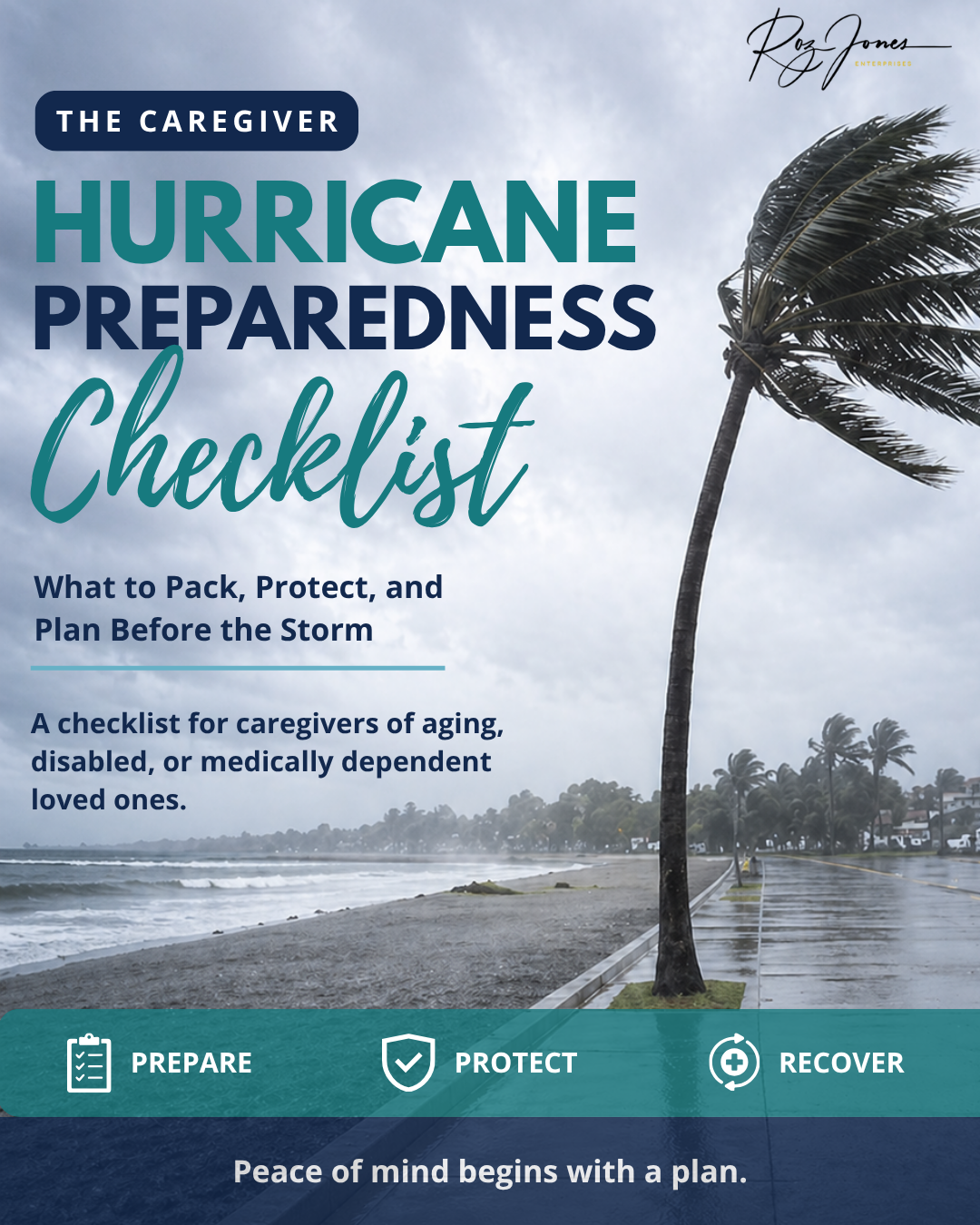
Severe weather can create additional risks for aging loved ones and family caregivers.
The Caregiver Hurricane Preparedness Checklist will help you organize emergency contacts, medications, medical information, evacuation needs, important documents and essential supplies before a storm arrives.
Need Help Sorting Through the Care Plan?

If your family needs help thinking through care decisions, caregiving responsibilities, or next steps, book a session with Roz Jones. You do not have to navigate this season alone.
Together, we can talk through what is working, what is becoming too heavy, and what boundaries need to be strengthened so you can continue to care without losing yourself in the process.
Subscribe to The Caregiver Cafe Weekly Newsletter!

1. YOU ARE NOT ALONE: The problems you face as a caregiver are experienced by other caregivers. Knowing that you’re not alone can be comforting.
2. Tools and Resources: Find caregiver stress management tools and gain perspective from other caregiver’s experiences.
3. LEARN TO: Ask for help, accept help when it is offered, and acknowledge yourself on this caregiving journey. Hear from experts on how to balance caregiving responsibilities by taking care of your needs and involving others to help manage the natural stress and isolation of being a caregiver.

