
Staying Connected While Away: Maintaining Continuity of Care During Your Vacation

By Roz Jones

Creating a detailed care plan is one of the most important steps a caregiver can take before leaving an aging loved one in someone else’s care. The plan provides guidance on medications, daily routines, dietary needs, medical conditions, emergency contacts, and other responsibilities that must continue during the caregiver’s absence.

Once the vacation begins, however, the care plan must be supported by clear and consistent communication.

Communication allows the caregiver, family members, professional caregivers, and healthcare providers to remain informed about changes in the aging loved one’s health, behavior, routine, and overall well-being. It also helps prevent small concerns from becoming larger problems.

The purpose is not for the primary caregiver to continue managing every detail from a distance. The goal is to establish a dependable system that allows important information to be shared, questions to be answered, and concerns to be addressed promptly.

Establish a Communication Schedule Before Leaving

Caregivers should decide how communication will be handled before the vacation begins.

Without a clear plan, updates may come from several different people at different times. One family member may send a text, another may call, and a professional caregiver may leave a separate message. This can make it difficult to determine what happened, when it occurred, and whether the information has already been addressed.

Designating one person as the primary contact can help organize communication.

The primary contact may be a family member, trusted friend, professional caregiver, or care coordinator who understands the full care plan. This individual can collect information from everyone involved and provide the caregiver with a complete update.

The frequency of those updates should be based on the aging loved one’s condition and level of care.

A loved one who remains mostly independent may only require one update each day. Someone with complex medical needs, memory loss, mobility limitations, or significant personal care needs may require more frequent communication.

The schedule may include a morning and evening update, one daily phone call, or immediate contact only when an important change occurs.

Establishing the schedule in advance helps the caregiver remain informed without spending the entire vacation waiting for phone calls or checking messages.

Determine What Information Should Be Shared

Routine updates should focus on the areas that reflect the loved one’s health, safety, and ability to complete daily activities.

Useful information may include whether medications were taken, meals were eaten, fluids were offered, appointments were completed, and the loved one rested comfortably.

The care team should also report changes in mobility, pain, behavior, sleep, appetite, bathroom habits, confusion, or alertness.

General statements such as “everything is fine” may sound reassuring, but they do not provide enough information to identify a developing concern.

A more useful update may explain that the loved one took all scheduled medications, ate breakfast and lunch, drank less water than usual, rested for most of the afternoon, and appeared more tired during the evening.

Specific information allows the caregiver and support team to recognize patterns.

A single skipped meal may not be unusual. Several missed meals, reduced fluid intake, and increased fatigue may indicate a larger concern that needs attention.

Separate Routine Changes From Urgent Concerns

The support team should understand which matters can be discussed during the scheduled update and which situations require immediate action.

Minor adjustments to the routine may not require the caregiver’s involvement. The loved one may choose a different meal, go to bed earlier, cancel an activity, or spend more time resting.

These changes can often be managed by the person providing care.

Medical emergencies and significant changes should be handled differently.

Immediate attention may be necessary when an aging loved one experiences chest pain, difficulty breathing, sudden weakness, slurred speech, loss of consciousness, severe confusion, a serious fall, or another sudden change in health.

The care team should also know what to do if a critical medication is missed, medical equipment stops working, the loved one refuses food or fluids for an extended period, or the scheduled caregiver fails to arrive.

Emergency services and healthcare providers should be contacted first when immediate medical care is needed. The primary caregiver should then be notified as soon as possible.

A caregiver should never have to make an emergency decision from a distance before the person at home takes action to protect the loved one.

Keep a Daily Care Record

A written care record can improve communication when several people are sharing responsibilities.

The record may be kept in a notebook, on a printed form, in a secure shared document, or through a caregiving application.

Each person providing care should document important information before ending their shift or leaving the home.

The record may include medication times, meals, fluid intake, blood pressure or blood sugar readings, pain levels, sleep patterns, mood, bathroom activity, appointments, and changes in mobility or behavior.

Documenting care prevents information from being lost between one caregiver and the next.

For example, the person arriving in the evening should know whether the loved one ate lunch, took afternoon medication, experienced dizziness, or reported pain earlier in the day.

A care record is also helpful when speaking with healthcare professionals. Accurate notes can provide a clearer picture of when a change began and how it progressed.

Maintain Contact With the Aging Loved One

Communication with the care team should not completely replace direct contact with the aging loved one.

A scheduled phone call or video call may provide comfort, reassurance, and connection while the caregiver is away.

The frequency and length of these calls should be based on the loved one’s needs.

Some aging adults may look forward to a daily conversation. Others may become anxious, confused, or upset after speaking with the caregiver.

A loved one living with dementia may repeatedly ask when the caregiver is returning or may not understand why the caregiver is away.

In these situations, shorter calls may be more appropriate. The person providing care should observe how the loved one responds before, during, and after the conversation.

Contact should support the loved one’s emotional well-being rather than interfere with the routine or increase distress.

Prepare for Emotional and Behavioral Changes

The absence of a primary caregiver can affect an aging loved one emotionally.

Even when the care plan remains consistent, the loved one may feel lonely, worried, frustrated, or uncertain about the change.

These emotions may appear through withdrawal, irritability, changes in sleep, reduced appetite, repeated questions, or resistance to care.

The support team should know which routines and activities provide comfort.

Familiar music, favorite television programs, photographs, preferred meals, quiet activities, and regular mealtimes may help maintain a sense of stability.

Reducing unnecessary changes in the home can also be helpful.

Whenever possible, caregivers should follow the same schedule, use familiar household items, and avoid introducing too many new people at once.

Behavioral changes should be monitored carefully.

Sudden confusion, agitation, or withdrawal should not automatically be attributed to the caregiver’s absence. Pain, dehydration, infection, medication issues, and other medical conditions can also cause changes in behavior.

When a change is significant or continues to worsen, the healthcare provider should be contacted.

Protect Privacy When Sharing Information

The aging loved one’s medical and personal information should remain protected during the caregiver’s absence.

Updates should only be shared with the people directly involved in the care plan.

Large family group messages may not be the appropriate place to discuss medications, medical conditions, bathroom habits, behavioral changes, or other private concerns.

The support team should also avoid posting photographs or personal updates on social media without permission.

Needing assistance does not remove an aging adult’s right to privacy.

Caregivers should use secure communication methods whenever possible and limit the information shared to what is necessary for care.

Avoid Managing the Entire Routine From a Distance

Some caregivers create a complete support plan but continue directing every decision after leaving.

They may call several times a day, monitor every meal, question small changes, and attempt to solve routine issues from their vacation destination.

This prevents the support team from carrying out the responsibilities they agreed to manage. It also prevents the caregiver from receiving the rest that the vacation was intended to provide.

The care plan should give trusted people enough information to make ordinary decisions.

The caregiver should remain available for significant concerns, changes in health, and situations that fall outside the written instructions.

Not every schedule adjustment requires approval.

Continuity of care does not mean every day must happen exactly as it would if the primary caregiver were home. It means the aging loved one continues receiving safe, respectful, and appropriate care.

Prepare for Communication Problems

Caregivers should also plan for periods when they may be unavailable.

Cell phone service may be limited.

The caregiver may be traveling by airplane, attending an activity, sleeping in another time zone, or unable to answer immediately.

The care team should have more than one contact option.

This may include a secondary family contact, email address, lodging information, travel itinerary, healthcare provider numbers, insurance information, and emergency contacts.

The support team should understand who to contact first and what steps should be taken if the primary caregiver cannot be reached.

Emergency care should never depend on one person answering one phone call.

Review the Care Experience After Returning Home

When the caregiver returns, the communication process should be reviewed along with the care plan.

Care notes, medication records, appointments, and health changes should be discussed.

The caregiver should ask the support team what worked well and what created difficulty.

The aging loved one should also be included in the conversation whenever possible.

They may have concerns about the schedule, food, personal care, visitors, or communication that should be considered before the next vacation.

The review may reveal that certain forms of support should continue.

A family member may be willing to provide regular check-ins. A professional caregiver may become part of an ongoing respite plan. A written care log may continue to be useful for appointments and medication management.

The information gathered during the vacation can strengthen the overall caregiving plan.

Communication Supports Continuity of Care

A detailed care plan provides the instructions needed to support an aging loved one.

Communication helps families determine whether those instructions are working.

When updates are organized, concerns are documented, and emergency procedures are clear, everyone involved can respond more effectively.

The aging loved one receives consistent care.

The support team understands what information should be shared.

The primary caregiver remains informed without continuing to manage every responsibility from a distance.

Effective communication does not require constant calls and messages.

It requires accurate information, clear expectations, and the right people knowing what to do when something changes.

Read the previous blog to learn how to document an aging loved one’s medical needs, medications, daily routines, emergency procedures, healthcare contacts, and other information needed before leaving someone else responsible for care.

Prepare for Your Next Trip

Before traveling with an aging loved one, download the free Vacationing with an Aging Loved One Checklist.

This checklist will help you organize important information, supplies, medications, documents, accommodations, and care needs before leaving home.

Tune in to The Caregiver Café Podcast

Assisted Living: What Caregivers Need to Know

In this episode of The Caregiver Café with Roz Jones, Roz is talking about what caregivers need to know when it may be time to look for an assisted living facility.

There may come a point in the caregiving journey when your loved one’s care needs become more than one person can safely manage at home. Maybe their condition has changed. Maybe they need help standing, bathing, eating, taking medication, or getting to the bathroom. Maybe it now takes two people to safely transfer them from the bed or chair. When that happens, it may be time to start asking questions and exploring the next level of care.

Roz walks listeners through some of the important questions to ask when touring an assisted living facility, including staff ratios, staff turnover, training, medical support, room options, emergency response systems, accessibility, activities, meals, shared spaces, and whether residents can bring personal furniture or pets.

This episode is a practical reminder that choosing a facility is not only about the building. It is about safety, staffing, comfort, dignity, and making sure your loved one receives the care they need.

Before you take a tour, pour yourself something warm, get your questions ready, and let Roz help you know what to look for, what to ask, and what to pay attention to.

Give Yourself a Moment of Grace

If you need encouragement for the emotional side of caregiving, purchase Roz Jones’ book, Moments of Grace. This book offers support, reflection, and reminders of grace for the caregiver who is carrying a lot.

This journal was created to help caregivers pause, breathe, reflect, and find strength in the middle of the caregiving journey.

Purchase Moments of Grace today and give yourself permission to breathe in the middle of the caregiving journey.

Don’t Wait Until the Storm is Coming
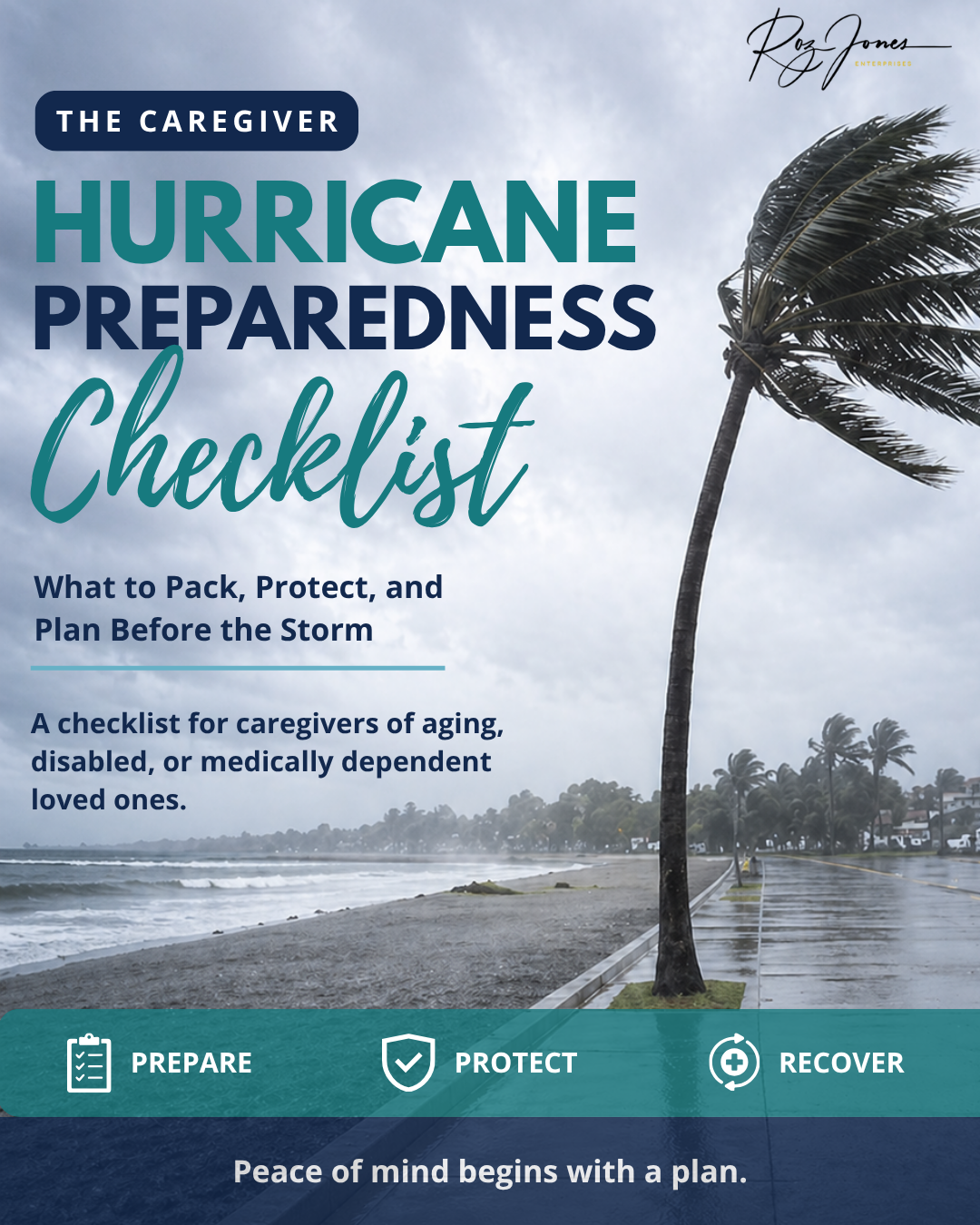
The Caregiver Hurricane Preparedness Checklist.

Severe weather can create additional risks for aging loved ones and family caregivers.

The Caregiver Hurricane Preparedness Checklist will help you organize emergency contacts, medications, medical information, evacuation needs, important documents and essential supplies before a storm arrives.

Need Help Sorting Through the Care Plan?

Roz Jones is a dedicated caretaker turned CEO with over a decade of experience in helping families care for and make decisions for loved ones and their legacies.Roz is a compassionate, innovative healthcare industry leader.

If your family needs help thinking through care decisions, caregiving responsibilities, or next steps, book a session with Roz Jones. You do not have to navigate this season alone.

Together, we can talk through what is working, what is becoming too heavy, and what boundaries need to be strengthened so you can continue to care without losing yourself in the process.

Subscribe to The Caregiver Cafe Weekly Newsletter!

Caregiving can be a roller coaster of ups and downs. The information that you will receive from The Caregiver Cafe Weekly Specials Newsletter will support you as a caregiver. Remember…

1. YOU ARE NOT ALONE: The problems you face as a caregiver are experienced by other caregivers. Knowing that you’re not alone can be comforting. 

2. Tools and Resources:  Find caregiver stress management tools and gain perspective from other caregiver’s experiences.

3. LEARN TO: Ask for help, accept help when it is offered, and acknowledge yourself on this caregiving journey. Hear from experts on how to balance caregiving responsibilities by taking care of your needs and involving others to help manage the natural stress and isolation of being a caregiver. 
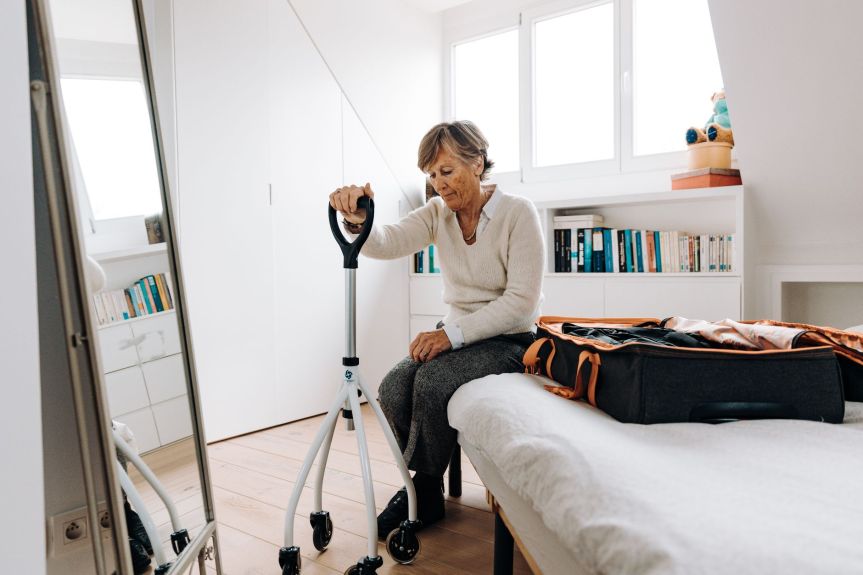
Preparing the Home Before Leaving an Aging Loved One in Someone Else’s Care

By Roz Jones

Once a support network has been established, the next step is making sure the home is ready.

The people providing care need a safe, organized environment where they can support an aging loved one without searching for supplies, correcting preventable hazards, or trying to understand how the household normally operates.

For an aging adult, the home is more than a place to live. It is where familiar routines, personal belongings, favorite foods, medications, medical equipment, and sources of comfort are located.

When the primary caregiver leaves for vacation, maintaining that familiar environment can help reduce stress and confusion. Preparing the home in advance also makes it easier for family members, friends, or professional caregivers to provide consistent care.

Complete a Home Safety Check

Begin by walking through the home and looking for anything that may create a safety concern.

Pay close attention to the areas your loved one uses most often, including the bedroom, bathroom, kitchen, living room, hallways, and entrances.

Remove clutter from floors and walkways. Secure loose rugs, move electrical cords out of walking paths, and make sure furniture does not block access for walkers, canes, or wheelchairs.

Check that handrails are secure and that frequently used chairs are stable. Avoid chairs that are too low or difficult to stand up from.

Look at the home from your loved one’s point of view. Items that seem harmless to others may become serious obstacles for someone with limited mobility, poor balance, low vision, or memory loss.

A safer home reduces the risk of falls and gives everyone involved in the care plan greater peace of mind.

Improve Lighting Throughout the Home

Poor lighting can increase the risk of falls, especially during the evening and overnight hours.

Replace burned-out bulbs and make sure hallways, stairways, bedrooms, bathrooms, and entrances are well lit.

Add night-lights in areas your loved one may use after dark. The path from the bedroom to the bathroom should be clear and easy to see.

Place lamps where they can be reached without walking across a dark room.

If your loved one has low vision, avoid creating sudden changes between very bright and very dark areas. Consistent lighting can make it easier to recognize steps, furniture, and changes in the flooring.

Outdoor lighting should also be checked, particularly near porches, steps, ramps, sidewalks, and driveways.

Prepare the Bathroom for Safe Use

The bathroom is one of the most important areas to review before leaving for vacation.

Wet surfaces, limited space, and the need to sit, stand, or transfer can increase the risk of injury.

Confirm that grab bars are secure and placed where they are most useful. Check that shower chairs, raised toilet seats, handheld showerheads, and other safety equipment are stable and in good condition.

Remove loose bathmats that may slide or bunch underfoot. Use nonslip surfaces where needed.

Keep towels, soap, toilet paper, incontinence supplies, and personal care products within easy reach.

The person providing care should also understand how much help your loved one needs in the bathroom. Some aging adults may only need someone nearby. Others may require direct assistance with bathing, dressing, toileting, or transfers.

Personal care instructions should protect both safety and dignity.

Organize Medications in One Location

Medication instructions may be included in the care plan, but the home should also be arranged so medications are easy to locate and manage.

Refill prescriptions before leaving and make sure there is enough medication for the entire vacation, along with additional doses in case the return trip is delayed.

Keep medications in their original labeled containers whenever possible.

Store them in one designated area unless refrigeration or safety requirements make that impossible.

If a pill organizer is used, confirm that it has been filled correctly. Label it clearly and leave written instructions nearby.

The medication list should include the name of each medication, dosage, schedule, prescribing provider, pharmacy information, and known allergies.

Remove expired medications and separate anything that should not be used.

Simple organization can reduce the risk of missed doses, duplicate doses, and confusion.

Stock Meals That Fit the Care Plan

Food should be planned according to the aging loved one’s preferences, health needs, and ability to eat safely.

Stock familiar foods that are easy to prepare.

If your loved one has dietary restrictions, make sure everyone providing care understands them. This may include low-sodium diets, diabetic meal plans, texture modifications, food allergies, or fluid restrictions.

Prepare and label meals in advance when possible. Include reheating instructions and dates.

Place commonly used foods and beverages where they can be reached safely. Avoid storing heavy items on high shelves or in areas that require bending.

Make sure the refrigerator and pantry contain enough food for the full time the caregiver will be away.

Meal planning should also account for snacks, water, nutritional drinks, and any foods needed when medications must be taken with a meal.

A stocked kitchen allows the support team to focus on care instead of making last-minute trips to the grocery store.

Keep Essential Supplies Easy to Find

Caregivers should not have to search through closets, cabinets, and storage areas to find necessary supplies.

Place frequently used items together and label them when needed.

This may include:

  • Incontinence products
  • Gloves
  • Wipes
  • Wound care supplies
  • Blood pressure equipment
  • Blood sugar testing supplies
  • Hearing aid batteries
  • Mobility equipment
  • Personal care items
  • Disposable bed pads
  • Cleaning supplies
  • Medical equipment chargers

Check expiration dates and make sure enough supplies are available for the entire vacation.

If certain products must be used in a specific way, leave clear instructions.

A simple supply station can make daily care more efficient and help prevent interruptions.

Check Medical Equipment

Any medical equipment used in the home should be checked before the caregiver leaves.

Confirm that equipment is clean, working properly, and fully charged.

Inspect walkers, wheelchairs, canes, hospital beds, lifts, oxygen equipment, blood pressure monitors, glucose meters, and other devices.

Make sure replacement batteries, charging cords, and backup supplies are available.

Place written instructions near equipment that may be unfamiliar to the person providing care.

Include the contact information for the equipment company or service provider in case something stops working.

If your loved one depends on equipment that requires electricity, prepare for a possible power outage. Identify which devices have battery backup and how long that backup will last.

Maintain Familiar Routines

Aging loved ones often feel more secure when their routines remain consistent.

Write down the usual schedule for waking, meals, medication, bathing, rest, television programs, activities, and bedtime.

Include the details that may not seem important but help the day go more smoothly.

Your loved one may prefer coffee in a certain cup.

They may listen to the same radio station in the morning.

They may become anxious if dinner is served too late.

They may sleep better with a hallway light on.

These familiar routines can provide comfort while the primary caregiver is away.

This is especially important for someone living with dementia or memory loss. Changes in routine may increase confusion, agitation, or anxiety.

Maintaining familiar patterns can help the loved one feel safer in their own home.

Prepare for Weather and Power Outages

The home should be ready for severe weather and unexpected power loss.

Check flashlights and replace old batteries. Charge phones, medical equipment, and portable power banks.

Keep bottled water, nonperishable food, and emergency supplies in an accessible location.

Make sure smoke detectors and carbon monoxide detectors are working.

If medications require refrigeration, prepare a backup plan for keeping them at the correct temperature.

If your loved one relies on oxygen, a lift, an adjustable bed, or other electric equipment, contact the provider to learn what should happen during an outage.

Post emergency numbers where they can be easily found.

Preparation is especially important during hurricane season, winter storms, extreme heat, and other periods when power outages or road closures may occur.

Secure Important Documents and Information

The support team should have access to the information needed for care, but private documents should remain protected.

Place medical information, insurance cards, medication lists, emergency contacts, and healthcare provider information in a designated folder.

Keep this folder in a location known to the primary contact.

Financial records, legal documents, checkbooks, passwords, and unrelated personal information should be secured.

Only provide access to what is necessary for the care arrangement.

If the person providing care may need to purchase groceries, prescriptions, or supplies, decide in advance how those expenses will be handled.

Clear arrangements reduce confusion and protect the aging loved one’s privacy.

Review Home Access and Security

Everyone involved in the care plan should know how to enter and secure the home.

Provide keys, access codes, alarm instructions, or building information before the vacation begins.

Test each key and code to make sure it works.

Identify who is authorized to enter the home and which doors should remain locked.

If cameras, doorbells, or alarm systems are used, explain how they operate and how privacy will be protected.

Emergency responders should also be able to access the home if necessary.

If your loved one uses a medical alert system, test it before leaving and make sure the support team understands how it works.

Create a Comfortable Recovery Space

Your loved one may need a comfortable area for rest during the day.

Arrange a chair, recliner, or bed in a space where necessary items can be reached safely.

Place water, tissues, a telephone, remote controls, reading materials, and other familiar items nearby.

Make sure the area is not too hot or too cold.

If your loved one spends long periods seated or in bed, review repositioning needs and skin care instructions with the person providing care.

Comfort is not separate from safety. A loved one who is uncomfortable may try to stand, reach, or move without assistance.

Preparing a suitable resting space can reduce unnecessary risk.

Complete a Final Walk-Through

Before leaving, complete one final walk-through of the home.

Check that medications are organized, food is stocked, equipment is working, supplies are available, and emergency information is visible.

Confirm that walkways are clear and the home is at a comfortable temperature.

Review any appliances that should not be used without assistance.

Take out the trash, complete necessary laundry, and remove spoiled food from the refrigerator.

Make sure the support team knows where everything is located.

The final walk-through should focus on anything that could interrupt care, create confusion, or place your loved one at risk.

Home Preparation Supports Everyone

Preparing the home is not only about preventing emergencies.

It helps preserve the aging loved one’s routine, comfort, independence, and dignity.

It also gives the people providing care the tools and information they need to do their jobs well.

When the home is safe, organized, and fully stocked, fewer decisions have to be made during the caregiver’s absence.

The primary caregiver can leave knowing that important details have been addressed.

The aging loved one can remain in a familiar environment.

The support team can provide care with greater confidence.

Preparation cannot prevent every unexpected situation, but it can reduce avoidable stress and create a stronger foundation for care.

Read the previous blog to learn how to identify the right level of support, choose dependable caregivers, assign responsibilities, create a communication schedule, and develop back care arrangements before leaving your aging loved one at home.

Prepare for Your Next Trip

Before traveling with an aging loved one, download the free Vacationing with an Aging Loved One Checklist.

This checklist will help you organize important information, supplies, medications, documents, accommodations, and care needs before leaving home.

Tune in to The Caregiver Café Podcast

Assisted Living: What Caregivers Need to Know

In this episode of The Caregiver Café with Roz Jones, Roz is talking about what caregivers need to know when it may be time to look for an assisted living facility.

There may come a point in the caregiving journey when your loved one’s care needs become more than one person can safely manage at home. Maybe their condition has changed. Maybe they need help standing, bathing, eating, taking medication, or getting to the bathroom. Maybe it now takes two people to safely transfer them from the bed or chair. When that happens, it may be time to start asking questions and exploring the next level of care.

Roz walks listeners through some of the important questions to ask when touring an assisted living facility, including staff ratios, staff turnover, training, medical support, room options, emergency response systems, accessibility, activities, meals, shared spaces, and whether residents can bring personal furniture or pets.

This episode is a practical reminder that choosing a facility is not only about the building. It is about safety, staffing, comfort, dignity, and making sure your loved one receives the care they need.

Before you take a tour, pour yourself something warm, get your questions ready, and let Roz help you know what to look for, what to ask, and what to pay attention to.

Give Yourself a Moment of Grace

If you need encouragement for the emotional side of caregiving, purchase Roz Jones’ book, Moments of Grace. This book offers support, reflection, and reminders of grace for the caregiver who is carrying a lot.

This journal was created to help caregivers pause, breathe, reflect, and find strength in the middle of the caregiving journey.

Purchase Moments of Grace today and give yourself permission to breathe in the middle of the caregiving journey.

Don’t Wait Until the Storm is Coming

The Caregiver Hurricane Preparedness Checklist.

Severe weather can create additional risks for aging loved ones and family caregivers.

The Caregiver Hurricane Preparedness Checklist will help you organize emergency contacts, medications, medical information, evacuation needs, important documents and essential supplies before a storm arrives.

Need Help Sorting Through the Care Plan?

Roz Jones is a dedicated caretaker turned CEO with over a decade of experience in helping families care for and make decisions for loved ones and their legacies.Roz is a compassionate, innovative healthcare industry leader.

If your family needs help thinking through care decisions, caregiving responsibilities, or next steps, book a session with Roz Jones. You do not have to navigate this season alone.

Together, we can talk through what is working, what is becoming too heavy, and what boundaries need to be strengthened so you can continue to care without losing yourself in the process.

Subscribe to The Caregiver Cafe Weekly Newsletter!

Caregiving can be a roller coaster of ups and downs. The information that you will receive from The Caregiver Cafe Weekly Specials Newsletter will support you as a caregiver. Remember…

1. YOU ARE NOT ALONE: The problems you face as a caregiver are experienced by other caregivers. Knowing that you’re not alone can be comforting. 

2. Tools and Resources:  Find caregiver stress management tools and gain perspective from other caregiver’s experiences.

3. LEARN TO: Ask for help, accept help when it is offered, and acknowledge yourself on this caregiving journey. Hear from experts on how to balance caregiving responsibilities by taking care of your needs and involving others to help manage the natural stress and isolation of being a caregiver. 

Building a Reliable Support Network Before Your Vacation

By Roz Jones

After assessing the needs of an aging loved one and creating a pre-vacation care plan, the next step is putting the right support system in place.

A written care plan is important, but it is only effective when dependable people are available to carry it out. Family members, friends, neighbors, and professional caregivers may all play a role, depending on the loved one’s level of independence and daily care needs.

Caregivers should avoid making assumptions about who will help or what each person is prepared to manage. Clear communication, defined responsibilities, and a backup plan are necessary to ensure continuity of care while the primary caregiver is away.

Determine the Level of Support Required

The support plan should be based on the aging loved one’s actual needs rather than what is easiest to arrange.

Some aging adults may remain mostly independent and require only occasional check-ins, transportation, meal preparation, or medication reminders. Others may need assistance with bathing, dressing, mobility, toileting, supervision, or medical equipment.

Review the care assessment and consider the level of support required throughout the day.

Important areas to evaluate include:

  • Medication management
  • Meal preparation and hydration
  • Personal care
  • Mobility and fall prevention
  • Transportation
  • Household safety
  • Companionship
  • Memory support
  • Medical appointments
  • Overnight supervision
  • Emergency response

Understanding the full scope of care will help determine whether support can be provided by family and friends or whether professional services are needed.

Include the Aging Loved One in the Process

Whenever possible, the aging loved one should be involved in decisions about who will provide care.

Personal care often involves privacy, trust, and comfort. A loved one may be comfortable receiving help from one family member but not another. They may also have concerns about unfamiliar caregivers entering the home or assisting with personal routines.

Discuss the proposed care arrangements in advance. Explain who will be involved, what responsibilities they will have, and how often they will visit.

If professional care will be used, arrange an introduction before the vacation begins. This allows the loved one to become familiar with the caregiver and gives everyone time to discuss routines, preferences, and concerns.

Including the loved one in the planning process supports dignity and can reduce anxiety about the caregiver’s absence.

Choose Support Based on Ability

Family members may be willing to help but may not fully understand the responsibilities involved.

Someone who feels comfortable preparing meals may not be comfortable assisting with bathing or toileting. A relative may be willing to provide transportation but may not be able to manage medications or respond to changes in behavior.

Each responsibility should be assigned based on a person’s availability, ability, and comfort level.

Caregivers should provide an honest explanation of what the role requires. General requests such as asking someone to “check in” may not provide enough clarity.

Instead, define the specific task.

Examples may include:

  • Preparing breakfast each morning
  • Providing transportation to appointments
  • Calling at scheduled times
  • Assisting with medication reminders
  • Staying in the home for several hours
  • Helping with mobility
  • Picking up groceries
  • Monitoring changes in health or behavior

Specific instructions help prevent misunderstandings and make it easier for family members to decide what they can realistically manage.

Assign Clear Responsibilities

A reliable support network requires more than a list of names.

Each person should know what they are responsible for, when they are expected to help, and who they should contact if a problem occurs.

Create a written schedule that includes:

  • The name of each support person
  • Assigned responsibilities
  • Dates and times of visits
  • Contact information
  • Backup coverage
  • Instructions for reporting concerns

When responsibilities are divided clearly, there is less risk that medications, meals, appointments, or personal care needs will be overlooked.

A written schedule also provides accountability and allows the primary caregiver to identify gaps before leaving.

Select a Primary Contact

One person should serve as the primary point of contact during the caregiver’s absence.

This individual should have a complete copy of the care plan and understand how the different parts of the support network work together.

The primary contact should know how to reach:

  • The aging loved one
  • Family members
  • Professional caregivers
  • Healthcare providers
  • The pharmacy
  • Emergency services
  • The primary caregiver

This person does not need to perform every caregiving responsibility. Their role is to coordinate communication, respond to unexpected changes, and help resolve problems.

Choose someone who is organized, dependable, and able to remain calm during an emergency.

Consider Professional Care Services

Family support may not always be enough.

Work schedules, distance, health limitations, and other responsibilities may prevent relatives from providing consistent care. Some aging loved ones may also need assistance that requires training or experience.

Professional support may include:

  • In-home personal care
  • Home health services
  • Respite care
  • Adult day programs
  • Meal delivery
  • Transportation services
  • Medication management
  • Short-term residential care

Professional services can fill gaps in the family’s availability and provide additional support for more complex needs.

Begin researching options early. Agencies may require assessments, paperwork, service agreements, or advance scheduling before care can begin.

Waiting until the final days before a vacation may limit the available choices.

Schedule a Trial Visit

A trial visit should be arranged before the primary caregiver leaves.

The person providing care should spend time with the aging loved one while the primary caregiver is still present.

During the visit, review the daily routine and demonstrate any tasks that require special instruction.

This may include:

  • Using mobility equipment
  • Preparing meals
  • Organizing medications
  • Assisting with transfers
  • Managing medical devices
  • Supporting memory loss
  • Responding to anxiety or confusion
  • Following bedtime routines
  • Locating emergency supplies

The trial visit provides an opportunity to identify questions, concerns, or safety issues before the care arrangement begins.

It also helps the aging loved one become more comfortable with the transition.

Create a Written Care Guide

Verbal instructions can be forgotten or misunderstood.

A written care guide should provide practical information about the aging loved one’s daily routine and health needs.

The guide may include:

  • Medication names, doses, and schedules
  • Dietary restrictions
  • Meal preferences
  • Personal care routines
  • Mobility limitations
  • Bathroom needs
  • Sleep schedules
  • Appointment information
  • Medical conditions
  • Known allergies
  • Behavioral changes to monitor
  • Emergency contacts
  • Healthcare provider information
  • Pharmacy information
  • Instructions for medical equipment

The care guide should be easy to read and stored in an accessible location.

Copies should be provided only to the people who need the information. Private medical and financial information should remain protected.

Review the guide with the support team before leaving to confirm that the instructions are understood.

Establish a Communication Schedule

The caregiver should decide how updates will be handled during the vacation.

Some caregivers may want one daily phone call. Others may prefer morning and evening text messages. In some situations, the primary contact may provide updates only when there is a concern.

The communication plan should identify:

  • How often updates will be provided
  • Who will provide them
  • Which method will be used
  • What information should be included
  • Which situations require immediate contact

Immediate communication may be necessary in situations involving:

  • A fall
  • A missed medication
  • Sudden confusion
  • Difficulty breathing
  • Chest pain
  • Refusal to eat or drink
  • A caregiver failing to arrive
  • A power outage
  • A medical emergency

Clear expectations allow the caregiver to remain informed without having to supervise every part of the care plan from a distance.

Develop a Backup Plan

Unexpected changes can affect even the most organized care plan.

A family member may become ill. A professional caregiver may cancel. Transportation may become unavailable. Severe weather may affect access to the home.

Backup coverage should be arranged for the most important responsibilities.

Alternate caregivers should have access to:

  • The written care guide
  • Emergency contact information
  • Medication instructions
  • The daily schedule
  • Necessary keys or access codes
  • Medical equipment instructions

The backup plan should be reviewed before the vacation begins.

A dependable care plan includes preparation for what happens when the original arrangement changes.

Prepare the Home

The home should be organized to make caregiving responsibilities easier and reduce safety risks.

Before leaving, caregivers should:

  • Remove clutter and tripping hazards
  • Clear walkways
  • Replace burned-out light bulbs
  • Secure loose rugs
  • Check handrails and grab bars
  • Place frequently used items within reach
  • Restock food and supplies
  • Refill medications
  • Organize personal care products
  • Test emergency alert devices
  • Check smoke and carbon monoxide detectors
  • Charge medical equipment and backup batteries

Labeling supplies and placing instructions near unfamiliar equipment may also be helpful.

A well-prepared home allows the support team to focus on the loved one’s care rather than searching for supplies or correcting preventable hazards.

Protect Privacy and Dignity

Care arrangements should continue to respect the aging loved one’s privacy.

Everyone involved should understand which areas of the home, personal records, devices, and belongings are private.

Medical information should only be shared with individuals who need it to provide care. Personal updates or photographs should not be shared without permission.

Assistance with bathing, dressing, toileting, or other personal tasks should be provided respectfully and discreetly.

The need for care does not remove a person’s right to dignity, choice, and privacy.

Allow the Care Plan to Work

Many caregivers continue to feel responsible for every detail even after a support network has been arranged.

They may call repeatedly, monitor the home, or attempt to manage each task from a distance.

Some communication is necessary, but the purpose of creating a support plan is to allow trusted people to provide care during the caregiver’s absence.

Taking time away is not abandonment.

Respite allows caregivers to rest, recover, and return with greater energy.

When the care needs have been assessed, responsibilities have been assigned, instructions have been provided, and backup plans are in place, the caregiver can leave knowing that preparation has been completed.

Build Support Beyond the Vacation

The support network created for a vacation may also reveal opportunities for ongoing assistance.

A family member may continue helping with meals.

A neighbor may remain available for periodic check-ins.

A professional caregiver may provide regular respite.

Transportation or adult day services may become part of the long-term care plan.

Vacation planning can help families identify where the primary caregiver needs additional support throughout the year.

Caregiving should not depend on one person managing every responsibility alone.

A strong support network protects the aging loved one and reduces the risk of caregiver exhaustion.

The most effective plans are built on clear communication, dependable help, realistic expectations, and preparation for change.

Learn how to evaluate care requirements, identify potential challenges, communicate with healthcare professionals, involve an aging loved one in the planning process, and create a complete care plan before taking a vacation by reading the previous blog, Assessing the Needs of Aging Loved Ones: A Pre-Vacation Checklist.

Prepare for Your Next Trip

Before traveling with an aging loved one, download the free Vacationing with an Aging Loved One Checklist.

This checklist will help you organize important information, supplies, medications, documents, accommodations, and care needs before leaving home.

Tune in to The Caregiver Café Podcast

Assisted Living: What Caregivers Need to Know

In this episode of The Caregiver Café with Roz Jones, Roz is talking about what caregivers need to know when it may be time to look for an assisted living facility.

There may come a point in the caregiving journey when your loved one’s care needs become more than one person can safely manage at home. Maybe their condition has changed. Maybe they need help standing, bathing, eating, taking medication, or getting to the bathroom. Maybe it now takes two people to safely transfer them from the bed or chair. When that happens, it may be time to start asking questions and exploring the next level of care.

Roz walks listeners through some of the important questions to ask when touring an assisted living facility, including staff ratios, staff turnover, training, medical support, room options, emergency response systems, accessibility, activities, meals, shared spaces, and whether residents can bring personal furniture or pets.

This episode is a practical reminder that choosing a facility is not only about the building. It is about safety, staffing, comfort, dignity, and making sure your loved one receives the care they need.

Before you take a tour, pour yourself something warm, get your questions ready, and let Roz help you know what to look for, what to ask, and what to pay attention to.

Give Yourself a Moment of Grace

If you need encouragement for the emotional side of caregiving, purchase Roz Jones’ book, Moments of Grace. This book offers support, reflection, and reminders of grace for the caregiver who is carrying a lot.

This journal was created to help caregivers pause, breathe, reflect, and find strength in the middle of the caregiving journey.

Purchase Moments of Grace today and give yourself permission to breathe in the middle of the caregiving journey.

Don’t Wait Until the Storm is Coming

The Caregiver Hurricane Preparedness Checklist.

Severe weather can create additional risks for aging loved ones and family caregivers.

The Caregiver Hurricane Preparedness Checklist will help you organize emergency contacts, medications, medical information, evacuation needs, important documents and essential supplies before a storm arrives.

Need Help Sorting Through the Care Plan?

Roz Jones is a dedicated caretaker turned CEO with over a decade of experience in helping families care for and make decisions for loved ones and their legacies.Roz is a compassionate, innovative healthcare industry leader.

If your family needs help thinking through care decisions, caregiving responsibilities, or next steps, book a session with Roz Jones. You do not have to navigate this season alone.

Together, we can talk through what is working, what is becoming too heavy, and what boundaries need to be strengthened so you can continue to care without losing yourself in the process.

Subscribe to The Caregiver Cafe Weekly Newsletter!

Caregiving can be a roller coaster of ups and downs. The information that you will receive from The Caregiver Cafe Weekly Specials Newsletter will support you as a caregiver. Remember…

1. YOU ARE NOT ALONE: The problems you face as a caregiver are experienced by other caregivers. Knowing that you’re not alone can be comforting. 

2. Tools and Resources:  Find caregiver stress management tools and gain perspective from other caregiver’s experiences.

3. LEARN TO: Ask for help, accept help when it is offered, and acknowledge yourself on this caregiving journey. Hear from experts on how to balance caregiving responsibilities by taking care of your needs and involving others to help manage the natural stress and isolation of being a caregiver.