
By Roz Jones
Scheduling the mammogram is important, but the responsibility does not always end when the appointment is over. For many caregivers, the next part of the process involves keeping track of results, making sure recommended follow-up happens, helping an aging loved one understand what the report means, and knowing when a change in their health should lead to another conversation with their healthcare provider.
Breast cancer screening is not a one-time task that can simply be checked off a list. As your loved one gets older, their health history, risk factors, previous imaging, and overall condition may affect how screening should continue. Caregivers can help by making sure those decisions are based on current information rather than an old routine that no one has reviewed in years.
Know That Screening Guidance Has Changed
Breast cancer screening recommendations have changed since the original version of this discussion was published. In 2026, the U.S. Preventive Services Task Force recommends screening mammography every two years for women ages 40 through 74 who are at average risk for breast cancer. For women age 75 and older, the Task Force says there is not yet enough evidence to determine the overall balance of benefits and harms of routine screening.
That does not mean every organization uses exactly the same schedule. The American Cancer Society recommends that women ages 45 through 54 receive mammograms every year, while women 55 and older may transition to every two years or continue annual screening. The organization also recommends continuing screening as long as a woman remains in good health and is expected to live at least another 10 years.
For caregivers, the important point is that age alone should not be the only thing guiding the conversation. Your loved one’s overall health, personal and family history, previous breast findings, and individual risk all matter. Instead of assuming that screening should automatically continue or automatically stop at a certain age, talk with the healthcare provider about what makes sense for the person you are caring for.
Do Not Let the Results Get Lost
One of the most important things a caregiver can do after a mammogram is make sure the results are actually received and understood.
A normal result may mean your loved one can return to the screening schedule recommended by their healthcare provider. An abnormal result does not automatically mean breast cancer has been found, but it may mean additional imaging or testing is needed before a final conclusion can be reached.
This is where follow-up becomes important. A recommendation for another mammogram, ultrasound, MRI, or biopsy should not disappear underneath other appointments, medications, bills, and caregiving responsibilities. Keep the report with your loved one’s medical information, note any recommended next steps, and make sure those appointments are scheduled.
Early detection only helps when an abnormal finding is followed by the appropriate evaluation. The U.S. Preventive Services Task Force specifically emphasizes the importance of timely follow-up after abnormal mammography results.
Understand What Breast Density Means
Mammogram reports now contain information that many caregivers may not have seen in older reports.
Since September 2024, mammography facilities covered by federal Mammography Quality Standards Act requirements have been required to tell patients whether their breast tissue is considered dense or not dense. Dense breast tissue can make cancer more difficult to see on a mammogram and is also associated with an increased risk of developing breast cancer.
If your loved one receives a notice saying they have dense breasts, do not panic, but do not ignore the information either. Use it as a reason to talk with their healthcare provider about their individual risk and whether any additional evaluation is appropriate.
There is not one automatic answer for everyone with dense breast tissue. The U.S. Preventive Services Task Force currently says there is not enough evidence to determine the balance of benefits and harms of supplemental ultrasound or MRI screening for all women with dense breasts after an otherwise negative mammogram.
The decision should be based on the larger picture of your loved one’s health and risk rather than breast density alone.
Know the Difference Between Screening and Diagnostic Care
Caregivers also need to understand that a routine screening mammogram and a diagnostic mammogram are not the same thing.
A screening mammogram is used to look for breast cancer when there are no known symptoms or abnormalities requiring investigation. A diagnostic mammogram is used when there is a specific concern, such as an abnormal screening result or another breast-related symptom that needs further evaluation.
That difference can also affect Medicare costs. In 2026, Medicare Part B covers one screening mammogram every 12 months for women age 40 and older, and there is generally no cost for the screening test when the healthcare provider accepts assignment. Medicare also covers diagnostic mammograms when medically necessary, but the Part B deductible and 20 percent coinsurance can apply.
Knowing that distinction can help caregivers prepare for the possibility that follow-up testing may come with different costs than the original screening.
Pay Attention Between Mammograms
Regular screening does not mean waiting until the next mammogram before discussing a new concern.
If your aging loved one notices a new lump, change in the breast or nipple, unusual discharge, skin changes, or another breast-related symptom, that should be brought to the attention of a healthcare provider. A recent mammogram does not mean every new change should be ignored until the next scheduled screening.
Caregivers can help by encouraging an aging loved one to speak openly about changes rather than dismissing them as part of getting older. The goal is not to create fear around every symptom. It is to make sure something new or unusual receives appropriate attention.
Keep Previous Images and Records Connected
Breast imaging is more useful when radiologists can compare current images with previous ones. That comparison can help them determine whether something has remained stable or whether a new change needs a closer look.
If your loved one changes healthcare systems, moves to a new area, or begins using a different imaging facility, make sure previous mammogram records are available when needed. Do not assume every facility automatically has access to imaging completed somewhere else.
This is another area where caregivers can make the healthcare process easier. Keeping track of where previous mammograms were completed and helping request records when necessary can prevent delays and give the healthcare team more information to work with.
Talk About Screening as Health Changes
The screening conversation can become more complicated as an aging loved one develops other serious health conditions.
A person in their 60s who is active and in relatively good health may have a very different screening discussion than someone in their late 80s who is managing several serious medical conditions. That is why continuing a screening schedule simply because it has always been done that way may not be enough.
For women older than 74, current recommendations are less clear, and organizations differ in how they approach continued screening. The American Cancer Society recommends continuing mammograms while a woman remains in good health and has a life expectancy of at least 10 years, while the U.S. Preventive Services Task Force says more research is needed to determine the overall benefits and harms for women 75 and older.
That is where a conversation with the healthcare provider becomes especially important. Ask how your loved one’s current health, life expectancy, breast cancer risk, and personal preferences should affect the decision.
Screening should remain connected to the person, not just the calendar.
Help Your Loved One Through Follow-Up
Waiting for additional testing can create anxiety for both the person receiving care and the caregiver supporting them.
Your aging loved one may hear that another image is needed and immediately assume the worst. As the caregiver, you may have those same fears while also trying to remain calm enough to schedule appointments, manage transportation, and keep the rest of the care plan moving.
Try not to jump ahead of the information you actually have. An abnormal mammogram means something needs additional evaluation. It does not by itself provide a diagnosis.
Focus on the next step. Make sure the follow-up appointment is scheduled, keep questions written down, bring relevant medical information to the visit, and make sure your loved one understands what the healthcare team recommends afterward.
You may not be able to remove the uncertainty, but you can help keep uncertainty from turning into inaction.
Make Screening Part of the Larger Care Plan
Breast cancer screening should not sit apart from everything else happening with your aging loved one’s health.
It belongs alongside other preventive care, chronic disease management, medications, vaccinations, specialist visits, and conversations about how your loved one’s healthcare needs are changing. When caregivers keep those pieces connected, it becomes easier to notice what is due, what has changed, and what requires follow-up.
The goal is not simply to make sure another mammogram gets scheduled. It is to make sure screening remains appropriate, results are understood, recommended follow-up happens, and your loved one continues to have a voice in decisions about their care.
Early detection remains an important part of breast health, but caregivers also have an important role after the screening is complete. Paying attention to what happens next can be just as important as getting your loved one through the door for the mammogram in the first place.
Continue Reading About Early Detection
This blog continues the conversation from The Role of Early Detection: Navigating Mammograms and Screenings. If you have not read the original blog, start there for more information about why early detection matters, preparing for a mammogram, and supporting your aging loved one through the screening process.
Tune in to The Caregiver Café Podcast
5 Ways to Boost Your Mental Health as a Caregiver

Supporting your loved one through testing, follow-up appointments, and health concerns can also take an emotional toll. If your own well-being has been pushed aside while you manage everyone else’s needs, listen to 5 Ways to Boost Your Mental Health as a Caregiver on The Caregiver Cafe podcast. Caregiver mental health belongs in the care plan too.
Give Yourself a Moment of Grace

For more encouragement through the emotional parts of the caregiving journey, Moments of Grace offers reflections for caregivers navigating responsibility, change, difficult days, and the moments of grace that can still be found along the way.
Preparing for hurricane season?
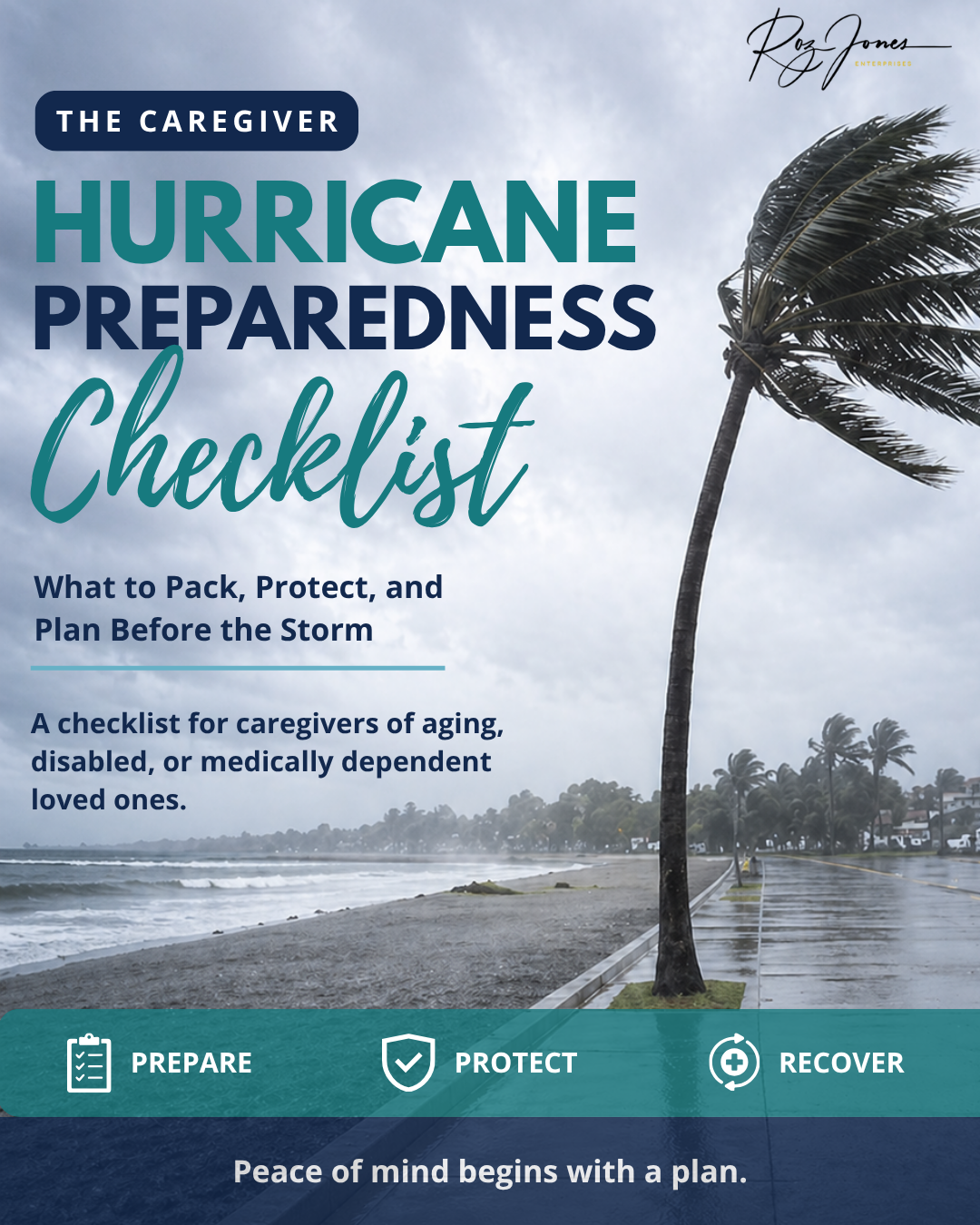
Preventive healthcare is only one part of being prepared as a caregiver. Emergencies can interrupt medications, appointments, transportation, medical equipment, and the routines your aging loved one depends on. The Caregiver Hurricane Preparedness Checklist can help you organize important information, supplies, medications, and caregiving details before severe weather creates another layer of stress.
Subscribe to The Caregiver Cafe Weekly Newsletter!

1. YOU ARE NOT ALONE: The problems you face as a caregiver are experienced by other caregivers. Knowing that you’re not alone can be comforting.
2. Tools and Resources: Find caregiver stress management tools and gain perspective from other caregiver’s experiences.
3. LEARN TO: Ask for help, accept help when it is offered, and acknowledge yourself on this caregiving journey. Hear from experts on how to balance caregiving responsibilities by taking care of your needs and involving others to help manage the natural stress and isolation of being a caregiver.

