When Breast Cancer Changes the Care Plan

By Roz Jones

A breast cancer diagnosis can change more than an aging loved oneโ€™s healthcare routine. It can change appointments, medications, transportation, energy levels, household responsibilities, and the amount of support needed throughout the day.

For family caregivers, those changes can happen quickly. The care plan that worked before diagnosis may need to adjust as treatment begins, side effects develop, or an aging loved one temporarily needs more assistance at home.

Understand the Treatment Plan

Breast cancer treatment is not the same for everyone. Surgery, radiation, chemotherapy, hormone therapy, targeted therapy, or a combination of treatments may become part of the care plan depending on the diagnosis and individual health needs.

For caregivers, understanding the treatment schedule can make the weeks ahead easier to organize. Knowing when appointments are scheduled, which providers are involved, what medications have changed, and what follow-up care is expected creates a clearer picture of where additional support may be needed.

Keeping this information together can also make it easier to communicate with family members and others who are helping with care.

Watch for Changes During Treatment

Cancer treatment can affect how an aging loved one feels and functions from one day to the next. Fatigue, appetite changes, nausea, pain, difficulty concentrating, or other side effects may affect routines that were manageable before treatment began.

Caregivers can help by paying attention to changes and making sure concerns are shared with the healthcare team. Side effects can vary depending on the treatment and the individual, which makes it important to follow the specific instructions provided by the cancer care team rather than assuming every person will have the same experience.

Changes in energy and strength may also mean adjusting meals, transportation, household responsibilities, or the amount of help needed with daily activities.

Keep Appointments and Information Organized

Breast cancer care may involve several healthcare professionals. An aging loved one may see a surgeon, medical oncologist, radiation oncologist, primary care physician, or other specialists throughout treatment.

Keeping appointment information, medications, provider contacts, test results, and questions in one place can reduce confusion as the care team grows.

Caregivers can also keep notes about changes that occur between appointments. Information about eating, sleeping, mobility, pain, medication concerns, or changes in daily functioning may help the family remember what needs to be discussed at the next visit.

Prepare for Changes at Home

Treatment may temporarily change what an aging loved one is able to manage independently.

Someone who normally prepares meals, drives, shops, or handles household responsibilities may need additional help during treatment or recovery. That support does not always need to become permanent.

The care plan can adjust as needs change.

Preparing meals ahead of time, arranging transportation, moving frequently used items within easier reach, or dividing responsibilities among family members can make the home easier to manage without unnecessarily taking away independence.

Make Room for Recovery

Caregiving often focuses on what needs to be completed, but recovery does not always follow a predictable schedule.

An aging loved one may have days when energy returns and other days when normal activities feel much harder. Treatment side effects can also change throughout the process and differ considerably from one person to another.

Building flexibility into the care plan allows rest and recovery to become part of the routine instead of something that has to compete with it.

Support Independence Through Treatment

A cancer diagnosis does not erase an aging loved oneโ€™s ability to participate in their own care.

Whenever possible, decisions about appointments, daily routines, household responsibilities, and additional support should continue to include the person receiving treatment.

Some responsibilities may need to change temporarily, but support does not have to mean taking over everything.

Maintaining choice and participation can help preserve a sense of normalcy during a time when many other parts of life may feel uncertain.

Pay Attention to the Caregiver Too

Cancer can change the caregiverโ€™s routine alongside the aging loved oneโ€™s.

More appointments may mean more time away from work. Treatment days may require transportation. Household responsibilities may increase, and emotional support may become another important part of the caregiving role.

Those responsibilities can build quickly.

Family members, friends, community resources, and members of the healthcare team may be able to help with transportation, meals, household responsibilities, or other areas of the care plan. Cancer care teams may also include professionals such as social workers, patient navigators, and other support services that can help families manage needs surrounding treatment.

Support for the aging loved one should not depend entirely on one caregiver doing everything.

Adjust the Care Plan as Treatment Changes

Breast cancer treatment can have different phases, and each phase may require a different level of support.

The assistance needed immediately after surgery may look different from the support needed during radiation, medication treatment, or long-term follow-up care.

Regularly reviewing what the aging loved one can manage independently, where assistance is needed, and what is creating the most strain can help the family adjust without waiting until the care plan becomes overwhelming.

The goal is not to predict every change.

It is to build enough flexibility into the plan to respond when change happens.

If you have not read the earlier blog in this series, start with Understanding Breast Cancer: What Every Caregiver Should Know. That article provides an introduction to breast cancer, including risk factors, possible warning signs, and the importance of screening and early detection.

Prepare for Your Next Trip

Planning to travel with an aging loved one? Download the free Vacationing with an Aging Loved One Checklist to help you prepare for medications, mobility needs, comfort, safety, and unexpected changes.

Tune in to The Caregiver Cafรฉ Podcast

How to avoid hospital re-admission for your loved ones

The transition home after a hospitalization can include medication changes, follow-up appointments, new care instructions, and additional responsibilities for the family caregiver. How those changes are managed can have an important impact on recovery.

Listen to the latest episode of The Caregiver Cafe, โ€œHow to Avoid Hospital Re-Admission for Your Loved Ones,โ€ for practical information on preparing for the transition home and supporting an aging loved one after discharge.

Give Yourself a Moment of Grace

Caregiving includes demanding days, unexpected changes, and moments of connection that may be easy to overlook. Moments of Grace offers encouragement to caregivers who need a reminder to pause and recognize the meaningful moments along the journey.

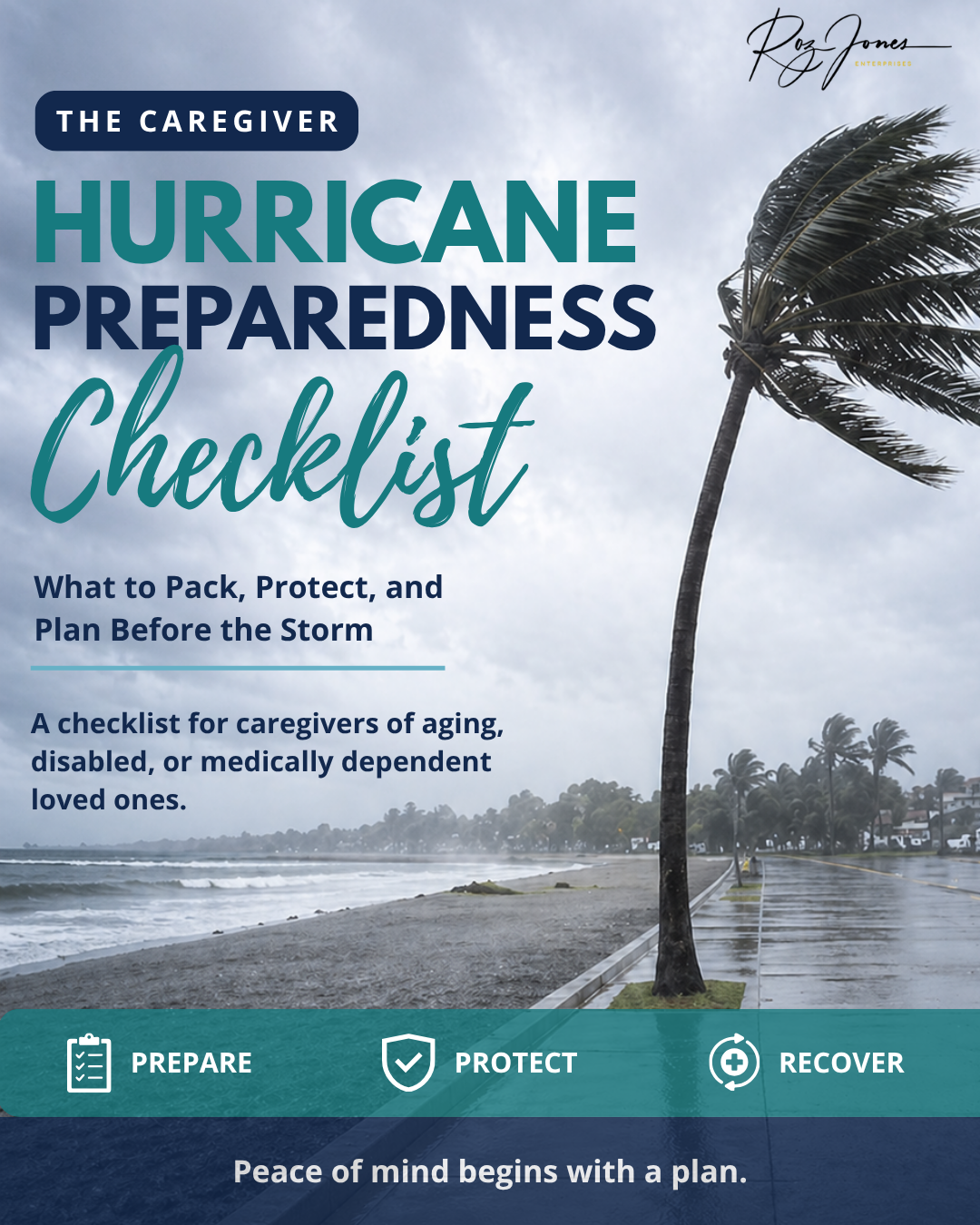
Preparing for hurricane season?

The Caregiver Hurricane Preparedness Checklist.

Are you preparing for hurricane season? Purchase the Caregiver Hurricane Preparedness Checklist to organize the information and supplies your family may need before severe weather arrives.

Subscribe to The Caregiver Cafe Weekly Newsletter!

Caregiving can be a roller coaster of ups and downs. The information that you will receive from The Caregiver Cafe Weekly Specials Newsletter will support you as a caregiver. Remember…

1. YOU ARE NOT ALONE: The problems you face as a caregiver are experienced by other caregivers. Knowing that you’re not alone can be comforting. 

2. Tools and Resources:  Find caregiver stress management tools and gain perspective from other caregiver’s experiences.

3. LEARN TO: Ask for help, accept help when it is offered, and acknowledge yourself on this caregiving journey. Hear from experts on how to balance caregiving responsibilities by taking care of your needs and involving others to help manage the natural stress and isolation of being a caregiver. 
Empathy and Communication: Supporting Your Loved One Through Diagnosis

By Roz Jones

Receiving a breast cancer diagnosis is a life-altering moment that can shake the very foundations of your world. For your loved one, it’s a time of uncertainty, fear, and emotional turmoil. In these challenging moments, your role as a source of support and strength becomes more critical than ever. In this blog, we will explore the vital importance of empathy and effective communication when your loved one receives a breast cancer diagnosis. We’ll also provide practical tips and guidance on how to be a pillar of strength during this difficult journey.

The Power of Empathy

Empathy is the ability to understand and share the feelings of another. It’s a fundamental component of human connection and support, especially during trying times like a cancer diagnosis. Here’s why empathy is crucial:

  • Validation: When your loved one is diagnosed with breast cancer, they may experience a range of emotions, from fear and anger to sadness and confusion. Empathizing with their feelings validates their emotional responses, letting them know it’s okay to feel what they’re feeling.
  • Reducing Isolation: A cancer diagnosis can make your loved one feel isolated and alone. Your empathetic presence reminds them that they are not facing this journey in solitude but have your unwavering support.
  • Enhancing Communication: Empathy paves the way for more open and honest communication. It creates a safe space for your loved one to share their thoughts and concerns, which is essential for making informed decisions about their treatment.

Effective Communication: Tips for Being a Supportive Presence

  • Listen Actively: When your loved one talks about their diagnosis or feelings, listen attentively. Avoid interrupting or offering unsolicited advice. Sometimes, they just need someone to lend a sympathetic ear.
  • Ask Open-Ended Questions: Encourage your loved one to express themselves by asking open-ended questions. Instead of “Are you okay?” try “How are you feeling today?”
  • Be Patient: Understand that emotions can fluctuate during the cancer journey. Be patient and supportive, even on difficult days.
  • Respect Their Choices: Your loved one may make choices about their treatment or lifestyle that you don’t entirely agree with. Remember that it’s their journey, and respecting their decisions is essential.
  • Offer Practical Assistance: Beyond emotional support, consider offering practical help. This could be driving them to medical appointments, preparing meals, or assisting with household chores.

Receiving a breast cancer diagnosis is an incredibly challenging experience for your loved one, but your empathetic presence and effective communication can make a world of difference. By validating their emotions, creating a safe space for them to express themselves, and offering unwavering support, you can be a crucial source of strength during this journey. Remember that empathy and open communication are the cornerstones of effective caregiving. Your loved one will likely cherish your support as they navigate their path to recovery. In the face of a breast cancer diagnosis, your role as a supportive presence can provide the comfort and reassurance your loved one needs to face the challenges ahead with courage and resilience.

Stay Ahead of the Storm: Download Your Free Expert Storm Guide Now!

Photo by ALTEREDSNAPS on Pexels.com

As we know, June โ€“ November is Hurricane Season. As a family caregiver, there are many ways to prepare your loved ones for it. Early preparation helps reduce opportunities for stress and anxiety as storms approach.

One of the best ways to prepare is allowing your loved on to assist in packing their travel bag, checking their contact list and ensuring there are adequate emergency supplies.

Participationโ€ฆ not isolationโ€ฆ go a long way when preparing for major storms. This Seniors Storm Guide gives essential information to refer to again and again!


Stay Connected!

The Role of Early Detection: Navigating Mammograms and Screenings

By Roz Jones

Breast cancer is one of the most prevalent forms of cancer among women, and early detection is the key to successful treatment and survival. Mammograms and breast cancer screenings play a vital role in identifying potential issues at an early stage. If you have a loved one who is due for a mammogram or screening, or if you’re just curious about the process, read on to understand the importance of early detection and how to navigate these essential health checks. Early detection can save lives. In this blog, we explore the world of mammograms and breast cancer screenings. Learn how to help your loved one schedule and prepare for these crucial tests, ensuring their health is a top priority.

Why Early Detection Matters

Early detection is a game-changer when it comes to breast cancer. Detecting cancer in its early stages significantly increases the chances of successful treatment and recovery. When breast cancer is diagnosed at an early, localized stage, the five-year survival rate is over 90%. However, as cancer advances to more distant stages, the survival rate decreases significantly.

Mammograms and breast cancer screenings are designed to identify abnormalities in breast tissue that may indicate cancerous growths. They can detect tumors that are too small to be felt during a physical examination, making them a crucial tool for early detection.

When to Start Screening

The timing of breast cancer screenings can vary based on individual risk factors and guidelines set by healthcare organizations. However, in general, it’s recommended that women begin regular mammograms between the ages of 40 and 50, and then continue to have them every one to two years. Women with a family history of breast cancer or other risk factors may need to start screening earlier or have more frequent screenings. It’s essential to consult with a healthcare provider to determine the best screening schedule for your loved one.

Preparing for a Mammogram

Preparing for a mammogram involves a few simple steps:

  • Schedule the Appointment: Choose a reputable medical facility or breast imaging center for the mammogram. Ensure the facility is certified and experienced in breast cancer screenings.
  • Wardrobe Choice: On the day of the mammogram, advise your loved one to wear a comfortable two-piece outfit, as they will need to undress from the waist up for the test.
  • Avoid Deodorants and Lotions: Instruct your loved one to avoid using deodorants, lotions, or perfumes on their chest area or underarms on the day of the mammogram. These substances can interfere with the imaging.
  • Discuss Medical History: Encourage your loved one to discuss their medical history and any breast health concerns with the mammogram technician. Open communication is essential for providing the best care.

During the Mammogram

During the mammogram, your loved one will stand in front of an X-ray machine. The technician will position the breast on a special platform and gradually compress it with a clear plastic paddle. While this compression can be uncomfortable, it’s necessary to obtain the clearest images.

Two images of each breast are typically takenโ€”one from the top and one from the side. The entire process usually takes about 20 minutes.

After the Mammogram

After the mammogram, your loved one can usually resume their normal activities immediately. The images will be reviewed by a radiologist, and the results will be sent to their healthcare provider. In the event of any abnormalities, further testing, such as additional mammograms or a breast biopsy, may be recommended.

Early detection of breast cancer through mammograms and screenings is a powerful tool for ensuring the health and well-being of your loved ones. By understanding the importance of early detection, following recommended screening guidelines, and preparing for the mammogram, you can play a crucial role in supporting your loved one’s health journey. Encourage them to prioritize their regular screenings, and together, we can take proactive steps towards early detection and improved outcomes in the fight against breast cancer.

Stay Ahead of the Storm: Download Your Free Expert Storm Guide Now!

Photo by ALTEREDSNAPS on Pexels.com

As we know, June โ€“ November is Hurricane Season. As a family caregiver, there are many ways to prepare your loved ones for it. Early preparation helps reduce opportunities for stress and anxiety as storms approach.

One of the best ways to prepare is allowing your loved on to assist in packing their travel bag, checking their contact list and ensuring there are adequate emergency supplies.

Participationโ€ฆ not isolationโ€ฆ go a long way when preparing for major storms. This Seniors Storm Guide gives essential information to refer to again and again!


Stay Connected!

Understanding Breast Cancer: What Every Caregiver Should Know

By Roz Jones

As a caregiver for an aging loved one, it’s crucial to equip yourself with knowledge about various health issues, including breast cancer. Breast cancer is one of the most prevalent types of cancer worldwide, affecting millions of individuals every year. In this first blog of our series, we aim to empower you with essential information about breast cancer so that you can be the best caregiver possible.

Breast Cancer Basics

Breast cancer is a disease that occurs when cells in the breast tissue begin to grow abnormally. It can originate in different parts of the breast, including the ducts, lobules, or even in the breast tissue itself. Understanding some fundamental concepts about breast cancer is the first step in providing effective care and support to your loved one.

Risk Factors

Breast cancer risk factors can vary from person to person. While some factors, like age and gender, are uncontrollable, others are influenced by lifestyle choices. It’s essential to be aware of these risk factors:

  • Age: The risk of breast cancer increases with age, particularly after age 50.
  • Gender: Although breast cancer can affect anyone, it is most commonly diagnosed in women.
  • Family History: Individuals with a family history of breast cancer may have a higher risk, especially if a first-degree relative (parent, sibling, or child) has been diagnosed.
  • Genetics: Inherited gene mutations, such as BRCA1 and BRCA2, can significantly increase the risk of breast cancer.
  • Hormone Replacement Therapy (HRT): Long-term use of certain hormone replacement therapies, particularly estrogen and progesterone, may elevate the risk.
  • Personal History: If your loved one has had breast cancer in one breast, they have an increased risk of developing cancer in the other breast.

Signs and Symptoms

Recognizing the signs and symptoms of breast cancer is crucial for early detection and treatment. Common signs to watch for include:

  • A lump or thickening in the breast or underarm: This is one of the most common signs of breast cancer.
  • Change in breast size or shape: Notice any unexplained changes in the contour of the breast.
  • Nipple discharge: Especially if it’s bloody or clear.
  • Skin changes: Such as redness, dimpling, or the appearance of an orange peel texture.
  • Breast pain: Although not always a sign of breast cancer, it should be discussed with a healthcare provider.

Importance of Regular Screenings

Early detection is key in the fight against breast cancer. Encourage your loved one to undergo regular breast cancer screenings, including mammograms, clinical breast exams, and self-exams. Mammograms, in particular, are powerful tools for detecting breast cancer in its early stages when treatment is most effective. Knowledge is power, and being informed about breast cancer and its risk factors is a vital step in becoming the best caregiver you can be. Together, we can make a difference in their journey towards better health and well-being.

Stay Ahead of the Storm: Download Your Free Expert Storm Guide Now!

Photo by ALTEREDSNAPS on Pexels.com

As we know, June โ€“ November is Hurricane Season. As a family caregiver, there are many ways to prepare your loved ones for it. Early preparation helps reduce opportunities for stress and anxiety as storms approach.

One of the best ways to prepare is allowing your loved on to assist in packing their travel bag, checking their contact list and ensuring there are adequate emergency supplies.

Participationโ€ฆ not isolationโ€ฆ go a long way when preparing for major storms. This Seniors Storm Guide gives essential information to refer to again and again!


Stay Connected!