By Roz Jones
When we talk about disaster preparedness, most people think about bottled water, batteries, flashlights, canned goods, medications, and evacuation bags.
And yes, all of that matters.
But caregivers, there is another part of preparedness that often gets overlooked until it is too late: the documents, passwords, records, and digital information that help you care for your aging loved one when life gets disrupted.
Because after a storm, flood, power outage, evacuation, or medical emergency, you may need quick access to information like insurance cards, medication lists, medical records, banking contacts, advance directives, prescriptions, home insurance, or power of attorney documents.
And if all of that is sitting in one folder, on one phone, in one drawer, or on one computer that gets damaged, lost, or locked, that can create a whole new crisis on top of the one you are already managing.
So today, we are talking about how caregivers can back up and safely store important information before disaster strikes.
Why Data Backup Matters for Caregivers
Caregivers carry a lot of invisible responsibility.
You may be the one keeping up with appointment notes, prescription refills, insurance information, doctors’ names, pharmacy contacts, health history, bills, passwords, home care information, and emergency contacts.
That information matters every day, but it becomes even more important during hurricane season or any emergency.
- If you have to evacuate quickly, can you access your loved one’s medication list?
- If their wallet gets misplaced, do you have copies of their ID and insurance cards?
- If the power is out, can you still reach the pharmacy or oxygen provider?
- If your phone breaks, does someone else know where the documents are?
- If your loved one is hospitalized, can you pull up the paperwork that allows you to help make decisions?
These are the questions caregivers need to answer before the emergency.
Start With a Caregiver Document Checklist
Before choosing a storage system, first decide what needs to be saved.
Start with the documents and information that would be hardest to replace during an emergency.
That may include:
- Photo ID
- Insurance cards
- Medicare or Medicaid cards
- Medication list
- Medical history
- Doctor and pharmacy contacts
- Emergency contacts
- Advance directives
- Power of attorney documents
- Living will
- Home insurance or rental documents
- Banking and financial contact information
- Utility account information
- Medical equipment provider information
- Veteran benefit information, if applicable
- Facility or home care agency contacts
- Recent care notes or discharge instructions
Keep the list simple enough that you will actually use it.
The goal is not to create a perfect filing system. The goal is to make sure the right information is available when it is needed.
Use the 3-2-1 Backup Rule
Caregivers, one copy is not enough.
If something is important, it should not live in only one place.
A simple backup method many experts recommend is the 3-2-1 backup rule. That means keeping three copies of important files, using two different types of storage, with one copy stored off-site or away from the original location. CISA and other backup guidance use this approach as a way to reduce the risk of losing critical data during disasters, device failures, or cyber incidents.
For caregivers, that might look like this:
One printed copy in a waterproof folder
One digital copy stored securely in the cloud
One backup copy on an external hard drive or secure digital vault
This way, if one copy is damaged, lost, or unavailable, you still have another way to access what you need.
Cloud Storage Can Be Helpful If You Secure It
Cloud storage can be a practical option for caregivers because it lets you access documents from different devices and locations.
Options may include Google Drive, Dropbox, iCloud, OneDrive, or another secure document storage system.
This can be helpful when you need to pull up a medication list at the doctor’s office, share a document with a sibling, or access insurance information during an evacuation.
But convenience should not come at the expense of safety.
If you use cloud storage, make sure you:
- Use a strong, unique password
- Turn on multi-factor authentication
- Limit who has access
- Organize files clearly
- Avoid sharing sensitive documents through unsecured links
- Review access permissions regularly
- Remove access for anyone who no longer needs it
The FTC recommends using strong passwords and two-factor authentication to help protect online accounts that may contain personal information.
So yes, use the tools. But use them wisely.
Consider a Digital Vault for Sensitive Information
Some caregivers may benefit from using a digital vault.
A digital vault is a secure online place where you can store important documents, passwords, account information, and instructions for trusted people who may need access in the future.
This can be helpful if you are managing documents for an aging loved one and want everything organized in one secure location.
AARP notes that digital vaults can help organize important documents that may otherwise be scattered across physical files, email inboxes, cloud accounts, and online storage platforms.
This can be especially useful for:
- Advance directives
- Insurance documents
- Financial records
- Legal paperwork
- Account information
- Funeral or end-of-life wishes
- Medical care instructions
- Property documents
If you choose this option, make sure the platform is reputable, secure, and easy enough for your family to understand. The fanciest system is not always the best system. The best system is the one your caregiver team can actually use.
External Hard Drives and USB Drives Still Have a Place
Not everything has to be online.
External hard drives and password-protected USB drives can still be useful backup options, especially if you want a physical copy of important digital files.
But they need to be handled carefully.
If you use an external drive or USB drive:
- Password-protect it
- Store it in a waterproof container
- Keep it in a safe place
- Label it clearly without exposing sensitive information
- Update it regularly
- Do not make it the only backup
- Keep one copy outside the home, if possible
USB drives can be lost, damaged, or stolen. External drives can fail. That is why they should be part of the plan, not the whole plan.
Use a Password Manager Instead of a Password List
Caregivers often end up managing passwords for portals, pharmacies, insurance accounts, utility accounts, banking, email, medical apps, and patient platforms.
Writing every password on a loose piece of paper or saving them in a document called “passwords” is risky.
A password manager can help store and organize passwords securely. It can also help create stronger passwords instead of using the same password over and over.
Also, make sure there is a plan for trusted access.
If something happens to you, who can access the information needed to care for your loved one?
If something happens to your loved one, who has legal authority to manage accounts or documents?
If the person with all the passwords is unavailable, what happens next?
These are not always easy conversations, but they are necessary ones.
Protect Medical and Financial Information
Caregivers often handle sensitive information, so privacy matters.
Be careful about where and how you store:
- Social Security numbers
- Bank account information
- Insurance records
- Medical records
- Legal documents
- Passwords
- Tax documents
- Health portal logins
Do not text sensitive documents casually.
Do not email private information without thinking it through.
Do not share login information with people who do not need access.
Do not leave printed copies sitting out in plain view.
And when you do share information, share only what is necessary.
Caregiving requires coordination, but coordination should still protect your loved one’s dignity and privacy.
Make the Information Easy to Find in an Emergency
A backup system only works if people know how to use it.
Create a simple emergency document guide that says:
- Where the printed folder is located
- Where the digital copies are stored
- Who has access
- Who the backup caregiver is
- Where passwords or vault access instructions are kept
- Which documents are most important in an emergency
- Who to call first
Do not make people search through ten folders, three inboxes, and five devices while the power is out.
Keep it simple.
Keep it organized.
Keep it updated.
That is the part that saves time when emotions are high.
Review and Update Everything Regularly
Your backup plan should not be something you create once and forget.
Review it at least twice a year, and definitely before hurricane season if your loved one lives in Florida or another storm-prone area.
Also check that your backup files actually open.
That part matters.
A backup you cannot access is not really a backup.
If you have not read the previous blog, Data Backup and Storage Solutions for Caregiver, start there.
That blog walks through practical ways caregivers can protect an aging loved one’s important information, including cloud storage, external hard drives, password-protected USB drives, online backup services, and backup recovery tools.
Once you have those digital backup systems in place, this blog helps you take the next step: making sure those documents, passwords, emergency contacts, and care records are easy to access when hurricane season, power outages, evacuations, or medical emergencies happen.
Need help turning this into a real plan?

Reading about hurricane preparations is a good first step. But caregivers also need something they can print, fill out, and keep close when the pressure is on. Roz is creating a printable Caregiver Hurricane Preparedness Checklist to help families prepare with more clarity and less last-minute panic.
This front-and-back checklist will include space for emergency contacts, medical information, supply reminders, care bag items, and recovery steps. Want first access when it is ready? Complete the interest form below.


When You Can’t Do it All Give Roz a Call!
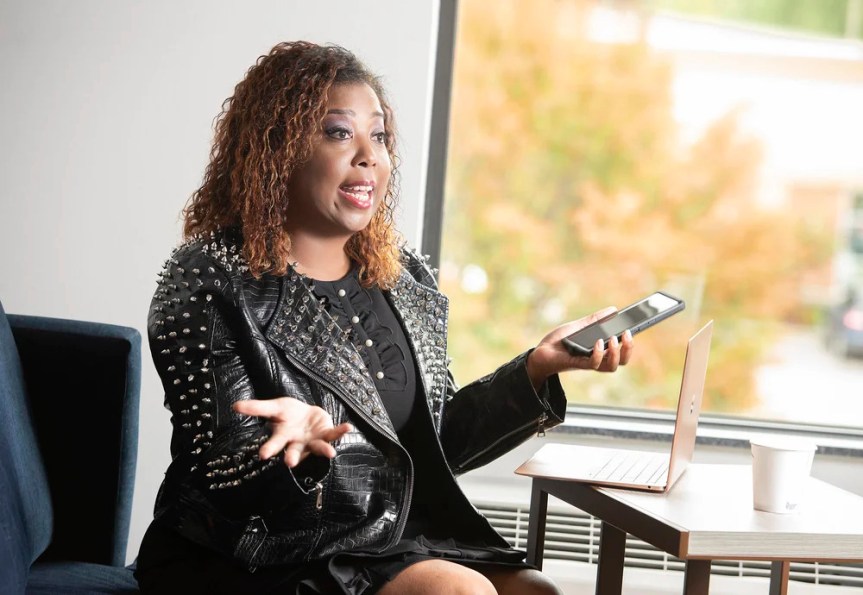
If your family needs support talking through care decisions, roles, and next steps, book a family care planning session with Roz Jones to create more clarity before a crisis forces rushed decisions.
Subscribe to The Caregiver Cafe Weekly Newsletter!

1. YOU ARE NOT ALONE: The problems you face as a caregiver are experienced by other caregivers. Knowing that you’re not alone can be comforting.
2. Tools and Resources: Find caregiver stress management tools and gain perspective from other caregiver’s experiences.
3. LEARN TO: Ask for help, accept help when it is offered, and acknowledge yourself on this caregiving journey. Hear from experts on how to balance caregiving responsibilities by taking care of your needs and involving others to help manage the natural stress and isolation of being a caregiver.