

By Roz Jones
Choosing Medicare coverage is only one part of managing healthcare costs for your aging loved one. The work doesn’t stop once a plan is selected and the new insurance card arrives.
As a caregiver, you may be the person picking up prescriptions, scheduling appointments, reviewing medical bills, calling insurance companies, keeping up with notices, and trying to understand why something that was covered before suddenly costs more. That means Medicare savings aren’t only about finding an affordable plan. They’re also about paying attention to how that coverage is working throughout the year.
In 2026, there are several Medicare changes and cost-saving opportunities caregivers should understand. Some may help lower what your aging loved one pays, while others may make healthcare expenses easier to manage. The important thing is knowing what is available and reviewing whether your loved one’s current coverage still makes sense for the care they actually receive.
Start With the Prescription List
Prescription costs can take up a significant part of an aging loved one’s healthcare budget, which makes the medication list one of the first places caregivers should look.
Medicare Part D plans have their own formularies, or lists of covered medications. Where a medication falls on that formulary can affect what your loved one pays, and the pharmacy they use can matter too. Some plans have preferred pharmacies that may offer lower out-of-pocket costs for certain medications.
Instead of looking only at the monthly premium when comparing drug plans, look at the medications your loved one actually takes. Check whether those medications are covered, what tier they are on, which pharmacies may offer lower costs under the plan, and whether there are restrictions that could affect access.
Keep that medication list updated throughout the year. If a doctor adds, removes, or changes a prescription, that change may affect what the family is spending and whether the current plan continues to be the best fit.
Understand the 2026 Part D Limit
One of the most important Medicare changes caregivers should know about is the annual limit on out-of-pocket costs for medications covered under Medicare Part D.
In 2026, annual out-of-pocket spending for covered Part D prescription drugs is capped at $2,100. Once that limit is reached, the person with Medicare generally will not owe additional copayments or coinsurance for covered Part D medications for the remainder of the calendar year.
That doesn’t mean every healthcare or medication expense is capped at $2,100. The limit applies specifically to covered Part D prescription drug costs that count toward the annual out-of-pocket threshold. Caregivers still need to understand what the plan covers and how different expenses are treated.
Knowing the limit, however, can make it easier to plan when your aging loved one takes expensive medications. It gives families a clearer idea of what they may need to prepare for over the course of the year and can make it easier to identify when prescription costs need a closer look.
Pay Attention to When Costs Are Due
Sometimes the problem isn’t only how much healthcare costs. It’s when the money is due.
The Medicare Prescription Payment Plan gives people with Medicare drug coverage the option to spread certain out-of-pocket prescription drug costs across the calendar year instead of paying the entire amount at the pharmacy when a prescription is filled. All Medicare drug plans offer this option, and participation is voluntary.
This option does not reduce the total cost of the medications. It changes how those costs are paid. For an aging loved one who has high prescription expenses earlier in the year, spreading those expenses across several months may make budgeting more manageable.
That distinction matters. A payment option may help with cash flow, but caregivers should continue looking at the larger picture to determine whether assistance programs, a different pharmacy, a different plan, or another available resource could actually lower what their loved one is paying.
Don’t Assume Help Isn’t Available
Some families never apply for Medicare assistance because they assume their aging loved one won’t qualify. That assumption can cost them.
Medicare Savings Programs may help eligible beneficiaries pay certain Medicare costs, including premiums and, depending on the program, deductibles, coinsurance, and copayments. Extra Help can also reduce prescription drug costs for people who meet the program’s financial eligibility requirements.
Income and resource limits can change, and some states have rules that allow more people to qualify. Instead of deciding on your own that your loved one probably earns too much or has too many resources, check the current requirements and complete an application if their situation appears close to the limits.
Caregivers are already managing enough. If help is available to reduce some of the financial pressure connected to healthcare, it is worth finding out whether your loved one qualifies.
Review the Plan Before Automatically Keeping It
One of the easiest Medicare habits to fall into is allowing the same coverage to continue year after year without reviewing it.
Your loved one may be satisfied with the plan, but that doesn’t mean nothing has changed. A prescription may have changed during the year, a new specialist may have become part of the care team, or the amount your loved one pays for certain services may be different under the plan for the coming year.
Medicare plans send information each fall explaining upcoming changes to coverage and costs. Those notices deserve more than a quick glance before being placed in a pile of paperwork.
Compare the information in the plan notice with what has actually happened with your loved one’s healthcare during the year. If their medical needs have changed, the coverage should be reviewed with those changes in mind.
Medicare Open Enrollment takes place each year from October 15 through December 7. For caregivers, this is an opportunity to compare the current plan with other available options before coverage for the new year begins.
The goal isn’t to change plans simply because Open Enrollment arrives. The goal is to make sure keeping the current plan is an intentional decision based on your loved one’s present healthcare needs.
Look Beyond the Monthly Premium
A lower monthly premium can look like savings until the plan is actually used.
When comparing Medicare coverage, caregivers need to consider the bigger financial picture. The cost of prescriptions, deductibles, copayments, coinsurance, provider access, and other out-of-pocket expenses can make a significant difference in what your aging loved one spends over the course of the year.
Someone who regularly sees specialists, receives ongoing treatment, takes several prescriptions, or depends on particular healthcare providers may have very different coverage priorities than someone who rarely needs medical care.
That is why choosing coverage based only on the monthly premium can be misleading.
The least expensive premium does not automatically mean the lowest overall healthcare expenses. What matters is whether the coverage works for the way your aging loved one actually uses healthcare.
Keep Preventive Care in the Plan
Saving money shouldn’t mean avoiding necessary healthcare.
Preventive care can be an important part of managing both health and future healthcare needs. Medicare covers many preventive services, and staying current with appropriate screenings, wellness services, and vaccinations may help identify certain health concerns earlier.
Caregivers can help by keeping track of preventive care recommendations and discussing them with the appropriate healthcare provider. This isn’t about scheduling every service simply because Medicare covers it. It is about making sure your loved one receives preventive care that makes sense for their age, medical history, health risks, and current needs.
Taking care of something earlier may also prevent the family from having to respond to a more complicated health issue later.
Make Medicare Review Part of the Care Plan
Managing Medicare costs is not something families should think about once and then forget.
Your aging loved one’s healthcare needs can shift over time. Their medications may change, they may begin seeing additional healthcare providers, or a new diagnosis may require more frequent care. At the same time, the costs and benefits connected to their Medicare coverage may change from one year to the next.
A plan that worked well before may still be the right choice, but it should be reviewed against what is happening now.
As a caregiver, keeping a simple record of your loved one’s medications, healthcare providers, pharmacies, recurring services, insurance notices, and major out-of-pocket expenses can make those reviews easier. When it is time to compare coverage, you don’t have to try to remember an entire year of healthcare from memory.
The goal of maximizing Medicare savings isn’t simply to spend as little as possible. It is to make sure the money being spent supports the care your aging loved one actually needs while reducing unnecessary costs where possible.
That requires more than enrolling in Medicare. It requires staying aware of how the coverage is being used, reviewing changes when they happen, and making sure the plan continues to fit the person receiving the care.
Continue Reading About Medicare Savings
This blog continues the conversation from Strategies for Maximizing Medicare Savings. If you haven’t read the original blog, read it next for more information about prescription drug coverage, Medicare Advantage plans, Medicare savings programs, preventive services, and other ways caregivers can help manage healthcare expenses.
Understanding both sides of the conversation can help you move beyond simply having Medicare coverage and begin thinking about how that coverage fits into your loved one’s larger care and financial plan.
Tune in to The Caregiver Café Podcast
5 Ways to Boost Your Mental Health as a Caregiver
Caregiving can also take a toll on your own emotional and mental well-being. If you have been so focused on caring for everyone else that you haven’t checked in with yourself, listen to 5 Ways to Boost Your Mental Health as a Caregiver on The Caregiver Cafe podcast. Taking care of your mental health is not separate from the care plan. It is part of what helps you continue showing up without losing yourself in the process.
Give Yourself a Moment of Grace

Caregiving includes demanding days, unexpected changes, and moments of connection that may be easy to overlook. Moments of Grace offers encouragement to caregivers who need a reminder to pause and recognize the meaningful moments along the journey.
Preparing for hurricane season?
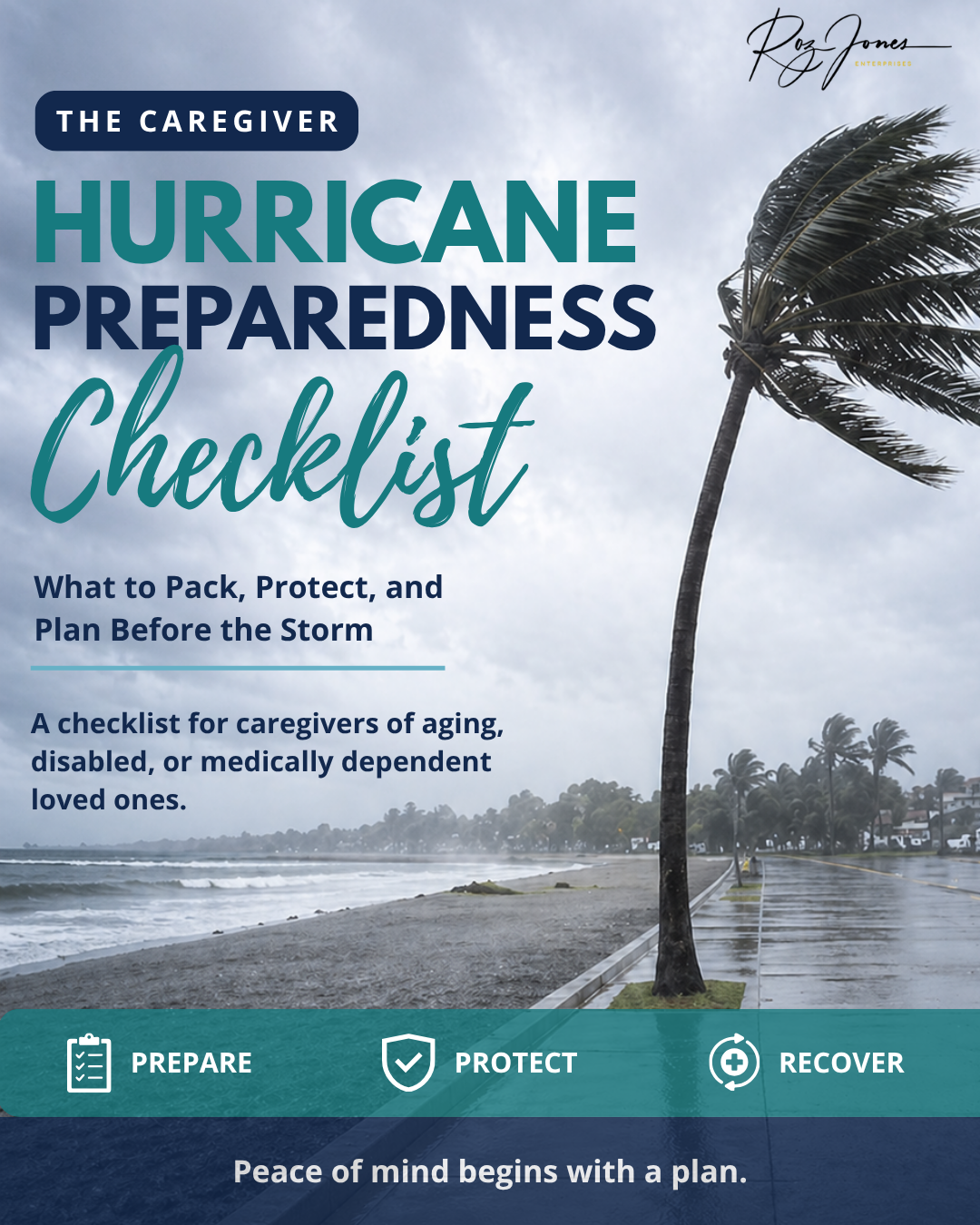
If you live in an area affected by hurricanes or severe weather, the Caregiver Hurricane Preparedness Checklist can help you prepare important information, medications, supplies, and caregiving details before an emergency disrupts your normal routine. Preparation is much easier when you’re not trying to make every decision in the middle of a crisis.
Subscribe to The Caregiver Cafe Weekly Newsletter!

1. YOU ARE NOT ALONE: The problems you face as a caregiver are experienced by other caregivers. Knowing that you’re not alone can be comforting.
2. Tools and Resources: Find caregiver stress management tools and gain perspective from other caregiver’s experiences.
3. LEARN TO: Ask for help, accept help when it is offered, and acknowledge yourself on this caregiving journey. Hear from experts on how to balance caregiving responsibilities by taking care of your needs and involving others to help manage the natural stress and isolation of being a caregiver.

