
By Roz Jones
Emergencies do not always begin with a warning.
Sometimes, they happen in the middle of an ordinary day.
A loved one clutches their chest.
Someone starts choking at the table.
A fall happens in the hallway.
Breathing suddenly changes.
A person becomes confused, weak, or unresponsive.
Panic enters the room before anyone knows what to do next.
And in that moment, the person nearby may be the one who makes the first lifesaving difference.
That is why this conversation matters.
In the first blog, we talked about CPR, AED training, and why lifesaving skills belong in every home where someone is supporting an aging loved one, spouse, parent, relative, or person with ongoing health needs.
Now, I want to take that conversation one step further.
Because help may be on the way. But what you do before help arrives can matter.
The First Few Minutes Can Feel Overwhelming
When an emergency happens, your mind can move in every direction.
You may be trying to call 911.
Calm your loved one.
Unlock the front door.
Find medication bottles.
Answer the dispatcher’s questions.
Remember the last doctor’s instructions.
Tell another family member what happened.
Keep yourself from falling apart.
That is a lot to manage when fear is sitting in the room.
This is why preparation matters.
Not because you expect something bad to happen.
But because when something does happen, you do not want to be searching for information that should already be easy to find.
Every home should have basic emergency information in one place:
Current medication list.
Known allergies.
Primary doctor and specialist contacts.
Emergency contacts.
Insurance information.
Advance directives or important medical documents.
Major diagnoses or health conditions.
Preferred hospital, if applicable.
Instructions for medical equipment in the home.
It does not have to be fancy. It just has to be clear, updated, and easy for someone else to use if you are not available.
Call 911 and Listen Closely
In an emergency, one of the first things to do is call 911 or tell someone else to call.
Then listen.
The dispatcher may ask questions that feel repetitive, but they are trying to understand what is happening and guide the response.
Put the phone on speaker if you can.
Stay near your loved one.
Follow instructions as calmly as possible.
Send someone to unlock the door.
Move pets out of the way.
Turn on the porch light if it is dark.
Have someone flag down emergency responders if needed.
These small actions can help first responders reach your loved one faster and with fewer obstacles.
And remember this: you do not have to know everything. The dispatcher is there to help guide you through the next step.
CPR and AED Training Still Matter
Let me say this plainly: watching a video is not the same as hands-on training.
Videos can help you understand the basics. But training gives your body a chance to practice, and practice builds confidence.
The American Heart Association says high-quality adult CPR includes chest compressions at a rate of 100 to 120 compressions per minute and a depth of at least 2 inches for an average adult. AEDs are also important because they can help restore a normal heart rhythm during sudden cardiac arrest.
The American Red Cross offers First Aid/CPR/AED courses, including blended learning options, and successful completion can provide a two-year certification.
If you are often the one present with your loved one, CPR and AED training should be on your list.
Know Where the AED Is Before You Need It
An AED, or automated external defibrillator, is designed to help during sudden cardiac arrest.
You may see AEDs in churches, community centers, gyms, airports, schools, offices, senior centers, and public buildings.
But here is the problem: in a crisis, people often do not know where the AED is.
So before an emergency happens, start noticing.
Where is the AED at church?
Where is it at your loved one’s senior center?
Where is it at work?
Where is it at the gym?
Where is it in the community building?
Ask. Look. Make a mental note.
When every second counts, knowing where to go matters.
Choking, Falls, and Medication Emergencies Need Attention Too
When people think about lifesaving skills, they often think about CPR first.
And yes, CPR matters.
But families also need to prepare for other common emergencies.
Choking can happen during meals, especially if a loved one has swallowing difficulties, dental issues, neurological changes, or certain medical conditions.
Falls can happen in bathrooms, bedrooms, stairways, kitchens, and porches.
Medication mistakes can happen when prescriptions change, bottles look alike, or more than one person is helping.
Breathing concerns, confusion, sudden weakness, slurred speech, severe pain, and changes in consciousness should never be brushed off.
The American Heart Association’s 2025 updates include expanded guidance around choking, suspected opioid overdose, and cardiac emergencies, which is a reminder that first aid knowledge needs to stay current.
This is why I encourage families to think beyond one skill.
CPR is important.
But so is first aid.
So is medication organization.
So is fall prevention.
So is knowing when to call 911.
So is having documents ready.
So is making sure the family knows the plan.
Do Not Let One Person Hold the Whole Emergency Plan
Too often, one person knows everything.
Where the medicine is.
Who the doctor is.
What the diagnosis means.
What the insurance covers.
Where the paperwork is.
Who to call first.
What happened at the last appointment.
That may work on a regular day.
It does not work well in a crisis.
What happens if that person is at work?
What happens if their phone dies?
What happens if they are out of town?
What happens if they are the one who gets sick?
Families need shared information.
That does not mean everybody needs access to every private detail. But the right people should know where to find emergency instructions, medical contacts, and important documents.
This is not about fear.
This is about reducing confusion.
Because when everyone has to guess, precious time can be lost.
Keep the Home Ready for First Responders
Emergency preparation is not just about documents and training.
It is also about access.
Can first responders get through the front door?
Is the house number easy to see from the street?
Is there a clear path through the home?
Are rugs, cords, or clutter creating fall risks?
Is medical equipment easy to identify?
Is there a list of medications nearby?
Does someone know how to secure pets quickly?
These details may seem small until an emergency happens.
Then they become important.
A prepared home helps everyone respond faster.
Preparation Is an Act of Love
Some people avoid emergency planning because it feels uncomfortable.
Nobody wants to imagine a heart emergency, choking, hospitalization, a fall, storm damage, evacuation, or sudden decline.
I understand that.
But avoiding the conversation does not protect the family.
Preparation does.
Preparation says:
“I love you enough to plan ahead.”
“I care enough to learn what to do.”
“I want us to be ready, not scrambling.”
“I want first responders to have what they need.”
“I want our family to have less confusion in a hard moment.”
You do not have to do everything in one day.
Start with one step.
Sign up for CPR and First Aid training.
Update the medication list.
Put emergency contacts where they can be found.
Make sure medical documents are easy to access.
Talk to the family about who does what in a crisis.
Review emergency supplies before storm season.
Ask where the AED is in the places your loved one visits often.
Small steps can make a real difference.
Be Ready Before the Moment Comes
The goal is not to live in fear.
The goal is to live with wisdom.
When someone depends on you, preparation becomes part of care.
Not just meals.
Not just appointments.
Not just transportation.
Not just medication reminders.
But readiness.
Readiness for the unexpected.
Readiness for the phone call.
Readiness for the storm.
Readiness for the fall.
Readiness for the moment when your hands, your voice, and your calm may matter.
In my previous blog, Lifesaving Skills for Caregivers: The Power is in Your Hands, we talked about the importance of CPR and AED training and how those skills can help save lives. This continuation is a reminder that lifesaving care does not begin when the emergency happens.
It begins with what you prepare today.
Give Yourself a Moment of Grace
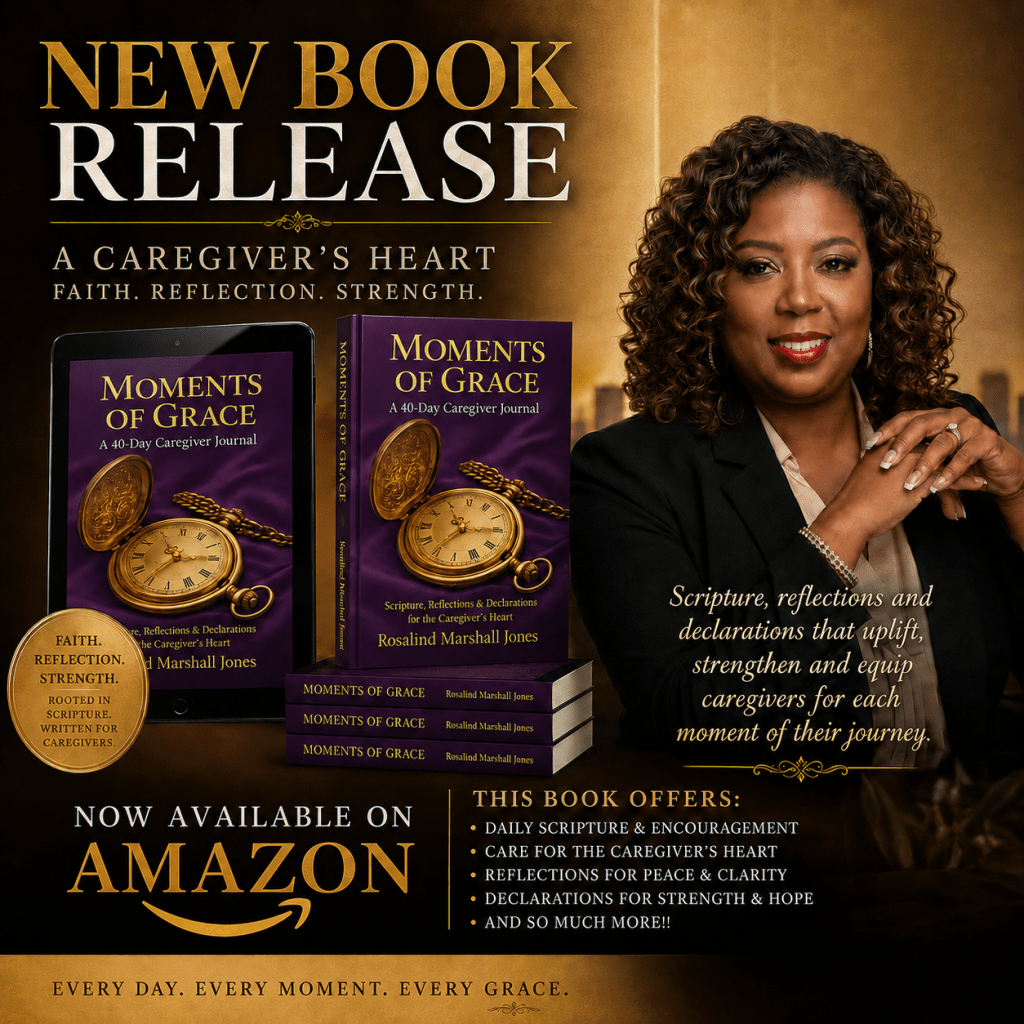
If this season of caregiving has been heavy, emotional, or filled with grief you have not had time to name, Moments of Grace: A Caregiver’s Guided Journal for Reflection, Prayer, and Peace was created with you in mind.
This journal gives caregivers a quiet place to pause, reflect, pray, release, and reconnect with themselves while caring for someone they love.
Purchase Moments of Grace today and give yourself permission to breathe in the middle of the caregiving journey.
Prepare Before the Emergency Comes
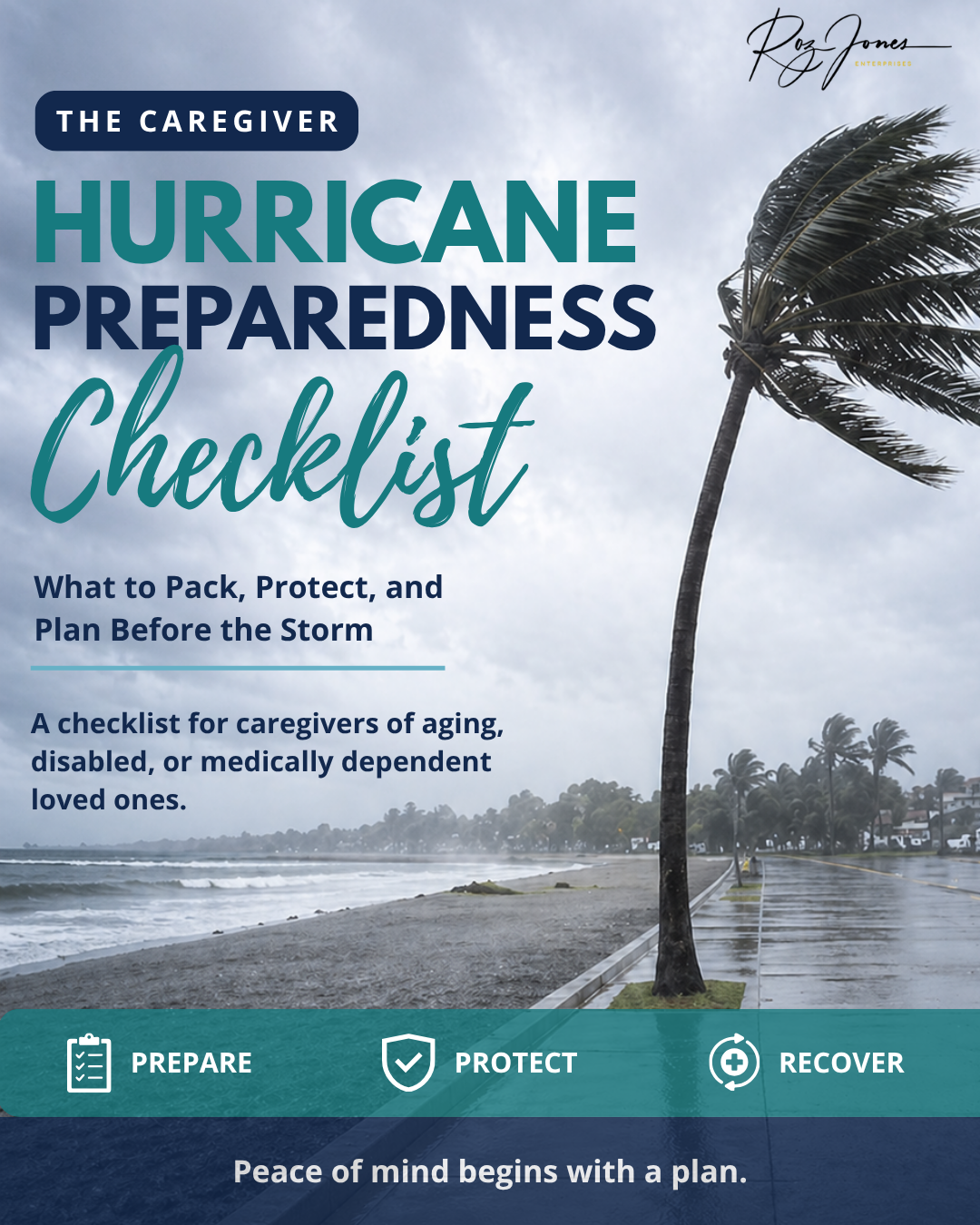
The Caregiver Hurricane Preparedness Checklist helps caregivers organize important documents, medications, emergency contacts, evacuation needs, medical equipment details, and care instructions before an emergency happens.
For only $1.99, this checklist gives you a simple starting point so you are not trying to gather everything during a storm, power outage, hospitalization, or sudden change in your loved one’s care.
Purchase the Caregiver Hurricane Preparedness Checklist for $1.99 today and take one more step toward peace of mind.
Need Help Sorting Through the Care Plan?
Book a Family Care Planning Session with Roz Jones and get support creating a caregiving plan that is clear, compassionate, and realistic.
Together, we can talk through what is working, what is becoming too heavy, and what boundaries need to be strengthened so you can continue to care without losing yourself in the process.
Subscribe to The Caregiver Cafe Weekly Newsletter!

1. YOU ARE NOT ALONE: The problems you face as a caregiver are experienced by other caregivers. Knowing that you’re not alone can be comforting.
2. Tools and Resources: Find caregiver stress management tools and gain perspective from other caregiver’s experiences.
3. LEARN TO: Ask for help, accept help when it is offered, and acknowledge yourself on this caregiving journey. Hear from experts on how to balance caregiving responsibilities by taking care of your needs and involving others to help manage the natural stress and isolation of being a caregiver.

