Building a Heart-Healthy Caregiving Routine

By Roz Jones


Caring for your loved oneโ€™s heart health doesnโ€™t have to be overwhelming. Small, consistent habits can make heart health part of your daily caregiving routine and empower your loved one to stay healthy.


When I started making heart health a priority, I realized how empowering it was for both me and my loved one. Small steps really do add up! For instance, we created a weekly plan that included meal prep, morning walks, and a shared goal to reduce sodium. These changes not only improved their health but also gave us a sense of teamwork and accomplishment.

Hereโ€™s how to build heart health into your caregiving routine:

  1. Create a Weekly Plan: Schedule time for grocery shopping, meal prep, and regular physical activity. Consistency is key.
  2. Celebrate Wins: Celebrate each milestone, whether itโ€™s a healthier meal or a short walk. Acknowledge progress together.
  3. Involve Your Loved One: Empower them by including them in meal planning, exercise choices, and heart health goals. When they feel involved, theyโ€™re more likely to stay engaged.

Heart health is a journey, not a destination. By incorporating these habits into your daily routine, youโ€™re setting the foundation for long-term wellness and stronger bonds with your loved one.

Subscribe to The Caregiver Cafe Weekly Newsletter!

Caregiving can be a roller coaster of ups and downs. The information that you will receive from The Caregiver Cafe Weekly Specials Newsletter will support you as a caregiver. Remember…

1. YOU ARE NOT ALONE: The problems you face as a caregiver are experienced by other caregivers. Knowing that you’re not alone can be comforting. 

2. Tools and Resources:  Find caregiver stress management tools and gain perspective from other caregiver’s experiences.

3. LEARN TO: Ask for help, accept help when it is offered, and acknowledge yourself on this caregiving journey. Hear from experts on how to balance caregiving responsibilities by taking care of your needs and involving others to help manage the natural stress and isolation of being a caregiver. 

Recognizing the Warning Signs of Heart Issues

By Roz Jones


As caregivers, knowing the signs of heart trouble can save lives. Spotting these warning signs early can make all the difference in getting the right care at the right time.


One time, I noticed my loved one seemed more tired than usual and was experiencing shortness of breath during activities that had never been an issue before. Trusting my instincts, I scheduled a doctorโ€™s appointment, and it turned out to be a critical step in preventing a serious issue.

Here are key warning signs to watch for:

  1. Watch for Physical Symptoms: Chest pain, shortness of breath, fatigue, or swelling in the legs and feet are key red flags. These should never be ignored.
  2. Monitor Emotional Changes: Depression, anxiety, or unusual irritability can sometimes signal heart health issues. These emotional shifts often go hand-in-hand with physical symptoms.
  3. Trust Your Instincts: If something feels off, donโ€™t hesitate to call the doctor or seek emergency care. Your intuition is one of the most valuable tools as a caregiver.

Being vigilant about heart health symptoms ensures your loved one receives timely care. Together, we can help prevent small issues from becoming larger health crises.

Subscribe to The Caregiver Cafe Weekly Newsletter!

Caregiving can be a roller coaster of ups and downs. The information that you will receive from The Caregiver Cafe Weekly Specials Newsletter will support you as a caregiver. Remember…

1. YOU ARE NOT ALONE: The problems you face as a caregiver are experienced by other caregivers. Knowing that you’re not alone can be comforting. 

2. Tools and Resources:  Find caregiver stress management tools and gain perspective from other caregiver’s experiences.

3. LEARN TO: Ask for help, accept help when it is offered, and acknowledge yourself on this caregiving journey. Hear from experts on how to balance caregiving responsibilities by taking care of your needs and involving others to help manage the natural stress and isolation of being a caregiver. 

The Role of Stress in Heart Health

By Roz Jones


Stress isnโ€™t just an emotional burden; it can also take a toll on the heart. As caregivers, both our stress and our loved onesโ€™ stress can impact overall health. Learning to manage stress is essential for maintaining heart health.
Iโ€™ve seen firsthand how unmanaged stress affects not just the heart but also relationships and daily life. One of the strategies that worked for me was creating a stress-relief routine. Each evening, my loved one and I would spend 10 minutes doing deep breathing exercises or listening to calming music. Those moments became something we both looked forward to.

Here are simple ways to address stress:

  1. Practice Deep Breathing: Spend a few minutes together each day practicing slow, deep breaths to calm the mind and reduce blood pressure.
  2. Encourage Downtime: Help your loved one find a relaxing activity they enjoy, like knitting, listening to music, or simply sitting in nature.
  3. Create a Stress-Relief Routine: Build small moments of peace into each day for both of you. Even a few minutes can make a significant difference.

Stress management is a team effort. By creating daily routines that promote relaxation, you can support your loved oneโ€™s heart health while improving your own well-being.

Subscribe to The Caregiver Cafe Weekly Newsletter!

Caregiving can be a roller coaster of ups and downs. The information that you will receive from The Caregiver Cafe Weekly Specials Newsletter will support you as a caregiver. Remember…

1. YOU ARE NOT ALONE: The problems you face as a caregiver are experienced by other caregivers. Knowing that you’re not alone can be comforting. 

2. Tools and Resources:  Find caregiver stress management tools and gain perspective from other caregiver’s experiences.

3. LEARN TO: Ask for help, accept help when it is offered, and acknowledge yourself on this caregiving journey. Hear from experts on how to balance caregiving responsibilities by taking care of your needs and involving others to help manage the natural stress and isolation of being a caregiver. 

Nutrition Tips for Heart Health

By Roz Jones

A healthy heart starts in the kitchen. As caregivers, we often prepare meals for our loved ones, making nutrition one of the easiest and most impactful ways to support their heart health. But how do we balance making meals nutritious without sacrificing taste?

When I started adjusting my loved oneโ€™s diet, I worried about resistance to change. They were used to certain comfort foods, and I didnโ€™t want to take away their favorites. But with a little creativity, we found ways to make meals both heart-healthy and enjoyable. For example, swapping butter for olive oil in recipes or making a delicious fruit salad instead of dessert made a big difference.

Here are some practical tips to make heart-healthy eating a reality:

  1. Incorporate Heart-Healthy Fats: Use olive oil, nuts, and avocados instead of saturated fats like butter. These substitutions keep meals flavorful while reducing cholesterol.
  2. Reduce Processed Foods: Swap out pre-packaged snacks for fresh fruit or homemade trail mix. A mix of dried fruits, nuts, and seeds is both healthy and satisfying.
  3. Stay Hydrated: Encourage water instead of sugary drinks. Adding a slice of lemon, cucumber, or a few berries can make it more appealing.

Nutrition is one of the simplest ways to impact heart health positively. By making small but meaningful changes, you can create meals that nourish both the body and the heart.

Subscribe to The Caregiver Cafe Weekly Newsletter!

Caregiving can be a roller coaster of ups and downs. The information that you will receive from The Caregiver Cafe Weekly Specials Newsletter will support you as a caregiver. Remember…

1. YOU ARE NOT ALONE: The problems you face as a caregiver are experienced by other caregivers. Knowing that you’re not alone can be comforting. 

2. Tools and Resources:  Find caregiver stress management tools and gain perspective from other caregiver’s experiences.

3. LEARN TO: Ask for help, accept help when it is offered, and acknowledge yourself on this caregiving journey. Hear from experts on how to balance caregiving responsibilities by taking care of your needs and involving others to help manage the natural stress and isolation of being a caregiver. 

Understanding Heart Health in Aging Loved Ones

By Roz Jones

Heart disease is the leading cause of death for both men and women in the United States, and as caregivers, itโ€™s vital that we understand the risks and how to support our loved ones. Knowing how to identify potential issues and taking steps to promote heart health can make a world of difference.
When I started caregiving, I didnโ€™t realize how much heart health affects every part of daily life. Over time, Iโ€™ve learned that small, consistent steps can make a huge difference in keeping our loved onesโ€™ hearts healthy. Regular check-ups, a heart-healthy diet, and movement arenโ€™t just good habitsโ€”theyโ€™re lifesavers.

For example, I remember taking my loved one to a routine check-up where we discovered early signs of high blood pressure. Catching it early meant we could make small adjustments, like reducing sodium and incorporating more walks. These small steps have a big impact on overall heart health.

Takeaways:

  1. Know the Risk Factors: High blood pressure, diabetes, and high cholesterol are major contributors. Schedule regular check-ups to monitor these.
  2. Encourage a Heart-Healthy Diet: Focus on whole grains, fruits, vegetables, lean proteins, and reducing sodium. Even simple changes, like adding more greens to meals, can help.
  3. Promote Movement: Encourage activities like walking, gardening, or chair exercises. Start small and celebrate progress together.

Understanding heart health starts with awareness and small, consistent changes. By staying proactive and making heart health a priority, we can empower our loved ones to live fuller, healthier lives.

Subscribe to The Caregiver Cafe Weekly Newsletter!

Caregiving can be a roller coaster of ups and downs. The information that you will receive from The Caregiver Cafe Weekly Specials Newsletter will support you as a caregiver. Remember…

1. YOU ARE NOT ALONE: The problems you face as a caregiver are experienced by other caregivers. Knowing that you’re not alone can be comforting. 

2. Tools and Resources:  Find caregiver stress management tools and gain perspective from other caregiver’s experiences.

3. LEARN TO: Ask for help, accept help when it is offered, and acknowledge yourself on this caregiving journey. Hear from experts on how to balance caregiving responsibilities by taking care of your needs and involving others to help manage the natural stress and isolation of being a caregiver. 

Celebrating Progress in Caregiving Conversations

By Roz Jones

Communication isnโ€™t always perfect, and as caregivers, itโ€™s easy to get caught up in whatโ€™s not going right. But letโ€™s take a step back and recognize something important: every effort you make to connect with your aging loved one is a step forward. Celebrating small wins can be a powerful way to stay motivated and nurture your bond.

Iโ€™ve often found that even the smallest breakthroughs can bring the biggest sense of accomplishment. Whether itโ€™s sharing a heartfelt laugh, navigating a tough topic without tension, or simply having a calm and meaningful conversation, these moments matter. They remind us why weโ€™re putting in the effort and strengthen the foundation of our relationship.

Here are some ways to celebrate those small but impactful wins:

Tips to Accomplish This:

  1. Reflect on Successes: Think back to one meaningful conversation youโ€™ve had recently. Maybe your loved one shared something personal, or you both enjoyed a moment of genuine connection. Ask yourself, what made it special? Taking time to reflect helps you recognize progress and stay encouraged.
  2. Share Positive Moments: Relive a happy memory together or bring up a lighthearted moment that made you both smile. Laughter and joy are contagious and can remind you both of the value of spending time together.
  3. Express Gratitude: A simple โ€œthank youโ€ can go a long way. Thank your loved one for their openness, their patience, or their willingness to engage in conversations. Let them know how much you appreciate their effort to connect with you.

Remember, caregiving is a journey, and itโ€™s not about achieving perfection. Celebrating these small wins creates a ripple effect of positivity, motivating you to keep building on your progress. So, take a moment to appreciate how far youโ€™ve come and to honor the effort youโ€™re both putting into strengthening your relationship.

Subscribe to The Caregiver Cafe Weekly Newsletter!

Caregiving can be a roller coaster of ups and downs. The information that you will receive from The Caregiver Cafe Weekly Specials Newsletter will support you as a caregiver. Remember…

1. YOU ARE NOT ALONE: The problems you face as a caregiver are experienced by other caregivers. Knowing that you’re not alone can be comforting. 

2. Tools and Resources:  Find caregiver stress management tools and gain perspective from other caregiver’s experiences.

3. LEARN TO: Ask for help, accept help when it is offered, and acknowledge yourself on this caregiving journey. Hear from experts on how to balance caregiving responsibilities by taking care of your needs and involving others to help manage the natural stress and isolation of being a caregiver. 

Managing Difficult Topics

By Roz Jones

Difficult conversations, like discussing future care plans or financial matters, can be emotionally charged. Preparing for these talks can make them more productive and even strengthen your bond with your loved one when approached thoughtfully.

When Iโ€™ve had to navigate these discussions, Iโ€™ve learned that preparation is key. Itโ€™s not just about knowing what to say but also about how to say it. Taking the time to organize my thoughts, choosing the right moment, and approaching the conversation calmly has made all the difference. These steps have turned potentially tense moments into opportunities for understanding and collaboration.

Hereโ€™s how you can prepare effectively:

Tips to Accomplish This:

  1. Plan Ahead: Take a few moments to jot down the main points you need to discuss. Having a list will help you stay focused and avoid getting sidetracked. For example, if youโ€™re discussing future care plans, include specific questions or options youโ€™d like to explore together. Clarity and structure can reduce anxiety for both of you.
  2. Pick the Right Time: Timing can make or break a conversation. Choose a moment when both you and your loved one are rested and not feeling rushed. For example, you might pick a quiet afternoon or after a shared meal when youโ€™re both more relaxed. Avoid times when stress or fatigue might cloud the discussion.
  3. Collaborate, Donโ€™t Dictate: Use inclusive language like, โ€œHow can we work together on this?โ€ or โ€œWhat are your thoughts on this option?โ€ This approach shows that you value their input and are working as a team rather than making decisions for them. Collaboration fosters trust and ensures they feel heard and respected.

Difficult topics can often feel overwhelming, but with the right preparation, they can lead to meaningful conversations and stronger connections. Remember, the goal is not to have a perfect discussion but to create an open, respectful dialogue where both of you feel supported.

Subscribe to The Caregiver Cafe Weekly Newsletter!

Caregiving can be a roller coaster of ups and downs. The information that you will receive from The Caregiver Cafe Weekly Specials Newsletter will support you as a caregiver. Remember…

1. YOU ARE NOT ALONE: The problems you face as a caregiver are experienced by other caregivers. Knowing that you’re not alone can be comforting. 

2. Tools and Resources:  Find caregiver stress management tools and gain perspective from other caregiver’s experiences.

3. LEARN TO: Ask for help, accept help when it is offered, and acknowledge yourself on this caregiving journey. Hear from experts on how to balance caregiving responsibilities by taking care of your needs and involving others to help manage the natural stress and isolation of being a caregiver. 

Speaking with Empathy

By Roz Jones

Caregiving often brings tough conversations, from discussing health changes to making decisions about care. Speaking with empathy can help reduce tension and build trust.

I know how challenging these conversations can be. Itโ€™s easy to let frustration slip into our tone or words, but a little empathy can go a long way in diffusing tension and creating connection.

Tips to Accomplish This:

  1. Use Empathetic Language: Phrases like, โ€œI can see this is hard for you,โ€ or โ€œI understand this is a big changeโ€ can help your loved one feel understood.
  2. Pause Before Responding: Take a breath before speaking to ensure your words come from a place of kindness rather than frustration.
  3. Acknowledge Their Feelings: Validating emotions like fear, sadness, or frustration shows your loved one that their feelings matter, even if you donโ€™t have all the answers.

Empathy creates a bridge between you and your loved one, making even the toughest conversations a little easier. When you approach a discussion with empathy, youโ€™re not just hearing wordsโ€”youโ€™re connecting to the emotions and experiences behind those words. Empathy means stepping into their shoes and seeing the world through their eyes, even if just for a moment.

As caregivers, showing empathy can be transformative. It softens the edges of hard conversations, reduces misunderstandings, and builds trust. For example, if your loved one expresses fear or sadness about a health diagnosis, responding with empathy might sound like, โ€œI can only imagine how overwhelming this feels for you. Letโ€™s take it one step at a time together.โ€ This kind of response helps your loved one feel supported rather than judged or dismissed.

Hereโ€™s how you can practice empathy effectively:

  1. Be Fully Present: Give them your undivided attention, maintaining eye contact and showing that youโ€™re fully there with them.
  2. Acknowledge Their Emotions: Use validating statements like, โ€œThat sounds really tough,โ€ or, โ€œI understand why you feel this way.โ€
  3. Avoid Jumping to Solutions: Empathy doesnโ€™t mean fixing the problem right awayโ€”itโ€™s about creating a space where feelings are acknowledged and understood first.

Empathy takes practice, but the effort you put into it will create a more connected and trusting relationship with your loved one.

Subscribe to The Caregiver Cafe Weekly Newsletter!

Caregiving can be a roller coaster of ups and downs. The information that you will receive from The Caregiver Cafe Weekly Specials Newsletter will support you as a caregiver. Remember…

1. YOU ARE NOT ALONE: The problems you face as a caregiver are experienced by other caregivers. Knowing that you’re not alone can be comforting. 

2. Tools and Resources:  Find caregiver stress management tools and gain perspective from other caregiver’s experiences.

3. LEARN TO: Ask for help, accept help when it is offered, and acknowledge yourself on this caregiving journey. Hear from experts on how to balance caregiving responsibilities by taking care of your needs and involving others to help manage the natural stress and isolation of being a caregiver. 

Setting the Right Environment

By Roz Jones

Good conversations start with the right setting. A noisy or rushed environment can hinder meaningful dialogue, while a calm and comfortable space encourages openness. As caregivers, creating this space isnโ€™t just about physical surroundingsโ€”itโ€™s about setting an emotional tone that invites connection and openness.

Iโ€™ve noticed that even small changes in our environment can make a big difference. A quiet room, a walk in the park, or sitting together with a cup of tea can set the tone for more meaningful conversations. For instance, one of my favorite moments with a loved one was during an afternoon walkโ€”the fresh air and gentle pace helped us talk about topics that might have felt too heavy at home. Creating this kind of environment shows your loved one that you value their thoughts and feelings.

Tips to Accomplish This:

  1. Choose the Right Time: Timing is everything. Find a moment in the day when both of you are less rushed and more relaxed. Mornings or early evenings often work best, but adjust based on your loved oneโ€™s preferences and energy levels. If theyโ€™re more alert after breakfast or during a mid-afternoon break, plan accordingly.
  2. Create Comfort: Whether itโ€™s sitting in a cozy spot at home with a blanket or heading outdoors for some fresh air, prioritize a space that feels safe and inviting. For example, try lighting a candle, playing soft background music, or simply tidying up the room to create a calming atmosphere.
  3. Eliminate Distractions: In todayโ€™s world, distractions are everywhere. Turn off the TV, silence your phone, and let your loved one know they have your undivided attention. Even small gestures, like putting your phone face down or sitting beside them rather than across the room, can make them feel valued and heard.

Remember, the environment you create sets the tone for the conversation. When you prioritize comfort, calm, and connection, you pave the way for deeper, more fulfilling dialogue. These small adjustments not only make conversations easier but also strengthen the bond you share with your loved one.

Subscribe to The Caregiver Cafe Weekly Newsletter!

Caregiving can be a roller coaster of ups and downs. The information that you will receive from The Caregiver Cafe Weekly Specials Newsletter will support you as a caregiver. Remember…

1. YOU ARE NOT ALONE: The problems you face as a caregiver are experienced by other caregivers. Knowing that you’re not alone can be comforting. 

2. Tools and Resources:  Find caregiver stress management tools and gain perspective from other caregiver’s experiences.

3. LEARN TO: Ask for help, accept help when it is offered, and acknowledge yourself on this caregiving journey. Hear from experts on how to balance caregiving responsibilities by taking care of your needs and involving others to help manage the natural stress and isolation of being a caregiver. 

Understanding Unspoken Needs

By Roz Jones

Sometimes, itโ€™s not whatโ€™s being said, but whatโ€™s not being said that matters most. Aging loved ones may hesitate to express fears or concerns directly, but their body language and behaviors often speak volumes.

Iโ€™ve learned that unspoken needs are often hidden in the little detailsโ€”a pause before answering, a sigh during a conversation, or a subtle change in their routine. Picking up on these cues takes practice, but itโ€™s worth the effort to show your loved one youโ€™re tuned in to their needs.

Tips to Accomplish This:

  1. Pay Attention to Nonverbal Cues: Watch for changes in their facial expressions, tone of voice, or body language. A furrowed brow, crossed arms, or a quieter-than-usual demeanor could indicate something is on their mind.
  2. Keep a Journal: Track patterns or moments when they seem hesitant or withdrawn. Over time, you may notice recurring themes that point to unspoken concerns.
  3. Gently Address Concerns: If you sense reluctance to share, say something like, โ€œI noticed you seemed a little quiet when we talked about [topic]. Is there something youโ€™d like to talk about?โ€ This opens the door for them to express themselves without pressure.

By staying attuned to whatโ€™s unspoken, you can build a deeper understanding of their emotions and needs.

Subscribe to The Caregiver Cafe Weekly Newsletter!

Caregiving can be a roller coaster of ups and downs. The information that you will receive from The Caregiver Cafe Weekly Specials Newsletter will support you as a caregiver. Remember…

1. YOU ARE NOT ALONE: The problems you face as a caregiver are experienced by other caregivers. Knowing that you’re not alone can be comforting. 

2. Tools and Resources:  Find caregiver stress management tools and gain perspective from other caregiver’s experiences.

3. LEARN TO: Ask for help, accept help when it is offered, and acknowledge yourself on this caregiving journey. Hear from experts on how to balance caregiving responsibilities by taking care of your needs and involving others to help manage the natural stress and isolation of being a caregiver. 

Listening with Intention

By Roz Jones

As caregivers, we often have so much on our plates that truly listening to our aging loved ones can fall by the wayside. But listening with intention can transform your relationship and foster deeper understanding.

Iโ€™ve been thereโ€”juggling tasks, managing appointments, and handling responsibilities, all while trying to be emotionally present for the ones we care for. Sometimes, we think weโ€™re listening because weโ€™re physically there, but true listening requires more than just hearing words. It means giving our full attention and creating space for our loved ones to express themselves.

When I first started practicing intentional listening, it was eye-opening. I realized how much I had been missing in our conversations. My loved one opened up in ways they hadnโ€™t before because they felt truly heard. Listening with intention is more than a skillโ€”itโ€™s an act of love.

Here are three steps to help you get started this week:

Tips to Accomplish This:

  1. Schedule Dedicated Listening Time: Find a quiet moment each day, even if itโ€™s just 10 minutes. Make this a distraction-free zone by turning off the TV, silencing your phone, and focusing solely on your loved one.
  2. Ask Thoughtful Questions: Open-ended questions like, โ€œWhatโ€™s been on your mind lately?โ€ or โ€œCan you tell me more about that?โ€ encourage them to share freely.
  3. Reflect and Validate: Repeat back what youโ€™ve heard to confirm your understanding. Say things like, โ€œIt sounds like youโ€™re feeling [emotion] because of [situation]. Did I get that right?โ€ This shows them that their feelings matter and builds trust.

Intentional listening is a journey. Some days may be easier than others, but each effort you make will strengthen your bond and build deeper trust.

Subscribe to The Caregiver Cafe Weekly Newsletter!

Caregiving can be a roller coaster of ups and downs. The information that you will receive from The Caregiver Cafe Weekly Specials Newsletter will support you as a caregiver. Remember…

1. YOU ARE NOT ALONE: The problems you face as a caregiver are experienced by other caregivers. Knowing that you’re not alone can be comforting. 

2. Tools and Resources:  Find caregiver stress management tools and gain perspective from other caregiver’s experiences.

3. LEARN TO: Ask for help, accept help when it is offered, and acknowledge yourself on this caregiving journey. Hear from experts on how to balance caregiving responsibilities by taking care of your needs and involving others to help manage the natural stress and isolation of being a caregiver. 

Solo Aging Safely: Home Modifications and Emergency Planning

By Roz Jones

As caregivers, one of our most important roles is ensuring our aging loved ones are safe in their homes. Iโ€™ve been there myself, wondering if a loved oneโ€™s environment is truly set up for their safety and independence. For solo agers, this takes on an even greater importance because their home is their havenโ€”itโ€™s where they feel most comfortable and secure.

This week, Iโ€™m sharing some practical steps we can take to make our loved onesโ€™ homes safer and to prepare for emergencies. These changes arenโ€™t just about safety; theyโ€™re about giving both our loved ones and ourselves peace of mind.

Why Safety and Preparedness Matter

When we think about solo aging, safety and emergency planning are at the heart of ensuring our loved ones can maintain their independence. By taking proactive steps, we reduce risks and create a home environment that supports their physical well-being and emotional confidence.

Key Tips for Home Safety and Emergency Preparedness

  1. Install Grab Bars and Railings:
    Simple additions like grab bars in bathrooms and railings on stairs can prevent falls, which are one of the most common accidents for solo agers.
  2. Create a Clutter-Free Environment:
    Encourage your loved ones to keep walkways clear of clutter, cords, or loose rugs to minimize tripping hazards.
  3. Upgrade Lighting:
    Bright, well-placed lighting can make a huge difference, especially in hallways, stairwells, and bathrooms. Motion-sensor lights are a great option.
  4. Build an Emergency Kit:
    Together, letโ€™s assemble a kit with essential items like medications, a flashlight, extra batteries, a first aid kit, and important documents. Store it in an easily accessible place.
  5. Develop a Care Plan:
    Work with your loved one to create a detailed care plan that includes emergency contacts, medical information, and a list of trusted neighbors or friends who can assist in urgent situations.
  6. Consider Home Monitoring Systems:
    Technology like medical alert systems or smart security cameras can provide added peace of mind. These tools ensure your loved ones have help available at the push of a button if they need it.

Letโ€™s Prepare Together

Making these changes doesnโ€™t have to happen all at once, but starting with small steps today can make a big difference in the long run. Together, we can create a safe and secure environment for our aging loved ones, giving them the confidence to live independently while knowing help is always close at hand. Have you checked out my previous blog Financial Wellness for Solo Agers: Planning Ahead with Confidence? Check it out for strategies that can help your loved ones feel secure and confident in their financial future. Even small steps can make a huge difference!

Subscribe to The Caregiver Cafe Weekly Newsletter!

Caregiving can be a roller coaster of ups and downs. The information that you will receive from The Caregiver Cafe Weekly Specials Newsletter will support you as a caregiver. Remember…

1. YOU ARE NOT ALONE: The problems you face as a caregiver are experienced by other caregivers. Knowing that you’re not alone can be comforting. 

2. Tools and Resources:  Find caregiver stress management tools and gain perspective from other caregiver’s experiences.

3. LEARN TO: Ask for help, accept help when it is offered, and acknowledge yourself on this caregiving journey. Hear from experts on how to balance caregiving responsibilities by taking care of your needs and involving others to help manage the natural stress and isolation of being a caregiver. 

Financial Wellness for Solo Agers: Planning Ahead with Confidence

By Roz Jones

As caregivers, one of our biggest responsibilitiesโ€”and privilegesโ€”is helping our aging loved ones feel secure in their independence. Financial stability is at the heart of this security. I know from personal experience how overwhelming it can feel to tackle finances, but I also know that planning ahead makes all the difference.

This week, I want to share some practical steps we can take to guide our aging loved ones toward financial wellness. Together, we can help them live with confidence, knowing their resources will support them throughout their journey of solo aging.

Why Financial Wellness Matters for Solo Agers

For our aging loved ones, financial wellness provides a foundation for independence and peace of mind. Without a spouse or immediate family nearby, solo agers often need to rely on their financial plans to ensure they can handle unexpected situations, medical needs, or long-term care. By planning ahead, we can help them reduce stress and focus on living their best lives.

Key Strategies for Financial Wellness

  1. Budgeting for Everyday Expenses:
    We can sit down with our loved ones to create a simple budget that covers their essentialsโ€”housing, utilities, groceries, and health needsโ€”while leaving room for emergencies. A clear picture of their finances can help them feel in control.
  2. Managing Medical Costs:
    Iโ€™ve seen how medical expenses can sneak up on families. Letโ€™s explore their health insurance options together, including Medicare or Medicaid, and look into programs that can reduce the cost of prescriptions or medical services.
  3. Long-Term Care Planning:
    Talking about long-term care can feel daunting, but itโ€™s one of the most important conversations we can have. Whether itโ€™s planning for in-home care, assisted living, or nursing facilities, itโ€™s important to know their preferences and explore insurance options that can ease the burden of future costs.
  4. Updating Estate Documents:
    This is something Iโ€™ve encouraged every family I work with to prioritize. Wills, powers of attorney, and beneficiary designations should reflect their current wishes. This ensures their plans are carried out exactly as they want.
  5. Accessing Financial Resources:
    There are so many programs out there to support aging loved ones, but finding them can be a challenge. Together, we can research property tax reductions, food assistance, and other resources in their community.

Empowering Aging Loved Ones Through Financial Planning

Iโ€™ve learned that financial planning isnโ€™t just about managing moneyโ€”itโ€™s about empowering our loved ones to live independently and confidently. By working together on these steps, we can give them the tools they need to thrive as they age solo. Have you read my previous blog Digital Tools to Enhance Solo Living? Check it out now for tips on digital tools your aging loved one can use to enhance their time living alone!

Subscribe to The Caregiver Cafe Weekly Newsletter!

Caregiving can be a roller coaster of ups and downs. The information that you will receive from The Caregiver Cafe Weekly Specials Newsletter will support you as a caregiver. Remember…

1. YOU ARE NOT ALONE: The problems you face as a caregiver are experienced by other caregivers. Knowing that you’re not alone can be comforting. 

2. Tools and Resources:  Find caregiver stress management tools and gain perspective from other caregiver’s experiences.

3. LEARN TO: Ask for help, accept help when it is offered, and acknowledge yourself on this caregiving journey. Hear from experts on how to balance caregiving responsibilities by taking care of your needs and involving others to help manage the natural stress and isolation of being a caregiver. 

Digital Tools to Enhance Solo Living

By Roz Jones

As caregivers, one of the greatest gifts we can offer our aging loved ones is the ability to maintain their independence while ensuring they remain safe, connected, and supported. In todayโ€™s digital world, technology is a powerful ally in making this possible. From health monitoring devices to virtual companionship tools, the right tech solutions can significantly enhance the lives of solo agers.

However, many older adults may feel hesitant about adopting new technology. The good news is that with patience, encouragement, and the right tools, caregivers can help their loved ones embrace tech-savvy aging with confidence.

Why Technology Matters for Solo Agers

For those navigating solo aging, technology serves as both a safety net and a connection lifeline. It allows individuals to stay in touch with loved ones, access essential services, and manage health needs more effectively. By incorporating digital tools into their lives, solo agers can maintain autonomy while reducing the risks associated with aging alone.

Key Tools for Tech-Savvy Aging

  1. Video Calling Apps
    Platforms like Zoom, FaceTime, and WhatsApp make it easy for solo agers to connect with family and friends. Video calls provide more meaningful interactions than phone calls, helping combat feelings of isolation.
  2. Telemedicine Services
    With telemedicine, solo agers can consult doctors and specialists without leaving their homes. Platforms like Teladoc and MyChart make managing health care appointments and follow-ups more convenient than ever.
  3. Wearable Health Devices
    Smartwatches and fitness trackers, such as Fitbit or Apple Watch, can monitor vital signs like heart rate and physical activity. Some devices even alert caregivers or emergency contacts if unusual health patterns are detected.
  4. Home Safety Technology
    Devices like smart doorbells, motion-sensor lighting, and medical alert systems provide security and peace of mind. For example, products like Life Alert can summon help with the push of a button during emergencies.
  5. Meal Delivery and Grocery Apps
    Apps like Instacart or services like Meals on Wheels ensure solo agers have access to nutritious meals and groceries, even if mobility or transportation is a challenge.

Overcoming Tech Hesitancy

Introducing technology to aging loved ones requires a thoughtful approach. Here are a few tips to ease the transition:

  • Start Small: Begin with simple tools like video calling or digital photo frames that bring immediate joy.
  • Provide Hands-On Support: Set aside time to walk them through using devices or apps. Repetition and patience are key!
  • Highlight the Benefits: Focus on how technology can make their lives easier, safer, and more connected.
  • Choose User-Friendly Options: Opt for devices designed with seniors in mind, like large buttons and intuitive interfaces.

A Caregiverโ€™s Role in Tech-Savvy Aging

As a caregiver, you play a crucial role in helping your loved ones embrace technology. From researching suitable tools to providing ongoing support, your efforts can help them lead more independent and fulfilling lives. Have you read my previous blog Building a Network of Support for Solo Aging? If not, check it out for more tips and information to help your aging loved one.

Subscribe to The Caregiver Cafe Weekly Newsletter!

Caregiving can be a roller coaster of ups and downs. The information that you will receive from The Caregiver Cafe Weekly Specials Newsletter will support you as a caregiver. Remember…

1. YOU ARE NOT ALONE: The problems you face as a caregiver are experienced by other caregivers. Knowing that you’re not alone can be comforting. 

2. Tools and Resources:  Find caregiver stress management tools and gain perspective from other caregiver’s experiences.

3. LEARN TO: Ask for help, accept help when it is offered, and acknowledge yourself on this caregiving journey. Hear from experts on how to balance caregiving responsibilities by taking care of your needs and involving others to help manage the natural stress and isolation of being a caregiver. 
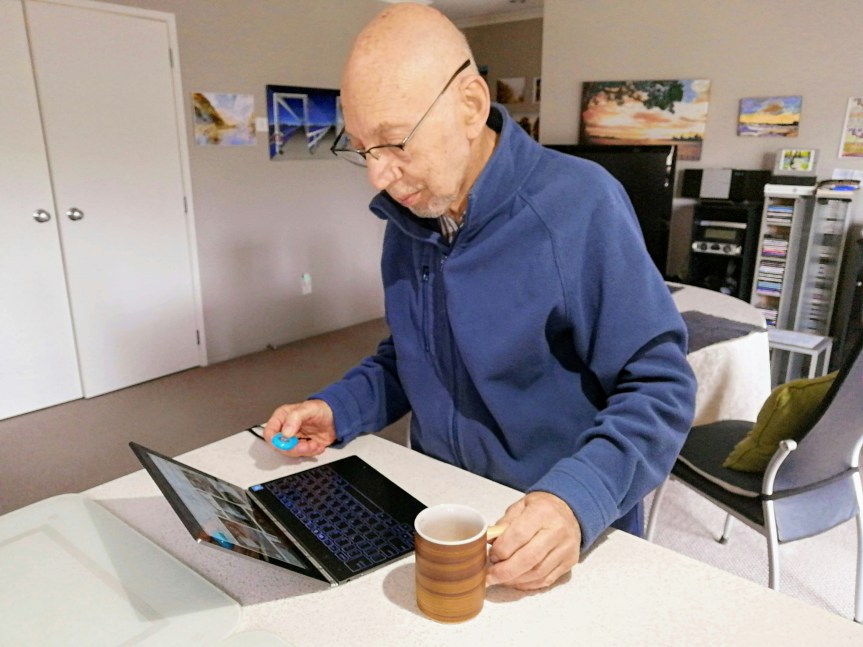
Building a Network of Support while Solo Aging

By Roz Jones

As the new year begins, it’s the perfect time to focus on the health and happiness of our aging loved ones. For those navigating solo aging, a strong support network is the cornerstone of independence, resilience, and joy. Building this network takes intention, but with a few key strategies, caregivers can help their loved ones thrive.

Why a Support Network Matters for Solo Agers

Solo aging offers unique opportunities for independence, but it can also lead to feelings of isolation. Without a reliable support system, tasks like managing health appointments, running errands, or simply finding companionship can become overwhelming. Building a network ensures your loved one has the resources and relationships they need to maintain their quality of life.

How Caregivers Can Help Build a Network of Support

  1. Encourage Participation in Local Senior Programs
    Local senior centers often host events, classes, and support groups designed to foster social interaction. Encourage your loved one to explore options like book clubs, fitness classes, or craft workshops. Many communities also have volunteer opportunities that can help seniors stay engaged while giving back.
  2. Facilitate Connection with Neighbors
    Sometimes, the best support comes from just next door. Help your loved one introduce themselves to neighbors or attend neighborhood gatherings. Knowing the people nearby can provide a sense of safety and belonging.
  3. Use Technology to Stay Connected
    From video calls to online forums, technology bridges the gap for seniors who may have mobility or transportation limitations. Introduce your loved one to user-friendly platforms like Zoom or FaceTime and explore community-oriented apps where they can engage with others.
  4. Leverage Community Resources
    Research organizations like Meals on Wheels, local churches, or community nonprofits that offer resources for seniors. These services can provide meals, transportation, or companionship programs that make life easier for solo agers.
  5. Create a Social Calendar
    Encourage your loved one to maintain an active social life by planning weekly or monthly activities. Whether it’s a lunch date with a friend, a trip to the museum, or a yoga class, consistent interaction helps combat loneliness and keeps them engaged.

Tools to Combat Loneliness and Maintain Social Health

  • Pet Therapy: Consider adopting a pet or arranging pet therapy visits to bring companionship and joy.
  • Virtual Classes: Many organizations offer virtual yoga, art, or language classes tailored to seniors.
  • Regular Check-ins: Schedule calls or visits with family and friends to keep the lines of communication open.

By helping your loved one establish a strong support network, youโ€™re empowering them to enjoy the freedom of solo aging while minimizing its challenges. Check out my previous blog Thriving Alone While Aging with Grace and Independence for more tips on Solo Aging.

Subscribe to The Caregiver Cafe Weekly Newsletter!

Caregiving can be a roller coaster of ups and downs. The information that you will receive from The Caregiver Cafe Weekly Specials Newsletter will support you as a caregiver. Remember…

1. YOU ARE NOT ALONE: The problems you face as a caregiver are experienced by other caregivers. Knowing that you’re not alone can be comforting. 

2. Tools and Resources:  Find caregiver stress management tools and gain perspective from other caregiver’s experiences.

3. LEARN TO: Ask for help, accept help when it is offered, and acknowledge yourself on this caregiving journey. Hear from experts on how to balance caregiving responsibilities by taking care of your needs and involving others to help manage the natural stress and isolation of being a caregiver. 

Transforming Your Commute into a Calm Start

By Roz Jones

Letโ€™s talk about something we often overlook: the commute. Whether your commute is five minutes or fifty, it can set the tone for how your day unfolds. I used to think of my commute as just another stressful part of my morning, but over time, Iโ€™ve realized that it doesnโ€™t have to be that way. Our caregiving day doesnโ€™t begin when we arriveโ€”it starts the moment we step out the door.

What if, instead of viewing your commute as a hassle, you saw it as an opportunity? A chance to center yourself, reset your mind, and prepare for the responsibilities ahead. In this blog, Iโ€™m sharing some strategies that have helped me transform my commute into a calm, rejuvenating part of my day.

1. Plan Your Route Ahead of Time

The first step to a stress-free commute is choosing the best route. Take a few minutes the night before to check traffic patterns, road closures, or weather conditions. Apps like Google Maps or Waze can give you real-time updates, helping you avoid unexpected delays.

For me, choosing the scenic routeโ€”even if it adds a few minutesโ€”has been a game-changer. A quiet road or a drive through nature can make all the difference in starting the day with a calm mindset.

2. Allow Extra Time

Iโ€™ve learned that rushing is the fastest way to start my day on the wrong foot. If your commute typically takes 20 minutes, give yourself 30. Those extra 10 minutes arenโ€™t just a bufferโ€”theyโ€™re peace of mind. When you arrive with time to spare, youโ€™ll feel more grounded and ready to focus on caregiving.

3. Turn Your Commute Into โ€œYouโ€ Time

Letโ€™s face itโ€”our caregiving roles can make it hard to carve out time for ourselves. Your commute is the perfect opportunity to create that space. Here are a few ideas to make your drive or ride more enjoyable:

  • Listen to uplifting podcasts or audiobooks: Choose topics that inspire or relax you.
  • Play calming music: Create a playlist of your favorite feel-good songs or soothing instrumental tracks.
  • Practice mindfulness: If youโ€™re a passenger or using public transit, try a guided meditation app like Calm or Headspace.

For me, listening to a motivational podcast sets the tone for a positive day. Itโ€™s my time to recharge and focus on my mindset.

4. Practice Deep Breathing

I know this sounds simple, but it works. If you find yourself stuck in traffic or feeling overwhelmed, take a moment to practice deep breathing. Inhale for a count of four, hold for four, and exhale for four. Repeat a few times, and youโ€™ll feel your stress levels start to drop.

5. Set an Intention for the Day

As caregivers, we often focus on everyone else, but itโ€™s just as important to check in with ourselves. Use your commute to set an intention for the day. Maybe itโ€™s patience, gratitude, or focus. I like to think about how I want to show up for my loved ones and myselfโ€”it helps guide my actions and keeps me grounded.

Your commute doesnโ€™t have to be stressful or rushed. By planning ahead, allowing extra time, and using the journey as a moment for yourself, you can transform it into a calm, intentional start to your caregiving day. Check out my previous blog, Transform Your Daily Journey into a Serene Retreat for more tips on how you can transform your commute.

Subscribe to The Caregiver Cafe Weekly Newsletter!

Caregiving can be a roller coaster of ups and downs. The information that you will receive from The Caregiver Cafe Weekly Specials Newsletter will support you as a caregiver. Remember…

1. YOU ARE NOT ALONE: The problems you face as a caregiver are experienced by other caregivers. Knowing that you’re not alone can be comforting. 

2. Tools and Resources:  Find caregiver stress management tools and gain perspective from other caregiver’s experiences.

3. LEARN TO: Ask for help, accept help when it is offered, and acknowledge yourself on this caregiving journey. Hear from experts on how to balance caregiving responsibilities by taking care of your needs and involving others to help manage the natural stress and isolation of being a caregiver. 

How to Have Distraction-Free Mornings for Caregivers

By Roz Jones

If thereโ€™s one thing I know about mornings, itโ€™s that they can go sideways fast. You start the day with the best of intentions, but before you know it, distractions take overโ€”an unexpected phone call, an email that canโ€™t wait, or even your own racing thoughts about whatโ€™s coming next. Iโ€™ve been there more times than I can count, and Iโ€™ve learned the hard way that letting distractions take charge sets the tone for a chaotic day.

But hereโ€™s the good news: we can reclaim our mornings by identifying and tackling those distractions head-on. Today, Iโ€™m sharing some practical strategies that have helped meโ€”and so many other caregiversโ€”create calm, focused mornings that set the stage for a productive day.

Step 1: Identify Whatโ€™s Distracting You

Before we can fix the problem, we need to figure out whatโ€™s pulling our attention. Is it your phone buzzing with notifications? A cluttered space that makes it hard to focus? Or maybe itโ€™s your own mental to-do list running on repeat? Take a moment to pinpoint your top distractions.

For me, it was my phone. Every buzz, ding, and email pulled me out of my morning routine and into someone elseโ€™s agenda. Once I recognized that, I started setting my phone to “Do Not Disturb” during my morning hours. It was a small change that made a huge difference.

Step 2: Declutter Your Morning Space

Our environment has a big impact on how we feel and focus. If the space where you start your day is cluttered, itโ€™s easy to feel overwhelmed before youโ€™ve even begun.

Try this: Set aside 5-10 minutes in the evening to tidy up your morning space. Clear off your kitchen counter, organize your desk, or prep the area where you like to enjoy your coffee or journal. Waking up to a clean, organized space helps you feel calmer and more in control.

Step 3: Set Morning Boundaries

One of the hardest lessons Iโ€™ve learned is that itโ€™s okay to set boundaries. Mornings are your time to prepare for the day, and protecting that time is crucial.

Start by letting your family, friends, or co-workers know that youโ€™ll be unavailable for certain periods in the morning. Maybe you block off 7:00โ€“7:30 AM for meditation, stretching, or quiet reflection. Itโ€™s not selfishโ€”itโ€™s necessary. When you show up for yourself first, youโ€™re better equipped to show up for others throughout the day.

Step 4: Create a Distraction-Free Morning Routine

Build a morning routine that minimizes distractions by planning ahead. For example:

  • Prepare your clothes, meals, or caregiving supplies the night before.
  • Use a simple checklist to stay on track with your morning tasks.
  • Schedule specific times to check your phone, email, or messages later in the day.

When you have a clear plan, itโ€™s easier to stay focused and avoid getting sidetracked.

Step 5: Acknowledge Mental Distractions

Sometimes, the distractions come from inside our own headsโ€”worries about the day ahead or the endless to-do list we carry as caregivers. Iโ€™ve found that writing things down can be a lifesaver.

Keep a notebook or a sticky pad nearby, and if a thought pops up, jot it down and let it go for the moment. You can come back to it later, but for now, youโ€™re creating space for a calm and focused start to your day.

Distractions donโ€™t have to control your mornings. By identifying whatโ€™s pulling your attention, setting boundaries, and creating a routine that works for you, you can reclaim those precious morning hours and set a positive tone for the rest of the day. If you missed last weekโ€™s blog, 7 Fresh Habits Every Caregiver Should Start This Year, I encourage you to check it out. Itโ€™s the perfect complement to todayโ€™s post and offers even more ways to build a powerful morning routine.

Subscribe to The Caregiver Cafe Weekly Newsletter!

Caregiving can be a roller coaster of ups and downs. The information that you will receive from The Caregiver Cafe Weekly Specials Newsletter will support you as a caregiver. Remember…

1. YOU ARE NOT ALONE: The problems you face as a caregiver are experienced by other caregivers. Knowing that you’re not alone can be comforting. 

2. Tools and Resources:  Find caregiver stress management tools and gain perspective from other caregiver’s experiences.

3. LEARN TO: Ask for help, accept help when it is offered, and acknowledge yourself on this caregiving journey. Hear from experts on how to balance caregiving responsibilities by taking care of your needs and involving others to help manage the natural stress and isolation of being a caregiver. 

Crafting a Strategic Schedule for Caregivers

By Roz Jones

Let me ask you a question: Do you feel like youโ€™re in control of your mornings, or do they control you? Iโ€™ve been in both places, and I can tell you that when you take charge of your morning with a strategic plan, it changes everything.

As caregivers, our mornings often set the tone for how the rest of the day will unfold. Without a clear plan, itโ€™s easy to feel overwhelmed or like weโ€™re constantly playing catch-up. But with a little intention and structure, mornings can become a powerful tool to help us stay calm, organized, and ready for whatever the day may bring.

Today, I want to walk you through how to create a morning blueprint that prioritizes what matters most while leaving room for flexibility.

Step 1: Start with Mental Preparation

One thing Iโ€™ve learned is that a clear mind leads to a clear day. Before diving into your tasks, take a few moments to mentally prepare for what lies ahead.

For me, this means sitting down with my planner or notebook and taking a deep breath. I ask myself: What are the most important things I need to focus on today? This helps me frame my priorities and feel grounded before the dayโ€™s chaos kicks in.

If youโ€™re not a fan of journaling or planners, even a quick mental checklist can work. The key is to take a moment to center yourself and set an intention for the day.

Step 2: Prioritize Tasks with Intention

We all have long to-do lists, but trying to tackle everything at once is a recipe for stress. Instead, letโ€™s focus on the most critical tasks first.

Hereโ€™s a tip I use: Write down your top three priorities for the day. These are the non-negotiablesโ€”the tasks that will make the biggest impact on your loved oneโ€™s care or your own well-being. Once those are clear, fit in the smaller tasks around them.

For example, if medication management is a priority, block out time in the morning to prepare and review everything. If self-care is on your list (and it should be!), schedule that in too.

Step 3: Create a Flexible Schedule

As caregivers, we know that no two days are the same. Unexpected things will come up, and thatโ€™s okay. The goal isnโ€™t to create a rigid scheduleโ€”itโ€™s to have a structure that keeps you on track while allowing room for adjustments.

Try breaking your morning into chunks:

  • Early Morning: Personal care (hydration, stretching, breakfast).
  • Mid-Morning: Key caregiving tasks (medications, appointments, or check-ins).
  • Late Morning: Flexible time for secondary tasks or self-care.

This way, even if something derails one part of your morning, you can still get back on track.

Step 4: Set Boundaries for Your Morning

Protecting your morning routine is just as important as creating it. Let your loved ones or other family members know when you need uninterrupted time to focus on critical tasks.

I like to use visual cuesโ€”like a “Do Not Disturb” sign on the door or setting my phone to silent during specific timesโ€”to create boundaries. This not only helps me stay focused but also teaches others to respect the importance of my routine.

Step 5: Reflect and Adjust

At the end of the week, take a few minutes to reflect on your morning routine. What worked well? What felt rushed or overwhelming? Adjust as needed to keep your schedule aligned with your caregiving priorities and personal needs.

Creating a strategic morning schedule isnโ€™t about perfectionโ€”itโ€™s about progress. By mentally preparing, prioritizing tasks, and building a flexible routine, you can reclaim your mornings and set the tone for a calmer, more productive day.

Subscribe to The Caregiver Cafe Weekly Newsletter!

Caregiving can be a roller coaster of ups and downs. The information that you will receive from The Caregiver Cafe Weekly Specials Newsletter will support you as a caregiver. Remember…

1. YOU ARE NOT ALONE: The problems you face as a caregiver are experienced by other caregivers. Knowing that you’re not alone can be comforting. 

2. Tools and Resources:  Find caregiver stress management tools and gain perspective from other caregiver’s experiences.

3. LEARN TO: Ask for help, accept help when it is offered, and acknowledge yourself on this caregiving journey. Hear from experts on how to balance caregiving responsibilities by taking care of your needs and involving others to help manage the natural stress and isolation of being a caregiver. 

7 Fresh Habits Every Caregiver Should Start This Year

By Roz Jones

As we step into a new year, itโ€™s the perfect time to refresh how we approach our mornings. Mornings are more than just the start of the dayโ€”theyโ€™re an opportunity to set the tone for success, energy, and focus. For caregivers like us, mornings are often busy and demanding, but with a few intentional changes, they can become a source of strength and renewal.

Iโ€™ve updated my go-to morning habits for 2025, keeping them practical and tailored to the realities of caregiving. Letโ€™s dive into seven habits that will help you start your day with purpose and positivity.

1. Start with Gratitude

Instead of reaching for your phone first thing in the morning, try starting your day with gratitude. Take 1-2 minutes to reflect on something youโ€™re thankful forโ€”it could be as simple as a good nightโ€™s sleep or the cup of coffee waiting for you. Gratitude helps frame your mindset for the day ahead, giving you a mental boost before tackling your caregiving responsibilities.

2. Hydrate with a Boost

This year, go beyond plain water in the morning. Add a splash of lemon or a pinch of sea salt to your water for an extra kick of hydration and electrolytes. This simple addition helps energize your body and support brain function, giving you the stamina to start your day strong.

3. Stretch and Strengthen

A few minutes of movement can make a big difference. This year, try incorporating gentle stretches combined with strength-building exercises like wall push-ups or chair squats. These quick movements not only wake up your muscles but also help build the physical resilience you need for caregiving tasks.

4. Choose a Functional Breakfast

Fuel your body with a balanced breakfast that supports sustained energy. Think about including protein (like eggs or Greek yogurt), healthy fats (like avocado or nuts), and fiber (like oatmeal or fruit). Avoid sugary cereals or pastries that might leave you feeling sluggish by mid-morning.

5. Set One Key Intention for the Day

Take a moment to ask yourself: Whatโ€™s the most important thing I want to focus on today? Whether itโ€™s prioritizing self-care, completing a specific task, or simply being present with your loved ones, setting a clear intention helps guide your day with purpose.

6. Embrace Tech to Simplify Your Morning

This year, letโ€™s make technology work for us. Use a digital assistant or reminder app to manage your morning routine. You can schedule reminders for tasks like medication management, hydration, or even a quick motivational podcast.

7. Dedicate 10 Minutes to Something You Love

Carve out a small block of time just for youโ€”whether itโ€™s journaling, listening to music, reading, or enjoying a cup of tea. This is your moment to recharge before diving into the caregiving day ahead. Think of it as your daily gift to yourself.

Make This Year Your Best Yet

Starting your day with intention and care isnโ€™t just about survivingโ€”itโ€™s about thriving. These updated habits are designed to fit seamlessly into your busy mornings while giving you the tools to face each day with renewed energy and focus. If youโ€™re ready to take control of your mornings and transform your caregiving journey, start small and add a habit or two at a time. And donโ€™t forget to revisit my previous blog, 7 Morning Musts for Caregivers, for even more inspiration.

Subscribe to The Caregiver Cafe Weekly Newsletter!

Caregiving can be a roller coaster of ups and downs. The information that you will receive from The Caregiver Cafe Weekly Specials Newsletter will support you as a caregiver. Remember…

1. YOU ARE NOT ALONE: The problems you face as a caregiver are experienced by other caregivers. Knowing that you’re not alone can be comforting. 

2. Tools and Resources:  Find caregiver stress management tools and gain perspective from other caregiver’s experiences.

3. LEARN TO: Ask for help, accept help when it is offered, and acknowledge yourself on this caregiving journey. Hear from experts on how to balance caregiving responsibilities by taking care of your needs and involving others to help manage the natural stress and isolation of being a caregiver. 

Memories and Milestones of President Jimmy Carter: A Gentle Goodbye — Lessons from Hospice Care

By Roz Jones

As we conclude our series on the extraordinary life of President Jimmy Carter, I want to reflect on his final chapterโ€”a journey through hospice care that was marked by grace, dignity, and love.

When President Carter entered hospice in February 2023, it was a decision that spoke volumes about his character. True to form, he approached end-of-life care as he did everything else: with thoughtfulness and humility. For nearly a year, he remained in the care of his loved ones, supported by a compassionate hospice team that honored his wishes to remain at home.

Hospice care is often misunderstood, but President Carterโ€™s experience highlighted its profound value. Itโ€™s not about giving up; itโ€™s about creating a space where lifeโ€™s final moments can be meaningful and peaceful. With hospice, President Carter was able to spend time with Rosalynn, his family, and close friendsโ€”sharing stories, reminiscing, and simply being present.

As caregivers, many of us have walked this road ourselves. Itโ€™s never easy, but itโ€™s also a time of connection and reflection that can leave lasting memories. President Carterโ€™s hospice journey reminds us to approach these moments with an open heart, focusing on the quality of life rather than the length of time left.

The Carter familyโ€™s decision to be transparent about his care also opened the door for important conversations about end-of-life planning. Itโ€™s a reminder for all of us to have those discussions early, ensuring that our loved onesโ€™ wishes are honored.

President Jimmy Carterโ€™s legacy isnโ€™t just in the policies he created or the homes he builtโ€”itโ€™s also in the example he set for living and dying with purpose. His life was a testament to the power of love, service, and faith.

As we say goodbye, letโ€™s carry his lessons with us: to serve others, to love deeply, and to approach caregiving with the same compassion he showed in every aspect of his life. Thank you for joining me for this series. Iโ€™m here to support you in your caregiving journey, just as President Jimmy Carter inspired us to support one another. Book a consultation with me at the link.

Subscribe to The Caregiver Cafe Weekly Newsletter!

Caregiving can be a roller coaster of ups and downs. The information that you will receive from The Caregiver Cafe Weekly Specials Newsletter will support you as a caregiver. Remember…

1. YOU ARE NOT ALONE: The problems you face as a caregiver are experienced by other caregivers. Knowing that you’re not alone can be comforting. 

2. Tools and Resources:  Find caregiver stress management tools and gain perspective from other caregiver’s experiences.

3. LEARN TO: Ask for help, accept help when it is offered, and acknowledge yourself on this caregiving journey. Hear from experts on how to balance caregiving responsibilities by taking care of your needs and involving others to help manage the natural stress and isolation of being a caregiver. 

Memories and Milestones: The Carter Legacy of Caregiving

By Roz Jones

When I think about President Jimmy Carter and Rosalynn Carter, Iโ€™m reminded of the true meaning of partnership. Together, they spent decades not just as husband and wife, but as advocates for one of the most vital and often overlooked roles in societyโ€”caregiving.

As caregivers, we know the challenges that come with supporting our loved ones. Itโ€™s not just about tending to physical needs but also about creating an environment of dignity and compassion. Thatโ€™s what the Carters worked tirelessly to promote through the Rosalynn Carter Institute for Caregivers (RCI).

Founded in 1987, RCI became a beacon of hope and advocacy for caregivers. Rosalynn, with President Jimmy Carter always by her side, championed the importance of providing resources, training, and emotional support for those caring for aging loved ones, individuals with disabilities, or those facing chronic illness.

The Carters believed caregiving was not just a personal responsibility but a societal one. Through their work, they raised awareness of the emotional and financial toll caregiving takes, while also pushing for systemic changes to support caregivers.

What stands out most to me is how they lived what they preached. Even in their later years, as Rosalynn began facing her own health challenges, President Jimmy Carter became her advocate and caregiver, embodying the same values they had championed for decades.

Their story resonates deeply with those of us in The Caregiver Cafe community. Whether youโ€™re caring for a parent, spouse, or friend, the Carters remind us that caregiving is an act of love, one that has the power to transform both the giver and the receiver.

As we move toward the conclusion of this series, weโ€™ll reflect on President Jimmy Carterโ€™s graceful transition through hospice care and the lessons we can learn from his journey. Stay tuned for the final blog of the Memories and Milestones of President Jimmy Carter series, where weโ€™ll explore the role of hospice in his life and what it can teach us about end-of-life care.

Subscribe to The Caregiver Cafe Weekly Newsletter!

Caregiving can be a roller coaster of ups and downs. The information that you will receive from The Caregiver Cafe Weekly Specials Newsletter will support you as a caregiver. Remember…

1. YOU ARE NOT ALONE: The problems you face as a caregiver are experienced by other caregivers. Knowing that you’re not alone can be comforting. 

2. Tools and Resources:  Find caregiver stress management tools and gain perspective from other caregiver’s experiences.

3. LEARN TO: Ask for help, accept help when it is offered, and acknowledge yourself on this caregiving journey. Hear from experts on how to balance caregiving responsibilities by taking care of your needs and involving others to help manage the natural stress and isolation of being a caregiver. 

Memories and Milestones of President Jimmy Carter: Building Homes and Hope with Habitat for Humanity

By Roz Jones

After leaving the White House, President Jimmy Carter could have chosen a quiet retirement. But instead, he rolled up his sleevesโ€”literallyโ€”and dedicated the next chapter of his life to serving others in a deeply personal and hands-on way.

When I think about his work with Habitat for Humanity, Iโ€™m reminded of how caregiving often calls us to action in the same way. Itโ€™s about stepping up, no matter how big or small the task, and giving with your whole heart. Thatโ€™s exactly what Carter did.

Habitat for Humanity became a natural extension of his values: faith, humility, and service. For decades, President Carter and his wife Rosalynn worked tirelessly to build and restore homes, traveling across the U.S. and even internationally. Together, they helped provide safe and affordable housing to those in need, putting their beliefs into action.

I remember watching news segments showing President Jimmy Carter, hammer in hand, wearing a hard hat and flashing his warm, familiar smile. He wasnโ€™t just a figurehead for the organizationโ€”he was actively on the ground, building homes and forging connections.

President Carterโ€™s involvement also helped bring global attention to the housing crisis. Thanks to his efforts, Habitat for Humanity became a household name, inspiring countless volunteers and donors to join the cause.

As caregivers, many of us know the importance of creating a safe and supportive environment. President Carterโ€™s work reminds us that the spaces we live in can deeply affect our well-being. His dedication to helping others find a place to call home reflects the same compassion we strive to bring into the lives of our loved ones.

Next, weโ€™ll explore the incredible partnership President Jimmy Carter and Rosalynn shared, particularly their work as advocates for caregiving. Their commitment to each other and to caregiving is an inspiration for us all.Join me for the next blog in the Memories and Milestones of President Jimmy Carter series as we celebrate his advocacy for caregiving alongside Rosalynn Carter.

Subscribe to The Caregiver Cafe Weekly Newsletter!

Caregiving can be a roller coaster of ups and downs. The information that you will receive from The Caregiver Cafe Weekly Specials Newsletter will support you as a caregiver. Remember…

1. YOU ARE NOT ALONE: The problems you face as a caregiver are experienced by other caregivers. Knowing that you’re not alone can be comforting. 

2. Tools and Resources:  Find caregiver stress management tools and gain perspective from other caregiver’s experiences.

3. LEARN TO: Ask for help, accept help when it is offered, and acknowledge yourself on this caregiving journey. Hear from experts on how to balance caregiving responsibilities by taking care of your needs and involving others to help manage the natural stress and isolation of being a caregiver. 

Memories and Milestones of Jimmy Carter: The Carter Presidency

By Roz Jones

As we continue to honor President Jimmy Carterโ€™s life and legacy, we turn our focus to the time when he led our nation from the Oval Office. His presidency may have been a single term, but his impact during those four years still resonated over decades.. 

I was struck by how President Carter, a humble man from rural Georgia, approached the presidency with an unshakable moral compass. He prioritized people and principles over politics, and his leadership laid the foundation for lasting change.

One of President Carterโ€™s most notable achievements was the establishment of the Department of Energy in 1977. Long before renewable energy became a global priority, President Carter recognized the need for energy conservation and sustainability. I remember seeing images of him installing solar panels on the White House roofโ€”a bold and forward-thinking act that underscored his commitment to the environment.

He also championed human rights, making them a cornerstone of his foreign policy. From brokering the Camp David Accords to his efforts for peace in the Middle East, President Carter demonstrated the power of diplomacy driven by empathy and understanding.

For us caregivers, thereโ€™s a lesson in his approach. He didnโ€™t shy away from tough conversations or complex issues. Instead, he leaned into them with the belief that every challenge could be met with courage and care. Itโ€™s a reminder that in our roles, whether caring for a loved one or navigating a crisis, leading with heart can make all the difference.

President Carterโ€™s presidency also had its share of challenges, but even in the face of adversity, he never wavered in his mission to serve. Thatโ€™s a legacy worth rememberingโ€”not just as Americans, but as people striving to make a difference in our own spheres.

In the next post, weโ€™ll explore how President Carterโ€™s post-presidency work with Habitat for Humanity became another shining chapter in his life of service. Stay with me as we continue this journey of memories and milestones. Donโ€™t miss the next blog of the Memories and Milestones of President Jimmy Carter, where Iโ€™ll dive into his incredible work building homes and hope with Habitat for Humanity. If you missed the previous blog, A Life Well Lived โ€œHis Wayโ€, check it out now.

Subscribe to The Caregiver Cafe Weekly Newsletter!

Caregiving can be a roller coaster of ups and downs. The information that you will receive from The Caregiver Cafe Weekly Specials Newsletter will support you as a caregiver. Remember…

1. YOU ARE NOT ALONE: The problems you face as a caregiver are experienced by other caregivers. Knowing that you’re not alone can be comforting. 

2. Tools and Resources:  Find caregiver stress management tools and gain perspective from other caregiver’s experiences.

3. LEARN TO: Ask for help, accept help when it is offered, and acknowledge yourself on this caregiving journey. Hear from experts on how to balance caregiving responsibilities by taking care of your needs and involving others to help manage the natural stress and isolation of being a caregiver. 

Honoring Your Missing Loved Ones During the Holiday Season

By Roz Jones

The holiday season is a time for family, togetherness, and making memories. But for caregivers who have lost a loved one, the holidays can also be a painful reminder of the empty seat at the tableโ€”the absence of someone who once played a central role in your traditions and celebrations. If this is your first holiday season without a beloved family member, or if you’ve experienced loss in the past months or recent years, I know that Iโ€™m having a problem struggling to balance the joy of the season with the weight of grief, as many of you may also be experiencing.

As caregivers, we often pour so much of our hearts into our loved ones, especially during the holidays. When theyโ€™re no longer with us, it can feel like a part of the holiday magic is gone, too. As I remember my mother, itโ€™s important for me to remember that grief and love can coexist. The unique bond I had with my mother still has a place at the table this holiday season.

In todayโ€™s blog, I want to share with you some thoughtful and meaningful ways to incorporate your missing loved one into your holiday celebrations, ensuring they have a seat at the table in both your heart and your home.

1. Set a Place for Them at the Table

One of the most symbolic and simple gestures you can make is to set a place at the holiday table for your loved one. Whether itโ€™s their favorite chair or a designated spot with a photo or special keepsake, this act honors their presence, even in their absence. The empty chair may serve as a reminder of the love you shared, and by acknowledging it, you create a space to hold them in your heart during the meal.

2. Share Stories and Memories

The holiday table isnโ€™t just for foodโ€”itโ€™s a place for storytelling, laughter, and shared memories. Encourage family members to share their favorite stories, jokes, or memories involving the person whoโ€™s no longer with you. Not only does this keep their memory alive, but it also provides a sense of connection and closeness. Laughter mixed with tears is part of the healing process, and this tradition can bring comfort as you celebrate the season together.

3. Create a Memory Box or Journal

To include your loved one in the festivities, consider creating a memory box or memory journal where family members can write notes, memories, or wishes to your loved one. This could be something you pass around during holiday gatherings, with each person adding their own thoughts and sentiments. You could also invite others to include something special, like a small trinket or keepsake that represents their bond with the person youโ€™ve lost.

This memory box or journal can be something you return to year after year, adding new memories and reflections with each holiday. Over time, it becomes a beautiful record of love, remembrance, and healing.

4. Cook Their Favorite Dish or Drink

Food is often at the center of holiday gatherings, so why not honor your loved one through the dishes they loved most? Cook their favorite meal or dessert, or prepare a recipe that was passed down through generations. When everyone gathers around to enjoy the meal, itโ€™s a small but meaningful way to bring them into the moment.

If your loved one had a signature drink or a go-to holiday treat, make sure to include that on the menu. Itโ€™s a simple yet powerful way to remember them and celebrate their role in your familyโ€™s traditions.

5. Light a Candle in Their Memory

Candles symbolize warmth, light, and remembrance. Lighting a candle in your loved oneโ€™s honor is a peaceful and reflective way to keep their memory alive during holiday celebrations. You can do this during a special momentโ€”like before dinner or when everyone is gathered to share stories. If you want to make this tradition even more personal, consider having a candle engraved with your loved oneโ€™s name, or choose a scent that reminds you of them.

6. Volunteer or Donate in Their Name

Giving back to others is a powerful way to honor the spirit of the holidays and keep your loved oneโ€™s legacy alive. If your loved one had a cause they were passionate about, consider volunteering your time or making a donation in their name. Whether itโ€™s helping at a food pantry, donating toys to children in need, or contributing to a charity that was close to their heart, this can be a beautiful way to carry on their generosity and compassion.

7. Make a Special Ornament or Decoration

Incorporating a physical reminder of your loved one into your holiday decorations can bring both comfort and connection. Consider making a special ornament or holiday decoration that honors their memory. This could be something as simple as creating a photo ornament with a favorite picture or crafting a decorative item that represents a special memory you shared.

Each year as you decorate your tree or home, you can add this ornament or decoration, and with it, youโ€™ll feel that your loved one is part of your celebrations, year after year.

8. Have a Moment of Reflection

During the hustle and bustle of the holiday season, itโ€™s easy to forget to pause and reflect. Take a moment during your celebrations to sit quietly, either alone or with loved ones, and reflect on your cherished memories with the person who has passed. You might say a prayer, share a special thought, or simply enjoy the stillness as a way to honor their memory.

This time of reflection doesnโ€™t need to be long, but it can offer a sense of peace and connection. It reminds you that even though they may not physically be present, they are always with you in spirit.

9. Start a New Tradition in Their Honor

Sometimes, creating a new tradition is a beautiful way to integrate your loved oneโ€™s memory into your life going forward. It could be as simple as watching their favorite holiday movie, visiting a place they loved, or doing something that embodies the spirit of who they were. Starting a new tradition that reflects your loved oneโ€™s personality and passions can help transform the grief into something meaningful and positive, while also keeping their memory alive.

10. Allow Yourself to Grieve

While the holiday season is a time for celebration, itโ€™s important to acknowledge that grieving is part of the process. It’s okay to feel sad, to miss your loved one, and to allow yourself space to mourn during this time. Take care of yourself and give yourself permission to grieve, without feeling the pressure to be “joyful” or “cheerful” all the time. The holidays are about honoring your emotions, and part of that is allowing yourself to feel the sadness and the joy that come with remembering a loved one.

The holidays will never be the same without your loved one, but that doesnโ€™t mean their memory canโ€™t continue to live on in meaningful ways. By creating space for them at the table, sharing memories, starting new traditions, and finding ways to honor their spirit, you can celebrate the holidays while holding them in your heart.

As caregivers, itโ€™s important to take care of ourselves, too. So, this holiday season, take the time to reflect on the love, lessons, and legacy of your loved one, and allow their presence to fill your heart, even if they are no longer physically at the table.

May your holidays be filled with both remembrance and healing.

Subscribe to The Caregiver Cafe Weekly Newsletter!

Caregiving can be a roller coaster of ups and downs. The information that you will receive from The Caregiver Cafe Weekly Specials Newsletter will support you as a caregiver. Remember…

1. YOU ARE NOT ALONE: The problems you face as a caregiver are experienced by other caregivers. Knowing that you’re not alone can be comforting. 

2. Tools and Resources:  Find caregiver stress management tools and gain perspective from other caregiver’s experiences.

3. LEARN TO: Ask for help, accept help when it is offered, and acknowledge yourself on this caregiving journey. Hear from experts on how to balance caregiving responsibilities by taking care of your needs and involving others to help manage the natural stress and isolation of being a caregiver. 
Gone But Not Forgotten: Creating New Traditions to Honor Your Loved One

By Roz Jones

As we conclude the Gone But Not Forgotten Blog Series, I want to explore a meaningful way to carry your loved oneโ€™s memory forwardโ€”by starting new traditions. These traditions donโ€™t have to be tied to the holidays; they can be woven into your life throughout the year.

Creating a new tradition in your loved oneโ€™s honor is not only a healing experience but also a beautiful way to celebrate their legacy. It allows you to move forward while keeping their presence in your heart. These traditions can bring comfort and help foster positive memories for years to come.

Tips and Ideas for Starting New Traditions

  1. Incorporate Something They Loved
    Think about the things your loved one enjoyed and build a tradition around that. If they loved decorating the house for the holidays, make it a family event where everyone participates in their honor. If they had a favorite recipe, bake it together as a family and share stories about them while you cook.
  2. Establish a Meaningful Ritual
    Small, intentional acts can become cherished traditions. Consider lighting a special candle at the beginning of family meals or playing their favorite song during gatherings. These rituals are simple but powerful ways to keep their memory alive.
  3. Make It Unique to Them
    If your loved one had a particular hobby or passion, incorporate that into your tradition. For example, if they loved gardening, plant something in their honor each year. If they were passionate about art, gather your family to create artwork inspired by them.
  4. Honor Their Values
    Celebrate what mattered most to your loved one by giving back in their name. If they were involved in charitable causes, start a tradition of volunteering or donating to a cause they cared about. This not only honors their memory but also spreads their legacy of kindness and generosity.

Why Starting New Traditions Matters

For me, starting new traditions has been a way to navigate grief while celebrating the love and joy my loved ones brought into my life. These traditions create lasting memories, bringing comfort and connection even in their absence. They remind me that while they may not be physically here, their spirit and impact live on in every act of love and remembrance.

Carrying Their Legacy Forward

As you think about creating new traditions, remember that itโ€™s not about replacing old memories but building new ones that honor your loved oneโ€™s life. Whether itโ€™s an annual gathering, a small ritual, or an act of giving, each tradition becomes a bridge between their memory and your present.

Thank you for joining me on this journey through the Gone But Not Forgotten Blog Series. I hope these ideas inspire you to celebrate your loved oneโ€™s legacy in ways that bring healing, joy, and connection to you and your family.

Subscribe to The Caregiver Cafe Weekly Newsletter!

Caregiving can be a roller coaster of ups and downs. The information that you will receive from The Caregiver Cafe Weekly Specials Newsletter will support you as a caregiver. Remember…

1. YOU ARE NOT ALONE: The problems you face as a caregiver are experienced by other caregivers. Knowing that you’re not alone can be comforting. 

2. Tools and Resources:  Find caregiver stress management tools and gain perspective from other caregiver’s experiences.

3. LEARN TO: Ask for help, accept help when it is offered, and acknowledge yourself on this caregiving journey. Hear from experts on how to balance caregiving responsibilities by taking care of your needs and involving others to help manage the natural stress and isolation of being a caregiver. 

Memories and Milestones of President Jimmy Carter: A Life Well Lived “His Way”

By Roz Jones

The world has lost a great president, a man of faith, a father, a husband, a humanitarian, and so much more. President Jimmy Carter, the 39th President of the United States, passed away peacefully after a long and courageous journey in hospice care.

As we reflect on his remarkable life, I canโ€™t help but think of Frank Sinatraโ€™s famous song, “I Did It My Way.” President Jimmy Carter truly did it his wayโ€”with humility, integrity, and a steadfast commitment to serving others.

President Carterโ€™s decision to enter hospice care in February 2023 demonstrated the grace and acceptance that defined his life. For over a year, he remained surrounded by love and care, showing us the power of hospice to create meaningful moments even in lifeโ€™s final chapter.

As caregivers, we know the immense challenges and rewards of supporting loved ones during this time. President Carterโ€™s journey reminds us that with the right care and compassion, these moments can become beautiful memories.

This is the first in a series of reflections on President Jimmy Carterโ€™s incredible legacy. Over the next two weeks, weโ€™ll explore the milestones and memories that defined his lifeโ€”from his presidency to his humanitarian work, and his unwavering partnership with his wife Rosalynn Carter.

Letโ€™s honor his legacy by drawing lessons from his remarkable journeyโ€”both as a leader and as a man who faced aging and end-of-life with dignity. Join me for the next blog of the Memories and Milestones of President Jimmy Carter series, where Iโ€™ll explore President Jimmy Carterโ€™s impactful presidency and the initiatives he championed for a brighter future.

Subscribe to The Caregiver Cafe Weekly Newsletter!

Caregiving can be a roller coaster of ups and downs. The information that you will receive from The Caregiver Cafe Weekly Specials Newsletter will support you as a caregiver. Remember…

1. YOU ARE NOT ALONE: The problems you face as a caregiver are experienced by other caregivers. Knowing that you’re not alone can be comforting. 

2. Tools and Resources:  Find caregiver stress management tools and gain perspective from other caregiver’s experiences.

3. LEARN TO: Ask for help, accept help when it is offered, and acknowledge yourself on this caregiving journey. Hear from experts on how to balance caregiving responsibilities by taking care of your needs and involving others to help manage the natural stress and isolation of being a caregiver. 

Gone But Not Forgotten: Creating a Memory Table as a Special Tribute to Your Loved One

By Roz Jones

As we continue the Gone But Not Forgotten Blog Series, letโ€™s explore a meaningful way to bring your loved oneโ€™s presence into your holiday celebrations: creating a memory table. This simple, heartfelt tribute offers a tangible reminder of their impact on your life while giving family and friends a special space to reflect and share memories.

A memory table can serve as a gentle yet powerful way to honor your loved oneโ€™s legacy. Whether itโ€™s set near the dining table, in the living room, or another cherished space in your home, this dedicated area creates a beautiful bridge between their memory and your holiday traditions.

Tips and Tricks for a Heartfelt Memory Table

  1. Choose a Special Location
    Find a spot where the memory table will be easily seen and appreciated. This could be near the dinner table, beside the Christmas tree, or on a prominent mantelpiece. The location sets the tone for the tribute and ensures itโ€™s a central part of the holiday atmosphere.
  2. Personalize It
    Make the memory table a reflection of your loved one. Decorate it with items that represent their personality, hobbies, or passions. It could include their favorite holiday ornaments, a treasured book, or something that reminds you of a special moment you shared together.
  3. Incorporate Photos
    Use framed photos of your loved one, especially from past holiday celebrations. These visuals can spark fond memories and stories, keeping their spirit alive during the festivities.
  4. Include a Special Note
    Take a moment to write a letter to your loved one or jot down a cherished memory. Place these notes on the table or read them aloud during a special moment, like a holiday dinner. Encourage family members to contribute their own notes for a collective expression of love and remembrance.
  5. Light a Candle
    A lit candle is a timeless symbol of remembrance and can add warmth to the memory table. Light it during dinner, gift exchanges, or any time when you want to honor their presence.
  6. Make It Interactive
    Invite your family and friends to contribute to the memory table. They could add photos, small mementos, or written notes. This collaborative act creates a shared space of love, connection, and healing.

Why a Memory Table Matters

For me, a memory table is more than just a tributeโ€”itโ€™s a way to include my loved one in the moments that matter most. It creates an opportunity for everyone to pause, reflect, and share stories, bringing a sense of closeness even in their physical absence.

This simple tradition has helped me navigate the holidays with a little more grace and joy, reminding me that while they may be gone, their love and influence are always present.

A Lasting Tradition

As you gather with loved ones this holiday season, consider setting up a memory table as part of your Gone But Not Forgotten traditions. Itโ€™s a tangible way to keep your loved one close, honor their legacy, and create a space where their memory can continue to bring warmth and connection to your family.

Letโ€™s remember them with love, share their stories, and celebrate the impact theyโ€™ve had on our lives.

Subscribe to The Caregiver Cafe Weekly Newsletter!

Caregiving can be a roller coaster of ups and downs. The information that you will receive from The Caregiver Cafe Weekly Specials Newsletter will support you as a caregiver. Remember…

1. YOU ARE NOT ALONE: The problems you face as a caregiver are experienced by other caregivers. Knowing that you’re not alone can be comforting. 

2. Tools and Resources:  Find caregiver stress management tools and gain perspective from other caregiver’s experiences.

3. LEARN TO: Ask for help, accept help when it is offered, and acknowledge yourself on this caregiving journey. Hear from experts on how to balance caregiving responsibilities by taking care of your needs and involving others to help manage the natural stress and isolation of being a caregiver. 

Gone But Not Forgotten: Raising A Glass in Honor of Your Loved One

By Roz Jones

The holidays have always been a time for family, love, and togetherness, but after losing a loved one, they can also be bittersweet. For me, itโ€™s a time to reflect on the people who are no longer with us and find small ways to keep their presence alive. One of the most meaningful traditions Iโ€™ve embraced is raising a glass in their honor.

This simple actโ€”a toastโ€”is such a powerful way to pause and celebrate their life. Itโ€™s an opportunity to remember their joy, their love, and the moments that made them unforgettable.

I want to share how you can make this tradition your own, just as I have, to keep your loved oneโ€™s memory close during this season.

Tips and Tricks for a Memorable Toast

  1. Choose the Right Moment
    Timing is everything. Whether itโ€™s before dinner, during dessert, or at the start of a family gathering, find a moment when everyone can pause together. A toast doesnโ€™t need to be long or elaborateโ€”itโ€™s the intention that matters most.
  2. Incorporate Their Favorite Drink
    Add a personal touch by including your loved oneโ€™s favorite beverage in the toast. Whether itโ€™s a classic cocktail, a glass of wine, or a comforting cup of tea, this small detail can make the moment feel even more connected to their memory.
  3. Write a Heartfelt Message
    If youโ€™re unsure what to say, take a few moments beforehand to write down a thought or memory that encapsulates your loved oneโ€™s essence. Whether itโ€™s a funny story, a cherished moment, or a simple thank-you for the joy they brought to your life, your words will carry meaning and love.
  4. Invite Others to Share
    Create a sense of togetherness by inviting family members to join in the toast. Encourage them to share their own thoughts, memories, or wishes in honor of your loved one. This collective act of remembrance can be a powerful way to bond and heal as a family.
  5. Keep the Atmosphere Comfortable
    Remember, not everyone processes grief the same way. Keep the toast light, loving, and inclusive, allowing those who may not wish to speak to participate simply by raising their glass.

Why This Tradition Matters

Raising a glass in honor of your loved one is more than just a gestureโ€”itโ€™s an intentional act of remembrance that brings family and friends closer together. This tradition allows you to:

  • Celebrate the joy your loved one brought to your life.
  • Reflect on their legacy and the memories that continue to bring you comfort.
  • Foster a sense of unity and healing among those who shared in their life.

A Lasting Legacy

As you gather this holiday season, let the simple act of a toast remind you that while grief may feel heavy, love and connection endure. Each shared story, each raised glass, and each heartfelt word adds to the legacy of your loved one, keeping their memory alive in the hearts of those who loved them most.

So, letโ€™s sip and save those special momentsโ€”because even in their absence, our loved ones remain an irreplaceable part of our story.

Subscribe to The Caregiver Cafe Weekly Newsletter!

Caregiving can be a roller coaster of ups and downs. The information that you will receive from The Caregiver Cafe Weekly Specials Newsletter will support you as a caregiver. Remember…

1. YOU ARE NOT ALONE: The problems you face as a caregiver are experienced by other caregivers. Knowing that you’re not alone can be comforting. 

2. Tools and Resources:  Find caregiver stress management tools and gain perspective from other caregiver’s experiences.

3. LEARN TO: Ask for help, accept help when it is offered, and acknowledge yourself on this caregiving journey. Hear from experts on how to balance caregiving responsibilities by taking care of your needs and involving others to help manage the natural stress and isolation of being a caregiver. 

Gone But Not Forgotten: Creating a Memory Journal to Preserve Their Legacy

By Roz Jones

As we continue our Gone But Not Forgotten Blog Series, letโ€™s explore a heartfelt way to keep your loved oneโ€™s memory alive: creating a memory journal. Writing down your thoughts, emotions, and cherished memories not only honors your loved oneโ€™s legacy but also provides a meaningful outlet for your grief.

A memory journal becomes a treasure trove of stories, keepsakes, and reflections that can be shared with family members, passed down through generations, or simply revisited when you need to feel close to your loved one.

Tips and Tricks for Creating a Memory Journal

  1. Choose a Special Journal
    Select a journal that feels significant to youโ€”whether itโ€™s a simple notebook or an intricately designed one. Personalize it by adding your loved oneโ€™s name, favorite colors, or a photo that reminds you of them.
  2. Invite Family Contributions
    Make the memory journal a family project. Ask relatives to contribute their favorite stories, special moments, or reflections about your loved one. This collective effort not only creates a richer memory book but also brings family members closer together.
  3. Add Meaningful Keepsakes
    Enhance your journal with mementos like photos, event tickets, or handwritten notes. These items add a tactile element to your memories, making them even more vivid and heartfelt.
  4. Make It a Holiday Tradition
    Dedicate time during the holidays to revisit the journal. Gather family members to read entries, share memories, or even add new reflections. This tradition can be a comforting way to feel connected and honor your loved one during special times.
  5. Write Freely and Authentically
    Let your thoughts flow without judgment. Include everything from happy memories to moments of sadnessโ€”every emotion is valid and part of your healing journey.

Why a Memory Journal Matters

Grief can feel overwhelming and isolating, but a memory journal offers a tangible way to process those emotions. Itโ€™s a space to:

  • Reflect on your loved oneโ€™s impact on your life.
  • Celebrate the joy they brought to you and others.
  • Capture the small details that might otherwise fade with time.

By documenting these memories, you create a living tribute that preserves their legacy and helps youโ€”and your familyโ€”navigate the journey of healing.

A Lasting Legacy

A memory journal isnโ€™t just for you; itโ€™s a gift for future generations. Imagine your children or grandchildren reading about the loved one who shaped your life. Through your words, theyโ€™ll come to know the person youโ€™ve lost and the love youโ€™ve shared.

Start small, take it day by day, and rememberโ€”this journal is your space to honor, grieve, and heal. Let it be a source of comfort and connection as you move through the seasons of life.

Stay tuned for more tips in the Gone But Not Forgotten Blog Series as we continue exploring ways to cherish and celebrate our loved onesโ€™ legacies.

Subscribe to The Caregiver Cafe Weekly Newsletter!

Caregiving can be a roller coaster of ups and downs. The information that you will receive from The Caregiver Cafe Weekly Specials Newsletter will support you as a caregiver. Remember…

1. YOU ARE NOT ALONE: The problems you face as a caregiver are experienced by other caregivers. Knowing that you’re not alone can be comforting. 

2. Tools and Resources:  Find caregiver stress management tools and gain perspective from other caregiver’s experiences.

3. LEARN TO: Ask for help, accept help when it is offered, and acknowledge yourself on this caregiving journey. Hear from experts on how to balance caregiving responsibilities by taking care of your needs and involving others to help manage the natural stress and isolation of being a caregiver. 

Gone But Not Forgotten: Cooking Your Loved Ones Favorite Dish

By Roz Jones

The holiday season can be a beautiful time of joy, love, and familyโ€”but it can also be a bittersweet reminder of the loved ones weโ€™ve lost. If youโ€™re grieving and navigating the holidays without someone you held dear, itโ€™s important to find ways to honor their memory while still embracing the warmth of the season. This Gone but Not Forgotten blog series is designed specifically for caregivers who are experiencing the loss of a loved one and need guidance on how to honor their memory during this time.

Throughout this series, Iโ€™ll share tips, tricks, and practical ideas that will help you incorporate your loved one into family traditions, creating meaningful ways to honor them and bring healing to your heart. Let’s dive deeper into the activities Iโ€™ve shared in the first post, with actionable steps and creative ideas you can use to make them your own.

Food has a unique way of connecting us to the people we love, especially when itโ€™s tied to special memories. Cooking a beloved dish from your loved oneโ€™s recipe box or preparing their favorite holiday meal is a way to keep their presence alive while celebrating family togetherness.

Tips and Tricks:

  • Make it a family event: Invite other family members to join in and help cook. You can take turns sharing stories about why that dish was special to your loved one. Cooking together creates a bonding experience while allowing everyone to feel connected to the memory.
  • Preserve their recipes: If your loved one had a signature dish or a recipe they often made during the holidays, keep that tradition alive by writing it down or preserving it in a family recipe book.
  • Recreate their style: If your loved one had a unique way of preparing a dish, try to recreate it as best as you can. You donโ€™t have to get it perfectโ€”what matters is the gesture and the act of remembering.
  • Try a “memory twist”: Add your own twist to their dish by incorporating a small change that makes it your own while still honoring the essence of what your loved one loved.

Cooking their favorite dish not only fills your home with the comforting smells of a cherished meal but also gives you and your family a chance to share in the warmth of their memory.

Subscribe to The Caregiver Cafe Weekly Newsletter!

Caregiving can be a roller coaster of ups and downs. The information that you will receive from The Caregiver Cafe Weekly Specials Newsletter will support you as a caregiver. Remember…

1. YOU ARE NOT ALONE: The problems you face as a caregiver are experienced by other caregivers. Knowing that you’re not alone can be comforting. 

2. Tools and Resources:  Find caregiver stress management tools and gain perspective from other caregiver’s experiences.

3. LEARN TO: Ask for help, accept help when it is offered, and acknowledge yourself on this caregiving journey. Hear from experts on how to balance caregiving responsibilities by taking care of your needs and involving others to help manage the natural stress and isolation of being a caregiver. 

A Lifeline After Losing A Loved One

By Roz Jones

Losing a loved one is an experience that can leave caregivers feeling lost, overwhelmed, and unsure of where to turn. As caregivers, you’ve dedicated countless hours, love, and energy to caring for your family member, and when they pass away, that absence creates a void that can be hard to fill. The emotional toll of losing someone so dear is something you don’t have to navigate alone, especially when hospice care is there to provide compassionate grief counseling and support.

Hospice Grief Counseling: A Gift of Healing

What many caregivers may not know is that hospice care offers free grief counseling for up to one year after the loss of a loved one. Yes, you can access this support at no cost, and itโ€™s specifically designed to help you process the complicated emotions and struggles that come with grief. This service is available to anyone who has experienced the loss of a loved one, regardless of whether or not your loved one was in hospice care at the time of death.

Hospice grief counseling offers a variety of services to help you cope with the loss:

  • Individual counseling: One-on-one sessions with trained professionals who can help you understand your grief and find ways to manage it.
  • Support groups: Grief support groups provide a space for you to connect with others who are going through similar experiences, fostering community and solidarity.
  • Phone consultations and virtual options: Many hospice services offer remote counseling to ensure you have access to support, no matter where you are.
  • Follow-up care: Hospice organizations often check in periodically to ensure that you continue to receive emotional support as you navigate the stages of grief.

This counseling isn’t just about finding comfort during the immediate aftermath of a loss; itโ€™s designed to support you as you heal over time. Hospice care recognizes that grief is not a short-term journey, and they offer support for up to a year to give you the space and time you need to heal.

Why Hospice Grief Counseling Is Vital for Caregivers

The grieving process is complex and deeply personal. As a caregiver, you’ve been emotionally invested in your loved oneโ€™s life and care, which makes the loss even harder to process. Hospice grief counseling is specifically tailored to meet the needs of caregivers, offering tools to help you cope, reflect, and heal.

Here are a few reasons why accessing hospice grief counseling is so important:

  • A safe space for expression: Grief can feel isolating, especially if you’re unable to share your emotions with others. Grief counseling gives you a safe space to express how you feel without judgment.
  • Understanding your grief: Grief manifests in many formsโ€”sadness, anger, guilt, confusion. Counseling helps you make sense of these emotions and teaches you how to deal with them in healthy ways.
  • Guided support: A grief counselor can help guide you through difficult emotions, offering tools to help you manage and eventually move through your grief.
  • Continued care: With hospice grief counseling available for up to a year, you don’t have to face your grief alone. The support extends beyond the immediate period following the loss, offering you a consistent source of care.

How to Access Grief Counseling Services Through Hospice

To access grief counseling, all you have to do is reach out to your local hospice care provider. Even if your loved one did not pass while in hospice care, many hospices still offer free grief support for family members and caregivers.

Here’s what you can do:

  1. Contact your local hospice: Call or visit their website to inquire about grief counseling services available to you.
  2. Ask about their offerings: Some hospices offer individual counseling, group therapy, and virtual support, so ask about the services that are available in your area.
  3. Seek guidance: If you’re unsure about which option is best for you, hospice counselors can help direct you to the right services based on your needs.

As a caregiver, youโ€™ve dedicated your heart and soul to the well-being of your loved one, and the loss youโ€™re experiencing now is one that should not be faced alone. Reaching out for grief counseling is an important step toward healing, and hospice counseling services can offer the support you need to navigate this difficult time. Take advantage of the free grief counseling offered by your local hospice and donโ€™t hesitate to reach out for support.

Subscribe to The Caregiver Cafe Weekly Newsletter!

Caregiving can be a roller coaster of ups and downs. The information that you will receive from The Caregiver Cafe Weekly Specials Newsletter will support you as a caregiver. Remember…

1. YOU ARE NOT ALONE: The problems you face as a caregiver are experienced by other caregivers. Knowing that you’re not alone can be comforting. 

2. Tools and Resources:  Find caregiver stress management tools and gain perspective from other caregiver’s experiences.

3. LEARN TO: Ask for help, accept help when it is offered, and acknowledge yourself on this caregiving journey. Hear from experts on how to balance caregiving responsibilities by taking care of your needs and involving others to help manage the natural stress and isolation of being a caregiver. 

Navigating the Holidays After Loss: A Caregivers Guide to Finding Joy Again

By Roz Jones

The holidays are meant to be a time of joy, family, and celebrationโ€”but for caregivers who have recently lost a loved one, the season can bring a mix of emotions that make it feel anything but festive. If this is your first holiday season without your family member, you may be feeling overwhelmed, isolated, or simply unsure how to move forward. I understand because, I just recently lost my mom and as caregivers, we give so much of ourselves, and losing someone we care for can leave a space that feels impossible to fill.

But even in the midst of grief, there are ways to reclaim moments of peace, love, and joy. Itโ€™s okay to acknowledge your pain and sadness while also finding ways to nurture yourself this holiday season. In this updated guide, I want to share some practical tips to help you navigate the holiday season with more peace, even if your heart is heavy.

If youโ€™re looking for additional support and tips, I encourage you to revisit my earlier post โ€œTake Back Your Joy This Holiday Season After Losing Your Loved Oneโ€. It provides valuable insights into emotional preparation, creating new traditions, and seeking support, which are the first steps in your journey to healing.

Now, let’s dive into some new strategies for caregivers during the holiday season.

1. Acknowledge Your Emotionsโ€”All of Them

First and foremost, itโ€™s okay not to be okay this holiday season. You may feel sadness, frustration, even guilt, and thatโ€™s all part of the healing process. Caregiving often means putting others first, but now itโ€™s your turn to care for yourself. Donโ€™t push down your emotionsโ€”recognize and honor them. It may help to journal your thoughts, talk to a trusted friend, or simply allow yourself quiet time to reflect.

Taking a moment to pause and reflect on how youโ€™re feeling will help you understand your needs in this vulnerable time. Let go of the pressure to be happy for othersโ€”your grief is valid, and allowing yourself space to grieve will actually help you heal.

2. Set Boundaries with Holiday Expectations

The holiday season often comes with high expectations, from hosting dinners to buying the perfect gift. If youโ€™re not up for it this year, say no. This doesnโ€™t make you any less of a caregiver or a loving family member. Setting boundaries is not about being selfish; itโ€™s about being self-aware and compassionate with yourself. If social events or family gatherings feel overwhelming, let your loved ones know what youโ€™re comfortable with, or give yourself permission to skip them altogether.

Remember: You are in control of what you choose to engage with this season.

3. Create Space for Memory and Connection

If youโ€™re grieving the loss of a loved one, it can feel as if the holiday spirit is gone forever. Instead of resisting the feelings of loss, consider creating a meaningful way to connect with your loved oneโ€™s memory.

  • Light a candle in their honor during meals or gatherings.
  • Write a letter to your loved one, sharing your thoughts and what you miss most about them.
  • Look through photos or create a small memory shrine where you can reflect on the beautiful moments you shared.
  • These acts can create a sense of closeness, even if your loved one is no longer physically with you. The holidays donโ€™t have to be just about whatโ€™s in front of youโ€”they can also be about remembering and cherishing what was.

4. Volunteer and Give Back

Volunteering can be an incredibly healing way to spend your time during the holidays. It shifts your focus from your own grief to offering support and compassion to others. Whether itโ€™s serving meals at a local shelter or organizing a toy drive, giving back in the spirit of your loved oneโ€™s legacy can provide a sense of purpose and fulfillment.

If youโ€™re not up to a big commitment, consider donating in small ways. Maybe you can donate clothing, non-perishable food, or toiletries to a local cause that was close to your loved oneโ€™s heart.

5. Embrace New Holiday Traditions

Though the thought of maintaining old traditions may be comforting, sometimes we need to adapt and find new ways to enjoy the holiday season. Consider starting a new tradition that reflects where you are right now. For example:

  • A Quiet Holiday: Instead of hosting a big dinner, opt for a peaceful day of self-careโ€”think of a cozy movie marathon, taking a long walk, or visiting a park that brings you peace.
  • A Gratitude Jar: Encourage your family to write down things they are grateful for on slips of paper and place them in a jar throughout the season. This can be a reflective and positive way to acknowledge whatโ€™s good, even when everything feels hard.
  • New traditions help remind you that while things have changed, there are still ways to create joy and meaning moving forward.

6. Seek Supportโ€”You Donโ€™t Have to Do This Alone

Donโ€™t forget, you donโ€™t have to carry this burden alone. Seeking support from family, friends, or a professional can ease your emotional load. Consider joining a grief support group where you can share your experiences and learn coping strategies from others who are going through similar challenges. There are also online communities where you can find solace without leaving your home.

If youโ€™re not ready for a group setting, a counselor or therapist can offer personalized support. Donโ€™t hesitate to lean on people who genuinely care about your well-being.

7. Take Care of Yourself Physically

Grief can take a toll on your physical health as much as it does on your emotional state. Make sure youโ€™re eating regularly, staying hydrated, and getting enough rest. Exercise, even in small doses, can do wonders for relieving stress and lifting your mood.

Itโ€™s okay to take breaks and nurture your body during this time. Be mindful of your needsโ€”both mental and physicalโ€”and let those be a priority.

8. Plan for Future Holidaysโ€”One Step at a Time

While youโ€™re focusing on getting through this holiday season, remember itโ€™s also okay to plan for the future. The holidays will likely feel different next year, and creating small steps toward how you want to experience them can help ease anxiety. For example, you may decide that you want to travel, or perhaps you want to invite more people over for a festive meal. Whatever your vision is, take it one step at a time.

The holiday season after losing a loved one is undoubtedly difficult, but with intention and self-compassion, it is possible to find moments of peace and joy, even in the hardest of times. Whether youโ€™re taking it slow or creating new rituals, your journey is your own, and thereโ€™s no right or wrong way to experience it.

Remember, grief is a process that doesnโ€™t have a timetable. If you need to take a step back, give yourself permission to do so. You are not aloneโ€”there is support out there, and there are many ways to heal.

For more tips on navigating this season, check out my previous blog post โ€œTake Back Your Joy This Holiday Season After Losing Your Loved Oneโ€. Iโ€™m here to support you through this journey, and together we can embrace the holidays in a way that honors both your grief and your healing.

Take care of you, because you matter.


Subscribe to The Caregiver Cafe Weekly Newsletter!

Caregiving can be a roller coaster of ups and downs. The information that you will receive from The Caregiver Cafe Weekly Specials Newsletter will support you as a caregiver. Remember…

1. YOU ARE NOT ALONE: The problems you face as a caregiver are experienced by other caregivers. Knowing that you’re not alone can be comforting. 

2. Tools and Resources:  Find caregiver stress management tools and gain perspective from other caregiver’s experiences.

3. LEARN TO: Ask for help, accept help when it is offered, and acknowledge yourself on this caregiving journey. Hear from experts on how to balance caregiving responsibilities by taking care of your needs and involving others to help manage the natural stress and isolation of being a caregiver. 

Caregiver Lessons from Jimmy Carter’s Century of Service

By Roz Jones

I find it truly inspiring that Jimmy Carter, a man who has dedicated his life to service and humanity, celebrated his 100th birthday on October 1st, 2024. As a caregiver, Iโ€™ve always admired the values he and Rosalynn Carter embodyโ€”compassion, commitment, and resilience. Their lives remind me of why I do what I do and the importance of supporting those who give so much of themselves to others.

A Century of Impact

Jimmy Carterโ€™s journey, from his humble beginnings in Plains, Georgia, to the presidency and beyond, is a story of dedication to making the world better. As president, Carter didnโ€™t just leadโ€”he innovated. His creation of the Department of Energy demonstrated his foresight in addressing complex issues like energy independence and environmental sustainability, both of which are so critical to our future.

What stands out to me the most is how he empowered Rosalynn Carter as a public figure. He recognized her strength and voice, encouraging her to step into leadership in ways that were groundbreaking for First Ladies. Itโ€™s a reminder that caregiving, whether for a family member, a community, or a country, is often best done in partnership, with mutual respect and shared vision.

Even now, as Jimmy Carter receives hospice care, his spirit and legacy continue to inspire caregivers like me to approach our roles with hope and perseverance.

The Rosalynn Carter Institute: Supporting Caregivers

As someone who understands the challenges of caregiving, Iโ€™m deeply grateful for the work of the Rosalynn Carter Institute for Caregiving (RCI). Founded in 1987, the RCI offers support and resources that have been lifelines for caregivers like me. Whether itโ€™s through their educational programs, research, or initiatives like Operation Family Caregiver for military families, their mission resonates deeply with me.

Caring for others often feels like navigating uncharted territory, and the RCI provides the tools and support to make that journey a little smoother. Rosalynn Carterโ€™s leadership in this area is a testament to the same values of service and compassion that defined her husbandโ€™s presidency.

What the Carters Have Taught Me

Jimmy and Rosalynn Carterโ€™s lives remind me to recommit to the principles that make caregiving not just a responsibility, but a calling:

  • Service: Whether Iโ€™m helping a loved one or advocating for caregivers, service is at the heart of everything I do.
  • Self-Care: The Carters taught me that taking care of myself isnโ€™t selfishโ€”itโ€™s essential. Itโ€™s what gives me the strength to care for others.
  • Community: Iโ€™ve learned the power of leaning on others. Sharing my journey with fellow caregivers has been a source of incredible strength and encouragement.
  • Advocacy: The Carters inspire me to use my voice to push for policies and programs that make caregiving more sustainable for all of us.
  • Lifelong Learning: Every day brings new challenges, and Iโ€™m committed to learning as much as I can to meet them head-on.

As I reflect on Jimmy Carterโ€™s 100th birthday, Iโ€™m reminded that even the smallest acts of service can create ripples of change. His legacy fuels my passion for caregiving and reminds me why this work matters so much.

Thank you for letting me share this reflection with you. Letโ€™s honor the Carters by continuing to live their values in our daily lives.


Subscribe to The Caregiver Cafe Weekly Newsletter!

Caregiving can be a roller coaster of ups and downs. The information that you will receive from The Caregiver Cafe Weekly Specials Newsletter will support you as a caregiver. Remember…

1. YOU ARE NOT ALONE: The problems you face as a caregiver are experienced by other caregivers. Knowing that you’re not alone can be comforting. 

2. Tools and Resources:  Find caregiver stress management tools and gain perspective from other caregiver’s experiences.

3. LEARN TO: Ask for help, accept help when it is offered, and acknowledge yourself on this caregiving journey. Hear from experts on how to balance caregiving responsibilities by taking care of your needs and involving others to help manage the natural stress and isolation of being a caregiver. 

Jimmy Carter’s Long Goodbye – A Lesson on Life

By Roz Jones

Today, I want to talk about an inspiring story that challenges the common perception of hospice care. Weโ€™re going to discuss none other than our former President Jimmy Carter and his remarkable journey in hospice. 

When the news broke that the 98-year-old Carter had entered hospice care, many assumed it was a sign of his imminent passing. However, as time has progressed, Carter has defied expectations and celebrated his first anniversary in hospice care just last month. This remarkable feat serves as a powerful reminder that hospice is not necessarily a one-way ticket to the great beyond.ย 

In the past, hospice was often seen as a place where people went to die. But times have changed, and hospice care has evolved to become a compassionate approach that prioritizes quality of life for those facing terminal illnesses. The goal is to provide comfort, support, and dignity during this challenging time, whether the patient has weeks, months, or even years left. 

And thatโ€™s precisely what Jimmy Carterโ€™s experience has demonstrated. Despite his advanced age and health challenges, he has continued to thrive in hospice care, surrounded by his loved ones and receiving the support he needs to make the most of his remaining time. 

Now, I know what you might be thinking: โ€œBut Roz, how is that possible? Isnโ€™t hospice care only for people who are actively dying?โ€ Well, let me break it down for you. 

Hospice care is designed to provide holistic support for individuals facing life-limiting illnesses, but it doesnโ€™t necessarily mean that death is imminent. Itโ€™s about managing symptoms, alleviating pain, and ensuring that the patientโ€™s physical, emotional, and spiritual needs are met.ย 

In Carterโ€™s case, his decision to enter hospice care was based on his desire to receive high-quality care while spending quality time with his family. And boy, has he made the most of it! Despite his advanced age and health challenges, he has continued to be active and engaged and even welcomed his first great-grandchild into the world during his time in hospice.ย 


So, for all you caregivers out there who might be hesitant about hospice care for your aging loved ones, let Jimmy Carterโ€™s story be an inspiration. Hospice care is not a death sentence; itโ€™s a compassionate approach that can enhance the quality of life and provide support during challenging times.ย 

Remember, every situation is unique, and itโ€™s essential to have open and honest conversations with your loved ones and their healthcare providers to determine the best course of action. But donโ€™t let preconceived notions about hospice care hold you back from exploring this valuable resource.ย 

Embrace the possibilities, my friends, and know that with the right support, your aging loved ones can continue to live their lives to the fullest, even in the face of terminal illnesses. Jimmy Carter is living proof of that!

Shop The Caregiver Cafe E-Commerce Store!

We founded The Caregiver Cafe Shopify Store with one simple goal: to help you experiment with your passion while at the same time providing amazing prices. We were tired of cookie-cutter stores with lackluster selections, and boring gifts. Instead of offering a huge unoriginal collection, we carefully curate just a few unique pieces perfectly suited for people the taste buds like you.

We focus on items that get you excited about shopping again, as we believe buying online should always be fun!


How to Avoid Hospital Re-admission for Your Loved Ones

As a caregiver, you don’t want your loved one to be re-admitted to the hospital. Re-admission can take a toll on you both.
So how do you avoid a trip to the hospital?
In this episode, we address the necessary tips you need to go through so your loved one can stay out of the hospital and obtain the homecare they need.

Subscribe to The Caregiver Cafe Weekly Newsletter!

Caregiving can be a roller coaster of ups and downs. The information that you will receive from The Caregiver Cafe Weekly Specials Newsletter will support you as a caregiver. Remember…

1. YOU ARE NOT ALONE: The problems you face as a caregiver are experienced by other caregivers. Knowing that you’re not alone can be comforting. 

2. Tools and Resources:  Find caregiver stress management tools and gain perspective from other caregiver’s experiences.

3. LEARN TO: Ask for help, accept help when it is offered, and acknowledge yourself on this caregiving journey. Hear from experts on how to balance caregiving responsibilities by taking care of your needs and involving others to help manage the natural stress and isolation of being a caregiver. 

Navigating the Emotional Waves of Caregiving – Part 2

By Roz Jones

As we continue our caregiving journey, I want to share some essential insights that can make a significant difference in how you navigate the challenges that come your way. Today, let’s talk about two crucial aspects: setting boundaries and making self-care a sacred ritual.

Establishing Boundaries for Self-Preservation

Now, I know caregiving can be all-consuming, and it’s easy to lose yourself in the endless tasks. That’s why setting boundaries is like putting on your superhero cape. It’s not about saying no to everything but empowering yourself to define your limits. Think of it as creating a caregiving superhero manual โ€“ what tasks are a definite yes, and which ones might need a sidekick’s help?

Boundaries not only safeguard your well-being but also ensure that your contributions are recognized and respected by those around you. It’s like creating a force field of self-respect that keeps you strong and centered.

Self-Care as a Sacred Ritual – Ways they can implement self-care everyday. 

Now, let’s talk about something sacred โ€“ self-care. Recognizing the demanding nature of caregiving, it’s crucial to treat those moments of respite as sacred rituals. Taking breaks isn’t a luxury; it’s a necessity, like a secret potion that recharges and revitalizes you.

Your self-care time is like a little sanctuary where you can recharge your caregiving superpowers. It’s not selfish; it’s a smart strategy to ensure you can offer compassionate care while keeping your own inner balance intact.
Your caregiving journey is a path of self-discovery and resilience. Dive deeper into these insights in my previous blog โ€˜Overcoming Caregiver Resentment & Angerโ€™ here, and let’s continue this journey together!

Shop The Caregiver Cafe E-Commerce Store!

We founded The Caregiver Cafe Shopify Store with one simple goal: to help you experiment with your passion while at the same time providing amazing prices. We were tired of cookie-cutter stores with lackluster selections, and boring gifts. Instead of offering a huge unoriginal collection, we carefully curate just a few unique pieces perfectly suited for people the taste buds like you.

We focus on items that get you excited about shopping again, as we believe buying online should always be fun!


How to Avoid Hospital Re-admission for Your Loved Ones

As a caregiver, you don’t want your loved one to be re-admitted to the hospital. Re-admission can take a toll on you both.
So how do you avoid a trip to the hospital?
In this episode, we address the necessary tips you need to go through so your loved one can stay out of the hospital and obtain the homecare they need.

Subscribe to The Caregiver Cafe Weekly Newsletter!

Caregiving can be a roller coaster of ups and downs. The information that you will receive from The Caregiver Cafe Weekly Specials Newsletter will support you as a caregiver. Remember…

1. YOU ARE NOT ALONE: The problems you face as a caregiver are experienced by other caregivers. Knowing that you’re not alone can be comforting. 

2. Tools and Resources:  Find caregiver stress management tools and gain perspective from other caregiver’s experiences.

3. LEARN TO: Ask for help, accept help when it is offered, and acknowledge yourself on this caregiving journey. Hear from experts on how to balance caregiving responsibilities by taking care of your needs and involving others to help manage the natural stress and isolation of being a caregiver. 

Heartfelt Nutrition Tips for Caregivers

By Roz Jones

Today, we’re talking about nutrition for a healthy heart, and I’ve got some practical advice crafted just for you. Let’s keep it simple, and, most importantly, heart-healthy!

Crafting Heart-Friendly Meal Plans:

Creating meals that love the heart is like sending a warm hug from the inside. For our aging loved ones, focus on heart-friendly ingredients. Think colorful fruits, vibrant veggies, and whole grains. These not only add a burst of flavor but also nourish the heart with essential nutrients.

Now, let me share a little secret sauce โ€“ my insights on crafting heart-friendly meal plans. Incorporate lean proteins like fish and poultry, sprinkle in some nuts and seeds for that extra crunch, and don’t forget the power of good fats like olive oil. These elements create a symphony of flavors that keep the heart happy and healthy.

Addressing Challenges:

I get it, though โ€“ balancing nutrition for a healthy heart can have its challenges. Limited appetite or dietary restrictions might be hurdles. But fear not! We’re in this together. Small, frequent meals packed with nutrition can be a game-changer. Sneak in those heart-healthy ingredients, and watch the magic unfold.

Let’s turn challenges into victories. If cooking becomes a bit overwhelming, consider simple recipes or even explore healthy meal delivery options. Team up with your loved one to make mealtime a shared joy rather than a task. Letโ€™s make nutrition a heartfelt journey for our aging loved ones. Because a healthy heart is a happy heart!

Navigating the Emotional Waves of Caregiving

By Roz Jones

Caregiving is a profound odyssey, marked by both challenges and triumphs, offering a deep sense of purpose to our lives. Yet, within this intricate tapestry, emotions can emerge that challenge our inner balance. As caregivers of aging loved ones, we may navigate paths where resentment and anger threaten to overshadow the beauty of the caregiving journey. In this space, I invite you to explore mindful strategies and self-care techniques, empowering you to navigate the emotional nuances of caregiving with grace.

Understanding Your Emotions

Managing caregiver resentment and anger requires a sincere acknowledgment of these emotions. Let’s delve into the roots of our feelings, recognizing that each sentiment holds valuable insights. Understanding why these emotions surface allows us to devise strategies tailored to our unique situations, fostering a proactive approach to emotional well-being.

Acknowledging your emotions is a transformative step towards building emotional resilience.

Elevating Your Emotional Well-being with Healthy Outlets

I always advocate for cultivating healthy outlets to channel and release pent-up emotions. Whether it’s a rejuvenating stroll, an invigorating exercise routine, or the therapeutic act of journaling, let’s embrace activities that replenish both body and mind. Finding joy in physical and mental well-being becomes an integral part of our caregiving journey.

The importance lies not just in the activity itself but in the mindful intention behind it. By embracing activities that replenish both body and mind, caregivers embark on a transformative journey toward emotional well-being. Finding joy in physical and mental well-being becomes an integral and rejuvenating aspect of our caregiving experience.
For a comprehensive guide on practical tips to manage caregiver resentment and anger, I invite you to read my previous blog โ€˜Overcoming Caregiver Resentment & Angerโ€™ here.

Shop The Caregiver Cafe E-Commerce Store!

We founded The Caregiver Cafe Shopify Store with one simple goal: to help you experiment with your passion while at the same time providing amazing prices. We were tired of cookie-cutter stores with lackluster selections, and boring gifts. Instead of offering a huge unoriginal collection, we carefully curate just a few unique pieces perfectly suited for people the taste buds like you.

We focus on items that get you excited about shopping again, as we believe buying online should always be fun!


Creating A Supportive Environment For Caregivers

Creating a supportive environment for caregivers is crucial to alleviate stress, prevent burnout, enhance caregiving skills, foster social connections, provide access to resources, and implement policies that acknowledge and accommodate caregivers’ needs.ย 

By creating such an environment, we can better support and empower caregivers in their crucial role.

Tap into this episode to figure out how you can provide support to caregivers.ย 

Subscribe to The Caregiver Cafe Weekly Newsletter!

Caregiving can be a roller coaster of ups and downs. The information that you will receive from The Caregiver Cafe Weekly Specials Newsletter will support you as a caregiver. Remember…

1. YOU ARE NOT ALONE: The problems you face as a caregiver are experienced by other caregivers. Knowing that you’re not alone can be comforting. 

2. Tools and Resources:  Find caregiver stress management tools and gain perspective from other caregiver’s experiences.

3. LEARN TO: Ask for help, accept help when it is offered, and acknowledge yourself on this caregiving journey. Hear from experts on how to balance caregiving responsibilities by taking care of your needs and involving others to help manage the natural stress and isolation of being a caregiver. 

Becoming a Master of Medication Management – Tips for Caregivers

By Roz Jones

Navigating the intricacies of medication management can often resemble a daunting juggling act. I understand the overwhelming nature of this responsibility all too well. However, fret not! I come bearing a wealth of tips and tricks aimed at easing this journey. So, without further ado, let’s discuss effective medication management.

  • Create a Medication Masterplan:

Create a schedule outlining when and how each medication should be taken. It could be on a calendar, in a medication journal, or even on an app. Don’t forget the essentials: the name of the medication, the dosage, and how often it’s needed.

  • Pill Organizers:

Like having a personal assistant for your aging loved ones’ medication. These little wonders, found at most pharmacies, organize pills by day and time. It’s a visual aid that turns medication time into a breeze.

  • Team Up with Healthcare Providers:

Keep your loved one’s healthcare provider in the loop about any changes. They’re there to guide you and answer any questions you might have.

  • Set Reminders:

Set reminders on your phone, computer, or even a smartwatch. Let these digital nudges keep you on track and ensure no medication is missed.

  • Understand the Medication Story:

Be the detective, understand potential side effects, and keep an eye out for them. If anything seems off, reach out to your loved oneโ€™s healthcare provider.

  • Keep a Medication Manifest:

Keep a list of all medications โ€“ name, dosage, and frequency. This list is not just for emergencies; it’s to share with healthcare providers.

  • Hit the Road Prepared:

If you’re hitting the road with your loved one, pack those meds like a pro. Ensure you have enough for the journey and carry all necessary documentation. It’s your travel checklist for a seamless adventure.

By following these tips and tricks, managing medications can be a superhero-level task for caregivers. Stay in communication, embrace reminders, and keep everything organized. With preparation, you’re ensuring your loved one gets the superhero treatment they deserve for a successful health journey. Keep up the fantastic work, caregivers!

Shop The Caregiver Cafe E-Commerce Store!

We founded The Caregiver Cafe Shopify Store with one simple goal: to help you experiment with your passion while at the same time providing amazing prices. We were tired of cookie-cutter stores with lackluster selections, and boring gifts. Instead of offering a huge unoriginal collection, we carefully curate just a few unique pieces perfectly suited for people the taste buds like you.

We focus on items that get you excited about shopping again, as we believe buying online should always be fun!


Subscribe to The Caregiver Cafe Weekly Newsletter!

Caregiving can be a roller coaster of ups and downs. The information that you will receive from The Caregiver Cafe Weekly Specials Newsletter will support you as a caregiver. Remember…

1. YOU ARE NOT ALONE: The problems you face as a caregiver are experienced by other caregivers. Knowing that you’re not alone can be comforting. 

2. Tools and Resources:  Find caregiver stress management tools and gain perspective from other caregivers’ experiences.

3. LEARN TO: Ask for help, accept help when it is offered, and acknowledge yourself on this caregiving journey. Hear from experts on how to balance caregiving responsibilities by taking care of your needs and involving others to help manage the natural stress and isolation of being a caregiver. 

Effortless Strategies for Caregivers Coordinating Follow-Up Appointments

By Roz Jones

Coordinating these appointments might feel like a puzzle, but with these straightforward tips, you can piece it together smoothly.

1. Leverage Digital Tools

Tech is your ally. Explore healthcare management apps that simplify appointment coordination. They often come with handy reminders, making your caregiving journey a tad less complicated.

2. Maintain Open Communication

Stay connected with healthcare providers. Regular updates ensure everyone is on the same page, providing optimal care for your loved one. Communication is the linchpin of successful caregiving.

3. Rely on Your Support Network

You’re not alone in this. Whether it’s the healthcare provider, a home care agency, or fellow caregivers, your support system is there to share the load. Collaborate and make caregiving a collective effort.

4. Prioritize Self-Care

Remember, your well-being matters too. Take breaks, rejuvenate, and recharge. A well-cared-for caregiver can provide even better care to their loved one.

5. Embrace Flexibility

Be adaptable. Schedules might shift, and that’s perfectly fine. Flexibility ensures you can adjust to the evolving needs of your loved one.

If you missed our previous article covering coordinating follow-up appointments, catch up here. It lays the foundation for the streamlined approach we’re building upon. By incorporating these straightforward tips, you’re not just managing appointments; you’re actively contributing to your loved one’s overall well-being. Keep up the fantastic work, caregivers! Your dedication is truly commendable.

A Compassionate Guide for Caregivers on Nurturing Heart Health in Aging Loved Ones

By Roz Jones

As we journey through February, dedicated to matters of the heart, I find immense joy in welcoming you to this special series. It is both an honor and a privilege to guide you through the intricacies of Heart Month, a journey that holds profound significance for those entrusted with the care of aging loved ones.

Why Heart Month Matters:

Heart Month, observed annually in February, serves as a poignant reminder of the critical role heart health plays in the overall well-being of our aging community. It is a time when we come together to raise awareness, share knowledge, and foster a sense of collective responsibility toward cardiovascular health.

Heartfelt Insights and Experiences:

Allow me to share a bit of my own journey. As a caregiver and advocate for the well-being of aging individuals, I’ve witnessed the profound impact that heart health can have on the quality of life. Through the highs and lows, the triumphs, and the challenges, my experiences have shaped my commitment to empowering caregivers like you.

Navigating the Complexities of Heart Health:

The heart, a resilient organ that symbolizes life and love, becomes even more precious as our loved ones age. In this series, we will delve into the intricacies of heart health, exploring its nuances and understanding how we, as caregivers, can play a pivotal role in ensuring the well-being of those we hold dear.

Emphasis on Aging Loved Ones:

Aging brings with it a set of unique considerations, and the health of the heart becomes a focal point in the journey of caregiving. Heart Month is an opportune time to reflect on the specific needs of our aging loved ones, offering insights and practical advice to navigate the path ahead with confidence and compassion.

Join me in this exploration of Heart Monthโ€”a month not only to educate but also to celebrate the resilience of the heart and the dedication of caregivers. May this series serve as a source of inspiration, knowledge, and a reminder that the work you do is invaluable.

Shop The Caregiver Cafe E-Commerce Store!

We founded The Caregiver Cafe Shopify Store with one simple goal: to help you experiment with your passion while at the same time providing amazing prices. We were tired of cookie-cutter stores with lackluster selections, and boring gifts. Instead of offering a huge unoriginal collection, we carefully curate just a few unique pieces perfectly suited for people the taste buds like you.

We focus on items that get you excited about shopping again, as we believe buying online should always be fun!


Pros and Cons of Telehealth

Telehealth is the provision of healthcare remotely by means of telecommunications technology and with the pandemic, we have seen a rise in telehealth.

In this episode, I share:
The pros and cons of telehealthย 
How it is applicable in the realm of senior care.

Subscribe to The Caregiver Cafe Weekly Newsletter!

Caregiving can be a roller coaster of ups and downs. The information that you will receive from The Caregiver Cafe Weekly Specials Newsletter will support you as a caregiver. Remember…

1. YOU ARE NOT ALONE: The problems you face as a caregiver are experienced by other caregivers. Knowing that you’re not alone can be comforting. 

2. Tools and Resources:  Find caregiver stress management tools and gain perspective from other caregiver’s experiences.

3. LEARN TO: Ask for help, accept help when it is offered, and acknowledge yourself on this caregiving journey. Hear from experts on how to balance caregiving responsibilities by taking care of your needs and involving others to help manage the natural stress and isolation of being a caregiver. 

7 Morning Musts for Caregivers

By Roz Jones

Starting your day on the right foot isn’t just a luxury; it’s a vital element for your success, especially in the demanding role of caregiving. Let’s delve into seven-morning musts that will set the tone for a positive and productive day, allowing you to provide the best care for your loved ones.

Rise and Shine

The snooze button might seem tempting, but those extra minutes won’t contribute to a more rested you. Opt for an early rise to embrace the day with energy and purpose. Prioritize a good night’s sleep to ensure you’re ready to face your caregiving responsibilities with vitality.

Find Your Zen Zone

Create a tranquil space for meditation, prayer, or affirmations. Initiating your day with positive thoughts and intentions will cultivate the right mindset. Quiet moments for reflection will empower you to navigate challenges with grace and resilience.

Hydrate for Health

Before reaching for that morning coffee, prioritize hydration. A tall glass of water kickstarts your body’s systems, enhancing cognitive function and decision-making. A well-hydrated caregiver is better equipped to handle the day’s demands.

Break the Fast

Your body needs fuel after hours of fasting. Choose a nutritious breakfast that aligns with your dietary needs. Providing your body with the right nutrients ensures sustained energy levels throughout your caregiving duties.

Move and Unwind

Combat the physical strain of caregiving by incorporating morning stretches or a quick workout. Getting your blood flowing not only revitalizes your body but also contributes to your overall well-being.

Calendar Check

Take a moment to review your schedule for the day. Checking your calendar in the morning helps you stay organized, avoid oversights, and approach your caregiving tasks with a clear understanding of what lies ahead.

Self-Care Session

Dedicate a few minutes to yourself. Engage in activities you enjoy, be it reading, journaling, or listening to a podcast. Prioritizing personal time enhances your mental energy and brings purpose to your day, reinforcing your ability to provide exceptional care.

While this routine might not encompass your entire morning, incorporating these practices sets a positive tone for the day. Witness the transformative impact on your caregiving journey as you embrace these morning musts with intention and commitment.


Check out my previous blog 7 Things to Do Every Morning Which Start Your Day Off Right and elevate your morning routine experience.

Shop The Caregiver Cafe E-Commerce Store!

We founded The Caregiver Cafe Shopify Store with one simple goal: to help you experiment with your passion while at the same time providing amazing prices. We were tired of cookie-cutter stores with lackluster selections, and boring gifts. Instead of offering a huge unoriginal collection, we carefully curate just a few unique pieces perfectly suited for people the taste buds like you.

We focus on items that get you excited about shopping again, as we believe buying online should always be fun!


It Takes Two – Part 2

Christine Psalms continues her story with us in this episode.

As a caregiver for both her parents, Christine shares:
How she worked on herself to prepare to be her father’s caregiver
How therapy, counselingย  and journaling changed her life asย  a caregiver
Navigating relationships with loved ones without resentment

Subscribe to The Caregiver Cafe Weekly Newsletter!

Caregiving can be a roller coaster of ups and downs. The information that you will receive from The Caregiver Cafe Weekly Specials Newsletter will support you as a caregiver. Remember…

1. YOU ARE NOT ALONE: The problems you face as a caregiver are experienced by other caregivers. Knowing that you’re not alone can be comforting. 

2. Tools and Resources:  Find caregiver stress management tools and gain perspective from other caregiver’s experiences.

3. LEARN TO: Ask for help, accept help when it is offered, and acknowledge yourself on this caregiving journey. Hear from experts on how to balance caregiving responsibilities by taking care of your needs and involving others to help manage the natural stress and isolation of being a caregiver. 

Navigating Distractions for a Productive Day

By Roz Jones

Welcome, my fellow caregivers, to a crucial exploration of crafting your ideal workday, where habits and focus take center stage. In the realm of caregiving, maintaining productivity amidst distractions is an ongoing challenge. Let’s dive deep into the strategies that will empower you to conquer the pitfalls of habits and hone your focus, ensuring you can navigate the demands of your caregiving journey with grace and efficiency.

Navigating Distractions: The Caregiver’s Conundrum

As caregivers, we often find ourselves pulled in multiple directions, facing constant distractions that threaten to derail our focus. Whether it’s the incessant ringing of phones, the demands of household chores, or the emotional weight of our caregiving responsibilities, distractions can be overwhelming. The key lies in acknowledging these challenges and developing a proactive approach to manage them.

The Power of Habit Checks

Understanding our own habits is the first step towards reclaiming control over our workdays. Habit checks involve taking a moment to assess recurring patterns that might be hindering our productivity. Do you find yourself consistently reaching for your phone during work hours? Or perhaps engaging in activities that divert your attention? Identifying these habits is crucial for initiating positive change.

Strategies for Focus Adjustments

Once we’ve recognized our habits, the next step is to implement strategies for focus adjustments. Consider establishing designated times for specific tasks, incorporating short breaks to refresh your mind, and creating a dedicated workspace to minimize external disruptions. Small adjustments can yield significant improvements in concentration and overall efficiency.

Building Positive Habits: The Caregiver’s Arsenal

As caregivers, our days are dynamic and multifaceted. Building positive habits is a proactive way to enhance our daily routines. Start by incorporating small, achievable changes. Establish a morning routine that aligns with your caregiving responsibilities, allocate specific times for essential tasks, and consistently practice self-care. Gradually, these positive habits will become pillars of strength in your caregiving journey.

Minimizing Detractors for a Successful Work Routine

Detractors can take various forms โ€“ from internal distractions like self-doubt to external pressures such as time constraints. Acknowledge these detractors and work towards minimizing their impact. Cultivate a positive mindset, seek support when needed, and prioritize tasks to alleviate the burden of overwhelming responsibilities. By addressing detractors head-on, you empower yourself to create a work routine that aligns with your caregiving mission.

Crafting your ideal workday is a journey of self-discovery and intentional action. By navigating distractions, conducting habit checks, making focus adjustments, building positive habits, and minimizing detractors, you lay the foundation for a successful and fulfilling caregiving experience. Remember, you have the power to shape your work routine, ensuring that each day aligns with your commitment to providing compassionate care. Keep thriving, one intentional step at a time.

Check out my previous blog, 7 Tips for Creating a Simple Morning Routine at Work to learn more about creating a simple morning routine at work. 

Does Your Workspace Look Like a Junkyard?: You Can’t Create in Chaos

By Roz Jones

As caregivers, our workspaces are the hubs of compassion and efficiency. Crafting an environment that supports your caregiving journey is crucial. So, let’s explore the essential elements of a morning work set-up that not only streamlines your tasks but also adds a touch of ease and productivity to your day.

A Well-Organized Sanctuary

Your workspace is your sanctuary โ€“ a place where caregiving magic happens. Take a few moments each morning to organize your space. Clear away clutter, arrange your tools, and create a serene atmosphere. A well-organized sanctuary sets the tone for a focused and productive workday.

Tools of the Trade

As caregivers, our tools are invaluable. Whether it’s medical supplies, communication devices, or paperwork, ensure everything is within arm’s reach. Streamline your tools of the trade, making it easy to access what you need when you need it. This simple step can save precious time and contribute to a seamless caregiving experience.

Resources at Your Fingertips

Consider the resources you might need throughout the day. Are there reference materials, contact lists, or notes that would enhance your efficiency? Having these resources at your fingertips ensures you’re well-prepared for any caregiving scenario. It’s about proactively anticipating needs and setting yourself up for success.

Preparation is Key

Preparation is the key to a smooth caregiving journey. Take a moment each morning to assess your workload. What tasks require immediate attention? Are there upcoming appointments or responsibilities? A quick preparation session helps you prioritize and plan your day effectively, reducing stress and enhancing productivity.

Creating a Productive Atmosphere

Beyond the physical elements, focus on creating a productive atmosphere. Perhaps it’s your favorite calming music, a scented candle, or a motivational quote. Infusing positivity into your workspace contributes to a nurturing environment that supports both you and your aging loved ones.

Caregivers, remember that your workspace is a reflection of the love and dedication you bring to your role. By investing time in setting up for success each morning, you’re not just creating efficiency โ€“ you’re crafting an environment that enhances the caregiving experience for both you and your loved ones.
Check out my previous blog, 7 Tips for Creating a Simple Morning Routine at Work to learn more about creating a simple morning routine at work.

Shop The Caregiver Cafe E-Commerce Store!

We founded The Caregiver Cafe Shopify Store with one simple goal: to help you experiment with your passion while at the same time providing amazing prices. We were tired of cookie-cutter stores with lackluster selections, and boring gifts. Instead of offering a huge unoriginal collection, we carefully curate just a few unique pieces perfectly suited for people the taste buds like you.

We focus on items that get you excited about shopping again, as we believe buying online should always be fun!


The Impact of Caregiving On Employment

Caregiving can impact employment by reducing work hours, causing career disruptions, and leading to financial strain. 

Caregivers may face discrimination, struggle with work-life balance, and experience health issues. 

Supportive measures are needed to help caregivers manage their responsibilities while maintaining their employment and well-being.

In this episode, I get into how juggling caregiving and employment can have a toll on caregivers. 

Subscribe to The Caregiver Cafe Weekly Newsletter!

Caregiving can be a roller coaster of ups and downs. The information that you will receive from The Caregiver Cafe Weekly Specials Newsletter will support you as a caregiver. Remember…

1. YOU ARE NOT ALONE: The problems you face as a caregiver are experienced by other caregivers. Knowing that you’re not alone can be comforting. 

2. Tools and Resources:  Find caregiver stress management tools and gain perspective from other caregiver’s experiences.

3. LEARN TO: Ask for help, accept help when it is offered, and acknowledge yourself on this caregiving journey. Hear from experts on how to balance caregiving responsibilities by taking care of your needs and involving others to help manage the natural stress and isolation of being a caregiver. 

Unleashing Productivity through a Strategic Morning Schedule

By Roz Jones

As caregivers, having a clear roadmap for the day is like having a secret weapon โ€“ it ensures you’re ready to face any challenge with grace and intention. Today, we’re going to delve into the art of strategizing your day, bringing intention and organization to the forefront of your caregiving journey.

Mental Preparation for the Win

A morning schedule check isn’t just about glancing at your calendar; it’s about mentally preparing yourself for the day’s demands. As caregivers, our roles are dynamic and ever-changing. Take a moment each morning to envision your day. What tasks lie ahead? What responsibilities need your immediate attention? This mental preparation sets the stage for a focused and purposeful day.

Your Secret Weapon

Having a comprehensive overview of your day is your secret weapon to conquering your caregiving duties with finesse. Jot down your tasks, appointments, and priorities. This overview becomes your roadmap, guiding you through the intricacies of caregiving. It’s not just a to-do list; it’s a strategic plan designed to make your day seamless and organized.

Strategize and Plan with Intention

Strategizing isn’t reserved for boardrooms; it’s an essential tool for caregivers too. Break down your day into manageable chunks, allowing intentional focus on each task. Consider the priorities and allocate time accordingly. By strategizing and planning with intention, you take control of your day, ensuring you navigate it with confidence and purpose.

Elevate Your Productivity Game

In the world of caregiving, productivity isn’t just a buzzword; it’s a necessity. A morning schedule mastery routine allows you to elevate your productivity game. You’re not just reacting to the day; you’re proactively shaping it. As you move through your tasks with intention, you’ll find a rhythm that enhances both the quality of care you provide and your personal well-being.

So, caregivers, let’s embrace the side of morning schedule mastery. By mentally preparing, creating a comprehensive overview, and strategizing with intention, you’re not just navigating your day โ€“ you’re conquering it with style and grace.


Check out my previous blog, 7 Tips for Creating a Simple Morning Routine at Work to learn more about creating a simple morning routine at work.

Shop The Caregiver Cafe E-Commerce Store!

We founded The Caregiver Cafe Shopify Store with one simple goal: to help you experiment with your passion while at the same time providing amazing prices. We were tired of cookie-cutter stores with lackluster selections, and boring gifts. Instead of offering a huge unoriginal collection, we carefully curate just a few unique pieces perfectly suited for people the taste buds like you.

We focus on items that get you excited about shopping again, as we believe buying online should always be fun!


Subscribe to The Caregiver Cafe Weekly Newsletter!

Caregiving can be a roller coaster of ups and downs. The information that you will receive from The Caregiver Cafe Weekly Specials Newsletter will support you as a caregiver. Remember…

1. YOU ARE NOT ALONE: The problems you face as a caregiver are experienced by other caregivers. Knowing that you’re not alone can be comforting. 

2. Tools and Resources:  Find caregiver stress management tools and gain perspective from other caregivers’ experiences.

3. LEARN TO: Ask for help, accept help when it is offered, and acknowledge yourself on this caregiving journey. Hear from experts on how to balance caregiving responsibilities by taking care of your needs and involving others to help manage the natural stress and isolation of being a caregiver. 

Transform Your Daily Journey into a Serene Retreat

By Roz Jones

Today, let’s discuss mastering your daily commuteโ€”a journey that, when done right, can set the tone for a day filled with productivity and positivity. As caregivers, your dedication to providing exceptional care deserves a stress-free transition to work. Let’s uncover some secrets that will transform your commute into a source of energy and readiness for the day ahead.

Choosing the Right Route

Commutes can be challenging, but with a bit of planning, you can navigate them smoothly. Explore different routes to find the one that aligns with your preferences and avoids unnecessary stress. Consider less-traveled roads or public transportation options that might offer a more relaxed experience. By choosing the right route, you can transform your commute from a hassle to a peaceful part of your day.

Allowing Ample Time

Rushing in the morning can set a frantic tone for the day. As caregivers, you carry a significant load, and a hurried start won’t serve you well. Allow yourself ample time for the commute, factoring in potential delays or unexpected situations. Arriving with a few extra minutes to spare can make a world of difference, allowing you to transition into your workday with ease.

Transforming Stress into Calmness

A calm commute contributes to a positive mindset. Explore techniques to transform stress into calmness during your journey. Consider listening to soothing music, engaging in mindfulness exercises, or enjoying a podcast that uplifts your spirits. By infusing moments of tranquility into your commute, you create a buffer between home and work, ensuring you step into your caregiving role with a composed and focused mindset.

Remember, caregivers, your journey to work doesn’t have to be a source of stress. By choosing the right route, allowing ample time, and infusing moments of calmness, you can master your commute and lay the foundation for a day that honors both your caregiving responsibilities and your personal well-being.
Wishing you smooth travels and a day filled with strength and positivity! Check out my previous blog, 7 Tips for Creating a Simple Morning Routine at Work to learn more about creating a simple morning routine at work.

Stay Connected!

Starting Strong: The Power of Morning Routines at Home

By Roz Jones

Explore the profound impact of morning routines, designed to empower and uplift those who dedicate their days to the care of others. In this blog, we will discuss the benefits of crafting morning routines at home that can set the stage for a day filled with purpose and strength. 

Waking Up with Purpose

For caregivers, each day is a new opportunity to make a meaningful impact. Start your morning with a sense of purpose, acknowledging the crucial role you play in the lives of those you care for. Infuse your wake-up routine with positive affirmations, reminding yourself of the vital work you do.

Transitioning with Intent

Transitioning from the comfort of sleep to the demands of the day requires intentional actions. Explore techniques to ease into wakefulness gradually. Consider gentle stretching or a moment of mindfulness to center yourself. By embracing this deliberate transition, you lay the foundation for a day filled with focus and resilience.

Crafting Your Morning Routine

Dive into the first steps of creating a morning routine tailored to your unique needs as a caregiver. Explore activities that bring joy and calmness, whether it’s savoring a quiet cup of tea, indulging in a few pages of a favorite book, or engaging in a brief meditation. Tailor your routine to align with your preferences and priorities.

As caregivers, starting strong in the morning is not just a routine; it’s a ritual of self-care and empowerment. By infusing your mornings with purpose and intention, you set the stage for a day where you can provide exceptional care while honoring your own well-being.
Hereโ€™s to starting each day with grace, purpose and commitment. Check out my previous blog, 7 Tips for Creating a Simple Morning Routine at Work to learn more about creating a simple morning routine at work.

Shop The Caregiver Cafe E-Commerce Store!

We founded The Caregiver Cafe Shopify Store with one simple goal: to help you experiment with your passion while at the same time providing amazing prices. We were tired of cookie-cutter stores with lackluster selections, and boring gifts. Instead of offering a huge unoriginal collection, we carefully curate just a few unique pieces perfectly suited for people the taste buds like you.

We focus on items that get you excited about shopping again, as we believe buying online should always be fun!


It Takes Two

Each of our aging parents is unique.

Some people age so well that they need little help until they are well into their eighties, while others need hands-on care as early as their fifties or sixties.

Adult children are often faced with the task of caring for both parents and this was the case for Christine Psalms.

She shares her story with us in this episode and how she became a caregiver for both her parents.

Subscribe to The Caregiver Cafe Weekly Newsletter!

Caregiving can be a roller coaster of ups and downs. The information that you will receive from The Caregiver Cafe Weekly Specials Newsletter will support you as a caregiver. Remember…

1. YOU ARE NOT ALONE: The problems you face as a caregiver are experienced by other caregivers. Knowing that you’re not alone can be comforting. 

2. Tools and Resources:  Find caregiver stress management tools and gain perspective from other caregiver’s experiences.

3. LEARN TO: Ask for help, accept help when it is offered, and acknowledge yourself on this caregiving journey. Hear from experts on how to balance caregiving responsibilities by taking care of your needs and involving others to help manage the natural stress and isolation of being a caregiver. 

Creating Time for Self-Renewal

By Roz Jones

Let’s dive into the fusion of time mastery and self-renewalโ€”two pillars empowering us in our caregiving journey. It’s time to reclaim control over our schedules, carving out space for self-renewal. As caregivers, replenishing our energy is vital for sustained, impactful care. Let’s explore methods to seamlessly integrate self-care practices into our daily routines, ensuring we not only survive but thrive on this incredible caregiving voyage!

Mastering time isn’t about rigid schedules; it’s about harnessing time as a tool for empowerment. By optimizing our routines, we create room for self-renewal, nurturing both our loved ones and ourselves.

The Essence of Self-Renewal for Caregivers

As caregivers, our ability to provide quality care hinges upon our own well-being. Self-renewal isn’t a luxury; it’s a necessity. It revitalizes our inner reserves, empowering us to give from a place of abundance rather than depletion.

Strategies for Integrating Self-Care

  • Mindful Time Blocks: Dedicate specific time blocks for self-renewal activities. Treat these moments as non-negotiable appointments with yourself.
  • Embrace Mindfulness: Incorporate mindfulness exercises or deep-breathing techniques into your daily routine. Even brief moments of mindfulness can rejuvenate your spirit.
  • Rediscover Passions: Reconnect with hobbies or interests that bring joy and relaxation. Indulge in activities that replenish your energy.
  • Nature Connection: Spend time outdoors, embracing the soothing embrace of nature. A simple walk amidst nature can be incredibly revitalizing.

Honoring Self-Renewal for Sustained Care

Self-renewal isn’t indulgent; it’s fundamental to effective caregiving. By mastering time for self-renewal, we fortify ourselves, ensuring we have the resilience and vitality needed to provide enduring care for our loved ones.

Remember, nurturing ourselves is as crucial as nurturing others. Let’s continue to integrate time mastery and self-renewal, forging a path that allows us to thrive as caregivers.


Thriving Alone While Aging with Grace and Independence

By Roz Jones

Are you or a loved one considering the journey of solo aging? In an era where personal choice is paramount, many seniors are embracing solo aging as a means of maintaining control and independence in their golden years. This path brings with it unique considerations, challenges, and opportunities, inviting individuals to chart a course towards dignified and resilient aging.

Embracing the Freedom of Solo Aging

Solo aging offers a canvas of freedom and self-determination. It liberates individuals from the expectations of communal living, allowing autonomy over daily choices and routines. This independence is a cornerstone, while the ability to seek support when needed fosters a sense of empowerment and self-reliance.

Addressing the Realities of Solo Aging

While solo aging empowers individuals, it does pose certain challenges. The absence of immediate social support can lead to feelings of isolation or loneliness. Managing health needs, appointments, and daily tasks without assistance or accessible transportation may require proactive planning. Additionally, ensuring adequate care, akin to institutional settings, can present hurdles.

Preparing Strategically for Solo Aging

Preparing for solo aging involves careful planning, proactive decision-making, and establishing a supportive network to navigate this phase of life confidently. Each step taken towards preparedness contributes significantly to a fulfilling and empowered journey of aging alone here are a few practical strategies to help your aging loved one feel better prepared for the solo aging journey.

  1. Create a Comprehensive Support Network: Besides family and friends, consider joining local community groups, senior centers, or online forums geared toward solo agers. These networks can provide companionship, valuable advice, and a sense of community.
  2. Explore Technology and Telehealth: Embrace technology to stay connected with loved ones and access telehealth services. Familiarize yourself or your loved one with video calling apps, telemedicine platforms, and wearable health devices for monitoring vital signs.
  3. Advance Care Planning: Prepare advanced directives and a durable power of attorney for healthcare, outlining preferences for medical care and appointing someone trusted to make decisions if needed. Ensure these documents are legally binding and accessible when required.
  4. Home Safety Modifications: Assess and modify the living environment for safety and convenience. Consider installing grab bars, ramps, adequate lighting, and other necessary adaptations to ensure a comfortable and secure home.
  5. Financial Planning and Legal Affairs: Seek advice from financial advisors or elder law attorneys to organize finances, set up trusts, update wills, and address estate planning matters. Plan for long-term care insurance or explore Medicaid eligibility if applicable.
  6. Emergency Preparedness: Create an emergency plan that includes contacts, medical information, and essential supplies in case of unexpected situations. Keep a readily accessible emergency kit with necessary medications, documents, and contact information.

By following these tips and strategies, individuals can navigate solo aging with resilience, independence, and a strong foundation for the future. 

Embracing Solo Aging with Confidence

Solo aging embodies the spirit of independence and choice. While it may entail certain challenges, meticulous planning and foresight can ensure a journey marked by dignity, strength, and self-sufficiency. Approach solo aging with confidence, knowing that with adequate preparation, you can navigate this path gracefully, preserving autonomy while availing yourself of necessary assistance.

Choosing solo aging is a decision that requires careful contemplation and proactive preparation. With the right approach, anyone can embrace this phase of life with grace, dignity, and a steadfast commitment to self-determination.


Click here to revisit the previous blog and further explore the nuances of solo aging.


Shop The Caregiver Cafe E-Commerce Store!

We founded The Caregiver Cafe Shopify Store with one simple goal: to help you experiment with your passion while at the same time providing amazing prices. We were tired of cookie-cutter stores with lackluster selections, and boring gifts. Instead of offering a huge unoriginal collection, we carefully curate just a few unique pieces perfectly suited for people the taste buds like you.

We focus on items that get you excited about shopping again, as we believe buying online should always be fun!


The Impact of Caregiving On Employment

Caregiving can impact employment by reducing work hours, causing career disruptions, and leading to financial strain. 

Caregivers may face discrimination, struggle with work-life balance, and experience health issues. 

Supportive measures are needed to help caregivers manage their responsibilities while maintaining their employment and well-being.

In this episode, I get into how juggling caregiving and employment can have a toll on caregivers. 

Subscribe to The Caregiver Cafe Weekly Newsletter!

Caregiving can be a roller coaster of ups and downs. The information that you will receive from The Caregiver Cafe Weekly Specials Newsletter will support you as a caregiver. Remember…

1. YOU ARE NOT ALONE: The problems you face as a caregiver are experienced by other caregivers. Knowing that you’re not alone can be comforting. 

2. Tools and Resources:  Find caregiver stress management tools and gain perspective from other caregiver’s experiences.

3. LEARN TO: Ask for help, accept help when it is offered, and acknowledge yourself on this caregiving journey. Hear from experts on how to balance caregiving responsibilities by taking care of your needs and involving others to help manage the natural stress and isolation of being a caregiver. 

Balancing Care and Self-Care Strategically

By Roz Jones

Let’s dive deeper into the critical realm of time management and self-care for caregivers. Balancing the responsibilities of caregiving while nurturing our own well-being isn’t just important; it’s essential for sustaining our journey. Today, I’ll share comprehensive insights and actionable strategies to help us optimize our time effectively, ensuring we meet our caregiving duties without neglecting our personal needs.

Strategic Time Allocation

Time management isn’t merely about completing tasks; it’s about creating a supportive environment where both our loved ones’ needs and our self-care efforts harmoniously coexist. By strategically allocating our time, we can achieve this balance.

Prioritizing Care and Self-Care

Juggling caregiving tasks with self-care isn’t a luxury; it’s a necessity. By dedicating specific time slots for caregiving responsibilities and equally prioritizing self-nurturing practices, we create a balanced lifestyle where both aspects receive the attention they require.

Practical Strategies for Time Optimization

  • Establish a Structured Routine: Craft a daily or weekly schedule that incorporates dedicated time for caregiving tasks, personal activities, and self-care rituals. This structured routine serves as a blueprint for managing your time effectively.
  • Seek Support and Delegate Tasks: Don’t hesitate to lean on your support network. Enlist the help of family, friends, or professional caregivers to share responsibilities. Delegating tasks not only eases your workload but also allows you time for self-care.
  • Harness Technology Tools: Utilize technological aids such as scheduling apps, reminder tools, or task management apps to streamline your organizational process. These tools can significantly enhance efficiency and time management.
  • Mindful Task Prioritization: Identify the most critical caregiving duties and prioritize them. Be realistic about what you can achieve within a specific timeframe, preventing overwhelming stress and allowing you to focus on crucial tasks.

Nurturing Ourselves Through Strategic Time Management

Strategic time allocation is more than just a tool for managing tasks; it’s a pathway to self-nurturing for caregivers. It ensures that our caregiving responsibilities are met effectively while also allowing us to preserve our mental, physical, and emotional well-being.

By implementing these practical strategies into our daily lives, we empower ourselves to thrive as caregivers. Remember, allocating time for self-care isn’t selfishโ€”it’s a fundamental aspect of maintaining the resilience needed to provide sustainable care for our loved ones.

Shop The Caregiver Cafe E-Commerce Store!

We founded The Caregiver Cafe Shopify Store with one simple goal: to help you experiment with your passion while at the same time providing amazing prices. We were tired of cookie-cutter stores with lackluster selections, and boring gifts. Instead of offering a huge unoriginal collection, we carefully curate just a few unique pieces perfectly suited for people the taste buds like you.

We focus on items that get you excited about shopping again, as we believe buying online should always be fun!


Subscribe to The Caregiver Cafe Weekly Newsletter!

Caregiving can be a roller coaster of ups and downs. The information that you will receive from The Caregiver Cafe Weekly Specials Newsletter will support you as a caregiver. Remember…

1. YOU ARE NOT ALONE: The problems you face as a caregiver are experienced by other caregivers. Knowing that you’re not alone can be comforting. 

2. Tools and Resources:  Find caregiver stress management tools and gain perspective from other caregivers’ experiences.

3. LEARN TO: Ask for help, accept help when it is offered, and acknowledge yourself on this caregiving journey. Hear from experts on how to balance caregiving responsibilities by taking care of your needs and involving others to help manage the natural stress and isolation of being a caregiver. 

Setting Boundaries and Navigating Time with Confidence

By Roz Jones

As caregivers, we’re often navigating a labyrinth of responsibilities and obligations, and establishing boundaries becomes our beacon of self-care amidst this journey. Saying “no” isn’t merely declining; it’s a powerful act of preserving our well-being while delivering exceptional care to our aging loved ones. Let’s unravel the interconnection between setting boundaries, saying no when necessary, and effective time management.

Understanding the Essence of Boundaries

Boundaries aren’t barriers; they are protective shields that safeguard our mental, emotional, and physical health. By setting clear boundaries, we honor our commitments without compromising our well-being. Let’s explore how establishing boundaries acts as a foundation for efficient time management in caregiving.

The Power of Saying ‘No’

Saying “no” isn’t selfish; it’s an act of self-preservation. As caregivers, our inclination to help often leads to overcommitment, draining our energy and time. Learning to say “no” respectfully and assertively is a vital skill that allows us to prioritize tasks effectively, ensuring that we allocate our time and resources where they are most needed.

Strategies for Setting Boundaries and Saying ‘No’

  • Clarify Your Priorities: Identify your core caregiving responsibilities and personal needs. Prioritize tasks based on urgency and importance.
  • Practice Assertiveness: Learn to say “no” firmly yet respectfully when necessary. Offer alternatives or compromises if possible to maintain goodwill while upholding your boundaries.
  • Set Realistic Expectations: Understand your limitations and avoid overcommitting. Communicate boundaries and expectations clearly to others involved in caregiving.
  • Allocate Time Intentionally: Schedule time for caregiving tasks, self-care, and other personal responsibilities. Establishing a routine helps manage time effectively.

Integrating Boundaries with Time Management

Setting boundaries and saying “no” are integral aspects of effective time management in caregiving. They allow us to allocate our time and energy efficiently, ensuring that we meet our caregiving responsibilities without neglecting our personal well-being. When we honor our boundaries, we create a conducive environment for maintaining a healthy work-life balance.

As we navigate this intricate journey of caregiving, let’s remember that setting boundaries isn’t a sign of weakness; it’s a demonstration of self-respect and self-care. By embracing these practices, we empower ourselves to manage our time effectively, providing exceptional care while preserving our own well-being.

Stay Connected!