
By Roz Jones
The internet has become part of everyday caregiving. Your aging loved one may use a phone, tablet, or computer to manage bank accounts, refill prescriptions, communicate with healthcare providers, shop, and stay connected with family. That convenience also creates more opportunities for scammers to reach them, which means digital safety now deserves a place in the caregiving plan alongside financial, medical, and household concerns.
The risk has grown since we first discussed cybersecurity on The Caregiver Cafe. Federal Trade Commission data released in 2026 show that consumers reported losing about $16 billion to fraud in 2025, with imposter scams alone accounting for $3.5 billion in reported losses. Older adults can face especially serious financial consequences when a scam is successful, which makes prevention and early intervention increasingly important for caregivers.
Slow Down the Urgency
Many scams are designed to create pressure before the person receiving the message has time to think. A scammer may claim that a bank account has been compromised, pretend to represent a government agency, or create an emergency that appears to require immediate payment. The details may change, but the goal is often the same: keep the person moving quickly enough that they do not stop to verify what they are being told.
The FTC continues to warn consumers that government agencies will not tell someone to move money in order to protect it, nor will they demand immediate payment through cryptocurrency, wire transfers, payment apps, or gift cards. Caregivers can help aging loved ones develop the habit of slowing down when an unexpected financial request appears. Ending a phone call, leaving a text unanswered, or verifying an email through a trusted source can create enough distance to recognize when something does not feel right.
Make Account Security Part of the Routine
Online safety is easier to manage before something goes wrong. Strong passwords still matter, but using the same password across several accounts can create a larger problem if one account is compromised. A password manager can help create and store unique passwords without expecting an aging loved one to remember each one individually.
Multifactor authentication can add another layer of protection by requiring additional verification before an account can be accessed. Device updates are equally important because phones, tablets, computers, browsers, and applications regularly receive security updates that address known vulnerabilities. Caregivers do not have to overhaul every account at once, but starting with banking, email, healthcare, and other high-risk accounts can strengthen the digital environment over time.
Protect Financial Accounts Without Taking Over
Financial safety can become complicated when an aging loved one wants to remain independent. Protecting them does not automatically mean removing access to their own money. In many cases, additional safeguards can be put in place while allowing the loved one to remain involved in financial decisions.
Account alerts can help identify unusual activity quickly, while regular statement reviews can make changes easier to recognize. The FBI has also warned about schemes in which criminals convince older adults to withdraw large amounts of money or arrange for couriers to collect cash directly. An unusual withdrawal or sudden request for money should not automatically be treated as poor judgment. It may be a sign that someone is influencing the loved one behind the scenes.
Watch for Changes in Online Relationships
Not every scam begins with an obvious financial request. Some begin by building trust through social media, messaging platforms, or online communities. A relationship can feel genuine long before money becomes part of the conversation, which can make these situations especially difficult for family caregivers to address.
Accusing someone of being scammed may cause them to become defensive or stop sharing information. A more effective approach is to focus on changes in behavior and patterns that deserve attention. Repeated emergencies, unexpected requests for money, secrecy, or pressure to keep a relationship hidden from family can all signal that something needs a closer look.
The goal is not to embarrass an aging loved one or make them feel incapable of using technology. It is to create enough trust that they will continue sharing concerns before a problem becomes more serious.
Create a Plan Before a Scam Happens
Cybersecurity belongs in the care plan because families should know what to do if something goes wrong. If money has been sent to a scammer, contacting the financial institution quickly may help protect the account or stop additional transactions. Passwords should also be changed when login information may have been exposed.
Suspicious activity may need to be reported through the FBI’s Internet Crime Complaint Center or the FTC’s fraud reporting system. Caregivers should also preserve available documentation, including messages, transaction information, receipts, and phone numbers connected to the incident. That information may help financial institutions or investigators understand what happened and identify a larger pattern of fraud.
Embarrassment can become one of the biggest barriers after a scam. Aging loved ones may hesitate to admit that they clicked a link, shared information, or sent money because they fear losing independence. If every mistake is treated as proof that they can no longer use technology, they may become more likely to hide a future problem. Digital safety works best when asking for help leads to support instead of shame.
Keep Digital Safety in the Care Plan
Cybersecurity is not a one-time conversation because scams, technology, and caregiving needs continue to change. A loved one who managed every account independently last year may need more support this year, while someone who once recognized suspicious messages easily may begin having more difficulty separating legitimate communication from fraud.
That change does not automatically mean technology has to be removed from their life. It means the support surrounding their technology may need to change. Caregivers already adjust routines when medications, transportation, mobility, or healthcare needs shift, and digital safety should be approached with that same flexibility.
The goal is not to make aging loved ones afraid of being online. The goal is to create enough protection around them that they can continue using technology while reducing the risk of financial loss, identity theft, or exploitation.
If you have not read the first blog in this series, start with The Digital Dangers of the CyberWorld. It explains common online threats and provides the foundation caregivers need to begin recognizing digital risks that may affect an aging loved one.
Tune in to The Caregiver Café Podcast
9 Things to Consider After Hospital Discharge

Listen to The Caregiver Cafe Podcast: 9 Things to Consider After Hospital Discharge for guidance on preparing for the transition home and the responsibilities that may follow a hospital stay.
Give Yourself a Moment of Grace

Caregiving includes demanding days, unexpected changes, and moments of connection that may be easy to overlook. Moments of Grace offers encouragement to caregivers who need a reminder to pause and recognize the meaningful moments along the journey.
Preparing for hurricane season?
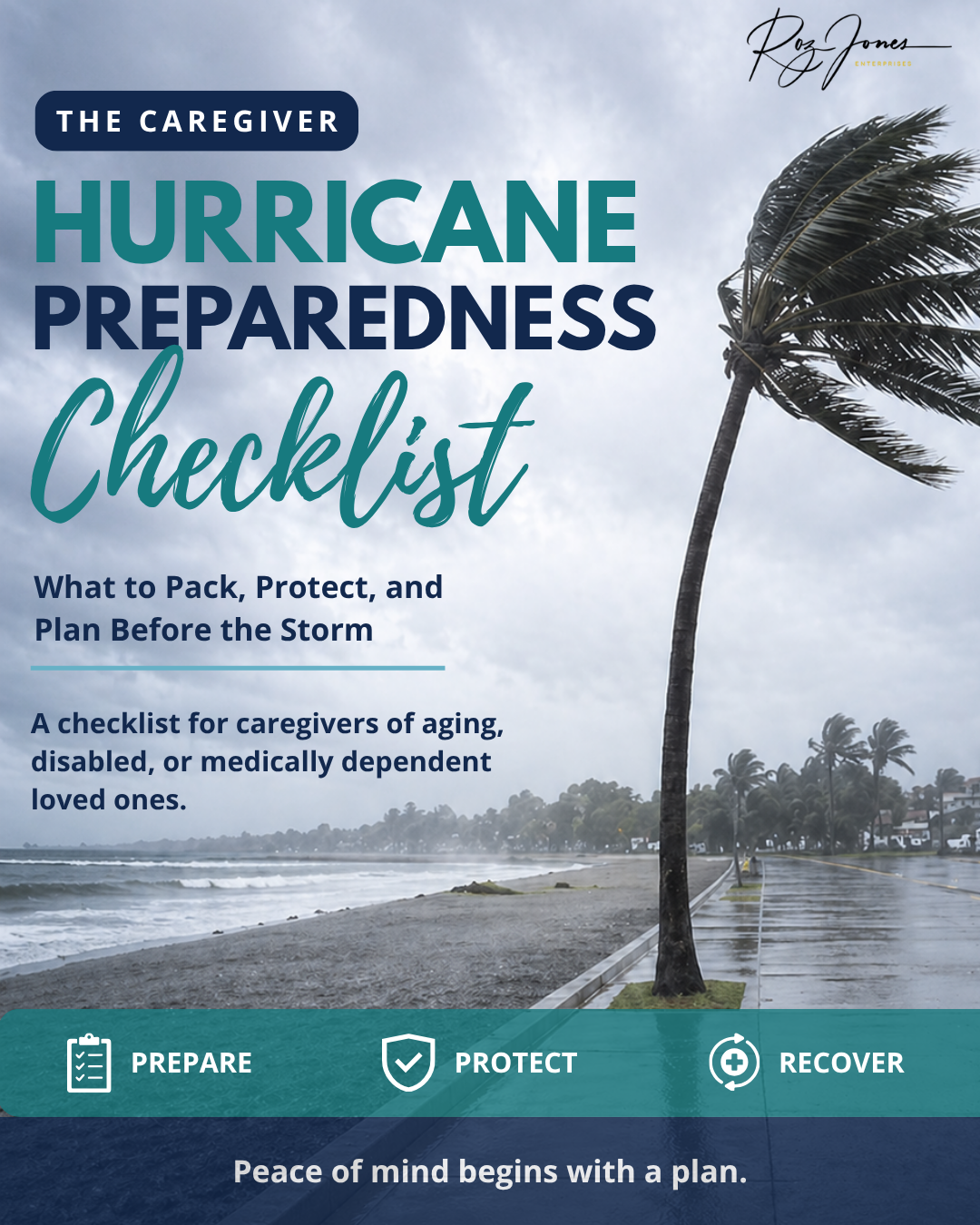
Are you preparing for hurricane season? Purchase the Caregiver Hurricane Preparedness Checklist to organize the information and supplies your family may need before severe weather arrives.
Subscribe to The Caregiver Cafe Weekly Newsletter!

1. YOU ARE NOT ALONE: The problems you face as a caregiver are experienced by other caregivers. Knowing that you’re not alone can be comforting.
2. Tools and Resources: Find caregiver stress management tools and gain perspective from other caregiver’s experiences.
3. LEARN TO: Ask for help, accept help when it is offered, and acknowledge yourself on this caregiving journey. Hear from experts on how to balance caregiving responsibilities by taking care of your needs and involving others to help manage the natural stress and isolation of being a caregiver.

