Beyond Activities: Helping Aging Loved Ones Feel Seen, Heard and Connected

By Roz Jones

Family bonding is not only about what families do together.

It is also about how aging loved ones feel when the family is gathered around them.

Do they feel included?
Do they feel heard?
Do they feel remembered?
Do they feel like their life still matters?
Do they feel like they are still part of the family story?

As loved ones age, families often focus on care needs. The appointments. The medications. The meals. The mobility concerns. The daily routines. Those responsibilities are important, and caregivers know how much attention they require.

But caregiving also includes emotional connection.

Aging loved ones need more than assistance. They need belonging. They need meaningful interaction. They need opportunities to share who they are, what they have lived through, and what still matters to them.

Family bonding does not always have to be planned around a major outing or a large gathering. Sometimes the most meaningful moments happen in simple, quiet ways. A song. A story. A photograph. A favorite saying. A familiar prayer. A hand held a little longer than usual.

These moments may seem small, but they can help aging loved ones feel grounded, valued, and loved.

Preserve Their Stories While You Can

Every aging loved one carries a history.

They have lived through seasons the younger generation may never fully understand. They may remember family traditions, childhood lessons, first jobs, hard years, joyful years, people who have passed on, and moments that shaped the family long before the caregiver stepped into this role.

Those stories matter.

Caregivers can create moments of connection by inviting aging loved ones to share parts of their life story. This does not have to be formal. It can happen during a quiet afternoon, a family visit, a phone call, or while looking at old pictures.

The family might ask about where they grew up, who influenced them, what they were proud of, what they learned the hard way, what they wish younger family members knew, or what traditions they hope the family will continue.

When memory changes are present, the conversation may need to be gentle and flexible. The goal is not to test their memory or correct every detail. The goal is to listen.

Sometimes a story may come out slowly.

Sometimes it may come out in pieces.

Sometimes the same story may be repeated more than once.

That does not make it less valuable.

Repeated stories may be the ones that still hold meaning. They may be the memories that feel safest, strongest, or most connected to identity.

Listening is an act of care.

Create a Family Memory Project

Families can help aging loved ones feel honored by creating a simple memory project.

This could be a photo album with captions, a family recipe collection, a box of handwritten notes, a recorded conversation, a voice memo, a short video, or a family timeline.

The project does not have to be perfect.

It simply needs to make room for the loved one’s life to be acknowledged.

A caregiver might ask family members to write down favorite memories. Grandchildren might contribute drawings or questions. Adult children might record short reflections. The loved one might share names, places, sayings, stories, or lessons they want remembered.

These projects can become a gift for the whole family.

They also remind the aging loved one that their life has impact.

They are not just being cared for.

They are being honored.

Use Music to Bring Comfort and Connection

Music has a way of reaching places that words sometimes cannot.

A familiar song can bring a smile. A hymn can bring peace. A favorite artist can bring back a memory. A song from childhood, church, a wedding, a family gathering, or a meaningful season of life can create connection almost instantly.

Caregivers can use music as a gentle way to bond with aging loved ones.

This may look like creating a playlist of favorite songs, playing soft music during a visit, singing together, listening to old records, or asking what music they loved when they were younger.

Music can also support mood and routine. A calming song may help during moments of anxiety. Familiar music may bring comfort during personal care. A favorite upbeat song may encourage movement or laughter.

The most important part is to choose music connected to the loved one’s life, not just what is convenient.

Music can help families remember that the person in front of them has a full history, full emotions, and full humanity.

Make Room for Spiritual and Emotional Rituals

For many aging loved ones, faith, prayer, devotion, meditation, or quiet reflection has been part of their life for years.

Caregivers can create bonding moments by honoring those spiritual and emotional rhythms.

This may include reading a short prayer, sitting together in silence, listening to a favorite sermon, playing gospel music, lighting a candle safely, holding hands, saying grace, or creating a quiet moment of gratitude.

For some families, this may not be religious. It may be emotional or reflective. It may look like naming one good thing from the day, sharing something they are thankful for, or simply taking a few quiet breaths together.

These rituals can bring peace.

They can also create consistency in a season where so much may feel uncertain.

Caregivers do not need to have all the right words. Sometimes presence is enough.

A calm voice, a steady hand, and a peaceful space can become part of the care.

Invite Younger Generations In

Family bonding is also about helping younger generations stay connected to aging loved ones.

Children, teens, and young adults may not always know how to interact with an aging family member, especially if there are changes in memory, mobility, hearing, or communication. They may feel unsure, nervous, or afraid of saying the wrong thing.

Caregivers can help bridge that gap.

Younger family members can ask simple questions, share school updates, show photos, read a short note, help with a small project, play a favorite song, or simply sit nearby.

The goal is not to force a perfect interaction.

The goal is to make connection feel possible.

A grandchild does not need to know how to have a long conversation to make an aging loved one feel loved. A hug, a drawing, a short visit, or a shared laugh can matter deeply.

These moments also help younger family members understand that aging loved ones are not just elderly relatives. They are people with stories, wisdom, humor, personality, and history.

That is how family connection continues across generations.

Respect Their Need for Quiet

Family bonding does not always mean more noise, more activity, or more conversation.

Sometimes aging loved ones need quiet companionship.

Sitting together without rushing can be meaningful. Watching the birds outside the window can be meaningful. Holding hands while resting can be meaningful. Sharing the same room without needing to fill every moment with words can be meaningful.

Caregivers should pay attention to how much stimulation their loved one can handle.

Aging loved ones may become tired more quickly. They may need breaks between visitors. They may enjoy family time but still need moments of calm. They may withdraw when the environment becomes too loud, too busy, or too confusing.

Quiet does not always mean disinterest.

Sometimes quiet is how the loved one is preserving energy.

A caregiver who understands this can help the family adjust expectations.

Connection does not have to be loud to be real.

Let Them Teach What They Know

Aging loved ones often still have wisdom, skills, and life lessons to share.

Even if they cannot do everything they once did, they may still be able to teach, guide, explain, or offer perspective.

Caregivers can create bonding moments by inviting loved ones to share what they know.

This may include family sayings, advice, cultural traditions, household tips, faith lessons, work stories, parenting wisdom, relationship lessons, or memories of how the family made it through difficult seasons.

Questions can be simple.

What is something you learned from your mother?
What advice would you give the younger generation?
What did family mean to you growing up?
What helped you through hard times?
What do you want us to remember?

These questions remind aging loved ones that they still have something to give.

That matters.

Caregiving should not only focus on what the loved one needs from others. It should also make room for what they can still offer.

Create a Comfort Routine Around Visits

Family visits can feel more meaningful when there is a gentle rhythm.

A comfort routine helps aging loved ones know what to expect. It can also make visits feel less rushed and more intentional.

This might include greeting them the same way, sitting in a favorite spot, playing a familiar song, bringing a favorite blanket, sharing a short update, looking at one photo, or ending the visit with a prayer or kind word.

Simple routines can bring a sense of safety.

They can also help family members be more present.

Instead of rushing in, talking over one another, and leaving quickly, the family can create a rhythm that honors the loved one’s pace.

Caregiving often asks families to slow down.

That slowing down can become a gift.

Pay Attention to Emotional Needs

Aging loved ones may not always say when they feel lonely, forgotten, afraid, frustrated, or sad.

Sometimes those feelings show up in other ways. They may become quiet. They may seem irritated. They may repeat concerns. They may ask when someone is coming. They may say they do not want to be a burden.

Caregivers can support family bonding by noticing the emotions underneath the behavior.

An aging loved one may need reassurance. They may need to be reminded that they are not forgotten. They may need someone to sit with them, listen to them, or help them feel connected to the family.

Emotional care is still care.

Aging loved ones need to know that their presence matters, even when their abilities change.

They need to know they are loved, not just managed.

Final Thoughts

Family bonding with aging loved ones does not have to be complicated.

It does not always require a big event, a full schedule, or a perfect plan. Sometimes the most meaningful connection happens through stories, music, spiritual rituals, memory projects, quiet companionship, and the simple act of listening.

Caregivers can help families move beyond simply being around an aging loved one and begin being present with them.

That presence matters.

It helps aging loved ones feel included.
It helps them feel remembered.
It helps them feel valued.
It helps them feel connected to the family they helped build.

As care needs change, the way families bond may also need to change. But connection is still possible. Joy is still possible. Meaning is still possible.

The goal is not to recreate the past exactly as it was.

The goal is to honor the person in front of you now.

For more on this topic, read the previous blog, “Embracing Family Bonding: Creating Lasting Memories with Aging Loved Ones,” where I share additional ways family time can support connection with aging loved ones.

Tune in to The Caregiver Café Podcast
In this episode of The Caregiver Café with Roz Jones, Roz sits down with her dear friend Susan Palmer for a heartfelt Caregiver Chronicles conversation about caring for her mother at home.

Susan shares how caregiving became part of her life, first through planning and preparing a space for her mom, and then through unexpected changes after the pandemic, a fall, hospital stays, and increased care needs. Together, Roz and Susan talk honestly about what it means when caregiving happens because you are the closest, the one available, or the one everyone assumes will step in.

This conversation walks through the real-life details many families face: creating a safe home environment, preventing falls, using tools like walkers, risers, belts, shower chairs, and hospital-style beds, managing medications and hydration, and learning how to support a loved one with dignity during private care moments.

Roz also reminds listeners that caregiving is not meant to be carried alone. Support matters. Respite matters. Family conversations matter. And taking care of yourself is part of taking care of the person you love.

Susan’s story is filled with honesty, humor, tenderness, and practical wisdom for anyone caring for an aging loved one at home.

So pour yourself something warm and join Roz and Susan at The Caregiver Café as they talk about what’s roasting, what’s in the cup, and what it really means to care with kindness, preparation, and grace.

Give Yourself a Moment of Grace
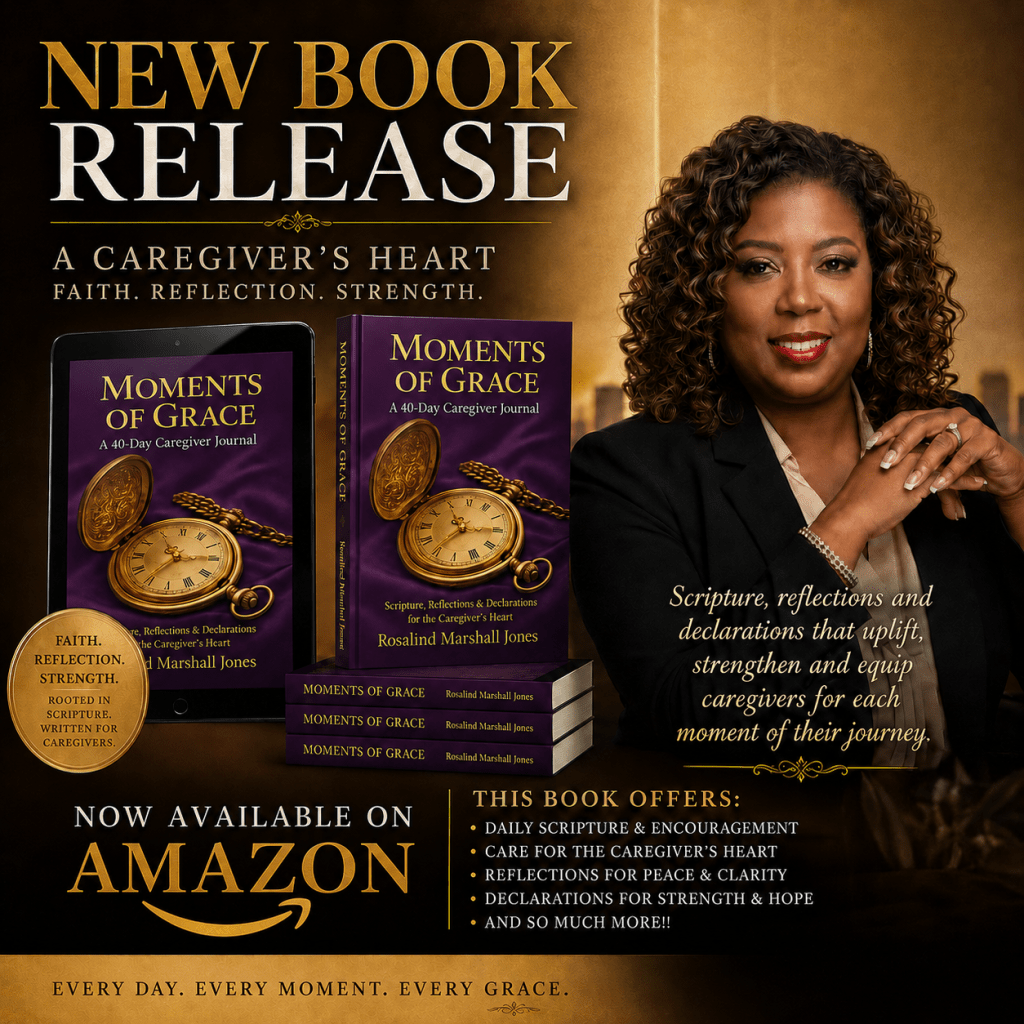
If you need encouragement for the emotional side of caregiving, purchase Roz Jones’ book, Moments of Grace. This book offers support, reflection, and reminders of grace for the caregiver who is carrying a lot.

This journal was created to help caregivers pause, breathe, reflect, and find strength in the middle of the caregiving journey.

Purchase Moments of Grace today and give yourself permission to breathe in the middle of the caregiving journey.

Prepare Before the Emergency Comes

The Caregiver Hurricane Preparedness Checklist.

If you are caring for a loved one and want to be better prepared for storms, power outages, and unexpected caregiving emergencies, purchase the Caregiver Hurricane Preparedness Checklist. This resource can help you think through important details before a crisis is already at the door.

For only $1.99, this checklist gives you a simple starting point so you are not trying to gather everything during a storm, power outage, hospitalization, or sudden change in your loved one’s care.

Purchase the Caregiver Hurricane Preparedness Checklist for $1.99 today and take one more step toward peace of mind.

Need Help Sorting Through the Care Plan?

Roz Jones is a dedicated caretaker turned CEO with over a decade of experience in helping families care for and make decisions for loved ones and their legacies.Roz is a compassionate, innovative healthcare industry leader.

If your family needs help thinking through care decisions, caregiving responsibilities, or next steps, book a session with Roz Jones. You do not have to navigate this season alone.

Together, we can talk through what is working, what is becoming too heavy, and what boundaries need to be strengthened so you can continue to care without losing yourself in the process.

Subscribe to The Caregiver Cafe Weekly Newsletter!

Caregiving can be a roller coaster of ups and downs. The information that you will receive from The Caregiver Cafe Weekly Specials Newsletter will support you as a caregiver. Remember…

1. YOU ARE NOT ALONE: The problems you face as a caregiver are experienced by other caregivers. Knowing that you’re not alone can be comforting. 

2. Tools and Resources:  Find caregiver stress management tools and gain perspective from other caregiver’s experiences.

3. LEARN TO: Ask for help, accept help when it is offered, and acknowledge yourself on this caregiving journey. Hear from experts on how to balance caregiving responsibilities by taking care of your needs and involving others to help manage the natural stress and isolation of being a caregiver. 

Honoring Your Missing Loved Ones During the Holiday Season

By Roz Jones

The holiday season is a time for family, togetherness, and making memories. But for caregivers who have lost a loved one, the holidays can also be a painful reminder of the empty seat at the table—the absence of someone who once played a central role in your traditions and celebrations. If this is your first holiday season without a beloved family member, or if you’ve experienced loss in the past months or recent years, I know that I’m having a problem struggling to balance the joy of the season with the weight of grief, as many of you may also be experiencing.

As caregivers, we often pour so much of our hearts into our loved ones, especially during the holidays. When they’re no longer with us, it can feel like a part of the holiday magic is gone, too. As I remember my mother, it’s important for me to remember that grief and love can coexist. The unique bond I had with my mother still has a place at the table this holiday season.

In today’s blog, I want to share with you some thoughtful and meaningful ways to incorporate your missing loved one into your holiday celebrations, ensuring they have a seat at the table in both your heart and your home.

1. Set a Place for Them at the Table

One of the most symbolic and simple gestures you can make is to set a place at the holiday table for your loved one. Whether it’s their favorite chair or a designated spot with a photo or special keepsake, this act honors their presence, even in their absence. The empty chair may serve as a reminder of the love you shared, and by acknowledging it, you create a space to hold them in your heart during the meal.

2. Share Stories and Memories

The holiday table isn’t just for food—it’s a place for storytelling, laughter, and shared memories. Encourage family members to share their favorite stories, jokes, or memories involving the person who’s no longer with you. Not only does this keep their memory alive, but it also provides a sense of connection and closeness. Laughter mixed with tears is part of the healing process, and this tradition can bring comfort as you celebrate the season together.

3. Create a Memory Box or Journal

To include your loved one in the festivities, consider creating a memory box or memory journal where family members can write notes, memories, or wishes to your loved one. This could be something you pass around during holiday gatherings, with each person adding their own thoughts and sentiments. You could also invite others to include something special, like a small trinket or keepsake that represents their bond with the person you’ve lost.

This memory box or journal can be something you return to year after year, adding new memories and reflections with each holiday. Over time, it becomes a beautiful record of love, remembrance, and healing.

4. Cook Their Favorite Dish or Drink

Food is often at the center of holiday gatherings, so why not honor your loved one through the dishes they loved most? Cook their favorite meal or dessert, or prepare a recipe that was passed down through generations. When everyone gathers around to enjoy the meal, it’s a small but meaningful way to bring them into the moment.

If your loved one had a signature drink or a go-to holiday treat, make sure to include that on the menu. It’s a simple yet powerful way to remember them and celebrate their role in your family’s traditions.

5. Light a Candle in Their Memory

Candles symbolize warmth, light, and remembrance. Lighting a candle in your loved one’s honor is a peaceful and reflective way to keep their memory alive during holiday celebrations. You can do this during a special moment—like before dinner or when everyone is gathered to share stories. If you want to make this tradition even more personal, consider having a candle engraved with your loved one’s name, or choose a scent that reminds you of them.

6. Volunteer or Donate in Their Name

Giving back to others is a powerful way to honor the spirit of the holidays and keep your loved one’s legacy alive. If your loved one had a cause they were passionate about, consider volunteering your time or making a donation in their name. Whether it’s helping at a food pantry, donating toys to children in need, or contributing to a charity that was close to their heart, this can be a beautiful way to carry on their generosity and compassion.

7. Make a Special Ornament or Decoration

Incorporating a physical reminder of your loved one into your holiday decorations can bring both comfort and connection. Consider making a special ornament or holiday decoration that honors their memory. This could be something as simple as creating a photo ornament with a favorite picture or crafting a decorative item that represents a special memory you shared.

Each year as you decorate your tree or home, you can add this ornament or decoration, and with it, you’ll feel that your loved one is part of your celebrations, year after year.

8. Have a Moment of Reflection

During the hustle and bustle of the holiday season, it’s easy to forget to pause and reflect. Take a moment during your celebrations to sit quietly, either alone or with loved ones, and reflect on your cherished memories with the person who has passed. You might say a prayer, share a special thought, or simply enjoy the stillness as a way to honor their memory.

This time of reflection doesn’t need to be long, but it can offer a sense of peace and connection. It reminds you that even though they may not physically be present, they are always with you in spirit.

9. Start a New Tradition in Their Honor

Sometimes, creating a new tradition is a beautiful way to integrate your loved one’s memory into your life going forward. It could be as simple as watching their favorite holiday movie, visiting a place they loved, or doing something that embodies the spirit of who they were. Starting a new tradition that reflects your loved one’s personality and passions can help transform the grief into something meaningful and positive, while also keeping their memory alive.

10. Allow Yourself to Grieve

While the holiday season is a time for celebration, it’s important to acknowledge that grieving is part of the process. It’s okay to feel sad, to miss your loved one, and to allow yourself space to mourn during this time. Take care of yourself and give yourself permission to grieve, without feeling the pressure to be “joyful” or “cheerful” all the time. The holidays are about honoring your emotions, and part of that is allowing yourself to feel the sadness and the joy that come with remembering a loved one.

The holidays will never be the same without your loved one, but that doesn’t mean their memory can’t continue to live on in meaningful ways. By creating space for them at the table, sharing memories, starting new traditions, and finding ways to honor their spirit, you can celebrate the holidays while holding them in your heart.

As caregivers, it’s important to take care of ourselves, too. So, this holiday season, take the time to reflect on the love, lessons, and legacy of your loved one, and allow their presence to fill your heart, even if they are no longer physically at the table.

May your holidays be filled with both remembrance and healing.

Subscribe to The Caregiver Cafe Weekly Newsletter!

Caregiving can be a roller coaster of ups and downs. The information that you will receive from The Caregiver Cafe Weekly Specials Newsletter will support you as a caregiver. Remember…

1. YOU ARE NOT ALONE: The problems you face as a caregiver are experienced by other caregivers. Knowing that you’re not alone can be comforting. 

2. Tools and Resources:  Find caregiver stress management tools and gain perspective from other caregiver’s experiences.

3. LEARN TO: Ask for help, accept help when it is offered, and acknowledge yourself on this caregiving journey. Hear from experts on how to balance caregiving responsibilities by taking care of your needs and involving others to help manage the natural stress and isolation of being a caregiver. 

Gone But Not Forgotten: Creating New Traditions to Honor Your Loved One

By Roz Jones

As we conclude the Gone But Not Forgotten Blog Series, I want to explore a meaningful way to carry your loved one’s memory forward—by starting new traditions. These traditions don’t have to be tied to the holidays; they can be woven into your life throughout the year.

Creating a new tradition in your loved one’s honor is not only a healing experience but also a beautiful way to celebrate their legacy. It allows you to move forward while keeping their presence in your heart. These traditions can bring comfort and help foster positive memories for years to come.

Tips and Ideas for Starting New Traditions

  1. Incorporate Something They Loved
    Think about the things your loved one enjoyed and build a tradition around that. If they loved decorating the house for the holidays, make it a family event where everyone participates in their honor. If they had a favorite recipe, bake it together as a family and share stories about them while you cook.
  2. Establish a Meaningful Ritual
    Small, intentional acts can become cherished traditions. Consider lighting a special candle at the beginning of family meals or playing their favorite song during gatherings. These rituals are simple but powerful ways to keep their memory alive.
  3. Make It Unique to Them
    If your loved one had a particular hobby or passion, incorporate that into your tradition. For example, if they loved gardening, plant something in their honor each year. If they were passionate about art, gather your family to create artwork inspired by them.
  4. Honor Their Values
    Celebrate what mattered most to your loved one by giving back in their name. If they were involved in charitable causes, start a tradition of volunteering or donating to a cause they cared about. This not only honors their memory but also spreads their legacy of kindness and generosity.

Why Starting New Traditions Matters

For me, starting new traditions has been a way to navigate grief while celebrating the love and joy my loved ones brought into my life. These traditions create lasting memories, bringing comfort and connection even in their absence. They remind me that while they may not be physically here, their spirit and impact live on in every act of love and remembrance.

Carrying Their Legacy Forward

As you think about creating new traditions, remember that it’s not about replacing old memories but building new ones that honor your loved one’s life. Whether it’s an annual gathering, a small ritual, or an act of giving, each tradition becomes a bridge between their memory and your present.

Thank you for joining me on this journey through the Gone But Not Forgotten Blog Series. I hope these ideas inspire you to celebrate your loved one’s legacy in ways that bring healing, joy, and connection to you and your family.

Subscribe to The Caregiver Cafe Weekly Newsletter!

Caregiving can be a roller coaster of ups and downs. The information that you will receive from The Caregiver Cafe Weekly Specials Newsletter will support you as a caregiver. Remember…

1. YOU ARE NOT ALONE: The problems you face as a caregiver are experienced by other caregivers. Knowing that you’re not alone can be comforting. 

2. Tools and Resources:  Find caregiver stress management tools and gain perspective from other caregiver’s experiences.

3. LEARN TO: Ask for help, accept help when it is offered, and acknowledge yourself on this caregiving journey. Hear from experts on how to balance caregiving responsibilities by taking care of your needs and involving others to help manage the natural stress and isolation of being a caregiver. 

Gone But Not Forgotten: Creating a Memory Table as a Special Tribute to Your Loved One

By Roz Jones

As we continue the Gone But Not Forgotten Blog Series, let’s explore a meaningful way to bring your loved one’s presence into your holiday celebrations: creating a memory table. This simple, heartfelt tribute offers a tangible reminder of their impact on your life while giving family and friends a special space to reflect and share memories.

A memory table can serve as a gentle yet powerful way to honor your loved one’s legacy. Whether it’s set near the dining table, in the living room, or another cherished space in your home, this dedicated area creates a beautiful bridge between their memory and your holiday traditions.

Tips and Tricks for a Heartfelt Memory Table

  1. Choose a Special Location
    Find a spot where the memory table will be easily seen and appreciated. This could be near the dinner table, beside the Christmas tree, or on a prominent mantelpiece. The location sets the tone for the tribute and ensures it’s a central part of the holiday atmosphere.
  2. Personalize It
    Make the memory table a reflection of your loved one. Decorate it with items that represent their personality, hobbies, or passions. It could include their favorite holiday ornaments, a treasured book, or something that reminds you of a special moment you shared together.
  3. Incorporate Photos
    Use framed photos of your loved one, especially from past holiday celebrations. These visuals can spark fond memories and stories, keeping their spirit alive during the festivities.
  4. Include a Special Note
    Take a moment to write a letter to your loved one or jot down a cherished memory. Place these notes on the table or read them aloud during a special moment, like a holiday dinner. Encourage family members to contribute their own notes for a collective expression of love and remembrance.
  5. Light a Candle
    A lit candle is a timeless symbol of remembrance and can add warmth to the memory table. Light it during dinner, gift exchanges, or any time when you want to honor their presence.
  6. Make It Interactive
    Invite your family and friends to contribute to the memory table. They could add photos, small mementos, or written notes. This collaborative act creates a shared space of love, connection, and healing.

Why a Memory Table Matters

For me, a memory table is more than just a tribute—it’s a way to include my loved one in the moments that matter most. It creates an opportunity for everyone to pause, reflect, and share stories, bringing a sense of closeness even in their physical absence.

This simple tradition has helped me navigate the holidays with a little more grace and joy, reminding me that while they may be gone, their love and influence are always present.

A Lasting Tradition

As you gather with loved ones this holiday season, consider setting up a memory table as part of your Gone But Not Forgotten traditions. It’s a tangible way to keep your loved one close, honor their legacy, and create a space where their memory can continue to bring warmth and connection to your family.

Let’s remember them with love, share their stories, and celebrate the impact they’ve had on our lives.

Subscribe to The Caregiver Cafe Weekly Newsletter!

Caregiving can be a roller coaster of ups and downs. The information that you will receive from The Caregiver Cafe Weekly Specials Newsletter will support you as a caregiver. Remember…

1. YOU ARE NOT ALONE: The problems you face as a caregiver are experienced by other caregivers. Knowing that you’re not alone can be comforting. 

2. Tools and Resources:  Find caregiver stress management tools and gain perspective from other caregiver’s experiences.

3. LEARN TO: Ask for help, accept help when it is offered, and acknowledge yourself on this caregiving journey. Hear from experts on how to balance caregiving responsibilities by taking care of your needs and involving others to help manage the natural stress and isolation of being a caregiver. 

Gone But Not Forgotten: Raising A Glass in Honor of Your Loved One

By Roz Jones

The holidays have always been a time for family, love, and togetherness, but after losing a loved one, they can also be bittersweet. For me, it’s a time to reflect on the people who are no longer with us and find small ways to keep their presence alive. One of the most meaningful traditions I’ve embraced is raising a glass in their honor.

This simple act—a toast—is such a powerful way to pause and celebrate their life. It’s an opportunity to remember their joy, their love, and the moments that made them unforgettable.

I want to share how you can make this tradition your own, just as I have, to keep your loved one’s memory close during this season.

Tips and Tricks for a Memorable Toast

  1. Choose the Right Moment
    Timing is everything. Whether it’s before dinner, during dessert, or at the start of a family gathering, find a moment when everyone can pause together. A toast doesn’t need to be long or elaborate—it’s the intention that matters most.
  2. Incorporate Their Favorite Drink
    Add a personal touch by including your loved one’s favorite beverage in the toast. Whether it’s a classic cocktail, a glass of wine, or a comforting cup of tea, this small detail can make the moment feel even more connected to their memory.
  3. Write a Heartfelt Message
    If you’re unsure what to say, take a few moments beforehand to write down a thought or memory that encapsulates your loved one’s essence. Whether it’s a funny story, a cherished moment, or a simple thank-you for the joy they brought to your life, your words will carry meaning and love.
  4. Invite Others to Share
    Create a sense of togetherness by inviting family members to join in the toast. Encourage them to share their own thoughts, memories, or wishes in honor of your loved one. This collective act of remembrance can be a powerful way to bond and heal as a family.
  5. Keep the Atmosphere Comfortable
    Remember, not everyone processes grief the same way. Keep the toast light, loving, and inclusive, allowing those who may not wish to speak to participate simply by raising their glass.

Why This Tradition Matters

Raising a glass in honor of your loved one is more than just a gesture—it’s an intentional act of remembrance that brings family and friends closer together. This tradition allows you to:

  • Celebrate the joy your loved one brought to your life.
  • Reflect on their legacy and the memories that continue to bring you comfort.
  • Foster a sense of unity and healing among those who shared in their life.

A Lasting Legacy

As you gather this holiday season, let the simple act of a toast remind you that while grief may feel heavy, love and connection endure. Each shared story, each raised glass, and each heartfelt word adds to the legacy of your loved one, keeping their memory alive in the hearts of those who loved them most.

So, let’s sip and save those special moments—because even in their absence, our loved ones remain an irreplaceable part of our story.

Subscribe to The Caregiver Cafe Weekly Newsletter!

Caregiving can be a roller coaster of ups and downs. The information that you will receive from The Caregiver Cafe Weekly Specials Newsletter will support you as a caregiver. Remember…

1. YOU ARE NOT ALONE: The problems you face as a caregiver are experienced by other caregivers. Knowing that you’re not alone can be comforting. 

2. Tools and Resources:  Find caregiver stress management tools and gain perspective from other caregiver’s experiences.

3. LEARN TO: Ask for help, accept help when it is offered, and acknowledge yourself on this caregiving journey. Hear from experts on how to balance caregiving responsibilities by taking care of your needs and involving others to help manage the natural stress and isolation of being a caregiver.