
When Staying Close to Home Becomes the Best Summer Vacation

By Roz Jones

Summer often brings excitement as families begin planning vacations, weekend getaways, and opportunities to spend more time together. For caregivers of aging loved ones, however, planning for the summer often looks very different. Before choosing a destination or making reservations, there are medications to organize, mobility needs to consider, medical appointments to work around, and questions about whether traveling is in the best interest of a loved one.

While a traditional vacation may not be possible for every family, that does not mean the opportunity to create meaningful memories has passed. A summer staycation can provide many of the same opportunities for connection, relaxation, and enjoyment without the added stress that often accompanies travel. Staying close to home allows caregivers to focus less on logistics and more on spending quality time with the people they love.

A staycation is not about settling for less. It is about making the most of the season you are in. With a little planning and creativity, families can discover new experiences in their own communities, strengthen relationships, and create moments that are just as meaningful as those found hundreds of miles away.

Looking at Your Community Through a Different Lens

One of the greatest advantages of a summer staycation is the opportunity to rediscover the community around you. It is easy to overlook the parks, gardens, museums, walking trails, historical sites, and community events that exist close to home because they are always there. A staycation invites families to slow down and experience these places with fresh eyes.

For caregivers, staying local also offers greater flexibility. If an aging loved one becomes tired, needs to return home to rest, or requires medication at a certain time, plans can be adjusted without the pressure of hotel reservations, travel schedules, or long drives. That flexibility can make the day more enjoyable for everyone involved.

As you begin planning your staycation, think about activities that match your loved one’s current interests and abilities rather than what they may have enjoyed years ago. A visit to a local botanical garden during the morning hours may be more enjoyable than spending an entire afternoon in the summer heat. A scenic drive through familiar neighborhoods may spark conversations and memories that become just as meaningful as visiting a new destination. Local farmers markets, art fairs, outdoor concerts, community festivals, and library programs can also provide opportunities to enjoy something new while remaining close to the comforts of home.

The goal is not to fill every hour with activity. The goal is to create experiences that allow your loved one to feel engaged, comfortable, and included while giving the caregiver the flexibility to adjust plans as needed.

Bringing the Vacation Experience Home

A staycation is not limited to outings around town. Some of the most memorable moments can happen right at home with a little planning and intention.

Creating a vacation atmosphere does not require expensive decorations or elaborate plans. It begins by setting aside time to be fully present with one another. Consider transforming the backyard into a place where the family can gather for an evening cookout, music, and conversation. Plan a picnic in the yard or at a nearby park. Prepare a meal inspired by a favorite vacation destination or invite grandchildren to help cook a treasured family recipe with an aging loved one. Even something as simple as watching an outdoor movie together or enjoying dessert on the porch can become a tradition the family looks forward to each summer.

For caregivers supporting someone living with Alzheimer’s disease or another form of dementia, familiar surroundings often provide a greater sense of comfort and security than unfamiliar environments. Bringing elements of a vacation home allows families to create enjoyable experiences while reducing many of the challenges that travel can present. Favorite music, family photographs, meaningful conversation, and familiar routines can all help aging loved ones feel relaxed and engaged throughout the day.

The most meaningful staycations are rarely defined by elaborate plans. They are remembered because families slowed down long enough to enjoy one another’s company. When caregivers remove the pressure to make everything perfect, they often discover that the simplest moments become the ones everyone remembers most.

Taking Advantage of Free and Community Resources

One of the greatest benefits of a staycation is the opportunity to enjoy experiences that may already exist within your community. Throughout the summer, many cities, towns, and neighborhoods offer free or low-cost programs designed to bring people together. These events can provide a change of scenery without placing additional strain on a family’s budget.

Many local parks host outdoor concerts, movie nights, and seasonal festivals. Libraries often offer educational programs, book clubs, craft activities, and intergenerational events that welcome participants of all ages. Community centers, senior centers, botanical gardens, museums, and historical sites may also offer discounted admission days or special summer programming that is both engaging and accessible for older adults.

Before heading out, take a few moments to think through the details that can make the experience more enjoyable for your aging loved one. Consider the time of day, expected temperatures, available seating, restroom access, parking, and the distance that may be required to walk. Packing water, light snacks, medications, sunscreen, and any mobility equipment your loved one may need can help the outing feel less stressful and more enjoyable.

A successful staycation is not measured by how many places you visit. It is measured by choosing experiences that allow your loved one to participate comfortably while giving the family an opportunity to enjoy time together. Sometimes an hour spent listening to live music in the park or walking through a local garden creates more meaningful memories than an entire day spent rushing from one attraction to another.

Summer also provides opportunities to support the community while strengthening family connections. Visiting a local farmers market, attending a neighborhood event, or exploring a nearby small business allows families to invest in the places they call home while discovering experiences they may have otherwise overlooked. Often, the best summer memories are found much closer than we expect.

Making Time to Rest and Recharge

Caregivers often spend so much time planning for everyone else that they forget they are part of the experience too.

Whether you are traveling across the country or enjoying a staycation close to home, your well-being matters. The slower pace of a staycation creates opportunities to rest in ways that are not always possible during a traditional vacation. Without long travel days, unfamiliar surroundings, or packed itineraries, caregivers have the chance to step away from constant planning and simply enjoy the moment.

Rest does not always mean doing nothing. It may look like enjoying a quiet cup of coffee before the rest of the family wakes up, reading a book while your loved one takes an afternoon nap, taking a short walk through the neighborhood, or sitting outside and enjoying the peace that comes with an unhurried day. These small moments of renewal can help caregivers return to their responsibilities feeling more present and emotionally refreshed.

This is also an excellent time to invite other family members to share in the responsibilities of caregiving. If adult children, grandchildren, siblings, or close friends are available, allow them to participate. One person might prepare lunch while another spends time visiting with your loved one. Someone else might accompany them on a walk or enjoy a favorite game together. Sharing responsibilities not only provides the caregiver with an opportunity to rest, but it also allows other family members to build meaningful memories with the person receiving care.

Caregiving is not meant to be carried by one person alone. A staycation can serve as a reminder that creating lasting memories is a shared responsibility, and that caregivers deserve opportunities to experience the joy of the season alongside the people they love.

Creating Memories That Last Beyond Summer

One of the greatest gifts a staycation offers is the opportunity to slow down enough to notice the moments that might otherwise be overlooked. Without the distractions of travel schedules and busy itineraries, families often have more time to enjoy meaningful conversations, revisit family traditions, and simply be present with one another.

Consider using your staycation as an opportunity to preserve your loved one’s story. Pull out old photo albums and invite them to share the memories behind each picture. Ask about their childhood, their first job, family vacations they remember, or traditions they hope future generations will continue. Record those conversations, write them down in a journal, or encourage grandchildren to ask questions and listen. These simple moments can become treasured keepsakes for years to come.

You can also create new traditions that your family looks forward to every summer. It might be preparing a favorite family recipe together, visiting the same local park each year, watching the sunset from the front porch, or ending the day with homemade ice cream and conversation. Traditions do not have to be elaborate to become meaningful. What matters most is the time spent together.

As caregiving needs change, family traditions may need to change as well. That is a natural part of the journey. While activities may look different than they did years ago, the opportunity to strengthen relationships, celebrate family, and create new memories never goes away. Sometimes the simplest moments become the ones that leave the greatest impact.

If you are looking for even more ideas to help your family make the most of the season without stretching your budget, be sure to read our previous blog, Budget-Friendly Family Fun: Unlocking the Magic of a Summer Staycation.” It offers additional inspiration for creating affordable summer experiences, exploring your local community, and finding simple ways to make lasting memories with your aging loved one. Together, these resources can help you plan a summer that is filled with connection, comfort, and meaningful moments close to home.

Download the Vacationing With an Aging Loved One Checklist for FREE!

Before your next trip, download the free Vacationing with an Aging Loved One Checklist. This resource can help you think through what needs to be packed, planned discussed, and prepared before travel begins!

Tune in to The Caregiver Café Podcast

Handling Criticism as a Family Caregiver

In this episode of The Caregiver Café with Roz Jones, Roz is talking about a topic that can touch every caregiver at some point: criticism.

Being criticized while you are caring for a loved one does not feel good. It can make you feel judged, unappreciated, or like nothing you are doing is enough. But Roz reminds listeners that the way we respond to criticism can either create more chaos or open the door to better communication, support, and growth.

Roz shares how caregivers can begin to embrace criticism by using it as an opportunity for personal growth, improved relationships, and greater confidence. Instead of immediately becoming defensive, caregivers can ask questions, invite others to show a better way, and create space for honest conversations.

This episode is a reminder that everyone may have an opinion, but not everyone understands what caregiving looks like day to day. Still, when handled with wisdom, criticism can become a chance to improve care, strengthen family communication, and reduce tension along the caregiving journey.

So pour yourself something warm and join Roz at The Caregiver Café as she talks about how caregivers can respond to criticism with grace, boundaries, and a little bit of strategy.

Give Yourself a Moment of Grace

If you need encouragement for the emotional side of caregiving, purchase Roz Jones’ book, Moments of Grace. This book offers support, reflection, and reminders of grace for the caregiver who is carrying a lot.

This journal was created to help caregivers pause, breathe, reflect, and find strength in the middle of the caregiving journey.

Purchase Moments of Grace today and give yourself permission to breathe in the middle of the caregiving journey.

Prepare Before the Emergency Comes
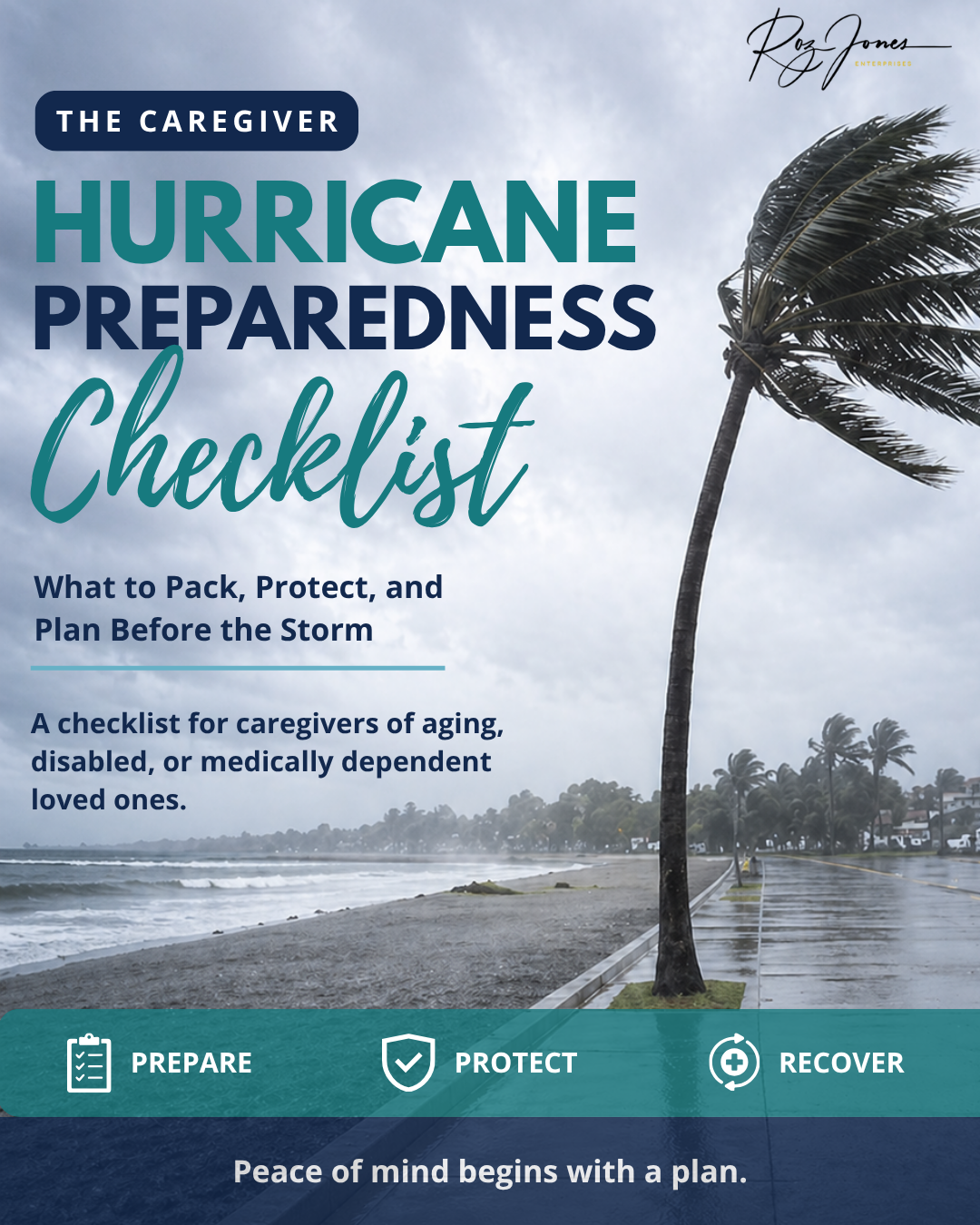
The Caregiver Hurricane Preparedness Checklist.

If you are caring for a loved one during storm season, purchase the Caregiver Hurricane Preparedness Checklist. It can help you prepare important documents, emergency contacts, supplies, medication needs, and safety steps before severe weather becomes a crisis.

For only $1.99, this checklist gives you a simple starting point so you are not trying to gather everything during a storm, power outage, hospitalization, or sudden change in your loved one’s care.

Purchase the Caregiver Hurricane Preparedness Checklist for $1.99 today and take one more step toward peace of mind.

Need Help Sorting Through the Care Plan?

Roz Jones is a dedicated caretaker turned CEO with over a decade of experience in helping families care for and make decisions for loved ones and their legacies.Roz is a compassionate, innovative healthcare industry leader.

If your family needs help thinking through care decisions, caregiving responsibilities, or next steps, book a session with Roz Jones. You do not have to navigate this season alone.

Together, we can talk through what is working, what is becoming too heavy, and what boundaries need to be strengthened so you can continue to care without losing yourself in the process.

Subscribe to The Caregiver Cafe Weekly Newsletter!

Caregiving can be a roller coaster of ups and downs. The information that you will receive from The Caregiver Cafe Weekly Specials Newsletter will support you as a caregiver. Remember…

1. YOU ARE NOT ALONE: The problems you face as a caregiver are experienced by other caregivers. Knowing that you’re not alone can be comforting. 

2. Tools and Resources:  Find caregiver stress management tools and gain perspective from other caregiver’s experiences.

3. LEARN TO: Ask for help, accept help when it is offered, and acknowledge yourself on this caregiving journey. Hear from experts on how to balance caregiving responsibilities by taking care of your needs and involving others to help manage the natural stress and isolation of being a caregiver. 

Beyond Activities: Helping Aging Loved Ones Feel Seen, Heard and Connected

By Roz Jones

Family bonding is not only about what families do together.

It is also about how aging loved ones feel when the family is gathered around them.

Do they feel included?
Do they feel heard?
Do they feel remembered?
Do they feel like their life still matters?
Do they feel like they are still part of the family story?

As loved ones age, families often focus on care needs. The appointments. The medications. The meals. The mobility concerns. The daily routines. Those responsibilities are important, and caregivers know how much attention they require.

But caregiving also includes emotional connection.

Aging loved ones need more than assistance. They need belonging. They need meaningful interaction. They need opportunities to share who they are, what they have lived through, and what still matters to them.

Family bonding does not always have to be planned around a major outing or a large gathering. Sometimes the most meaningful moments happen in simple, quiet ways. A song. A story. A photograph. A favorite saying. A familiar prayer. A hand held a little longer than usual.

These moments may seem small, but they can help aging loved ones feel grounded, valued, and loved.

Preserve Their Stories While You Can

Every aging loved one carries a history.

They have lived through seasons the younger generation may never fully understand. They may remember family traditions, childhood lessons, first jobs, hard years, joyful years, people who have passed on, and moments that shaped the family long before the caregiver stepped into this role.

Those stories matter.

Caregivers can create moments of connection by inviting aging loved ones to share parts of their life story. This does not have to be formal. It can happen during a quiet afternoon, a family visit, a phone call, or while looking at old pictures.

The family might ask about where they grew up, who influenced them, what they were proud of, what they learned the hard way, what they wish younger family members knew, or what traditions they hope the family will continue.

When memory changes are present, the conversation may need to be gentle and flexible. The goal is not to test their memory or correct every detail. The goal is to listen.

Sometimes a story may come out slowly.

Sometimes it may come out in pieces.

Sometimes the same story may be repeated more than once.

That does not make it less valuable.

Repeated stories may be the ones that still hold meaning. They may be the memories that feel safest, strongest, or most connected to identity.

Listening is an act of care.

Create a Family Memory Project

Families can help aging loved ones feel honored by creating a simple memory project.

This could be a photo album with captions, a family recipe collection, a box of handwritten notes, a recorded conversation, a voice memo, a short video, or a family timeline.

The project does not have to be perfect.

It simply needs to make room for the loved one’s life to be acknowledged.

A caregiver might ask family members to write down favorite memories. Grandchildren might contribute drawings or questions. Adult children might record short reflections. The loved one might share names, places, sayings, stories, or lessons they want remembered.

These projects can become a gift for the whole family.

They also remind the aging loved one that their life has impact.

They are not just being cared for.

They are being honored.

Use Music to Bring Comfort and Connection

Music has a way of reaching places that words sometimes cannot.

A familiar song can bring a smile. A hymn can bring peace. A favorite artist can bring back a memory. A song from childhood, church, a wedding, a family gathering, or a meaningful season of life can create connection almost instantly.

Caregivers can use music as a gentle way to bond with aging loved ones.

This may look like creating a playlist of favorite songs, playing soft music during a visit, singing together, listening to old records, or asking what music they loved when they were younger.

Music can also support mood and routine. A calming song may help during moments of anxiety. Familiar music may bring comfort during personal care. A favorite upbeat song may encourage movement or laughter.

The most important part is to choose music connected to the loved one’s life, not just what is convenient.

Music can help families remember that the person in front of them has a full history, full emotions, and full humanity.

Make Room for Spiritual and Emotional Rituals

For many aging loved ones, faith, prayer, devotion, meditation, or quiet reflection has been part of their life for years.

Caregivers can create bonding moments by honoring those spiritual and emotional rhythms.

This may include reading a short prayer, sitting together in silence, listening to a favorite sermon, playing gospel music, lighting a candle safely, holding hands, saying grace, or creating a quiet moment of gratitude.

For some families, this may not be religious. It may be emotional or reflective. It may look like naming one good thing from the day, sharing something they are thankful for, or simply taking a few quiet breaths together.

These rituals can bring peace.

They can also create consistency in a season where so much may feel uncertain.

Caregivers do not need to have all the right words. Sometimes presence is enough.

A calm voice, a steady hand, and a peaceful space can become part of the care.

Invite Younger Generations In

Family bonding is also about helping younger generations stay connected to aging loved ones.

Children, teens, and young adults may not always know how to interact with an aging family member, especially if there are changes in memory, mobility, hearing, or communication. They may feel unsure, nervous, or afraid of saying the wrong thing.

Caregivers can help bridge that gap.

Younger family members can ask simple questions, share school updates, show photos, read a short note, help with a small project, play a favorite song, or simply sit nearby.

The goal is not to force a perfect interaction.

The goal is to make connection feel possible.

A grandchild does not need to know how to have a long conversation to make an aging loved one feel loved. A hug, a drawing, a short visit, or a shared laugh can matter deeply.

These moments also help younger family members understand that aging loved ones are not just elderly relatives. They are people with stories, wisdom, humor, personality, and history.

That is how family connection continues across generations.

Respect Their Need for Quiet

Family bonding does not always mean more noise, more activity, or more conversation.

Sometimes aging loved ones need quiet companionship.

Sitting together without rushing can be meaningful. Watching the birds outside the window can be meaningful. Holding hands while resting can be meaningful. Sharing the same room without needing to fill every moment with words can be meaningful.

Caregivers should pay attention to how much stimulation their loved one can handle.

Aging loved ones may become tired more quickly. They may need breaks between visitors. They may enjoy family time but still need moments of calm. They may withdraw when the environment becomes too loud, too busy, or too confusing.

Quiet does not always mean disinterest.

Sometimes quiet is how the loved one is preserving energy.

A caregiver who understands this can help the family adjust expectations.

Connection does not have to be loud to be real.

Let Them Teach What They Know

Aging loved ones often still have wisdom, skills, and life lessons to share.

Even if they cannot do everything they once did, they may still be able to teach, guide, explain, or offer perspective.

Caregivers can create bonding moments by inviting loved ones to share what they know.

This may include family sayings, advice, cultural traditions, household tips, faith lessons, work stories, parenting wisdom, relationship lessons, or memories of how the family made it through difficult seasons.

Questions can be simple.

What is something you learned from your mother?
What advice would you give the younger generation?
What did family mean to you growing up?
What helped you through hard times?
What do you want us to remember?

These questions remind aging loved ones that they still have something to give.

That matters.

Caregiving should not only focus on what the loved one needs from others. It should also make room for what they can still offer.

Create a Comfort Routine Around Visits

Family visits can feel more meaningful when there is a gentle rhythm.

A comfort routine helps aging loved ones know what to expect. It can also make visits feel less rushed and more intentional.

This might include greeting them the same way, sitting in a favorite spot, playing a familiar song, bringing a favorite blanket, sharing a short update, looking at one photo, or ending the visit with a prayer or kind word.

Simple routines can bring a sense of safety.

They can also help family members be more present.

Instead of rushing in, talking over one another, and leaving quickly, the family can create a rhythm that honors the loved one’s pace.

Caregiving often asks families to slow down.

That slowing down can become a gift.

Pay Attention to Emotional Needs

Aging loved ones may not always say when they feel lonely, forgotten, afraid, frustrated, or sad.

Sometimes those feelings show up in other ways. They may become quiet. They may seem irritated. They may repeat concerns. They may ask when someone is coming. They may say they do not want to be a burden.

Caregivers can support family bonding by noticing the emotions underneath the behavior.

An aging loved one may need reassurance. They may need to be reminded that they are not forgotten. They may need someone to sit with them, listen to them, or help them feel connected to the family.

Emotional care is still care.

Aging loved ones need to know that their presence matters, even when their abilities change.

They need to know they are loved, not just managed.

Final Thoughts

Family bonding with aging loved ones does not have to be complicated.

It does not always require a big event, a full schedule, or a perfect plan. Sometimes the most meaningful connection happens through stories, music, spiritual rituals, memory projects, quiet companionship, and the simple act of listening.

Caregivers can help families move beyond simply being around an aging loved one and begin being present with them.

That presence matters.

It helps aging loved ones feel included.
It helps them feel remembered.
It helps them feel valued.
It helps them feel connected to the family they helped build.

As care needs change, the way families bond may also need to change. But connection is still possible. Joy is still possible. Meaning is still possible.

The goal is not to recreate the past exactly as it was.

The goal is to honor the person in front of you now.

For more on this topic, read the previous blog, Embracing Family Bonding: Creating Lasting Memories with Aging Loved Ones,” where I share additional ways family time can support connection with aging loved ones.

Tune in to The Caregiver Café Podcast

In this episode of The Caregiver Café with Roz Jones, Roz sits down with her dear friend Susan Palmer for a heartfelt Caregiver Chronicles conversation about caring for her mother at home.

Susan shares how caregiving became part of her life, first through planning and preparing a space for her mom, and then through unexpected changes after the pandemic, a fall, hospital stays, and increased care needs. Together, Roz and Susan talk honestly about what it means when caregiving happens because you are the closest, the one available, or the one everyone assumes will step in.

This conversation walks through the real-life details many families face: creating a safe home environment, preventing falls, using tools like walkers, risers, belts, shower chairs, and hospital-style beds, managing medications and hydration, and learning how to support a loved one with dignity during private care moments.

Roz also reminds listeners that caregiving is not meant to be carried alone. Support matters. Respite matters. Family conversations matter. And taking care of yourself is part of taking care of the person you love.

Susan’s story is filled with honesty, humor, tenderness, and practical wisdom for anyone caring for an aging loved one at home.

So pour yourself something warm and join Roz and Susan at The Caregiver Café as they talk about what’s roasting, what’s in the cup, and what it really means to care with kindness, preparation, and grace.

Give Yourself a Moment of Grace

If you need encouragement for the emotional side of caregiving, purchase Roz Jones’ book, Moments of Grace. This book offers support, reflection, and reminders of grace for the caregiver who is carrying a lot.

This journal was created to help caregivers pause, breathe, reflect, and find strength in the middle of the caregiving journey.

Purchase Moments of Grace today and give yourself permission to breathe in the middle of the caregiving journey.

Prepare Before the Emergency Comes

The Caregiver Hurricane Preparedness Checklist.

If you are caring for a loved one and want to be better prepared for storms, power outages, and unexpected caregiving emergencies, purchase the Caregiver Hurricane Preparedness Checklist. This resource can help you think through important details before a crisis is already at the door.

For only $1.99, this checklist gives you a simple starting point so you are not trying to gather everything during a storm, power outage, hospitalization, or sudden change in your loved one’s care.

Purchase the Caregiver Hurricane Preparedness Checklist for $1.99 today and take one more step toward peace of mind.

Need Help Sorting Through the Care Plan?

Roz Jones is a dedicated caretaker turned CEO with over a decade of experience in helping families care for and make decisions for loved ones and their legacies.Roz is a compassionate, innovative healthcare industry leader.

If your family needs help thinking through care decisions, caregiving responsibilities, or next steps, book a session with Roz Jones. You do not have to navigate this season alone.

Together, we can talk through what is working, what is becoming too heavy, and what boundaries need to be strengthened so you can continue to care without losing yourself in the process.

Subscribe to The Caregiver Cafe Weekly Newsletter!

Caregiving can be a roller coaster of ups and downs. The information that you will receive from The Caregiver Cafe Weekly Specials Newsletter will support you as a caregiver. Remember…

1. YOU ARE NOT ALONE: The problems you face as a caregiver are experienced by other caregivers. Knowing that you’re not alone can be comforting. 

2. Tools and Resources:  Find caregiver stress management tools and gain perspective from other caregiver’s experiences.

3. LEARN TO: Ask for help, accept help when it is offered, and acknowledge yourself on this caregiving journey. Hear from experts on how to balance caregiving responsibilities by taking care of your needs and involving others to help manage the natural stress and isolation of being a caregiver.