By Roz Jones
When families first hear the word hospice, many assume it means there is nothing left to do.
In reality, hospice care is not about giving up. It is about shifting the focus of care.
Instead of pursuing treatments intended to cure an illness, hospice focuses on helping individuals live each day with as much comfort, dignity, and peace as possible. It is about managing symptoms, supporting emotional and spiritual well-being, and helping families make the most of the time they still have together.
That is why honoring a loved one’s wishes becomes one of the most important parts of hospice care.
Every person has their own definition of what comfort looks like. One person may want to spend their days surrounded by family and friends. Another may prefer quiet moments with only a few loved ones nearby. Some may want to remain at home, while others may feel more comfortable receiving care in another setting. There may be conversations they hope to have, traditions they want to continue, or final wishes they hope their family will honor.
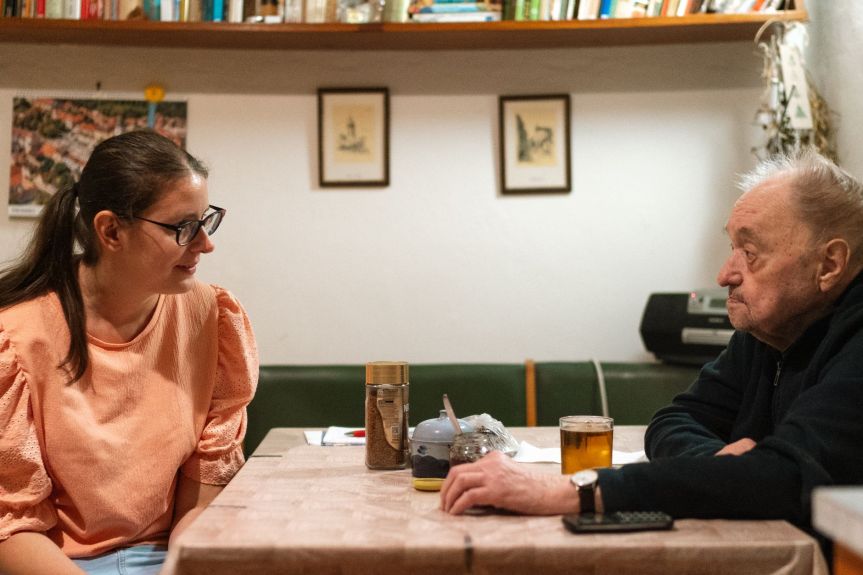
Hospice gives families the opportunity to slow down and listen to those wishes.
While caregivers naturally want to protect the people they love, one of the greatest gifts they can offer during this season is the opportunity for their loved one to have a voice in the decisions that affect their care. Listening with compassion and responding with respect helps create an environment where dignity is preserved, relationships are strengthened, and each day is guided by what matters most to the individual receiving care.
Honoring Wishes Begins with Listening
Every caregiver wants to do what is best for the person they love. During hospice care, however, doing what is best begins by understanding what matters most to the individual receiving care rather than making decisions based solely on what family members believe is right.
These conversations are not always easy.
Many families avoid talking about end-of-life wishes because they are afraid of saying the wrong thing or believe the conversation will take away hope. In reality, these discussions often provide peace of mind. They allow loved ones to express what is important to them while giving family members greater confidence that they are honoring those wishes when difficult decisions arise.
Some individuals may wish to remain at home surrounded by familiar faces. Others may want certain family members present, while some may prefer quiet moments with fewer visitors. There may be spiritual traditions they hope to observe, music they would like to hear, photographs they want nearby, or personal belongings that bring them comfort. These details may seem small, but they often become some of the most meaningful parts of a person’s hospice journey.
Listening also means recognizing that a loved one’s wishes may change over time. As their condition changes, so may their priorities, comfort level, and goals for care. Continuing to ask thoughtful questions, involving the hospice team in those conversations, and creating space for honest dialogue allows caregivers to respond with compassion while respecting the individual’s voice throughout every stage of care.
When families listen first, they are better equipped to make decisions that reflect love, respect, and dignity rather than fear or uncertainty.
Dignity Is Found in the Little Things
When families think about honoring a loved one’s wishes during hospice care, they often think about advance directives, medical decisions, or where care will take place. While those decisions are certainly important, dignity is also preserved through the small choices made each day.
It is taking the time to ask what your loved one would like to wear instead of choosing for them.
It is offering their favorite meal if they are able to eat, even if it is only a few bites.
It is asking whether they would like visitors instead of assuming they are ready to entertain family and friends.
It is playing the music they enjoy, reading from a favorite book, opening the curtains to let in the morning sunlight, or simply sitting quietly beside them when words are no longer needed.
These moments remind a loved one that they are still a person first—not simply a patient receiving care.
Hospice care recognizes that every individual deserves to be treated with respect, compassion, and dignity until the very end of life. As caregivers, we have the opportunity to protect that dignity by involving our loved one in everyday decisions whenever possible and respecting their preferences, even when those choices may look different from our own.
Sometimes honoring a loved one’s wishes means resisting the urge to take over. It means allowing them to make the decisions they are still able to make and supporting them in ways that preserve their independence for as long as possible.
Those small acts of respect often communicate love more powerfully than words ever could.
When Family Members Have Different Opinions
One of the most difficult parts of hospice care is that family members do not always agree on what should happen next.
One person may want to pursue every possible treatment. Another may believe it is time to focus solely on comfort. Someone else may struggle to accept that their loved one is nearing the end of life and may unintentionally make decisions based on their own fears rather than the wishes that have already been expressed.
These situations can create tension within families during a time when everyone is already carrying a great deal emotionally.
When disagreements arise, it is important to return to the person at the center of the care.
What has your loved one shared about their wishes?
What conversations have already taken place?
What goals have they expressed for this stage of their life?
Hospice care encourages families to make decisions that reflect the values and preferences of the individual receiving care rather than the emotions of those surrounding them. While those emotions are valid and deserve compassion, they should not overshadow the voice of the person whose journey is being lived.
The hospice team can be an invaluable resource during these moments. Nurses, social workers, chaplains, physicians, and other members of the interdisciplinary team are there not only to manage symptoms, but also to guide families through difficult conversations, answer questions, and help everyone remain focused on what is most important to the patient.
Honoring a loved one’s wishes does not always remove the heartache of saying goodbye. It does, however, provide families with the reassurance that the decisions being made are rooted in love, respect, and a commitment to preserving the dignity of the person they cherish.
Caring for the Whole Person
Hospice care is about far more than managing physical symptoms. It recognizes that every person has emotional, spiritual, social, and relational needs that deserve the same level of attention as their medical care.
As a loved one’s illness progresses, their priorities often begin to shift. They may spend less time thinking about treatments and more time reflecting on relationships, memories, forgiveness, gratitude, faith, or the legacy they hope to leave behind. Some may want opportunities to reconnect with family members or friends. Others may simply want someone to sit quietly beside them without feeling the need to fill every moment with conversation.
Caregivers can support these needs by creating an environment that reflects what brings their loved one peace and comfort. That may include listening to favorite music, reading scripture or devotional passages together, looking through family photographs, sharing stories, celebrating special occasions, or inviting a trusted faith leader, friend, or spiritual advisor to visit.
Hospice professionals understand that comfort looks different for every individual. Social workers, chaplains, nurses, volunteers, and other members of the hospice team work together to support not only the patient but the family as well. Their role extends beyond medical care by helping families navigate difficult emotions, answer challenging questions, and find resources that bring reassurance during an uncertain time.
Honoring a loved one’s wishes means recognizing them as a whole person with a lifetime of experiences, relationships, beliefs, and dreams. When caregivers embrace that perspective, hospice becomes more than a service. It becomes an opportunity to surround a loved one with compassion, dignity, and the kind of care that reflects who they are—not simply the illness they are facing.
Caring for Yourself While Caring for Someone Else
Hospice care is centered around the patient, but it also recognizes that caregivers need support.
Many family caregivers have spent months or even years coordinating appointments, managing medications, providing transportation, assisting with personal care, and advocating for their loved one. By the time hospice care begins, they are often carrying physical exhaustion alongside emotional, mental, and spiritual fatigue.
It is common for caregivers to feel conflicted during this season. There may be moments of sadness, relief, gratitude, guilt, hope, fear, or uncertainty. These emotions can exist at the same time, and none of them diminish the love a caregiver has for their loved one.
One of the greatest strengths of hospice care is that it extends support beyond the individual receiving care. Hospice teams understand that caregivers need encouragement, education, and opportunities to rest as well. Nurses can answer questions about changes your loved one may be experiencing. Social workers can help families navigate difficult conversations and connect them with community resources. Chaplains can offer spiritual support, regardless of a family’s religious background, while trained volunteers may provide companionship that allows caregivers to step away for a short time to rest or attend to personal needs.
Accepting help is not a sign that you are doing less for your loved one.
It is often what allows you to continue showing up with patience, compassion, and presence.
As caregivers, we sometimes believe that love means carrying every responsibility by ourselves. Hospice reminds us that love also means allowing others to walk alongside us. When caregivers receive the support they need, they are better able to focus on what matters most—being fully present with the person they love during one of life’s most meaningful seasons.
The Lasting Gift of Honoring Their Wishes
One of the greatest acts of love a caregiver can offer is the willingness to honor a loved one’s wishes, even when doing so is difficult. Hospice care reminds us that every person deserves to be seen, heard, and respected throughout every stage of life, including the final chapter.
While families cannot change the diagnosis or stop time, they can influence the experience their loved one has during this season. They can create an environment filled with comfort instead of fear, peace instead of uncertainty, and dignity instead of unnecessary struggle. They can choose to spend less time focusing on what cannot be changed and more time embracing the moments that still remain.
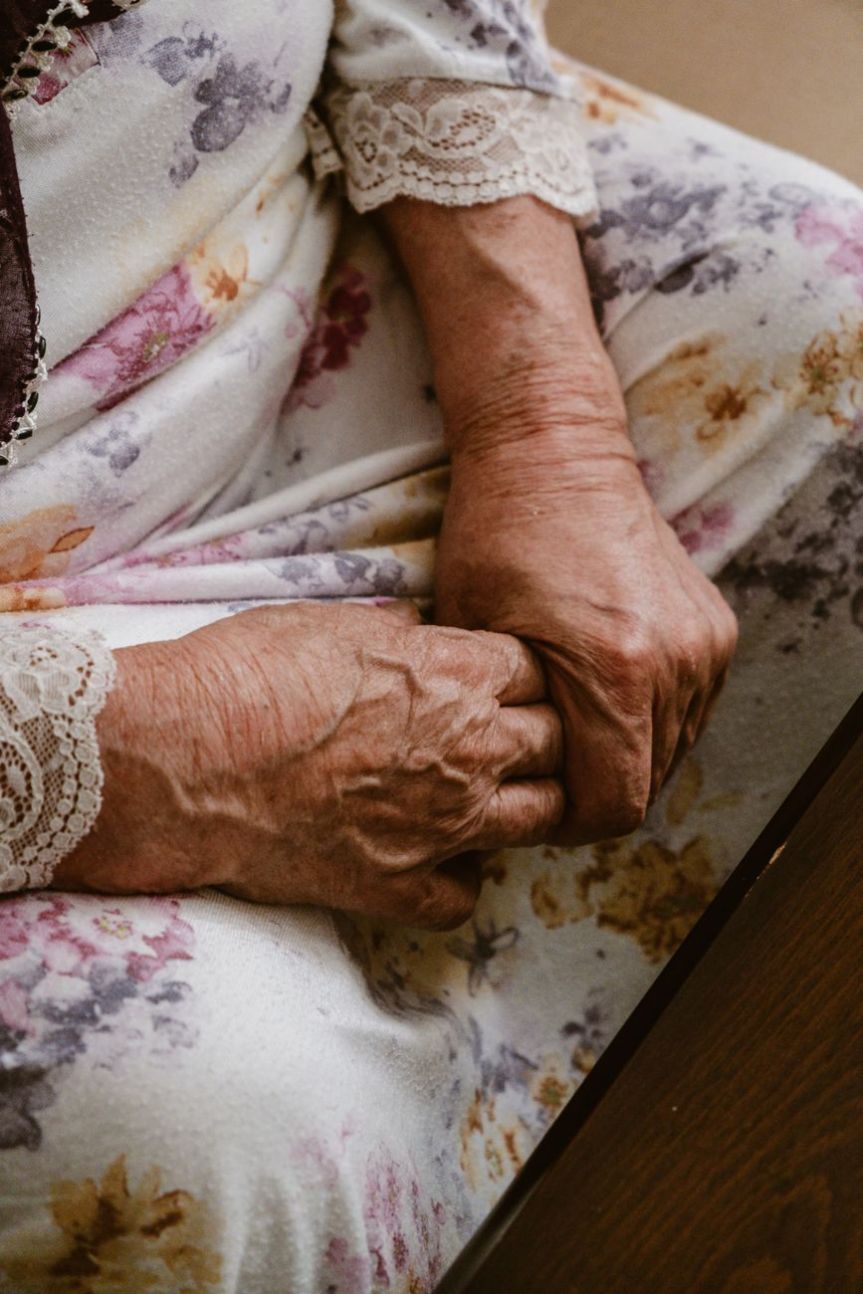
For many families, those moments become the memories they carry forward. A quiet conversation at the bedside. Holding a loved one’s hand. Sharing a favorite meal. Listening to stories that have been told for generations. Praying together. Laughing through old family photographs. Sitting together in comfortable silence.
These moments may appear ordinary, but they often become extraordinary because they remind families that love is present until the very end.
If you are caring for a loved one receiving hospice services, remember that your presence matters just as much as the care you provide. The time you spend listening, comforting, advocating, and honoring their wishes becomes part of the legacy you build together.
If you would like to learn more about the foundation of patient-centered hospice care, we invite you to read our previous blog, “The Importance of Honoring a Patient’s Wishes and Goals During Hospice Care.” It explores the principles of hospice care and offers additional insight into why respecting a loved one’s values, preferences, and goals is essential to providing compassionate end-of-life care.
By listening with compassion, communicating openly, and allowing your loved one’s voice to guide the decisions that matter most, families can create an experience that reflects not only quality care, but also lasting love, dignity, and respect.
Download the Vacationing With an Aging Loved One Checklist for FREE!

Before your next trip, download the free Vacationing with an Aging Loved One Checklist. This resource can help you think through what needs to be packed, planned discussed, and prepared before travel begins!
Tune in to The Caregiver Café Podcast
Handling Criticism as a Family Caregiver

In this episode of The Caregiver Café with Roz Jones, Roz is talking about a topic that can touch every caregiver at some point: criticism.
Being criticized while you are caring for a loved one does not feel good. It can make you feel judged, unappreciated, or like nothing you are doing is enough. But Roz reminds listeners that the way we respond to criticism can either create more chaos or open the door to better communication, support, and growth.
Roz shares how caregivers can begin to embrace criticism by using it as an opportunity for personal growth, improved relationships, and greater confidence. Instead of immediately becoming defensive, caregivers can ask questions, invite others to show a better way, and create space for honest conversations.
This episode is a reminder that everyone may have an opinion, but not everyone understands what caregiving looks like day to day. Still, when handled with wisdom, criticism can become a chance to improve care, strengthen family communication, and reduce tension along the caregiving journey.
So pour yourself something warm and join Roz at The Caregiver Café as she talks about how caregivers can respond to criticism with grace, boundaries, and a little bit of strategy.
Give Yourself a Moment of Grace

If you need encouragement for the emotional side of caregiving, purchase Roz Jones’ book, Moments of Grace. This book offers support, reflection, and reminders of grace for the caregiver who is carrying a lot.
This journal was created to help caregivers pause, breathe, reflect, and find strength in the middle of the caregiving journey.
Purchase Moments of Grace today and give yourself permission to breathe in the middle of the caregiving journey.
Prepare Before the Emergency Comes

If you are caring for a loved one during storm season, purchase the Caregiver Hurricane Preparedness Checklist. It can help you prepare important documents, emergency contacts, supplies, medication needs, and safety steps before severe weather becomes a crisis.
For only $1.99, this checklist gives you a simple starting point so you are not trying to gather everything during a storm, power outage, hospitalization, or sudden change in your loved one’s care.
Purchase the Caregiver Hurricane Preparedness Checklist for $1.99 today and take one more step toward peace of mind.
Need Help Sorting Through the Care Plan?

If your family needs help thinking through care decisions, caregiving responsibilities, or next steps, book a session with Roz Jones. You do not have to navigate this season alone.
Together, we can talk through what is working, what is becoming too heavy, and what boundaries need to be strengthened so you can continue to care without losing yourself in the process.
Subscribe to The Caregiver Cafe Weekly Newsletter!

1. YOU ARE NOT ALONE: The problems you face as a caregiver are experienced by other caregivers. Knowing that you’re not alone can be comforting.
2. Tools and Resources: Find caregiver stress management tools and gain perspective from other caregiver’s experiences.
3. LEARN TO: Ask for help, accept help when it is offered, and acknowledge yourself on this caregiving journey. Hear from experts on how to balance caregiving responsibilities by taking care of your needs and involving others to help manage the natural stress and isolation of being a caregiver.