
Rest Can Look Different as Care Needs Change

By Roz Jones

Relaxation can become increasingly difficult to define as caregiving responsibilities change. Activities that once felt restorative may no longer fit an aging loved one’s physical abilities, energy level, health needs, or daily routine. At the same time, caregivers may discover that their own opportunities for rest have become more limited as the level of assistance they provide increases.

For caregivers and aging loved ones, maintaining well-being often requires adjusting expectations around what relaxation should look like. A meaningful experience does not have to involve a full day away from home, an elaborate activity, or a carefully planned outing. Relaxation can be incorporated into everyday life in ways that consider current abilities, preferences, health concerns, and the caregiver’s capacity.

As aging changes the caregiving relationship, relaxation can change with it.

Adapting Activities to Changing Abilities

Many older adults experience changes in strength, mobility, balance, endurance, hearing, vision, or cognition over time. These changes can affect how comfortably they participate in activities that were once part of their regular routine.

A long walk through a park may eventually require a shorter route with accessible seating. An afternoon outing may work better when scheduled earlier in the day, when energy levels are higher. Large family gatherings may become tiring, making smaller visits more enjoyable. Even familiar activities may need modifications as health conditions or physical limitations develop.

Adapting an activity does not reduce its value. In many cases, those adjustments allow an aging loved one to continue participating in experiences they enjoy without creating unnecessary physical strain.

Physical activity can remain an important part of healthy aging when it is appropriate for the individual. Current public health guidance continues to emphasize aerobic activity, muscle strengthening, and activities that support balance for adults age 65 and older. However, health conditions and individual abilities should always be considered when determining what type and level of activity are appropriate.

The purpose of movement should not be to force an aging loved one to maintain the abilities they had years ago. It should support mobility, independence, comfort, and quality of life at the level that is appropriate now.

Finding Rest in Familiar Activities

Relaxation is often associated with vacations, spa days, meditation, or other activities intentionally set aside for rest. While these experiences can be beneficial, they are not the only ways caregivers and aging loved ones can create restorative moments.

Familiar activities can provide comfort without requiring extensive preparation. Listening to favorite music, watching a familiar television program, sitting outdoors, completing a puzzle, looking through family photographs, tending to plants, or preparing a simple meal can offer opportunities for enjoyment and connection.

These quieter activities can become especially valuable when leaving home requires significant preparation or when an aging loved one tires easily.

Familiarity can also provide emotional comfort as other parts of life change. Favorite routines, foods, music, photographs, and traditions can preserve a sense of continuity when health concerns or caregiving needs begin changing the structure of everyday life.

For individuals living with dementia or other forms of cognitive decline, familiar experiences may also provide opportunities for engagement without requiring them to recall specific information or complete complicated tasks.

Preserving Social Connection During Aging

Changes in health and independence can gradually affect an aging loved one’s social life. Retirement, loss of friends or a spouse, transportation difficulties, chronic illness, hearing or vision changes, and decreased mobility can all reduce opportunities for regular interaction with other people.

Social connection remains an important part of healthy aging. The National Institute on Aging continues to identify loneliness and social isolation among older adults as health concerns associated with increased risks for conditions including depression, heart disease, and cognitive decline.

Maintaining connection does not require a crowded social calendar. Small and familiar interactions may be more comfortable for an aging loved one who tires easily or becomes overwhelmed in large groups.

Visits with family members, conversations with friends, activities through a faith community, senior programs, adult day services, or other community-based opportunities can help older adults remain connected. Phone calls and video conversations may also provide additional connection for individuals who cannot easily leave home.

Social activities are most beneficial when they reflect the aging loved one’s interests, personality, and comfort level rather than becoming another responsibility added to the caregiving schedule.

Making Room for the Relationship Beyond Caregiving

As an aging loved one begins requiring more assistance, the relationship between caregiver and care recipient can gradually become centered around tasks.

Conversations may revolve around medications, appointments, meals, transportation, symptoms, and upcoming responsibilities. Time together can begin to feel structured around what needs to be completed rather than the relationship that existed before caregiving became necessary.

Shared relaxation can create opportunities to reconnect outside of those responsibilities.

Watching a favorite movie together, preparing a family recipe, sitting outdoors, listening to music, or looking through photographs can provide moments when the caregiver is not simply providing care and the aging loved one is not simply receiving it.

Those moments can help preserve parts of the relationship that caregiving responsibilities may otherwise overshadow.

A caregiver may still be a daughter, son, spouse, sibling, grandchild, or friend. An aging loved one remains more than the collection of health concerns that now require assistance.

Creating room for enjoyable experiences can help both people remember that.

Recognizing the Caregiver’s Need for Restoration

Caregiver wellness must remain part of the conversation about relaxation.

Family caregivers frequently manage responsibilities beyond hands-on care. Medical appointments, medication management, transportation, household responsibilities, meals, finances, family communication, and coordination with healthcare providers can all become part of the caregiving workload.

Adding elaborate activities intended to promote relaxation can sometimes create another responsibility rather than relieve one.

Caregivers do not need to create the perfect experience for an aging loved one every time they spend time together. Relaxation should not become another caregiving standard that must be met.

There may be days when a simple activity at home is enough. There may be days when an aging loved one prefers to rest rather than participate in an outing. There may also be times when the caregiver needs another person to provide companionship or supervision so they can step away.

Respite care, adult day programs, family assistance, community services, and other forms of caregiver support can provide opportunities for caregivers to restore their own energy while ensuring their loved one continues receiving appropriate care.

The National Family Caregiver Support Program continues to support services for family caregivers in 2026, including respite care, counseling, caregiver education, information, and assistance accessing available resources. Local aging agencies and Aging and Disability Resource Centers can also help families identify programs available within their communities.

Rest should not be reserved for the point when a caregiver has nothing left to give.

Letting Relaxation Reflect the Present

One of the more difficult adjustments in caregiving can be accepting that an aging loved one may no longer be able to participate in activities exactly as they once did.

Families may remember vacations they enjoyed together, long afternoons shopping, favorite restaurants, community events, or traditions that once required little planning. Changes in mobility, stamina, cognition, or health can make those same experiences more difficult.

Continuing to pursue meaningful experiences does not require recreating the past.

A favorite restaurant meal can become takeout at home. A long afternoon outdoors can become an hour on the porch or in a nearby park. A family celebration can become a smaller gathering. Travel can become a local day trip. Activities can become shorter, simpler, and more accessible while still preserving the parts that matter most.

Allowing relaxation to evolve helps families focus on what remains possible instead of measuring every experience against what an aging loved one used to be able to do.

Creating Meaningful Rest in Every Season of Care

In Embracing Elegance and Ease: Unwind with Graceful Relaxation Ideas for Caregivers and Aging Loved Ones, we explored shared activities such as mindfulness, meals, time outdoors, creative expression, and other ways caregivers and aging loved ones can make room for relaxation.

Those ideas can continue to support connection and well-being, but they may need to change as the caregiving journey progresses.

Meaningful relaxation is not determined by how elaborate an activity is or how closely it resembles what a family enjoyed in the past. It is determined by whether the experience supports the aging loved one’s current abilities, provides genuine enjoyment or comfort, and fits within the caregiver’s capacity.

Caregiving changes with time. Health changes. Energy changes. Independence changes. Family routines change.

Rest can change too.

Creating space for relaxation means allowing those moments to reflect the life, abilities, and needs that exist now while continuing to preserve connection, dignity, and quality of life for both the caregiver and the aging loved one.

Prepare for Your Next Trip

Planning to travel with an aging loved one? Download the free Vacationing with an Aging Loved One Checklist to help you prepare for medications, mobility needs, comfort, safety, and unexpected changes.

Tune in to The Caregiver Café Podcast

Coping Tips For the Overwhelmed Caregiver

In this episode of The Caregiver Café with Roz Jones, Roz is talking about something many caregivers know all too well: feeling overwhelmed while caring for an aging loved one.

Caregiving can be an all-consuming and demanding role. Between doctor’s appointments, medications, meals, daily routines, work responsibilities, and trying to care for yourself, it can start to feel like too much. But Roz reminds caregivers that overwhelm does not always mean you are failing. Sometimes it means you need a better system, more support, and a little more preparation.

Roz breaks down practical coping tips caregivers can use to reduce stress and create more breathing room in their day. She talks about the power of routines, using a calendar or planner, writing down appointments, preparing in advance, and building in extra time so caregivers are not always rushing from one thing to the next.

Give Yourself a Moment of Grace

Caregiving includes demanding days, unexpected changes, and moments of connection that may be easy to overlook. Moments of Grace offers encouragement to caregivers who need a reminder to pause and recognize the meaningful moments along the journey.

Preparing for hurricane season?
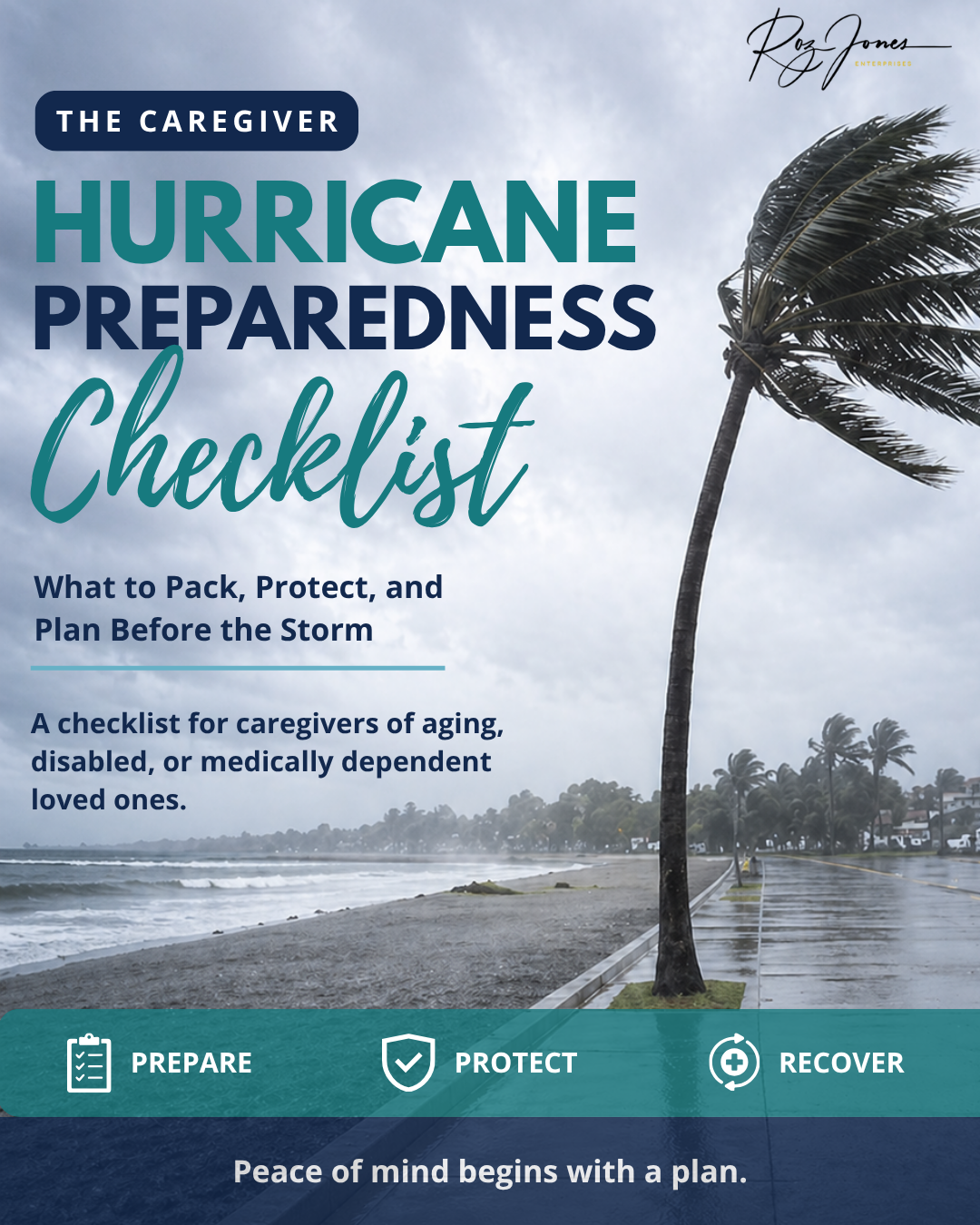
The Caregiver Hurricane Preparedness Checklist.

Are you preparing for hurricane season? Purchase the Caregiver Hurricane Preparedness Checklist to organize the information and supplies your family may need before severe weather arrives.

Subscribe to The Caregiver Cafe Weekly Newsletter!

Caregiving can be a roller coaster of ups and downs. The information that you will receive from The Caregiver Cafe Weekly Specials Newsletter will support you as a caregiver. Remember…

1. YOU ARE NOT ALONE: The problems you face as a caregiver are experienced by other caregivers. Knowing that you’re not alone can be comforting. 

2. Tools and Resources:  Find caregiver stress management tools and gain perspective from other caregiver’s experiences.

3. LEARN TO: Ask for help, accept help when it is offered, and acknowledge yourself on this caregiving journey. Hear from experts on how to balance caregiving responsibilities by taking care of your needs and involving others to help manage the natural stress and isolation of being a caregiver. 

Creating Calm in a Caregiving Home

By Roz Jones

Creating a peaceful caregiving environment involves more than finding time for meditation, relaxation, or an occasional break. The physical environment itself can have a significant impact on how caregivers and aging loved ones move through their daily routines. When a home becomes crowded with medical supplies, paperwork, mobility equipment, medications, household responsibilities, and reminders of everything that still needs to be completed, that environment can contribute to an already demanding caregiving experience.

For caregivers of aging loved ones, reducing household chaos is not about maintaining a perfectly organized home. It is about creating an environment that supports safety, accessibility, comfort, and more manageable caregiving routines. As an aging loved one’s needs change, the home may need to change with them.

Creating a Safer Environment for Aging Loved Ones

Clutter can become more than an organizational concern when an aging loved one experiences changes in mobility, balance, vision, strength, or cognition. Items that were once easy to navigate around may eventually become obstacles that increase the risk of falls or injury.

The National Institute on Aging recommends evaluating the homes of older adults for safety and accessibility, particularly for those who plan to remain at home as they age. Loose rugs, electrical cords, unnecessary furniture, poor lighting, and crowded pathways are among the household concerns families may need to address.

These changes do not always require major renovations. Creating wider pathways between furniture, keeping frequently traveled areas clear, improving lighting, and relocating objects that create tripping hazards can make everyday movement easier and safer.

Caregivers should periodically reassess the home as their loved one’s abilities change. A room arrangement that worked several years ago may no longer support someone who now uses a walker, wheelchair, or other mobility device.

Organizing the Information That Comes With Caregiving

Caregiving often generates an enormous amount of information. Medication lists, insurance documents, medical records, appointment instructions, emergency contacts, care plans, and information from multiple healthcare providers can quickly become scattered throughout the home.

Creating a consistent system for caregiving information can make daily responsibilities easier to manage. Important documents can be stored in one designated location, while frequently used medical or personal care supplies can be organized where they are easily accessible to the people providing care.

This becomes particularly important when caregiving responsibilities are shared. A family member, respite caregiver, home health aide, or other support person should be able to locate essential information without depending entirely on the primary caregiver.

Medication organization also deserves careful attention. Aging loved ones experiencing dementia or other cognitive changes may require additional safeguards around medications and potentially dangerous household items. As abilities change, storage systems may need to change as well.

An organized caregiving system does not need to be elaborate. It needs to be consistent, understandable, and easy for the people involved in the care plan to use.

Reducing Clutter Without Removing Familiarity

Decluttering the home of an aging loved one requires sensitivity.

A home is more than a collection of furniture and belongings. Photographs, artwork, books, decorations, and keepsakes often hold decades of memories. Removing too much in the name of organization can leave an aging loved one feeling as though control over their own environment is disappearing.

The goal should be to reduce unnecessary clutter while preserving the familiar items that provide comfort and connection.

Frequently used areas can remain functional without becoming sterile. Dining tables can be kept clear enough for meals and medication routines while still displaying meaningful items. Glasses, hearing aids, mobility devices, keys, and other frequently used belongings can be assigned consistent locations to reduce unnecessary searching.

Consistency can become especially valuable for aging loved ones experiencing memory changes. Familiar surroundings and predictable locations for everyday items may help reduce confusion while allowing the home to continue feeling personal.

Household Chaos Can Include the Calendar

Physical clutter is only one form of chaos caregivers manage.

Medical appointments, prescription refills, grocery shopping, transportation, meal preparation, household maintenance, family communication, and personal responsibilities can create a caregiving calendar that feels just as crowded as the home.

Caregivers may also be balancing employment, parenting, their own medical needs, relationships, or responsibilities for more than one aging loved one. The Centers for Disease Control and Prevention continues to recognize that caregiving can affect physical, emotional, psychological, and financial well-being.

Reducing this type of chaos may require examining which responsibilities can be combined, delegated, rescheduled, or removed altogether.

Medical appointments might be coordinated when possible. Another family member may be able to handle transportation or prescription pickups. Grocery delivery or meal preparation assistance may reduce another recurring responsibility. Family updates can be shared through one designated person or communication system rather than requiring the primary caregiver to repeatedly provide the same information.

A calmer caregiving routine is often created by simplifying what must be managed rather than becoming more efficient at managing an unreasonable number of responsibilities.

Protecting Space for the Caregiver

When caregiving takes place at home, the boundaries between caregiving and personal life can gradually disappear. Medical supplies may occupy one room, paperwork another, and reminders of upcoming responsibilities may be visible throughout the house.

Creating even a small area that is not centered around caregiving can provide an important separation.

This does not require a dedicated room. A comfortable chair, a corner of a bedroom, a porch, or another small area can become a space where caregiving paperwork and supplies are intentionally kept away.

Having a place to read, pray, journal, listen to music, enjoy a cup of coffee, or simply sit without completing another caregiving task can help the home continue to serve the caregiver as well as the person receiving care.

Rest should not always require leaving the house.

Sharing Household Responsibilities Is Caregiver Support

Household tasks are often treated as separate from caregiving, but they directly affect caregiver capacity.

Laundry, cleaning, meals, grocery shopping, errands, and household maintenance require time and energy. When the primary caregiver becomes responsible for all of those tasks in addition to providing hands-on care, the workload can become increasingly difficult to sustain.

Family members and other supporters do not necessarily need caregiving experience to provide meaningful help. Preparing meals, handling laundry, purchasing groceries, organizing supplies, completing errands, or spending time with an aging loved one can remove responsibilities from the primary caregiver’s workload.

Community resources can also become part of the support plan. Depending on eligibility and location, caregivers may have access to respite services, adult day programs, aging services, home care programs, transportation resources, caregiver education, or support groups.

Veterans and their caregivers may also have access to additional assistance through the Department of Veterans Affairs. In 2026, the VA Caregiver Support Program continues to provide services that can include caregiver education, coaching, peer support, referrals, and respite-related resources for eligible veterans and families.

Maintaining the Aging Loved One’s Role in the Home

Creating a safer and more organized caregiving environment should not mean taking control of the home away from the aging loved one.

Whenever possible, changes should include their participation.

Decisions about removing belongings, rearranging furniture, organizing personal items, or changing familiar routines should consider both safety and personal preference. An aging loved one may agree that a walkway needs to be cleared while still wanting certain photographs, furniture, or meaningful belongings nearby.

Those preferences matter.

A caregiving environment can become safer without becoming clinical. It can become more organized without losing its warmth. Most importantly, an aging loved one should still be able to recognize the space as their home.

Creating Calm Through the Caregiving Environment

In Calm & Chaos: Cleaning up Chaos to Induce Calm, we explored activities caregivers and aging loved ones can share to encourage relaxation, including meditation, nature walks, creative expression, gentle movement, storytelling, and intentional moments of rest.

Those activities can continue to play an important role in caregiver wellness.

Creating calm, however, also requires looking at the environment and systems surrounding caregiving. A safer walkway, an organized location for medications and paperwork, a more manageable schedule, clearly divided household responsibilities, and space for the caregiver to rest can reduce some of the unnecessary pressure surrounding everyday care.

Caregiving will always include responsibilities that cannot simply be organized away. Aging brings changes that families cannot always predict or control.

What families can do is create an environment that responds to those changes with greater intention.

Reducing chaos is not about creating the perfect home or the perfect caregiving routine. It is about removing unnecessary barriers so that the home continues to support the aging loved one’s safety and dignity while also protecting the caregiver’s ability to provide care.

Prepare for Your Next Trip

Planning to travel with an aging loved one? Download the free Vacationing with an Aging Loved One Checklist to help you prepare for medications, mobility needs, comfort, safety, and unexpected changes.

Tune in to The Caregiver Café Podcast

Coping Tips for the Overwhelmed Caregiver

In this episode of The Caregiver Café with Roz Jones, Roz is talking about something many caregivers know all too well: feeling overwhelmed while caring for an aging loved one.

Caregiving can be an all-consuming and demanding role. Between doctor’s appointments, medications, meals, daily routines, work responsibilities, and trying to care for yourself, it can start to feel like too much. But Roz reminds caregivers that overwhelm does not always mean you are failing. Sometimes it means you need a better system, more support, and a little more preparation.

Roz breaks down practical coping tips caregivers can use to reduce stress and create more breathing room in their day. She talks about the power of routines, using a calendar or planner, writing down appointments, preparing in advance, and building in extra time so caregivers are not always rushing from one thing to the next.

Give Yourself a Moment of Grace

Caregiving includes demanding days, unexpected changes, and moments of connection that may be easy to overlook. Moments of Grace offers encouragement to caregivers who need a reminder to pause and recognize the meaningful moments along the journey.

Preparing for hurricane season?

The Caregiver Hurricane Preparedness Checklist.

Are you preparing for hurricane season? Purchase the Caregiver Hurricane Preparedness Checklist to organize the information and supplies your family may need before severe weather arrives.

Subscribe to The Caregiver Cafe Weekly Newsletter!

Caregiving can be a roller coaster of ups and downs. The information that you will receive from The Caregiver Cafe Weekly Specials Newsletter will support you as a caregiver. Remember…

1. YOU ARE NOT ALONE: The problems you face as a caregiver are experienced by other caregivers. Knowing that you’re not alone can be comforting. 

2. Tools and Resources:  Find caregiver stress management tools and gain perspective from other caregiver’s experiences.

3. LEARN TO: Ask for help, accept help when it is offered, and acknowledge yourself on this caregiving journey. Hear from experts on how to balance caregiving responsibilities by taking care of your needs and involving others to help manage the natural stress and isolation of being a caregiver. 

Small Wellness Shifts That Help Aging Loved Ones Thrive

By Roz Jones

Wellness for an aging loved one is not always found in a big activity or a major lifestyle change.

Sometimes wellness begins with small shifts.

A glass of water placed within reach.
A calmer morning routine.
A chair moved closer to the window.
A softer blanket.
A familiar voice.
A meal that supports strength.
A quiet moment before the day gets busy.

These things may seem simple, but in caregiving, simple does not mean small.

As loved ones age, their needs may change in ways the family does not always notice right away. Energy changes. Sleep changes. Appetite changes. Mobility changes. Memory changes. Mood changes. The body may need more support, and the mind may need more calm.

Caregivers are often focused on the obvious responsibilities: medications, appointments, meals, hygiene, transportation, and safety. Those responsibilities matter. But daily wellness also includes comfort, emotional steadiness, rest, nourishment, hydration, routine, and connection.

Aging loved ones need care that supports the whole person.

And sometimes, the smallest adjustments can make the day feel more manageable, more peaceful, and more dignified.

Create a Rhythm the Day Can Rest On

A predictable daily rhythm can bring comfort to an aging loved one.

As health needs, memory, mobility, or energy levels change, too much uncertainty can become stressful. A loved one may feel anxious when they do not know what is happening next. They may become frustrated when the day feels rushed. They may resist care when transitions happen too quickly.

A gentle rhythm can help.

This does not mean every minute has to be scheduled. It means the day has a familiar flow.

Morning care. Breakfast. Medication. A quiet activity. Rest. Lunch. Light movement. Connection. Dinner. Evening wind-down.

A routine gives the day a sense of shape.

Caregivers can pay attention to when their loved one has the most energy and when they need more support. Some aging loved ones do better in the morning. Others may need a slower start. Some may become more tired, restless, or confused later in the day.

The routine should be built around the loved one’s needs, not around pressure to get everything done quickly.

A steady rhythm can help the body feel safer and the mind feel calmer.

Support Hydration Before There Is a Problem

Hydration is one of those basic needs that can easily be missed.

Many aging loved ones do not drink enough water. Some may not feel thirsty. Some may avoid drinking because they worry about needing the bathroom. Others may forget, become distracted, or struggle to prepare drinks on their own.

When hydration is low, it can affect more than thirst.

It may contribute to fatigue, dizziness, confusion, constipation, headaches, weakness, mood changes, and increased fall risk.

Caregivers can help by making fluids easier to access throughout the day. A cup with a lid and straw may help. A water bottle nearby may serve as a reminder. Herbal teas, soups, fruits with high water content, or water with a little fruit added may encourage intake.

The goal is not to pressure the loved one.

The goal is to gently build hydration into the rhythm of the day.

Caregivers should also pay attention to sudden changes in confusion, weakness, or dizziness, especially during warm weather or illness. These changes may need medical attention.

Sometimes wellness begins with something as simple as offering water before the body is already depleted.

Make Meals Easier to Enjoy

Food is part of wellness, but for aging loved ones, eating may become more complicated.

Appetite may decrease. Taste may change. Chewing or swallowing may become harder. Medications may affect hunger. Fatigue may make eating feel like work. Some loved ones may need smaller meals, softer foods, or reminders to eat.

Caregivers can support nourishment by making meals easier, calmer, and more comfortable.

This may mean offering smaller portions more often, serving familiar foods, reducing distractions during meals, checking that dentures fit properly, making sure the loved one is seated safely, or asking the healthcare provider about swallowing concerns if coughing or choking occurs during meals.

Nutrition does not have to be perfect to be supportive.

A warm bowl of soup, a soft protein option, a favorite vegetable, a smoothie, or a simple meal eaten in peace can all support wellness.

Food can also bring comfort and memory. A familiar taste may lift the spirit. A favorite dish may encourage appetite. A shared meal may create connection.

Caregivers are not only feeding the body.

They are helping nourish the person.

Make the Home Easier on the Body

The home environment can either support wellness or make daily life harder.

As loved ones age, things that once felt simple may become difficult. A dim hallway. A slippery rug. A chair that is too low. A cluttered path. A bathroom without support. A shelf that is too high. Poor lighting near the bed.

These small obstacles can increase frustration, fatigue, and fall risk.

Caregivers can support wellness by looking at the home through the loved one’s current needs.

Clear walkways. Better lighting. Supportive seating. Frequently used items within reach. Non-slip mats. Safe footwear. A place to sit while dressing. A nightlight near the bathroom.

These changes may not seem major, but they can make the day easier on the body.

Aging loved ones should not have to fight their environment just to move through the day.

When the home is easier to navigate, the loved one may feel more confident, and the caregiver may feel more at ease.

Support the Mind Without Pressure

Mental stimulation matters, but it should not feel like a test.

Aging loved ones may benefit from gentle engagement woven into the day. This might include conversation, music, looking at photos, sorting familiar items, listening to a favorite program, discussing the weather, helping with small choices, or participating in simple household decisions.

The goal is to keep the mind connected without creating stress.

For loved ones living with dementia or memory changes, caregivers should be careful not to turn every interaction into a quiz. Asking “Do you remember?” over and over can create frustration or embarrassment.

Instead, caregivers can offer gentle invitations.

“This photo was from your birthday.”
“This song always reminds me of you.”
“This was one of your favorite colors.”
“I thought you might like to help me choose between these two.”

These small moments can support dignity, memory, and emotional connection.

Cognitive wellness is not only about keeping the brain active.

It is also about helping the loved one feel safe, respected, and included.

Create Sensory Comfort

Comfort is part of wellness.

Some aging loved ones become more sensitive to noise, light, temperature, smells, textures, or crowded spaces. A room that feels normal to one person may feel overwhelming to someone else.

Caregivers can support sensory comfort by paying attention to what helps the loved one feel calm.

Soft lighting may help.
A quieter room may help.
Comfortable clothing may help.
A favorite blanket may help.
Gentle music may help.
A familiar scent may help.
A chair near a window may help.

The body often responds to the environment before words can explain what is wrong.

If a loved one becomes restless, irritated, withdrawn, or uncomfortable, the caregiver may want to consider the surroundings. Is it too loud? Too bright? Too hot? Too cold? Too busy?

A peaceful environment can help reduce stress.

And reducing stress is wellness.

Protect Rest and Sleep

Rest is not laziness.

Rest is part of health.

Aging loved ones may experience changes in sleep for many reasons. Pain, medication, anxiety, bathroom needs, illness, daytime inactivity, or confusion can affect their ability to sleep well at night.

Caregivers can help by creating a calming evening rhythm.

This may include reducing noise, lowering bright lights, offering a warm drink if appropriate, keeping the room comfortable, limiting late-day stimulation, and making sure the loved one has what they need before bed.

Daytime routines can also support nighttime rest. Natural light, regular meals, gentle movement, and meaningful engagement during the day may help the body settle better in the evening.

If sleep changes are sudden, severe, or unsafe, caregivers should speak with a healthcare provider. Sometimes sleep disruption can point to pain, infection, medication side effects, or another health concern.

A rested loved one may have more patience, better mood, steadier energy, and improved safety.

Rest deserves a place in the care plan.

Notice the Changes Others May Miss

Caregivers often notice what others overlook.

A change in appetite.
A different walk.
More confusion than usual.
A new sadness.
Less interest in conversation.
More fatigue.
A change in sleep.
A new complaint of pain.

These changes matter.

Daily wellness includes paying attention to patterns. When caregivers notice changes early, they may be able to help prevent a small concern from becoming a larger crisis.

Keeping simple notes can be helpful. Caregivers may track meals, hydration, sleep, mood, pain, bathroom changes, falls, confusion, or medication concerns. These notes can also help during doctor visits or family conversations.

Caregivers do not have to diagnose every change.

But they can observe.
They can document.
They can ask questions.
They can speak up when something does not feel right.

That is advocacy.

And advocacy is a powerful part of caregiving.

Care for the Spirit, Not Just the Schedule

Aging loved ones are more than their care tasks.

They are people with feelings, fears, memories, preferences, faith, humor, grief, personality, and life experience.

Wellness must include the spirit.

That may mean giving them time to talk. It may mean sitting quietly together. It may mean playing music they love. It may mean allowing them to make small choices. It may mean praying with them, listening to them, or simply being present without rushing.

Caregiving can become task-heavy, especially when the days are full.

But the loved one still needs tenderness.

They still need to be spoken to with respect. They still need to be asked what they want. They still need to be reminded that their life matters beyond what they can or cannot do.

Small moments of emotional care can help an aging loved one feel less managed and more loved.

Wellness for aging loved ones is not always about adding more to the day.

Sometimes it is about making the day gentler, safer, calmer, and more supportive.

A predictable rhythm.
A glass of water.
A comfortable chair.
A nourishing meal.
A quiet room.
A better night’s rest.
A small choice.
A familiar song.
A caregiver who notices.

These small wellness shifts can help aging loved ones feel more steady, more comfortable, and more connected.

Caregivers do not have to do everything perfectly.

They only need to keep paying attention to the person in front of them and adjust care with patience, wisdom, and love.

For more on this topic, read the previous blog, Nurturing the Mind and Body: Wellness Activities for Aging Loved Ones,” where I share additional wellness activities such as mindful meditation, gentle exercise, stretching, and creative expression.

Tune in to The Caregiver Café Podcast

In this episode of The Caregiver Café with Roz Jones, Roz sits down with her dear friend Susan Palmer for a heartfelt Caregiver Chronicles conversation about caring for her mother at home.

Susan shares how caregiving became part of her life, first through planning and preparing a space for her mom, and then through unexpected changes after the pandemic, a fall, hospital stays, and increased care needs. Together, Roz and Susan talk honestly about what it means when caregiving happens because you are the closest, the one available, or the one everyone assumes will step in.

This conversation walks through the real-life details many families face: creating a safe home environment, preventing falls, using tools like walkers, risers, belts, shower chairs, and hospital-style beds, managing medications and hydration, and learning how to support a loved one with dignity during private care moments.

Roz also reminds listeners that caregiving is not meant to be carried alone. Support matters. Respite matters. Family conversations matter. And taking care of yourself is part of taking care of the person you love.

Susan’s story is filled with honesty, humor, tenderness, and practical wisdom for anyone caring for an aging loved one at home.

So pour yourself something warm and join Roz and Susan at The Caregiver Café as they talk about what’s roasting, what’s in the cup, and what it really means to care with kindness, preparation, and grace.

Give Yourself a Moment of Grace

If you need encouragement for the emotional side of caregiving, purchase Roz Jones’ book, Moments of Grace. This book offers support, reflection, and reminders of grace for the caregiver who is carrying a lot.

This journal was created to help caregivers pause, breathe, reflect, and find strength in the middle of the caregiving journey.

Purchase Moments of Grace today and give yourself permission to breathe in the middle of the caregiving journey.

Prepare Before the Emergency Comes

The Caregiver Hurricane Preparedness Checklist.

If you are caring for a loved one and want to be better prepared for storms, power outages, and unexpected caregiving emergencies, purchase the Caregiver Hurricane Preparedness Checklist. This resource can help you think through important details before a crisis is already at the door.

For only $1.99, this checklist gives you a simple starting point so you are not trying to gather everything during a storm, power outage, hospitalization, or sudden change in your loved one’s care.

Purchase the Caregiver Hurricane Preparedness Checklist for $1.99 today and take one more step toward peace of mind.

Need Help Sorting Through the Care Plan?

Roz Jones is a dedicated caretaker turned CEO with over a decade of experience in helping families care for and make decisions for loved ones and their legacies.Roz is a compassionate, innovative healthcare industry leader.

If your family needs help thinking through care decisions, caregiving responsibilities, or next steps, book a session with Roz Jones. You do not have to navigate this season alone.

Together, we can talk through what is working, what is becoming too heavy, and what boundaries need to be strengthened so you can continue to care without losing yourself in the process.

Subscribe to The Caregiver Cafe Weekly Newsletter!

Caregiving can be a roller coaster of ups and downs. The information that you will receive from The Caregiver Cafe Weekly Specials Newsletter will support you as a caregiver. Remember…

1. YOU ARE NOT ALONE: The problems you face as a caregiver are experienced by other caregivers. Knowing that you’re not alone can be comforting. 

2. Tools and Resources:  Find caregiver stress management tools and gain perspective from other caregiver’s experiences.

3. LEARN TO: Ask for help, accept help when it is offered, and acknowledge yourself on this caregiving journey. Hear from experts on how to balance caregiving responsibilities by taking care of your needs and involving others to help manage the natural stress and isolation of being a caregiver.