You Cannot Care Well on Empty

By Roz Jones

Caregiving requires consistent energy, attention, and emotional presence. For many caregivers, especially those caring for aging loved ones, the daily responsibilities can quickly become demanding. Appointments must be managed. Medications must be tracked. Meals must be prepared. Transportation must be arranged. Family updates must be shared. Household needs must still be handled.

In the middle of those responsibilities, the caregiver’s own nutrition is often pushed aside.

The previous blog, How to Fuel Your Body and Mind, focused on the importance of healthy eating for male caregivers. It explored the value of balanced meals, dietary awareness, meal planning, smart snacking, hydration, and mindful eating. Those foundations remain important because food directly affects energy, mood, focus, heart health, and overall well-being.

This continuation builds on that conversation by looking at what happens when caregiving begins to interrupt the caregiver’s ability to stay nourished.

Knowing what to eat is only part of the issue. Caregivers also need realistic systems that help them eat well when the day becomes busy, emotional, or unpredictable.

Nutrition Is Part of the Care Plan

Nutrition is often discussed in relation to the person receiving care. Families may monitor a loved one’s appetite, prepare meals around dietary restrictions, encourage hydration, and track whether medications need to be taken with food.

However, the caregiver’s nutrition also deserves attention.

When caregivers skip meals, rely heavily on caffeine, drink too little water, or go long hours without eating, the effects can show up throughout the day. Fatigue may increase. Patience may decrease. Concentration may become harder. Mood may shift. Headaches, dizziness, cravings, and irritability may become more frequent.

Caregiving already requires steady decision-making and emotional regulation. A body that is undernourished has to work harder to meet those demands.

Food is not only about hunger. It is part of the caregiver’s ability to function, think clearly, and remain steady while providing care.

Caregiver Meals Must Be Realistic

Caregivers do not need complicated nutrition plans to begin making healthier choices. In many cases, the most effective meals are the ones that can be repeated, prepared quickly, and adapted to the caregiving schedule.

The goal is not perfection. The goal is consistency.

A realistic caregiver meal plan may include simple proteins, easy vegetables, whole grains, fruit, and snacks that can be kept nearby. It may include prepared foods, leftovers, frozen meals, or healthier takeout choices when cooking is not possible.

Caregiving days are not always predictable. A meal plan that only works on a perfect day will not support the caregiver through the real demands of the role.

Practical nutrition allows room for long appointments, unexpected phone calls, difficult days, and limited energy.

Skipping Meals Can Increase Stress

Skipping meals may seem harmless in the moment, especially when a loved one’s needs feel more urgent. Over time, however, inconsistent eating can add to the physical and emotional strain of caregiving.

A caregiver who has gone too long without eating may feel more overwhelmed during a difficult conversation. A long wait at a doctor’s office may become more draining. A repeated question from a loved one may feel harder to answer with patience. A simple errand may feel heavier than it should.

Undernourishment does not create every caregiving challenge, but it can make those challenges harder to manage.

Regular meals and snacks help support energy, focus, and mood. They also help prevent the caregiver from reaching a point of exhaustion before realizing the body needed care earlier in the day.

Easy Foods Should Be Within Reach

One of the most helpful strategies for caregiver nutrition is making nourishing foods easy to access. When caregivers are tired or rushed, they are more likely to choose whatever is nearby. For that reason, the home, car, work bag, or caregiving bag should include simple options that can be used quickly.

Helpful items may include fresh fruit, nuts, trail mix, whole-grain crackers, peanut butter packets, protein bars, tuna or salmon packets, boiled eggs, yogurt, cheese sticks, hummus, pre-cut vegetables, rotisserie chicken, canned beans, microwaveable rice, frozen vegetables, low-sodium soup, turkey slices, or whole-grain wraps.

These foods do not have to create a perfect meal. They create options.

Options matter because caregivers often need nourishment before there is time or energy to prepare something more complete.

A Backup Meal Plan Prevents Last-Minute Decisions

Every caregiving household benefits from a backup meal plan. There will be days when cooking is not realistic. There will be late appointments, unexpected changes, emotional fatigue, and evenings when the caregiver has very little energy left.

A backup plan helps prevent one difficult day from becoming a pattern of poor eating.

This may include keeping frozen meals with vegetables and protein, preparing soup or chili in advance, storing sandwich ingredients, keeping pre-made salads available, or identifying a few healthier takeout options nearby.

A backup plan is not a failure to cook. It is a practical strategy.

Caregivers already plan for medication, transportation, appointments, and emergencies. Food deserves that same kind of planning because the caregiver’s health is connected to the stability of the care being provided.

Hydration Requires Attention

Hydration is often overlooked during caregiving. A caregiver may prepare water for a loved one, monitor fluid intake, and encourage hydration while forgetting to drink enough water themselves.

Dehydration can contribute to headaches, dizziness, fatigue, constipation, poor concentration, and irritability. These symptoms can make caregiving feel more difficult and can affect the caregiver’s overall well-being.

Hydration becomes easier when it is built into the routine. A water bottle near the caregiving area, water with meals, water during medication times, or a bottle packed for appointments can help make hydration more consistent.

Low-sugar options such as herbal tea or infused water may also help caregivers increase fluid intake without relying on sugary beverages.

Mindful Eating Can Be Simple

Mindful eating does not have to be complicated or time-consuming. For caregivers, it may simply mean slowing down enough to notice hunger, fullness, energy levels, and the way certain foods affect the body.

It may mean sitting down for a meal instead of eating while standing. It may mean taking a few breaths before eating. It may mean choosing a snack before hunger turns into irritability. It may mean recognizing that food is not an inconvenience but a necessary part of daily care.

Caregivers are often pulled in many directions, and meals can become rushed or forgotten. Even a brief pause can help restore some intention to the day.

A meal does not have to be perfect to be nourishing.

Male Caregivers and Nutrition

Male caregivers may be especially likely to push through hunger, depend on caffeine, skip meals, or minimize the toll that caregiving is taking on their bodies. Some may not openly discuss how caregiving responsibilities are affecting their eating habits, weight, sleep, blood pressure, blood sugar, or energy.

Nutrition is not a small concern.

Food choices can affect cardiovascular health, diabetes risk, strength, mood, stamina, and long-term wellness. For male caregivers who are balancing caregiving responsibilities with work, family, finances, and their own health needs, nutrition should be treated as part of preventive care.

Eating well is not indulgence. It is maintenance.

A caregiver cannot continue to care well if the body is constantly running on empty.

Food Support Can Be Shared

Meal support should be part of the broader caregiving conversation. Too often, one caregiver is expected to manage meals for the loved one, household responsibilities, and personal nutrition without help.

Family members and friends can support the caregiver by bringing groceries, preparing meals, organizing a meal train, cooking extra portions, dropping off healthy snacks, or helping with food preparation for the week.

Support does not have to be complicated to be meaningful.

A pot of soup can help. A prepared breakfast can help. A bag of groceries can help. A case of water can help. A freezer meal can help.

When the caregiver is nourished, the care environment becomes stronger.

Emergency Preparedness Includes Food and Water

Nutrition also belongs in emergency planning. During hurricane season, severe weather, power outages, or unexpected disruptions, caregivers need to make sure food and water are available for both the loved one and the caregiver.

This is especially important when a loved one has diabetes, heart disease, kidney disease, swallowing difficulties, food allergies, or other dietary restrictions. Emergency planning should include shelf-stable foods, clean water, medication lists, special dietary supplies, backup plans for refrigerated items, and access to necessary medical information.

The caregiver’s needs must also be included.

A crisis becomes more difficult when the person responsible for care is hungry, dehydrated, overwhelmed, and unprepared. Planning ahead helps reduce panic and protects the whole household.

Nourishment Is a Form of Care

Caregivers often view nourishment as something they will get to after everything else is done. But in caregiving, everything is rarely done. There is always another task, another call, another concern, or another need.

That is why nourishment must be built into the routine rather than postponed until life slows down.

Eating regularly is care. Drinking water is care. Planning ahead is care. Keeping simple foods available is care. Asking someone to bring a meal is care. Packing a snack before a long appointment is care.

The caregiver’s body is part of the caregiving equation.

A loved one’s needs matter deeply, but the caregiver’s health matters too. Strong caregiving does not come from running on fumes. It comes from building rhythms that allow the caregiver to remain nourished, steady, and supported.

No one can care well on empty.

To read the previous blog, How to Fuel Your Body and Mind, click the link here: https://thecaregivercafe.net/2023/06/17/is-your-tank-empty-or-are-you-fueling-your-body-and-mind/

Give Yourself a Moment of Grace

If you need encouragement for the emotional side of caregiving, purchase Roz Jones’ book, Moments of Grace. This book offers support, reflection, and reminders of grace for the caregiver who is carrying a lot.

This journal was created to help caregivers pause, breathe, reflect, and find strength in the middle of the caregiving journey.

Purchase Moments of Grace today and give yourself permission to breathe in the middle of the caregiving journey.

Prepare Before the Emergency Comes

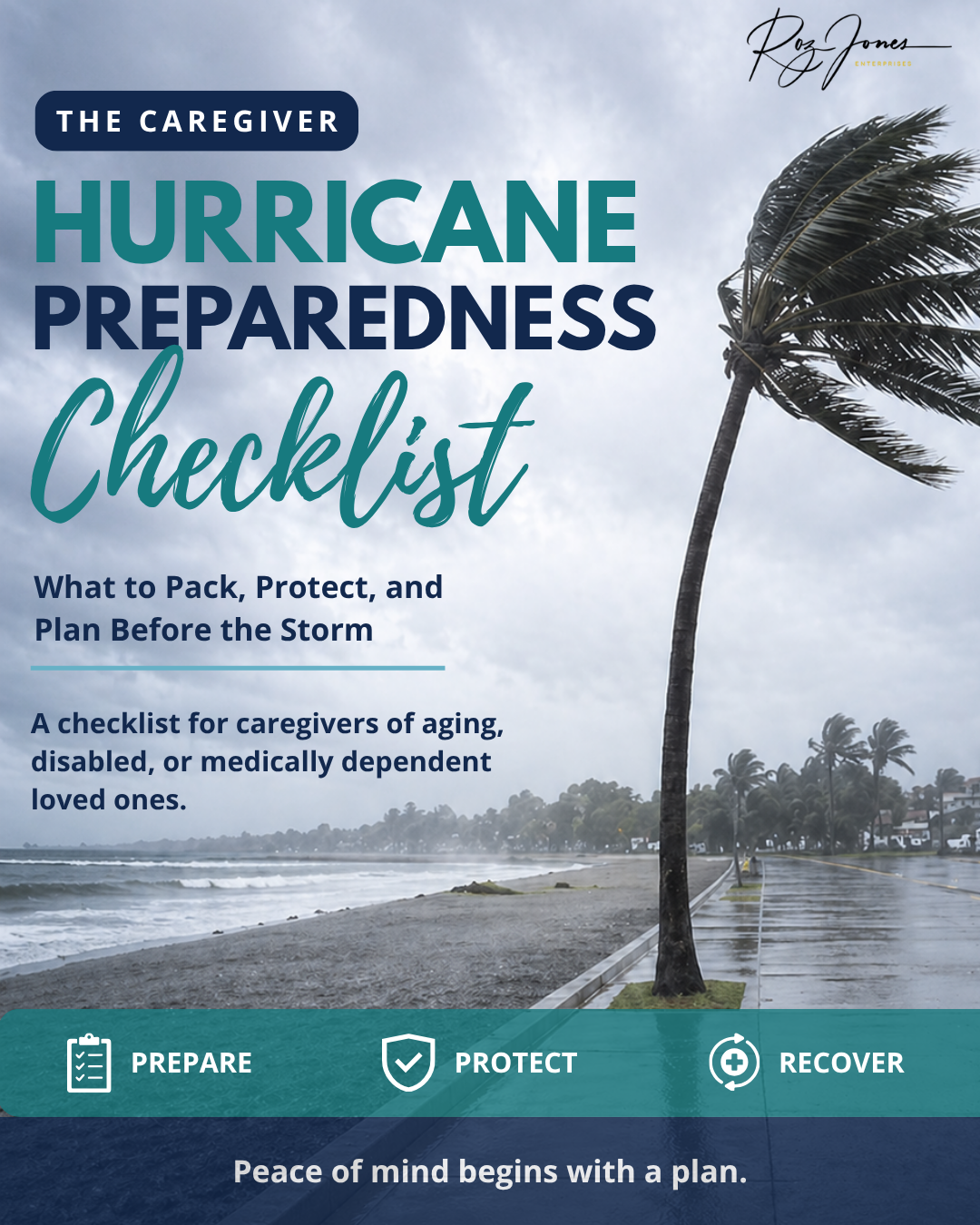
The Caregiver Hurricane Preparedness Checklist.

If you are caring for a loved one and want to be better prepared for storms, power outages, and unexpected caregiving emergencies, purchase the Caregiver Hurricane Preparedness Checklist. This resource can help you think through important details before a crisis is already at the door.

For only $1.99, this checklist gives you a simple starting point so you are not trying to gather everything during a storm, power outage, hospitalization, or sudden change in your loved one’s care.

Purchase the Caregiver Hurricane Preparedness Checklist for $1.99 today and take one more step toward peace of mind.

Need Help Sorting Through the Care Plan?

Roz Jones is a dedicated caretaker turned CEO with over a decade of experience in helping families care for and make decisions for loved ones and their legacies.Roz is a compassionate, innovative healthcare industry leader.

If your family needs help thinking through care decisions, caregiving responsibilities, or next steps, book a session with Roz Jones. You do not have to navigate this season alone.

Together, we can talk through what is working, what is becoming too heavy, and what boundaries need to be strengthened so you can continue to care without losing yourself in the process.

Subscribe to The Caregiver Cafe Weekly Newsletter!

Caregiving can be a roller coaster of ups and downs. The information that you will receive from The Caregiver Cafe Weekly Specials Newsletter will support you as a caregiver. Remember…

1. YOU ARE NOT ALONE: The problems you face as a caregiver are experienced by other caregivers. Knowing that you’re not alone can be comforting. 

2. Tools and Resources:  Find caregiver stress management tools and gain perspective from other caregiver’s experiences.

3. LEARN TO: Ask for help, accept help when it is offered, and acknowledge yourself on this caregiving journey. Hear from experts on how to balance caregiving responsibilities by taking care of your needs and involving others to help manage the natural stress and isolation of being a caregiver. 

When Caregivers Keep Delaying Their Own Care

By Roz Jones

Caregiving has a way of moving a person’s health to the bottom of the list.

A loved one needs help getting to an appointment. Medication needs to be picked up. The house needs to be managed. Meals need to be prepared. Insurance calls need to be made. Family members need updates. Something unexpected happens, and the caregiver adjusts again.

Before long, the caregiver’s own checkup gets postponed. A screening gets delayed. A symptom gets ignored. Sleep becomes inconsistent. Meals become whatever is quick. Stress becomes normal. Fatigue becomes something to push through.

Knowing that preventive care matters is one thing. Building it into the caregiving lifestyle is another.

Caregivers cannot keep treating their own health like an afterthought and expect to remain strong enough to support someone else.

Caregiving Can Hide Health Problems

Many caregivers learn how to function while tired, stressed, and overwhelmed. They keep going because the needs around them are real. But when stress becomes constant, it can become harder to notice what is happening in the body.

A caregiver may dismiss headaches as tension.

They may blame chest discomfort on stress.

They may assume shortness of breath is from being out of shape.

They may explain away changes in appetite, sleep, mood, or energy.

They may ignore pain because there is no time to deal with it.

They may delay care because the loved one’s needs feel more urgent.

This is how health problems can hide in plain sight.

Preventive care is not only about catching disease early. It is also about giving the caregiver permission to pay attention to their own body before the body has to get louder.

A caregiver’s health is not separate from the caregiving plan. It is part of it.

The Cost of Always Going Last

Many caregivers place themselves last out of love, obligation, or habit. For male caregivers, this can be especially common when strength is tied to endurance, providing, protecting, and not complaining.

But always going last has a cost.

Missed appointments can delay diagnosis. Ignored symptoms can become more serious. Poor sleep can affect mood and decision-making. Unmanaged blood pressure, diabetes, stress, or heart health concerns can create long-term risks.

Caregivers may also find themselves becoming more irritable, forgetful, withdrawn, or emotionally exhausted. These changes do not always mean the caregiver does not care. They may mean the caregiver is running without enough support, rest, or medical attention.

Caregiving requires presence. It requires patience. It requires energy. It requires clear thinking.

Those things are harder to maintain when the caregiver’s own health is being neglected.

Preventive Care Has to Be Scheduled, Not Wished For

Good intentions are not enough.

Many caregivers say they will make the appointment when things calm down. But caregiving seasons do not always calm down on their own. There may always be another appointment, another errand, another concern, another family issue, or another task that feels more urgent.

That is why preventive care has to be scheduled.

A caregiver may need to choose a month for annual appointments and protect that time. They may need to schedule their own checkup on the same day each year. They may need to set reminders for blood pressure checks, lab work, dental visits, eye exams, prostate screenings, colon cancer screenings, and other recommended care.

For some caregivers, it may help to treat personal medical appointments the same way they treat their loved one’s appointments: written down, confirmed, protected, and taken seriously.

A caregiver’s appointment should not be the first thing canceled every time life gets busy.

Health Conversations Should Include the Caregiver

When families discuss caregiving responsibilities, they often talk about the loved one’s needs.

Who will take them to the doctor?

Who will cook?

Who will manage medication?

Who will stay overnight?

Who will handle transportation?

Those conversations are important, but they are incomplete if they do not include the caregiver’s health.

Families also need to ask:

Who will cover care when the caregiver has a medical appointment?

Who can help if the caregiver is sick?

Who can step in if the caregiver needs rest?

Who is watching for signs that the caregiver is overwhelmed?

Who is helping the caregiver stay healthy enough to continue?

The caregiver should not have to choose between their own appointment and their loved one’s care. A healthy caregiving plan includes backup support.

If no one else knows how to help, the family needs to create a better system before a crisis forces the issue.

Male Caregivers and Silent Symptoms

Many male caregivers are used to minimizing what they feel.

They may downplay pain. They may avoid talking about fatigue. They may ignore changes in mood, sleep, digestion, weight, or energy. They may avoid screenings because they are uncomfortable, busy, or afraid of what might be found.

But silence does not protect health.

Preventive care gives male caregivers a chance to address concerns early, before they become harder to manage. It also challenges the idea that men should only seek help when something becomes severe.

A man can be strong and still get his blood pressure checked.

A man can be dependable and still schedule a prostate screening.

A man can love his family and still talk to a doctor about stress, depression, sleep issues, or pain.

A man can be a caregiver and still need care.

There is no honor in waiting until the body breaks down.

Watch the Patterns, Not Just the Symptoms

Caregivers often look for one major sign that something is wrong. But health changes may show up as patterns.

A caregiver may notice they are tired every morning, not just once in a while.

They may feel more short-tempered than usual.

They may need more caffeine to get through the day.

They may stop exercising.

They may eat more fast food because cooking feels like too much.

They may avoid people.

They may lose interest in things they once enjoyed.

They may feel their heart racing during stressful moments.

They may experience headaches, stomach issues, dizziness, muscle tension, or trouble sleeping.

These patterns deserve attention.

They may be connected to stress, but that does not mean they should be ignored. Stress can affect the body in real ways. It can also exist alongside other health concerns that need medical care.

Caregivers should not diagnose themselves and move on. They should bring concerns to a healthcare provider and let the provider help sort out what needs attention.

Build a Personal Health Folder

Caregivers often keep detailed information for their loved ones but do not have the same organization for themselves.

A personal health folder can help change that.

This folder can include:

  • Primary care provider information
  • Medication list
  • Allergies
  • Emergency contacts
  • Insurance information
  • Recent lab results
  • Screening dates
  • Vaccination records
  • Family health history
  • Questions for upcoming appointments
  • Notes about symptoms or changes

This does not have to be complicated. The goal is to make the caregiver’s health easier to track.

When information is organized, appointments are more productive. It is easier to remember questions, follow up on screenings, and notice when something has been delayed.

Caregivers organize so much for others. Their own health deserves that same attention.

Make Caregiver Health Part of the Weekly Routine

Preventive care is not only about annual appointments. It is also about what happens in the weekly rhythm of life.

Small choices matter when they are repeated.

A caregiver health routine may include checking blood pressure, taking prescribed medication, drinking enough water, walking a few times a week, preparing simple meals, stretching, sleeping at a consistent time, limiting alcohol, scheduling quiet time, or checking in with a support person.

The goal is not perfection.

The goal is consistency.

A caregiver who waits for the perfect schedule may never begin. But a caregiver who builds small health habits into the week can begin protecting their body before exhaustion takes over.

The question is not, “How do I overhaul my entire life?”

The better question is, “What is one thing I can do this week that supports my health?”

Emergency Preparedness Includes the Caregiver Too

When caregiving involves an aging loved one, emergency planning often focuses on the person receiving care. That is important, especially if they depend on medication, oxygen, mobility support, medical equipment, refrigerated supplies, or transportation assistance.

But emergency preparedness should also include the caregiver.

What happens if the caregiver becomes sick?

What happens if the caregiver cannot get to the loved one during a storm?

What happens if power goes out and medical equipment is needed?

What happens if medication runs low before severe weather arrives?

What happens if the caregiver is too exhausted to make clear decisions in the middle of a crisis?

Planning ahead reduces stress. It also helps protect both the loved one and the caregiver.

Emergency contacts, backup transportation, medication lists, supply checklists, and family communication plans should be easy to access. During hurricane season or severe weather, preparation can make a hard situation less chaotic.

Preparedness is not fear. It is care with a plan.

Caregiving Cannot Depend on One Person’s Health Forever

A family should never build a caregiving system that assumes one person will always be available, healthy, and able to manage everything.

That is not realistic.

Caregivers have bodies. They have limits. They have appointments. They have emotional needs. They may develop health challenges of their own.

A better plan includes shared responsibility, backup support, community resources, and honest conversations about what the caregiver can and cannot continue doing alone.

If one person’s health is holding the entire caregiving system together, the system needs attention.

Caregiver health is not a side issue. It is a foundation.

When the caregiver is healthier, the loved one is safer. When the caregiver is supported, the care plan is stronger. When the caregiver receives preventive care, the whole family benefits.

Caring for Yourself Is Part of Caring for Them

Preventive care is not selfish. It is not a luxury. It is not something to handle only after everyone else is settled.

It is part of caregiving.

A caregiver who gets regular checkups, completes recommended screenings, pays attention to symptoms, manages stress, and builds healthy routines is not stepping away from responsibility. They are strengthening their ability to continue.

Caregivers often give their best attention to the people they love. This next season requires them to give some of that attention back to themselves.

The loved one matters.

The caregiver matters too.

And a care plan that honors both is stronger, safer, and more sustainable.

To read more on the subject, read my previous blog, Are You Positioned to Care? Nurturing Your Own Health.

Give Yourself a Moment of Grace

If you need encouragement for the emotional side of caregiving, purchase Roz Jones’ book, Moments of Grace. This book offers reflection, support, and reminders of grace for caregivers who are carrying more than others may see.

This journal was created to help caregivers pause, breathe, reflect, and find strength in the middle of the caregiving journey.

Purchase Moments of Grace today and give yourself permission to breathe in the middle of the caregiving journey.

Prepare Before the Emergency Comes

The Caregiver Hurricane Preparedness Checklist.

If you are caring for an aging loved one and want to reduce the stress of last-minute emergency planning, purchase the Caregiver Hurricane Preparedness Checklist. This resource can help you organize important details, supplies, contacts, and plans before severe weather or a crisis arrives.

For only $1.99, this checklist gives you a simple starting point so you are not trying to gather everything during a storm, power outage, hospitalization, or sudden change in your loved one’s care.

Purchase the Caregiver Hurricane Preparedness Checklist for $1.99 today and take one more step toward peace of mind.

Need Help Sorting Through the Care Plan?

Roz Jones is a dedicated caretaker turned CEO with over a decade of experience in helping families care for and make decisions for loved ones and their legacies.Roz is a compassionate, innovative healthcare industry leader.

If your family needs help thinking through care decisions, caregiving responsibilities, or next steps, book a session with Roz Jones. You do not have to navigate this season alone.

If your family needs help creating a care plan, talking through caregiving responsibilities, or deciding what support is needed next, book a session with Roz Jones. You do not have to carry the caregiving journey by yourself.

Subscribe to The Caregiver Cafe Weekly Newsletter!

Caregiving can be a roller coaster of ups and downs. The information that you will receive from The Caregiver Cafe Weekly Specials Newsletter will support you as a caregiver. Remember…

1. YOU ARE NOT ALONE: The problems you face as a caregiver are experienced by other caregivers. Knowing that you’re not alone can be comforting. 

2. Tools and Resources:  Find caregiver stress management tools and gain perspective from other caregiver’s experiences.

3. LEARN TO: Ask for help, accept help when it is offered, and acknowledge yourself on this caregiving journey. Hear from experts on how to balance caregiving responsibilities by taking care of your needs and involving others to help manage the natural stress and isolation of being a caregiver. 

When Male Caregivers Keep Going Without Checking In With Themselves

By Roz Jones

Men’s Health Awareness Month is a reminder for men to take their health seriously.

Not later.
Not when something goes wrong.
Not only when the pain becomes too much to ignore.
Now.

But today, I want to take that conversation a little deeper.

Because many men are not only managing their own health. They are also caring for someone else.

You may be a husband caring for your wife.
A son caring for your aging mother or father.
A brother helping a sibling through illness.
A father managing the needs of your household while also checking on an older loved one.
A grandfather carrying responsibilities that nobody always sees.

And you may not even call yourself a caregiver.

You may just say, “I’m helping my family.”

But let me say this clearly:

If someone depends on you for transportation, meals, medication reminders, doctor appointments, finances, safety, daily support, or emotional care, you are caregiving.

And your health matters too.

Male Caregivers Are Often Carrying More Than They Say

Many men have been taught to keep going.

Handle it.
Stay strong.
Do not complain.
Figure it out.
Push through.

And while strength is a beautiful thing, silence can become dangerous.

Because caregiving has a way of adding responsibility to your life without asking permission. One day you are just helping out here and there. Then suddenly you are managing appointments, picking up prescriptions, paying bills, checking blood pressure, lifting someone in and out of chairs, handling emergencies, and trying to keep your own life together at the same time.

That is not small.

That is not “just helping.”

That is caregiving.

And if you are not careful, you can become so focused on making sure your loved one is okay that you stop asking yourself the same question.

Am I okay?

Your Body Will Speak Even When You Do Not

Caregiving stress does not always show up as tears.

Sometimes it shows up as headaches.
Back pain.
Poor sleep.
High blood pressure.
Short patience.
Constant fatigue.
Eating whatever is quick instead of what your body needs.
Skipping doctor appointments.
Feeling irritated but not knowing why.
Sitting in the car for a few extra minutes because you need a moment before walking inside.

Male caregivers may not always say, “I am overwhelmed.”

Sometimes they say:

“I’m good.”
“I’m just tired.”
“It is what it is.”
“I don’t have time right now.”
“I’ll deal with me later.”

But later can become too late if you keep ignoring what your body is trying to tell you.

Caregiver, your loved one needs you well. Not perfect. Not superhuman. Well.

Do Not Cancel Yourself Out of the Care Plan

Many caregivers know their loved one’s medical schedule better than their own.

You know when their refills are due.
You know which doctor they need to see next.
You know what symptoms to watch for.
You know what paperwork needs to be completed.
You know what medication changed after the last appointment.

But when was the last time you scheduled your own checkup?

When was the last time you asked your doctor about your blood pressure, heart health, prostate health, stress, sleep, or screenings based on your age and family history?

When was the last time you admitted that caregiving is affecting you too?

You cannot be so committed to keeping everyone else alive and well that you forget your own body is asking for attention.

Your health is not an afterthought.

It belongs in the care plan too.

Strength Also Looks Like Asking for Help

Some men struggle to ask for support because they feel like they should be able to handle everything on their own.

But caregiving was never meant to be a one-person job.

There is nothing weak about asking a sibling to take over one appointment.
There is nothing weak about hiring help if you can.
There is nothing weak about talking to a therapist, coach, pastor, doctor, or trusted friend.
There is nothing weak about saying, “I need a break.”
There is nothing weak about admitting, “I do not know what to do next.”

That is not weakness.

That is wisdom.

Trying to carry everything alone may look strong from the outside, but it can wear you down on the inside.

We need to stop calling burnout dedication.

You can love your family and still need rest.
You can be dependable and still need support.
You can be strong and still need someone to check on you.

Pay Attention to What You Are Holding Emotionally

Caregiving can bring up emotions that are hard to name.

You may feel grief watching someone you love change.
You may feel anger because the responsibility feels unfair.
You may feel guilt when you want time for yourself.
You may feel pressure because people expect you to be the strong one.
You may feel lonely because nobody sees how much you are doing.

Those emotions do not make you a bad caregiver.

They make you human.

Male caregivers deserve space to talk about what this role is doing to their hearts, minds, and spirits. You do not have to wait until you explode, shut down, or get sick before you tell the truth about what you are carrying.

Sometimes the healthiest thing you can do is speak honestly before the weight becomes too heavy.

Practical Reminders for Male Caregivers

Let this be your reminder to check in with yourself.

Schedule your annual physical.
Ask your doctor what screenings you need.
Pay attention to changes in your body.
Move your body, even if it is just a walk around the block.
Drink water.
Eat something that gives you strength.
Get sleep when you can.
Take breaks without apologizing for needing them.
Talk to someone you trust.
Ask for help before resentment builds.

These things may sound simple, but when caregiving gets heavy, simple things are often the first things to go.

Do not let your care for someone else become the reason you abandon yourself.

Caregiving Is Love, But It Should Not Cost You Your Health

Male caregivers are often overlooked in conversations about caregiving, but you are here.

You are showing up.
You are making decisions.
You are carrying responsibility.
You are doing emotional labor, physical labor, and family labor.

And even if nobody says it enough, what you are doing matters.

But you matter too.

Your health is not secondary.
Your well-being is not optional.
Your needs are not an inconvenience.
Your rest is not laziness.
Your feelings are not a problem.

Taking care of yourself is part of taking care of the people you love.

So do not wait until your body forces you to stop.

Make the appointment.
Take the break.
Have the conversation.
Ask for help.
Check in with yourself.

Because you cannot keep pouring from a body, mind, and spirit that are running on empty.Want to revisit the first part of this conversation? Read Part 1: The Importance of Men’s Health Awareness Month: Prioritizing Well-being, where we discussed why men’s health deserves attention, conversation, and action.

Give Yourself a Moment of Grace

If this season of caregiving has been heavy, emotional, or filled with grief you have not had time to name, Moments of Grace: A Caregiver’s Guided Journal for Reflection, Prayer, and Peace was created with you in mind.

This journal gives caregivers a quiet place to pause, reflect, pray, release, and reconnect with themselves while caring for someone they love.

Purchase Moments of Grace today and give yourself permission to breathe in the middle of the caregiving journey.

Prepare Before the Emergency Comes

The Caregiver Hurricane Preparedness Checklist.

Grief can make it hard to think clearly in a crisis. That is why preparation matters.

The Caregiver Hurricane Preparedness Checklist helps caregivers organize important documents, medications, emergency contacts, evacuation needs, medical equipment details, and care instructions before an emergency happens.

For only $1.99, this checklist gives you a simple starting point so you are not trying to gather everything during a storm, power outage, hospitalization, or sudden change in your loved one’s care.

Purchase the Caregiver Hurricane Preparedness Checklist for $1.99 today and take one more step toward peace of mind.

Need Help Sorting Through the Care Plan?

Roz Jones is a dedicated caretaker turned CEO with over a decade of experience in helping families care for and make decisions for loved ones and their legacies.Roz is a compassionate, innovative healthcare industry leader.

If you are caring for a former spouse, aging loved one, or family member and the boundaries are starting to feel complicated, you do not have to figure it out alone.

Book a Family Care Planning Session with Roz Jones and get support creating a caregiving plan that is clear, compassionate, and realistic.

Together, we can talk through what is working, what is becoming too heavy, and what boundaries need to be strengthened so you can continue to care without losing yourself in the process.

Subscribe to The Caregiver Cafe Weekly Newsletter!

Caregiving can be a roller coaster of ups and downs. The information that you will receive from The Caregiver Cafe Weekly Specials Newsletter will support you as a caregiver. Remember…

1. YOU ARE NOT ALONE: The problems you face as a caregiver are experienced by other caregivers. Knowing that you’re not alone can be comforting. 

2. Tools and Resources:  Find caregiver stress management tools and gain perspective from other caregiver’s experiences.

3. LEARN TO: Ask for help, accept help when it is offered, and acknowledge yourself on this caregiving journey. Hear from experts on how to balance caregiving responsibilities by taking care of your needs and involving others to help manage the natural stress and isolation of being a caregiver.