
By Roz Jones
Summer often brings excitement as families begin planning vacations, weekend getaways, and opportunities to spend more time together. For caregivers of aging loved ones, however, planning for the summer often looks very different. Before choosing a destination or making reservations, there are medications to organize, mobility needs to consider, medical appointments to work around, and questions about whether traveling is in the best interest of a loved one.
While a traditional vacation may not be possible for every family, that does not mean the opportunity to create meaningful memories has passed. A summer staycation can provide many of the same opportunities for connection, relaxation, and enjoyment without the added stress that often accompanies travel. Staying close to home allows caregivers to focus less on logistics and more on spending quality time with the people they love.
A staycation is not about settling for less. It is about making the most of the season you are in. With a little planning and creativity, families can discover new experiences in their own communities, strengthen relationships, and create moments that are just as meaningful as those found hundreds of miles away.
Looking at Your Community Through a Different Lens
One of the greatest advantages of a summer staycation is the opportunity to rediscover the community around you. It is easy to overlook the parks, gardens, museums, walking trails, historical sites, and community events that exist close to home because they are always there. A staycation invites families to slow down and experience these places with fresh eyes.
For caregivers, staying local also offers greater flexibility. If an aging loved one becomes tired, needs to return home to rest, or requires medication at a certain time, plans can be adjusted without the pressure of hotel reservations, travel schedules, or long drives. That flexibility can make the day more enjoyable for everyone involved.
As you begin planning your staycation, think about activities that match your loved one’s current interests and abilities rather than what they may have enjoyed years ago. A visit to a local botanical garden during the morning hours may be more enjoyable than spending an entire afternoon in the summer heat. A scenic drive through familiar neighborhoods may spark conversations and memories that become just as meaningful as visiting a new destination. Local farmers markets, art fairs, outdoor concerts, community festivals, and library programs can also provide opportunities to enjoy something new while remaining close to the comforts of home.
The goal is not to fill every hour with activity. The goal is to create experiences that allow your loved one to feel engaged, comfortable, and included while giving the caregiver the flexibility to adjust plans as needed.
Bringing the Vacation Experience Home
A staycation is not limited to outings around town. Some of the most memorable moments can happen right at home with a little planning and intention.
Creating a vacation atmosphere does not require expensive decorations or elaborate plans. It begins by setting aside time to be fully present with one another. Consider transforming the backyard into a place where the family can gather for an evening cookout, music, and conversation. Plan a picnic in the yard or at a nearby park. Prepare a meal inspired by a favorite vacation destination or invite grandchildren to help cook a treasured family recipe with an aging loved one. Even something as simple as watching an outdoor movie together or enjoying dessert on the porch can become a tradition the family looks forward to each summer.
For caregivers supporting someone living with Alzheimer’s disease or another form of dementia, familiar surroundings often provide a greater sense of comfort and security than unfamiliar environments. Bringing elements of a vacation home allows families to create enjoyable experiences while reducing many of the challenges that travel can present. Favorite music, family photographs, meaningful conversation, and familiar routines can all help aging loved ones feel relaxed and engaged throughout the day.
The most meaningful staycations are rarely defined by elaborate plans. They are remembered because families slowed down long enough to enjoy one another’s company. When caregivers remove the pressure to make everything perfect, they often discover that the simplest moments become the ones everyone remembers most.
Taking Advantage of Free and Community Resources
One of the greatest benefits of a staycation is the opportunity to enjoy experiences that may already exist within your community. Throughout the summer, many cities, towns, and neighborhoods offer free or low-cost programs designed to bring people together. These events can provide a change of scenery without placing additional strain on a family’s budget.
Many local parks host outdoor concerts, movie nights, and seasonal festivals. Libraries often offer educational programs, book clubs, craft activities, and intergenerational events that welcome participants of all ages. Community centers, senior centers, botanical gardens, museums, and historical sites may also offer discounted admission days or special summer programming that is both engaging and accessible for older adults.
Before heading out, take a few moments to think through the details that can make the experience more enjoyable for your aging loved one. Consider the time of day, expected temperatures, available seating, restroom access, parking, and the distance that may be required to walk. Packing water, light snacks, medications, sunscreen, and any mobility equipment your loved one may need can help the outing feel less stressful and more enjoyable.
A successful staycation is not measured by how many places you visit. It is measured by choosing experiences that allow your loved one to participate comfortably while giving the family an opportunity to enjoy time together. Sometimes an hour spent listening to live music in the park or walking through a local garden creates more meaningful memories than an entire day spent rushing from one attraction to another.
Summer also provides opportunities to support the community while strengthening family connections. Visiting a local farmers market, attending a neighborhood event, or exploring a nearby small business allows families to invest in the places they call home while discovering experiences they may have otherwise overlooked. Often, the best summer memories are found much closer than we expect.
Making Time to Rest and Recharge
Caregivers often spend so much time planning for everyone else that they forget they are part of the experience too.
Whether you are traveling across the country or enjoying a staycation close to home, your well-being matters. The slower pace of a staycation creates opportunities to rest in ways that are not always possible during a traditional vacation. Without long travel days, unfamiliar surroundings, or packed itineraries, caregivers have the chance to step away from constant planning and simply enjoy the moment.
Rest does not always mean doing nothing. It may look like enjoying a quiet cup of coffee before the rest of the family wakes up, reading a book while your loved one takes an afternoon nap, taking a short walk through the neighborhood, or sitting outside and enjoying the peace that comes with an unhurried day. These small moments of renewal can help caregivers return to their responsibilities feeling more present and emotionally refreshed.
This is also an excellent time to invite other family members to share in the responsibilities of caregiving. If adult children, grandchildren, siblings, or close friends are available, allow them to participate. One person might prepare lunch while another spends time visiting with your loved one. Someone else might accompany them on a walk or enjoy a favorite game together. Sharing responsibilities not only provides the caregiver with an opportunity to rest, but it also allows other family members to build meaningful memories with the person receiving care.
Caregiving is not meant to be carried by one person alone. A staycation can serve as a reminder that creating lasting memories is a shared responsibility, and that caregivers deserve opportunities to experience the joy of the season alongside the people they love.
Creating Memories That Last Beyond Summer
One of the greatest gifts a staycation offers is the opportunity to slow down enough to notice the moments that might otherwise be overlooked. Without the distractions of travel schedules and busy itineraries, families often have more time to enjoy meaningful conversations, revisit family traditions, and simply be present with one another.
Consider using your staycation as an opportunity to preserve your loved one’s story. Pull out old photo albums and invite them to share the memories behind each picture. Ask about their childhood, their first job, family vacations they remember, or traditions they hope future generations will continue. Record those conversations, write them down in a journal, or encourage grandchildren to ask questions and listen. These simple moments can become treasured keepsakes for years to come.
You can also create new traditions that your family looks forward to every summer. It might be preparing a favorite family recipe together, visiting the same local park each year, watching the sunset from the front porch, or ending the day with homemade ice cream and conversation. Traditions do not have to be elaborate to become meaningful. What matters most is the time spent together.
As caregiving needs change, family traditions may need to change as well. That is a natural part of the journey. While activities may look different than they did years ago, the opportunity to strengthen relationships, celebrate family, and create new memories never goes away. Sometimes the simplest moments become the ones that leave the greatest impact.
If you are looking for even more ideas to help your family make the most of the season without stretching your budget, be sure to read our previous blog, “Budget-Friendly Family Fun: Unlocking the Magic of a Summer Staycation.” It offers additional inspiration for creating affordable summer experiences, exploring your local community, and finding simple ways to make lasting memories with your aging loved one. Together, these resources can help you plan a summer that is filled with connection, comfort, and meaningful moments close to home.
Download the Vacationing With an Aging Loved One Checklist for FREE!

Before your next trip, download the free Vacationing with an Aging Loved One Checklist. This resource can help you think through what needs to be packed, planned discussed, and prepared before travel begins!
Tune in to The Caregiver Café Podcast
Handling Criticism as a Family Caregiver

In this episode of The Caregiver Café with Roz Jones, Roz is talking about a topic that can touch every caregiver at some point: criticism.
Being criticized while you are caring for a loved one does not feel good. It can make you feel judged, unappreciated, or like nothing you are doing is enough. But Roz reminds listeners that the way we respond to criticism can either create more chaos or open the door to better communication, support, and growth.
Roz shares how caregivers can begin to embrace criticism by using it as an opportunity for personal growth, improved relationships, and greater confidence. Instead of immediately becoming defensive, caregivers can ask questions, invite others to show a better way, and create space for honest conversations.
This episode is a reminder that everyone may have an opinion, but not everyone understands what caregiving looks like day to day. Still, when handled with wisdom, criticism can become a chance to improve care, strengthen family communication, and reduce tension along the caregiving journey.
So pour yourself something warm and join Roz at The Caregiver Café as she talks about how caregivers can respond to criticism with grace, boundaries, and a little bit of strategy.
Give Yourself a Moment of Grace

If you need encouragement for the emotional side of caregiving, purchase Roz Jones’ book, Moments of Grace. This book offers support, reflection, and reminders of grace for the caregiver who is carrying a lot.
This journal was created to help caregivers pause, breathe, reflect, and find strength in the middle of the caregiving journey.
Purchase Moments of Grace today and give yourself permission to breathe in the middle of the caregiving journey.
Prepare Before the Emergency Comes
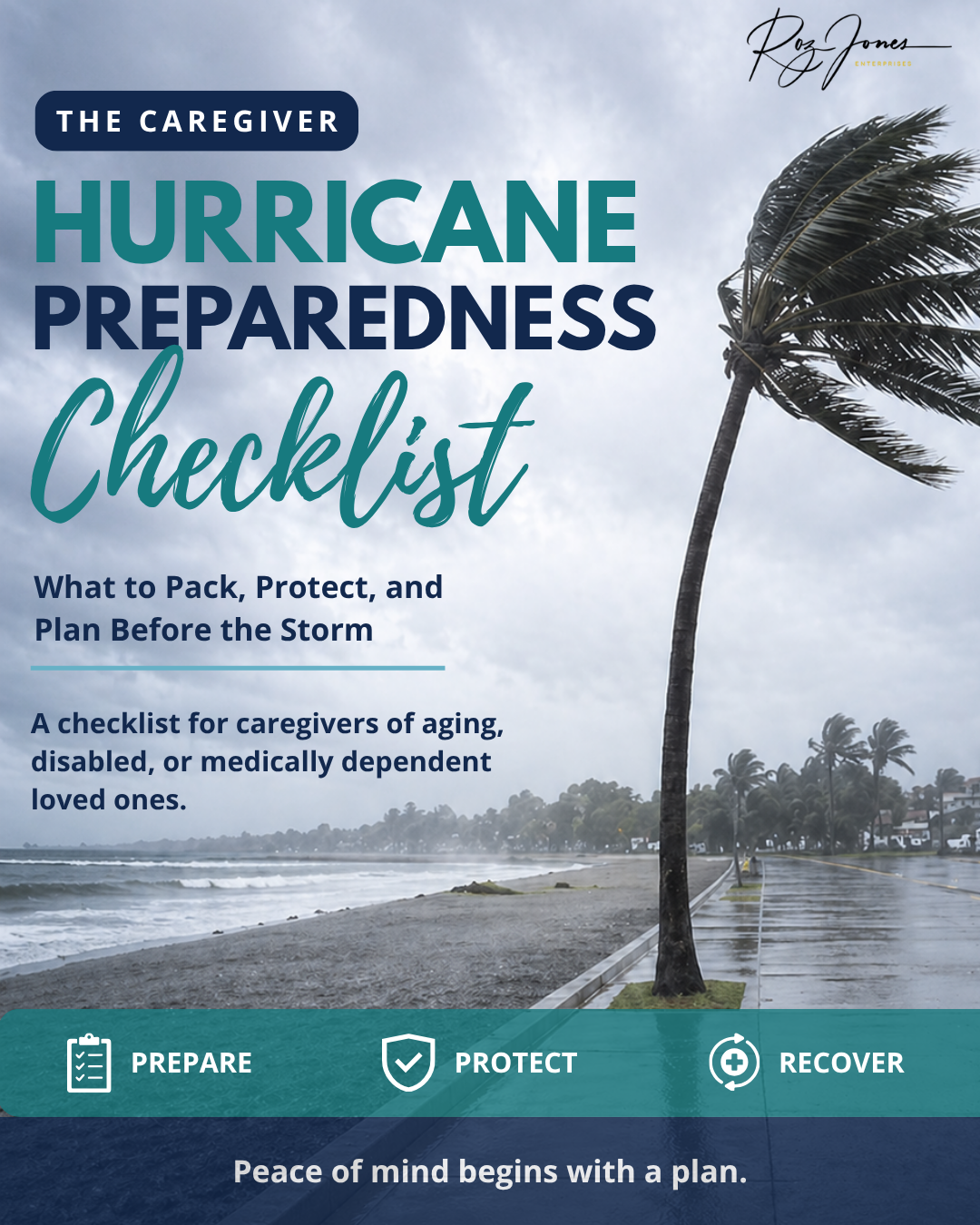
If you are caring for a loved one during storm season, purchase the Caregiver Hurricane Preparedness Checklist. It can help you prepare important documents, emergency contacts, supplies, medication needs, and safety steps before severe weather becomes a crisis.
For only $1.99, this checklist gives you a simple starting point so you are not trying to gather everything during a storm, power outage, hospitalization, or sudden change in your loved one’s care.
Purchase the Caregiver Hurricane Preparedness Checklist for $1.99 today and take one more step toward peace of mind.
Need Help Sorting Through the Care Plan?

If your family needs help thinking through care decisions, caregiving responsibilities, or next steps, book a session with Roz Jones. You do not have to navigate this season alone.
Together, we can talk through what is working, what is becoming too heavy, and what boundaries need to be strengthened so you can continue to care without losing yourself in the process.
Subscribe to The Caregiver Cafe Weekly Newsletter!

1. YOU ARE NOT ALONE: The problems you face as a caregiver are experienced by other caregivers. Knowing that you’re not alone can be comforting.
2. Tools and Resources: Find caregiver stress management tools and gain perspective from other caregiver’s experiences.
3. LEARN TO: Ask for help, accept help when it is offered, and acknowledge yourself on this caregiving journey. Hear from experts on how to balance caregiving responsibilities by taking care of your needs and involving others to help manage the natural stress and isolation of being a caregiver.