
By Roz Jones
A caregiver can choose a familiar destination, create a simple itinerary, pack comfort items, and prepare for the trip carefully. Still, traveling with a loved one living with dementia may bring changes that are difficult to predict.
A new environment may feel unfamiliar even when the destination has been visited before. A different bed, a crowded airport, unfamiliar sounds, or a change in routine may lead to confusion, restlessness, fear, or agitation.
These changes do not necessarily mean the trip must end. They do mean the caregiver may need to slow down, adjust the plan, and focus more closely on what the loved one is communicating through their words and behavior.
The goal of the trip should not be to follow every part of the itinerary. The goal should be to help the loved one feel safe, supported, and included throughout the experience.
Recognize What May Be Causing the Change
When a person living with dementia becomes upset or confused, the behavior may be a response to something they cannot clearly explain.
They may be tired, hungry, thirsty, uncomfortable, overstimulated, or in pain. They may need to use the restroom. They may not recognize the hotel room or understand why they are away from home.
Before trying to correct the behavior, take a moment to consider what may be causing it.
Look at the environment. Is the room too noisy? Has the day been too long? Has a meal or medication been delayed? Is there too much activity happening at once?
A change in behavior is often a form of communication. Caregivers may need to look beyond the behavior and identify the need underneath it.
Reduce Noise and Stimulation
Vacation destinations can be busy.
Airports, restaurants, attractions, hotel lobbies, and family gatherings may include bright lights, unfamiliar voices, loud music, and constant movement. This can become overwhelming for someone living with dementia.
When possible, choose quieter spaces and less crowded times of day. Request a table away from the entrance of a restaurant. Visit attractions earlier in the morning. Avoid scheduling several activities back-to-back.
If your loved one begins to appear restless, anxious, withdrawn, or irritated, move to a calmer setting.
A quiet room, a familiar song, a short walk, or a few minutes sitting together may help them feel more settled.
Reducing stimulation is not about limiting the entire experience. It is about creating an environment where your loved one can participate without becoming overwhelmed.
Use Reassurance Instead of Correction
A person living with dementia may forget where they are or why they are traveling.
They may ask to go home even when they are already at the hotel. They may believe they need to go to work, care for children, or complete a responsibility from many years ago.
Trying to correct every detail may increase frustration.
Instead of arguing, respond to the emotion behind the statement.
If your loved one says they need to go home, they may be expressing that they do not feel safe or familiar with the environment. A caregiver may respond by reassuring them that they are safe, staying close, and offering something familiar.
Simple phrases may be more helpful than long explanations.
“You are safe.”
“I am right here with you.”
“We are going to rest for a little while.”
“Let us sit together.”
The goal is not always to convince them of the facts. Sometimes the goal is simply to reduce fear.
Keep Explanations Simple
Travel often requires quick decisions, but too much information may create additional confusion for a person living with dementia.
Instead of explaining the entire day at once, focus on what is happening next.
“We are going downstairs for breakfast.”
“We are getting into the car now.”
“We are going back to the room to rest.”
Give one direction at a time and allow extra time for your loved one to respond.
Avoid rushing when possible. A person living with dementia may need more time to process instructions, move through unfamiliar spaces, or make a choice.
Patience can help prevent a small moment of uncertainty from becoming a larger source of distress.
Carry Familiar Items Throughout the Day
Familiar items can provide comfort in unfamiliar surroundings.
A favorite sweater, family photograph, blanket, small keepsake, familiar music playlist, or preferred snack may help your loved one feel more connected to home.
Do not pack every familiar item in the suitcase where it cannot be reached during the day. Keep one or two comfort items in a bag that remains with you.
These items may be especially helpful during long waits, transportation delays, unfamiliar meals, or moments when your loved one becomes anxious.
Familiarity does not remove dementia, but it may provide reassurance when the environment feels uncertain.
Watch for Signs of Physical Discomfort
Sudden confusion or changes in behavior should not automatically be blamed on dementia.
A person may be experiencing pain, dehydration, constipation, an infection, medication side effects, low blood sugar, or another medical concern.
Pay attention to changes that seem sudden or more severe than usual.
Has your loved one stopped eating?
Are they drinking enough water?
Are they using the restroom normally?
Do they appear to be in pain?
Are they unusually sleepy, weak, or difficult to wake?
Have they recently started a new medication?
When something feels medically concerning, contact a healthcare provider or seek local medical care. Caregivers know their loved one’s usual behavior. A noticeable change deserves attention.
Prepare for Wandering and Separation
Unfamiliar places may increase the risk of wandering or becoming separated.
Make sure your loved one carries identification with their name and an emergency contact number. Consider an identification bracelet, card, or tracking device if appropriate.
Keep a recent photograph on your phone and write down what your loved one is wearing each day. This information may be useful if you become separated.
When staying in a hotel or vacation rental, check doors, elevators, stairways, balconies, and exits. Ask for a room away from busy exits when possible.
Caregivers should also tell trusted travel companions and appropriate staff members that their loved one is living with dementia and may need assistance if found alone.
This information does not need to be shared with everyone, but it should be available to the people who can help protect your loved one’s safety.
Make Rest Part of the Itinerary
A person living with dementia may become tired more quickly when traveling.
Even enjoyable activities can require more mental and physical energy in an unfamiliar environment. A full day may lead to increased confusion, irritability, or difficulty sleeping later.
Plan rest before it becomes necessary.
Return to the hotel or rental property between activities. Allow time for a nap, quiet music, television, or simply sitting together.
Some families may feel they are wasting the vacation by spending time in the room. However, rest may be what allows the loved one to enjoy the next activity.
A slower trip can still be a meaningful trip.
Be Willing to Cancel an Activity
Caregivers often feel pressure to continue with a plan because tickets were purchased, reservations were made, or other family members are looking forward to the activity.
That pressure should not outweigh the loved one’s needs.
If your loved one is exhausted, frightened, confused, or uncomfortable, canceling an activity may be the best decision.
The family can divide responsibilities if others still want to attend. One person may stay behind with the loved one while another accompanies the rest of the group.
Changing the plan is not a failure. It is part of responding to dementia with care and flexibility.
The most important experience may not be the attraction the family planned to visit. It may be the quiet afternoon spent together after deciding not to go.
Protect the Caregiver’s Well-Being
Traveling with a person living with dementia requires constant awareness.
The caregiver may be monitoring medications, watching exits, managing meals, answering repeated questions, adjusting activities, and trying to keep everyone calm.
This can become exhausting.
Whenever possible, travel with someone who can share caregiving responsibilities. Decide before the trip who will help with meals, transportation, supervision, and rest periods.
The primary caregiver should not be expected to provide care every hour of the day while everyone else enjoys the vacation.
Take breaks when support is available. Eat regularly, stay hydrated, and get as much rest as possible.
A tired caregiver may have less patience and may find it harder to make decisions. Caring for yourself supports your ability to care for your loved one.
Know When the Trip Is No Longer Working
There may come a time when the unfamiliar environment is causing more distress than enjoyment.
Your loved one may remain highly anxious, refuse food or medication, stop sleeping, repeatedly try to leave, or experience a health change that requires continued care.
The caregiver may also reach a point where the situation no longer feels manageable or safe.
Returning home early may be the most compassionate choice.
The family may feel disappointed, especially after spending time and money preparing for the vacation. However, staying simply because the trip was planned does not always serve the loved one.
A shorter trip does not erase the meaningful moments that already happened.
Sometimes success means recognizing when your loved one has had enough.
Focus on Connection Rather Than Perfection
Traveling with dementia may not look like previous family vacations.
The loved one may not remember the destination later.
They may not participate in every activity.
They may need more reassurance, repetition, and rest.
That does not mean the experience has no value.
A person may not remember every detail and still feel comfort in the moment.
They may enjoy the warmth of the sun, the sound of familiar music, a favorite meal, a slow walk, or the presence of someone they trust.
Those moments matter.
A positive vacation experience is not created by a perfect itinerary. It is created by paying attention to the loved one’s needs, making thoughtful adjustments, and protecting their sense of safety and dignity.
Caregivers cannot control every change that dementia may bring during travel. They can remain observant, flexible, and prepared to respond with patience.
That is often what makes the journey meaningful.
Continue Reading
This article is a continuation of Traveling with Dementia: Strategies for a Positive Vacation Experience.
Prepare for Your Next Trip

Traveling with an aging loved one requires careful preparation. Download the free Vacationing With an Aging Loved One Checklist for reminders related to medications, health needs, accommodations, transportation, safety, and emergency planning.
Tune in to The Caregiver Café Podcast
Patient Advocacy: The Caregivers Role

In this episode of The Caregiver Café with Roz Jones, Roz is talking about an important role many caregivers step into without always realizing it: becoming an advocate for their loved one at the doctor’s office.
Doctor visits can feel overwhelming for both the caregiver and the aging loved one. There may be anxiety, confusion, medication changes, new symptoms, treatment options, and instructions that are hard to remember once the appointment is over. That is why caregivers need to walk in prepared, ask the right questions, and make sure they leave with clear answers.
Roz breaks down practical ways caregivers can advocate before, during, and after medical appointments. She talks about preparing ahead of time, writing down questions and concerns, tracking new symptoms or changes, taking notes during the visit, sharing updates with the care team, and making sure everyone involved in the loved one’s care is on the same page.
She also reminds caregivers not to be afraid to ask the doctor to explain things in plain language. If something is unclear, uncomfortable, or confusing, caregivers have the right and responsibility to ask questions. Roz also encourages families to understand treatment options, possible side effects, medication changes, and how each decision may affect their loved one’s independence and daily routine.
This episode is a practical reminder that advocacy is part of caregiving. It is not enough to just show up at the appointment. Caregivers need to listen, take notes, ask questions, review medications, and help coordinate between doctors, specialists, and the full care team.
Give Yourself a Moment of Grace

Caregiving includes demanding days, unexpected changes, and moments of connection that may be easy to overlook. Moments of Grace offers encouragement to caregivers who need a reminder to pause and recognize the meaningful moments along the journey.
Don’t Wait Until the Storm is Coming
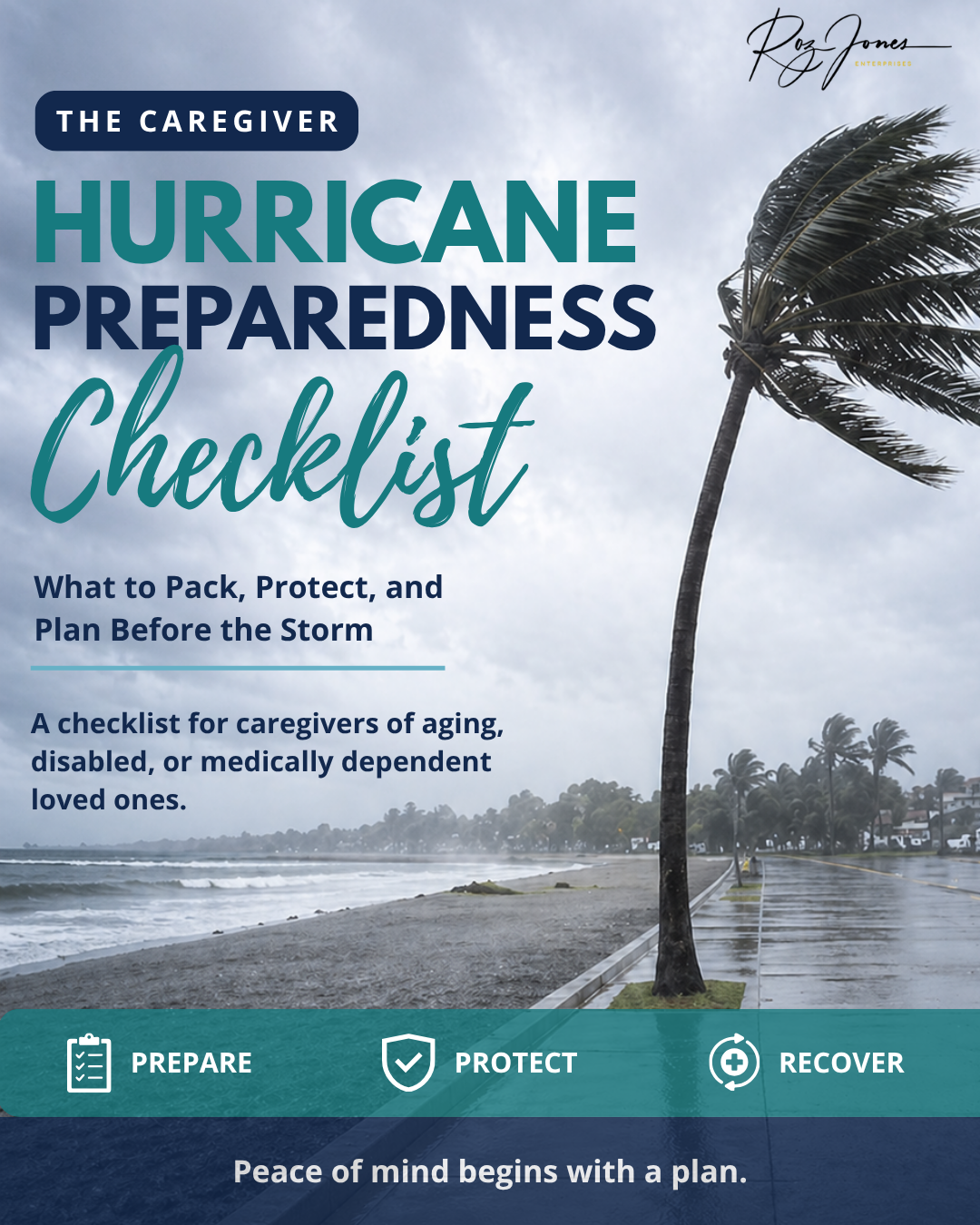
Caregivers should also be prepared for emergencies that may affect the home and the loved one’s care routine. The Caregiver Hurricane Preparedness Checklist helps families organize medications, medical equipment, emergency contacts, important documents, and evacuation plans before a storm arrives.
Need Help Sorting Through the Care Plan?

If your family needs help thinking through care decisions, caregiving responsibilities, or next steps, book a session with Roz Jones. You do not have to navigate this season alone.
Together, we can talk through what is working, what is becoming too heavy, and what boundaries need to be strengthened so you can continue to care without losing yourself in the process.
Subscribe to The Caregiver Cafe Weekly Newsletter!

1. YOU ARE NOT ALONE: The problems you face as a caregiver are experienced by other caregivers. Knowing that you’re not alone can be comforting.
2. Tools and Resources: Find caregiver stress management tools and gain perspective from other caregiver’s experiences.
3. LEARN TO: Ask for help, accept help when it is offered, and acknowledge yourself on this caregiving journey. Hear from experts on how to balance caregiving responsibilities by taking care of your needs and involving others to help manage the natural stress and isolation of being a caregiver.