

By Roz Jones
Choosing Medicare coverage is not the end of the planning process. An aging loved one’s health, medications, providers, and level of support can change over time, and those changes can affect how well existing healthcare coverage continues to meet their needs.
A plan that made sense when an aging loved one first enrolled in Medicare may continue to work for years. Still, healthcare coverage should remain part of the larger care plan rather than becoming something the family chooses once and never reviews again.
Watch How Healthcare Needs Change
Healthcare needs often change gradually. An aging loved one may begin seeing physicians more frequently, managing additional health conditions, working with new specialists, or using services that were not part of their care before.
These changes do not automatically mean new coverage is necessary, but they can signal that it is time to review how existing coverage is being used. Changes in the frequency of medical care, recurring expenses, and the amount of support required can help families recognize when the healthcare picture has shifted.
Keep Coverage Information Current
Medicare information should be organized alongside the other documents used to manage care. Insurance cards, policy information, prescription coverage, medication lists, provider contacts, and important healthcare records should be easy to locate and updated when something changes.
Accurate records are especially important during hospital stays, emergency situations, and transitions in care. They also make it easier for another trusted family member or caregiver to step in when additional support is needed.
Review the Full Healthcare Budget
Healthcare expenses can change even when insurance coverage remains the same. Premiums may increase, prescriptions may change, and an aging loved one may begin using more medical services, transportation, equipment, or caregiving support.
Reviewing these expenses as part of the larger household budget can help families understand how healthcare costs are affecting the care plan. Medicare coverage is only one piece of a financial picture that may also include housing, food, medications, transportation, and daily caregiving needs.
Revisit the Plan After Major Health Changes
A hospitalization, surgery, new diagnosis, or significant change in mobility can quickly alter the amount and type of care an aging loved one needs. New medications, follow-up appointments, rehabilitation, medical equipment, or additional services may become part of the routine.
Major health changes create a natural opportunity to review the healthcare plan. Understanding what has changed and updating medical and insurance information can make the transition into a new level of care easier to manage.
Make Coverage Reviews Part of Care Planning
Care plans evolve as an aging loved one’s needs change. Families may already revisit medications, transportation, home safety, emergency contacts, and assistance with daily activities. Healthcare coverage deserves a place in that same process.
Periodic reviews can help families identify questions before an urgent situation occurs. They can also reveal whether healthcare expenses, providers, or services have changed enough to require closer attention.
Keep Your Aging Loved One Involved
Needing more assistance does not automatically remove an aging loved one from decisions about their healthcare. Whenever possible, their priorities should remain part of conversations about medical care, insurance, expenses, and changes to the overall care plan.
Those priorities may change over time. Access to familiar physicians may become more important, predictable healthcare expenses may become a greater concern, or receiving care closer to home may become a priority. Including those preferences helps keep the care plan centered on the person receiving the care.
Participation, not isolation, remains important throughout the caregiving journey.
Prepare Before Care Changes Again
Caregiving rarely remains the same for long. Organized healthcare information gives families a stronger starting point when the next change occurs.
Knowing what coverage is in place, where important documents are stored, which medications and providers are current, and who to contact with questions can reduce confusion during an already stressful transition. Preparation cannot eliminate difficult healthcare decisions, but it can make those decisions easier to manage.
If you have not read the first part of this blog, start with Your Roadmap to Medicare Supplemental Insurance. That article focuses on evaluating Medigap plans, comparing costs, considering enrollment timing, and making informed decisions about supplemental coverage.
Prepare for Your Next Trip

Planning to travel with an aging loved one? Download the free Vacationing with an Aging Loved One Checklist to help you prepare for medications, mobility needs, comfort, safety, and unexpected changes.
Tune in to The Caregiver Café Podcast
How to avoid hospital re-admission for your loved ones
The transition home after a hospitalization can include medication changes, follow-up appointments, new care instructions, and additional responsibilities for the family caregiver. How those changes are managed can have an important impact on recovery.
Listen to the latest episode of The Caregiver Cafe, “How to Avoid Hospital Re-Admission for Your Loved Ones,” for practical information on preparing for the transition home and supporting an aging loved one after discharge.
Give Yourself a Moment of Grace

Caregiving includes demanding days, unexpected changes, and moments of connection that may be easy to overlook. Moments of Grace offers encouragement to caregivers who need a reminder to pause and recognize the meaningful moments along the journey.
Preparing for hurricane season?
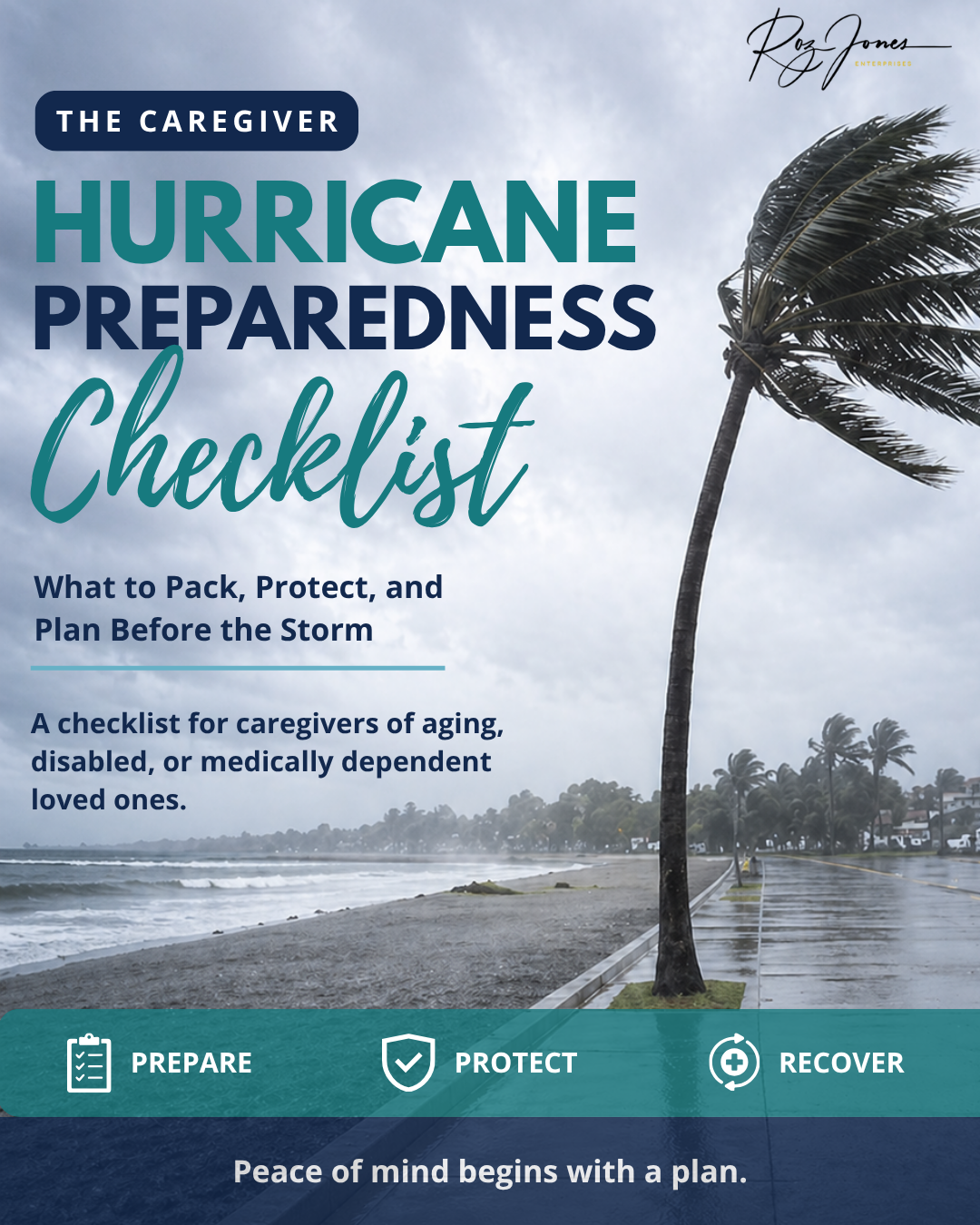
Are you preparing for hurricane season? Purchase the Caregiver Hurricane Preparedness Checklist to organize the information and supplies your family may need before severe weather arrives.
Subscribe to The Caregiver Cafe Weekly Newsletter!

1. YOU ARE NOT ALONE: The problems you face as a caregiver are experienced by other caregivers. Knowing that you’re not alone can be comforting.
2. Tools and Resources: Find caregiver stress management tools and gain perspective from other caregiver’s experiences.
3. LEARN TO: Ask for help, accept help when it is offered, and acknowledge yourself on this caregiving journey. Hear from experts on how to balance caregiving responsibilities by taking care of your needs and involving others to help manage the natural stress and isolation of being a caregiver.

