

By Roz Jones
Understanding Medicare is one thing. Sitting down to compare coverage for an aging loved one is another.
Families can quickly find themselves surrounded by plan information, insurance mailers, prescription lists, provider directories, premium amounts, and healthcare terminology. Research becomes easier when the focus shifts from trying to understand every available option to understanding what an aging loved one actually needs from their coverage.
For family caregivers, the goal is not to memorize Medicare. It is to gather the information needed to recognize whether current coverage still supports the healthcare an aging loved one is receiving.
Start With the Care Already Being Used
Medicare research should begin with an aging loved one’s actual healthcare routine.
Current physicians, specialists, medications, recurring treatments, medical equipment, and expected follow-up care provide a clearer starting point than advertisements for individual plans. These are the services that coverage needs to support.
Changes during the year also matter. A new diagnosis, additional medication, recent hospitalization, or increase in specialist visits can make last year’s healthcare needs look very different from this year’s.
Review What Changed Before Comparing Plans
Insurance coverage can change from one year to the next, even when an aging loved one stays enrolled in the same plan.
Premiums, prescription costs, provider participation, benefits, and other coverage details may change. Reviewing notices from the current plan can help caregivers identify those differences before comparing other options.
This is also an opportunity to look at what worked during the year. Frequent billing problems, difficulty accessing providers, unexpected prescription expenses, or services that became harder to obtain may deserve closer attention during the next review.
Look Beyond the Monthly Premium
A lower monthly premium does not always mean lower healthcare costs.
An aging loved one may still be responsible for copayments, coinsurance, deductibles, medications, and other expenses when healthcare services are used. Comparing only the monthly premium can leave families with an incomplete picture of what coverage may actually cost throughout the year.
The better comparison is how the coverage works alongside the healthcare an aging loved one regularly receives.
Check Medications Carefully
Prescription needs can play a major role in Medicare plan selection.
A medication that was affordable under one plan may have a different cost under another. Coverage can also change when medications are added, discontinued, or replaced during the year.
Keeping an updated medication list gives caregivers something concrete to use during plan research. The medication name, dosage, frequency, and preferred pharmacy can all become important when comparing prescription coverage.
Confirm Access to Current Providers
Continuity of care can be especially important for an aging loved one managing ongoing health conditions.
A physician who has treated someone for years may understand their medical history, previous treatments, and personal preferences in a way that cannot easily be replaced.
Provider access should therefore be part of the research process. Families should understand how a potential change in coverage may affect the doctors, specialists, hospitals, and other healthcare professionals already involved in the care plan.
Keep Research Organized
Medicare research becomes harder when information is scattered across multiple websites, handwritten notes, mailers, and phone conversations.
Keeping the information together can make comparisons easier. Notes from insurance calls, current medications, provider information, coverage documents, and questions that still need answers can become part of the same healthcare file used throughout the year.
Organization also makes it easier to return to the research without starting over each time.
Give Research Enough Time
Waiting until a deadline is approaching can turn healthcare research into a rushed decision.
Caregivers are already managing appointments, medications, transportation, work, family responsibilities, and the daily needs of an aging loved one. Medicare research often has to fit around everything else.
Beginning early creates room to compare information, ask questions, confirm details, and revisit something that does not make sense. A thoughtful decision is much easier to make when the family is not trying to complete the entire process at the last minute.
Make the Research Part of Care Planning
Medicare coverage affects more than an insurance card.
It can influence access to physicians, prescription expenses, hospital care, follow-up services, and the amount of healthcare spending a family needs to prepare for.
That makes Medicare research part of the larger caregiving plan.
As an aging loved one’s healthcare needs change, the questions being asked about coverage may need to change too. Reviewing those needs regularly can help families recognize when current coverage continues to work and when it may be time to research other options.
The earlier blog, The Medicare Maze: How to Conduct Effective Research for Plan Selection, provides the foundation for understanding the different parts of Medicare and why reviewing coverage matters. This continuation takes that information into the caregiving process by focusing on what families can examine when researching whether a loved one’s coverage still fits their needs.
Prepare for Your Next Trip

Planning to travel with an aging loved one? Download the free Vacationing with an Aging Loved One Checklist to help you prepare for medications, mobility needs, comfort, safety, and unexpected changes.
Tune in to The Caregiver Café Podcast
How to avoid hospital re-admission for your loved ones
The transition home after a hospitalization can include medication changes, follow-up appointments, new care instructions, and additional responsibilities for the family caregiver. How those changes are managed can have an important impact on recovery.
Listen to the latest episode of The Caregiver Cafe, “How to Avoid Hospital Re-Admission for Your Loved Ones,” for practical information on preparing for the transition home and supporting an aging loved one after discharge.
Give Yourself a Moment of Grace

Caregiving includes demanding days, unexpected changes, and moments of connection that may be easy to overlook. Moments of Grace offers encouragement to caregivers who need a reminder to pause and recognize the meaningful moments along the journey.
Preparing for hurricane season?
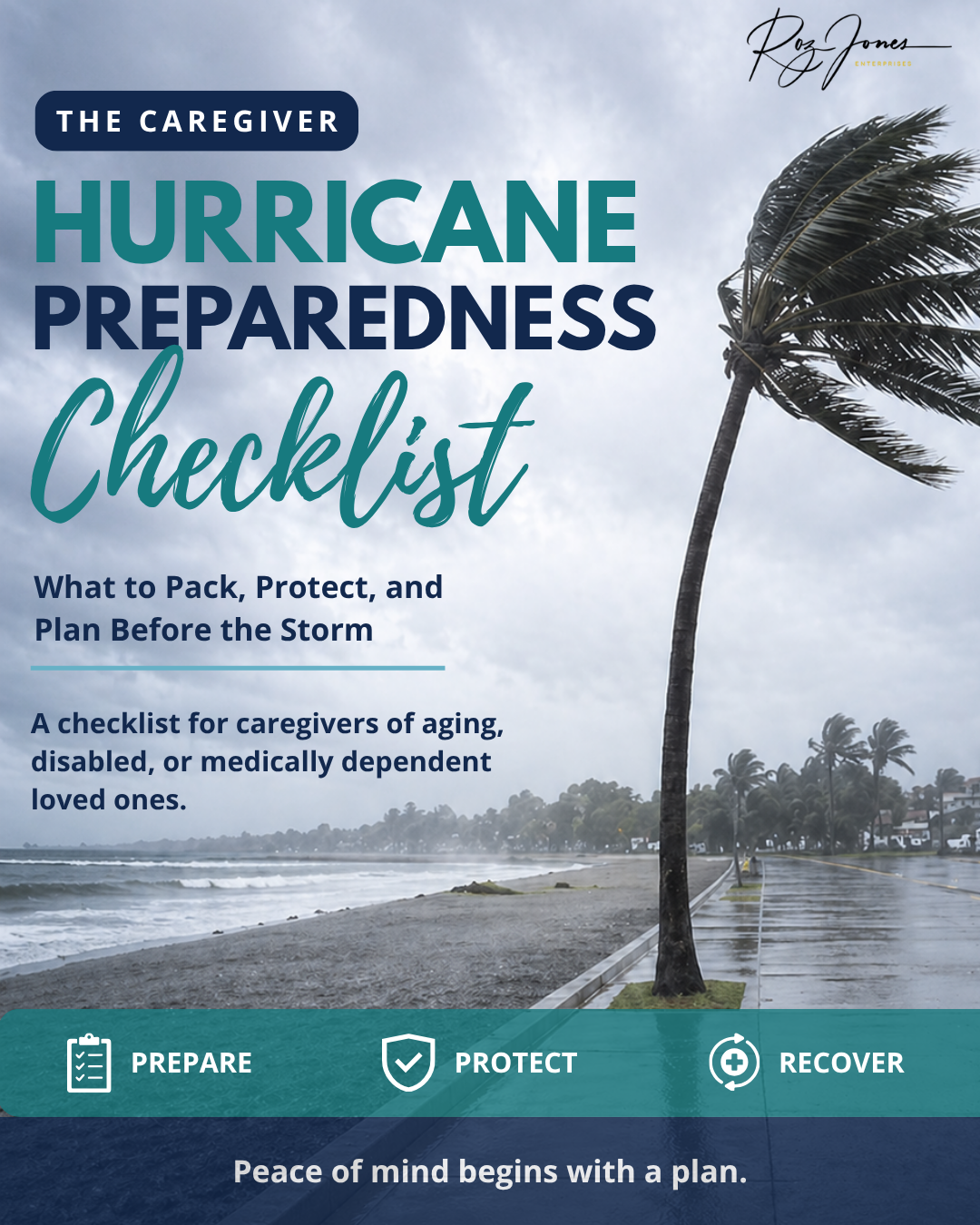
Are you preparing for hurricane season? Purchase the Caregiver Hurricane Preparedness Checklist to organize the information and supplies your family may need before severe weather arrives.
Subscribe to The Caregiver Cafe Weekly Newsletter!

1. YOU ARE NOT ALONE: The problems you face as a caregiver are experienced by other caregivers. Knowing that you’re not alone can be comforting.
2. Tools and Resources: Find caregiver stress management tools and gain perspective from other caregiver’s experiences.
3. LEARN TO: Ask for help, accept help when it is offered, and acknowledge yourself on this caregiving journey. Hear from experts on how to balance caregiving responsibilities by taking care of your needs and involving others to help manage the natural stress and isolation of being a caregiver.

