
By Roz Jones
One of the hardest parts of caregiving is recognizing when something has changed. Your aging loved one may have lived independently for years, knowing their routines, their neighborhood, and exactly how they like things done. That independence can be deeply important to them, which is why conversations about needing more help can feel so emotional for everyone involved. For family caregivers, the first step isn’t deciding that your loved one needs to move. It’s paying attention to how daily life is changing and whether the support they have now is still enough.
Sometimes the signs are obvious, but often they’re subtle at first. You may notice that something that used to be easy is becoming harder, or that your loved one is finding new ways to work around tasks they’re struggling to manage. Recognizing those changes early gives your family more time to think about what kind of support may actually be needed instead of waiting until a crisis forces a decision.
Look at What’s Changing in Daily Life
Aging doesn’t automatically mean someone can no longer live independently. Many older adults continue living safely in their own homes for years, especially when the right support is available. Aging in place can include help with meals, transportation, household tasks, personal care, medication management, or other services that make daily life safer and easier.
The question caregivers should be asking isn’t simply whether their loved one can still live alone. It’s whether they can still live there safely with the support they currently have. You may begin noticing that meals are being skipped, the home isn’t being maintained the way it once was, or medications are becoming harder to manage. Maybe your loved one is struggling with bathing, dressing, grocery shopping, or getting to appointments. One change by itself may not tell you much, but when several areas of daily life begin shifting at the same time, it may be a sign that the current care arrangement needs to be reviewed.
Pay Attention to Falls and Mobility Changes
Falls deserve attention because they can quickly change an older adult’s ability to live safely and independently. If your loved one has fallen, seems unsteady, is holding onto furniture when walking, or has become afraid to move around the house, don’t assume that’s just part of getting older.
There may be several reasons behind those changes. Medications can sometimes cause dizziness or sleepiness, while vision changes, balance problems, muscle weakness, or hazards in the home can also increase fall risk. The answer may not be a new living arrangement. It could be physical therapy, a medication review, improved lighting, grab bars, a mobility aid, or another adjustment that helps your loved one remain safer at home. That’s why caregivers should look for the cause before deciding on the solution.
Notice Changes in Memory and Judgment
Occasional forgetfulness can happen with normal aging, but significant changes in memory, thinking, judgment, or behavior deserve more attention. You may notice that your loved one is repeatedly missing medications, getting confused in familiar surroundings, leaving appliances on, or struggling with tasks they’ve handled independently for years.
These changes don’t automatically mean your loved one has dementia, but they do mean it’s time to involve a healthcare provider. As a caregiver, you don’t have to diagnose what’s happening. Your responsibility is to notice the change and make sure it isn’t ignored.
Look Beyond the Condition of the House
Sometimes caregivers first realize something is wrong because the home looks different. Mail may be piling up, dishes may stay in the sink longer, laundry may not get done as often, or food may expire in the refrigerator. Before assuming your loved one simply isn’t taking care of the house anymore, ask what’s making those tasks difficult.
Standing for long periods may have become painful. Arthritis may make opening containers or carrying laundry harder. Vision problems may make it difficult to see spills or clutter. Changes in the home can tell you a lot about what your loved one is struggling with physically or cognitively. Instead of focusing only on what isn’t getting done, try to understand why. That can help you identify what kind of support would make the greatest difference.
Pay Attention to Social Isolation
A person can technically manage the basics of living alone and still be struggling. Your loved one may be eating, bathing, and taking their medications while spending most of their time alone. Friends may have moved away or passed away, driving may have become difficult, and mobility concerns may make it harder to attend church, community events, family gatherings, or other activities they once enjoyed.
Social connection still matters as people age. If your loved one has become more withdrawn, ask about it. You may find that they miss being around people but don’t know how to maintain those connections anymore. Sometimes the support they need isn’t a new home at all. It may be transportation, regular visits, a senior program, community activities, or more intentional connection with family and friends.
Consider Whether More Support Could Keep Them at Home
Caregivers can sometimes jump from “Mom is struggling” to “Mom can’t live alone anymore,” but there’s often a lot of space between those two statements. Before making a major decision, look at what could be added to the current care plan.
Your loved one may benefit from help with housekeeping, meal preparation, transportation, personal care, home health services, or regular check-ins. Emergency alert systems and other technology may also offer additional support for some older adults who live alone. The goal should be finding the level of support that matches your loved one’s current needs and helps them remain as independent as possible for as long as it’s safe.
Know When the Current Arrangement May No Longer Be Enough
There may come a point when additional support at home still isn’t enough. Your loved one may need supervision that can’t realistically be provided around the clock, their mobility needs may exceed what the home can safely accommodate, or cognitive changes may create ongoing safety concerns that can’t be resolved with occasional check-ins.
When that happens, discussing a different living arrangement may become necessary, but that conversation doesn’t have to begin with a decision already made. Start with what you’re seeing. Talk about the falls, missed medications, difficulty preparing meals, or whatever changes have caused concern. Ask your loved one what they’ve noticed themselves and what they think would make daily life easier. The conversation will usually go better when it’s about solving a problem together instead of announcing that they can no longer live alone.
Give Yourself Time to Make the Decision
Unless there’s an immediate safety concern, families don’t have to make every decision overnight. Take time to involve your loved one’s healthcare team, understand what services are available, look at the home environment, and talk with other family members who are involved in their care.
You may discover that the next step is simply more support at home, or you may realize that assisted living, living with family, or another care arrangement needs to become part of the conversation. Either way, having that discussion before a crisis gives everyone more room to think and allows your loved one to be part of the process.
I first talked about this transition in Navigating the Conversation When It’s Time for a New Chapter in Care. The need to pay attention to changes hasn’t gone away, but today we have even more reason to look at the full picture before assuming that an aging loved one must give up their home and independence.
As family caregivers, we’re there to notice when something isn’t working anymore and help determine what needs to change. That may mean adding support, making changes to the home, or eventually beginning a bigger conversation about where your loved one can live safely and receive the care they need. What matters is that the decision starts with what your loved one actually needs today, not with assumptions about what aging is supposed to look like.
Prepare for Your Next Trip

Planning to travel with an aging loved one? Download the free Vacationing with an Aging Loved One Checklist to help you prepare for medications, mobility needs, comfort, safety, and unexpected changes.
Tune in to The Caregiver Café Podcast
S.O.S: When to ask for help with Phil Hill

In this episode of The Caregiver Café with Roz Jones, Roz continues her conversation with security expert and former family caregiver Phil Hill about the emotional weight of caregiving, knowing when to ask for help, and what happens when caregivers try to carry too much for too long.
Phil reflects on the years he spent caring for his father while he and his wife were also helping care for her parents. He shares how managing several caregiving situations at once affected his family, his business, his relationships, and his emotional well-being.
Although Phil had access to a long-term care insurance policy and other resources, he waited to use them because he believed he might need them later. Roz reminds caregivers that the time to ask for help is often much earlier than they realize. When a loved one moves into the home, the family should begin identifying gaps in care, exploring available benefits, and creating a support plan before exhaustion and crisis take over.
Give Yourself a Moment of Grace

Caregiving includes demanding days, unexpected changes, and moments of connection that may be easy to overlook. Moments of Grace offers encouragement to caregivers who need a reminder to pause and recognize the meaningful moments along the journey.
Preparing for hurricane season?
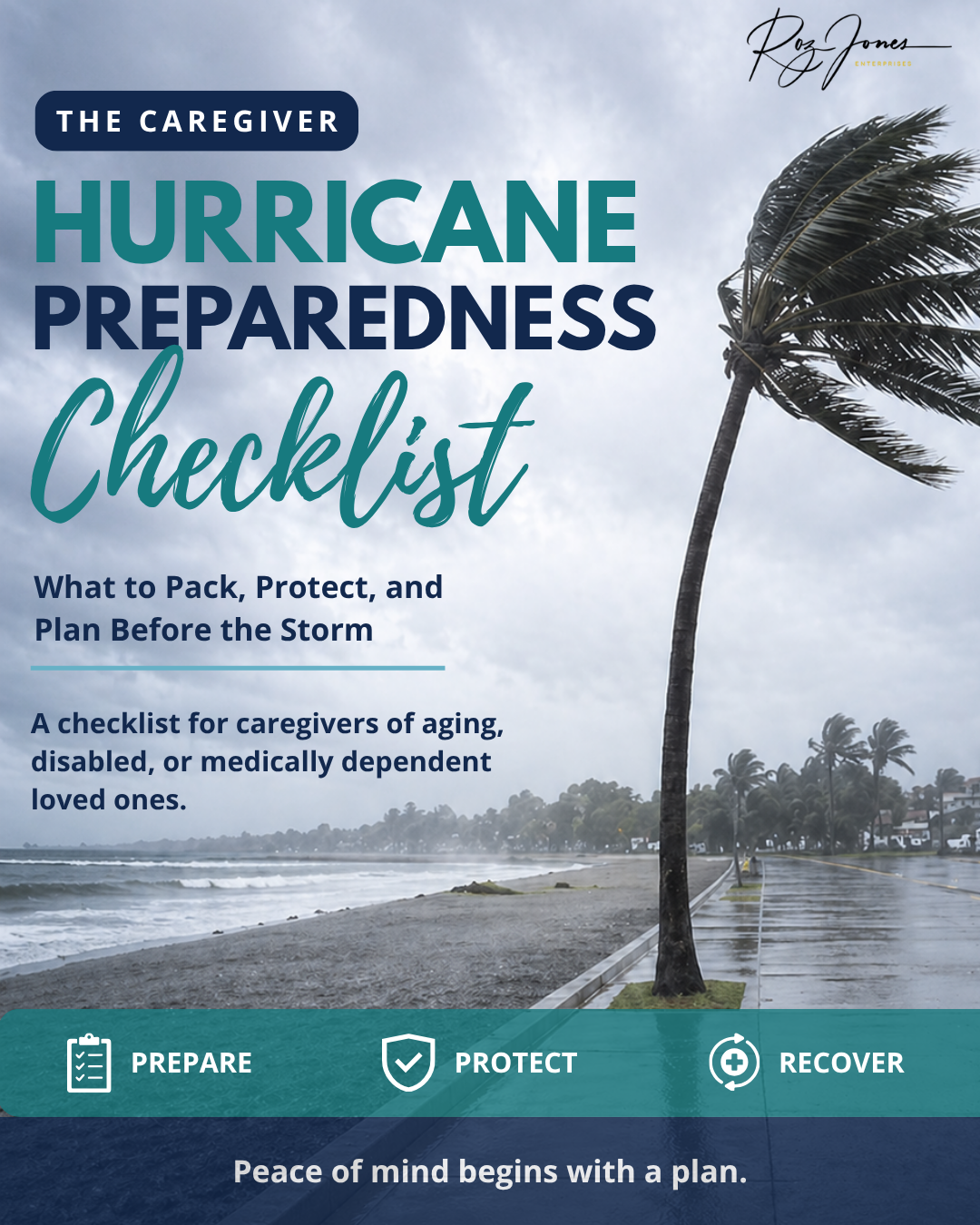
Are you preparing for hurricane season? Purchase the Caregiver Hurricane Preparedness Checklist to organize the information and supplies your family may need before severe weather arrives.
Subscribe to The Caregiver Cafe Weekly Newsletter!

1. YOU ARE NOT ALONE: The problems you face as a caregiver are experienced by other caregivers. Knowing that you’re not alone can be comforting.
2. Tools and Resources: Find caregiver stress management tools and gain perspective from other caregiver’s experiences.
3. LEARN TO: Ask for help, accept help when it is offered, and acknowledge yourself on this caregiving journey. Hear from experts on how to balance caregiving responsibilities by taking care of your needs and involving others to help manage the natural stress and isolation of being a caregiver.