
Building a Care Plan When Family Isn’t Nearby

By Roz Jones

Finding a caregiver is an important step, but hiring someone does not automatically create a care plan. When an aging loved one does not have children nearby, does not have children at all, or simply does not have family members who can provide consistent support, the next challenge is making sure the care surrounding them is reliable, organized, and able to change when their needs change. A caregiver may become an important part of that support system, but one person should not be expected to carry every responsibility alone.

In the previous blog, we discussed what to consider when looking for a caregiver, including their experience, availability, qualifications, and cost. Once you have found someone who appears to be the right fit, the focus shifts from hiring to building a relationship and a care structure that protects the aging loved one while also making expectations clear for everyone involved.

Start With What Help Is Actually Needed

Care needs can look very different from one person to another. One aging loved one may only need help with meals, errands, transportation, and light household responsibilities, while another may need assistance with mobility, medication routines, personal care, or more complex health needs. Before deciding what the caregiver should handle, take time to look closely at what is becoming difficult and what your loved one can still comfortably manage on their own.

The goal should not be to take over everything simply because a caregiver is now available. Independence still matters. If your loved one can prepare certain meals, manage their own finances, choose their clothing, communicate with their healthcare providers, or handle other parts of their routine safely, make room for them to continue doing those things. Good caregiving should provide support where it is needed without unnecessarily removing control from the person receiving the care.

Make Expectations Clear From the Beginning

A caregiving arrangement works better when everyone understands what is expected. The caregiver should know which responsibilities belong to them, what schedule they are expected to follow, what should be communicated when something changes, and what situations require immediate attention. Your loved one should also understand the caregiver’s role so that responsibilities do not slowly expand beyond what was originally discussed.

Clear expectations can prevent confusion later. If transportation is part of the agreement, discuss which appointments or errands are included. If meal preparation is expected, talk about dietary needs and preferences. If the caregiver is helping with medication reminders, make sure everyone understands what that responsibility includes and where the boundaries are. Caregiving arrangements are easier to manage when expectations are discussed before a problem forces the conversation.

Create a Backup Before You Need One

Even the most dependable caregiver will eventually need time away. They may become sick, take a vacation, experience a family emergency, or simply need days off. If your aging loved one depends heavily on one person, the absence of that caregiver can quickly turn into a crisis when there is no backup plan.

Start thinking about alternative support while things are going well. That may include another professional caregiver, a trusted friend, a neighbor, extended family, a local agency, transportation services, meal delivery, or another community resource. The backup plan does not have to look exactly like the regular care arrangement, but there should be a clear answer to the question of what happens when the primary caregiver is unavailable.

Planning ahead is especially important when an aging loved one does not have children or nearby family members who can step in without notice. Waiting until the caregiver calls out sick to figure out who will bring meals, provide transportation, or check on your loved one creates stress that could have been reduced with a little preparation.

Keep Important Information Organized

A dependable caregiver still needs access to the right information. Important phone numbers, medication lists, healthcare providers, allergies, emergency contacts, insurance information, preferred hospitals, daily routines, and other essential details should be organized somewhere that can be easily located when needed. This information may become especially important if your loved one becomes ill, has an emergency, or cannot communicate their needs clearly.

It is also important to review that information regularly. Medications change, providers change, emergency contacts move, and care needs evolve. A folder that was accurate six months ago may not be accurate today. Keeping those details updated can help the caregiver respond appropriately and prevent unnecessary confusion during stressful situations.

Pay Attention to How the Relationship Is Working

Hiring a caregiver should not mean that you stop paying attention to the care being provided. Check in with your loved one about how they feel, whether they are comfortable, and whether the caregiver respects their routines, privacy, preferences, and independence. At the same time, check in with the caregiver about what they are noticing. Someone who spends consistent time with your loved one may begin noticing changes in mobility, eating habits, memory, mood, sleep, or daily functioning before anyone else does.

Those conversations can help you identify when the care plan needs to change. The arrangement that works today may not work six months from now. Your loved one may eventually need additional hours, a different type of support, or a caregiver with another level of training. The goal is not to create one plan and leave it untouched. The goal is to build a plan that can grow with the person receiving care.

Build a Circle of Support, Not Just One Caregiver

When someone is aging without children or without nearby family support, it can be tempting to look for one person who can handle everything. That may feel easier, but it can also leave the aging loved one vulnerable if that person becomes unavailable. A stronger approach is to build a circle of support that includes professional caregivers, healthcare providers, trusted friends, neighbors, community organizations, and other resources that can play different roles.

Not everyone in that circle has to provide hands-on care. One person may check in by phone. Someone else may help with transportation. A healthcare provider may help monitor changes in health. A professional caregiver may manage daily support in the home. What matters is that your loved one is not depending on one person for every need and that everyone understands how they fit into the larger care plan.

Continue Planning Before the Need Becomes Urgent

One of the biggest mistakes families make is waiting for a crisis before having conversations about care. If your loved one is living independently today, that does not mean they will always need the same level of support. Mobility can change, health conditions can progress, medications can become more complicated, and tasks that once felt simple can become harder over time.

Continue having conversations about what your loved one wants their care to look like if those changes happen. Discuss who should be contacted, what type of help they would be comfortable receiving, whether they want to remain at home, and what resources may be needed to make that possible. These conversations can be uncomfortable, but making decisions before a crisis gives your loved one more opportunity to participate in shaping their own care.

Caregiving Support Can Be Created

Not having children nearby does not mean an aging loved one has to navigate the future alone. Family can be an important part of caregiving, but family is not the only source of support. Professional caregivers, trusted friends, healthcare professionals, community programs, neighbors, and other resources can all become part of a dependable care network.

The important thing is to build that support intentionally. Know what help is needed, communicate expectations, create backup plans, keep important information organized, and continue adjusting the care plan as needs change. The goal is not simply to find someone who can complete a list of tasks. The goal is to create a safe and reliable support system that allows your loved one to continue living with as much independence, dignity, and choice as possible.

If you have not read the first blog in this series, go back and read Navigating Life Alone: Seeking a Caregiver for important questions to consider when searching for and hiring the right caregiver.

Tune in to The Caregiver Café Podcast

Getting More Done

Caregiving already comes with more than enough responsibilities, which makes it important to have tools that help you manage what needs to be done without feeling like everything has to live in your head. Tune in to The Caregiver Cafe Podcast: Getting More Done for encouragement and practical guidance around staying productive while managing the responsibilities that come with caregiving.

Give Yourself a Moment of Grace

For more encouragement through the emotional parts of the caregiving journey, Moments of Grace offers reflections for caregivers navigating responsibility, change, difficult days, and the moments of grace that can still be found along the way.

Preparing for hurricane season?
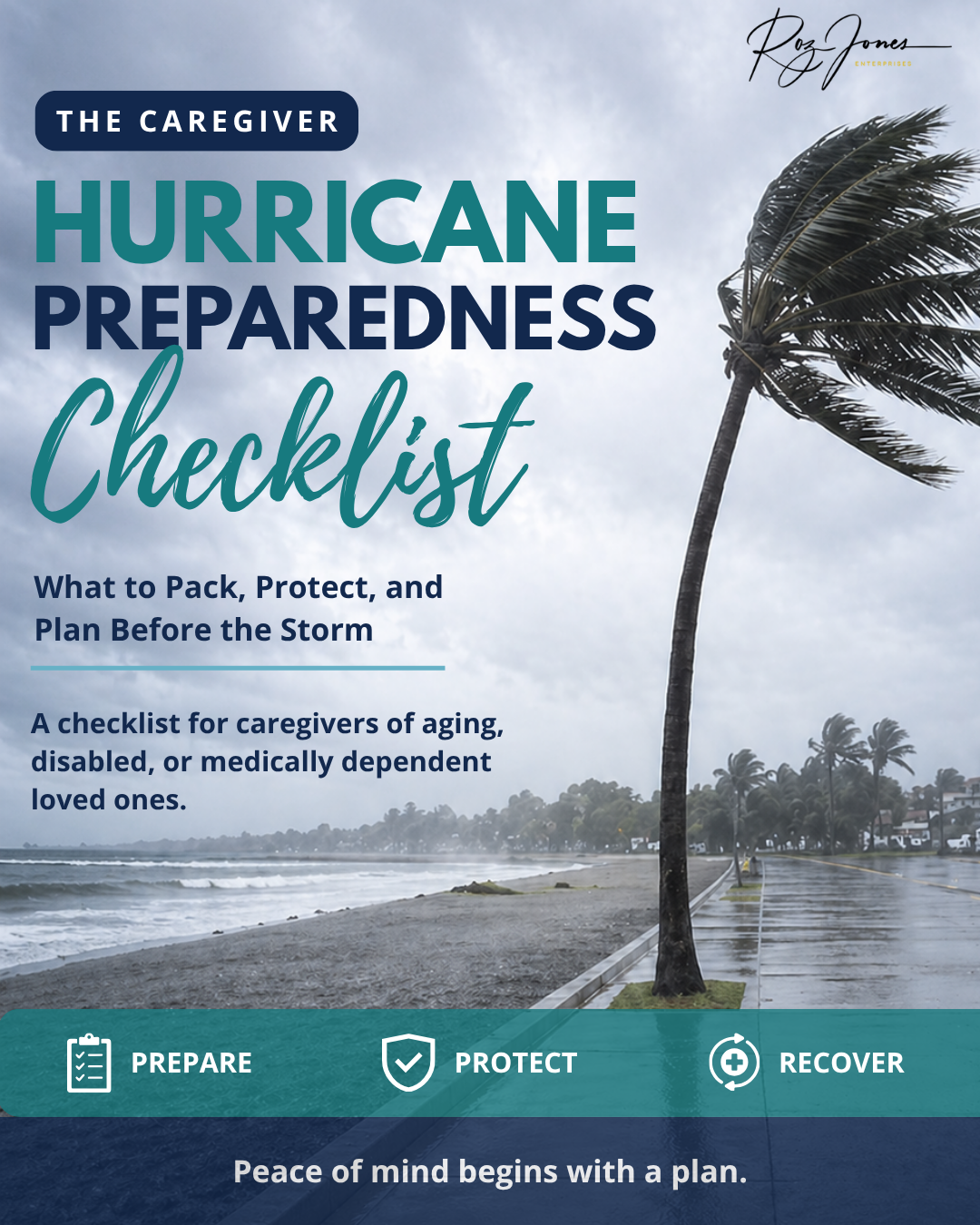
The Caregiver Hurricane Preparedness Checklist.

Preventive healthcare is only one part of being prepared as a caregiver. Emergencies can interrupt medications, appointments, transportation, medical equipment, and the routines your aging loved one depends on. The Caregiver Hurricane Preparedness Checklist can help you organize important information, supplies, medications, and caregiving details before severe weather creates another layer of stress.

Subscribe to The Caregiver Cafe Weekly Newsletter!

Caregiving can be a roller coaster of ups and downs. The information that you will receive from The Caregiver Cafe Weekly Specials Newsletter will support you as a caregiver. Remember…

1. YOU ARE NOT ALONE: The problems you face as a caregiver are experienced by other caregivers. Knowing that you’re not alone can be comforting. 

2. Tools and Resources:  Find caregiver stress management tools and gain perspective from other caregiver’s experiences.

3. LEARN TO: Ask for help, accept help when it is offered, and acknowledge yourself on this caregiving journey. Hear from experts on how to balance caregiving responsibilities by taking care of your needs and involving others to help manage the natural stress and isolation of being a caregiver. 
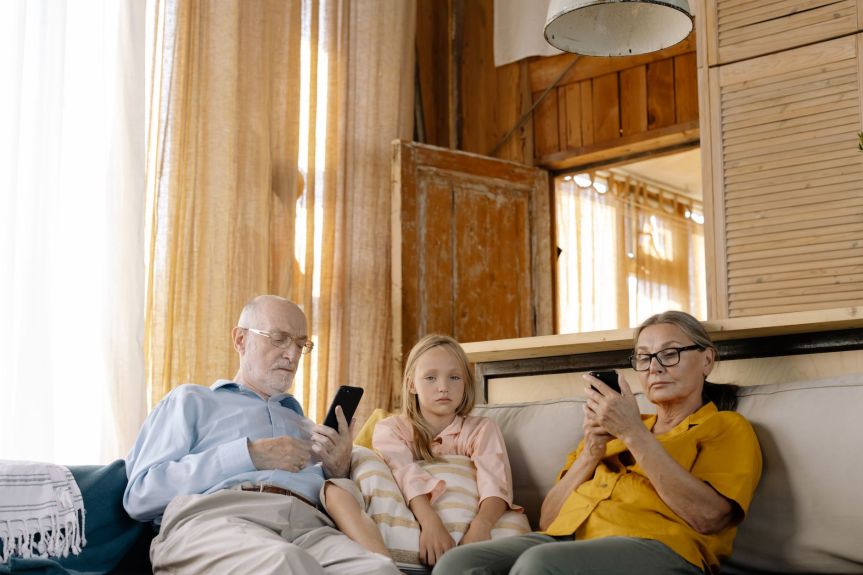
When Your Aging Loved One’s Home Becomes More Connected

By Roz Jones

Technology is becoming part of everyday life inside the home. Your aging loved one may use a video doorbell to see who is outside, a voice assistant to turn on the lights, a smart television for entertainment, or a medical device that shares information with a healthcare provider. These tools can make daily life easier, but they can also change what caregivers need to manage.

A connected home should do more than add convenience. The technology should support the way your loved one actually lives. As health, mobility, hearing, vision, or memory needs change, caregivers may need to look at whether the technology in the home is still helping or whether it has quietly become another source of frustration.

Use Technology to Support Daily Independence

One of the greatest benefits of connected technology is its ability to help an aging loved one continue doing things independently. Voice-controlled lights may make it easier to move through the home without reaching for switches. A smart thermostat can reduce the need to repeatedly adjust controls. Video doorbells can make it possible to see visitors without rushing to the front door.

Those small conveniences can become more important when mobility or stamina changes. The goal is not to fill the home with devices. It is to identify where technology can remove a barrier from something your loved one already does every day.

Caregivers should pay attention to what creates the most difficulty inside the home. If getting up to adjust the thermostat has become harder, technology may help. If remembering whether the front door is locked creates anxiety, a connected lock may be useful. Technology works best when it responds to a real need rather than creating another system that has to be maintained.

Make the Home Easier to Use

More technology does not always mean more independence. A home can become so connected that everyday tasks begin requiring multiple applications, remotes, screens, or complicated instructions.

That can be overwhelming for anyone.

Caregivers should look for ways to simplify the technology already being used. Frequently used devices should be easy to reach and understand. Settings that improve readability, hearing, or navigation should be adjusted to match the loved one’s needs. Voice commands or automated routines may help reduce the number of steps required to complete familiar tasks.

The goal should be to make the home easier to live in, not more complicated. If a smart device takes longer to operate than the task it was supposed to simplify, it may not be the right solution for that household.

Think About Accessibility Before Adding Something New

Connected technology can be helpful, but not every product is designed with every aging adult in mind. Small text, complicated menus, unfamiliar icons, or touchscreens that require precise movements may make some devices difficult to use.

Before adding something new to the home, caregivers should consider how the loved one will actually interact with it. A device that works well for one person may be frustrating for someone experiencing changes in vision, hearing, dexterity, or memory.

Accessibility features should be part of the decision from the beginning. Larger text, voice control, captions, louder alerts, simplified displays, and other features can make technology easier to use without taking control away from the person using it.

A connected home should adapt to your loved one. Your loved one should not have to constantly adapt to the technology.

Be Thoughtful About Monitoring

Connected technology has also made it easier for caregivers to check on an aging loved one from another room, another neighborhood, or another state. Cameras, motion sensors, door sensors, medical alert systems, and other devices can provide useful information when a caregiver cannot physically be present.

That convenience also requires balance.

Monitoring should have a clear purpose. A caregiver may need to know whether a loved one has safely returned home or whether movement in the house has changed. That does not mean every room needs a camera or every activity needs to be watched.

Whenever possible, the aging loved one should be included in decisions about monitoring technology. They should understand what is being used, why it is being used, and how it supports the care plan. Technology should provide reassurance without making the home feel like a place where privacy has disappeared.

Prepare for Technology to Stop Working

Connected homes depend on electricity, internet access, and functioning equipment. When one of those systems fails, several devices may stop working at the same time.

That matters when technology has become part of the care plan.

A voice assistant cannot control the lights when the power is out. A connected doorbell may not work during an internet outage. Some medical or monitoring devices may need electricity or cellular service to continue operating.

Caregivers should know which devices are simply convenient and which ones have become important to daily care. Anything essential should have a backup plan that does not depend entirely on the same technology.

Emergency preparation should also include charging important devices before severe weather, keeping necessary contact information available outside of a phone, and understanding how critical equipment will operate during a power or internet outage.

Keep Important Information Available to Other Caregivers

Technology can create problems when only one person understands how everything works.

The primary caregiver may know which application controls the thermostat, how to reset the television, or what to do when the medical alert device begins flashing. If another family member or respite caregiver steps in, they may have no idea how those systems operate.

Basic instructions can prevent unnecessary confusion.

Caregivers may want to keep information about important household technology with the rest of the care plan. That can include instructions for equipment used during daily care, contact information for service providers, and notes about what another caregiver needs to know when stepping into the home.

This is not about documenting every electronic device in the house. The focus should be on the technology that affects your loved one’s safety, comfort, communication, or daily routine.

Revisit Technology When Care Needs Change

The technology that works today may not be the technology your loved one needs next year. Changes in mobility, hearing, vision, memory, or overall health may make some devices more useful while making others harder to manage.

That is why connected technology should be reviewed along with the rest of the care plan.

A loved one who becomes less steady on their feet may benefit from easier lighting controls. Someone who begins having difficulty hearing the doorbell may need visual alerts. A caregiver who can no longer visit every day may need a different way to support routines from a distance.

These changes do not mean filling the home with more technology. They mean asking whether the current setup still matches the person living there.

Keep the Person at the Center of the Connected Home

Technology can support independence, but it should never become the entire care plan. A smart device cannot replace conversation, observation, or human connection. It can only support the care already happening.

Caregivers should continue looking at the whole person. What makes your loved one feel comfortable in their home? Which routines matter to them? What are they still able to manage independently? Where would a small amount of assistance make daily life easier?

A connected home works best when the technology stays in the background and the person remains at the center.

As caregiving needs change, the home may become more connected. That connection should create more support without creating more confusion, preserve independence without eliminating privacy, and make it easier for the care plan to adjust when life changes.

If you have not read the first blog in this series, start with Creating a Safe Digital Haven at Home. It introduces the foundation for creating a safer digital environment as aging loved ones use more technology at home.

Tune in to The Caregiver Café Podcast

9 Things to Consider After Hospital Discharge

Listen to The Caregiver Cafe Podcast: 9 Things to Consider After Hospital Discharge for guidance on preparing for the transition home and the responsibilities that may follow a hospital stay.

Give Yourself a Moment of Grace

Caregiving includes demanding days, unexpected changes, and moments of connection that may be easy to overlook. Moments of Grace offers encouragement to caregivers who need a reminder to pause and recognize the meaningful moments along the journey.

Preparing for hurricane season?

The Caregiver Hurricane Preparedness Checklist.

Are you preparing for hurricane season? Purchase the Caregiver Hurricane Preparedness Checklist to organize the information and supplies your family may need before severe weather arrives.

Subscribe to The Caregiver Cafe Weekly Newsletter!

Caregiving can be a roller coaster of ups and downs. The information that you will receive from The Caregiver Cafe Weekly Specials Newsletter will support you as a caregiver. Remember…

1. YOU ARE NOT ALONE: The problems you face as a caregiver are experienced by other caregivers. Knowing that you’re not alone can be comforting. 

2. Tools and Resources:  Find caregiver stress management tools and gain perspective from other caregiver’s experiences.

3. LEARN TO: Ask for help, accept help when it is offered, and acknowledge yourself on this caregiving journey. Hear from experts on how to balance caregiving responsibilities by taking care of your needs and involving others to help manage the natural stress and isolation of being a caregiver. 

Making Room for More Support at Home

By Roz Jones

One of the hardest parts of caregiving is recognizing when something has changed. Your aging loved one may have lived independently for years, knowing their routines, their neighborhood, and exactly how they like things done. That independence can be deeply important to them, which is why conversations about needing more help can feel so emotional for everyone involved. For family caregivers, the first step isn’t deciding that your loved one needs to move. It’s paying attention to how daily life is changing and whether the support they have now is still enough.

Sometimes the signs are obvious, but often they’re subtle at first. You may notice that something that used to be easy is becoming harder, or that your loved one is finding new ways to work around tasks they’re struggling to manage. Recognizing those changes early gives your family more time to think about what kind of support may actually be needed instead of waiting until a crisis forces a decision.

Look at What’s Changing in Daily Life

Aging doesn’t automatically mean someone can no longer live independently. Many older adults continue living safely in their own homes for years, especially when the right support is available. Aging in place can include help with meals, transportation, household tasks, personal care, medication management, or other services that make daily life safer and easier.

The question caregivers should be asking isn’t simply whether their loved one can still live alone. It’s whether they can still live there safely with the support they currently have. You may begin noticing that meals are being skipped, the home isn’t being maintained the way it once was, or medications are becoming harder to manage. Maybe your loved one is struggling with bathing, dressing, grocery shopping, or getting to appointments. One change by itself may not tell you much, but when several areas of daily life begin shifting at the same time, it may be a sign that the current care arrangement needs to be reviewed.

Pay Attention to Falls and Mobility Changes

Falls deserve attention because they can quickly change an older adult’s ability to live safely and independently. If your loved one has fallen, seems unsteady, is holding onto furniture when walking, or has become afraid to move around the house, don’t assume that’s just part of getting older.

There may be several reasons behind those changes. Medications can sometimes cause dizziness or sleepiness, while vision changes, balance problems, muscle weakness, or hazards in the home can also increase fall risk. The answer may not be a new living arrangement. It could be physical therapy, a medication review, improved lighting, grab bars, a mobility aid, or another adjustment that helps your loved one remain safer at home. That’s why caregivers should look for the cause before deciding on the solution.

Notice Changes in Memory and Judgment

Occasional forgetfulness can happen with normal aging, but significant changes in memory, thinking, judgment, or behavior deserve more attention. You may notice that your loved one is repeatedly missing medications, getting confused in familiar surroundings, leaving appliances on, or struggling with tasks they’ve handled independently for years.

These changes don’t automatically mean your loved one has dementia, but they do mean it’s time to involve a healthcare provider. As a caregiver, you don’t have to diagnose what’s happening. Your responsibility is to notice the change and make sure it isn’t ignored.

Look Beyond the Condition of the House

Sometimes caregivers first realize something is wrong because the home looks different. Mail may be piling up, dishes may stay in the sink longer, laundry may not get done as often, or food may expire in the refrigerator. Before assuming your loved one simply isn’t taking care of the house anymore, ask what’s making those tasks difficult.

Standing for long periods may have become painful. Arthritis may make opening containers or carrying laundry harder. Vision problems may make it difficult to see spills or clutter. Changes in the home can tell you a lot about what your loved one is struggling with physically or cognitively. Instead of focusing only on what isn’t getting done, try to understand why. That can help you identify what kind of support would make the greatest difference.

Pay Attention to Social Isolation

A person can technically manage the basics of living alone and still be struggling. Your loved one may be eating, bathing, and taking their medications while spending most of their time alone. Friends may have moved away or passed away, driving may have become difficult, and mobility concerns may make it harder to attend church, community events, family gatherings, or other activities they once enjoyed.

Social connection still matters as people age. If your loved one has become more withdrawn, ask about it. You may find that they miss being around people but don’t know how to maintain those connections anymore. Sometimes the support they need isn’t a new home at all. It may be transportation, regular visits, a senior program, community activities, or more intentional connection with family and friends.

Consider Whether More Support Could Keep Them at Home

Caregivers can sometimes jump from “Mom is struggling” to “Mom can’t live alone anymore,” but there’s often a lot of space between those two statements. Before making a major decision, look at what could be added to the current care plan.

Your loved one may benefit from help with housekeeping, meal preparation, transportation, personal care, home health services, or regular check-ins. Emergency alert systems and other technology may also offer additional support for some older adults who live alone. The goal should be finding the level of support that matches your loved one’s current needs and helps them remain as independent as possible for as long as it’s safe.

Know When the Current Arrangement May No Longer Be Enough

There may come a point when additional support at home still isn’t enough. Your loved one may need supervision that can’t realistically be provided around the clock, their mobility needs may exceed what the home can safely accommodate, or cognitive changes may create ongoing safety concerns that can’t be resolved with occasional check-ins.

When that happens, discussing a different living arrangement may become necessary, but that conversation doesn’t have to begin with a decision already made. Start with what you’re seeing. Talk about the falls, missed medications, difficulty preparing meals, or whatever changes have caused concern. Ask your loved one what they’ve noticed themselves and what they think would make daily life easier. The conversation will usually go better when it’s about solving a problem together instead of announcing that they can no longer live alone.

Give Yourself Time to Make the Decision

Unless there’s an immediate safety concern, families don’t have to make every decision overnight. Take time to involve your loved one’s healthcare team, understand what services are available, look at the home environment, and talk with other family members who are involved in their care.

You may discover that the next step is simply more support at home, or you may realize that assisted living, living with family, or another care arrangement needs to become part of the conversation. Either way, having that discussion before a crisis gives everyone more room to think and allows your loved one to be part of the process.

I first talked about this transition in Navigating the Conversation When It’s Time for a New Chapter in Care. The need to pay attention to changes hasn’t gone away, but today we have even more reason to look at the full picture before assuming that an aging loved one must give up their home and independence.

As family caregivers, we’re there to notice when something isn’t working anymore and help determine what needs to change. That may mean adding support, making changes to the home, or eventually beginning a bigger conversation about where your loved one can live safely and receive the care they need. What matters is that the decision starts with what your loved one actually needs today, not with assumptions about what aging is supposed to look like.

Prepare for Your Next Trip

Planning to travel with an aging loved one? Download the free Vacationing with an Aging Loved One Checklist to help you prepare for medications, mobility needs, comfort, safety, and unexpected changes.

Tune in to The Caregiver Café Podcast

S.O.S: When to ask for help with Phil Hill

In this episode of The Caregiver Café with Roz Jones, Roz continues her conversation with security expert and former family caregiver Phil Hill about the emotional weight of caregiving, knowing when to ask for help, and what happens when caregivers try to carry too much for too long.

Phil reflects on the years he spent caring for his father while he and his wife were also helping care for her parents. He shares how managing several caregiving situations at once affected his family, his business, his relationships, and his emotional well-being.

Although Phil had access to a long-term care insurance policy and other resources, he waited to use them because he believed he might need them later. Roz reminds caregivers that the time to ask for help is often much earlier than they realize. When a loved one moves into the home, the family should begin identifying gaps in care, exploring available benefits, and creating a support plan before exhaustion and crisis take over.

Give Yourself a Moment of Grace

Caregiving includes demanding days, unexpected changes, and moments of connection that may be easy to overlook. Moments of Grace offers encouragement to caregivers who need a reminder to pause and recognize the meaningful moments along the journey.

Preparing for hurricane season?

The Caregiver Hurricane Preparedness Checklist.

Are you preparing for hurricane season? Purchase the Caregiver Hurricane Preparedness Checklist to organize the information and supplies your family may need before severe weather arrives.

Subscribe to The Caregiver Cafe Weekly Newsletter!

Caregiving can be a roller coaster of ups and downs. The information that you will receive from The Caregiver Cafe Weekly Specials Newsletter will support you as a caregiver. Remember…

1. YOU ARE NOT ALONE: The problems you face as a caregiver are experienced by other caregivers. Knowing that you’re not alone can be comforting. 

2. Tools and Resources:  Find caregiver stress management tools and gain perspective from other caregiver’s experiences.

3. LEARN TO: Ask for help, accept help when it is offered, and acknowledge yourself on this caregiving journey. Hear from experts on how to balance caregiving responsibilities by taking care of your needs and involving others to help manage the natural stress and isolation of being a caregiver.