
By Roz Jones
Learning CPR is one of the most important steps a caregiver can take. But learning it once is not enough. When you are caring for an aging loved one, lifesaving skills need to stay fresh, familiar, and ready to use.
Many families take a CPR class, receive the certificate, and move on. Life gets busy. Care needs change. Appointments, medications, meals, transportation, and family responsibilities take over. Before long, years may pass, and the caregiver who once felt prepared may no longer feel confident.
That is why CPR readiness must be treated as part of the care plan, not just a one-time class.
CPR Skills Can Fade Over Time
CPR is a hands-on skill. It requires rhythm, pressure, positioning, and focus. Like any skill, it can fade when it is not practiced.
The American Red Cross explains that CPR renewal courses help people refresh their memory, renew their skills, and stay up to date with current techniques. CPR renewal can also extend certification for an additional two years.
For caregivers, that matters. Two years can bring many changes.
An aging loved one may become weaker. A diagnosis may progress. New medications may be added. Mobility may decline. A person who was once independent may now need more supervision and support.
The care plan changes as the person changes. CPR readiness should change with it.
Confidence Comes From Practice
Reading about CPR can help. Watching a video can help. But hands-on training gives the body a chance to practice what the mind is learning.
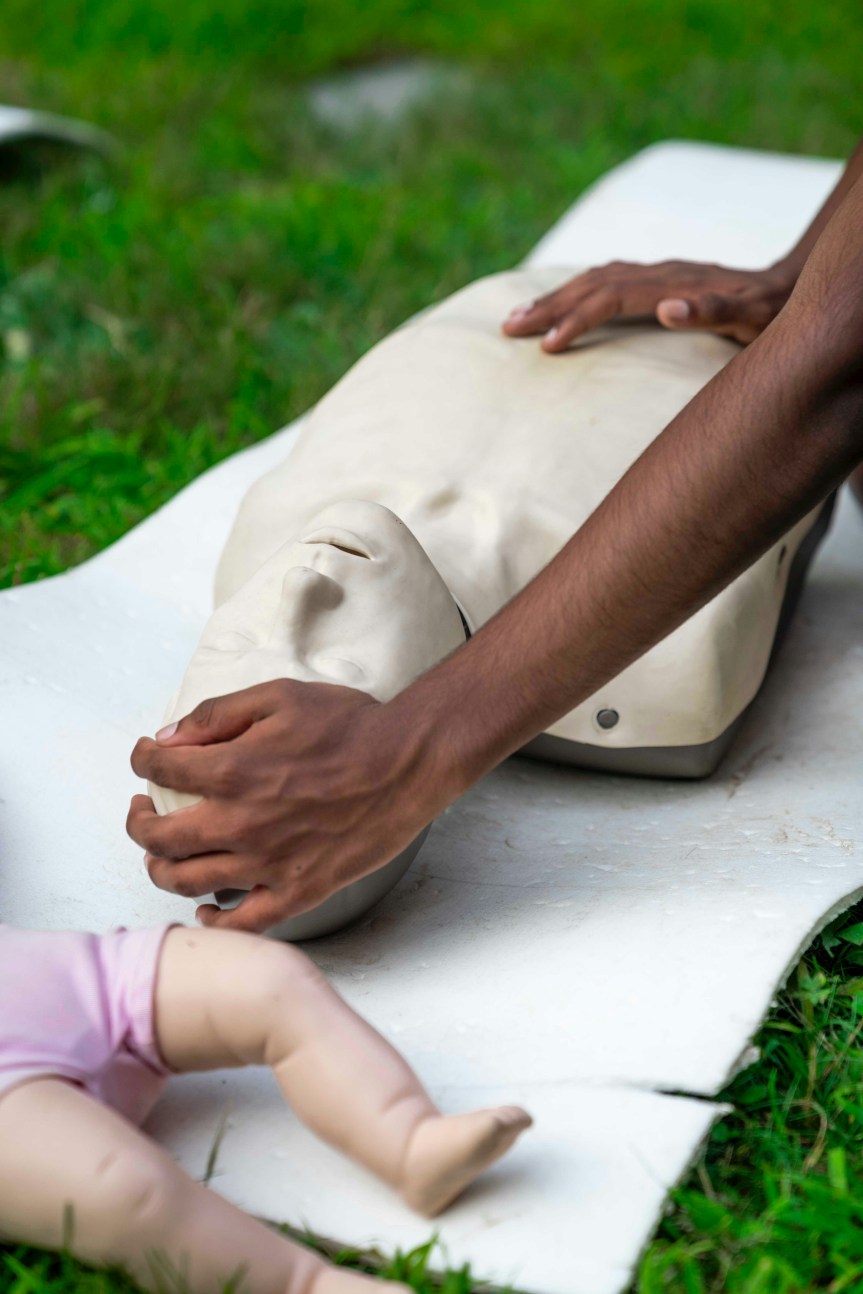
In a CPR class, caregivers learn more than the steps. They learn what compressions feel like. They learn how tiring CPR can be. They learn how to position their body. They learn how to keep going when the situation feels overwhelming.
The American Heart Association says adult CPR chest compressions should be performed at a rate of 100 to 120 compressions per minute and at a depth of at least 2 inches for the average adult, while avoiding excessive depth.
Those details are important, but they are easier to understand when they are practiced. CPR is not just information. It is action.
And in an emergency, confidence matters.
Caregivers Should Not Carry This Alone
In many families, one person becomes the keeper of everything.
One person knows the schedule. One person knows the medications. One person knows the doctor’s name. One person handles the calls, the appointments, the paperwork, and the hard conversations.
Too often, that same person is also expected to be the only one prepared for an emergency.
That is too much for one caregiver to carry.
CPR training should be a shared family responsibility. Adult children, spouses, siblings, trusted neighbors, church members, and anyone who spends regular time with an aging loved one should be encouraged to learn basic lifesaving skills.
This does not mean everyone will feel equally comfortable. It does mean the family is not depending on one person to know what to do.
A stronger care circle gives everyone more support.
Know Your Own Physical Limits
CPR can be physically demanding. Caregivers need to be honest about their own bodies too.
Some caregivers are managing arthritis, back pain, fatigue, heart concerns, mobility issues, or recovery from illness or surgery. Some are older adults themselves. Some are caring for a loved one who is much larger or heavier than they are.
These realities do not mean a caregiver cannot be prepared. They mean the plan needs to be realistic.
Hands-on CPR training can help caregivers understand what they are physically able to do and where backup support may be needed. It can also help families decide who else should be trained and available.
Caregiving should not be built on the idea that one person must do everything.
Make CPR Training Part of the Family Calendar
CPR training should not be treated as something to remember only after a crisis. Put it on the family calendar.
Schedule a refresher before certification expires. Invite another family member to attend. Ask a home care aide if they are current on CPR training. Check with local hospitals, fire departments, community centers, senior centers, churches, workplaces, the American Heart Association, or the American Red Cross for classes.
The American Red Cross offers CPR/AED recertification options, including blended learning with online coursework and an in-person skills session to help people keep their credentials current.
For caregivers of aging loved ones, hands-on practice is especially valuable. The goal is not just to know the information. The goal is to be able to respond when the moment calls for it.
Talk About CPR Before It Is Needed
CPR can be an uncomfortable topic for families. It brings up thoughts of medical emergencies, decline, and difficult decisions. But avoiding the conversation does not make the need disappear.
Families should understand whether their aging loved one has medical wishes, advance care instructions, or documents that guide emergency decisions. These conversations should happen before a crisis, when there is time to ask questions and get clarity from healthcare providers.
This is not about fear. It is about respect.
Caregivers need lifesaving skills. Families also need to understand the wishes of the person receiving care. Both are part of responsible planning.
Create a Small Training Circle
Every family caring for an aging loved one should consider creating a small training circle.
This may include the primary caregiver, one or two backup family members, a trusted neighbor, a close friend, a church support person, or a home care aide.
The group does not need to be large. It needs to be dependable.
Once or twice a year, review who has completed CPR training, who needs a refresher, and whether anything has changed in the loved one’s care needs. This kind of simple review helps families stay prepared without waiting until stress is high.
A trained circle is stronger than a single overwhelmed caregiver.
Preparation Is an Act of Care
Emergency preparation is not about expecting the worst. It is about loving someone enough to be ready.
For caregivers, preparation may look like signing up for a CPR class. It may mean refreshing an old certification. It may mean asking another family member to get trained. It may mean talking with a loved one’s doctor about emergency wishes. It may mean bringing the family together to decide who needs to know what.
Small steps matter.
A caregiver does not have to do everything in one day. But the family does need to start.
Keep the Skill Close
CPR is not just a certificate. It is not just a class. It is not just something for medical professionals.
It is a skill that can help caregivers respond when the unexpected happens.
In the first blog, we talked about mastering CPR techniques for different age groups and why those skills matter for caregivers. This follow-up is a reminder that learning CPR is only the beginning. Keeping those skills ready is part of the care plan too.
If you missed it, you can read it here: Hands-On: Mastering CPR Techniques for Caregivers.
When an aging loved one depends on you, readiness becomes part of love. Not panic. Not fear. Readiness.
Learn the skill. Refresh the skill. Share the responsibility.
That is how caregivers stay prepared.
Give Yourself a Moment of Grace
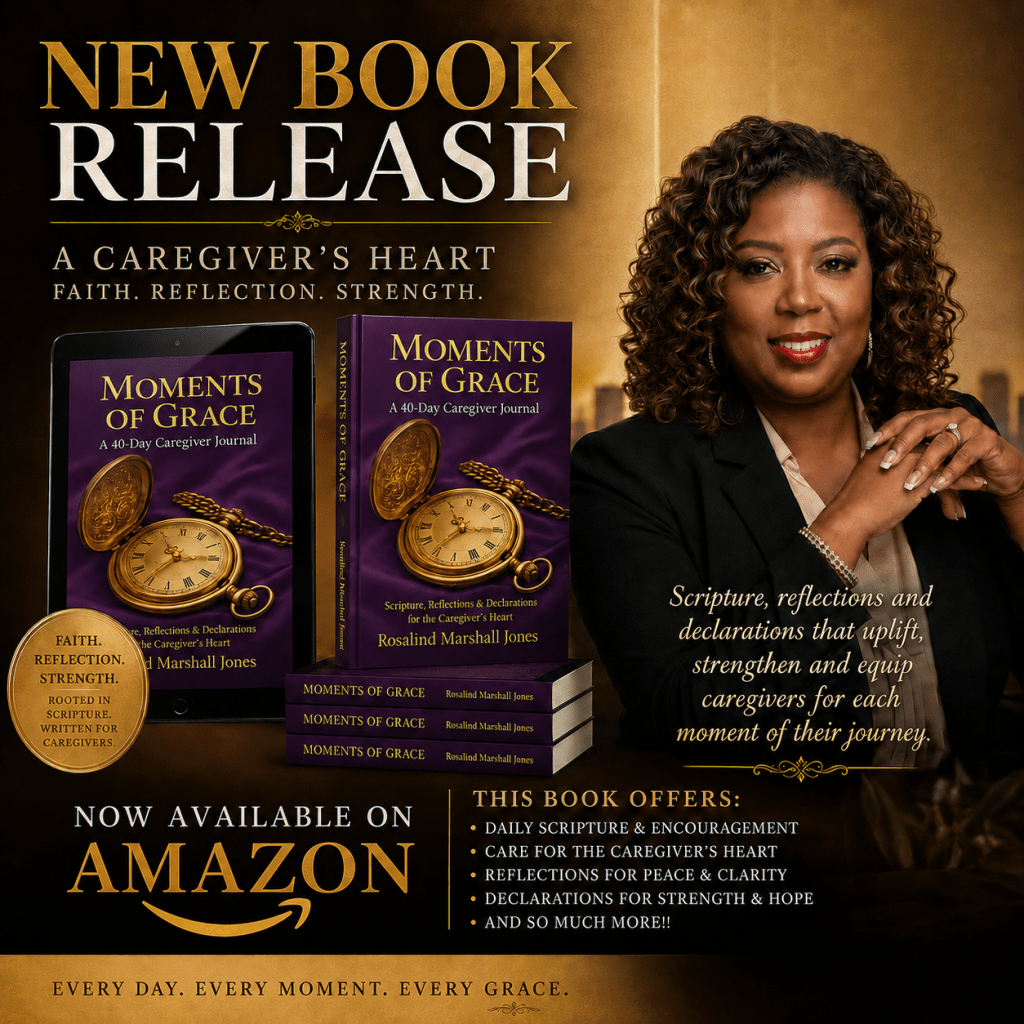
If your spirit needs encouragement along the way, purchase Moments of Grace: A 40-Day Caregiver Prayer Journal on Amazon.
This journal was created to help caregivers pause, breathe, reflect, and find strength in the middle of the caregiving journey.
Purchase Moments of Grace today and give yourself permission to breathe in the middle of the caregiving journey.
Prepare Before the Emergency Comes
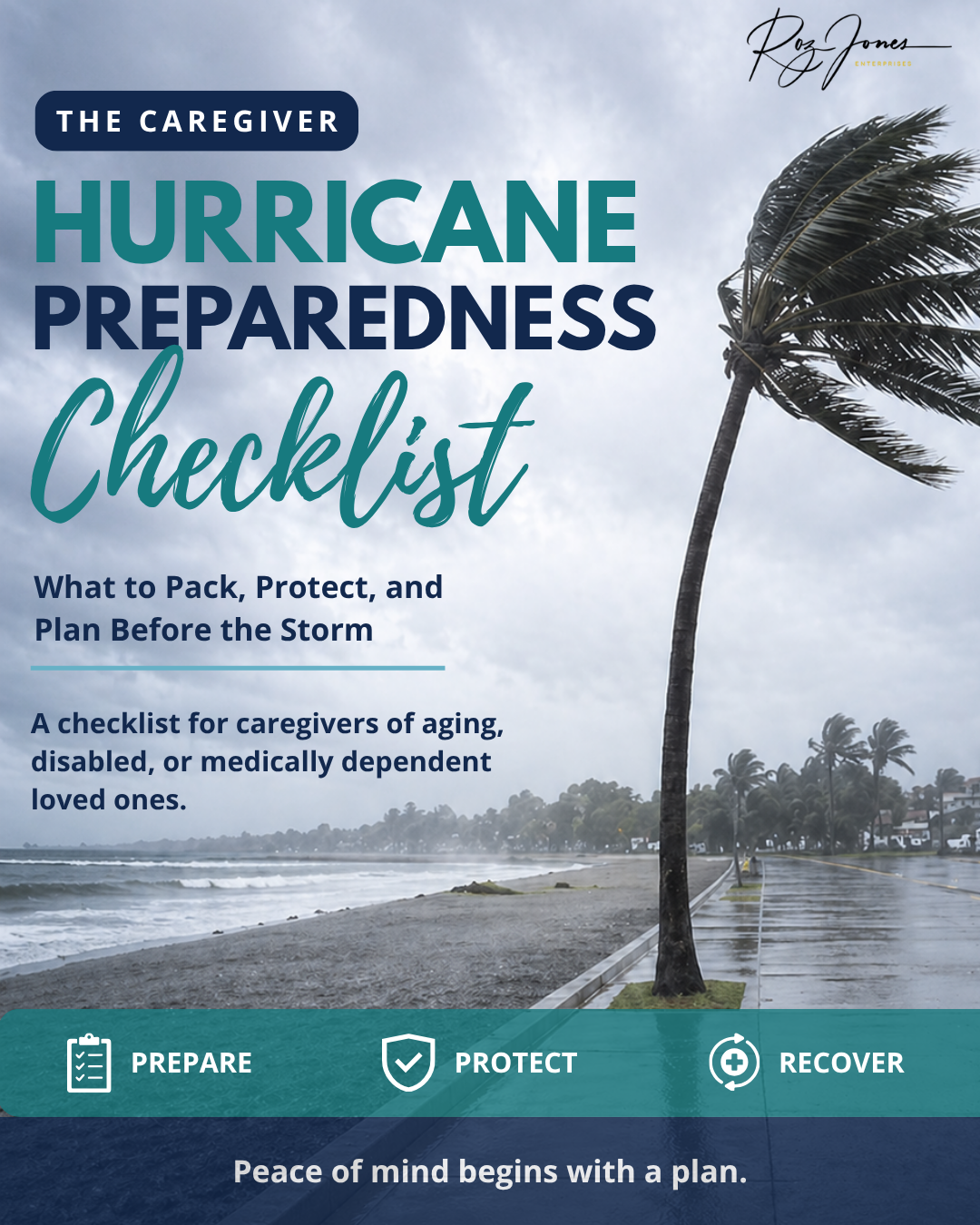
The Caregiver Hurricane Preparedness Checklist helps caregivers organize important documents, medications, emergency contacts, evacuation needs, medical equipment details, and care instructions before an emergency happens.
For only $1.99, this checklist gives you a simple starting point so you are not trying to gather everything during a storm, power outage, hospitalization, or sudden change in your loved one’s care.
Purchase the Caregiver Hurricane Preparedness Checklist for $1.99 today and take one more step toward peace of mind.
Need Help Sorting Through the Care Plan?

Book a Family Care Planning Session with Roz Jones and get support creating a caregiving plan that is clear, compassionate, and realistic.
Together, we can talk through what is working, what is becoming too heavy, and what boundaries need to be strengthened so you can continue to care without losing yourself in the process.
Subscribe to The Caregiver Cafe Weekly Newsletter!

1. YOU ARE NOT ALONE: The problems you face as a caregiver are experienced by other caregivers. Knowing that you’re not alone can be comforting.
2. Tools and Resources: Find caregiver stress management tools and gain perspective from other caregiver’s experiences.
3. LEARN TO: Ask for help, accept help when it is offered, and acknowledge yourself on this caregiving journey. Hear from experts on how to balance caregiving responsibilities by taking care of your needs and involving others to help manage the natural stress and isolation of being a caregiver.

