By Roz Jones
An AED can save a life, but only if people know where it is, trust how it works, and are prepared to use it.
For caregivers supporting aging loved ones, this matters. Cardiac emergencies can happen at home, in church, at the senior center, at a family gathering, in a grocery store, or during an ordinary afternoon when no one expected anything to go wrong. The goal is not to make families afraid. The goal is to help them become prepared enough to respond with clarity when every second matters.
An Automated External Defibrillator, often called an AED, is a portable medical device designed to help someone experiencing sudden cardiac arrest. The device analyzes the heart’s rhythm and, when appropriate, delivers an electric shock to help restore a normal rhythm. The FDA describes AEDs as computerized defibrillators that automatically analyze the heart rhythm and deliver a shock when needed. AED systems include necessary accessories such as batteries and electrode pads.
That is important for caregivers to understand because AEDs are not only for medical professionals. Public access AEDs are intended for laypeople with minimal training and can be found in places such as airports, community centers, schools, government buildings, hospitals, and other public locations.
For families caring for aging loved ones, AED awareness needs to become part of the care conversation.
AEDs Are Made to Guide You
One reason caregivers hesitate around AEDs is fear.
Fear of doing it wrong.
Fear of hurting someone.
Fear of touching the device.
Fear of freezing in front of everyone.
But AEDs are designed to guide the user. The device gives instructions, often through voice prompts, and tells the person what to do next. During training, the American Red Cross AED trainer instructions include following voice prompts to attach pads, plug in the connector, push the shock button if prompted, and begin CPR if prompted.
That is why training helps. It allows caregivers to hear those prompts, practice the steps, and understand what the machine is asking them to do before a real emergency happens.
An AED is not asking the caregiver to diagnose the heart rhythm. The device analyzes the rhythm. The caregiver’s role is to turn it on, follow the prompts, apply the pads correctly, and make sure no one is touching the person if a shock is advised.
That kind of preparation can turn fear into action.
Knowing Where the AED Is Matters
Many people walk past AEDs every day and never notice them.
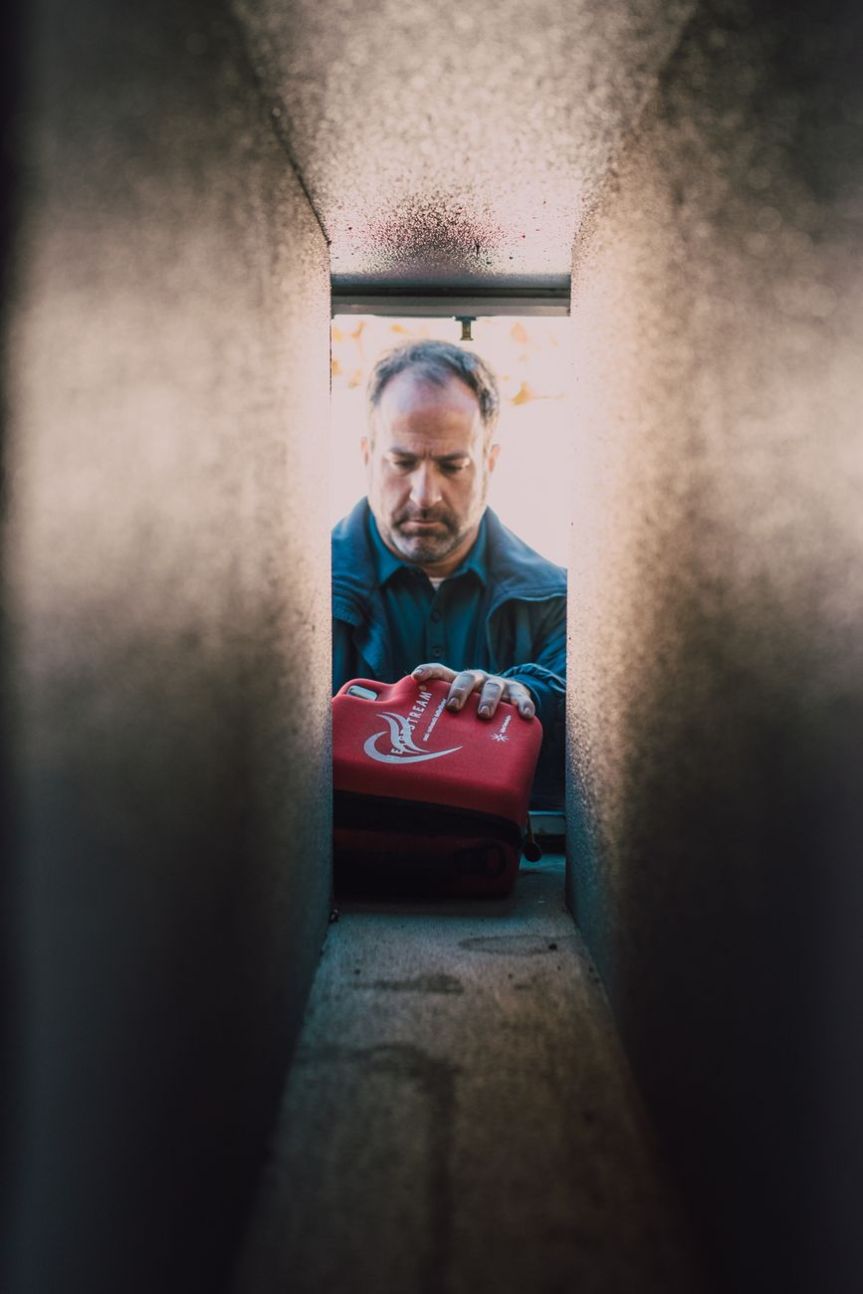
They are mounted on walls in airports, recreation centers, schools, churches, gyms, senior centers, community buildings, and office spaces. But in a crisis, families cannot afford to start searching.
Caregivers should make AED awareness a habit. When visiting places their aging loved one frequents, they can ask simple questions:
Where is the AED located?
Is it easy to access?
Who on-site is trained to use it?
Is it checked regularly?
Is it available during all operating hours?
These questions are not excessive. They are wise.
If a loved one attends adult day programming, dialysis, church activities, physical therapy, a senior center, or community events, the family should know whether an AED is available and where it is located. This is especially important because emergencies often happen away from home, in familiar places where people assume someone else has a plan.
Assumption is not a plan.
Awareness is.
Caregivers Can Advocate for AED Access
Some buildings have AEDs. Some do not. Some have them but keep them in places that are difficult to find. Some people may not even know whether the device is still active, stocked, or ready.
That is where caregivers can advocate.
A caregiver may not be responsible for managing a church, senior center, workplace, or community space, but they can still ask the right questions. If aging adults gather there regularly, AED access should be part of the safety conversation.
Caregivers can ask leadership whether an AED is available. They can ask if staff members are trained. They can ask how often the device is inspected. They can ask whether emergency procedures are reviewed.
These conversations may feel uncomfortable at first, but they can protect a whole community. Caregivers are often the ones who notice what others overlook because they are already thinking about safety, mobility, medications, health changes, and what could happen next.
That awareness is valuable.
AED Readiness Requires Maintenance
Having an AED on the wall is not enough.
The device must be maintained. Batteries, pads, software, storage, and readiness indicators matter. The FDA notes that AED systems include accessories such as batteries and pad electrodes that are necessary for the device to detect and interpret the heart rhythm and deliver a shock if needed.
Pads and batteries do not last forever. They have expiration dates and replacement needs that depend on the device and manufacturer. AED readiness should include checking that the device is accessible, powered, stocked, and not past replacement dates for key supplies.
For caregivers, this matters in two ways.
First, if there is an AED in the home, someone must be responsible for checking it.
Second, if a loved one spends time in public or community settings, it is reasonable to ask whether the AED is maintained and who is responsible for that process.
A device that is present but not ready can create a false sense of security. Families deserve better than that.
Home AEDs May Be Worth Discussing
Some families caring for aging loved ones wonder whether they should purchase an AED for the home. This is a personal decision and one that should be discussed with a healthcare provider, especially if the loved one has a known heart condition or elevated risk for sudden cardiac arrest.
AEDs are not inexpensive, and owning one comes with responsibility. The family must understand how to use it, where to store it, how to check it, how to maintain it, and who else should be trained.
For some households, a home AED may bring peace of mind. For others, the more immediate need may be CPR/AED training, stronger communication with the medical team, or a clearer emergency plan.
The point is not to rush into buying equipment.
The point is to have the conversation.
Training Makes the Device Less Intimidating
AEDs are designed for laypeople, but training still matters.
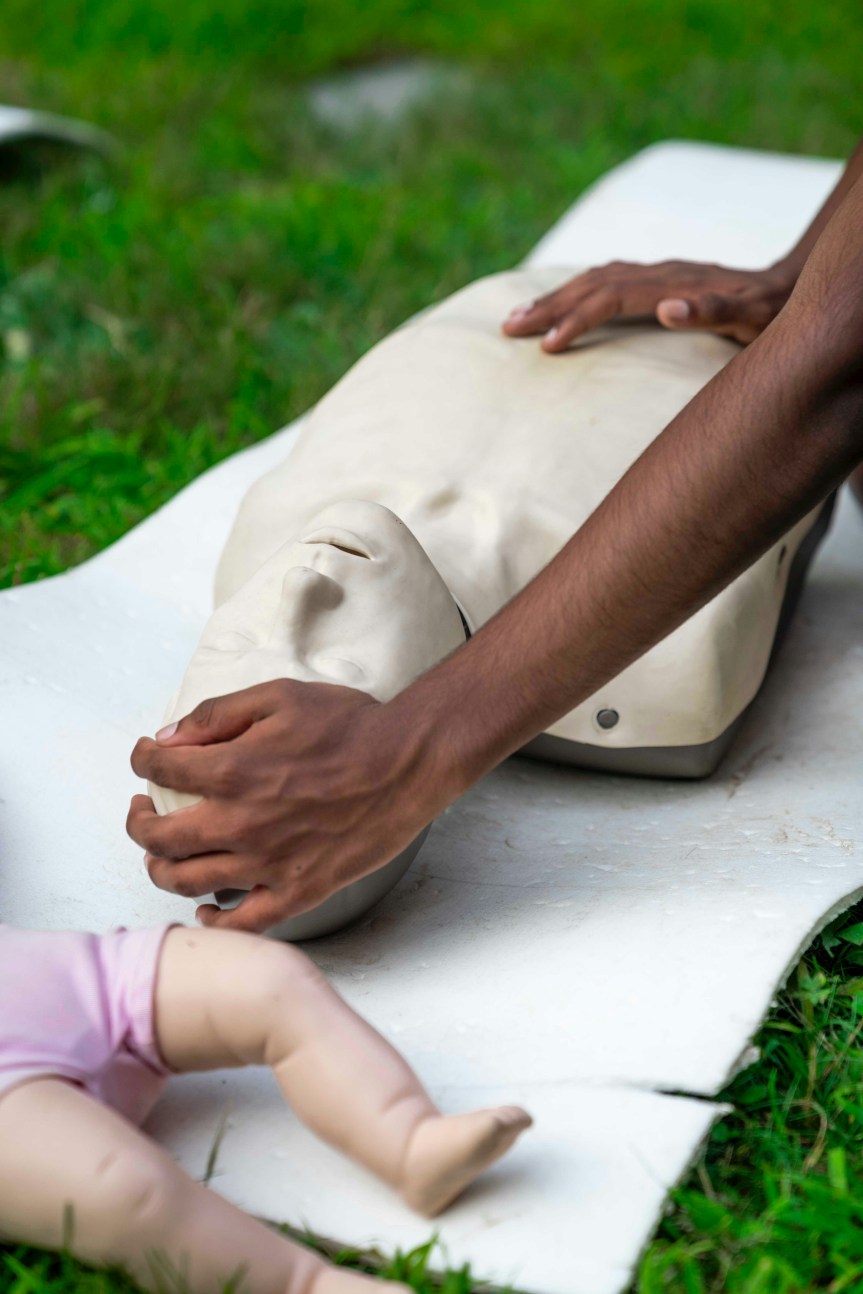
Training helps caregivers understand how AEDs work, how pads are placed, what to do when the device is analyzing, when to stand clear, and how CPR and AED use work together. It also helps caregivers become more comfortable acting under stress.
The American Heart Association’s Chain of Survival explains that strong links can improve the chances of survival and recovery for people experiencing cardiac arrest. AED use is one of those links.
Caregivers should look for CPR/AED training through trusted organizations such as the American Heart Association, American Red Cross, local hospitals, fire departments, community centers, senior centers, workplaces, or healthcare organizations.
Training should not be limited to one person in the family. If several people help care for an aging loved one, several people should be encouraged to learn.
Preparedness works best when it is shared.
AED Awareness Belongs in the Care Plan
Family care planning is not only about who drives to appointments or who picks up medications.
It also includes safety.
It includes knowing the risks.
It includes understanding what equipment may be needed.
It includes deciding who should be trained.
It includes having honest conversations about what the family does and does not know.
AED awareness should be part of that larger plan. Families can review where AEDs are located in places their loved one visits often, whether anyone in the household has CPR/AED training, whether any community programs have emergency procedures, and whether the loved one’s doctor recommends additional planning.
This is not about becoming fearful.
This is about becoming organized.
And organization gives caregivers something fear cannot give them: direction.
Do Not Wait Until the Emergency
It is easy to say, “I will figure it out if something happens.”
But emergencies are not the time to figure everything out.
The time to ask where the AED is located is before the church service starts.
The time to learn how the device works is before someone collapses.
The time to check the expiration date is before the device is needed.
The time to decide who else should be trained is before one caregiver is standing there alone.
Aging loved ones deserve thoughtful preparation. Caregivers deserve support. Families deserve a plan that does not rely on panic.
Empowered Caregiving Includes Lifesaving Readiness
An AED is more than a device on the wall. It is a tool that can help save a life when sudden cardiac arrest happens.
But the device is only one part of readiness.
The caregiver still needs awareness.
The family still needs training.
The community still needs access.
The equipment still needs maintenance.
The care plan still needs to be clear.
In the first blog, we talked about the purpose and use of AEDs and why caregivers should understand how these lifesaving devices work. This follow-up is a reminder that AED readiness does not stop with knowing what the device is. It means knowing where it is, whether it is ready, who is trained, and how it fits into the larger care plan.
If you missed the first blog, you can read it here: Unleashing the Lifesaving Potential: AEDs for Empowered Caregivers.
Caregivers do not have to live in fear of emergencies. But they do need to prepare with wisdom.
When the unexpected happens, preparation can help a caregiver move from panic to purpose.
Give Yourself a Moment of Grace

If your spirit needs encouragement along the way, purchase Moments of Grace: A 40-Day Caregiver Prayer Journal on Amazon.
This journal was created to help caregivers pause, breathe, reflect, and find strength in the middle of the caregiving journey.
Purchase Moments of Grace today and give yourself permission to breathe in the middle of the caregiving journey.
Prepare Before the Emergency Comes
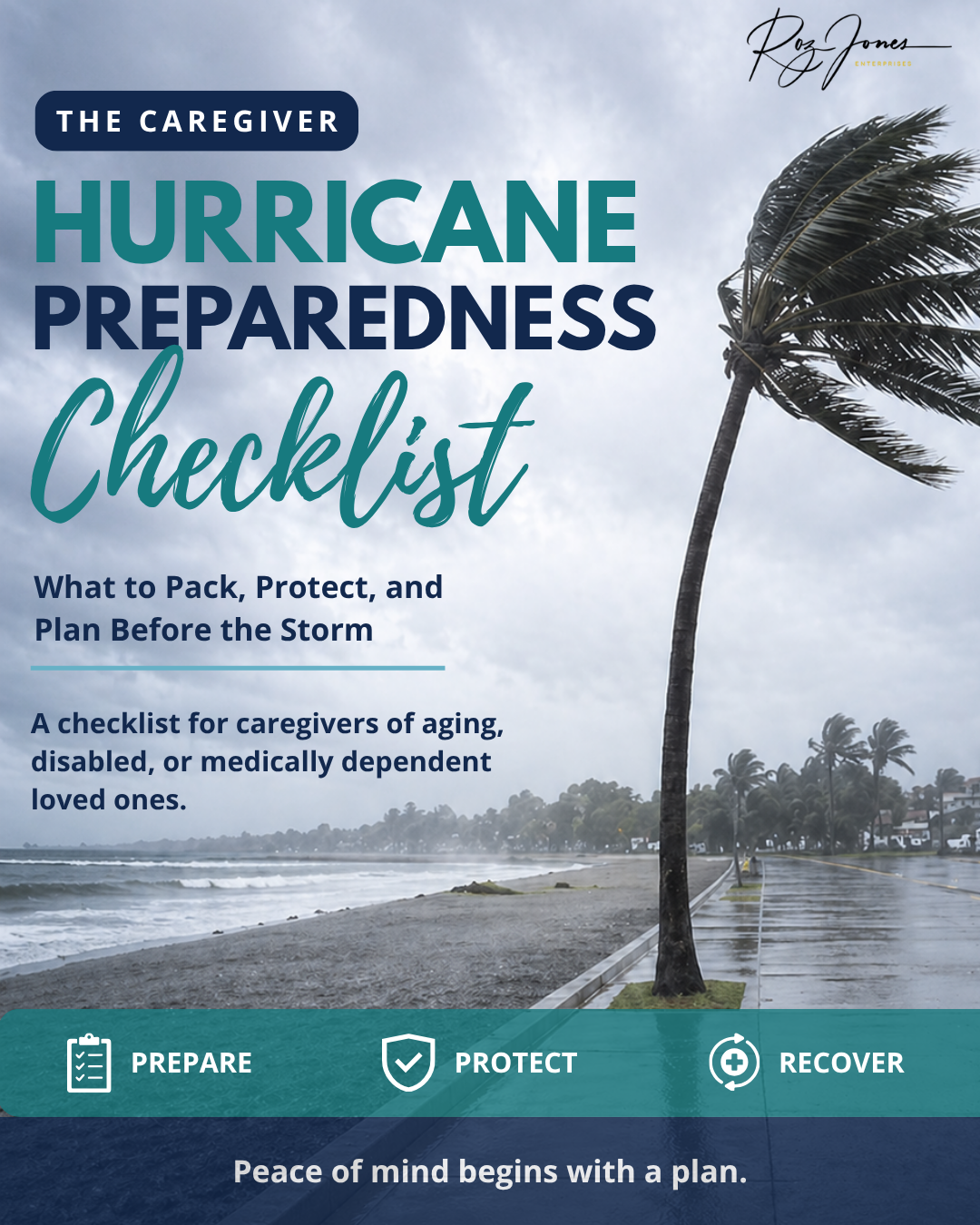
The Caregiver Hurricane Preparedness Checklist helps caregivers organize important documents, medications, emergency contacts, evacuation needs, medical equipment details, and care instructions before an emergency happens.
For only $1.99, this checklist gives you a simple starting point so you are not trying to gather everything during a storm, power outage, hospitalization, or sudden change in your loved one’s care.
Purchase the Caregiver Hurricane Preparedness Checklist for $1.99 today and take one more step toward peace of mind.
Need Help Sorting Through the Care Plan?

Book a Family Care Planning Session with Roz Jones and get support creating a caregiving plan that is clear, compassionate, and realistic.
Together, we can talk through what is working, what is becoming too heavy, and what boundaries need to be strengthened so you can continue to care without losing yourself in the process.
Subscribe to The Caregiver Cafe Weekly Newsletter!

1. YOU ARE NOT ALONE: The problems you face as a caregiver are experienced by other caregivers. Knowing that you’re not alone can be comforting.
2. Tools and Resources: Find caregiver stress management tools and gain perspective from other caregiver’s experiences.
3. LEARN TO: Ask for help, accept help when it is offered, and acknowledge yourself on this caregiving journey. Hear from experts on how to balance caregiving responsibilities by taking care of your needs and involving others to help manage the natural stress and isolation of being a caregiver.