By Roz Jones
Planning ahead is one of the most important things a caregiver can do before traveling with an aging loved one. Medications should be organized, medical information should be easy to access, and the family should know where to seek care if a health concern arises.
However, even the most detailed plan cannot account for every possibility.
An aging loved one may become more tired than expected, experience confusion in an unfamiliar environment, miss a medication, lose their appetite, or develop symptoms that require medical attention. When this happens, caregivers need to know how to respond without allowing panic or the pressure to continue the vacation to interfere with good judgment.
Travel plans may need to change, but your loved one’s health and safety must remain the priority.
Watch for Changes in Your Loved One’s Normal Behavior
Travel often changes a person’s usual routine. Meals may happen later, sleep may be interrupted, and the day may include more walking, noise, activity, and social interaction than your loved one is accustomed to.
These changes can affect an aging adult’s physical and emotional well-being.
Pay attention to anything that seems different from your loved one’s normal behavior. They may appear more tired, confused, irritable, withdrawn, weak, or unsteady. They may complain about pain, become short of breath, eat less than usual, or have difficulty sleeping.
A small change does not always indicate an emergency, but it should not be ignored. Caregivers often recognize early signs that something is wrong because they understand their loved one’s normal habits, mood, and level of functioning.
When something feels different, slow down and take a closer look.
Know When Medical Attention Is Needed
Before traveling, speak with your loved one’s healthcare provider about symptoms that would require immediate attention. The guidance may vary depending on your loved one’s health conditions, medications, and medical history.
Chest pain, difficulty breathing, sudden weakness, signs of a stroke, severe confusion, loss of consciousness, uncontrolled bleeding, a serious allergic reaction, or a fall involving the head may require emergency care.
Caregivers should also know how to respond to changes involving blood pressure, blood sugar, oxygen levels, or other health measurements that are regularly monitored at home.
Keep the address and phone number of the nearest emergency room, urgent care center, and pharmacy with your travel information. If the situation appears life-threatening, call 911.
Do not delay care because you are worried about disrupting the trip. Vacation plans can be adjusted. A medical emergency cannot be placed on hold.
Respond Carefully to Missed Medications
Medication schedules can become harder to manage while traveling. Delayed flights, time-zone changes, skipped meals, late mornings, and busy itineraries can all lead to missed or delayed doses.
If your loved one misses a medication, do not automatically give an extra dose unless the prescribing provider or pharmacist has instructed you to do so.
Review the medication instructions and contact a healthcare professional when you are unsure what to do. Be prepared to provide the name of the medication, the prescribed dosage, the time it should have been taken, and the time you realized it was missed.
It is also important to write down what happened and the instructions you received. This helps prevent confusion when more than one person is assisting with care.
Everyone involved should understand whether the missed dose should be taken, skipped, or adjusted.
Prepare for Time-Zone Changes
Crossing time zones can create additional challenges for medication management.
Some medications must be taken at consistent intervals, while others may allow more flexibility. Caregivers should discuss this with a healthcare provider or pharmacist before leaving home rather than trying to create a new schedule after arriving.
Write out the medication schedule for both the home time zone and the destination. Set alarms on your phone and share the schedule with anyone who will be helping during the trip.
After arriving, continue watching for changes in sleep, appetite, mood, alertness, and energy. Time-zone changes can be difficult for anyone, but they may be especially challenging for an aging loved one living with dementia, diabetes, heart disease, or another chronic condition.
Adjust the Itinerary to Match Their Energy
A full vacation schedule may look exciting on paper, but it may be too demanding for an aging loved one.
They may need more time in the morning, longer breaks between activities, or an afternoon to rest. They may enjoy one outing and decide they do not have the energy for the next one.
Caregivers should build flexibility into the itinerary before fatigue becomes a problem.
Choose the activities that matter most and leave room for rest. Try to keep meals, medication times, and sleep routines as consistent as possible. Avoid scheduling every hour of the day.
A successful vacation is not measured by how many attractions the family visits. It is measured by whether your loved one feels safe, comfortable, included, and able to enjoy the experience.
Keep Family Members and Travel Companions Informed
When several people are traveling together, everyone should understand your loved one’s care needs.
Family members should know when medications are due, what symptoms to watch for, and when your loved one needs quiet time or rest. They should also understand that changes to the schedule may be necessary.
Caregiving responsibilities should not automatically remain with one person throughout the entire trip.
One family member may be able to pick up a prescription. Another may stay with your loved one while the primary caregiver rests. Someone else may adjust reservations, order a meal, or handle transportation.
Clear communication can prevent misunderstandings and reduce the pressure placed on the caregiver.
Keep Important Medical Information Accessible
If your loved one needs medical care while away, an unfamiliar healthcare provider will need accurate information.
Keep a written folder or secure digital file containing your loved one’s current medication list, medical conditions, allergies, insurance information, emergency contacts, and healthcare provider information.
Include copies of advance directives, healthcare power of attorney documents, or other legal paperwork when appropriate.
When speaking with a new healthcare provider, explain what is normal for your loved one and what has changed. Your observations can help the provider understand whether a symptom or behavior is unusual.
Caregivers often hold information that cannot be found in a medical record. Do not hesitate to share it.
Recognize When It May Be Time to Return Home
Ending a trip early can be disappointing, especially when the family has invested time, money, and hope into the experience.
Still, there may come a point when returning home is the safest decision.
Your loved one may need ongoing evaluation from their regular healthcare provider. Their health needs may become difficult to manage at the destination. The pace of travel may be causing increased confusion, exhaustion, pain, or anxiety.
The caregiver’s well-being must also be considered. If you are too exhausted, overwhelmed, or frightened to safely continue providing care, the plan needs to be reconsidered.
Going home early does not mean the trip was a failure.
It means the caregiver recognized that the situation had changed and responded accordingly.
Make Room for a Different Kind of Memory
Caregivers may feel pressure to make every moment of the vacation special. They want their loved one to enjoy the trip, participate in the activities, and create memories with the family.
Sometimes the most meaningful moments are not the ones listed on the itinerary.
They may happen during a quiet breakfast, a slow drive through a familiar neighborhood, an afternoon spent listening to music, or a conversation in the hotel room.
When health needs change, the trip may not look the way the family originally imagined. That does not mean it has lost its value.
Traveling with an aging loved one requires preparation, patience, flexibility, and honest communication. Caregivers need to know when to continue with the plan, when to slow down, and when to make a different decision.
The goal is not to complete every activity.
The goal is to protect your loved one’s health while creating an experience that allows them to feel cared for, respected, and included.
Continue Reading
This article is a continuation of Essential Tips for Caregivers Traveling with Aging Loved Ones: Managing Medications and Health Needs While on Vacation.
Prepare for Your Next Trip

Preparing for travel can help caregivers feel more organized and confident before leaving home. Download the free Vacationing With an Aging Loved One Checklist for practical reminders related to medications, safety, transportation, accommodations, and health needs.
Tune in to The Caregiver Café Podcast
Patient Advocacy: The Caregivers Role

In this episode of The Caregiver Café with Roz Jones, Roz is talking about an important role many caregivers step into without always realizing it: becoming an advocate for their loved one at the doctor’s office.
Doctor visits can feel overwhelming for both the caregiver and the aging loved one. There may be anxiety, confusion, medication changes, new symptoms, treatment options, and instructions that are hard to remember once the appointment is over. That is why caregivers need to walk in prepared, ask the right questions, and make sure they leave with clear answers.
Roz breaks down practical ways caregivers can advocate before, during, and after medical appointments. She talks about preparing ahead of time, writing down questions and concerns, tracking new symptoms or changes, taking notes during the visit, sharing updates with the care team, and making sure everyone involved in the loved one’s care is on the same page.
She also reminds caregivers not to be afraid to ask the doctor to explain things in plain language. If something is unclear, uncomfortable, or confusing, caregivers have the right and responsibility to ask questions. Roz also encourages families to understand treatment options, possible side effects, medication changes, and how each decision may affect their loved one’s independence and daily routine.
This episode is a practical reminder that advocacy is part of caregiving. It is not enough to just show up at the appointment. Caregivers need to listen, take notes, ask questions, review medications, and help coordinate between doctors, specialists, and the full care team.
Give Yourself a Moment of Grace

If you need encouragement for the emotional side of caregiving, purchase Roz Jones’ book, Moments of Grace. This book offers support, reflection, and reminders of grace for the caregiver who is carrying a lot.
This journal was created to help caregivers pause, breathe, reflect, and find strength in the middle of the caregiving journey.
Purchase Moments of Grace today and give yourself permission to breathe in the middle of the caregiving journey.
Don’t Wait Until the Storm is Coming
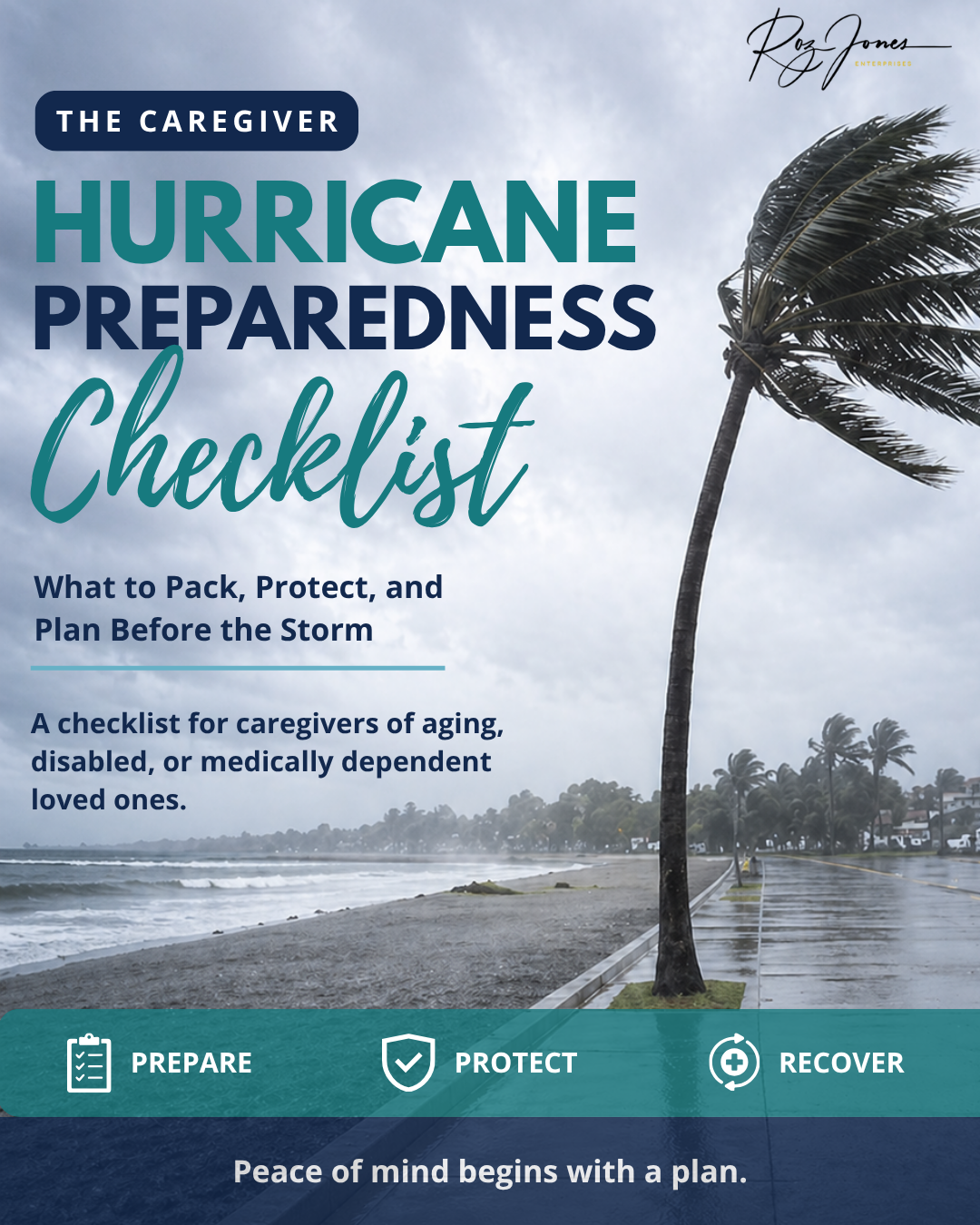
Hurricane season can create additional challenges for families caring for aging loved ones. The Caregiver Hurricane Preparedness Checklist helps caregivers prepare medications, medical equipment, emergency contacts, important documents, and evacuation plans before a storm arrives.
Need Help Sorting Through the Care Plan?

If your family needs help thinking through care decisions, caregiving responsibilities, or next steps, book a session with Roz Jones. You do not have to navigate this season alone.
Together, we can talk through what is working, what is becoming too heavy, and what boundaries need to be strengthened so you can continue to care without losing yourself in the process.
Subscribe to The Caregiver Cafe Weekly Newsletter!

1. YOU ARE NOT ALONE: The problems you face as a caregiver are experienced by other caregivers. Knowing that you’re not alone can be comforting.
2. Tools and Resources: Find caregiver stress management tools and gain perspective from other caregiver’s experiences.
3. LEARN TO: Ask for help, accept help when it is offered, and acknowledge yourself on this caregiving journey. Hear from experts on how to balance caregiving responsibilities by taking care of your needs and involving others to help manage the natural stress and isolation of being a caregiver.