
Traveling with an Aging Loved One: What Caregivers Should Prepare Before the Trip

By Roz Jones

Family vacations can hold a special kind of meaning when an aging loved one is included.

There may be a reunion, a weekend away, a visit with grandchildren, a beach trip, a cruise, or a long-awaited opportunity to spend time together outside of the usual caregiving routine. For many families, these moments matter deeply. They offer connection, memories, laughter, and a chance to experience life beyond appointments, medications, and daily responsibilities.

But when an aging loved one is part of the trip, travel requires more than booking a room and packing a bag.

It requires preparation.

Caregivers often carry the details other people may not see. They are thinking about medication schedules, mobility needs, bathroom access, fatigue, meals, transportation, medical conditions, emergency contacts, and whether their loved one will be comfortable in an unfamiliar place.

That kind of preparation is not overthinking.

It is care.

A peaceful vacation with an aging loved one does not happen by accident. It happens when the family is honest about what support is needed and willing to plan around the loved one’s current season of life.

Plan for the Person They Are Today

One of the most important parts of traveling with an aging loved one is planning for who they are today.

Not who they were five years ago.

Not how they traveled before their health changed.

Not how the family remembers them moving through the world.

Care needs change. Energy changes. Mobility changes. Memory changes. Comfort levels change. A loved one who once enjoyed a packed itinerary may now need more rest. A parent who used to walk through airports with ease may now need wheelchair assistance. A spouse who once adapted quickly to new environments may now feel anxious, confused, or overwhelmed.

Before making final travel plans, caregivers should take time to consider what the trip will require physically, emotionally, and medically.

  • Can the loved one manage long car rides?
  • Will they need help getting in and out of vehicles?
  • Can they safely use the bathroom without support?
  • Do they need a room close to an elevator?
  • Will they need medical equipment, mobility aids, or extra time between activities?
  • Are there memory concerns that may make unfamiliar environments more difficult?

These questions are not meant to discourage travel. They help shape a trip that is realistic, respectful, and safer for everyone.

When families plan based on the loved one’s current needs, there is less frustration and fewer surprises.

Choose Accommodations with Care

Where the family stays can make a major difference in how the trip feels.

A beautiful rental or hotel may look perfect online, but caregivers need to look beyond the pictures. Stairs, narrow bathrooms, low lighting, long hallways, high beds, slippery tubs, and distant parking can create challenges for an aging loved one.

Before booking, families should consider accessibility and comfort.

A ground-floor room may be helpful. An elevator may be necessary. A walk-in shower may be safer than a tub. A room near the lobby or dining area may reduce exhaustion. A small refrigerator may be needed for medication. Extra space may be important for walkers, wheelchairs, or oxygen equipment.

Caregivers should also think about the surrounding area. Knowing where the nearest pharmacy, urgent care, hospital, and grocery store are located can bring peace of mind. It is better to know these things before they are needed.

Good accommodations do not have to be fancy.

They need to be functional.

They need to support the loved one’s safety and the caregiver’s ability to manage care without unnecessary stress.

Create a Travel Care Bag

Every caregiver traveling with an aging loved one should prepare a travel care bag.

This bag should stay close, not buried in the trunk or packed deep inside a suitcase. It should include the items that may be needed quickly during travel, at the airport, in the hotel, during an outing, or in an emergency.

A travel care bag may include medications, a medication list, insurance cards, identification, emergency contacts, snacks, water, wipes, hand sanitizer, incontinence supplies, a light sweater, extra clothes, chargers, hearing aid batteries, glasses, comfort items, and copies of important medical information.

If the loved one has allergies, chronic conditions, dementia, diabetes, heart concerns, mobility limitations, or a history of falls, that information should be easy to access.

Caregivers should not have to search through multiple bags when something is needed.

The goal is to reduce panic and keep essentials within reach.

Keep the Itinerary Flexible

A vacation with an aging loved one may require a slower pace.

That does not mean the trip cannot be enjoyable. It means the schedule should leave room for rest, meals, medication timing, bathroom breaks, and changes in energy.

Trying to fit too much into one day can leave everyone overwhelmed. It may also increase the risk of falls, confusion, irritability, dehydration, or exhaustion.

A flexible itinerary gives the family room to adjust.

One meaningful activity may be better than three rushed ones. A quiet morning may help the loved one enjoy the afternoon. A rest day may prevent the caregiver from becoming depleted. A simple dinner together may become one of the best memories of the trip.

Caregivers do not have to prove the trip was successful by doing everything.

Sometimes success looks like comfort, safety, laughter, and making it through the day with peace.

Talk About Family Roles Before Leaving

Caregiving responsibilities should not automatically fall on one person just because the family is away from home.

Vacations can become stressful when everyone assumes the caregiver will continue doing everything alone. The primary caregiver may be expected to pack the medical supplies, manage the schedule, help with bathing, track medications, answer questions, handle transportation, and still participate in the family activities.

That is too much for one person to carry without support.

Before the trip, families should discuss roles clearly.

Someone can help with luggage. Someone can manage transportation. Someone can sit with the loved one during rest time. Someone can help with meals. Someone can keep track of mobility equipment. Someone can step in so the caregiver can take a break.

These conversations may feel uncomfortable, but they are necessary.

A family vacation should include family support.

When expectations are clear before the trip begins, resentment is less likely to build later.

Prepare for Weather and Emergencies

Travel plans should always include emergency planning, especially when caring for an aging loved one.

Weather delays, storms, power outages, lost luggage, medical changes, and unexpected symptoms can happen. During hurricane season, this kind of preparation becomes even more important for families traveling to coastal areas or places where severe weather may interrupt plans.

Caregivers should know what supplies are needed if the trip is delayed or if the family has to shelter in place. They should also consider what would happen if medication runs low, power is lost, transportation changes, or the loved one needs medical attention.

This is especially important for loved ones who rely on refrigerated medication, oxygen, mobility devices, special diets, or consistent care routines.

Preparedness does not remove every challenge, but it can make a difficult situation less chaotic.

Families who want to prepare more fully can purchase the Caregiver Hurricane Preparedness Checklist to help think through supplies, documents, communication plans, evacuation needs, and care details before severe weather becomes an emergency.

Purchase the Caregiver Hurricane Preparedness Checklist here: https://www.rozjonesent.com/checklists/p/caregiver-hurricane-preparedness-checklist

Protect the Caregiver’s Energy Too

Caregivers often prepare for everyone else and forget to prepare for themselves.

Traveling with an aging loved one can be physically and emotionally demanding. Even when the trip is enjoyable, the caregiver may still be watching, helping, reminding, lifting, organizing, explaining, and adjusting throughout the day.

The caregiver’s well-being must be part of the plan.

That may mean asking for help, eating regular meals, staying hydrated, getting enough rest, stepping away for a quiet moment, or allowing another family member to take over for a while.

A caregiver who is exhausted and unsupported cannot fully enjoy the trip.

Caregivers deserve moments of grace, too.

For caregivers who need spiritual encouragement and space to reflect, Moments of Grace: A 40-Day Prayer Journal for Caregivers offers prayers, reflections, and gentle reminders for the caregiving journey.

Purchase Moments of Grace: https://www.rozjonesent.com/moments-of-grace

Make Room for Meaningful Moments

A vacation with an aging loved one may not look the way it once did.

The pace may be slower. The outings may be shorter. The family may need more breaks. Some plans may need to change. There may be moments of frustration, fatigue, or adjustment.

Still, there can be beauty in the trip.

There can be meaning in sitting together at breakfast. There can be joy in watching grandchildren play. There can be peace in a quiet ride. There can be connection in holding hands, sharing stories, looking at old photos, or simply being together in a new place.

Caregiving asks families to adjust. It asks them to notice what matters now. It asks them to honor the person in front of them, not only the memories of who they used to be.

A well-planned vacation creates room for dignity, safety, and connection.

That is the heart of it.

And for more on this topic, read the previous blog, How to Ensure a Stress-Free Vacation with Elderly Parents,” where I share additional ways caregivers can plan ahead, choose supportive accommodations, arrange care, and reduce stress while traveling with an aging loved one.

Tune in to The Caregiver Café Podcast

In this episode of The Caregiver Café with Roz Jones, Roz sits down with her dear friend Susan Palmer for a heartfelt Caregiver Chronicles conversation about caring for her mother at home.

Susan shares how caregiving became part of her life, first through planning and preparing a space for her mom, and then through unexpected changes after the pandemic, a fall, hospital stays, and increased care needs. Together, Roz and Susan talk honestly about what it means when caregiving happens because you are the closest, the one available, or the one everyone assumes will step in.

This conversation walks through the real-life details many families face: creating a safe home environment, preventing falls, using tools like walkers, risers, belts, shower chairs, and hospital-style beds, managing medications and hydration, and learning how to support a loved one with dignity during private care moments.

Roz also reminds listeners that caregiving is not meant to be carried alone. Support matters. Respite matters. Family conversations matter. And taking care of yourself is part of taking care of the person you love.

Susan’s story is filled with honesty, humor, tenderness, and practical wisdom for anyone caring for an aging loved one at home.

So pour yourself something warm and join Roz and Susan at The Caregiver Café as they talk about what’s roasting, what’s in the cup, and what it really means to care with kindness, preparation, and grace.

Give Yourself a Moment of Grace

If you need encouragement for the emotional side of caregiving, purchase Roz Jones’ book, Moments of Grace. This book offers support, reflection, and reminders of grace for the caregiver who is carrying a lot.

This journal was created to help caregivers pause, breathe, reflect, and find strength in the middle of the caregiving journey.

Purchase Moments of Grace today and give yourself permission to breathe in the middle of the caregiving journey.

Prepare Before the Emergency Comes
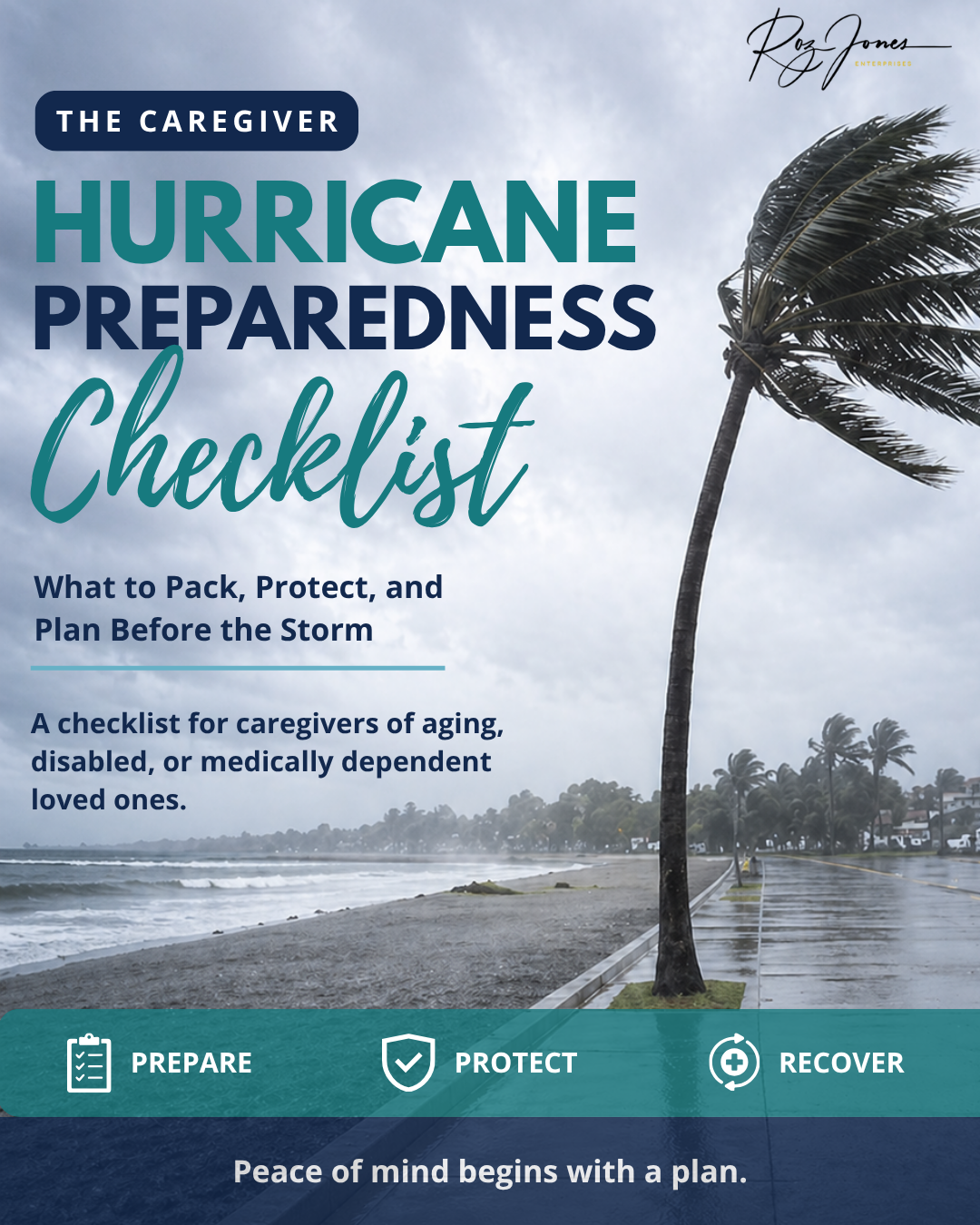
The Caregiver Hurricane Preparedness Checklist.

If you are caring for a loved one and want to be better prepared for storms, power outages, and unexpected caregiving emergencies, purchase the Caregiver Hurricane Preparedness Checklist. This resource can help you think through important details before a crisis is already at the door.

For only $1.99, this checklist gives you a simple starting point so you are not trying to gather everything during a storm, power outage, hospitalization, or sudden change in your loved one’s care.

Purchase the Caregiver Hurricane Preparedness Checklist for $1.99 today and take one more step toward peace of mind.

Need Help Sorting Through the Care Plan?

Roz Jones is a dedicated caretaker turned CEO with over a decade of experience in helping families care for and make decisions for loved ones and their legacies.Roz is a compassionate, innovative healthcare industry leader.

If your family needs help thinking through care decisions, caregiving responsibilities, or next steps, book a session with Roz Jones. You do not have to navigate this season alone.

Together, we can talk through what is working, what is becoming too heavy, and what boundaries need to be strengthened so you can continue to care without losing yourself in the process.

Subscribe to The Caregiver Cafe Weekly Newsletter!

Caregiving can be a roller coaster of ups and downs. The information that you will receive from The Caregiver Cafe Weekly Specials Newsletter will support you as a caregiver. Remember…

1. YOU ARE NOT ALONE: The problems you face as a caregiver are experienced by other caregivers. Knowing that you’re not alone can be comforting. 

2. Tools and Resources:  Find caregiver stress management tools and gain perspective from other caregiver’s experiences.

3. LEARN TO: Ask for help, accept help when it is offered, and acknowledge yourself on this caregiving journey. Hear from experts on how to balance caregiving responsibilities by taking care of your needs and involving others to help manage the natural stress and isolation of being a caregiver. 
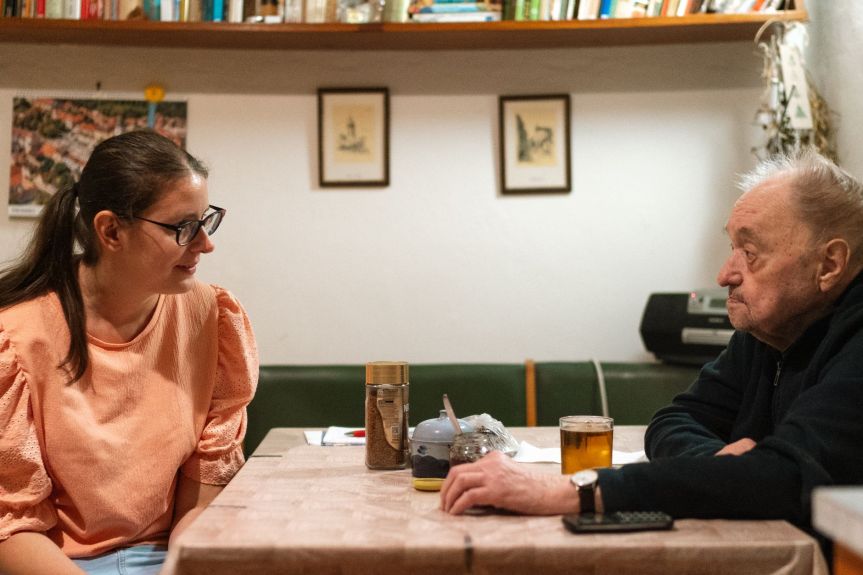
The Next Hospice Conversation Every Caregiver Should Have

By Roz Jones

Once hospice care becomes part of the family’s journey, the conversation cannot stop there.

The first conversation may be about accepting hospice.

The next conversation needs to be about how the family will walk through hospice together.

That is where many caregivers find themselves carrying more than they expected. The hospice team may be involved, the care plan may be in place, and the family may understand that the focus has shifted. But the day-to-day details still need to be discussed.

Who is calling the nurse?

Who is helping overnight?

Who is keeping track of medication changes?

Who is updating relatives?

Who is managing visitors?

Who is preparing the home?

Who is giving the primary caregiver time to rest?

These questions matter because hospice care does not happen in theory. It happens in real homes, real families, and real caregiving situations.

It happens in the bedroom where supplies are being organized.

It happens in the kitchen where someone is trying to remember if medicine was given.

It happens in family group texts where everyone wants updates, but only one person is doing the work.

It happens when visitors want access, but the loved one needs quiet.

It happens when the caregiver is exhausted and still trying to hold everything together.

The next hospice conversation every caregiver should have is not only about the illness. It is about the plan.

Deciding Who Will Do What

One of the most important conversations families can have during hospice is about responsibility.

Caregivers often become the default person for everything. They answer the phone. They coordinate appointments. They manage the home. They provide the updates. They hold the emotional weight. They become the person everyone looks to, even when they are already worn down.

That is not sustainable.

Families need to be honest about who can help and what they can actually do.

Some people may be able to sit with the loved one for a few hours. Some may be able to prepare meals. Some may be able to pick up supplies. Some may be able to handle phone calls. Some may be able to contribute financially. Some may live far away but can still help with scheduling, family communication, or ordering household items.

Help does not always have to look the same.

But it does need to be clear.

A caregiver should not have to keep asking the same people for support while carrying the whole load alone. The family needs to name the tasks, assign the responsibilities, and be honest about what each person can commit to.

This may include:

  • Who will be the main contact for the hospice team
  • Who will help with meals
  • Who will manage errands
  • Who will sit with the loved one so the caregiver can rest
  • Who will update extended family
  • Who will help with paperwork
  • Who will handle household needs
  • Who will step in during emergencies

When roles are not clear, resentment can grow quickly. The caregiver may feel abandoned, and other family members may assume everything is handled simply because they are not seeing the full picture.

A clear plan helps everyone understand that caregiving is not one person’s burden to carry alone.

Creating a Calm Home Environment

Hospice care often takes place at home, which means the home may need to shift.

The space should support comfort, safety, and ease of care.

That does not mean everything has to be perfect. Caregivers do not need to turn the house upside down overnight. But small changes can make a big difference.

The family may need to think about where the loved one will rest, where supplies will be kept, how medications will be organized, and how to keep walkways clear. If medical equipment is being delivered, there needs to be space for it. If the loved one has trouble walking, the home may need fewer obstacles. If visitors are coming, the caregiver may need a plan so the home does not become overwhelming.

Comfort is not only about medication.

Comfort is also about the environment.

A calm room, clean linens, soft lighting, familiar music, meaningful photos, favorite blankets, or quiet moments can help create peace. These details may seem small, but they can help the person receiving care feel seen and supported.

Caregivers should also consider what makes care easier.

A notebook near the bed.

A basket for supplies.

A posted list of phone numbers.

A medication chart.

A visitor schedule.

A place for important documents.

A charging station for phones.

These practical pieces help reduce confusion when emotions are high.

Setting Boundaries Around Visitors

Hospice can bring people back into the home.

Some come with love.

Some come with guilt.

Some come with opinions.

Some come with good intentions but poor timing.

This is why caregivers need a conversation about visitors.

Not everyone needs unlimited access. Not every visit needs to be long. Not every person needs to come at the same time. Not every family member understands when quiet is needed.

The person receiving care should remain the priority.

If they are tired, visits may need to be short. If they become anxious around too many people, visits may need to be limited. If they prefer privacy, that should be respected. If certain people bring stress into the room, the caregiver may need to protect the peace of the home.

Boundaries are not disrespectful.

Boundaries help preserve dignity.

Families can decide:

  • What visiting hours make sense
  • How many people should come at one time
  • Who should coordinate visits
  • Whether children should visit
  • How long visits should last
  • What visitors should know before they arrive
  • When the loved one needs quiet

Caregivers should not be made to feel guilty for protecting the environment. Hospice is not the time to perform for everyone else. It is a time to honor the person receiving care.

Keeping One Communication System

Family updates can become overwhelming during hospice.

One person calls.

Another texts.

Someone asks the same question that was already answered.

Someone gets upset because they heard the news from someone else.

Before long, the caregiver is spending more time updating people than caring for themselves or their loved one.

Families need one communication system.

That may be a group text, a shared email update, a phone tree, or one designated family spokesperson. The goal is to keep communication clear without overwhelming the primary caregiver.

The family should decide:

  • Who gives updates
  • How often updates will be shared
  • What information should be shared
  • Who should receive updates
  • How questions will be handled
  • What should be taken directly to the hospice team

This is not about keeping people out. It is about keeping the caregiver from being pulled in too many directions.

A caregiver should not have to repeat the same emotionally heavy information ten times in one day.

Communication needs structure.

Keeping a Care Notebook

During hospice, details can change quickly.

Medication instructions may be adjusted. Symptoms may shift. Supplies may run low. The nurse may give new guidance. Family members may come and go. The caregiver may be tired and forget what was said.

A care notebook can help.

This does not need to be complicated. A simple notebook or binder can become a central place for important information.

It may include:

  • Hospice contact numbers
  • Medication instructions
  • Notes from nurse visits
  • Changes in symptoms
  • Questions for the hospice team
  • Supply lists
  • Visitor notes
  • Meal and hydration notes
  • Family contact information
  • Important documents or reminders

This notebook can also help when more than one person is providing care. Instead of everyone relying on memory, the family has one place to check.

Caregiving already carries enough emotional weight. A simple system can make the daily responsibilities easier to manage.

Talking About What Peace Looks Like

Every family should have a conversation about what peace looks like for their loved one.

Peace may look different for every person.

For one person, peace may mean prayer and gospel music.

For another, it may mean quiet and soft lighting.

For someone else, it may mean having grandchildren nearby, hearing familiar stories, or being surrounded by photos.

Peace may mean fewer visitors.

Peace may mean certain traditions.

Peace may mean forgiveness conversations.

Peace may mean laughter.

Peace may mean rest.

Caregivers and family members should not assume they know. If the loved one can still share their wishes, ask. If they cannot, think about who they have been and what has mattered to them.

What brought them comfort before illness changed things?

What did they love?

What did they value?

What helped them feel safe?

What made them smile?

Hospice care is not only about managing decline. It is also about honoring a life.

Making Room for Legacy

A hospice season can also open the door for legacy conversations.

This does not have to be formal or forced. It can be as simple as recording stories, writing down favorite sayings, gathering recipes, looking through photos, or asking about memories.

Some families may want to create a playlist.

Some may want to collect letters.

Some may want to ask about family history.

Some may want to preserve prayers, wisdom, or life lessons.

These moments can be meaningful for both the loved one and the family.

Caregivers should not feel pressure to create a perfect legacy project. The goal is not performance. The goal is connection.

Sometimes the most meaningful legacy is found in the small things: a phrase they always said, a song they loved, a meal they made, a story they repeated, or the way they made people feel.

Hospice can remind families to pay attention to those details while there is still time.

Preparing for the Days Ahead

The next hospice conversation also needs to include practical preparation.

Families may need to discuss schedules, supplies, transportation, household responsibilities, legal documents, emergency contacts, and final arrangements.

These conversations can be uncomfortable, but avoiding them does not make the need disappear.

Caregivers should not have to figure everything out in the middle of an emotional moment.

Preparation may include:

  • Reviewing advance directives
  • Knowing where insurance cards and legal documents are kept
  • Confirming funeral or memorial preferences
  • Organizing medication and supply information
  • Planning for weather emergencies or power outages
  • Identifying who can help at short notice
  • Making sure important phone numbers are easy to find

This is not about expecting the worst.

It is about reducing confusion for the caregiver and the family.

When the plan is clear, the caregiver has less to carry alone.

Supporting the Primary Caregiver

The primary caregiver needs to be included in every hospice conversation.

Too often, families focus only on the person receiving care and forget the person providing most of the care.

The primary caregiver may be tired, grieving, overwhelmed, and trying to manage responsibilities that others do not see. They may need sleep. They may need meals. They may need someone else to answer calls. They may need someone to sit with their loved one while they step outside.

Families should ask the caregiver directly:

What do you need this week?

What can we take off your plate?

When can you rest?

What tasks are becoming too much?

What support would actually help?

Support should be specific.

Instead of saying, “Let me know if you need anything,” family members can say, “I can bring dinner on Tuesday,” or “I can sit with her Saturday morning,” or “I can call the pharmacy,” or “I can update the relatives.”

Caregivers need practical help, not vague promises.

The Conversation Is Really About Care

The next hospice conversation every caregiver should have is about how the family will show up.

Not just emotionally.

Practically.

Consistently.

Honestly.

Hospice can bring support, but the family still needs to communicate, organize, listen, and make decisions with care.

This season asks families to slow down and ask better questions.

What does our loved one need now?

What does peace look like?

Who is helping the caregiver?

What needs to be organized?

What boundaries need to be set?

What memories need to be honored?

What can we do now so the caregiver is not left to carry everything later?

These are not easy conversations, but they are loving ones.

Caregiving is not just about being present in the crisis. It is also about preparing with compassion, supporting one another, and making sure the person receiving care remains surrounded by dignity.

To read the previous blog The Benefits of Hospice Care for Patients and Their Families on hospice care visit the link.

Give Yourself a Moment of Grace

If you need encouragement for the emotional side of caregiving, purchase Roz Jones’ book, Moments of Grace. This book offers support, reflection, and reminders of grace for the caregiver who is carrying a lot.

This journal was created to help caregivers pause, breathe, reflect, and find strength in the middle of the caregiving journey.

Purchase Moments of Grace today and give yourself permission to breathe in the middle of the caregiving journey.

Prepare Before the Emergency Comes

The Caregiver Hurricane Preparedness Checklist.

If you are caring for a loved one and want to be better prepared for storms, power outages, and unexpected caregiving emergencies, purchase the Caregiver Hurricane Preparedness Checklist. This resource can help you think through important details before a crisis is already at the door.

For only $1.99, this checklist gives you a simple starting point so you are not trying to gather everything during a storm, power outage, hospitalization, or sudden change in your loved one’s care.

Purchase the Caregiver Hurricane Preparedness Checklist for $1.99 today and take one more step toward peace of mind.

Need Help Sorting Through the Care Plan?

Roz Jones is a dedicated caretaker turned CEO with over a decade of experience in helping families care for and make decisions for loved ones and their legacies.Roz is a compassionate, innovative healthcare industry leader.

If your family needs help thinking through care decisions, caregiving responsibilities, or next steps, book a session with Roz Jones. You do not have to navigate this season alone.

Together, we can talk through what is working, what is becoming too heavy, and what boundaries need to be strengthened so you can continue to care without losing yourself in the process.

Subscribe to The Caregiver Cafe Weekly Newsletter!

Caregiving can be a roller coaster of ups and downs. The information that you will receive from The Caregiver Cafe Weekly Specials Newsletter will support you as a caregiver. Remember…

1. YOU ARE NOT ALONE: The problems you face as a caregiver are experienced by other caregivers. Knowing that you’re not alone can be comforting. 

2. Tools and Resources:  Find caregiver stress management tools and gain perspective from other caregiver’s experiences.

3. LEARN TO: Ask for help, accept help when it is offered, and acknowledge yourself on this caregiving journey. Hear from experts on how to balance caregiving responsibilities by taking care of your needs and involving others to help manage the natural stress and isolation of being a caregiver. 

Hospice is Not About Giving Up

By Roz Jones

Hospice is one of the hardest conversations a family may have during a caregiving journey. The word itself can feel heavy, final, and frightening. For many caregivers, hospice can sound like the end of hope or a sign that the family has stopped trying.

But hospice is not about giving up.

Hospice is a shift in the focus of care. When a chronic illness, terminal diagnosis, or end-stage condition reaches a point where curative treatment is no longer helping in the same way, hospice offers support that centers comfort, dignity, peace, and quality of life.

It is not the absence of care. It is a different kind of care.

Hospice care recognizes that even when a disease can no longer be cured, the person still deserves attention, relief, compassion, and respect. Pain still matters. Breathing still matters. Emotional support still matters. Family guidance still matters. Dignity still matters.

In the previous blog, we explored what hospice care is and how it differs from other types of medical care. That foundation is important because many families do not fully understand hospice until they are already in a crisis. This continuation looks at what caregivers need to understand once hospice becomes part of the care plan.

Hospice Is Still Active Care

A common misconception is that hospice means treatment stops completely. In reality, hospice provides active support focused on comfort and symptom management.

Rather than pursuing aggressive treatments that may no longer improve the illness, hospice care focuses on helping the person remain as comfortable as possible. This may include managing pain, easing shortness of breath, addressing nausea, supporting emotional distress, offering spiritual care, and helping the family understand what changes to expect.

The care does not stop. The goal changes.

For caregivers, this shift can be emotional. Many families are used to fighting for the next appointment, the next treatment, the next medication, or the next specialist. Hospice asks the family to consider a different question: What does comfort look like now?

Comfort is not a lesser goal. Comfort can mean fewer unnecessary hospital trips. It can mean relief from pain. It can mean familiar surroundings. It can mean peace in the home. It can mean honoring the wishes of the person receiving care.

When the focus moves from cure to comfort, love is still present. Care is still present. Support is still present.

The Caregiver’s Role Changes

When hospice begins, the caregiver’s role often shifts from managing treatment to supporting comfort, communication, advocacy, and presence.

The caregiver may become the person who notices changes in pain, appetite, breathing, sleep, alertness, or mood. They may be the one communicating with the hospice nurse, updating family members, organizing medications, protecting the environment from unnecessary stress, and making sure the loved one’s wishes remain at the center of the care plan.

This role is important.

Caregiving during hospice may involve physical tasks, but it also involves emotional strength and decision-making. It may include adjusting pillows, offering small sips of water, playing familiar music, reading scripture, managing visitors, or simply sitting quietly beside a loved one.

These moments matter.

The work may look different than it did earlier in the caregiving journey, but it is no less meaningful. Supporting someone’s comfort and dignity is sacred work.

Hospice Can Bring Clarity During a Difficult Time

Families often delay hospice conversations because they are afraid of what hospice represents. However, waiting too long can leave caregivers overwhelmed, unsupported, and unsure of what to do when symptoms change.

Hospice can help reduce fear by giving families guidance.

A hospice team can explain which symptoms are expected, which changes should be reported, what medications are being used, and who to call when concerns arise. This kind of support is especially important when changes happen at night, over the weekend, or during a stressful family moment.

Without guidance, caregivers may wonder whether to call 911, whether their loved one is suffering, whether a symptom is normal, or whether they are making the right decision. Hospice helps create a plan so that caregivers are not left guessing their way through every change.

Preparation does not remove grief, but it can reduce confusion.

Important Questions for the Hospice Team

Caregivers should feel empowered to ask questions when hospice care begins. Asking questions does not mean the caregiver is being difficult. It means they are trying to provide responsible care.

Some important questions include:

Who should be called when something changes?
Caregivers should know the main hospice number, the after-hours number, and what types of symptoms require immediate attention.

What symptoms may happen as the illness progresses?
Understanding possible changes in appetite, breathing, sleep, alertness, communication, and energy can help families feel less frightened when decline occurs.

What medications are being used and why?
Caregivers should understand what each medication is for, when it should be given, and what signs of discomfort to watch for.

What support is available for the caregiver?
Hospice may include respite care, social work support, spiritual care, grief counseling, volunteer support, and bereavement services. These resources are not extras. They are part of supporting the whole family.

What decisions need to be made now?
Families may need to discuss advance directives, funeral preferences, emergency plans, medical equipment, household needs, and communication among relatives.

These conversations can be tender, but they help prevent confusion during crisis moments.

Family Communication Matters

Hospice can bring old family patterns and unresolved emotions to the surface. Some relatives may agree with the decision, while others may struggle to accept it. Some family members may show up with strong opinions but little understanding of the daily caregiving responsibilities. Others may question the caregiver who has been carrying the work all along.

This is why communication is so important.

The focus should remain on the comfort, dignity, and wishes of the person receiving care. When possible, the hospice team can help explain the care plan so that family members hear the same information from a professional source.

Caregivers may need to set boundaries around criticism, confusion, or unnecessary conflict. The loudest voice in the family should not automatically guide the care plan. Decisions should be based on the patient’s wishes, medical guidance, and what supports comfort and dignity.

Hospice is not a time for family members to compete over who cares the most. It is a time to work together in service of the person who needs care.

Comfort Is Not a Small Thing

Many families struggle with the idea of comfort-focused care because they have been taught to associate care with fighting, fixing, and doing more. But there are times when doing more medically does not mean the person is receiving better care.

Comfort is not passive.

Comfort can involve thoughtful symptom management, skilled nursing support, emotional reassurance, spiritual care, and a peaceful environment. It can mean reducing pain, calming distress, and helping the person remain surrounded by familiar voices and familiar surroundings.

There comes a point in some caregiving journeys when the question is no longer, “How do we fight harder?” The question becomes, “How do we love well right here?”

That is not weakness. That is wisdom.

Caregivers Need Support Too

Hospice care can be sacred, but it can also be emotionally exhausting. Many caregivers are grieving while still providing care. They may be managing family communication, watching physical decline, making difficult decisions, and trying to remain strong while their own heart is breaking.

Caregivers should not ignore their own needs during this season.

Rest matters. Food matters. Hydration matters. Emotional support matters. Counseling, respite care, spiritual support, and bereavement resources can help caregivers process what they are carrying.

Being the caregiver does not mean disappearing. It does not mean pretending to be fine. It does not mean carrying every responsibility alone.

A caregiver can love deeply and still need help.

Preparation Is an Act of Love

Hospice also reminds families of the importance of preparation. Caregivers should have access to important documents, medication lists, emergency contacts, hospice phone numbers, insurance information, advance directives, and family communication plans.

Preparation becomes even more important when a loved one depends on oxygen, medical equipment, refrigerated medications, electricity, mobility support, or in-home assistance. Severe weather, hurricanes, power outages, and other emergencies can create serious risks for medically fragile loved ones.

Having a plan is not fear-based. It is care-based.

Preparation allows families to respond with greater clarity when unexpected situations arise. It also gives caregivers a sense of direction in moments that can otherwise feel overwhelming.

Hospice Is a Different Expression of Love

Hospice is not about giving up. It is about recognizing when care needs to change.

Sometimes love fights for healing. Sometimes love fights for more time. Sometimes love fights for comfort, peace, and dignity.

All of it is love.

For caregivers, hospice can be one of the most emotional parts of the journey. It may bring grief, relief, fear, tenderness, confusion, and gratitude all at once. That is why families need information, support, and honest conversations before they are standing in the middle of crisis.

When hospice becomes part of the care plan, the caregiver does not have to know everything. They do not have to carry every emotion alone. They do not have to prove their love through exhaustion.

They simply need support, guidance, and permission to care in a new way.

To read the previous blog on hospice care and how it differs from other types of medical care, visit the link: https://thecaregivercafe.net/2023/06/15/what-is-hospice-care-and-how-does-it-differ-from-other-types-of-medical-care/

Give Yourself a Moment of Grace

If you need encouragement for the emotional side of caregiving, purchase Roz Jones’ book, Moments of Grace. This book offers support, reflection, and reminders of grace for the caregiver who is carrying a lot.

This journal was created to help caregivers pause, breathe, reflect, and find strength in the middle of the caregiving journey.

Purchase Moments of Grace today and give yourself permission to breathe in the middle of the caregiving journey.

Prepare Before the Emergency Comes

The Caregiver Hurricane Preparedness Checklist.

If you are caring for a loved one and want to be better prepared for storms, power outages, and unexpected caregiving emergencies, purchase the Caregiver Hurricane Preparedness Checklist. This resource can help you think through important details before a crisis is already at the door.

For only $1.99, this checklist gives you a simple starting point so you are not trying to gather everything during a storm, power outage, hospitalization, or sudden change in your loved one’s care.

Purchase the Caregiver Hurricane Preparedness Checklist for $1.99 today and take one more step toward peace of mind.

Need Help Sorting Through the Care Plan?

Roz Jones is a dedicated caretaker turned CEO with over a decade of experience in helping families care for and make decisions for loved ones and their legacies.Roz is a compassionate, innovative healthcare industry leader.

If your family needs help thinking through care decisions, caregiving responsibilities, or next steps, book a session with Roz Jones. You do not have to navigate this season alone.

Together, we can talk through what is working, what is becoming too heavy, and what boundaries need to be strengthened so you can continue to care without losing yourself in the process.

Subscribe to The Caregiver Cafe Weekly Newsletter!

Caregiving can be a roller coaster of ups and downs. The information that you will receive from The Caregiver Cafe Weekly Specials Newsletter will support you as a caregiver. Remember…

1. YOU ARE NOT ALONE: The problems you face as a caregiver are experienced by other caregivers. Knowing that you’re not alone can be comforting. 

2. Tools and Resources:  Find caregiver stress management tools and gain perspective from other caregiver’s experiences.

3. LEARN TO: Ask for help, accept help when it is offered, and acknowledge yourself on this caregiving journey. Hear from experts on how to balance caregiving responsibilities by taking care of your needs and involving others to help manage the natural stress and isolation of being a caregiver.