
By Roz Jones
Conversations about caregiving often begin with medications, doctor’s appointments, meal preparation, and keeping an aging loved one safe.
Conversations about mental health are not always given the same attention.
For many minority families, emotional well-being has traditionally been discussed quietly, if it is discussed at all. Feelings may be minimized, exhaustion may be overlooked, and caregivers may become so accustomed to carrying responsibility that they no longer recognize when the weight has become too heavy.
Changing that pattern does not happen overnight.
It begins with one conversation.
One conversation with a loved one about how they are coping emotionally.
One conversation with a family member about sharing caregiving responsibilities.
One conversation with a trusted healthcare professional, faith leader, therapist, or friend.
One honest conversation where a caregiver feels safe enough to say, “I need support.”
When families create space for these conversations, they begin building something just as important as a care plan. They begin building a culture where mental health is recognized as an essential part of caregiving rather than an afterthought.
Changing the Conversation Starts at Home
Supporting the mental health of minority caregivers does not always begin with finding the right resource or scheduling an appointment. Often, it begins with creating space for honest conversations within the family.
Caregiving discussions frequently revolve around practical responsibilities. Families talk about medications, doctor’s appointments, transportation, finances, and who will be available to help. While these conversations are necessary, they often leave out an equally important question:
How is everyone coping?
Taking time to ask that question can open the door to conversations that might not have happened otherwise. A caregiver may finally admit they are feeling overwhelmed. A sibling may realize they have underestimated how much responsibility one person has been carrying. An aging loved one may share fears or concerns they have kept to themselves because they did not want to burden their family.
These conversations do not need to solve every problem in a single afternoon.
Their purpose is to create understanding.
When families begin talking openly about emotional well-being alongside physical health, they create opportunities to identify concerns early, strengthen communication, and make decisions that support everyone involved in the caregiving journey.
Mental health should not become part of the conversation only after a caregiver reaches burnout or a loved one experiences a crisis. It deserves a place in the discussion from the very beginning, just as naturally as conversations about medications, appointments, or long-term care planning.
Make Mental Health Part of Every Healthcare Conversation
Caregiving conversations should not end when the doctor’s appointment begins.
Many caregivers arrive prepared to discuss medications, recent symptoms, upcoming procedures, and changes in their loved one’s health. These are important conversations, but they should not be the only ones taking place.
Emotional well-being deserves the same level of attention.
If you notice that your aging loved one has become withdrawn, is sleeping more than usual, seems unusually anxious, has lost interest in activities they once enjoyed, or is expressing feelings of hopelessness, those changes are worth discussing with their healthcare provider. Mental and emotional health are closely connected to physical health, and changes in mood or behavior should never be dismissed as simply “getting older.”
Caregivers should also feel comfortable speaking honestly about their own well-being.
If caregiving responsibilities are affecting your sleep, increasing your stress, making it difficult to focus at work, or impacting your physical or emotional health, share those concerns with your healthcare provider as well. While the appointment may focus on your loved one, your health is an important part of the caregiving equation.
Healthcare professionals can often connect families with counseling services, caregiver support groups, social workers, respite care, or other community resources that may not have been considered otherwise. Asking for these resources is not admitting defeat. It is taking a proactive step toward making caregiving more sustainable for both you and your loved one.
Strong caregiving begins with strong communication. The more openly families and healthcare providers talk about mental health, the better equipped they are to support the whole person—not just the diagnosis.
Small Conversations Can Lead to Meaningful Change
Starting a conversation about mental health does not require having all the right words. It simply requires creating opportunities for honest dialogue.
For an aging loved one, that conversation might begin with asking how they have been feeling emotionally instead of only asking how they are feeling physically. You may discover they are grieving the loss of independence, struggling with loneliness, or feeling anxious about changes in their health. These conversations can provide valuable insight into needs that may otherwise go unnoticed.
Caregivers also benefit from checking in with themselves. Taking a few moments to reflect on how you are coping emotionally can help you recognize when additional support may be needed. You might ask yourself:
Have I been feeling more overwhelmed than usual?
Am I sleeping well?
Have I lost interest in activities I once enjoyed?
Do I feel like I have someone I can talk to honestly?
These questions are not meant to judge or criticize. They are meant to increase awareness. Mental health concerns often develop gradually, making them easy to overlook when every day is focused on meeting someone else’s needs.
Families can also make emotional well-being part of their regular caregiving routine. Just as medications are reviewed and appointments are scheduled, consider setting aside time to talk about how everyone is doing. These conversations do not need to be formal. They can happen during dinner, on the drive home from a doctor’s appointment, or while sitting together at the end of a long day.
One conversation may not change everything.
But it can create an opening.
An opening for honesty.
An opening for support.
And an opening for caregivers and aging loved ones to recognize that emotional health deserves the same care and attention as physical health.
Finding Support That Respects Your Experience
Every caregiver deserves support that makes them feel seen, heard, and understood. For many minority caregivers, finding that support may involve looking for resources that recognize not only the challenges of caregiving but also the cultural experiences that shape how care is given and received.
For some families, support may come through a trusted faith community. Others may find comfort in a caregiver support group where they can connect with people facing similar challenges. Some caregivers may benefit from speaking with a therapist who understands the cultural values, family dynamics, or life experiences that influence the caregiving journey. Others may simply need a healthcare provider who takes the time to listen without making assumptions.
The most important thing is to find support that feels right for you.
There is no single path to protecting your mental health. What brings comfort and encouragement to one caregiver may not meet the needs of another. The goal is not to compare your journey to someone else’s. It is to build a network of people and resources that allows you to continue caring for your loved one without losing sight of your own well-being.
Today’s caregivers also have access to more resources than ever before. Virtual support groups, telehealth counseling, community organizations, faith-based programs, employee assistance programs, and caregiver education are helping families receive support in ways that may feel more accessible and flexible than in the past. Exploring these options can be an important step toward creating a caregiving plan that supports both your loved one and yourself.
Asking for support does not mean you are unable to care for your loved one.
It means you understand that caring for someone else becomes more sustainable when caregivers receive the encouragement, resources, and compassion they need as well.
Building a Healthier Caregiving Legacy
Every conversation about mental health has the potential to change more than one caregiving journey.
When families begin talking openly about emotional well-being, they create an environment where caregivers feel supported, aging loved ones feel heard, and future generations learn that asking for help is a sign of wisdom rather than weakness.
Children and grandchildren are often paying attention to how caregiving is modeled within the family. They notice how responsibilities are shared, how difficult conversations are handled, and whether emotional well-being is treated as an important part of overall health. When they see caregivers checking in with one another, seeking support when needed, and speaking honestly about the challenges of caregiving, they learn that caring for others should not require sacrificing themselves in the process.
These conversations also strengthen relationships within the family. They create opportunities to clarify expectations, share responsibilities, and make decisions together rather than placing the weight of caregiving on one person’s shoulders. Open communication allows families to respond to challenges with greater understanding and compassion while keeping the needs of the aging loved one at the center of every decision.
Supporting the mental health of minority caregivers is not about changing the values that have guided families for generations. It is about expanding those values to include the well-being of the caregiver alongside the well-being of the person receiving care.
One conversation may not solve every challenge a family faces.
But it can become the beginning of a healthier way of caring for one another.
And sometimes, that single conversation becomes the legacy that changes how caregiving is experienced for generations to come.
Keep the Conversation Going
Supporting the mental health of minority caregivers is not something that happens through one resource, one appointment, or one conversation alone. It happens when families commit to making emotional well-being part of the caregiving journey from the very beginning.
Checking in with an aging loved one should include asking how they are coping emotionally as well as physically.
Checking in with the caregiver should become just as important.
Asking for help should be viewed as a proactive step toward providing better care, not as a sign that someone has failed.
When caregivers feel supported, they are better equipped to provide compassionate, patient, and consistent care for the people who depend on them. When families create space for honest conversations, they strengthen relationships, reduce isolation, and remind one another that no one should have to carry the responsibilities of caregiving alone.
If you missed our previous blog, “Addressing Mental Health Disparities Among Minority Caregivers,” be sure to read it for a deeper look at the systemic, cultural, and emotional factors that can make it harder for minority caregivers to access the support they need. Together, these two articles help families understand the challenges, begin more honest conversations, and create a caregiving experience that protects the mental health of both the aging loved one and the caregiver.
Download the Vacationing With an Aging Loved One Checklist for FREE!

Before your next trip, download the free Vacationing with an Aging Loved One Checklist. This resource can help you think through what needs to be packed, planned discussed, and prepared before travel begins!
Tune in to The Caregiver Café Podcast
Handling Criticism as a Family Caregiver

In this episode of The Caregiver Café with Roz Jones, Roz is talking about a topic that can touch every caregiver at some point: criticism.
Being criticized while you are caring for a loved one does not feel good. It can make you feel judged, unappreciated, or like nothing you are doing is enough. But Roz reminds listeners that the way we respond to criticism can either create more chaos or open the door to better communication, support, and growth.
Roz shares how caregivers can begin to embrace criticism by using it as an opportunity for personal growth, improved relationships, and greater confidence. Instead of immediately becoming defensive, caregivers can ask questions, invite others to show a better way, and create space for honest conversations.
This episode is a reminder that everyone may have an opinion, but not everyone understands what caregiving looks like day to day. Still, when handled with wisdom, criticism can become a chance to improve care, strengthen family communication, and reduce tension along the caregiving journey.
So pour yourself something warm and join Roz at The Caregiver Café as she talks about how caregivers can respond to criticism with grace, boundaries, and a little bit of strategy.
Give Yourself a Moment of Grace

If you need encouragement for the emotional side of caregiving, purchase Roz Jones’ book, Moments of Grace. This book offers support, reflection, and reminders of grace for the caregiver who is carrying a lot.
This journal was created to help caregivers pause, breathe, reflect, and find strength in the middle of the caregiving journey.
Purchase Moments of Grace today and give yourself permission to breathe in the middle of the caregiving journey.
Prepare Before the Emergency Comes
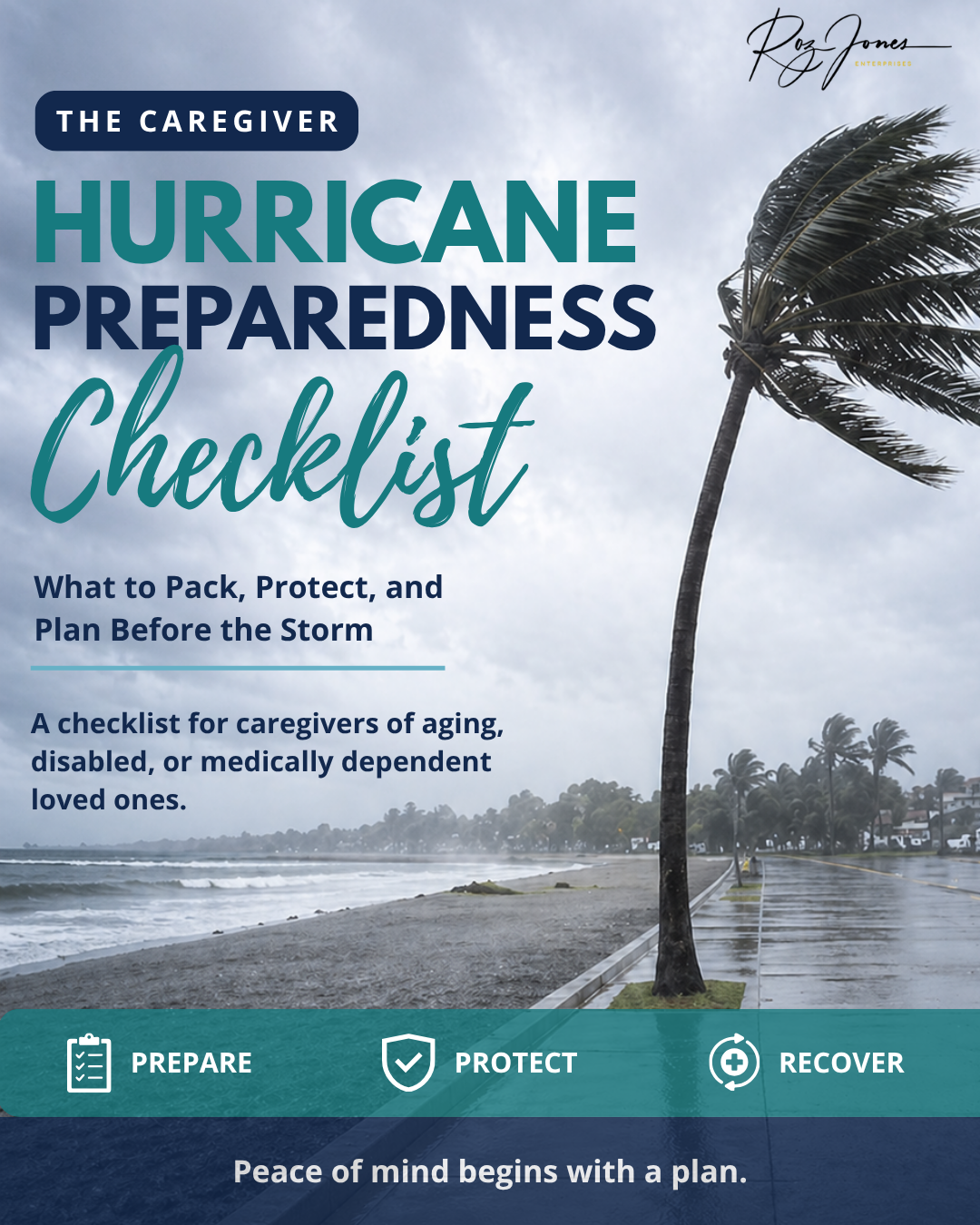
If you are caring for a loved one during storm season, purchase the Caregiver Hurricane Preparedness Checklist. It can help you prepare important documents, emergency contacts, supplies, medication needs, and safety steps before severe weather becomes a crisis.
For only $1.99, this checklist gives you a simple starting point so you are not trying to gather everything during a storm, power outage, hospitalization, or sudden change in your loved one’s care.
Purchase the Caregiver Hurricane Preparedness Checklist for $1.99 today and take one more step toward peace of mind.
Need Help Sorting Through the Care Plan?

If your family needs help thinking through care decisions, caregiving responsibilities, or next steps, book a session with Roz Jones. You do not have to navigate this season alone.
Together, we can talk through what is working, what is becoming too heavy, and what boundaries need to be strengthened so you can continue to care without losing yourself in the process.
Subscribe to The Caregiver Cafe Weekly Newsletter!

1. YOU ARE NOT ALONE: The problems you face as a caregiver are experienced by other caregivers. Knowing that you’re not alone can be comforting.
2. Tools and Resources: Find caregiver stress management tools and gain perspective from other caregiver’s experiences.
3. LEARN TO: Ask for help, accept help when it is offered, and acknowledge yourself on this caregiving journey. Hear from experts on how to balance caregiving responsibilities by taking care of your needs and involving others to help manage the natural stress and isolation of being a caregiver.