
What Caregivers Need to Know About Medigap in 2026

By Roz Jones

Medicare decisions can become another responsibility caregivers are expected to understand, especially when an aging loved one starts receiving more healthcare. You may be helping review medical bills, keeping track of appointments, checking insurance statements, or trying to understand why Medicare paid one portion of a bill while your loved one is responsible for another. That is often when Medicare Supplement Insurance, also called Medigap, becomes part of the conversation.

Medigap can help with some of the out-of-pocket costs that remain after Original Medicare pays its share, but it is not a replacement for Medicare and it does not cover every healthcare expense your loved one may have. Understanding how the coverage works can help families decide whether it fits into the larger healthcare and financial plan.

Understand What Medigap Actually Supplements

Medigap works alongside Original Medicare, Part A and Part B. Medicare pays its share of covered healthcare costs first, and the Medigap policy may then pay some or all of the remaining costs covered under that particular policy.

Those remaining costs can include deductibles, coinsurance, and copayments. Without supplemental coverage, those expenses can become difficult to predict, especially for an aging loved one who sees several providers, receives outpatient services regularly, or experiences a hospitalization.

One important distinction for caregivers to understand is that Medigap is not the same thing as Medicare Advantage. Medicare Advantage is another way to receive Medicare benefits, while Medigap supplements Original Medicare. Your loved one cannot use a Medigap policy to pay the copayments, deductibles, or premiums associated with a Medicare Advantage plan.

Know What Medigap Does Not Cover

Having supplemental insurance does not mean every healthcare-related expense will be covered. Medigap policies generally do not cover long-term care, routine dental or vision care, hearing aids, eyeglasses, or private-duty nursing.

Prescription drug coverage is also separate. Medigap policies sold after 2005 do not include prescription drug coverage, so someone with Original Medicare and Medigap may also need a separate Medicare Part D prescription drug plan if they want drug coverage.

That distinction becomes especially important for caregivers because many of the services an aging loved one may eventually need are not automatically covered simply because they have Medicare and Medigap. If your loved one begins needing ongoing personal care at home, assistance with activities of daily living, or long-term nursing home care, Medigap should not be treated as a long-term care insurance policy.

Compare the Plan, Not Just the Insurance Company

Medigap plans are standardized in most states and identified by letters, such as Plan G, Plan K, or Plan N. That means the basic benefits of a particular lettered plan are generally the same regardless of which insurance company sells it.

The price may not be the same.

Two companies may sell the same lettered Medigap plan with the same standardized benefits and charge different premiums. Premiums can also vary based on where your loved one lives and other factors, and those premiums can increase over time.

For caregivers helping compare coverage, that means it is worth looking at more than the name of the insurance company. Compare the same plan letter across several companies and ask how premiums are determined and whether the company has a history of increasing rates. The lowest premium today may not always be the only factor worth considering when the coverage may be kept for years.

Pay Attention to When Your Loved One Enrolls

Timing matters with Medigap in a way families may not realize.

The federal Medigap Open Enrollment Period is generally a one-time six-month period that begins when someone has Medicare Part B and is age 65 or older. During that period, your loved one can generally buy any Medigap policy sold in their state regardless of health problems.

That period does not return every year like Medicare’s annual Open Enrollment Period.

After the Medigap Open Enrollment Period ends, an insurance company may be allowed to use medical underwriting when someone applies for coverage unless the person qualifies for certain guaranteed issue protections or has additional rights under state law. That can mean higher premiums, fewer options, or being denied a policy.

Caregivers should pay attention to this timeline when helping someone first transition into Medicare rather than assuming they can simply add the same supplemental coverage several years later under the same conditions.

Look at the Healthcare Your Loved One Actually Uses

Choosing coverage should begin with your loved one’s needs rather than with the plan someone else recommends.

Think about how frequently your loved one receives medical care, whether they see specialists regularly, whether they travel, what they can realistically afford each month, and how comfortable they are with unpredictable out-of-pocket expenses.

A person who rarely receives care may look at the monthly premium differently from someone managing several chronic conditions and attending frequent appointments. One family may place a higher value on predictable healthcare expenses, while another may be more focused on keeping monthly premiums manageable.

There is no single Medigap plan that is automatically right for every older adult. The goal is understanding what financial risk your loved one is trying to reduce and whether the cost of the policy makes sense within their budget.

Consider How Often Your Loved One Travels

Original Medicare generally allows someone to see any doctor or hospital in the United States that takes Medicare, which can be useful for aging loved ones who spend time in different states or travel frequently.

Some Medigap policies also provide limited coverage for emergency medical care while traveling outside the United States, which Original Medicare generally does not cover except in limited circumstances.

That does not mean a Medigap policy should automatically replace travel medical insurance. Coverage outside the United States depends on the particular Medigap plan and has limits. If your loved one travels internationally, review those benefits carefully instead of assuming all medical expenses abroad will be covered.

Remember That Plan Options Can Depend on Medicare Eligibility

Not every Medigap plan is available to every Medicare beneficiary. For example, Plans C and F are no longer available to people who became newly eligible for Medicare on or after January 1, 2020. People who were eligible for Medicare before that date may still have access to those plans depending on their circumstances.

Some states also have different rules for people under age 65 who qualify for Medicare because of disability or End-Stage Renal Disease. Federal law generally does not require insurance companies to sell Medigap policies to beneficiaries under 65, although some states provide additional protections or options.

This is another reason caregivers should avoid comparing coverage based only on what another family member or friend has. Your loved one’s eligibility, state, age, and Medicare history can affect what is actually available to them.

Understand What Your Loved One Will Still Pay

Medigap adds another monthly premium to the household budget. Your loved one still has to pay the Medicare Part B premium, and then they pay a separate premium directly to the private insurance company providing the Medigap policy.

Depending on the plan they choose, there may still be other out-of-pocket costs as well. In 2026, for example, Plans F and G may offer high-deductible versions in some states. Those policies require the beneficiary to pay Medicare-covered costs up to a $2,950 deductible in 2026 before the high-deductible Medigap policy begins paying. Plans K and L also have annual out-of-pocket limits, which are $8,000 and $4,000 respectively in 2026.

Caregivers should look at the entire cost picture instead of focusing only on the monthly premium. Consider what your loved one would pay each month, what expenses they could still face when they receive care, and whether those costs remain manageable alongside medications, housing, transportation, food, and other caregiving expenses.

Get Unbiased Help Before Making the Decision

Medicare can become confusing quickly because families are often comparing Original Medicare, Medicare Advantage, Part D prescription drug coverage, Medigap policies, employer or retiree coverage, and sometimes Medicaid at the same time.

You do not have to understand all of that by yourself.

Every state has a State Health Insurance Assistance Program, or SHIP, that provides free counseling to people with Medicare and their families. SHIP counselors are not insurance agents and are not connected to a particular insurance company or health plan. Medicare specifically recommends contacting SHIP when consumers need help comparing their options.

That can be especially useful when a caregiver wants someone to explain the differences without immediately being sold a policy.

Review Coverage as Part of the Larger Care Plan

Insurance should not be reviewed separately from everything else happening in your loved one’s life. A healthcare plan that worked when they first enrolled in Medicare may need another look as their health, finances, prescriptions, travel habits, or care needs change.

Medigap policies themselves are generally guaranteed renewable as long as premiums continue to be paid, but that does not mean families should stop paying attention to costs. Premiums may increase over time, and other parts of Medicare coverage, including prescription drug plans, may also need to be reviewed separately.

Keep insurance information with the other documents you use to manage care. Know which Medicare coverage your loved one has, which company provides the Medigap policy, how premiums are being paid, and who to contact when you have questions about a bill or claim. The more organized that information is, the easier it becomes to help when something changes.

I first talked about supplemental coverage in Unraveling the Maze of Medicare Supplemental Insurance. The basic purpose of Medigap has not changed, but caregivers in 2026 still need to understand the difference between Medigap and Medicare Advantage, how enrollment timing affects access to coverage, what supplemental policies do not pay for, and why comparing both benefits and long-term costs matters.

Prepare for Your Next Trip

Planning to travel with an aging loved one? Download the free Vacationing with an Aging Loved One Checklist to help you prepare for medications, mobility needs, comfort, safety, and unexpected changes.

Tune in to The Caregiver Cafรฉ Podcast

Struggling with being patient as a Caregiver
In this episode of The Caregiver Cafรฉ with Roz Jones, Roz is talking about something every caregiver has probably struggled with at one time or another: patience.

Caregiving does not happen in a perfect environment. You may wake up late, your schedule may change, something unexpected may happen with your aging loved one, or you may simply be tired, hungry, overwhelmed, and trying to get too much done at once. Before you know it, something small can push you from calm to frustrated.

And Roz will be the first to tell youโ€”she is working on this right along with you.

In this episode, Roz breaks down six reasons we often struggle with patience, including disrupted routines, feeling like there is never enough time, comparing our progress to someone elseโ€™s, becoming overwhelmed, expecting results too quickly, and trying to function when we are tired or hungry.

Give Yourself a Moment of Grace

Caregiving includes demanding days, unexpected changes, and moments of connection that may be easy to overlook. Moments of Grace offers encouragement to caregivers who need a reminder to pause and recognize the meaningful moments along the journey.

Preparing for hurricane season?
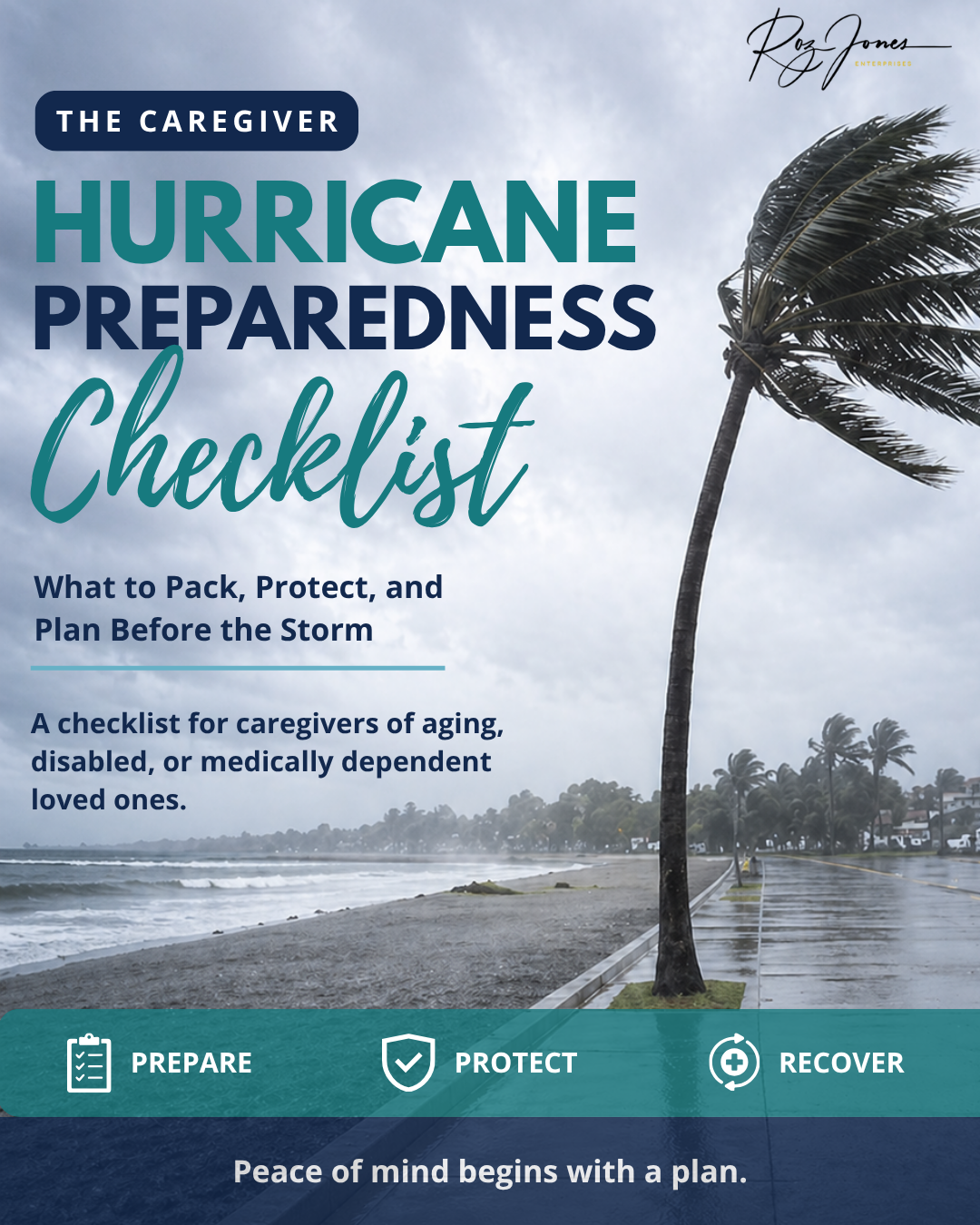
The Caregiver Hurricane Preparedness Checklist.

Are you preparing for hurricane season? Purchase the Caregiver Hurricane Preparedness Checklist to organize the information and supplies your family may need before severe weather arrives.

Subscribe to The Caregiver Cafe Weekly Newsletter!

Caregiving can be a roller coaster of ups and downs. The information that you will receive from The Caregiver Cafe Weekly Specials Newsletter will support you as a caregiver. Remember…

1. YOU ARE NOT ALONE: The problems you face as a caregiver are experienced by other caregivers. Knowing that you’re not alone can be comforting. 

2. Tools and Resources:  Find caregiver stress management tools and gain perspective from other caregiver’s experiences.

3. LEARN TO: Ask for help, accept help when it is offered, and acknowledge yourself on this caregiving journey. Hear from experts on how to balance caregiving responsibilities by taking care of your needs and involving others to help manage the natural stress and isolation of being a caregiver. 

Finding the Right Mental Health Support for Your Aging Loved One

By Roz Jones

Once a family recognizes that an aging loved one may need mental health support, the next question is often where to begin. There may be concern about depression, grief, anxiety, significant changes in mood, or thoughts of suicide, but knowing that help is needed does not automatically make the healthcare system easy to navigate. Families may be unsure whether to call the primary care doctor, look for a therapist, find a psychiatrist, contact Medicare, or reach out to a crisis service.

The important thing to remember is that you do not have to identify the perfect provider before taking the first step. Mental health care can involve several different professionals and levels of support, and the right place to begin will depend on what your loved one is experiencing, how urgent the concern is, and what care is available to them.

Start With the Provider Who Knows Their Health History

For many aging loved ones, the primary care provider can be a practical starting point. Mental and physical health are closely connected, and changes in mood, sleep, appetite, energy, concentration, or behavior can sometimes be affected by medications, chronic health conditions, pain, sleep problems, or other medical concerns.

Before an appointment, think about what has changed and when you first noticed it. Has your loved one been sleeping much more than usual? Have they stopped eating regularly? Did the change begin after a hospitalization, medication adjustment, death in the family, or new diagnosis? Specific examples can help the provider understand what has been happening outside of the examination room.

A primary care provider may be able to screen for depression or other mental health concerns, review medications and health conditions, and determine whether another professional should become involved. You do not need to walk into that appointment knowing exactly what kind of treatment your loved one needs. The goal is to make sure the changes you have noticed become part of their healthcare conversation.

Understand the Different Types of Mental Health Providers

The term mental health professional can include several types of providers, and families may not always know the difference. A therapist or counselor may provide psychotherapy to help your loved one work through grief, depression, anxiety, major life transitions, or other emotional concerns. Clinical social workers, psychologists, licensed counselors, marriage and family therapists, and other qualified professionals may provide different forms of therapy depending on their training and state licensing requirements.

A psychiatrist is a medical doctor who specializes in mental health and can evaluate psychiatric conditions and prescribe medication. Other qualified medical professionals may also prescribe and monitor mental health medications depending on their credentials and state rules.

Your loved one may need one provider or a combination of services. Someone coping with grief after losing a spouse may have different needs from someone experiencing severe depression or a significant psychiatric crisis. That is why families should focus less on finding a specific job title first and more on making sure the provider has experience addressing the concerns your loved one is actually experiencing.

Ask Whether the Provider Works With Older Adults

Older adults can face emotional challenges connected to grief, chronic illness, cognitive changes, loss of independence, caregiving transitions, changes in mobility, retirement, and the deaths of longtime friends or family members. A provider who regularly works with older adults may be more familiar with how those issues can affect mental health later in life.

When contacting a provider, ask whether they have experience working with older adults and with the particular concern your loved one is facing. If memory or cognitive changes are also present, mention that as well. Mental health symptoms and cognitive symptoms can sometimes overlap, and the treatment team needs to understand the whole picture.

The right provider should also be someone your loved one feels comfortable speaking with. Credentials and experience matter, but treatment becomes much harder when your loved one does not feel heard, respected, or understood.

Check Coverage Before Assuming Care Is Out of Reach

Cost can become one of the biggest concerns when families begin looking for mental health treatment. If your aging loved one has Medicare, it is worth understanding what mental health services may already be covered.

In 2026, Medicare Part B covers a range of outpatient mental health services, including individual and group psychotherapy, family counseling when it helps with treatment, psychiatric evaluation, medication management, safety-planning interventions for people at risk of suicide or overdose, and certain more intensive outpatient services. Medicare also covers mental health care from several types of qualified providers, including psychiatrists, psychologists, clinical social workers, marriage and family therapists, and mental health counselors.

Coverage does not mean every provider accepts Medicare or that every service will have the same out-of-pocket cost. Before scheduling, ask whether the provider accepts your loved oneโ€™s insurance, whether they accept Medicare assignment when applicable, and what costs the family should expect.

If your loved one has a Medicare Advantage plan, Medicaid, Veterans benefits, or another insurance plan, the provider network and coverage rules may be different. Checking before the first appointment can prevent families from discovering unexpected costs after treatment has already started.

Use Treatment Locators When You Do Not Know Where to Begin

Finding a mental health provider can be frustrating, especially when families are already dealing with everything else that comes with caregiving. Instead of randomly calling offices, use resources designed to help narrow the search.

SAMHSAโ€™s FindTreatment.gov remains available in 2026 as a confidential and anonymous tool for locating mental health and substance use treatment providers throughout the United States and its territories. Families can search by location and explore treatment options in their area. SAMHSA also provides information specifically for older adults who need help finding treatment, understanding payment options, or addressing barriers such as transportation.

Your loved oneโ€™s insurance company may also have an online provider directory or member-services number that can help identify professionals who participate in their plan. Their primary care provider may be able to provide referrals as well.

You may need to contact more than one office. Availability, insurance participation, location, and the providerโ€™s experience can all affect whether a particular option works for your family.

Prepare for the First Appointment

Once an appointment is scheduled, preparation can help your loved one get more out of the visit. Bring an updated medication list, information about important medical conditions, and any recent changes that may be relevant. If your loved one has recently been hospitalized, experienced a significant loss, stopped driving, moved homes, or had another major life change, make sure the provider knows.

It can also help to write down the behaviors or concerns that led the family to seek help. Try to be specific rather than simply saying your loved one has not been themselves. Explain whether they have stopped doing activities, changed their sleeping or eating patterns, become more withdrawn, talked about feeling hopeless, or experienced another noticeable change.

Whenever possible, include your loved one in deciding what information will be shared. They are the person receiving the care, and respecting their voice can make the process feel less like something being done to them.

Expect That Finding the Right Fit May Take Time

The first provider may not always be the right provider. Your loved one may attend an appointment and decide they do not feel comfortable returning. The provider may determine that a different type of treatment would be more appropriate. Insurance or scheduling issues may also force the family to continue searching.

That can be frustrating, but it does not mean seeking help was the wrong decision.

Ask your loved one what worked and what did not. Maybe they would prefer a provider closer to home, someone with more experience working with older adults, a different communication style, or telehealth instead of an office visit. If they are willing to continue trying, use what you learned from the first experience to guide the next search.

The goal is not simply getting your loved one into an appointment. It is helping them connect with care they can realistically continue using.

Know When Regular Appointments Are Not Enough

There is an important difference between arranging ongoing mental health care and responding to an immediate crisis. A therapy appointment scheduled for next week is not the same as crisis support when your loved one may be in danger today.

In 2026, the 988 Suicide & Crisis Lifeline remains available throughout the United States for people experiencing mental health, suicide, or substance-use-related crises. Your loved one can call or text 988, and chat support is also available. Caregivers can contact 988 when they are worried about someone else and need help determining what to do next.

For veterans, service members, and their families, calling 988 and pressing 1 connects to the Veterans Crisis Line. If your loved one is in immediate physical danger or experiencing a medical emergency, call 911 or seek emergency medical care.

Knowing where each type of help fits can make it easier to respond appropriately instead of trying to use routine care for an emergency or waiting for a crisis before beginning routine care.

Keep Mental Health Connected to the Rest of Their Care

Mental health should not become a completely separate part of your loved oneโ€™s healthcare. Their emotional well-being can affect sleep, appetite, physical activity, medication adherence, chronic disease management, and how willing they are to participate in other parts of their care.

When appropriate and with your loved oneโ€™s permission, communication between their providers can help everyone understand the larger picture. A therapist may need to know about a significant medical diagnosis. A primary care provider should know about important mental health changes. A psychiatrist prescribing medication needs an accurate list of the other medications your loved one is already taking.

Caregivers can help by keeping information organized and making sure important changes are not lost between appointments. You do not have to coordinate every clinical decision yourself, but you can help make sure everyone is working from accurate information.

Give Yourself Permission to Learn as You Go

Families are not expected to understand the mental health system before they ever need it. You may learn what different providers do as you begin making calls. You may discover that insurance works differently than you expected or that your loved one needs a level of care you had never heard of before.

Take the process one decision at a time.

In Creating More Meaning in Your Loved Oneโ€™s Days, I talked about helping an aging loved one maintain connection, choice, purpose, and meaningful activities as their care needs change. Supporting emotional well-being also means knowing where professional care fits when family support and everyday connection are no longer enough.

Prepare for Your Next Trip

Planning to travel with an aging loved one? Download the free Vacationing with an Aging Loved One Checklist to help you prepare for medications, mobility needs, comfort, safety, and unexpected changes.

Tune in to The Caregiver Cafรฉ Podcast

Struggling with being patient as a Caregiver

In this episode of The Caregiver Cafรฉ with Roz Jones, Roz is talking about something every caregiver has probably struggled with at one time or another: patience.

Caregiving does not happen in a perfect environment. You may wake up late, your schedule may change, something unexpected may happen with your aging loved one, or you may simply be tired, hungry, overwhelmed, and trying to get too much done at once. Before you know it, something small can push you from calm to frustrated.

And Roz will be the first to tell youโ€”she is working on this right along with you.

In this episode, Roz breaks down six reasons we often struggle with patience, including disrupted routines, feeling like there is never enough time, comparing our progress to someone elseโ€™s, becoming overwhelmed, expecting results too quickly, and trying to function when we are tired or hungry.

Give Yourself a Moment of Grace

Caregiving includes demanding days, unexpected changes, and moments of connection that may be easy to overlook. Moments of Grace offers encouragement to caregivers who need a reminder to pause and recognize the meaningful moments along the journey.

Preparing for hurricane season?

The Caregiver Hurricane Preparedness Checklist.

Are you preparing for hurricane season? Purchase the Caregiver Hurricane Preparedness Checklist to organize the information and supplies your family may need before severe weather arrives.

Subscribe to The Caregiver Cafe Weekly Newsletter!

Caregiving can be a roller coaster of ups and downs. The information that you will receive from The Caregiver Cafe Weekly Specials Newsletter will support you as a caregiver. Remember…

1. YOU ARE NOT ALONE: The problems you face as a caregiver are experienced by other caregivers. Knowing that you’re not alone can be comforting. 

2. Tools and Resources:  Find caregiver stress management tools and gain perspective from other caregiver’s experiences.

3. LEARN TO: Ask for help, accept help when it is offered, and acknowledge yourself on this caregiving journey. Hear from experts on how to balance caregiving responsibilities by taking care of your needs and involving others to help manage the natural stress and isolation of being a caregiver. 

The Quiet Truth: Why Aging Loved Ones Still Want Connection

By Roz Jones

Letโ€™s settle into this gently, because today weโ€™re talking about something that sits deep in the heart, something many caregivers feel but rarely say out loud. 

The Desire to Be Wanted Doesnโ€™t Age Out

Your aging loved one still wants to feel wanted. 

They still want to be held.

They still want to laugh with someone.

They still want to feel attractive, valued, and alive. 

That longing doesnโ€™t disappear because someone turned 70, 80, or 90. It doesnโ€™t disappear because theyโ€™ve lost their spouse. It doesnโ€™t disappear because their body has changed or their health has shifted.ย 

The need for connection is one of the last things to fade, if it fades at all. 

Loss Doesnโ€™t Turn Off the Heart

When your aging loved one loses a spouse, the world often expects them to โ€œclose that chapter.โ€ But grief doesnโ€™t work like that. The heart doesnโ€™t work like that. 

Losing a partner doesnโ€™t turn off the part of the heart that longs for closeness. 

If anything, it can make that longing stronger. 

Loneliness becomes louder. 

Silence becomes heavier. 

And the desire for companionship, not replacement, but companionship, becomes more real. 

Why Caregivers Misunderstand This

Caregivers, especially family caregivers, often struggle here. Not because theyโ€™re judgmental, but because theyโ€™re protective. Theyโ€™re grieving too. Theyโ€™re trying to honor the memory of the person who passed. 

So they think:

โ€œTheyโ€™re too old for that.โ€

โ€œThey should still be grieving.โ€

โ€œItโ€™s disrespectful to their late spouse.โ€

But let me tell you something from years of caregiving and sitting with families in their most tender moments: 

Grief and desire can live in the same house.

Missing someone and wanting companionship again are not opposites. 

Theyโ€™re both expressions of being human.

Your loved one can honor the past and still want connection in the present. 

They can miss their spouse deeply and still crave touch, laughter, or closeness. 

They can carry love for someone whoโ€™s gone and still open their heart to someone new. 

Thatโ€™s not betrayal. 

Thatโ€™s survival.

Whatโ€™s Really Underneath the Behavior

As caregivers, we have to shift our thinking from

โ€œWhy are they doing this?โ€ to โ€œWhat need is underneath this?โ€

Because the need is almost always simple and deeply human. 

Maybe they want connection. 

Maybe they want comfort.

Maybe they want companionship.

Maybe they want reassurance.

Maybe they want to feel like they still belong to someone, or that someone belongs to them. 

These needs donโ€™t retire. 

They donโ€™t age out.
They donโ€™t disappear because life has changed.

If this topic is stirring something in you, confusion, concern, or even relief, thatโ€™s completely normal. These conversations are tender, layered, and emotional. 

If you want help navigating intimacy, privacy, dating or boundaries with your aging loved one, Iโ€™m here to support you.


Schedule a Family Care Planning Session

Roz Jones is a dedicated caretaker turned CEO with over a decade of experience in helping families care for and make decisions for loved ones and their legacies.Roz is a compassionate, innovative healthcare industry leader.

Schedule a Family Care Planning Session with me, and let’s create a compassionate, clear plan that honors your loved one’s dignity and gives you peace of mind.


Subscribe to The Caregiver Cafe Weekly Newsletter!

Caregiving can be a roller coaster of ups and downs. The information that you will receive from The Caregiver Cafe Weekly Specials Newsletter will support you as a caregiver. Remember…

1. YOU ARE NOT ALONE: The problems you face as a caregiver are experienced by other caregivers. Knowing that you’re not alone can be comforting. 

2. Tools and Resources:  Find caregiver stress management tools and gain perspective from other caregiver’s experiences.

3. LEARN TO: Ask for help, accept help when it is offered, and acknowledge yourself on this caregiving journey. Hear from experts on how to balance caregiving responsibilities by taking care of your needs and involving others to help manage the natural stress and isolation of being a caregiver. 

When Love Doesn’t End, But Life Changes: Understanding Intimacy After Loss

By Roz Jones

Let me ease you into this gently, because I know this topic can make even the most seasoned caregiver shift in their seat.

When your aging loved one loses a spouse or longโ€‘time partner, their capacity for love, touch, and connection doesnโ€™t disappear.  

It doesnโ€™t evaporate with age.

It doesnโ€™t fade because of grief.

It doesnโ€™t shut down just because life took a painful turn.

Love doesnโ€™t end.

Life just changes.

And for caregivers, especially family caregivers, this can feel like stepping into emotional quicksand. You want to be respectful. You want to be supportive. But you also donโ€™t want to overstep, offend, or make your loved one feel like a child.

So you freeze.

You avoid the topic.

You hope it doesnโ€™t come up.

And when it does, youโ€™re thinking:

  • โ€œIs this normal?โ€
  • โ€œIs this okay at their age?โ€
  • โ€œShould I be worried?โ€
  • โ€œHow do I even bring this up without sounding disrespectful?โ€

Let me tell you something from years of caregiving, coaching families, and sitting with people in their most vulnerable moments:

It is normal. It is human. And it deserves respect.

Your loved one may be lonely.

They may miss the warmth of someone sitting beside them.

They may crave companionship – not to replace the person they lost, but to feel alive again.

They may want to date.

They may want privacy.

They may want independence.

They may simply want to feel like themselves again.

And none of that makes them โ€œinappropriate,โ€ โ€œtoo old,โ€ or โ€œmoving on too fast.โ€

It makes them human.

As caregivers, our role is not to judge or control.

Our role is to understand, support, and protect  without shaming, without assuming, and without stripping away dignity.

Because hereโ€™s what I know:

When caregivers shut down conversations about intimacy, the person on the receiving end doesnโ€™t stop wanting connection. They just stop trusting you with their truth.

And we donโ€™t want that.

A Personal Note from Roz

If this topic is stirring something in you, confusion, concern, relief, or even a little fear, thatโ€™s okay. Caregiving asks you to hold a lot. You donโ€™t have to hold this part by yourself. 

If your family is navigating intimacy, privacy, dating, or boundaries after the loss of a partner, I can help you. Together, we will create a plan that feels respectful, realistic, and peaceful for everyone involved. When love changes shape, caregivers need support too. I’m here when you’re ready.


Schedule a Family Care Planning Session

Roz Jones is a dedicated caretaker turned CEO with over a decade of experience in helping families care for and make decisions for loved ones and their legacies.Roz is a compassionate, innovative healthcare industry leader.

Schedule a Family Care Planning Session with me, and let’s walk through this together.


Subscribe to The Caregiver Cafe Weekly Newsletter!

Caregiving can be a roller coaster of ups and downs. The information that you will receive from The Caregiver Cafe Weekly Specials Newsletter will support you as a caregiver. Remember…

1. YOU ARE NOT ALONE: The problems you face as a caregiver are experienced by other caregivers. Knowing that you’re not alone can be comforting. 

2. Tools and Resources:  Find caregiver stress management tools and gain perspective from other caregiver’s experiences.

3. LEARN TO: Ask for help, accept help when it is offered, and acknowledge yourself on this caregiving journey. Hear from experts on how to balance caregiving responsibilities by taking care of your needs and involving others to help manage the natural stress and isolation of being a caregiver. 

“This is Awkward”: Honest Conversations Caregivers Must Have About Boundaries, Safety, and Aging

By Roz Jones

Let me tell you something Iโ€™ve learned after years of working with families: Caregivers donโ€™t get stuck because theyโ€™re judgmental. They get stuck because they care. Theyโ€™re trying to protect someone they love, and theyโ€™re terrified of saying the wrong thing or crossing a line. 

And when the topic is sexuality, privacy or boundaries? Whew. Thatโ€™s when everybody suddenly finds something very interesting on the floor. 

But avoiding the conversation doesnโ€™t make the need go away. It just makes the tension grow. So letโ€™s walk through how to talk about this with dignity, clarity, and compassion, the Roz way.

Set the Tone Before you Set the Boundary

When you need to open the door to a sensitive conversation, start with respect. Start with adulthood. Start with humanity.

You should say:

โ€œI want to talk about something thatโ€™s important for your well-being. You deserve privacy and respect, and I also want to make sure everything stays safe. Can we talk about what you want and what support you need?โ€

That one sentence does a lot of heavy lifting. It tells your aging loved one, โ€œI see you as a whole person.โ€ It lets them know safety matters, but not at the cost of their dignity. And it invites them into the conversation instead of putting them on the defensive. 

Thatโ€™s how you build trust.

What Caregivers Actually Need to Sort Out

When intimacy or companionship begins, it can be a new relationship or a rekindled one. It might also be a simple desire for privacy. In these cases, families often realize they need clarity. Not control. Clarity.

Privacy discussions may be necessary in the home. This is important now that your aging loved oneโ€™s needs have changed. You may need to discuss dating, new relationships, or what โ€œalone timeโ€ looks like. You may need to revisit safer sex, because yes, STIs do not retire. Keep an eye on financial safety. Pay special attention if โ€œnew friendsโ€ show up with big smiles and even bigger requests. 

Caregivers also have to think about boundaries with staff. Whatโ€™s appropriate and whatโ€™s not, and how to protect everyone involved. If your aging loved one has a partner or roommate, you may need to clearly spell out expectations. These include space, routines, and responsibilities.

These conversations arenโ€™t about taking power away. Theyโ€™re about making sure everyone is safe, respected, and on the same page. 

How to Ask the Questions Without Making it Weird

You donโ€™t need a script, you need curiosity and kindness. Here are some ways you can open that door gently:

  • โ€œWhat feels private to you right now?โ€
  • โ€œIs there anything Iโ€™m doing that feels intrusive or uncomfortable?โ€
  • โ€œIf youโ€™re seeing someone, what does safety look like for you?โ€
  • โ€œDo you feel pressured by anyone?โ€
  • โ€œWould you like help talking to your doctor about comfort or medication effects?โ€

These questions arenโ€™t interrogations. Theyโ€™re invitations. They say, โ€œIโ€™m here. Iโ€™m listening. Iโ€™m not judging.โ€

When Youโ€™re Worried, Lead with Understanding Not Shutdown

If something doesnโ€™t feel right, or you suspect risk, the instinct is often to clamp down. But โ€œYou canโ€™t do thatโ€ shuts the conversation, and the relationship, down. 

Try this instead: 

โ€œI want to understand whatโ€™s going on, and Iโ€™m also responsible for helping keep things safe. Letโ€™s talk through some support options that would help.โ€

This keeps the door open while still protecting your aging loved one. 


And if youโ€™re concerned about exploitation, coercion, or confusion, donโ€™t carry that alone. Bring in a trusted clinician. Document what youโ€™re noticing. Consider a family meeting with a neutral mediator or facilitator. You deserve support too. 

When Memory Loss or Dementia Is Part of the Picture

This is where things get especially tender. Consent can become unclear. A relationship that once felt safe may no longer be. And family members may disagree about whatโ€™s โ€œappropriate.โ€

The goal doesnโ€™t change. Dignity first. But the guardrails get stronger.

You may need to protect your loved one from exploitation. You may need to avoid shaming them when they forget boundaries. You may need to keep routines consistent so they feel secure. And you may need professional guidance to navigate situations that donโ€™t have easy answers. 

You are not expected to figure this out alone. Truly

A Closing Reminder from my Heart to Yours

Aging changes the body. It changes routines. It changes roles. But it does not erase a person’s needs for closeness, affection, privacy, or choice. 

Your aging loved one is still a whole human being. They are not just someone you care for. They deserve to be seen, heard, and honored. 


When caregivers approach sexuality with dignity and safety at the center, families breathe easier. Conversations get smoother. And the home becomes a place of respect instead of tension.

If your family is wrestling with privacy, dating, boundaries, or safety, you donโ€™t have to keep guessing. A clear plan can bring relief fast. 

Letโ€™s sit down together and create agreements that feel respectful, realistic, and drama-free.


Schedule a Family Care Planning Session

Roz Jones is a dedicated caretaker turned CEO with over a decade of experience in helping families care for and make decisions for loved ones and their legacies.Roz is a compassionate, innovative healthcare industry leader.

Schedule a Family Care Planning Session with me, and let’s bring some peace back into your caregiving journey.


Subscribe to The Caregiver Cafe Weekly Newsletter!

Caregiving can be a roller coaster of ups and downs. The information that you will receive from The Caregiver Cafe Weekly Specials Newsletter will support you as a caregiver. Remember…

1. YOU ARE NOT ALONE: The problems you face as a caregiver are experienced by other caregivers. Knowing that you’re not alone can be comforting. 

2. Tools and Resources:  Find caregiver stress management tools and gain perspective from other caregiver’s experiences.

3. LEARN TO: Ask for help, accept help when it is offered, and acknowledge yourself on this caregiving journey. Hear from experts on how to balance caregiving responsibilities by taking care of your needs and involving others to help manage the natural stress and isolation of being a caregiver.