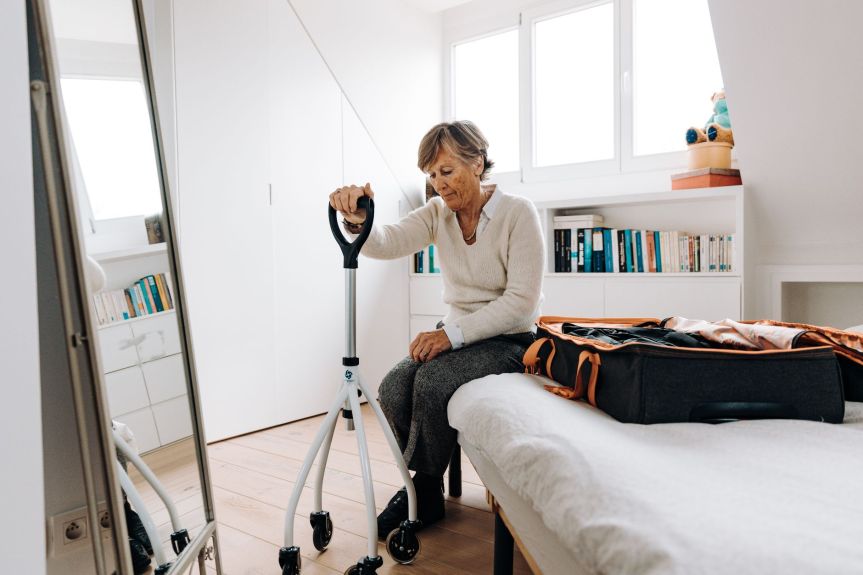
Preparing the Home Before Leaving an Aging Loved One in Someone Else’s Care

By Roz Jones

Once a support network has been established, the next step is making sure the home is ready.

The people providing care need a safe, organized environment where they can support an aging loved one without searching for supplies, correcting preventable hazards, or trying to understand how the household normally operates.

For an aging adult, the home is more than a place to live. It is where familiar routines, personal belongings, favorite foods, medications, medical equipment, and sources of comfort are located.

When the primary caregiver leaves for vacation, maintaining that familiar environment can help reduce stress and confusion. Preparing the home in advance also makes it easier for family members, friends, or professional caregivers to provide consistent care.

Complete a Home Safety Check

Begin by walking through the home and looking for anything that may create a safety concern.

Pay close attention to the areas your loved one uses most often, including the bedroom, bathroom, kitchen, living room, hallways, and entrances.

Remove clutter from floors and walkways. Secure loose rugs, move electrical cords out of walking paths, and make sure furniture does not block access for walkers, canes, or wheelchairs.

Check that handrails are secure and that frequently used chairs are stable. Avoid chairs that are too low or difficult to stand up from.

Look at the home from your loved one’s point of view. Items that seem harmless to others may become serious obstacles for someone with limited mobility, poor balance, low vision, or memory loss.

A safer home reduces the risk of falls and gives everyone involved in the care plan greater peace of mind.

Improve Lighting Throughout the Home

Poor lighting can increase the risk of falls, especially during the evening and overnight hours.

Replace burned-out bulbs and make sure hallways, stairways, bedrooms, bathrooms, and entrances are well lit.

Add night-lights in areas your loved one may use after dark. The path from the bedroom to the bathroom should be clear and easy to see.

Place lamps where they can be reached without walking across a dark room.

If your loved one has low vision, avoid creating sudden changes between very bright and very dark areas. Consistent lighting can make it easier to recognize steps, furniture, and changes in the flooring.

Outdoor lighting should also be checked, particularly near porches, steps, ramps, sidewalks, and driveways.

Prepare the Bathroom for Safe Use

The bathroom is one of the most important areas to review before leaving for vacation.

Wet surfaces, limited space, and the need to sit, stand, or transfer can increase the risk of injury.

Confirm that grab bars are secure and placed where they are most useful. Check that shower chairs, raised toilet seats, handheld showerheads, and other safety equipment are stable and in good condition.

Remove loose bathmats that may slide or bunch underfoot. Use nonslip surfaces where needed.

Keep towels, soap, toilet paper, incontinence supplies, and personal care products within easy reach.

The person providing care should also understand how much help your loved one needs in the bathroom. Some aging adults may only need someone nearby. Others may require direct assistance with bathing, dressing, toileting, or transfers.

Personal care instructions should protect both safety and dignity.

Organize Medications in One Location

Medication instructions may be included in the care plan, but the home should also be arranged so medications are easy to locate and manage.

Refill prescriptions before leaving and make sure there is enough medication for the entire vacation, along with additional doses in case the return trip is delayed.

Keep medications in their original labeled containers whenever possible.

Store them in one designated area unless refrigeration or safety requirements make that impossible.

If a pill organizer is used, confirm that it has been filled correctly. Label it clearly and leave written instructions nearby.

The medication list should include the name of each medication, dosage, schedule, prescribing provider, pharmacy information, and known allergies.

Remove expired medications and separate anything that should not be used.

Simple organization can reduce the risk of missed doses, duplicate doses, and confusion.

Stock Meals That Fit the Care Plan

Food should be planned according to the aging loved one’s preferences, health needs, and ability to eat safely.

Stock familiar foods that are easy to prepare.

If your loved one has dietary restrictions, make sure everyone providing care understands them. This may include low-sodium diets, diabetic meal plans, texture modifications, food allergies, or fluid restrictions.

Prepare and label meals in advance when possible. Include reheating instructions and dates.

Place commonly used foods and beverages where they can be reached safely. Avoid storing heavy items on high shelves or in areas that require bending.

Make sure the refrigerator and pantry contain enough food for the full time the caregiver will be away.

Meal planning should also account for snacks, water, nutritional drinks, and any foods needed when medications must be taken with a meal.

A stocked kitchen allows the support team to focus on care instead of making last-minute trips to the grocery store.

Keep Essential Supplies Easy to Find

Caregivers should not have to search through closets, cabinets, and storage areas to find necessary supplies.

Place frequently used items together and label them when needed.

This may include:

  • Incontinence products
  • Gloves
  • Wipes
  • Wound care supplies
  • Blood pressure equipment
  • Blood sugar testing supplies
  • Hearing aid batteries
  • Mobility equipment
  • Personal care items
  • Disposable bed pads
  • Cleaning supplies
  • Medical equipment chargers

Check expiration dates and make sure enough supplies are available for the entire vacation.

If certain products must be used in a specific way, leave clear instructions.

A simple supply station can make daily care more efficient and help prevent interruptions.

Check Medical Equipment

Any medical equipment used in the home should be checked before the caregiver leaves.

Confirm that equipment is clean, working properly, and fully charged.

Inspect walkers, wheelchairs, canes, hospital beds, lifts, oxygen equipment, blood pressure monitors, glucose meters, and other devices.

Make sure replacement batteries, charging cords, and backup supplies are available.

Place written instructions near equipment that may be unfamiliar to the person providing care.

Include the contact information for the equipment company or service provider in case something stops working.

If your loved one depends on equipment that requires electricity, prepare for a possible power outage. Identify which devices have battery backup and how long that backup will last.

Maintain Familiar Routines

Aging loved ones often feel more secure when their routines remain consistent.

Write down the usual schedule for waking, meals, medication, bathing, rest, television programs, activities, and bedtime.

Include the details that may not seem important but help the day go more smoothly.

Your loved one may prefer coffee in a certain cup.

They may listen to the same radio station in the morning.

They may become anxious if dinner is served too late.

They may sleep better with a hallway light on.

These familiar routines can provide comfort while the primary caregiver is away.

This is especially important for someone living with dementia or memory loss. Changes in routine may increase confusion, agitation, or anxiety.

Maintaining familiar patterns can help the loved one feel safer in their own home.

Prepare for Weather and Power Outages

The home should be ready for severe weather and unexpected power loss.

Check flashlights and replace old batteries. Charge phones, medical equipment, and portable power banks.

Keep bottled water, nonperishable food, and emergency supplies in an accessible location.

Make sure smoke detectors and carbon monoxide detectors are working.

If medications require refrigeration, prepare a backup plan for keeping them at the correct temperature.

If your loved one relies on oxygen, a lift, an adjustable bed, or other electric equipment, contact the provider to learn what should happen during an outage.

Post emergency numbers where they can be easily found.

Preparation is especially important during hurricane season, winter storms, extreme heat, and other periods when power outages or road closures may occur.

Secure Important Documents and Information

The support team should have access to the information needed for care, but private documents should remain protected.

Place medical information, insurance cards, medication lists, emergency contacts, and healthcare provider information in a designated folder.

Keep this folder in a location known to the primary contact.

Financial records, legal documents, checkbooks, passwords, and unrelated personal information should be secured.

Only provide access to what is necessary for the care arrangement.

If the person providing care may need to purchase groceries, prescriptions, or supplies, decide in advance how those expenses will be handled.

Clear arrangements reduce confusion and protect the aging loved one’s privacy.

Review Home Access and Security

Everyone involved in the care plan should know how to enter and secure the home.

Provide keys, access codes, alarm instructions, or building information before the vacation begins.

Test each key and code to make sure it works.

Identify who is authorized to enter the home and which doors should remain locked.

If cameras, doorbells, or alarm systems are used, explain how they operate and how privacy will be protected.

Emergency responders should also be able to access the home if necessary.

If your loved one uses a medical alert system, test it before leaving and make sure the support team understands how it works.

Create a Comfortable Recovery Space

Your loved one may need a comfortable area for rest during the day.

Arrange a chair, recliner, or bed in a space where necessary items can be reached safely.

Place water, tissues, a telephone, remote controls, reading materials, and other familiar items nearby.

Make sure the area is not too hot or too cold.

If your loved one spends long periods seated or in bed, review repositioning needs and skin care instructions with the person providing care.

Comfort is not separate from safety. A loved one who is uncomfortable may try to stand, reach, or move without assistance.

Preparing a suitable resting space can reduce unnecessary risk.

Complete a Final Walk-Through

Before leaving, complete one final walk-through of the home.

Check that medications are organized, food is stocked, equipment is working, supplies are available, and emergency information is visible.

Confirm that walkways are clear and the home is at a comfortable temperature.

Review any appliances that should not be used without assistance.

Take out the trash, complete necessary laundry, and remove spoiled food from the refrigerator.

Make sure the support team knows where everything is located.

The final walk-through should focus on anything that could interrupt care, create confusion, or place your loved one at risk.

Home Preparation Supports Everyone

Preparing the home is not only about preventing emergencies.

It helps preserve the aging loved one’s routine, comfort, independence, and dignity.

It also gives the people providing care the tools and information they need to do their jobs well.

When the home is safe, organized, and fully stocked, fewer decisions have to be made during the caregiver’s absence.

The primary caregiver can leave knowing that important details have been addressed.

The aging loved one can remain in a familiar environment.

The support team can provide care with greater confidence.

Preparation cannot prevent every unexpected situation, but it can reduce avoidable stress and create a stronger foundation for care.

Read the previous blog to learn how to identify the right level of support, choose dependable caregivers, assign responsibilities, create a communication schedule, and develop back care arrangements before leaving your aging loved one at home.

Prepare for Your Next Trip

Before traveling with an aging loved one, download the free Vacationing with an Aging Loved One Checklist.

This checklist will help you organize important information, supplies, medications, documents, accommodations, and care needs before leaving home.

Tune in to The Caregiver Café Podcast

Assisted Living: What Caregivers Need to Know

In this episode of The Caregiver Café with Roz Jones, Roz is talking about what caregivers need to know when it may be time to look for an assisted living facility.

There may come a point in the caregiving journey when your loved one’s care needs become more than one person can safely manage at home. Maybe their condition has changed. Maybe they need help standing, bathing, eating, taking medication, or getting to the bathroom. Maybe it now takes two people to safely transfer them from the bed or chair. When that happens, it may be time to start asking questions and exploring the next level of care.

Roz walks listeners through some of the important questions to ask when touring an assisted living facility, including staff ratios, staff turnover, training, medical support, room options, emergency response systems, accessibility, activities, meals, shared spaces, and whether residents can bring personal furniture or pets.

This episode is a practical reminder that choosing a facility is not only about the building. It is about safety, staffing, comfort, dignity, and making sure your loved one receives the care they need.

Before you take a tour, pour yourself something warm, get your questions ready, and let Roz help you know what to look for, what to ask, and what to pay attention to.

Give Yourself a Moment of Grace

If you need encouragement for the emotional side of caregiving, purchase Roz Jones’ book, Moments of Grace. This book offers support, reflection, and reminders of grace for the caregiver who is carrying a lot.

This journal was created to help caregivers pause, breathe, reflect, and find strength in the middle of the caregiving journey.

Purchase Moments of Grace today and give yourself permission to breathe in the middle of the caregiving journey.

Don’t Wait Until the Storm is Coming
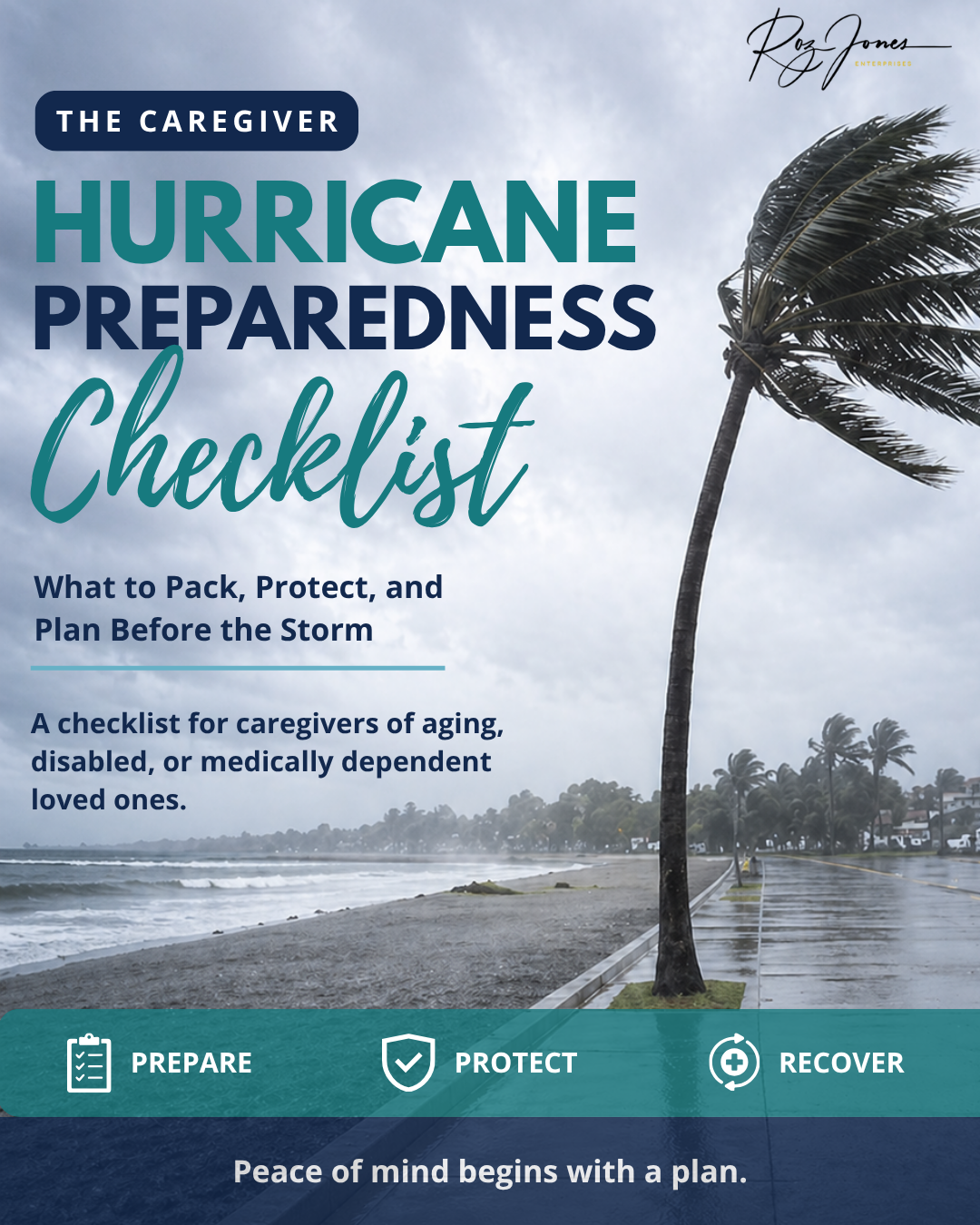
The Caregiver Hurricane Preparedness Checklist.

Severe weather can create additional risks for aging loved ones and family caregivers.

The Caregiver Hurricane Preparedness Checklist will help you organize emergency contacts, medications, medical information, evacuation needs, important documents and essential supplies before a storm arrives.

Need Help Sorting Through the Care Plan?

Roz Jones is a dedicated caretaker turned CEO with over a decade of experience in helping families care for and make decisions for loved ones and their legacies.Roz is a compassionate, innovative healthcare industry leader.

If your family needs help thinking through care decisions, caregiving responsibilities, or next steps, book a session with Roz Jones. You do not have to navigate this season alone.

Together, we can talk through what is working, what is becoming too heavy, and what boundaries need to be strengthened so you can continue to care without losing yourself in the process.

Subscribe to The Caregiver Cafe Weekly Newsletter!

Caregiving can be a roller coaster of ups and downs. The information that you will receive from The Caregiver Cafe Weekly Specials Newsletter will support you as a caregiver. Remember…

1. YOU ARE NOT ALONE: The problems you face as a caregiver are experienced by other caregivers. Knowing that you’re not alone can be comforting. 

2. Tools and Resources:  Find caregiver stress management tools and gain perspective from other caregiver’s experiences.

3. LEARN TO: Ask for help, accept help when it is offered, and acknowledge yourself on this caregiving journey. Hear from experts on how to balance caregiving responsibilities by taking care of your needs and involving others to help manage the natural stress and isolation of being a caregiver. 

Before You Book: Choosing a Vacation Rental That Works for Your Aging Loved One

By Roz Jones

Finding a vacation rental for a family getaway involves more than choosing a beautiful property in the right location. When an aging loved one is traveling with the family, the home must also support their safety, comfort, mobility, and daily care needs.

A rental may be described as accessible, senior-friendly, or easy to enter, but those words do not always tell caregivers what they need to know. A property with only two steps at the entrance may still be difficult for someone using a walker. A bathroom may have a walk-in shower but no grab bars or secure seating. A bedroom may be located on the first floor but too far from the bathroom for a loved one who needs assistance during the night.

These details can affect the entire vacation.

The right vacation rental should make it easier for an aging loved one to participate in the family experience without placing additional strain on the caregiver. That requires looking beyond the photographs and amenities in the listing. Caregivers must consider how their loved one will enter the property, move between rooms, use the bathroom, rest comfortably, manage medications, and receive help if an emergency occurs.

Planning carefully before making a reservation can prevent families from arriving at a property that looks inviting online but does not work for the person who needs the most support.

Look Beyond the Listing Photos

Vacation rental listings are designed to showcase beautiful kitchens, scenic views, and comfortable living spaces. While those features certainly matter, caregivers often need information that cannot be determined from photographs alone.

Before reserving a property, take time to ask questions that address your loved one’s specific needs. Confirm whether there are steps leading into the home, the width of doorways, the location of bedrooms and bathrooms, and whether the shower can safely accommodate someone with limited mobility. If your loved one uses a wheelchair, walker, or cane, ask whether there is enough space to move comfortably throughout the home.

Do not hesitate to request additional photographs or measurements if something is unclear. Most property owners or managers are willing to answer questions that help determine whether their rental is the right fit. It is far better to ask those questions before booking than to discover challenges after your family has already arrived.

Remember that “accessible” can mean different things to different people. What works well for one family may not meet the needs of another. Evaluating the property through the lens of your loved one’s daily routine can help you make a more informed decision and avoid unnecessary stress during your vacation.

Prepare the Home Before Your Loved One Arrives

Even the most thoughtfully designed vacation rental may need a few adjustments to better support your aging loved one. Taking time to prepare the space after you arrive can help prevent accidents and make everyone feel more comfortable throughout the trip.

Walk through the home before your loved one begins settling in. Look for loose rugs, electrical cords, uneven flooring, or furniture that may make it difficult to move safely from room to room. Check that walkways are clear, light switches are easy to find, and commonly used items are within reach. If the home has stairs, make sure handrails are secure and discuss whether certain areas of the home should be avoided altogether.

The bathroom deserves special attention. Confirm that the shower or bathtub feels safe to enter and exit, place non-slip mats where needed, and set out toiletries so your loved one does not have to bend, stretch, or search for them. If you brought portable equipment such as a shower chair, raised toilet seat, or grab handles, install them before they are needed rather than waiting until a challenge arises.

It is also helpful to designate one location for medications, medical supplies, emergency contact information, and important documents. Keeping everything organized allows caregivers to spend less time searching for what they need and more time enjoying the vacation with their loved one.

Preparing the home does not take long, but those small adjustments can make a significant difference in helping your loved one feel safe, confident, and comfortable from the moment they walk through the door.

Think Beyond the Home Itself

A vacation rental may meet every accessibility need inside the home, but the surrounding area is just as important. Before booking, consider what your loved one will need once they step outside the front door.

Look into how close the property is to grocery stores, pharmacies, urgent care centers, and hospitals. While no one plans for an emergency during vacation, knowing where medical care is available can provide peace of mind should the unexpected happen. If your loved one receives oxygen, dialysis, home health services, or other specialized care, research those resources before your trip and keep important phone numbers readily available.

You should also think about how easily your loved one will be able to enjoy the destination itself. Are restaurants accessible? Do local attractions have wheelchair-friendly pathways or seating areas? Is parking conveniently located, or will your loved one need to walk long distances? If spending time outdoors is part of your plans, consider the weather, shade, restroom availability, and opportunities to rest throughout the day.

Planning beyond the vacation rental allows caregivers to create an experience that feels enjoyable instead of overwhelming. When the entire environment supports your loved one’s needs, everyone can spend less time solving problems and more time creating meaningful memories together.

Plan for the Unexpected

No matter how carefully a vacation is planned, unexpected situations can happen. A medication may be forgotten. A loved one may become fatigued more quickly than anticipated. A change in weather may require plans to be adjusted. Preparing for these possibilities before they happen allows caregivers to respond with confidence instead of feeling overwhelmed.

Before leaving home, create a simple care plan that everyone traveling with your loved one understands. Share medication schedules, emergency contacts, health conditions, allergies, and any daily routines that are important to maintain. If more than one family member is helping provide care, decide ahead of time who will be responsible for medications, transportation, meals, and assisting with mobility throughout the trip.

It is also wise to identify a backup plan for each day’s activities. If your loved one becomes tired or overstimulated, consider having a quieter alternative that allows them to continue participating without feeling left out. Sometimes that may mean returning to the vacation rental for a period of rest before rejoining the family later in the day. Other times, it may mean choosing a different activity altogether.

One of the greatest gifts you can give your aging loved one is the freedom to enjoy the vacation without feeling pressured to keep up. Flexibility allows caregivers to respond to changing needs while preserving what matters most—time together as a family.

Plan for the Unexpected

Even with careful planning, unexpected situations can arise while traveling. An aging loved one may become tired sooner than expected, experience a change in their health, or need more assistance than they typically require at home. Preparing for these possibilities before leaving can help caregivers respond with greater confidence and reduce unnecessary stress during the trip.

Before departing, create a simple travel care plan that includes medication schedules, emergency contacts, allergies, insurance information, and a list of current medical conditions. If multiple family members are traveling together, make sure everyone understands your loved one’s daily routine and knows where important information is kept. This can be especially helpful if the primary caregiver needs to step away for a short period or if an emergency occurs.

It is equally important to think through your daily itinerary. Avoid scheduling multiple activities back-to-back or planning days that leave little room for rest. Building flexibility into your schedule allows your loved one to participate at a pace that feels comfortable while giving the family permission to adjust plans when necessary. Sometimes the most successful vacation days are the ones that include plenty of opportunities to pause, relax, and simply enjoy being together.

Preparing for the unexpected also means knowing when to change course. If your loved one begins showing signs of fatigue, confusion, or discomfort, do not feel pressured to continue with the day’s plans simply because reservations have been made or other family members are eager to continue. Caregiving often requires flexibility, and vacations are no exception. Making adjustments when they are needed can help prevent minor concerns from becoming larger challenges while allowing everyone to continue enjoying the time together.

Help Your Loved One Feel at Home

A vacation rental may be a temporary place to stay, but there are simple ways to make it feel familiar and comfortable for your aging loved one. While a change of scenery can be enjoyable, maintaining parts of their daily routine can provide a sense of stability throughout the trip.

Try to keep meal times, medication schedules, and bedtime routines as consistent as possible. Familiar routines can be especially important for individuals living with Alzheimer’s disease or another form of dementia, as sudden changes in their environment may increase confusion or anxiety. Keeping daily patterns as close to home as possible can help your loved one feel more relaxed and confident during the vacation.

Packing a few familiar items can also make a meaningful difference. A favorite blanket, pillow, family photographs, books, puzzles, devotional materials, or even a preferred coffee mug can bring a sense of comfort to an unfamiliar space. Small touches like these can help transform a vacation rental into a place that feels welcoming rather than temporary.

As caregivers, it is easy to focus on planning activities and excursions, but remember that your loved one’s comfort inside the vacation rental is just as important as the destinations you plan to visit. A peaceful environment where they feel safe, rested, and cared for often becomes the foundation for a more enjoyable vacation for the entire family.

Share the Responsibility of Care

Family vacations should create opportunities for everyone to enjoy time together, including the caregiver. Too often, one person becomes responsible for managing medications, preparing meals, assisting with mobility, coordinating transportation, and making sure everyone else is comfortable. By the end of the trip, the caregiver returns home more exhausted than when they left.

Whenever possible, involve other family members in the planning process before the vacation begins. Talk openly about your loved one’s needs and discuss how responsibilities can be shared throughout the trip. One person may be responsible for preparing breakfast while another accompanies your loved one on a walk or helps them get ready for the day. Someone else may handle grocery shopping, transportation, or keeping track of medications during an outing.

Sharing responsibilities not only provides the primary caregiver with opportunities to rest, but it also allows other family members to spend meaningful one-on-one time with their aging loved one. Those conversations, shared meals, and quiet moments together often become some of the most treasured memories of the vacation.

Caregiving has always been about more than meeting physical needs. It is about preserving relationships, maintaining dignity, and creating opportunities for connection. When families work together, everyone has the opportunity to contribute, support one another, and fully experience the joy of being together.

A vacation should leave families feeling refreshed, connected, and grateful for the time they shared. It should not leave one caregiver carrying the weight of the entire experience alone.

Remember What Matters Most

As caregivers, it is easy to become so focused on planning the perfect vacation that we lose sight of why we planned it in the first place. Reservations are made. Itineraries are organized. Medications are packed. Accessibility is confirmed. Every detail is carefully considered in hopes of creating a memorable experience.

While preparation is important, the true purpose of the vacation is spending time together.

Your aging loved one is not likely to remember every attraction you visited or every photograph you took. What they are more likely to remember is how they felt. They will remember being included in family conversations, sharing meals around the table, laughing with grandchildren, sitting together on the porch, or simply feeling comfortable enough to relax.

Creating a safe and accessible vacation rental makes those moments possible. When caregivers take the time to prepare thoughtfully, they remove many of the obstacles that can interfere with enjoying the experience. Instead of spending the vacation solving problems, families can focus on strengthening relationships and creating memories that will continue long after everyone has returned home.

Every caregiving journey is different, and every family will have unique needs. The perfect vacation is not measured by the destination or the size of the home you rent. It is measured by whether your loved one felt safe, respected, included, and surrounded by the people who matter most.

If you missed our previous blog, Creating a Safe and Accessible Vacation Rental for Aging Family Members,” be sure to read it for additional tips on preparing a vacation home that supports your loved one’s comfort, independence, and safety before you ever leave home. Together, these resources can help your family plan a vacation that is thoughtful, well-prepared, and centered on what matters most—making meaningful memories together.

Download the Vacationing With an Aging Loved One Checklist for FREE!

Before your next trip, download the free Vacationing with an Aging Loved One Checklist. This resource can help you think through what needs to be packed, planned discussed, and prepared before travel begins!

Tune in to The Caregiver Café Podcast

Handling Criticism as a Family Caregiver

In this episode of The Caregiver Café with Roz Jones, Roz is talking about a topic that can touch every caregiver at some point: criticism.

Being criticized while you are caring for a loved one does not feel good. It can make you feel judged, unappreciated, or like nothing you are doing is enough. But Roz reminds listeners that the way we respond to criticism can either create more chaos or open the door to better communication, support, and growth.

Roz shares how caregivers can begin to embrace criticism by using it as an opportunity for personal growth, improved relationships, and greater confidence. Instead of immediately becoming defensive, caregivers can ask questions, invite others to show a better way, and create space for honest conversations.

This episode is a reminder that everyone may have an opinion, but not everyone understands what caregiving looks like day to day. Still, when handled with wisdom, criticism can become a chance to improve care, strengthen family communication, and reduce tension along the caregiving journey.

So pour yourself something warm and join Roz at The Caregiver Café as she talks about how caregivers can respond to criticism with grace, boundaries, and a little bit of strategy.

Give Yourself a Moment of Grace

If you need encouragement for the emotional side of caregiving, purchase Roz Jones’ book, Moments of Grace. This book offers support, reflection, and reminders of grace for the caregiver who is carrying a lot.

This journal was created to help caregivers pause, breathe, reflect, and find strength in the middle of the caregiving journey.

Purchase Moments of Grace today and give yourself permission to breathe in the middle of the caregiving journey.

Prepare Before the Emergency Comes

The Caregiver Hurricane Preparedness Checklist.

If you are caring for a loved one during storm season, purchase the Caregiver Hurricane Preparedness Checklist. It can help you prepare important documents, emergency contacts, supplies, medication needs, and safety steps before severe weather becomes a crisis.

For only $1.99, this checklist gives you a simple starting point so you are not trying to gather everything during a storm, power outage, hospitalization, or sudden change in your loved one’s care.

Purchase the Caregiver Hurricane Preparedness Checklist for $1.99 today and take one more step toward peace of mind.

Need Help Sorting Through the Care Plan?

Roz Jones is a dedicated caretaker turned CEO with over a decade of experience in helping families care for and make decisions for loved ones and their legacies.Roz is a compassionate, innovative healthcare industry leader.

If your family needs help thinking through care decisions, caregiving responsibilities, or next steps, book a session with Roz Jones. You do not have to navigate this season alone.

Together, we can talk through what is working, what is becoming too heavy, and what boundaries need to be strengthened so you can continue to care without losing yourself in the process.

Subscribe to The Caregiver Cafe Weekly Newsletter!

Caregiving can be a roller coaster of ups and downs. The information that you will receive from The Caregiver Cafe Weekly Specials Newsletter will support you as a caregiver. Remember…

1. YOU ARE NOT ALONE: The problems you face as a caregiver are experienced by other caregivers. Knowing that you’re not alone can be comforting. 

2. Tools and Resources:  Find caregiver stress management tools and gain perspective from other caregiver’s experiences.

3. LEARN TO: Ask for help, accept help when it is offered, and acknowledge yourself on this caregiving journey. Hear from experts on how to balance caregiving responsibilities by taking care of your needs and involving others to help manage the natural stress and isolation of being a caregiver. 

When Staying Close to Home Becomes the Best Summer Vacation

By Roz Jones

Summer often brings excitement as families begin planning vacations, weekend getaways, and opportunities to spend more time together. For caregivers of aging loved ones, however, planning for the summer often looks very different. Before choosing a destination or making reservations, there are medications to organize, mobility needs to consider, medical appointments to work around, and questions about whether traveling is in the best interest of a loved one.

While a traditional vacation may not be possible for every family, that does not mean the opportunity to create meaningful memories has passed. A summer staycation can provide many of the same opportunities for connection, relaxation, and enjoyment without the added stress that often accompanies travel. Staying close to home allows caregivers to focus less on logistics and more on spending quality time with the people they love.

A staycation is not about settling for less. It is about making the most of the season you are in. With a little planning and creativity, families can discover new experiences in their own communities, strengthen relationships, and create moments that are just as meaningful as those found hundreds of miles away.

Looking at Your Community Through a Different Lens

One of the greatest advantages of a summer staycation is the opportunity to rediscover the community around you. It is easy to overlook the parks, gardens, museums, walking trails, historical sites, and community events that exist close to home because they are always there. A staycation invites families to slow down and experience these places with fresh eyes.

For caregivers, staying local also offers greater flexibility. If an aging loved one becomes tired, needs to return home to rest, or requires medication at a certain time, plans can be adjusted without the pressure of hotel reservations, travel schedules, or long drives. That flexibility can make the day more enjoyable for everyone involved.

As you begin planning your staycation, think about activities that match your loved one’s current interests and abilities rather than what they may have enjoyed years ago. A visit to a local botanical garden during the morning hours may be more enjoyable than spending an entire afternoon in the summer heat. A scenic drive through familiar neighborhoods may spark conversations and memories that become just as meaningful as visiting a new destination. Local farmers markets, art fairs, outdoor concerts, community festivals, and library programs can also provide opportunities to enjoy something new while remaining close to the comforts of home.

The goal is not to fill every hour with activity. The goal is to create experiences that allow your loved one to feel engaged, comfortable, and included while giving the caregiver the flexibility to adjust plans as needed.

Bringing the Vacation Experience Home

A staycation is not limited to outings around town. Some of the most memorable moments can happen right at home with a little planning and intention.

Creating a vacation atmosphere does not require expensive decorations or elaborate plans. It begins by setting aside time to be fully present with one another. Consider transforming the backyard into a place where the family can gather for an evening cookout, music, and conversation. Plan a picnic in the yard or at a nearby park. Prepare a meal inspired by a favorite vacation destination or invite grandchildren to help cook a treasured family recipe with an aging loved one. Even something as simple as watching an outdoor movie together or enjoying dessert on the porch can become a tradition the family looks forward to each summer.

For caregivers supporting someone living with Alzheimer’s disease or another form of dementia, familiar surroundings often provide a greater sense of comfort and security than unfamiliar environments. Bringing elements of a vacation home allows families to create enjoyable experiences while reducing many of the challenges that travel can present. Favorite music, family photographs, meaningful conversation, and familiar routines can all help aging loved ones feel relaxed and engaged throughout the day.

The most meaningful staycations are rarely defined by elaborate plans. They are remembered because families slowed down long enough to enjoy one another’s company. When caregivers remove the pressure to make everything perfect, they often discover that the simplest moments become the ones everyone remembers most.

Taking Advantage of Free and Community Resources

One of the greatest benefits of a staycation is the opportunity to enjoy experiences that may already exist within your community. Throughout the summer, many cities, towns, and neighborhoods offer free or low-cost programs designed to bring people together. These events can provide a change of scenery without placing additional strain on a family’s budget.

Many local parks host outdoor concerts, movie nights, and seasonal festivals. Libraries often offer educational programs, book clubs, craft activities, and intergenerational events that welcome participants of all ages. Community centers, senior centers, botanical gardens, museums, and historical sites may also offer discounted admission days or special summer programming that is both engaging and accessible for older adults.

Before heading out, take a few moments to think through the details that can make the experience more enjoyable for your aging loved one. Consider the time of day, expected temperatures, available seating, restroom access, parking, and the distance that may be required to walk. Packing water, light snacks, medications, sunscreen, and any mobility equipment your loved one may need can help the outing feel less stressful and more enjoyable.

A successful staycation is not measured by how many places you visit. It is measured by choosing experiences that allow your loved one to participate comfortably while giving the family an opportunity to enjoy time together. Sometimes an hour spent listening to live music in the park or walking through a local garden creates more meaningful memories than an entire day spent rushing from one attraction to another.

Summer also provides opportunities to support the community while strengthening family connections. Visiting a local farmers market, attending a neighborhood event, or exploring a nearby small business allows families to invest in the places they call home while discovering experiences they may have otherwise overlooked. Often, the best summer memories are found much closer than we expect.

Making Time to Rest and Recharge

Caregivers often spend so much time planning for everyone else that they forget they are part of the experience too.

Whether you are traveling across the country or enjoying a staycation close to home, your well-being matters. The slower pace of a staycation creates opportunities to rest in ways that are not always possible during a traditional vacation. Without long travel days, unfamiliar surroundings, or packed itineraries, caregivers have the chance to step away from constant planning and simply enjoy the moment.

Rest does not always mean doing nothing. It may look like enjoying a quiet cup of coffee before the rest of the family wakes up, reading a book while your loved one takes an afternoon nap, taking a short walk through the neighborhood, or sitting outside and enjoying the peace that comes with an unhurried day. These small moments of renewal can help caregivers return to their responsibilities feeling more present and emotionally refreshed.

This is also an excellent time to invite other family members to share in the responsibilities of caregiving. If adult children, grandchildren, siblings, or close friends are available, allow them to participate. One person might prepare lunch while another spends time visiting with your loved one. Someone else might accompany them on a walk or enjoy a favorite game together. Sharing responsibilities not only provides the caregiver with an opportunity to rest, but it also allows other family members to build meaningful memories with the person receiving care.

Caregiving is not meant to be carried by one person alone. A staycation can serve as a reminder that creating lasting memories is a shared responsibility, and that caregivers deserve opportunities to experience the joy of the season alongside the people they love.

Creating Memories That Last Beyond Summer

One of the greatest gifts a staycation offers is the opportunity to slow down enough to notice the moments that might otherwise be overlooked. Without the distractions of travel schedules and busy itineraries, families often have more time to enjoy meaningful conversations, revisit family traditions, and simply be present with one another.

Consider using your staycation as an opportunity to preserve your loved one’s story. Pull out old photo albums and invite them to share the memories behind each picture. Ask about their childhood, their first job, family vacations they remember, or traditions they hope future generations will continue. Record those conversations, write them down in a journal, or encourage grandchildren to ask questions and listen. These simple moments can become treasured keepsakes for years to come.

You can also create new traditions that your family looks forward to every summer. It might be preparing a favorite family recipe together, visiting the same local park each year, watching the sunset from the front porch, or ending the day with homemade ice cream and conversation. Traditions do not have to be elaborate to become meaningful. What matters most is the time spent together.

As caregiving needs change, family traditions may need to change as well. That is a natural part of the journey. While activities may look different than they did years ago, the opportunity to strengthen relationships, celebrate family, and create new memories never goes away. Sometimes the simplest moments become the ones that leave the greatest impact.

If you are looking for even more ideas to help your family make the most of the season without stretching your budget, be sure to read our previous blog, Budget-Friendly Family Fun: Unlocking the Magic of a Summer Staycation.” It offers additional inspiration for creating affordable summer experiences, exploring your local community, and finding simple ways to make lasting memories with your aging loved one. Together, these resources can help you plan a summer that is filled with connection, comfort, and meaningful moments close to home.

Download the Vacationing With an Aging Loved One Checklist for FREE!

Before your next trip, download the free Vacationing with an Aging Loved One Checklist. This resource can help you think through what needs to be packed, planned discussed, and prepared before travel begins!

Tune in to The Caregiver Café Podcast

Handling Criticism as a Family Caregiver

In this episode of The Caregiver Café with Roz Jones, Roz is talking about a topic that can touch every caregiver at some point: criticism.

Being criticized while you are caring for a loved one does not feel good. It can make you feel judged, unappreciated, or like nothing you are doing is enough. But Roz reminds listeners that the way we respond to criticism can either create more chaos or open the door to better communication, support, and growth.

Roz shares how caregivers can begin to embrace criticism by using it as an opportunity for personal growth, improved relationships, and greater confidence. Instead of immediately becoming defensive, caregivers can ask questions, invite others to show a better way, and create space for honest conversations.

This episode is a reminder that everyone may have an opinion, but not everyone understands what caregiving looks like day to day. Still, when handled with wisdom, criticism can become a chance to improve care, strengthen family communication, and reduce tension along the caregiving journey.

So pour yourself something warm and join Roz at The Caregiver Café as she talks about how caregivers can respond to criticism with grace, boundaries, and a little bit of strategy.

Give Yourself a Moment of Grace

If you need encouragement for the emotional side of caregiving, purchase Roz Jones’ book, Moments of Grace. This book offers support, reflection, and reminders of grace for the caregiver who is carrying a lot.

This journal was created to help caregivers pause, breathe, reflect, and find strength in the middle of the caregiving journey.

Purchase Moments of Grace today and give yourself permission to breathe in the middle of the caregiving journey.

Prepare Before the Emergency Comes

The Caregiver Hurricane Preparedness Checklist.

If you are caring for a loved one during storm season, purchase the Caregiver Hurricane Preparedness Checklist. It can help you prepare important documents, emergency contacts, supplies, medication needs, and safety steps before severe weather becomes a crisis.

For only $1.99, this checklist gives you a simple starting point so you are not trying to gather everything during a storm, power outage, hospitalization, or sudden change in your loved one’s care.

Purchase the Caregiver Hurricane Preparedness Checklist for $1.99 today and take one more step toward peace of mind.

Need Help Sorting Through the Care Plan?

Roz Jones is a dedicated caretaker turned CEO with over a decade of experience in helping families care for and make decisions for loved ones and their legacies.Roz is a compassionate, innovative healthcare industry leader.

If your family needs help thinking through care decisions, caregiving responsibilities, or next steps, book a session with Roz Jones. You do not have to navigate this season alone.

Together, we can talk through what is working, what is becoming too heavy, and what boundaries need to be strengthened so you can continue to care without losing yourself in the process.

Subscribe to The Caregiver Cafe Weekly Newsletter!

Caregiving can be a roller coaster of ups and downs. The information that you will receive from The Caregiver Cafe Weekly Specials Newsletter will support you as a caregiver. Remember…

1. YOU ARE NOT ALONE: The problems you face as a caregiver are experienced by other caregivers. Knowing that you’re not alone can be comforting. 

2. Tools and Resources:  Find caregiver stress management tools and gain perspective from other caregiver’s experiences.

3. LEARN TO: Ask for help, accept help when it is offered, and acknowledge yourself on this caregiving journey. Hear from experts on how to balance caregiving responsibilities by taking care of your needs and involving others to help manage the natural stress and isolation of being a caregiver. 

Home Can Be the Destination Too: Summer Staycations for Aging Loved Ones and Caregivers

By Roz Jones

When people hear the word vacation, they often picture airports, hotels, beaches, or long road trips.

But for many caregivers, those kinds of vacations are not always realistic.

A loved one may have mobility challenges. Medical appointments may still need to happen. Medications have to stay on schedule. The heat may be difficult to tolerate. Familiar surroundings may help reduce confusion for someone living with Alzheimer’s disease or another form of dementia.

That does not mean your family has to miss out on making summer memories.

Sometimes the most meaningful vacations happen right at home.

A staycation gives families permission to slow down, remove unnecessary pressure, and focus on what matters most, being together.

It reminds us that creating meaningful moments does not require traveling far. It requires being present.

Why Staycations Matter Even More for Caregiving Families

As our loved ones age, travel can become more physically and emotionally demanding.

Long days, unfamiliar environments, changes in routine, and extreme summer temperatures can increase fatigue, anxiety, or confusion.

Choosing a staycation allows caregivers to create experiences that meet their loved one where they are today rather than where they used to be.

That shift matters.

Caregiving is not about recreating yesterday.

It is about honoring today.

When families remove the pressure of “making the vacation perfect,” they often discover something better—peace.

Think Beyond Entertainment

A staycation is not about filling every hour with activities.

Sometimes the most meaningful memories come from ordinary moments that become extraordinary because they are shared.

You might:

  • Watch the sunrise together with coffee on the porch.
  • Visit a neighborhood farmers market.
  • Create a family recipe together and record the story behind it.
  • Look through old photographs and write down family memories for future generations.
  • Visit a nearby botanical garden, accessible park, or museum during quieter hours.
  • Listen to your loved one’s favorite music and have an afternoon dance party in the living room.
  • Invite grandchildren over for an afternoon of board games, storytelling, or baking.

Many aging loved ones do not remember every destination they have visited.

But they often remember how people made them feel.

Build Comfort Into Every Plan

One of the greatest gifts of a staycation is flexibility. If your loved one becomes tired, you can simply go home. If medications need to be adjusted, everything is already nearby.

If the weather changes, your plans can change too. Caregivers spend much of their time adapting. A staycation allows your vacation to adapt with you.

Before planning activities, ask yourself:

  • Will this environment feel comfortable?
  • Will there be plenty of places to rest?
  • Is the location wheelchair or walker accessible?
  • Are bathrooms easy to reach?
  • What time of day will my loved one have the most energy?
  • Will this activity leave both of us feeling refreshed rather than exhausted?

Sometimes the best plans are the ones that leave room to breathe.

Make the Caregiver Part of the Vacation

Caregivers often become event planners, drivers, medication managers, cooks, and photographers all at once. By the end of the day, everyone else has enjoyed the vacation while the caregiver feels completely drained.

This summer, allow yourself to experience the staycation too.

  • Accept help from family members.
  • Rotate responsibilities.
  • Ask someone else to prepare the meal.
  • Invite another family member to spend an afternoon with your loved one while you rest, read, enjoy a quiet lunch, or simply sit outside without rushing to the next task.

Caregivers, you deserve moments of restoration too.

When you care for yourself, you strengthen your ability to care for someone else.

Create Memories That Last Beyond the Summer

One beautiful way to end your staycation is by preserving the memories you created together.

Consider making a simple memory journal filled with photographs, handwritten notes, recipes, ticket stubs, or funny moments from the week.

If your loved one enjoys talking about the past, record short conversations about their childhood, favorite vacations, family traditions, or life lessons they want future generations to remember.

These conversations become priceless gifts.

Years from now, those stories may become some of your family’s greatest treasures.

Every season of caregiving looks different. Some summers involve traveling. Others involve staying close to home. Neither choice is better than the other.

What matters most is creating moments where your loved one feels safe, included, valued, and loved.

If your family is considering whether to travel or stay home this summer, you may also enjoy reading our previous blog, Embracing the Benefits of Summer Staycations: Creating Lasting Memories at Home, which shares additional ideas for creating meaningful experiences close to home.

Whether your vacation takes you across the country or simply into your own backyard, remember this:

The destination is never the most important part.

The people beside you are.

Download the Vacationing With an Aging Loved One Checklist for FREE!

Before your next trip, download the free Vacationing with an Aging Loved One Checklist. This resource can help you think through what needs to be packed, planned discussed, and prepared before travel begins!

Tune in to The Caregiver Café Podcast

Handling Criticism as a Family Caregiver

In this episode of The Caregiver Café with Roz Jones, Roz is talking about a topic that can touch every caregiver at some point: criticism.

Being criticized while you are caring for a loved one does not feel good. It can make you feel judged, unappreciated, or like nothing you are doing is enough. But Roz reminds listeners that the way we respond to criticism can either create more chaos or open the door to better communication, support, and growth.

Roz shares how caregivers can begin to embrace criticism by using it as an opportunity for personal growth, improved relationships, and greater confidence. Instead of immediately becoming defensive, caregivers can ask questions, invite others to show a better way, and create space for honest conversations.

This episode is a reminder that everyone may have an opinion, but not everyone understands what caregiving looks like day to day. Still, when handled with wisdom, criticism can become a chance to improve care, strengthen family communication, and reduce tension along the caregiving journey.

So pour yourself something warm and join Roz at The Caregiver Café as she talks about how caregivers can respond to criticism with grace, boundaries, and a little bit of strategy.

Give Yourself a Moment of Grace

If you need encouragement for the emotional side of caregiving, purchase Roz Jones’ book, Moments of Grace. This book offers support, reflection, and reminders of grace for the caregiver who is carrying a lot.

This journal was created to help caregivers pause, breathe, reflect, and find strength in the middle of the caregiving journey.

Purchase Moments of Grace today and give yourself permission to breathe in the middle of the caregiving journey.

Prepare Before the Emergency Comes

The Caregiver Hurricane Preparedness Checklist.

If you are caring for a loved one during storm season, purchase the Caregiver Hurricane Preparedness Checklist. It can help you prepare important documents, emergency contacts, supplies, medication needs, and safety steps before severe weather becomes a crisis.

For only $1.99, this checklist gives you a simple starting point so you are not trying to gather everything during a storm, power outage, hospitalization, or sudden change in your loved one’s care.

Purchase the Caregiver Hurricane Preparedness Checklist for $1.99 today and take one more step toward peace of mind.

Need Help Sorting Through the Care Plan?

Roz Jones is a dedicated caretaker turned CEO with over a decade of experience in helping families care for and make decisions for loved ones and their legacies.Roz is a compassionate, innovative healthcare industry leader.

If your family needs help thinking through care decisions, caregiving responsibilities, or next steps, book a session with Roz Jones. You do not have to navigate this season alone.

Together, we can talk through what is working, what is becoming too heavy, and what boundaries need to be strengthened so you can continue to care without losing yourself in the process.

Subscribe to The Caregiver Cafe Weekly Newsletter!

Caregiving can be a roller coaster of ups and downs. The information that you will receive from The Caregiver Cafe Weekly Specials Newsletter will support you as a caregiver. Remember…

1. YOU ARE NOT ALONE: The problems you face as a caregiver are experienced by other caregivers. Knowing that you’re not alone can be comforting. 

2. Tools and Resources:  Find caregiver stress management tools and gain perspective from other caregiver’s experiences.

3. LEARN TO: Ask for help, accept help when it is offered, and acknowledge yourself on this caregiving journey. Hear from experts on how to balance caregiving responsibilities by taking care of your needs and involving others to help manage the natural stress and isolation of being a caregiver. 

Finding the Right Travel Fit for Aging Loved Ones

By Roz Jones

Every aging loved one does not need the same kind of vacation.

Some may enjoy the ease of a cruise. Some may prefer the comfort of a resort. Some may feel better traveling with a group where everything is planned. Others may need the quiet and flexibility of a vacation rental where the family can move at its own pace.

That is why caregivers have to think beyond the destination.

The question is not just, “Where should we go?”

The question is, “What kind of travel experience will support my loved one best?”

Because when you are traveling with an aging loved one, the right setting can make all the difference. It can reduce stress. It can protect their energy. It can help them feel included. It can give the caregiver more breathing room. And it can turn a trip that feels overwhelming into one that feels possible.

Traveling with an aging loved one does not have to mean doing everything the hard way.

But it does mean choosing wisely.

Start With the Kind of Support Your Loved One Needs

Before choosing between a group tour or a vacation rental, take a moment to think about how your loved one moves through the day.

Do they do better with structure or flexibility? Do they enjoy being around people, or do they need quiet time? Can they walk for longer periods, or do they need frequent rest breaks? Are they comfortable with changes in schedule? Do they need meals at certain times? Do they need space for medical equipment, mobility aids, or caregiving support?

Those answers should guide the travel plan.

A group tour may sound wonderful, but it may not be the best fit if your loved one becomes exhausted by long days or strict schedules. A vacation rental may sound relaxing, but it may require more planning from the caregiver if meals, transportation, and activities are not already arranged.

Neither option is automatically better.

The best option is the one that fits your loved one’s needs and your capacity as the caregiver.

When Group Tours Can Be Helpful

Group tours can be a good choice for aging loved ones who enjoy structure, social interaction, and guided experiences.

One of the benefits of a group tour is that many of the details are already planned. Transportation, activities, lodging, and schedules may be handled by the tour company. That can reduce the pressure on the caregiver who is usually the one researching, booking, confirming, calling, and coordinating.

For some caregivers, that kind of support is a relief.

Instead of carrying every detail alone, there is a plan already in place.

Group tours can also offer companionship. Aging loved ones may enjoy meeting other travelers, hearing stories, sharing meals, and feeling part of a group. For seniors who have felt isolated, this can bring a sense of connection.

But caregiver, structure can be helpful only if it is realistic.

Before booking a group tour, look closely at the activity level. Ask how much walking is involved. Ask whether mobility devices can be used. Ask how often the group stops for rest. Ask if there are accessible bathrooms along the way. Ask what happens if your loved one needs to skip an activity or return early.

A good tour should not make your loved one feel rushed, embarrassed, or left behind.

The goal is not to keep up with everybody else.

The goal is to enjoy the experience safely.

Look Beyond the Brochure

Travel brochures can make everything look easy.

Beautiful photos. Smiling people. Perfect weather. Smooth paths. Relaxed meals. Comfortable transportation.

But caregivers know to ask deeper questions.

Is the bus easy to board? Are there stairs at the sites? How far is the hotel room from the lobby? Is luggage assistance provided? Is there time to sit between activities? Are meals flexible for dietary needs? Are guides trained to support older adults? Is there a plan for emergencies?

These questions matter because aging loved ones may not always speak up when something is too much. They may push themselves because they do not want to be difficult. They may say they are fine because they do not want to slow anyone down.

Caregivers have to pay attention to what is being offered and what is not being said.

A senior-friendly tour should make room for real aging bodies, not just active older adults who can move through a packed schedule without support.

That difference matters.

When Vacation Rentals Make More Sense

Vacation rentals can be a good fit for caregivers and aging loved ones who need privacy, flexibility, and a slower pace.

A rental home, condo, or apartment may allow the family to create a routine that feels more familiar. There may be space to cook meals, rest in separate rooms, store medical supplies, do laundry, and move through the day without the pressure of hotel schedules or group activities.

For some aging loved ones, that home-like setting can bring comfort.

They can wake up slowly. Eat familiar foods. Take breaks. Sit outside. Watch television. Spend time with family without feeling like they have to be “on” all day.

This can be especially helpful for loved ones who experience memory changes, anxiety, mobility challenges, dietary needs, or fatigue.

But vacation rentals also require careful planning.

A rental may look beautiful online and still be a poor fit for an aging loved one.

There may be stairs at the entrance. The bathroom may not have grab bars. The shower may be difficult to step into. The bedrooms may be on another floor. The driveway may be steep. The furniture may be too low. The nearest hospital or pharmacy may be farther away than expected.

Caregiver, do not assume.

Ask questions before you book.

Check the Layout Before You Commit

When booking a vacation rental, the layout matters.

Look at the photos carefully. Read the description closely. Message the host or rental company with specific questions. Ask about stairs, bathroom setup, bed height, doorway width, parking, lighting, flooring, and how close the rental is to grocery stores, pharmacies, urgent care, and local support.

If your loved one uses a walker, wheelchair, cane, shower chair, oxygen equipment, CPAP machine, or other medical support, think through how that equipment will fit into the space.

Also think about the caregiver’s needs.

Will you have space to rest? Will you be able to sleep? Will you have help preparing meals? Will you be able to get your loved one in and out safely? Will you be carrying luggage, groceries, equipment, and caregiving tasks without enough support?

A vacation rental can be peaceful, but only if the setup works for the whole care situation.

The goal is not just to find a pretty place.

The goal is to find a place that supports the care.

Choose Flexibility Without Losing Structure

One of the best things about vacation rentals is flexibility.

But too much flexibility can also create stress if there is no plan.

Caregivers may find themselves asking every day, “What are we doing today? What are we eating? Who is driving? Where is the closest bathroom? How far is the activity? Can my loved one handle this?”

That is why a loose plan still helps.

You do not need every minute scheduled, but it is helpful to have a few anchors in the day.

A steady breakfast time.
A planned rest period.
One main activity instead of several.
A simple dinner plan.
A backup activity if the weather changes.
A quiet evening routine.

These anchors can help your loved one feel more settled and help the caregiver feel less like everything is being figured out on the spot.

Flexibility works best when it has a little structure underneath it.

Do Not Plan the Trip Around Who Your Loved One Used to Be

This part can be emotional.

Sometimes caregivers and families plan trips based on who their aging loved one used to be.

The person who used to walk all day.
The person who loved crowded places.
The person who could travel without medication reminders.
The person who never needed help in the bathroom.
The person who could stay up late and be ready to go early the next morning.

But caregiving asks us to pay attention to who our loved one is now.

That does not mean we stop honoring who they have been.

It means we plan with love for who they are today.

That may mean choosing a slower group tour. It may mean renting a one-level home. It may mean shortening the trip. It may mean building in rest days. It may mean choosing connection over a packed itinerary.

A trip does not have to look the way it used to in order to matter.

Sometimes the sweetest moments come when the family stops forcing the old rhythm and starts respecting the new one.

Keep Safety and Joy Together

Caregivers can sometimes feel like planning for safety takes away from the fun.

But safety and joy can exist together.

A comfortable bathroom setup can help your loved one relax. A slower schedule can help them enjoy the outing. A group tour with the right pace can help them feel included. A vacation rental with the right layout can help everyone breathe easier.

Planning for safety does not mean expecting the worst.

It means making room for the best parts of the trip to happen without unnecessary stress.

Your loved one deserves to enjoy the vacation.

And caregiver, so do you.

Keep Building Your Travel Plan

If you missed the first blog, you can read Enriching Senior-Friendly Vacation Options: Group Tours and Vacation Rentals here. It is a helpful starting point for understanding how group tours and vacation rentals can support aging loved ones in different ways.

This blog builds on that reminder with one more truth:

The right travel option is the one that fits your loved one’s real needs.

Not just their old routine.

Not just the family tradition.

Not just the prettiest destination.

But their current energy, mobility, comfort, safety, and emotional well-being.

Caregiver, you do not have to make travel complicated to make it meaningful.

You can choose a group tour that gives structure and support.

You can choose a vacation rental that gives privacy and flexibility.

You can choose a slower pace.

You can choose fewer activities.

You can choose rest.

You can choose connection.

Because the goal is not to prove that your loved one can still do everything.

The goal is to help them enjoy what they can do with dignity, comfort, and care.

Download the Vacationing With an Aging Loved One Checklist for FREE!

Before your next trip, download the free Vacationing with an Aging Loved One Checklist. This resource can help you think through what needs to be packed, planned discussed, and prepared before travel begins!

Tune in to The Caregiver Café Podcast

In this episode of The Caregiver Café with Roz Jones, Roz is talking about something that many families face but do not always know how to handle: caregiving as a family affair.

When an aging parent, loved one, or family member needs care, one person often becomes the main caregiver while everyone else steps back, scatters, or assumes that person has it all under control. But caregiving should not fall on one person without a plan, support, or honest family conversations.

Roz breaks down how families can reduce the chaos in caregiving by understanding where tension comes from, setting realistic expectations, creating a care plan, assigning roles, and being honest about what each person can and cannot do. She also reminds listeners that every family member may not be able or willing to provide hands-on care, and that is why outside resources, respite care, and hired support may need to become part of the plan.

This episode is a practical reminder that caregiving requires communication, boundaries, preparation, and teamwork. Whether you live close by or long distance, there is usually some way to support the person providing daily care.

Caregiving may be a family affair, but it works best when the family has a plan.

Give Yourself a Moment of Grace

If you need encouragement for the emotional side of caregiving, purchase Roz Jones’ book, Moments of Grace. This book offers support, reflection, and reminders of grace for the caregiver who is carrying a lot.

This journal was created to help caregivers pause, breathe, reflect, and find strength in the middle of the caregiving journey.

Purchase Moments of Grace today and give yourself permission to breathe in the middle of the caregiving journey.

Prepare Before the Emergency Comes

The Caregiver Hurricane Preparedness Checklist.

If you are caring for a loved one during storm season, purchase the Caregiver Hurricane Preparedness Checklist. It can help you prepare important documents, emergency contacts, supplies, medication needs, and safety steps before severe weather becomes a crisis.

For only $1.99, this checklist gives you a simple starting point so you are not trying to gather everything during a storm, power outage, hospitalization, or sudden change in your loved one’s care.

Purchase the Caregiver Hurricane Preparedness Checklist for $1.99 today and take one more step toward peace of mind.

Need Help Sorting Through the Care Plan?

Roz Jones is a dedicated caretaker turned CEO with over a decade of experience in helping families care for and make decisions for loved ones and their legacies.Roz is a compassionate, innovative healthcare industry leader.

If your family needs help thinking through care decisions, caregiving responsibilities, or next steps, book a session with Roz Jones. You do not have to navigate this season alone.

Together, we can talk through what is working, what is becoming too heavy, and what boundaries need to be strengthened so you can continue to care without losing yourself in the process.

Subscribe to The Caregiver Cafe Weekly Newsletter!

Caregiving can be a roller coaster of ups and downs. The information that you will receive from The Caregiver Cafe Weekly Specials Newsletter will support you as a caregiver. Remember…

1. YOU ARE NOT ALONE: The problems you face as a caregiver are experienced by other caregivers. Knowing that you’re not alone can be comforting. 

2. Tools and Resources:  Find caregiver stress management tools and gain perspective from other caregiver’s experiences.

3. LEARN TO: Ask for help, accept help when it is offered, and acknowledge yourself on this caregiving journey. Hear from experts on how to balance caregiving responsibilities by taking care of your needs and involving others to help manage the natural stress and isolation of being a caregiver.